Crucial 2026 Updates to US Hotel Loyalty Programs: 3 Changes That Impact Your Points

The world of travel rewards is constantly evolving, and for savvy travelers and frequent guests, staying informed about changes to hotel loyalty programs is paramount. As we approach 2026, the United States hospitality sector is poised for some significant shifts that will directly influence how you earn, redeem, and perceive the value of your hotel points and elite status. These hotel loyalty updates are not mere tweaks; they represent fundamental adjustments that could reshape your entire travel strategy. Understanding these changes now will empower you to adapt, optimize your rewards, and ensure you continue to get the most out of your loyalty.
For years, hotel loyalty programs have been a cornerstone of travel planning, offering perks ranging from free nights and room upgrades to late check-outs and exclusive access. These benefits often dictate which hotel chain a traveler chooses, even when prices are comparable. However, as operational costs fluctuate, technological advancements emerge, and customer expectations shift, these programs must adapt. The upcoming 2026 changes in US hotel loyalty programs are a direct response to these dynamics, aiming to balance program sustainability with member value. This comprehensive guide will break down the three most crucial updates, offering insights into their potential impact and strategies to navigate them effectively.
Whether you’re a casual traveler who occasionally uses points for a weekend getaway or a road warrior who practically lives in hotels, these impending changes will touch you. From adjustments in earning rates to new redemption methodologies and revised elite qualification criteria, every aspect of your loyalty journey is under review. Our goal is to provide you with a clear, actionable understanding of what’s coming, so you can make informed decisions and continue to unlock exceptional value from your hotel stays.
The Shifting Landscape of Point Accumulation: Tiered Earning Revisions
One of the most significant hotel loyalty updates slated for 2026 revolves around how members accumulate points. Historically, many programs have offered a relatively straightforward earning structure, often a flat rate per dollar spent, with bonuses for elite members. However, the new revisions indicate a move towards more complex, tiered earning systems that could dramatically alter your point accrual rate. This means that the number of points you earn per stay might no longer be uniform across all properties or even all types of spending within the same property.
What’s Changing?
- Category-Based Earning: Expect to see different earning rates based on the hotel category or brand. For instance, luxury brands might offer a lower base earning rate per dollar to reflect their higher average room rates, while mid-tier or extended-stay properties could offer a higher rate to incentivize frequent, shorter stays.
- Spend-Based Earning: Some programs are exploring dynamic earning rates tied to specific spending categories within the hotel. This could mean higher points for dining and spa services, but potentially lower rates for the room rate itself. This encourages members to spend more on auxiliary services during their stay.
- Elite Tier Multipliers: While elite members will still receive bonus points, the multipliers themselves might be adjusted. Instead of a blanket 50% or 100% bonus, these could become more granular, varying by elite level and potentially by hotel brand. For example, a top-tier elite member might get a 75% bonus at a resort but only a 60% bonus at a city-center business hotel.
- Promotional Earning Focus: There’s a strong indication that programs will lean more heavily on targeted promotions to drive point accumulation. Instead of consistent high earning, members might need to actively participate in limited-time offers to maximize their points.
Impact on Your Points
The immediate impact of these revisions is a potential decrease in the overall velocity of point accumulation for many travelers, particularly those who previously benefited from consistent high earning rates across all their stays. Travelers who primarily stay at high-end properties and don’t utilize many on-site services might see a notable reduction in their point balances. Conversely, those who strategically choose hotels based on category or actively engage with promotions might be able to maintain or even slightly increase their earning.
Strategy to Maximize Earning
To navigate these changes, a more strategic approach to booking and spending will be required. Firstly, familiarize yourself with the specific earning charts of your preferred loyalty programs as soon as they are released. Secondly, pay close attention to promotional offers; these will become increasingly vital for boosting your point totals. Consider diversifying your loyalty portfolio if one program’s new earning structure no longer aligns with your travel patterns. Finally, evaluate the use of co-branded credit cards, as these often offer accelerated earning rates that can mitigate some of the reductions in base point accrual.
Redemption Value Recalibration: Dynamic Pricing and Category Shifts
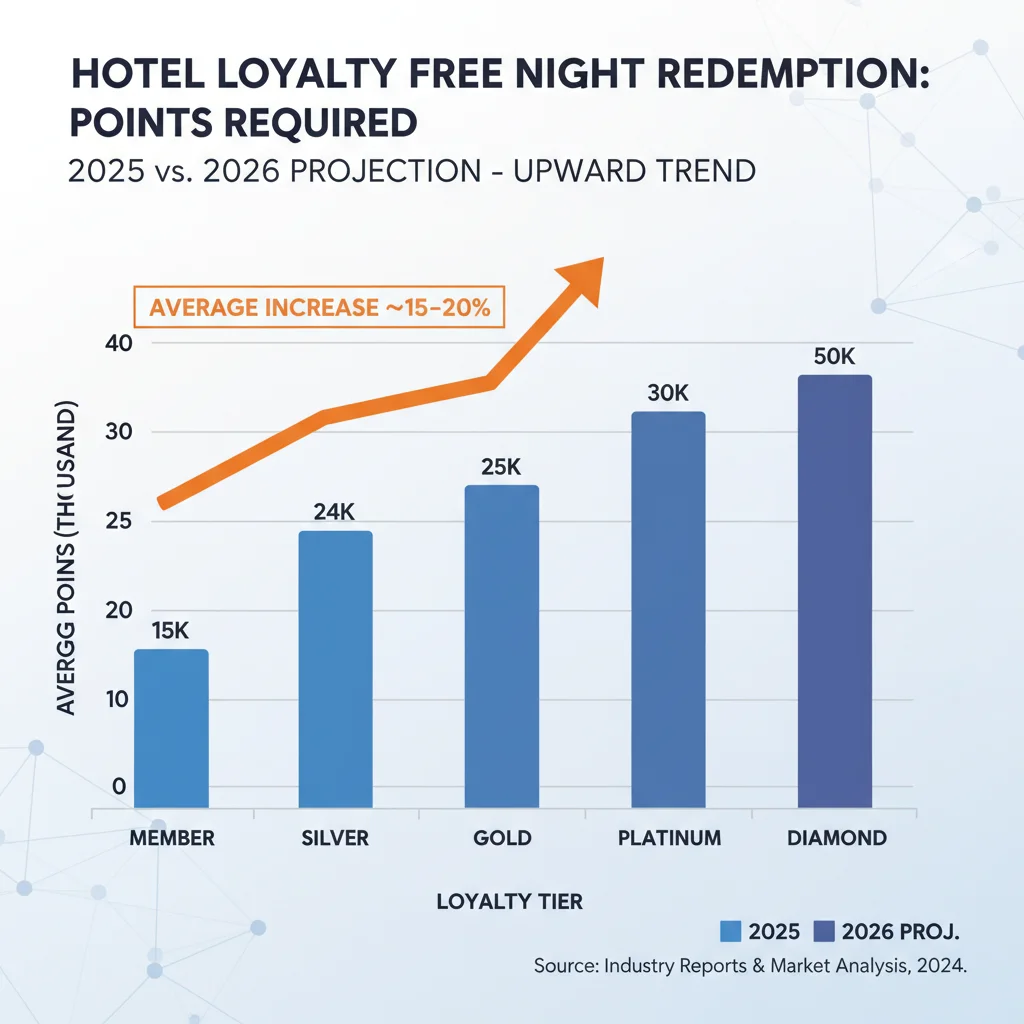
Perhaps the most impactful of the 2026 hotel loyalty updates will be the recalibration of point redemption values. For years, many programs have operated on a fixed-category chart, where hotels were assigned a category, and a set number of points was required for a free night. While some programs have already moved towards dynamic pricing, 2026 will see an accelerated and more widespread adoption of this model, coupled with significant category shifts for numerous properties.
What’s Changing?
- Widespread Dynamic Pricing: Expect more programs to fully embrace dynamic pricing, where the points required for a free night fluctuate based on demand, seasonality, room type, and even day of the week. This means peak travel periods or high-demand locations will require significantly more points, mirroring cash rates more closely.
- Category Inflation: Even for programs retaining some form of category structure, a significant number of popular and high-value properties are expected to move into higher categories. This effectively increases the points cost for a free night at these locations without necessarily changing the underlying category chart itself.
- Peak/Off-Peak Pricing Expansions: Programs that already utilize peak and off-peak pricing will likely expand these windows, with peak pricing becoming more prevalent during traditionally busy times.
- Reduced ‘Sweet Spots’: The beloved ‘sweet spots’ – properties offering disproportionately high value for points – will become rarer. As redemption values align more closely with cash rates, finding those exceptional deals will require more effort and flexibility.
Impact on Your Points
The primary impact here is a devaluation of existing point balances for many members. Points that could once secure a free night at a desirable property might now only cover a less luxurious option or require a significantly higher number of points for the same stay. This shift makes it harder to achieve aspirational redemptions without a substantially larger point balance. Travelers who hoard points for future use might find their purchasing power diminished.
Strategy to Maximize Redemption
To counteract this devaluation, proactive redemption is key. If you have a specific aspirational redemption in mind, consider booking it sooner rather than later, especially if it’s currently on a fixed-rate chart. Become adept at searching for off-peak dates and less popular destinations to find better value. Focus on maximizing point earning through credit card bonuses and promotions to offset the increased redemption costs. Furthermore, be flexible with your travel dates and destinations. Sometimes, shifting your trip by a few days can significantly reduce the points required for a stay. It’s also wise to compare the cash rate to the points rate before booking; if the cash rate is low, it might be better to save your points for a higher-value redemption.
Elite Status Overhaul: New Qualification Tiers and Benefit Adjustments
Elite status is the holy grail for many frequent travelers, unlocking a host of benefits that enhance their hotel experience. The 2026 hotel loyalty updates include a comprehensive overhaul of elite status qualification criteria and a re-evaluation of associated benefits. This could make it harder to achieve or maintain higher tiers, and some cherished perks might be altered or removed.
What’s Changing?
- Increased Stay/Night Requirements: Many programs are expected to increase the number of nights or stays required to reach or maintain various elite tiers. This is a common strategy to reduce the number of elite members and concentrate benefits among the most loyal, highest-spending customers.
- Revenue-Based Qualification: A growing trend is the introduction or increased emphasis on revenue-based qualification. This means that in addition to nights or stays, members might need to spend a certain amount of money with the hotel chain to qualify for status, putting more emphasis on overall spend rather than just frequency.
- Benefit Rationalization: Expect a review and potential reduction of some elite benefits. This could include changes to complimentary breakfast offerings (e.g., continental only, or only for certain tiers), fewer guaranteed upgrades, or limitations on lounge access. The goal is often to streamline operations and manage costs.
- New ‘Super Elite’ Tiers: Some programs might introduce even higher, invitation-only or ultra-high-spend elite tiers, offering exclusive benefits to a very select group of travelers. This further differentiates the top spenders from other elite members.
- Credit Card Tie-ins: The role of co-branded credit cards in granting elite status will likely evolve. While some cards might continue to offer automatic status, others might require higher spending thresholds on the card to unlock or maintain a specific tier.
Impact on Your Elite Status
For many, achieving or maintaining elite status will become more challenging and potentially more expensive. Travelers who barely meet current requirements might find themselves dropping a tier. The value proposition of lower elite tiers might also diminish if benefits are rationalized. This could lead to a shift in loyalty, as members reconsider whether the effort to earn status is still worthwhile.

Strategy to Maintain Status
To preserve your elite status, a proactive assessment of your travel patterns and spending habits is crucial. Firstly, review the new qualification criteria as soon as they are announced and project your likely status level under the new rules. If you’re close to a higher tier, consider a ‘status run’ before the changes take effect. Leverage co-branded credit cards that offer elite night credits or direct status, as these can be invaluable shortcuts. If maintaining status with multiple programs becomes too difficult, consider concentrating your stays with one or two preferred programs where you can realistically achieve a meaningful tier. Finally, be flexible with your travel plans; consolidating stays into fewer, longer trips might help meet night requirements more efficiently than numerous short stays.
Beyond the Big Three: Other Notable Trends and Considerations for 2026
While the tiered earning revisions, redemption value recalibration, and elite status overhaul are the most significant hotel loyalty updates for 2026, several other trends and considerations are also shaping the future of US hotel loyalty programs. Staying aware of these broader movements can provide an even more complete picture and help you anticipate further changes down the line.
Increased Personalization and AI-Driven Offers
Expect loyalty programs to become increasingly sophisticated in their personalization efforts. Leveraging artificial intelligence and vast datasets, programs will likely offer more tailored promotions, upgrades, and even redemption suggestions based on your past travel history, preferences, and spending habits. This could mean more relevant offers but also a need to keep your profile updated and potentially engage with marketing communications to ensure you receive the best deals.
Focus on Experiential Rewards
Beyond free nights, there’s a growing emphasis on offering experiential rewards. This could include exclusive access to events, unique local tours, culinary experiences, or even charitable giving options using points. While these might not appeal to every traveler, they add another dimension to point redemption and cater to a desire for more meaningful travel experiences. Look out for these unique redemption opportunities as a way to diversify your point usage.
Sustainability Initiatives and Loyalty Integration
As sustainability becomes a more prominent concern for consumers, hotel loyalty programs are likely to integrate eco-friendly initiatives. This could manifest as bonus points for choosing green options (e.g., foregoing daily housekeeping), opportunities to donate points to environmental causes, or even earning status benefits related to sustainable travel. For environmentally conscious travelers, these additions could influence program preference.
The Rise of Subscription Models and Paid Loyalty
While not a universal shift, some hotel groups are exploring or expanding paid loyalty or subscription models. These programs, often distinct from traditional points-based systems, offer immediate benefits for an annual fee. While they don’t replace the core loyalty program, they represent an alternative path to perks and could become more prevalent, particularly for travelers seeking guaranteed benefits without the need to accumulate a vast number of points or stays.
Enhanced Digital Integration and App Functionality
The role of mobile apps in managing loyalty will only grow. Expect enhanced functionality for mobile check-in/check-out, digital room keys, in-app messaging with staff, and even personalized recommendations based on your location within the property. Seamless digital integration will be key to a smooth and rewarding loyalty experience, making it essential to utilize these tools.
The Importance of Partner Ecosystems
Hotel loyalty programs are increasingly building out robust partner ecosystems. This means more opportunities to earn points with airlines, rental car companies, dining services, and even retail partners. Conversely, there might be more ways to redeem points for non-hotel related travel expenses. Understanding these partnerships can significantly expand your earning and redemption potential, making your points more versatile.
Navigating the Changes: Your Action Plan for 2026 Hotel Loyalty Updates
The impending 2026 hotel loyalty updates require a proactive approach to ensure your travel rewards continue to work for you. Here’s a concise action plan to help you navigate these shifts effectively:
- Stay Informed: Regularly check the official websites and communications from your preferred hotel loyalty programs. Announcements regarding 2026 changes will be crucial. Subscribe to newsletters and follow reliable travel rewards blogs for analysis and updates.
- Audit Your Current Status and Points: Understand your current elite status levels and point balances across all programs. Evaluate how much you typically earn and redeem annually. This baseline will help you assess the impact of the changes.
- Re-evaluate Program Value: With new earning rates, redemption values, and elite benefits, recalculate the effective value you receive from each program. Is your current primary program still the best fit for your travel goals and spending habits?
- Adjust Earning Strategies: If earning rates are decreasing, identify alternative ways to boost your points. This might include focusing on co-branded credit card spending, participating in all relevant promotions, or strategically choosing hotels that offer better earning ratios for your specific travel needs.
- Optimize Redemption Strategies: Act quickly on aspirational redemptions if they are currently good value. Be flexible with your travel dates and destinations to find the best point deals under dynamic pricing. Consider using points for shorter stays or lower-category hotels if the value is there, saving cash for higher-end experiences.
- Assess Elite Status Goals: Determine if maintaining your current elite status is still feasible and worthwhile under the new qualification requirements. If not, consider if a lower tier still offers sufficient benefits or if shifting your loyalty to a different program makes more sense.
- Leverage Credit Card Benefits: Co-branded hotel credit cards often provide accelerated earning, elite status benefits, and even free night certificates. Review your current cards and consider if new ones could help you achieve your goals under the updated rules.
- Diversify if Necessary: If one program significantly devalues or no longer fits your travel style, don’t be afraid to diversify your loyalty across multiple chains or even explore independent hotels.
- Consider Experiential Redemptions: Look beyond just free nights. If programs offer compelling experiential rewards, these might provide excellent value for your points, especially if standard redemptions become more expensive.
Conclusion: Adapting to the New Era of Hotel Loyalty
The 2026 hotel loyalty updates represent a significant juncture for travelers and the hospitality industry. While changes can sometimes feel like a devaluation, they also present an opportunity for informed travelers to adapt and refine their strategies. The shift towards more dynamic earning and redemption, coupled with evolving elite status criteria, signals a more complex but potentially more personalized future for hotel loyalty.
By understanding the nuances of tiered earning revisions, preparing for recalibrated redemption values, and strategically approaching elite status qualification, you can ensure your travel rewards continue to deliver exceptional value. The key is proactive engagement: stay informed, reassess your loyalty portfolio, and be flexible in your approach. The savvy traveler who embraces these changes will be well-positioned to unlock the best experiences and maximize their points in the years to come. Ultimately, while the rules of the game are changing, the fundamental goal remains the same: to make your travel dreams a reality, one point at a time.