Top 8 Fitness Trends 2026: Expert Insights for Peak Wellness
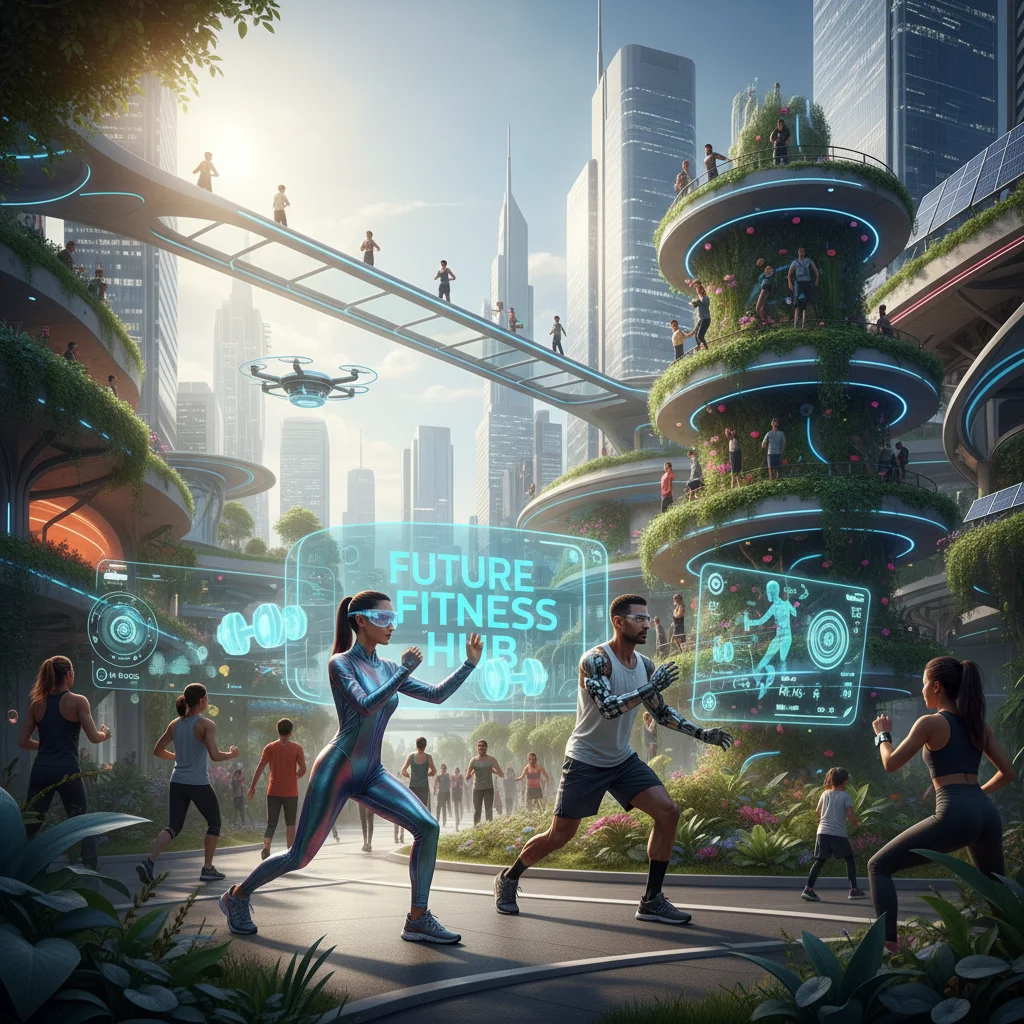
The landscape of health and wellness is perpetually evolving, shaped by technological advancements, shifting societal priorities, and a deeper understanding of the human body. As we gaze towards 2026, the fitness industry is poised for transformative change, moving beyond mere physical exertion to embrace holistic well-being, personalization, and innovative approaches. Understanding these emerging Fitness Trends 2026 is not just about staying current; it’s about proactively tailoring your health journey to achieve peak physical wellness and sustained vitality.
US health experts are already highlighting key areas that will dominate the fitness conversation in the coming years. These trends reflect a growing demand for more accessible, engaging, and scientifically backed methods to improve health. From the integration of artificial intelligence into daily workouts to the resurgence of nature-based activities, the future of fitness promises a diverse and exciting array of options for everyone, regardless of their current fitness level or goals.
This comprehensive guide will delve into the top 8 actionable Fitness Trends 2026, providing you with detailed insights and practical advice on how to incorporate them into your life. Whether you’re a seasoned athlete, a casual exerciser, or just beginning your wellness journey, these expert-backed predictions will equip you with the knowledge to make informed decisions and optimize your path to a healthier, more vibrant you. Get ready to explore the future of fitness and unlock your full potential!
1. Hyper-Personalized AI-Driven Training Programs
The era of one-size-fits-all workout plans is rapidly fading. One of the most significant Fitness Trends 2026 is the widespread adoption of hyper-personalized AI-driven training programs. These sophisticated systems leverage artificial intelligence, machine learning, and vast datasets to create workout regimens that are uniquely tailored to an individual’s specific needs, preferences, and physiological responses. Imagine a personal trainer that knows your body better than you do, adapting in real-time to your progress, fatigue levels, and even your mood.
How does this work? AI algorithms analyze data from wearable devices (heart rate, sleep patterns, activity levels), genetic predispositions, dietary habits, and even psychological factors to design optimal exercise protocols. This includes everything from the type of exercise, intensity, duration, rest periods, and even recovery strategies. For instance, if your sleep quality has been poor, the AI might recommend a lower-intensity workout focusing on mobility and stress reduction, rather than a high-impact session. If you’re showing signs of plateauing, it might introduce new exercises or increase the progressive overload in a safe and effective manner.
The benefits are profound. Users experience higher engagement due to the relevance of the workouts, reduced risk of injury because programs adapt to individual limitations, and significantly improved results as training is optimized for their unique physiology. Companies like Future, Tonal, and Peloton are already integrating nascent forms of AI into their platforms, but by 2026, this technology will be far more advanced, offering truly dynamic and responsive training experiences that were once the exclusive domain of elite athletes with dedicated coaching teams.
To embrace this trend, consider investing in smart wearables that track a wide range of metrics, and explore fitness apps or platforms that are actively developing or already utilizing AI for personalized programming. Look for systems that offer clear data visualization and explain the rationale behind their recommendations, fostering a deeper understanding of your own body and how it responds to different stimuli. This shift represents a monumental leap in making truly effective, individualized fitness accessible to the masses, making it a cornerstone of Fitness Trends 2026.
2. Advanced Wearable Technology and Biometric Feedback
Building on the foundation of AI-driven training, advanced wearable technology and sophisticated biometric feedback will continue to be a dominant force among Fitness Trends 2026. While smartwatches and fitness trackers are already ubiquitous, the next generation of wearables will offer unparalleled precision, a wider array of measurable metrics, and seamless integration with AI platforms and healthcare providers.
Expect wearables to go beyond basic heart rate and step counting. Future devices will accurately monitor blood glucose levels non-invasively, track hydration status, analyze muscle oxygenation during exercise, detect early signs of illness through subtle physiological changes, and even provide real-time neurological feedback to optimize focus and recovery. Imagine a sensor embedded in your workout clothes that tells you exactly when your muscles are reaching fatigue, or a smart ring that alerts you to impending stress based on your heart rate variability.
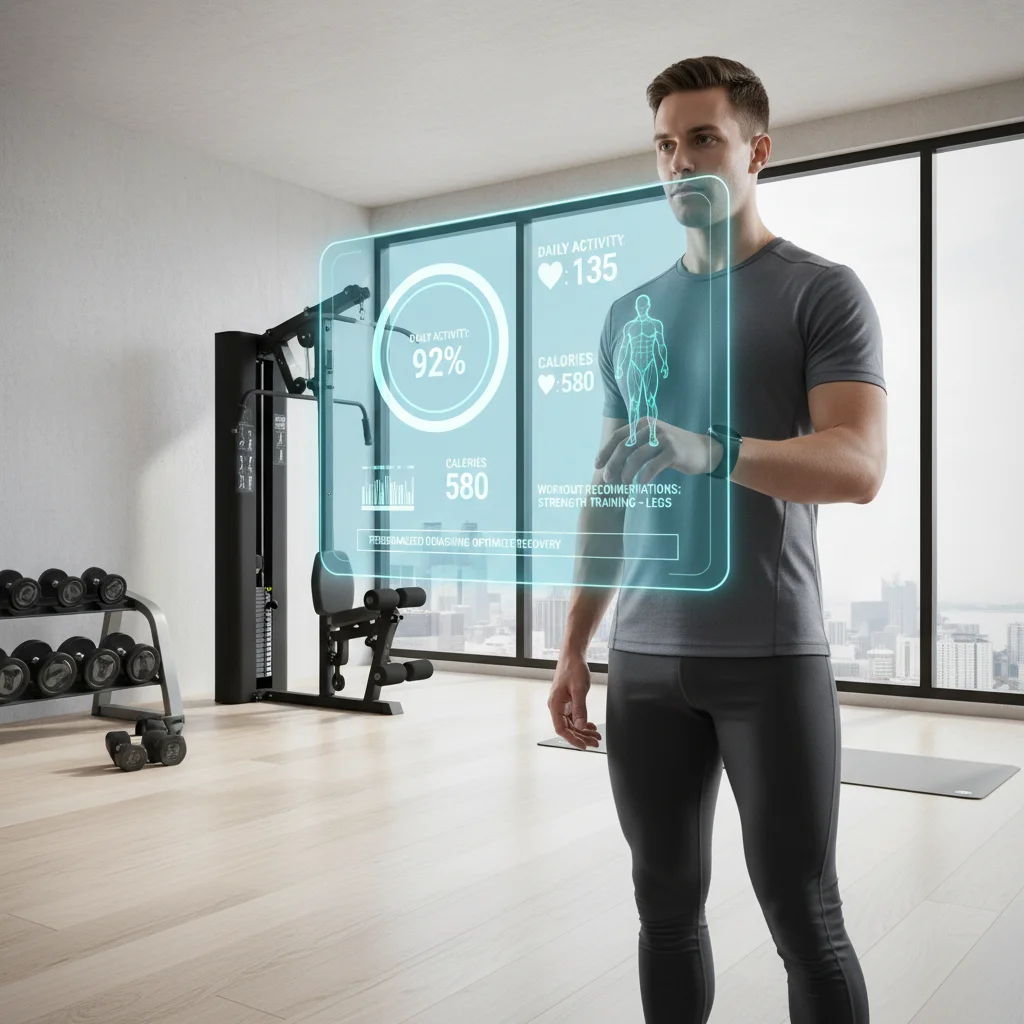
This wealth of biometric data will empower individuals with actionable insights into their bodies, allowing for proactive health management and optimized performance. Athletes will use it to fine-tune training and recovery, while everyday users can leverage it to understand their stress responses, improve sleep, and manage chronic conditions more effectively. The key will be the interpretation and application of this data, which is where AI integration becomes crucial.
Furthermore, the form factor of wearables will diversify. Beyond wrist-worn devices, we’ll see more smart patches, intelligent apparel, and even ingestible sensors designed to monitor internal biomarkers. Data privacy and security will naturally become paramount concerns, driving innovations in secure data management and user control over personal health information. For those looking to capitalize on Fitness Trends 2026, staying informed about the latest wearable innovations and understanding how to interpret their data will be essential for maximizing personal health outcomes.
3. The Rise of Immersive and Gamified Fitness Experiences
Engagement is key to adherence, and one of the most exciting Fitness Trends 2026 is the explosion of immersive and gamified fitness experiences. These trends leverage virtual reality (VR), augmented reality (AR), and game design principles to make exercise more entertaining, challenging, and motivating.
VR fitness, for example, is moving beyond niche applications. Imagine donning a VR headset and finding yourself battling mythical creatures in a fantasy world while performing squats and lunges, or cycling through breathtaking virtual landscapes from the comfort of your living room. The distraction and immersion offered by VR can make intense workouts feel less arduous, transforming exercise from a chore into an adventure. Companies like Supernatural and Liteboxer VR are paving the way, and by 2026, we’ll see more sophisticated graphics, haptic feedback, and multi-player options that allow users to compete or collaborate with friends in virtual fitness arenas.
Augmented reality will also play a significant role. AR fitness apps could project a virtual trainer onto your living room floor, guiding you through exercises with real-time feedback, or turn your morning run into a scavenger hunt where you collect virtual coins or outrun digital opponents. The blend of the digital and physical worlds offers endless possibilities for creative and dynamic workouts.
Gamification extends beyond VR/AR to traditional fitness apps and equipment. Earning badges, competing on leaderboards, unlocking new levels, and collaborating with a team to achieve a collective fitness goal can significantly boost motivation and consistency. This approach speaks to our innate desire for challenge, reward, and social connection. To embrace these Fitness Trends 2026, explore VR fitness platforms, AR-enabled workout apps, or fitness trackers that incorporate game-like elements to keep you engaged and striving for new achievements.
4. Outdoor and Nature-Based Movement Practices
Amidst the technological surge, there’s a powerful counter-trend emerging as one of the significant Fitness Trends 2026: a renewed emphasis on outdoor and nature-based movement practices. As more people spend their days indoors and connected to screens, the desire to reconnect with nature for physical and mental well-being is growing.
This trend encompasses a wide range of activities, from traditional hiking, trail running, and open-water swimming to more structured outdoor fitness classes like ‘boot camps’ in parks, forest bathing (Shinrin-yoku), and outdoor yoga. The appeal lies not just in the physical benefits but also in the profound psychological advantages of exercising in natural environments. Studies consistently show that spending time in nature reduces stress, improves mood, enhances cognitive function, and even boosts immune system activity.
By 2026, we’ll see an increase in dedicated outdoor fitness programs, urban planning that integrates more green spaces for exercise, and a greater appreciation for the variability and challenge that natural terrains offer. This could include obstacle course racing gaining even more mainstream appeal, or specialized workshops on natural movement, teaching people how to climb, crawl, balance, and jump more effectively in diverse environments.
The simplicity and accessibility of outdoor fitness make it a powerful antidote to the complexities of modern life. It often requires minimal equipment and can be adapted to various fitness levels. To participate in these Fitness Trends 2026, seek out local parks, trails, or outdoor fitness groups. Even a daily walk in a green space can offer immense benefits. Reconnecting with nature through movement is a fundamental human need that experts predict will become even more prominent in our pursuit of holistic wellness.
5. Holistic Wellness Integration: Mind, Body, and Recovery
The fragmented approach to health, where diet, exercise, and mental well-being are treated as separate entities, is giving way to a more integrated perspective. Holistic wellness integration, encompassing mind, body, and recovery, is set to be a cornerstone of Fitness Trends 2026. This approach recognizes that true well-being arises from the synergistic balance of all these components.
Fitness programs will increasingly incorporate elements of mental health and stress management, such as mindfulness exercises, meditation, and breathwork, directly into workout routines. Gyms and fitness studios will offer dedicated spaces and classes for recovery, including practices like restorative yoga, foam rolling, cryotherapy, infrared saunas, and guided stretching. The emphasis will shift from simply ‘burning calories’ to ‘optimizing performance and longevity’ through comprehensive care.
Nutrition advice will be seamlessly integrated, not just as a separate service, but as an essential component of a personalized fitness plan, often guided by AI. Sleep optimization will also receive significant attention, with wearables providing detailed sleep analytics and AI offering personalized recommendations for improving sleep hygiene. The understanding is that without adequate rest and mental clarity, physical efforts will yield suboptimal results and increase the risk of burnout or injury.
This trend signifies a maturation of the fitness industry, moving beyond superficial aesthetics to focus on sustainable health. Individuals will be encouraged to view their health journey as a continuous cycle of exertion, recovery, and mental resilience. To embrace these Fitness Trends 2026, look for fitness platforms and professionals who adopt a holistic view, offering resources and guidance across all pillars of wellness. Prioritizing recovery and mental well-being will be just as important as the workout itself.
6. Micro-Workouts and Exercise Snacking
In our increasingly busy lives, finding dedicated blocks of time for exercise can be a significant challenge. This reality is fueling one of the most practical Fitness Trends 2026: the rise of micro-workouts and exercise snacking. This concept involves breaking down traditional longer workouts into shorter, more frequent bursts of activity throughout the day.
Instead of a single 60-minute gym session, an individual might perform three 15-minute high-intensity interval training (HIIT) sessions, or even several 5-minute movement breaks. These ‘exercise snacks’ could include a quick set of squats, push-ups, or lunges during a work break, a brisk walk up and down stairs, or a few minutes of stretching. The cumulative effect of these short bursts of activity can be surprisingly potent, offering significant health benefits comparable to longer, continuous exercise sessions, especially for cardiovascular health and metabolic function.
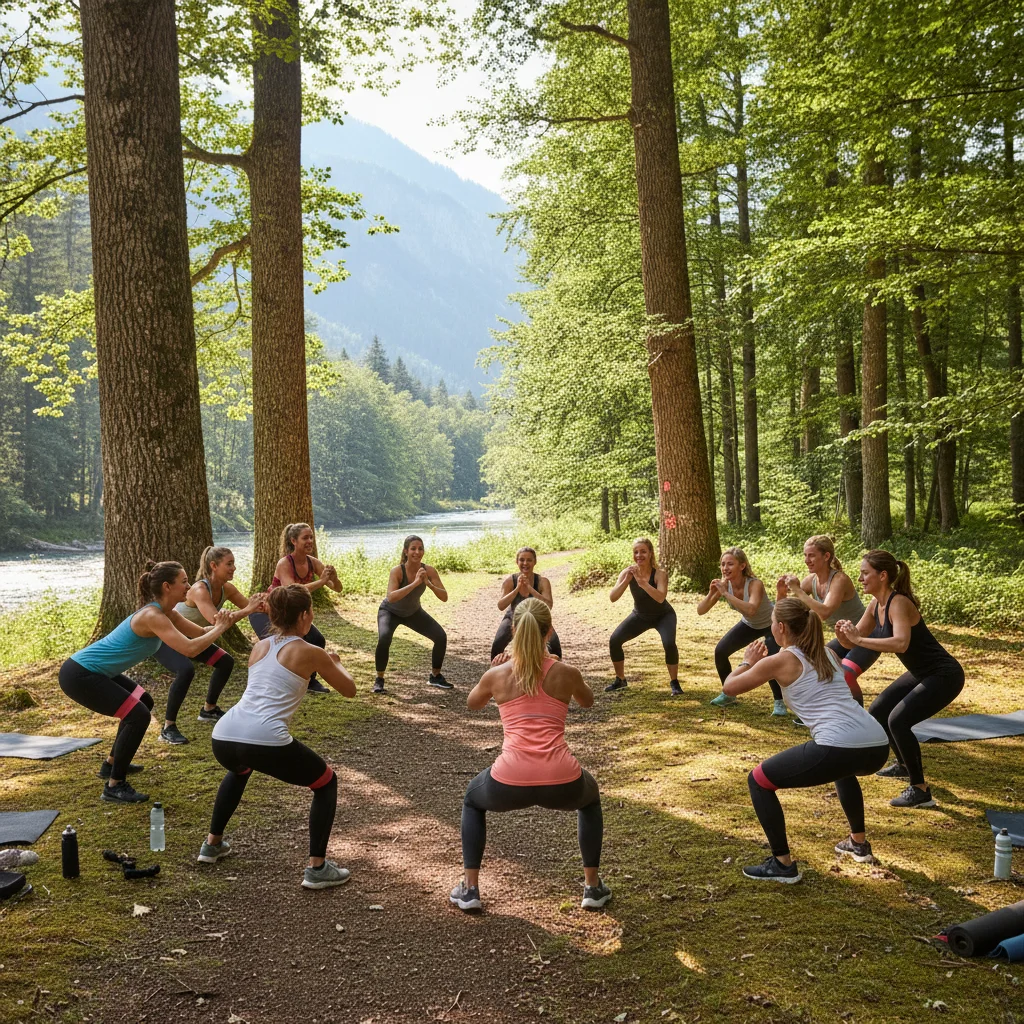
The appeal of micro-workouts lies in their accessibility and flexibility. They remove the common barrier of ‘not enough time’ and make movement an integrated part of daily life rather than a separate, scheduled event. This approach is particularly effective for desk-bound professionals or parents with demanding schedules. Technology, especially smartwatches and apps, will continue to facilitate this trend by prompting users to move and offering quick, guided exercise routines.
Studies suggest that even small bouts of physical activity can improve focus, reduce fatigue, and contribute to overall daily energy expenditure. To incorporate these Fitness Trends 2026, identify opportunities in your day for short bursts of movement. Set reminders to stand up, stretch, or do a few bodyweight exercises every hour or two. The goal is to reduce sedentary time and elevate your heart rate, even for just a few minutes at a time, making fitness more sustainable and less daunting.
7. Social Fitness and Community-Driven Engagement
While technology enables personalized and remote workouts, the human need for connection and community remains strong. Therefore, social fitness and community-driven engagement will continue to be a powerful force among Fitness Trends 2026. People are increasingly seeking shared experiences and mutual support in their fitness journeys.
This trend manifests in various forms. Traditional group fitness classes, from high-energy dance workouts to calming yoga sessions, will continue to thrive, adapted with new formats and technologies. However, we’ll also see a rise in more niche communities centered around specific activities or goals, whether it’s a running club, a bouldering group, a virtual cycling team, or a challenge-based online community. The shared struggle and collective celebration of achievements foster accountability and motivation.
Social media platforms and specialized fitness apps will play an even greater role in connecting like-minded individuals, allowing them to track progress together, share tips, and offer encouragement. Virtual group workouts, where participants can see and interact with each other in real-time, will become more sophisticated. The element of friendly competition, shared goals, and the feeling of belonging to a supportive network are incredibly powerful motivators that often lead to greater adherence and enjoyment.
Furthermore, events like charity runs, obstacle course races, and community sports leagues will continue to attract participants seeking both a physical challenge and a social experience. The focus is less on individual performance and more on the collective journey and the bonds formed along the way. To tap into these Fitness Trends 2026, seek out local fitness groups, join online communities, or even initiate a fitness challenge with friends or colleagues. The power of social connection can transform your fitness experience from a solitary endeavor into a shared adventure.
8. Specialized Recovery and Longevity Practices
As our understanding of human physiology deepens, the importance of recovery is finally being elevated to the same level as training itself. Specialized recovery and longevity practices are predicted to be a significant component of Fitness Trends 2026. This isn’t just about resting; it’s about actively facilitating the body’s repair processes and optimizing for long-term health and vitality.
This trend includes a wide array of techniques and technologies aimed at reducing inflammation, improving muscle repair, enhancing sleep quality, and mitigating the effects of aging. We’ll see increased adoption of tools like percussion massage devices, compression therapy, red light therapy, and advanced cryotherapy chambers becoming more accessible outside of elite athletic facilities. Dedicated recovery studios offering a menu of these services will become more common.
Beyond physical recovery, there’s a growing focus on longevity, which involves practices designed to extend healthspan – the number of years lived in good health. This includes biomarker testing to identify nutritional deficiencies or inflammation markers, personalized supplementation based on genetic data, and a greater emphasis on anti-inflammatory diets and stress reduction techniques. The goal is not just to live longer, but to live better, maintaining cognitive and physical function well into old age.
Sleep science will also be a major area of exploration, with personalized sleep coaching and environments designed to optimize restorative sleep cycles. The integration of advanced diagnostics and preventative care will allow individuals to proactively address potential health issues before they become chronic. To participate in these Fitness Trends 2026, pay close attention to your body’s recovery needs. Explore tools and practices that aid muscle repair and relaxation, prioritize sleep, and consider consulting with professionals who specialize in longevity and preventative health. Investing in recovery is investing in your future self.
Embracing the Future of Fitness for Peak Wellness
The Fitness Trends 2026 paint a compelling picture of a future where health and wellness are more personalized, integrated, engaging, and accessible than ever before. From the precision of AI-driven training to the restorative power of nature-based movement, and from the convenience of micro-workouts to the crucial role of advanced recovery, these trends offer a diverse toolkit for achieving and maintaining peak physical wellness.
The common thread weaving through all these expert predictions is a shift towards a more holistic, data-informed, and user-centric approach to health. It’s no longer just about pushing your limits; it’s about understanding your body, optimizing your environment, and engaging with fitness in a way that is sustainable, enjoyable, and deeply beneficial for both your physical and mental state.
As you consider how to integrate these trends into your own life, remember that the most effective approach is often a blend. You might leverage AI for personalized workout plans, but still seek out outdoor group activities for social connection and mental well-being. You could incorporate micro-workouts into your busy day while also investing in specialized recovery tools to enhance your overall longevity. The key is to experiment, listen to your body, and find what resonates most with your individual goals and lifestyle.
The journey to peak physical wellness is ongoing, and by staying informed about these emerging Fitness Trends 2026, you empower yourself to make intelligent choices that will yield lasting positive impacts. The future of fitness is bright, innovative, and incredibly promising – embrace it, and unlock a healthier, happier you.