Embracing Imperfection: Your 2026 Guide to Self-Acceptance and Inner Peace

Embracing Imperfection: Your 2026 Guide to Self-Acceptance and Inner Peace
In a world constantly striving for perfection, the concept of embrace imperfection self-acceptance often feels counterintuitive. Yet, in 2026, as we navigate increasingly complex personal and professional landscapes, the ability to accept our flaws and celebrate our authentic selves has become not just desirable, but essential for genuine inner peace and well-being. This comprehensive guide will explore why embracing imperfection is crucial, offer actionable strategies for cultivating self-acceptance, and illuminate the path to a more fulfilling life.
The Cult of Perfection: Why We Struggle to Embrace Imperfection Self-Acceptance
From social media’s curated highlight reels to societal pressures for academic and professional excellence, we are bombarded with messages that subtly, and sometimes overtly, demand perfection. This relentless pursuit of an unachievable ideal creates a breeding ground for self-criticism, anxiety, and a pervasive sense of not being ‘enough’. The struggle to embrace imperfection self-acceptance is deeply rooted in these external pressures, which often become internalized, forming a harsh inner critic.
Historically, human beings have always sought to improve, to strive for better. This drive is a fundamental part of our evolution. However, in contemporary society, this healthy ambition has often morphed into an unhealthy obsession with flawlessness. The digital age, in particular, has exacerbated this phenomenon. We compare our raw, unfiltered lives to the meticulously edited lives of others, leading to a constant feeling of inadequacy. This comparison trap is a major barrier to finding inner peace and accepting who we truly are.
Moreover, many of us grew up in environments where mistakes were punished, or where love and approval felt conditional on achieving certain standards. These early experiences can hardwire us to believe that our worth is tied to our achievements and our ability to avoid errors. Breaking free from these deeply ingrained patterns requires conscious effort and a fundamental shift in perspective towards a more compassionate view of ourselves.
The consequences of this perfectionist mindset are profound. It can lead to burnout, procrastination, fear of failure, and even mental health issues like depression and anxiety. It stifles creativity, discourages risk-taking, and prevents us from forming authentic connections because we are constantly trying to present a flawless façade. Understanding these roots is the first step towards dismantling the barriers that prevent us from truly embracing imperfection and cultivating self-acceptance.
Redefining Perfection: The Power of Embracing Imperfection
What if perfection isn’t about flawlessness, but about wholeness? What if true strength lies in acknowledging our vulnerabilities and learning from our mistakes? This is the core philosophy behind embrace imperfection self-acceptance. It’s not about settling for less, but about recognizing that our imperfections are not weaknesses to be hidden, but integral parts of what makes us unique, resilient, and human.
When we redefine perfection, we open ourselves up to a world of possibility. We stop expending vast amounts of energy trying to maintain an impossible image and redirect that energy towards growth, learning, and genuine connection. Embracing imperfection means understanding that life is a journey of continuous learning, and that stumbles and errors are inevitable, and indeed, valuable. They are opportunities for insight, for developing empathy, and for building character.
Consider the beauty of a wabi-sabi aesthetic, an ancient Japanese philosophy that finds beauty in imperfection, transience, and incompleteness. A chipped teacup, a weathered piece of wood, or the asymmetrical arrangement of flowers are seen as more beautiful precisely because of their natural, unpolished state. This perspective offers a powerful metaphor for how we can view ourselves: perfectly imperfect, inherently valuable, and beautiful in our authentic state.
This shift in mindset also fosters resilience. When we accept that we will make mistakes, the fear of failure diminishes. We become more willing to take calculated risks, to try new things, and to step outside our comfort zones. Each perceived ‘failure’ becomes a data point, a lesson learned, rather than a definitive judgment of our worth. This iterative process is fundamental to personal growth and innovation.
Moreover, embracing imperfection allows for deeper, more authentic relationships. When we are open about our struggles and vulnerabilities, we create space for others to do the same. This shared humanity forges stronger bonds and reduces feelings of isolation. It’s in these moments of shared imperfection that true connection flourishes.
The Benefits of Cultivating Self-Acceptance in 2026
The journey to embrace imperfection self-acceptance yields a multitude of profound benefits that ripple through every aspect of our lives. In 2026, as the pace of life continues to accelerate and external pressures mount, these benefits are more vital than ever for maintaining mental and emotional equilibrium.
Enhanced Mental Well-being
Perhaps the most immediate and significant benefit is a dramatic improvement in mental well-being. By letting go of the need for perfection, we significantly reduce anxiety, stress, and the constant pressure of self-criticism. This creates a calmer, more peaceful internal environment, fostering greater emotional stability and resilience against life’s challenges. It allows us to be present and enjoy the moment, rather than being constantly preoccupied with what’s wrong or what needs to be fixed.
Increased Self-Confidence and Self-Esteem
When we accept our flaws, we build a stronger foundation of self-worth that isn’t dependent on external validation or flawless performance. This translates into increased self-confidence, allowing us to pursue goals with greater conviction and speak our minds authentically. Our self-esteem becomes intrinsic, rooted in who we are, not just what we do or achieve.
Greater Resilience and Adaptability
Life is unpredictable, and challenges are inevitable. Individuals who embrace imperfection self-acceptance are better equipped to navigate setbacks. They view failures as learning opportunities rather than personal indictments, allowing them to bounce back more quickly and adapt to changing circumstances with greater ease. This resilience is a critical skill in a rapidly evolving world.
More Authentic Relationships
The pressure to appear perfect often leads to superficial relationships. When we accept our own imperfections, we become more comfortable sharing our true selves with others, fostering deeper, more meaningful connections. This authenticity invites others to be equally open, creating a safe space for genuine intimacy and understanding. It reduces the burden of maintaining a facade and allows for true, empathetic engagement.
Unleashed Creativity and Innovation
Fear of making mistakes is a major inhibitor of creativity. When we embrace imperfection self-acceptance, we become more willing to experiment, take risks, and explore unconventional ideas without the paralyzing fear of failure. This freedom allows for greater innovation, problem-solving, and personal expression in all areas of life, from artistic pursuits to professional endeavors.
Reduced Procrastination
Often, procrastination stems from a fear of not doing something perfectly. By accepting that ‘good enough’ is often truly good enough, and that progress is more important than perfection, we can overcome the paralysis of perfectionism and take action more readily. This leads to greater productivity and a sense of accomplishment.
Improved Physical Health
The chronic stress and anxiety associated with perfectionism can take a significant toll on physical health. By reducing these stressors through self-acceptance, individuals often experience better sleep, reduced tension, and a stronger immune system. The mind-body connection is powerful, and a peaceful mind often translates to a healthier body.
A More Joyful and Fulfilling Life
Ultimately, embracing imperfection and cultivating self-acceptance allows us to live a more joyful, present, and fulfilling life. We spend less time worrying about what others think or what we ‘should’ be, and more time appreciating the richness of our own unique journey. It’s about finding peace not despite our flaws, but often because of the growth and wisdom they bring.
Practical Strategies for Embracing Imperfection and Self-Acceptance in 2026
The journey to embrace imperfection self-acceptance is not a destination, but an ongoing practice. Here are actionable strategies you can integrate into your daily life to cultivate a more compassionate and accepting relationship with yourself:
1. Practice Mindful Self-Compassion
Self-compassion is the cornerstone of self-acceptance. It involves treating yourself with the same kindness, care, and understanding you would offer a good friend during difficult times. Instead of harsh self-criticism, offer yourself gentle encouragement. Kristin Neff, a leading researcher in self-compassion, identifies three core components: self-kindness (being kind and understanding towards oneself), common humanity (recognizing that suffering and imperfection are part of the shared human experience), and mindfulness (being aware of one’s suffering without over-identifying with it).
- Action: When you make a mistake or feel inadequate, pause and place a hand over your heart. Silently say to yourself, ‘This is a moment of suffering. Suffering is a part of life. May I be kind to myself in this moment. May I give myself the compassion I need.’
2. Challenge Your Inner Critic
We all have an inner critic, but its volume and intensity can vary. Often, this voice is rooted in past experiences or societal conditioning. Learning to identify and challenge its negative narratives is crucial for developing self-acceptance. Ask yourself if the things your inner critic says are truly fair, helpful, or even true. Would you speak to a loved one that way?
- Action: When you hear a critical thought, write it down. Then, reframe it. For example, if your critic says, ‘You always mess things up,’ reframe it as, ‘I made a mistake in this instance, and I can learn from it.’
- Action: Give your inner critic a name (e.g., ‘The Taskmaster’ or ‘The Judge’) to externalize it, making it easier to observe and detach from its judgments.
3. Reframe Failure as Feedback
One of the biggest obstacles to embrace imperfection self-acceptance is the fear of failure. Instead of viewing mistakes as definitive proof of inadequacy, see them as valuable learning opportunities. Every misstep provides information that can guide your next attempt.
- Action: After a setback, ask yourself: ‘What did I learn from this? What could I do differently next time? How has this experience made me stronger or wiser?’
- Action: Keep a ‘Learning Log’ where you document challenges and the insights gained from them, celebrating progress over perfection.
4. Practice Mindful Observation
Mindfulness helps us observe our thoughts and feelings without judgment. By simply noticing what arises without getting caught up in it, we create space between ourselves and our imperfections, preventing them from defining us.
- Action: Dedicate 5-10 minutes daily to mindfulness meditation. Focus on your breath, and when thoughts of imperfection arise, simply notice them and let them pass without engaging.
- Action: Engage in mindful activities like walking, eating, or listening to music, paying full attention to the sensory experience without judgment.
5. Set Realistic Expectations
Unrealistic expectations are a primary driver of the perfectionist trap. Understand that you are human, and it’s impossible to be perfect in every area of life, all the time. Prioritize what truly matters and give yourself permission to be ‘good enough’ in other areas.
- Action: Before starting a new task or project, define what ‘good enough’ looks like. This helps prevent endless tweaking and self-doubt.
- Action: Regularly review your commitments and obligations. Are you over-extending yourself in pursuit of an impossible ideal? Learn to say no.
6. Celebrate Your Unique Strengths and Qualities
While acknowledging areas for growth, it’s equally important to recognize and celebrate your inherent strengths, talents, and unique qualities. Self-acceptance isn’t about ignoring flaws, but about seeing the whole picture.
- Action: Keep a ‘Gratitude for Self’ journal where you regularly list things you appreciate about yourself, your accomplishments (big or small), and your positive attributes.
- Action: Ask trusted friends or family members what they appreciate most about you. Their perspective can often highlight strengths you overlook.
7. Limit Social Comparison
Social media often presents an idealized version of reality, making it easy to fall into the comparison trap. Consciously limit your exposure to content that triggers feelings of inadequacy, and remind yourself that everyone has struggles hidden behind their online persona.
- Action: Unfollow accounts that consistently make you feel ‘less than.’ Follow accounts that inspire, educate, or promote body positivity and authenticity.
- Action: Practice gratitude for your own life and circumstances, rather than focusing on what others appear to have.
8. Engage in Self-Care Routines
Self-care is not selfish; it’s essential for maintaining mental and emotional resilience. When you prioritize your well-being, you are better equipped to handle challenges and view yourself with kindness.
- Action: Schedule regular time for activities that nourish your mind, body, and spirit – whether it’s exercise, meditation, reading, spending time in nature, or creative pursuits.
- Action: Ensure you are getting adequate sleep, nutrition, and hydration. These basic needs are fundamental to emotional regulation and self-perception.

9. Seek Support When Needed
The journey to embrace imperfection self-acceptance can be challenging, and it’s okay to seek professional help. Therapists, counselors, or life coaches can provide valuable tools and perspectives to help you navigate self-criticism and build a stronger sense of self-worth.
- Action: If you find yourself consistently struggling with self-criticism, anxiety, or low self-esteem, consider reaching out to a mental health professional.
- Action: Join a support group or connect with a community that fosters acceptance and vulnerability.
10. Practice Gratitude for the Journey
Embracing imperfection is about appreciating the entire journey of life, including its ups and downs, its triumphs and its lessons. Gratitude helps shift our focus from what’s lacking to what’s abundant, fostering a more positive and accepting mindset.
- Action: Keep a daily gratitude journal, noting not just external blessings, but also internal strengths, moments of learning, and instances where you showed yourself kindness.
- Action: Express gratitude for the opportunity to grow and evolve, recognizing that perfection is a static state, while growth implies continuous, imperfect progress.
The Role of Authenticity in Self-Acceptance
Authenticity is inextricably linked to embrace imperfection self-acceptance. To be authentic means to live in alignment with your true self, your values, and your beliefs, rather than conforming to external expectations or trying to present a flawless image. When we embrace our imperfections, we are free to be truly authentic, and this authenticity, in turn, reinforces our self-acceptance.
Living authentically means acknowledging your strengths and weaknesses without judgment. It means being honest about your feelings, even when they are uncomfortable. It means standing up for what you believe in, even if it’s unpopular. This kind of living requires courage, but it also brings a profound sense of inner peace and integrity.
When we are constantly trying to be someone we’re not, or hide parts of ourselves we deem ‘unacceptable,’ we create internal conflict and exhaustion. This internal struggle drains our energy and prevents us from fully experiencing joy and connection. By contrast, when we embrace our authentic selves, imperfections and all, we free up that energy to engage more fully with life.
Authenticity also builds trust – both with ourselves and with others. When we are genuine, people are more likely to trust us, and we are more likely to trust our own judgment and intuition. This creates a virtuous cycle where self-acceptance leads to authenticity, which in turn deepens self-acceptance.
In 2026, where digital personas often overshadow real identities, cultivating authenticity is a powerful act of self-love and resistance against societal pressures. It’s about saying, ‘This is me, and I am enough,’ not just to the world, but most importantly, to yourself.
Overcoming Societal Pressures to Be Perfect in 2026
In a world that often glorifies curated perfection, actively choosing to embrace imperfection self-acceptance requires courage and a conscious effort to resist prevailing societal norms. The year 2026 continues to present unique challenges, with digital platforms amplifying comparison and creating new benchmarks for ‘success’ that can feel overwhelming.
One of the most powerful tools in overcoming these pressures is developing a strong internal locus of control. This means recognizing that your worth, happiness, and sense of self are determined by your internal values and beliefs, not by external validation or societal expectations. It’s about shifting your focus from ‘what will others think?’ to ‘what feels right and true for me?’
Actively curating your environment is another vital step. This includes your physical space, your digital space, and your social circles. Surround yourself with people who celebrate authenticity, support your growth, and appreciate you for who you are, rather than for an idealized version of yourself. Seek out media that promotes realness, diversity, and self-compassion.
Educating yourself about the illusion of perfection is also empowering. Understand that what you see online or in media is almost always a carefully constructed narrative, not raw reality. Recognize that everyone, regardless of their outward appearance of success, faces challenges and experiences moments of self-doubt. This realization can diminish the power of comparison.
Furthermore, engaging in acts of creative expression without the pressure of an outcome can be incredibly liberating. Whether it’s painting, writing, dancing, or playing music, allowing yourself to create purely for the joy of it, without aiming for a ‘perfect’ result, reinforces the value of process over product and helps to counteract perfectionist tendencies.
Finally, remember that setting boundaries is a form of self-acceptance. It’s okay to say no to demands that compromise your well-being or push you towards an unsustainable pursuit of perfection. Protecting your time, energy, and mental space is crucial for fostering a compassionate relationship with yourself.
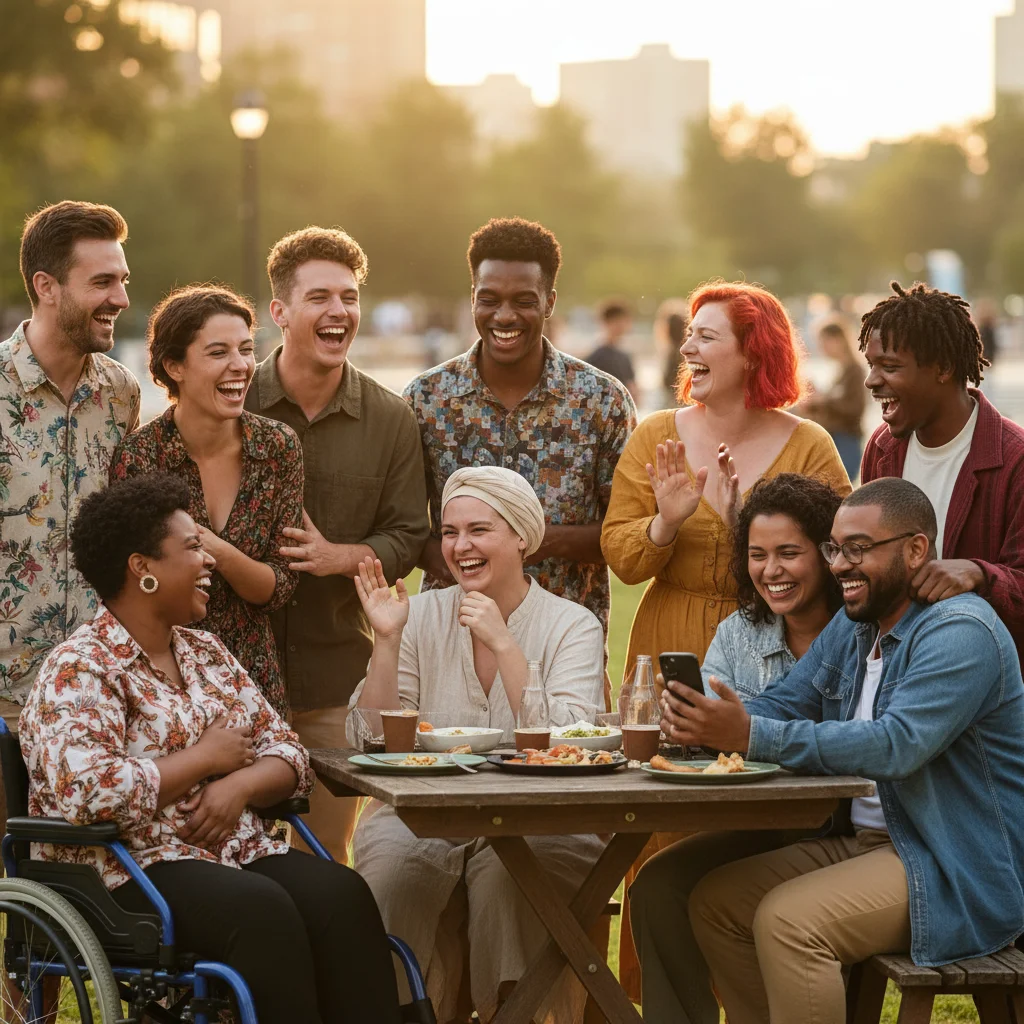
The Future of Well-being: A World That Embraces Imperfection
As we look beyond 2026, the movement to embrace imperfection self-acceptance is gaining significant traction, signaling a positive shift in collective consciousness. There’s a growing recognition that true well-being isn’t found in a flawless existence, but in a rich, textured life that includes both triumphs and struggles.
Educational institutions are beginning to incorporate elements of self-compassion and resilience into their curricula, teaching younger generations the importance of self-acceptance from an early age. Mental health advocacy is destigmatizing vulnerability, making it safer for individuals to admit when they are struggling and to seek help without shame.
Workplaces are also evolving, moving away from hyper-competitive, perfection-driven cultures towards environments that value psychological safety, innovation through iteration, and employee well-being. Companies are realizing that a workforce that feels safe to make mistakes and learn from them is ultimately more creative, productive, and loyal.
The media landscape is slowly but surely reflecting this change, with more diverse and authentic representations of people and experiences. Campaigns promoting body neutrality, mental health awareness, and the beauty of natural aging are becoming more commonplace, challenging the narrow ideals of beauty and success that have long dominated our screens.
Ultimately, a world that embraces imperfection is a more compassionate, innovative, and humane world. It’s a world where individuals feel free to be their authentic selves, to take risks, to learn from their experiences, and to connect with others on a deeper level. This shift begins with each one of us making the conscious choice to embrace imperfection self-acceptance in our own lives, thereby contributing to a ripple effect that can transform communities and cultures.