Cultivating Gratitude: 3 Daily Practices to Enhance Your Outlook on Life by Year-End

In the whirlwind of daily life, it’s easy to get caught up in the pursuit of more, to focus on what’s lacking, or to simply let the days blend into one another without truly appreciating the moments. Yet, a fundamental shift in perspective can dramatically alter our experience of life. This shift often begins with cultivating gratitude practices. As we approach the end of the year, a time traditionally associated with reflection and new beginnings, there’s no better opportunity to integrate powerful gratitude practices into your routine. By consistently engaging in these simple yet profound habits, you can significantly enhance your outlook on life, fostering greater happiness, resilience, and overall well-being. The journey to a more positive and fulfilling existence doesn’t require grand gestures; it requires consistent, intentional practice. This article will delve into three highly effective daily gratitude practices that, when adopted, can transform your mental landscape and enrich your life before the year concludes.
The Profound Impact of Cultivating Gratitude Practices
Before we dive into the specific practices, let’s understand why cultivating gratitude practices is so crucial. Gratitude is more than just a fleeting feeling of thankfulness; it’s a powerful emotion with a wide array of psychological, physical, and social benefits. Research in positive psychology has consistently shown that individuals who regularly practice gratitude experience higher levels of positive emotions, are more optimistic, feel more alive, sleep better, express more compassion and kindness, and even have stronger immune systems. They also tend to be more resilient in the face of adversity, recovering more quickly from traumatic events. In a world that often emphasizes what’s wrong, choosing to focus on what’s right can be a revolutionary act. It shifts our attention from scarcity to abundance, from problems to possibilities. This isn’t about ignoring challenges or adopting a naive optimism; it’s about acknowledging the good that exists alongside the difficulties, thereby empowering ourselves to navigate life with greater grace and strength.
The act of being grateful forces us to slow down, to observe, and to truly connect with the present moment. It pulls us away from the endless cycle of planning, worrying, and regretting, anchoring us in the richness of now. When we actively seek out things to be grateful for, our brains begin to rewire themselves, becoming more attuned to positive stimuli. This creates a virtuous cycle: the more we practice gratitude, the more we notice things to be grateful for, and the more positive our overall outlook becomes. This is the essence of cultivating gratitude practices – it’s a muscle that strengthens with use, leading to a profound and lasting transformation in how we perceive and interact with the world around us. Embracing these practices can genuinely be the catalyst for a more joyous and meaningful end to your year and a powerful foundation for the year to come.
Practice 1: The Daily Gratitude Journal
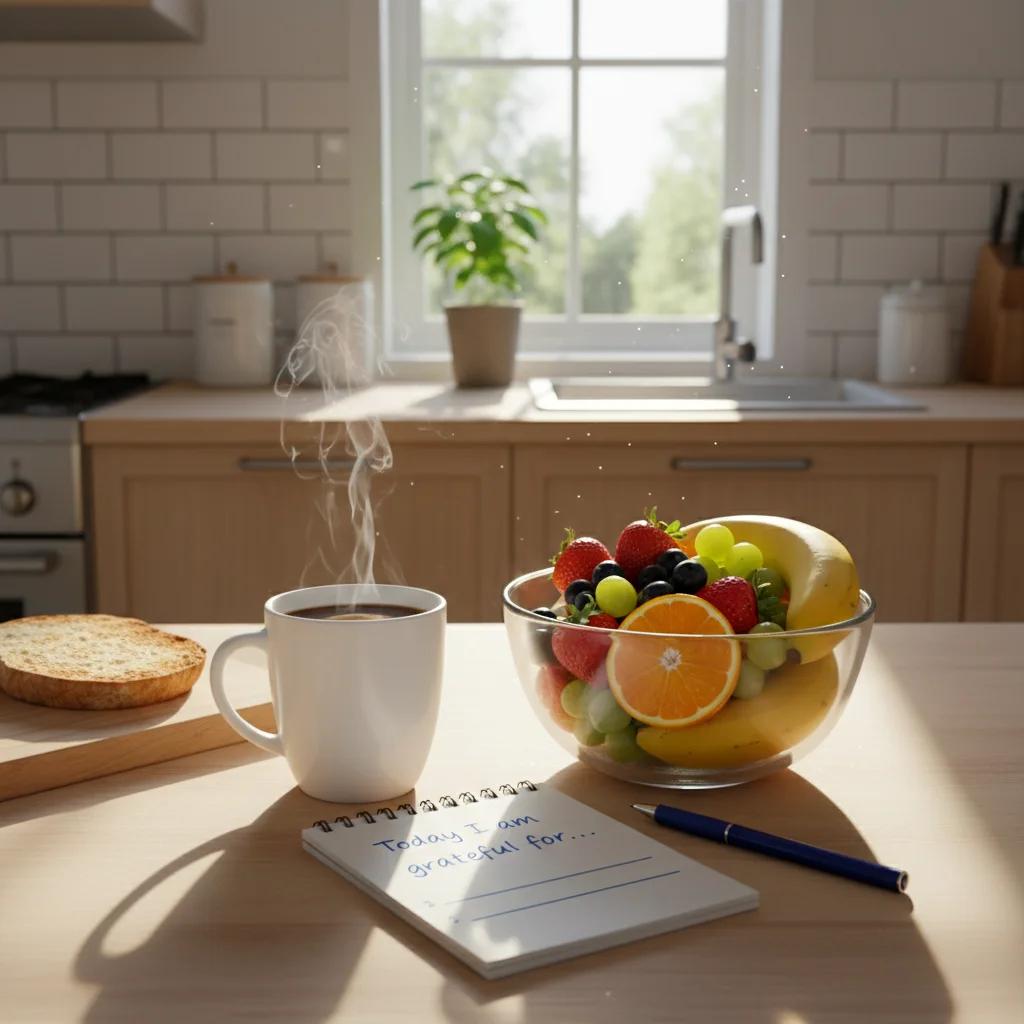
Perhaps the most widely recognized and effective method for cultivating gratitude practices is maintaining a daily gratitude journal. This simple yet profound exercise involves dedicating a few minutes each day to writing down things you are grateful for. The beauty of a gratitude journal lies in its flexibility and personal nature. There’s no right or wrong way to do it, but consistency is key.
How to Start Your Gratitude Journal:
- Choose Your Medium: Whether it’s a fancy leather-bound journal, a simple notebook, or a digital app, pick something that feels comfortable and accessible to you. The important thing is that it’s easy to use consistently.
- Set a Time: Integrate journaling into your daily routine. Many people find success by doing it first thing in the morning to set a positive tone for the day, or just before bed to reflect on the day’s blessings. Experiment to find what works best for you.
- Start Small: Don’t feel pressured to list dozens of items. Begin by writing down just three to five things you are genuinely grateful for each day. These can be big or small, profound or mundane.
- Be Specific: Instead of writing “I’m grateful for my family,” try “I’m grateful for the laughter my daughter shared with me this morning” or “I’m grateful for the supportive advice my brother gave me yesterday.” Specificity deepens the feeling of gratitude.
- Engage Your Senses: When you write, try to vividly recall the experience. What did you see, hear, smell, taste, or feel? The more senses you engage, the more potent the feeling of gratitude becomes.
- Vary Your Entries: While it’s okay to repeat things you’re grateful for, try to find new things each day or look at familiar things from a fresh perspective. This challenges your mind to seek out more goodness.
The act of physically writing down your gratitudes creates a tangible record of positivity that you can revisit when you need a boost. It serves as a reminder of the abundant good in your life, even during challenging times. Over time, you’ll notice a shift in your perception; you’ll start to automatically spot things to be grateful for throughout your day, even before you sit down to write. This is the power of cultivating gratitude practices through journaling – it retrains your brain to focus on the positive, leading to a more optimistic and resilient mindset.
Practice 2: The Gratitude Walk or Mindful Appreciation
Another powerful way of cultivating gratitude practices is through mindful appreciation, often practiced during what’s known as a “gratitude walk.” This practice encourages you to engage with your surroundings and consciously notice the small wonders and blessings that often go unnoticed in our busy lives. It’s an antidote to the autopilot mode many of us live in, forcing us to slow down and truly see the world.
Implementing Mindful Appreciation:
- Step Outside (or Look Around You): While a walk in nature is ideal, you don’t necessarily need to leave your home or office. The essence is to intentionally observe your environment.
- Engage Your Senses Fully: As you walk or observe, consciously register what you see, hear, smell, and feel. Notice the vibrant colors of a leaf, the warmth of the sun on your skin, the sound of birds chirping, the scent of fresh rain, or the intricate design of a building.
- Identify Specifics to Appreciate: Instead of a general “I’m grateful for nature,” pinpoint specific details: “I’m grateful for the crisp air filling my lungs,” “I’m grateful for the vibrant red cardinal perched on that branch,” or “I’m grateful for the shade provided by this ancient oak tree.”
- Acknowledge the Effort/Beauty: Consider the effort that went into something, or simply its inherent beauty. For example, “I’m grateful for the city workers who keep the park clean,” or “I’m grateful for the complex beauty of a spiderweb glistening with dew.”
- Practice Non-Judgment: Simply observe and appreciate without judgment or analysis. Let the feeling of gratitude wash over you.
- Make it a Daily Ritual: Even five to ten minutes of this practice can make a significant difference. It trains your mind to be more observant of the positive aspects of your environment, enriching your everyday experiences.
The gratitude walk is not just about appreciating the grand spectacles of life but also the ordinary, often overlooked details that contribute to our well-being. It could be the warmth of your coffee cup, the comfort of your chair, the efficiency of your internet connection, or the sound of children playing. By intentionally seeking out these small moments of grace, you train your mind to recognize abundance everywhere. This practice is particularly potent because it grounds you in the present, reducing anxiety about the future and regrets about the past. It transforms mundane moments into opportunities for joy and contentment, making cultivating gratitude practices an integral part of your lived experience.
Practice 3: Expressing Gratitude to Others
While internal practices like journaling and mindful appreciation are incredibly beneficial, the act of expressing gratitude to others adds another powerful dimension to cultivating gratitude practices. This not only deepens your own sense of appreciation but also strengthens your relationships and creates a positive ripple effect in your community. Human beings are social creatures, and connection is a fundamental need. Expressing gratitude is one of the most effective ways to foster and maintain those vital connections.
Ways to Express Gratitude to Others:
- Verbal Acknowledgement: A simple “thank you” can go a long way. Make eye contact, be sincere, and specify what you’re thankful for. “Thank you for helping me with that project, I really appreciate your insight.”
- Handwritten Notes or Letters: In our digital age, a handwritten note is a rare and cherished gesture. Take the time to write a thoughtful letter to someone who has positively impacted your life. Detail the specific ways they’ve helped you and how much it means.
- Thoughtful Gestures: Perform an act of kindness in return. Offer to help someone, make them a meal, or give a small, meaningful gift that shows you were thinking of them.
- Public Recognition: If appropriate, publicly acknowledge someone’s contribution. This could be in a team meeting, a social media post (with their permission), or by telling others about their positive impact.
- Active Listening: Sometimes, the greatest gift you can give someone is your undivided attention. Show them you value their thoughts and feelings by truly listening.
- The Gratitude Visit: A more intense version of the handwritten letter, this involves visiting someone who has been particularly influential in your life and reading them a letter of gratitude in person. Research suggests this can be one of the most impactful gratitude exercises for both giver and receiver.
Expressing gratitude isn’t just about making the other person feel good; it also amplifies your own feelings of appreciation. It reinforces the positive connections in your life and reminds you of the support system you have. When you express gratitude, you are essentially saying, “I see you, I value you, and I appreciate your presence and actions in my life.” This strengthens bonds, fosters reciprocity, and builds a more compassionate and supportive environment. By making it a regular part of your daily interactions, you transform cultivating gratitude practices into a communal experience, enriching not only your life but the lives of those around you as well.

Integrating Gratitude into Your Daily Life: Tips for Consistency
The true power of cultivating gratitude practices lies in consistency. Like any new habit, it takes effort and intentionality to make it a regular part of your life. Here are some tips to help you integrate these practices seamlessly and maintain them through the end of the year and beyond:
- Start Small and Build Up: Don’t try to do everything at once. Begin with one practice that resonates most with you, perhaps journaling for five minutes. Once that feels natural, gradually add another practice or increase the duration.
- Stack Habits: Pair your gratitude practice with an existing habit. For example, write in your gratitude journal while your coffee brews, or do your gratitude walk during your lunch break. This makes it easier to remember and stick to.
- Set Reminders: Use your phone’s alarm, sticky notes, or a calendar reminder to prompt you. In the beginning, these gentle nudges can be very helpful.
- Find Your ‘Why’: Remind yourself often of the benefits you’re seeking – increased happiness, less stress, stronger relationships. Connecting to your motivation will fuel your commitment.
- Be Patient and Kind to Yourself: There will be days when you forget or don’t feel like practicing. That’s perfectly normal. Don’t beat yourself up; simply acknowledge it and start again the next day. Progress, not perfection, is the goal.
- Vary Your Practices: While consistency is important, don’t be afraid to mix things up. If journaling feels stale one day, try a gratitude walk. Variety can keep the practice fresh and engaging.
- Share Your Journey: Talk about your gratitude practices with a trusted friend, family member, or partner. Sharing your experiences can provide accountability and inspiration.
- Create a Gratitude Jar: Throughout the year, write down individual moments of gratitude on small slips of paper and put them in a jar. At the end of the year, or whenever you need a reminder, read through them to relive all the positive experiences.
- Mindful Moments Throughout the Day: Beyond dedicated practice times, try to sprinkle gratitude throughout your day. Take a moment to appreciate your meal, a kind word from a colleague, or the comfort of your home. These micro-moments add up.
By consciously applying these strategies, you can transform the intention of cultivating gratitude practices into a deeply ingrained and enriching part of your daily existence. The end of the year offers a unique reflective window to solidify these habits, ensuring you carry a more positive and appreciative outlook into the new year and beyond.
Overcoming Common Challenges in Cultivating Gratitude Practices
While the concept of cultivating gratitude practices seems straightforward, maintaining them consistently can present its own set of challenges. It’s important to acknowledge these potential hurdles and equip yourself with strategies to overcome them, ensuring your journey towards a more grateful outlook remains steadfast.
Challenge 1: Feeling Uninspired or ‘Forcing It’
Sometimes, we might sit down to journal or take a gratitude walk and feel a blank. It can feel forced or inauthentic. This is a common experience, especially on days when life feels particularly challenging or mundane.
- Solution: Lower Your Expectations: Not every gratitude entry needs to be profound. It’s okay to be grateful for the coffee, a comfortable chair, or simply a moment of peace. The goal is to acknowledge any positive, no matter how small.
- Solution: Shift Your Focus: If you’re struggling to find new things, try focusing on different categories: people, nature, objects, senses, opportunities, or even past experiences.
- Solution: Use Prompts: Keep a list of gratitude prompts handy. For example: “What made you smile today?” “What challenge did you overcome?” “Who helped you today?” “What simple pleasure did you enjoy?”
Challenge 2: Forgetting or Lack of Time
Life gets busy, and new habits are often the first to fall by the wayside when schedules get tight or distractions abound.
- Solution: Habit Stacking (Revisited): As mentioned earlier, link your gratitude practice to an established routine. If you brush your teeth every morning, try thinking of one thing you’re grateful for immediately after.
- Solution: Micro-Practices: If you truly only have 30 seconds, use it. Write down one word. Send a quick text of thanks. A brief moment of gratitude is better than none.
- Solution: Visual Cues: Place your journal on your pillow, or tie a ribbon around your wrist as a physical reminder to engage in your practice.
Challenge 3: Cynicism or Negative Thinking
For some, a deeply ingrained habit of negative thinking or cynicism can make cultivating gratitude practices feel like an uphill battle, even disingenuous.
- Solution: Acknowledge the Negativity: Don’t try to suppress negative thoughts. Instead, acknowledge them and then consciously choose to seek out something positive. It’s not about denying reality, but about balancing your perspective.
- Solution: Start with the Basics: If finding profound things is hard, start with the absolute essentials: the air you breathe, the water you drink, a roof over your head. These fundamental aspects of life are often taken for granted.
- Solution: Focus on Relief: Sometimes, gratitude isn’t about something wonderful happening, but about something bad NOT happening, or a problem being resolved. “I’m grateful the car started this morning,” or “I’m grateful that difficult meeting is over.”
Challenge 4: Comparing Your Gratitude to Others
Seeing others express gratitude for seemingly bigger or more exciting things can sometimes lead to feelings of inadequacy or that your own gratitude isn’t ‘enough.’
- Solution: Focus Inward: Gratitude is a deeply personal journey. Your gratitude is valid, regardless of what others are grateful for. Celebrate your own unique blessings.
- Solution: Avoid Social Media Comparison: Remember that social media often presents a curated highlight reel. Your real-life gratitude is more authentic and impactful than any online post.
By understanding these common challenges and having practical solutions ready, you can navigate your journey of cultivating gratitude practices with greater ease and resilience. Remember, every small step contributes to a larger, more positive transformation in your life.
The Long-Term Rewards of Consistent Gratitude
Embarking on the journey of cultivating gratitude practices isn’t just about feeling better in the short term; it’s an investment in your long-term well-being and overall quality of life. As you consistently integrate these daily practices, you’ll begin to notice profound shifts that extend far beyond fleeting moments of appreciation. The cumulative effect of regular gratitude can redefine your baseline happiness and resilience, creating a more fulfilling existence that stands the test of time.
Enhanced Mental and Emotional Health:
- Reduced Stress and Anxiety: By focusing on the positive, you naturally reduce rumination on negative thoughts and worries, leading to a calmer mind.
- Increased Optimism: A grateful mindset trains your brain to seek out the good, fostering a more hopeful and positive outlook on future events and challenges.
- Greater Resilience: When adversity strikes, a foundation of gratitude helps you recognize the resources and support you have, enabling you to bounce back more effectively.
- Improved Self-Esteem: Acknowledging your blessings, including your own strengths and accomplishments, can boost your self-worth and confidence.
Improved Physical Health:
- Better Sleep Quality: Grateful individuals often report falling asleep faster and experiencing more restful sleep, as their minds are less cluttered with worries.
- Stronger Immune System: Research suggests a link between positive emotions, like gratitude, and a more robust immune response, potentially leading to fewer illnesses.
- Increased Energy Levels: A positive outlook can translate into greater vitality and motivation, making you feel more energized throughout the day.
Richer Social Connections:
- Stronger Relationships: Expressing gratitude nurtures existing relationships, making others feel valued and appreciated, which in turn strengthens bonds and fosters reciprocity.
- Increased Empathy and Compassion: When you appreciate the good in others, you naturally develop a greater sense of empathy and a desire to contribute positively to their lives.
- Reduced Loneliness: Feeling connected to others through mutual appreciation can combat feelings of isolation and foster a sense of belonging.
Greater Life Satisfaction:
- More Present Moment Awareness: Gratitude encourages you to savor the ‘now,’ leading to a deeper appreciation for everyday experiences rather than constantly chasing future happiness.
- Less Materialism: By valuing what you have, you naturally reduce the desire for more, leading to greater contentment with your current circumstances.
- A Sense of Purpose: Recognizing the blessings in your life can inspire you to give back and contribute to the well-being of others, fostering a deeper sense of meaning and purpose.
By the end of the year, if you commit to cultivating gratitude practices, you won’t just have a list of things you’re thankful for; you’ll have a fundamentally transformed relationship with life itself. You’ll have built a powerful internal resource that will serve you well, not just through the holiday season, but for years to come. This isn’t merely a temporary fix; it’s a sustainable path to enduring happiness and a profoundly enriching life.
Conclusion: Your Path to a More Grateful Year-End
As the year draws to a close, it offers a unique opportunity for reflection, growth, and intentional change. The decision to begin cultivating gratitude practices is one of the most impactful choices you can make for your mental, emotional, and even physical well-being. By integrating the simple yet powerful habits of a daily gratitude journal, mindful appreciation (like a gratitude walk), and consistently expressing gratitude to others, you are actively rewiring your brain for positivity, resilience, and deeper connection.
Remember, the goal isn’t to force happiness or ignore life’s challenges, but rather to broaden your perspective, allowing you to acknowledge the abundant good that exists alongside difficulties. These practices are not a quick fix; they are a continuous journey, a muscle that strengthens with consistent use. There will be days when it feels effortless and days when it requires more conscious effort, but each moment of intentional gratitude contributes to a more fulfilling and joyous life.
Don’t wait for a new year’s resolution to embark on this transformative path. Start today. Pick one practice, commit to it for a few minutes daily, and observe the subtle yet profound shifts in your outlook. By the end of the year, you will undoubtedly find yourself with an enhanced sense of well-being, a deeper appreciation for the world around you, and a powerful foundation for a more grateful and joyful future. Cultivating gratitude practices is not just about changing your perspective; it’s about changing your life.