Air Travel Policy Changes 2026: What US Travelers Need to Know
Air Travel Policy Changes 2026: What US Travelers Need to Know
The world of air travel is constantly evolving, and staying abreast of the latest regulations is paramount for a smooth journey. As we look ahead to 2026, US travelers can anticipate several significant adjustments to air travel policy. These changes, often driven by advancements in technology, security concerns, health considerations, and a renewed focus on passenger experience, aim to enhance safety, efficiency, and comfort for everyone flying within, to, or from the United States. Understanding these updates to air travel policy 2026 is not just about avoiding inconvenience; it’s about empowering yourself with the knowledge to navigate airports and flights with confidence. This comprehensive guide will delve into the critical areas of change, providing actionable insights and expert tips to ensure your 2026 travels are as seamless as possible.
The Evolving Landscape of Air Travel: Why Changes are Constant
Before we dive into the specifics of air travel policy 2026, it’s helpful to understand why these changes are a continuous feature of the aviation industry. Air travel is a complex ecosystem, influenced by global events, technological innovations, geopolitical shifts, and public health imperatives. Government agencies, airlines, and international bodies constantly collaborate and adapt to address emerging challenges and improve existing systems. For US travelers, this means a dynamic environment where rules regarding security screenings, baggage, health documentation, and even passenger rights can shift. These ongoing adjustments are ultimately designed to make air travel safer, more secure, and more efficient for the millions of people who fly annually. By being proactive in understanding these shifts in air travel policy, travelers can minimize stress and maximize enjoyment.
Key Updates in Security Protocols for 2026
Security remains the cornerstone of air travel, and 2026 is expected to bring further refinements to how passengers and their belongings are screened. The Transportation Security Administration (TSA) is continually investing in cutting-edge technology and refining its procedures to detect threats more effectively while streamlining the screening process. For US travelers, this means being prepared for potential changes at the checkpoint. One area of continued focus is the expansion of advanced imaging technology and computed tomography (CT) scanners for carry-on luggage. These technologies provide more detailed views of bag contents, potentially reducing the need for manual bag checks. Travelers should anticipate that the ‘3-1-1 rule’ for liquids might see further modifications or more stringent enforcement, especially for international flights. It’s always wise to check the latest TSA guidelines closer to your travel date for the most up-to-date information on air travel policy 2026 regarding security.
Biometric Screening: A Growing Trend
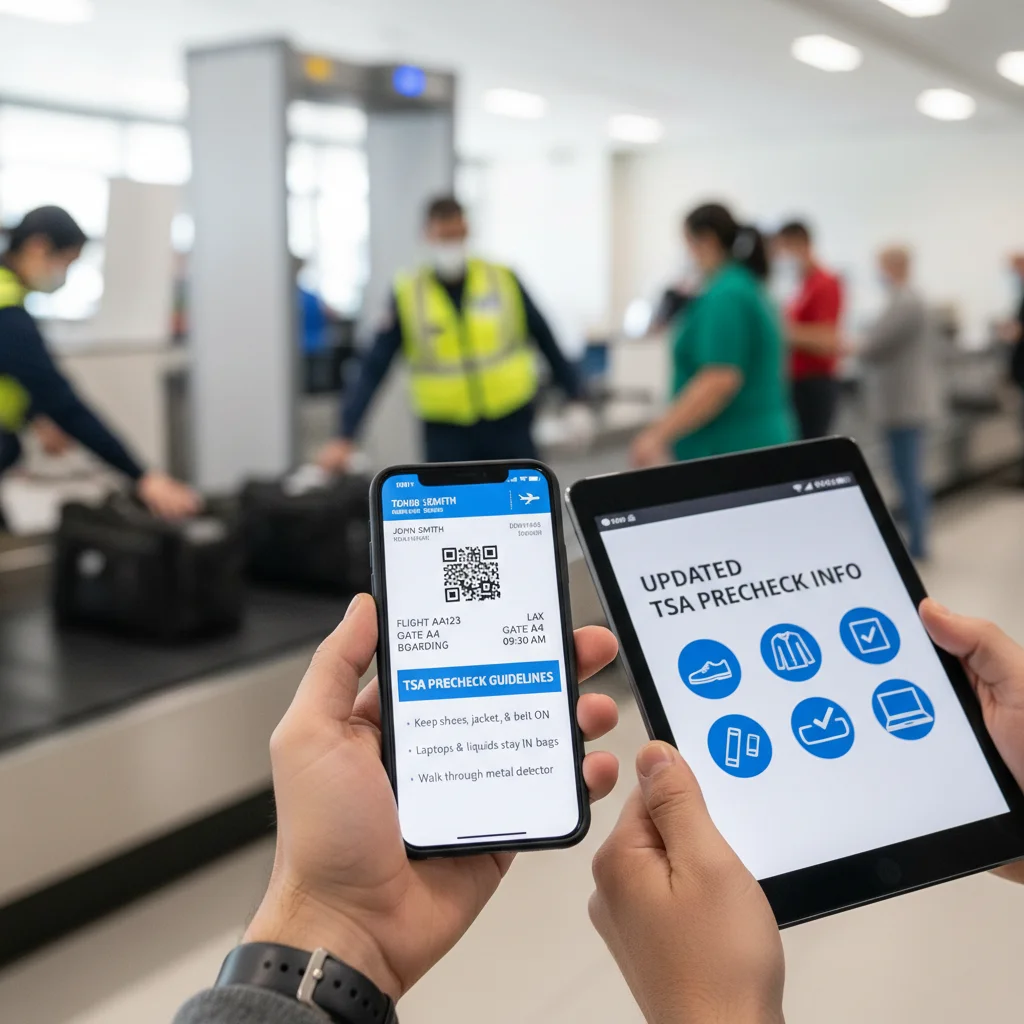
Biometric screening, such as facial recognition for identity verification, is becoming increasingly common at airports. While often optional for domestic flights, it is gaining traction for international departures and arrivals to expedite processes like boarding and customs. US travelers enrolled in trusted traveler programs like TSA PreCheck or Global Entry may experience enhanced biometric options. These systems aim to reduce wait times and improve accuracy in identity verification, marking a significant evolution in air travel policy. Travelers should be aware of how their biometric data is used and stored, and most importantly, understand their right to opt out where applicable.
Enhanced Canine Security Teams
Expect to see a continued presence and expanded role for highly trained canine teams at airports. These teams are invaluable for detecting explosives and other contraband, operating in both passenger areas and cargo facilities. Their deployment is a critical component of the multi-layered security approach, adding another layer of deterrence and detection to the overall air travel policy 2026 framework. Travelers should always follow instructions from security personnel when encountering canine teams.
Baggage Regulations: What’s New for Checked and Carry-On?
Baggage policies are a frequent source of confusion and frustration for travelers. In 2026, expect airlines to continue refining their rules, often driven by operational efficiency, fuel costs, and passenger demand for specific services. While fundamental size and weight limits for carry-on and checked bags are unlikely to undergo radical changes, there might be subtle shifts in enforcement, fees, and special item handling. Airlines are increasingly offering tiered baggage options, where the cost of checking a bag depends on the fare class, loyalty status, or even the time of booking. Always double-check your airline’s specific baggage allowance and fee structure before packing, as these can vary significantly even within the same airline for different routes or aircraft types. This due diligence is a crucial part of navigating air travel policy 2026 effectively.
Smart Baggage and Tracking Technology
The rise of ‘smart luggage’ with built-in power banks, GPS trackers, and other electronic features has led to specific regulations. While many airlines have adapted, some restrictions on lithium-ion batteries in checked luggage remain. For 2026, expect clearer guidelines on how these devices must be transported, often requiring batteries to be removed or carried in the cabin. Furthermore, the increasing availability of personal baggage trackers (e.g., Apple AirTags, Tile) means travelers have more options to monitor their luggage. While not a direct air travel policy, airlines are becoming more accustomed to passengers using these devices, which can be helpful in case of mishandled bags.
Health and Hygiene Protocols: A Continued Focus
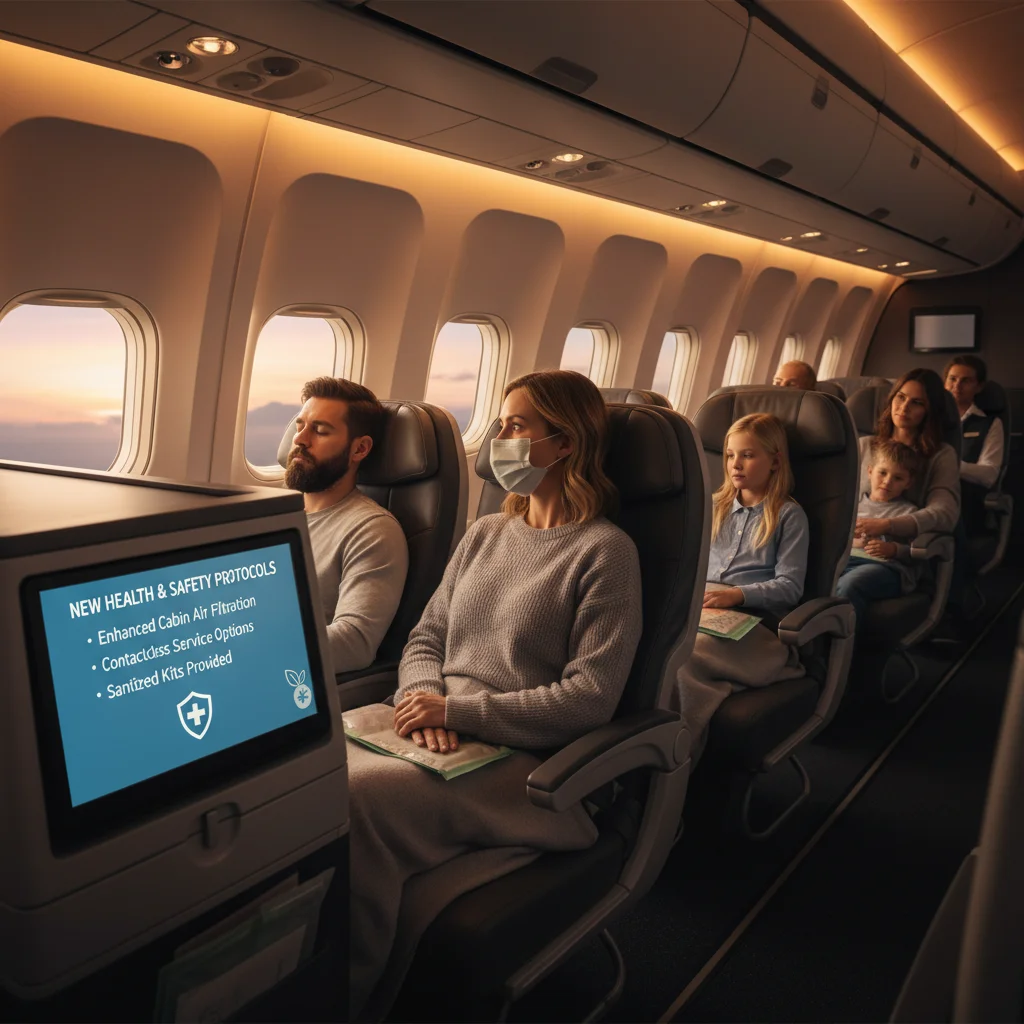
The global health events of recent years have permanently reshaped air travel policy concerning health and hygiene. While mask mandates may largely be a thing of the past in most contexts, airports and airlines will continue to emphasize cleanliness and public health awareness in 2026. This includes enhanced cleaning procedures for aircraft and terminals, readily available hand sanitizing stations, and improved air filtration systems on planes. Travelers should still be prepared for potential health screenings, particularly for international arrivals from regions experiencing outbreaks, though these are likely to be targeted rather than universal.
Digital Health Credentials and International Travel
For international US travelers, the concept of digital health credentials (e.g., vaccine passports or digital health declarations) might resurface or become more standardized in certain regions. While the US government has not mandated a universal digital health pass for domestic travel, individual countries may require them for entry. Staying informed about the health entry requirements of your destination country is paramount. Websites like the State Department’s travel advisories and the CDC’s travel health notices will be invaluable resources for understanding the latest air travel policy 2026 related to international health requirements.
Passenger Rights and Consumer Protections in 2026
The Department of Transportation (DOT) is consistently working to strengthen passenger rights, and 2026 is likely to see further enhancements in this area. US travelers can expect clearer guidelines and increased transparency regarding flight delays, cancellations, and involuntary denied boarding. Airlines are being pushed to provide more timely and accurate information, as well as more accessible compensation and rebooking options when disruptions occur. Understanding your rights as a passenger is a powerful tool, especially when unforeseen circumstances impact your travel plans. Familiarize yourself with the DOT’s ‘Flyer’s Rights’ information, which will be updated to reflect air travel policy 2026 changes.
Refund Policies and Transparency
One area of ongoing focus is refund policies. Travelers can anticipate clearer regulations regarding when and how full refunds must be provided for canceled flights, significant schedule changes, or other service failures. The aim is to prevent situations where passengers struggle to reclaim their money for services not rendered. Airlines are also being encouraged to be more transparent about all fees, from baggage to seat selection, at the time of booking, allowing travelers to make more informed decisions. This increased transparency is a key element of the evolving air travel policy framework.
Support for Passengers with Disabilities
Accessibility in air travel continues to be a priority. Expect ongoing efforts to improve assistance for passengers with disabilities, including clearer guidelines for wheelchair assistance, service animals, and accessible facilities. Airlines are being held to higher standards to ensure equitable access and a dignified travel experience for all passengers, aligning with the broader principles of air travel policy 2026.
Technological Advancements Shaping Air Travel in 2026
Technology is a major catalyst for change in the aviation industry, and 2026 will undoubtedly showcase new innovations that impact the passenger experience. From advanced navigation systems to more efficient aircraft designs, the underlying technology of flight is constantly evolving. For travelers, this often translates to more user-friendly interfaces, faster processing times, and enhanced connectivity. Mobile apps will continue to be indispensable tools, offering real-time flight updates, digital boarding passes, and even in-flight service options. The integration of artificial intelligence (AI) in airport operations can lead to more predictive analysis for crowd management and resource allocation, potentially reducing bottlenecks and improving the overall flow of passengers.
Sustainable Aviation Fuels (SAF) and Environmental Initiatives
While not a direct air travel policy 2026 that affects passengers at the checkpoint, the aviation industry’s push towards sustainability will indirectly impact travel. The increasing use of Sustainable Aviation Fuels (SAF) and investments in more fuel-efficient aircraft are part of a broader effort to reduce the carbon footprint of air travel. Travelers may see airlines highlighting their environmental initiatives, and in some cases, there might be options to offset carbon emissions during the booking process. This shift reflects a growing consumer demand for more environmentally responsible travel options.
Enhanced In-Flight Connectivity and Entertainment
As technology progresses, so does the expectation for seamless connectivity. In 2026, more airlines are likely to offer improved and more affordable in-flight Wi-Fi, allowing passengers to stay connected throughout their journey. Personal device entertainment (PDE) will also continue to be prevalent, with passengers streaming content directly to their smartphones or tablets. These advancements enhance the overall travel experience, making flights more productive or more enjoyable, and are a direct result of ongoing technological evolution within the air travel policy landscape.
Tips for US Travelers to Prepare for 2026 Air Travel
Navigating the dynamic environment of air travel requires proactive preparation. Here are essential tips for US travelers to ensure a smooth journey in 2026, keeping the latest air travel policy in mind:
- Stay Informed: Regularly check official sources. The TSA website (tsa.gov) for security, the Department of State (travel.state.gov) for international travel advisories and visa requirements, and the CDC (cdc.gov/travel) for health guidance are your primary resources.
- Verify Airline-Specific Policies: Always check your specific airline’s website for their most current policies on baggage, check-in times, and any unique requirements. These can differ significantly from one carrier to another.
- Utilize Technology: Download your airline’s mobile app. It’s invaluable for real-time flight status updates, digital boarding passes, and managing your booking. Consider using mobile payment options for convenience.
- Consider Trusted Traveler Programs: If you travel frequently, enroll in programs like TSA PreCheck or Global Entry. These can significantly speed up security and customs processes, saving you time and stress, especially as air travel policy 2026 continues to integrate biometric solutions.
- Pack Smart: Be mindful of carry-on restrictions, liquid rules, and prohibited items. If you have smart luggage, ensure its battery complies with regulations. Label your bags clearly.
- Arrive Early: Even with streamlined processes, unexpected delays can occur. Arriving well in advance of your flight gives you a buffer for security, check-in, and navigating the airport.
- Know Your Rights: Familiarize yourself with the Department of Transportation’s passenger rights information. This knowledge is crucial if you encounter flight delays, cancellations, or other disruptions.
- Have Digital and Physical Copies of Documents: While digital documents are convenient, having physical copies of your passport, ID, boarding pass, and any necessary health certificates can be a lifesaver if your device fails or runs out of battery.
- Be Patient and Flexible: Air travel is a complex operation, and sometimes things don’t go as planned. A flexible attitude and patience can significantly reduce stress during disruptions.
The Future of Air Travel: Beyond 2026
The changes we anticipate for air travel policy 2026 are just stepping stones in a continuous journey of evolution for the aviation industry. Looking further into the future, we can expect even more transformative developments. Imagine highly personalized travel experiences driven by AI, seamless door-to-door journeys with integrated ground transportation, and even more advanced sustainable aviation technologies. Urban air mobility, such as eVTOL (electric vertical take-off and landing) aircraft, could revolutionize short-distance travel, feeding into larger airport hubs. The focus will remain on balancing security with convenience, sustainability with economic viability, and technological advancement with human connection. For US travelers, this means a future where air travel is not just about getting from point A to point B, but about an integrated, efficient, and increasingly enjoyable part of the overall travel experience.
Personalized Travel Experiences
As data analytics and AI become more sophisticated, expect airlines and airports to offer increasingly personalized experiences. This could range from tailored in-flight entertainment based on your preferences to customized recommendations for airport amenities. The goal is to make every aspect of your journey feel more curated and less generic, aligning with a future air travel policy that prioritizes individual passenger needs.
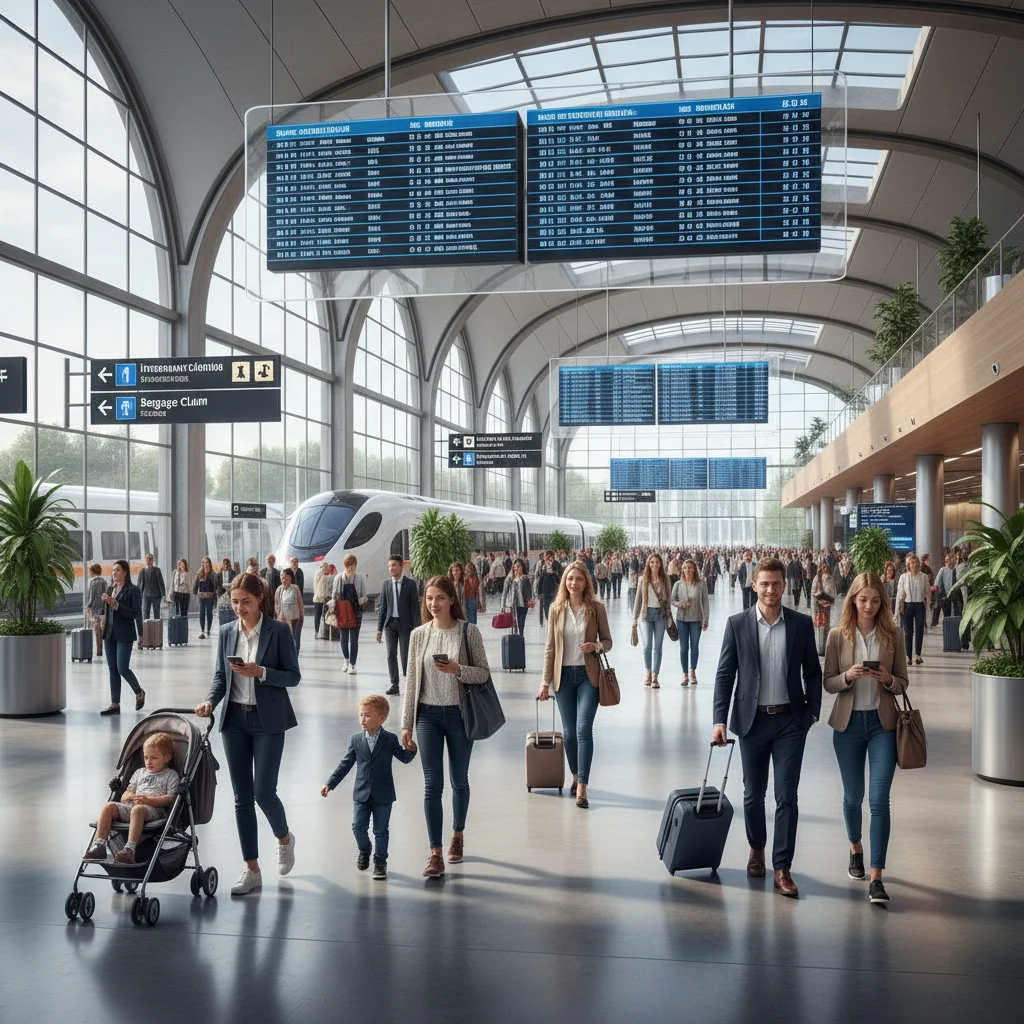
Enhanced Intermodal Connectivity
The future of travel will likely see a stronger integration between air travel and other modes of transportation. This means more seamless connections between flights, trains, buses, and even ride-sharing services, reducing friction in the overall journey. Airports may evolve into multi-modal transportation hubs, simplifying transfers and making complex itineraries more manageable for US travelers.
Sustainability at the Forefront
The drive for environmental responsibility will only intensify. Beyond SAF, research into electric and hydrogen-powered aircraft will continue to advance, potentially leading to quieter, cleaner flights for shorter routes. Travelers will likely have more opportunities to choose airlines and routes that align with their environmental values, as sustainability becomes a more prominent factor in air travel policy decisions.
Conclusion: Navigating the Skies of 2026 with Confidence
The landscape of air travel is undeniably dynamic, with changes to air travel policy being a constant. For US travelers, 2026 promises a continuation of this evolution, bringing updates in security, baggage handling, health protocols, and passenger rights. While these changes might seem daunting, they are ultimately designed to enhance the safety, efficiency, and overall experience of flying. By staying informed through official channels, understanding airline-specific rules, embracing technological tools, and preparing proactively, you can navigate the skies of 2026 with confidence and ease. The future of air travel is exciting, filled with innovations aimed at making your journeys smoother and more enjoyable. So, whether you’re embarking on a domestic business trip or an international adventure, equip yourself with this knowledge and look forward to your next flight.