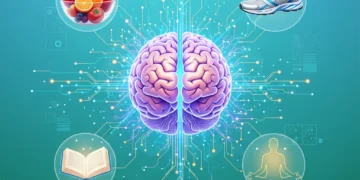
Unlock Lasting Joy: Daily Happiness Practices for a Fulfilling 2026

The Science of Happiness: 5 Daily Practices for Enhanced Well-being in 2026, Based on US Research
In a world that often feels relentlessly fast-paced and demanding, the pursuit of happiness can sometimes feel like an elusive quest. Yet, decades of rigorous scientific inquiry, particularly from leading institutions across the United States, have revealed a remarkable truth: happiness isn’t just a fleeting emotion; it’s a skill that can be cultivated through consistent, intentional effort. As we navigate the complexities of modern life and look towards 2026, understanding and integrating proven daily happiness practices into our routines becomes not just a desire, but a strategic imperative for enhanced well-being.
This comprehensive guide delves into five powerful, evidence-based strategies that can significantly elevate your mood, resilience, and overall life satisfaction. Drawing from robust US research in positive psychology, neuroscience, and behavioral economics, we’ll explore how these practices work and, more importantly, how you can seamlessly incorporate them into your daily life. Forget grand, unattainable gestures; sustainable happiness is built on small, consistent actions.
The Foundation of Well-being: Understanding Happiness from a Scientific Perspective
Before we dive into specific daily happiness practices, it’s crucial to understand what ‘happiness’ truly means from a scientific standpoint. It’s not merely the absence of sadness or a constant state of euphoria. Instead, researchers often define well-being as a combination of two key components: hedonic well-being (experiencing pleasure and avoiding pain) and eudaimonic well-being (finding meaning, purpose, and self-actualization). Both are vital for a rich, fulfilling life.
US-based research from institutions like the University of Pennsylvania’s Positive Psychology Center, Yale’s Happiness Lab, and UC Berkeley’s Greater Good Science Center has consistently demonstrated that a significant portion of our happiness is within our control. While genetics and circumstances play a role, our intentional activities and attitudes hold immense power. This understanding forms the bedrock of why engaging in specific daily happiness practices can be so transformative.
The benefits extend far beyond simply ‘feeling good.’ Enhanced well-being is linked to improved physical health, stronger relationships, greater professional success, and increased resilience in the face of adversity. By proactively engaging with these practices, you’re not just chasing a feeling; you’re building a stronger, healthier, and more adaptable self.
Practice 1: Cultivating Gratitude – The Power of Appreciation
One of the most widely researched and impactful daily happiness practices is the cultivation of gratitude. Robert Emmons, a leading gratitude researcher at the University of California, Davis, has extensively documented its profound effects. Gratitude isn’t just about saying ‘thank you’; it’s about actively acknowledging the good things in your life, whether big or small, and recognizing external sources of those good things.
How Gratitude Works
Neuroscience suggests that practicing gratitude can literally rewire your brain. It activates areas associated with reward, social bonding, and moral cognition. When you regularly focus on what you’re grateful for, you shift your brain’s attention away from negative experiences and towards positive ones, fostering a more optimistic outlook.
Implementing Daily Gratitude
- Gratitude Journaling: Dedicate 5-10 minutes each day, perhaps before bed or first thing in the morning, to write down 3-5 things you are genuinely grateful for. Be specific. Instead of just ‘I’m grateful for my family,’ try ‘I’m grateful for the laugh I shared with my daughter over breakfast this morning.’
- Gratitude Walk: As you go about your day, whether on a commute or a stroll, consciously notice things you appreciate – the warmth of the sun, a beautiful flower, a friendly face, the efficiency of public transport.
- Thank You Notes/Messages: Make it a habit to express thanks to others. A quick text, email, or even a handwritten note can strengthen relationships and amplify your own feelings of gratitude.
- Gratitude Jar: Throughout the year, write down positive experiences or things you’re grateful for on slips of paper and put them in a jar. Open and read them on a challenging day or at the end of the year.
Consistent engagement with these simple yet powerful activities can significantly boost your baseline happiness and shift your perspective over time. It’s one of the most accessible and effective daily happiness practices you can adopt.
Practice 2: Mindfulness and Meditation – Anchoring in the Present
In our hyper-connected world, our minds are constantly pulled in multiple directions – regretting the past, worrying about the future, or being distracted by digital stimuli. Mindfulness, a practice rooted in ancient traditions and now thoroughly embraced by Western science, offers a powerful antidote. Research from institutions like Harvard Medical School and UCLA’s Mindful Awareness Research Center has shown that regular mindfulness practice can reduce stress, improve emotional regulation, and increase overall life satisfaction, making it a critical component of effective daily happiness practices.
What is Mindfulness?
Mindfulness is the practice of paying attention to the present moment, on purpose and non-judgmentally. It involves observing your thoughts, feelings, bodily sensations, and the environment around you without getting caught up in them or evaluating them as ‘good’ or ‘bad.’ It’s about being fully present.
Integrating Mindfulness Daily
- Formal Meditation: Start with just 5-10 minutes a day using guided meditation apps (e.g., Headspace, Calm). Find a quiet space, sit comfortably, and focus on your breath. When your mind wanders (which it will!), gently bring your attention back to your breath.
- Mindful Eating: When you eat, put away distractions. Pay attention to the colors, smells, textures, and tastes of your food. Chew slowly and savor each bite. This transforms a mundane activity into a moment of presence.
- Mindful Walking: As you walk, notice the sensation of your feet on the ground, the movement of your body, the sounds around you, and the sights you encounter. Engage all your senses.
- One-Minute Breath Awareness: Several times a day, simply pause and take 3-5 deep breaths, focusing entirely on the sensation of the air entering and leaving your body. This mini-break can reset your nervous system.
Regular mindfulness practice strengthens your ‘attention muscle,’ making you more resilient to stressors and more capable of appreciating the richness of everyday life. It’s a foundational element of sustained well-being and one of the most transformative daily happiness practices.

Practice 3: Nurturing Social Connections – The Human Need for Belonging
Humans are inherently social creatures. The longest-running study on happiness, the Harvard Study of Adult Development, has consistently found that strong, warm relationships are the single biggest predictor of health and happiness over a lifetime. Loneliness, conversely, is a significant risk factor for both physical and mental decline. Therefore, actively nurturing your social connections is one of the most vital daily happiness practices.
Why Connections Matter
Social bonds provide support, a sense of belonging, purpose, and opportunities for shared joy. They buffer stress and contribute to a healthier immune system. When we feel connected, our brains release oxytocin, a hormone associated with trust and bonding, further enhancing feelings of well-being.
Fostering Daily Connections
- Reach Out: Make a conscious effort to connect with at least one person each day. This could be a text to a friend, a call to a family member, or a genuine conversation with a colleague.
- Active Listening: When you are with others, practice active listening. Put away your phone, make eye contact, and truly hear what they are saying without formulating your response. This deepens conversations and strengthens bonds.
- Show Appreciation: Express your appreciation for the people in your life. A sincere compliment, a thank you, or an acknowledgment of their positive impact can go a long way.
- Join a Community: Seek out groups or activities that align with your interests – a book club, a sports league, a volunteer organization. Shared interests are fertile ground for new friendships.
- "Micro-Connections": Don’t underestimate the power of brief, positive interactions with strangers – a smile to a cashier, a quick chat with a neighbor. These small moments add up.
Prioritizing and investing in your relationships is not selfish; it’s a fundamental aspect of self-care and one of the most rewarding daily happiness practices. Ensure you carve out time for the people who matter most.
Practice 4: Engaging in Meaningful Movement – The Body-Mind Connection
The link between physical activity and mental well-being is undeniable and extensively backed by US scientific research. From boosting mood-regulating neurotransmitters like serotonin and dopamine to reducing stress hormones like cortisol, regular exercise is a potent antidepressant and anxiolytic. It’s an indispensable entry in our list of daily happiness practices.
How Movement Enhances Happiness
Physical activity isn’t just about burning calories or building muscle; it’s about enhancing cognitive function, improving sleep quality, increasing self-esteem, and providing a sense of accomplishment. It’s a natural mood elevator with no adverse side effects.
Incorporating Daily Movement
- Find Joy in Movement: The key is to find activities you genuinely enjoy. If you dread the gym, explore walking, dancing, cycling, swimming, hiking, or team sports. Consistency trumps intensity.
- Break It Up: You don’t need a single, long workout. Even short bursts of activity throughout the day – a 10-minute walk, a few sets of stairs, stretching – can accumulate and provide benefits.
- Schedule It: Treat your movement time like any other important appointment. Put it in your calendar and commit to it. Mornings often work best for consistency.
- Outdoor Activity: Whenever possible, move outdoors. Exposure to nature (green exercise) has additional benefits for stress reduction and mood enhancement.
- Listen to Your Body: Some days you might need an intense workout; other days, a gentle walk or yoga might be more beneficial. The goal is consistent, enjoyable movement, not punishment.
Making movement a non-negotiable part of your day is one of the most effective and accessible daily happiness practices. It’s an investment in your physical and mental health that pays dividends in joy and vitality.

Practice 5: Embracing Learning and Growth – The Path to Eudaimonic Well-being
A sense of purpose, mastery, and continuous growth is a cornerstone of eudaimonic happiness. When we engage in activities that challenge us, allow us to learn new skills, or contribute to something larger than ourselves, we experience a deep sense of fulfillment. This commitment to ongoing development is a powerful, often overlooked, aspect of daily happiness practices.
The Psychology of Growth
Psychologists like Carol Dweck (Stanford University) have highlighted the importance of a ‘growth mindset’ – the belief that our abilities can be developed through dedication and hard work. This mindset fosters resilience, a love of learning, and a willingness to embrace challenges, all of which are crucial for long-term well-being.
Cultivating Daily Growth
- Learn Something New: Dedicate a small amount of time each day to learning. This could be reading a non-fiction book, taking an online course, watching a documentary, or trying a new recipe. The topic doesn’t matter as much as the act of engaging your curiosity.
- Practice a Skill: Whether it’s a musical instrument, a new language, coding, or a craft, regular practice of a skill provides a sense of mastery and accomplishment. Even 15-20 minutes daily can lead to significant progress.
- Seek Challenges: Step outside your comfort zone regularly. This could be taking on a new responsibility at work, trying a new sport, or volunteering for a cause you care about. Overcoming challenges builds confidence and competence.
- Reflect and Grow: At the end of each day or week, take time to reflect on what you’ve learned, what went well, and what you could improve. This meta-cognition is essential for personal development.
- Volunteer or Contribute: Engaging in acts of service or contributing to a cause you believe in provides a profound sense of purpose and connection, which are strong drivers of happiness.
Embracing learning and growth ensures that your life remains dynamic and meaningful, contributing significantly to your overall sense of purpose and fulfillment – truly effective daily happiness practices.
Integrating the Practices: Crafting Your Personalized Happiness Routine
While each of these five daily happiness practices is powerful on its own, their true strength lies in their synergistic effect when integrated into a consistent routine. You don’t need to overhaul your entire life overnight. Start small, be consistent, and observe the changes.
Tips for Successful Integration:
- Start Small: Choose one or two practices to focus on first. Once they become habitual, gradually add others.
- Stack Habits: Link a new practice to an existing one. For example, ‘After I brush my teeth, I will write three things I’m grateful for.’
- Be Flexible: Life happens. Some days you might only manage 5 minutes of mindfulness instead of 15. That’s perfectly fine. The goal is consistency, not perfection.
- Track Your Progress: A simple journal or habit tracker can help you stay motivated and see how far you’ve come.
- Be Patient and Kind to Yourself: Building new habits takes time. There will be days when you miss a practice. Don’t beat yourself up; simply recommit the next day.
- Personalize: Adapt these practices to fit your personality and lifestyle. What works for one person might not work for another. The essence is the same; the execution can vary.
The journey to enhanced well-being is a marathon, not a sprint. By consistently engaging in these evidence-based daily happiness practices, you are actively investing in a more joyful, resilient, and fulfilling life for 2026 and beyond. The science is clear: your happiness is largely in your hands. What small step will you take today?
Conclusion: Your Blueprint for a Happier 2026
The pursuit of happiness is perhaps humanity’s most universal endeavor. As we’ve explored, the good news is that scientific research, particularly from the robust academic landscape of the US, provides a clear roadmap. By consciously integrating daily happiness practices such as cultivating gratitude, embracing mindfulness, nurturing social connections, engaging in meaningful movement, and committing to continuous learning and growth, you are equipping yourself with proven tools to not just manage, but thrive in the modern world.
These practices are not quick fixes but rather sustainable lifestyle choices that, when applied consistently, can profoundly reshape your emotional landscape and overall life satisfaction. They offer a powerful antidote to stress, a pathway to deeper fulfillment, and a means to build genuine resilience. As you look towards 2026, consider this guide your personal blueprint for a year filled with enhanced well-being and lasting joy. Start today, one small practice at a time, and watch as your capacity for happiness expands in ways you never thought possible.