Mastering Budget US Road Trips: Save 25% on Fuel & Stays in 2026
Are you dreaming of an epic US road trip in 2026 but worried about the ever-increasing costs of fuel and accommodation? You’re not alone. The allure of the open road, the diverse landscapes, and the freedom of exploring America’s vast beauty is undeniable. However, turning that dream into a reality often comes with a hefty price tag. But what if we told you that you could significantly cut down your expenses, potentially saving up to 25% on your next adventure? Yes, it’s entirely possible with smart planning and strategic execution. This comprehensive guide will equip you with 7 indispensable strategies to make your budget US road trip a reality, ensuring you experience the journey of a lifetime without emptying your wallet.
The concept of a budget US road trip might seem contradictory to some, but with the right approach, it becomes an achievable goal. We’ll delve deep into actionable tips, from optimizing your vehicle’s fuel efficiency to uncovering hidden gems for affordable lodging, and everything in between. Get ready to transform your travel habits and embark on an unforgettable adventure across the United States, all while keeping your finances in check.
Understanding the Road Trip Cost Landscape in 2026
Before we dive into the savings strategies, it’s crucial to understand where your money typically goes on a road trip. The two biggest culprits are almost always fuel and accommodation. Beyond these, you have food, activities, unexpected repairs, and miscellaneous expenses. In 2026, while fuel prices might fluctuate, the general trend indicates a need for proactive budgeting. Accommodation costs, especially in popular tourist areas, continue to climb. This makes a targeted approach to these two major categories paramount for any successful budget US road trip.
Our goal isn’t just to save a few dollars here and there; it’s about implementing a holistic strategy that collectively shaves off a quarter of your total trip expenses. This means being smart about every decision, from the route you choose to the snacks you pack. Let’s explore how to achieve this substantial saving, making your 2026 road trip both memorable and affordable.
Strategy 1: Master Fuel Efficiency – Your Biggest Savings Opportunity
Fuel is often the single largest expense on any road trip. Even small improvements in fuel efficiency can lead to significant savings over thousands of miles. To achieve a truly economical budget US road trip, you need to be proactive about your fuel consumption.
A. Pre-Trip Vehicle Maintenance
Before you even hit the road, ensure your vehicle is in peak condition. A well-maintained car is a fuel-efficient car. This includes:
- Tire Pressure: Properly inflated tires can improve fuel economy by up to 3%. Check your owner’s manual for the recommended pressure.
- Oil Change: Fresh, clean oil reduces engine friction, leading to better fuel economy.
- Air Filter: A clean air filter ensures your engine breathes easily, optimizing fuel combustion.
- Spark Plugs: Worn spark plugs can decrease fuel efficiency. Replace them if needed.
These simple checks can prevent costly breakdowns and significantly reduce your fuel bill, laying a strong foundation for your budget US road trip.
B. Smart Driving Habits
How you drive has a direct impact on how much fuel you consume. Embrace these habits for maximum savings:
- Gentle Acceleration and Braking: Aggressive driving can lower your gas mileage by 15% to 30% at highway speeds and 10% to 40% in stop-and-go traffic.
- Maintain a Steady Speed: Use cruise control on highways to maintain a consistent speed and avoid unnecessary acceleration and deceleration.
- Avoid Excessive Idling: Idling can use a quarter to a half-gallon of fuel per hour. If you’re going to be stopped for more than 30 seconds, it’s often more fuel-efficient to turn off your engine.
- Lighten Your Load: Every extra pound reduces fuel efficiency. Remove unnecessary items from your vehicle before starting your journey.
- Aerodynamics: Remove roof racks or cargo carriers when not in use, as they create drag and decrease fuel economy. Keep windows closed at high speeds to reduce drag.
C. Fuel Price Tracking Apps
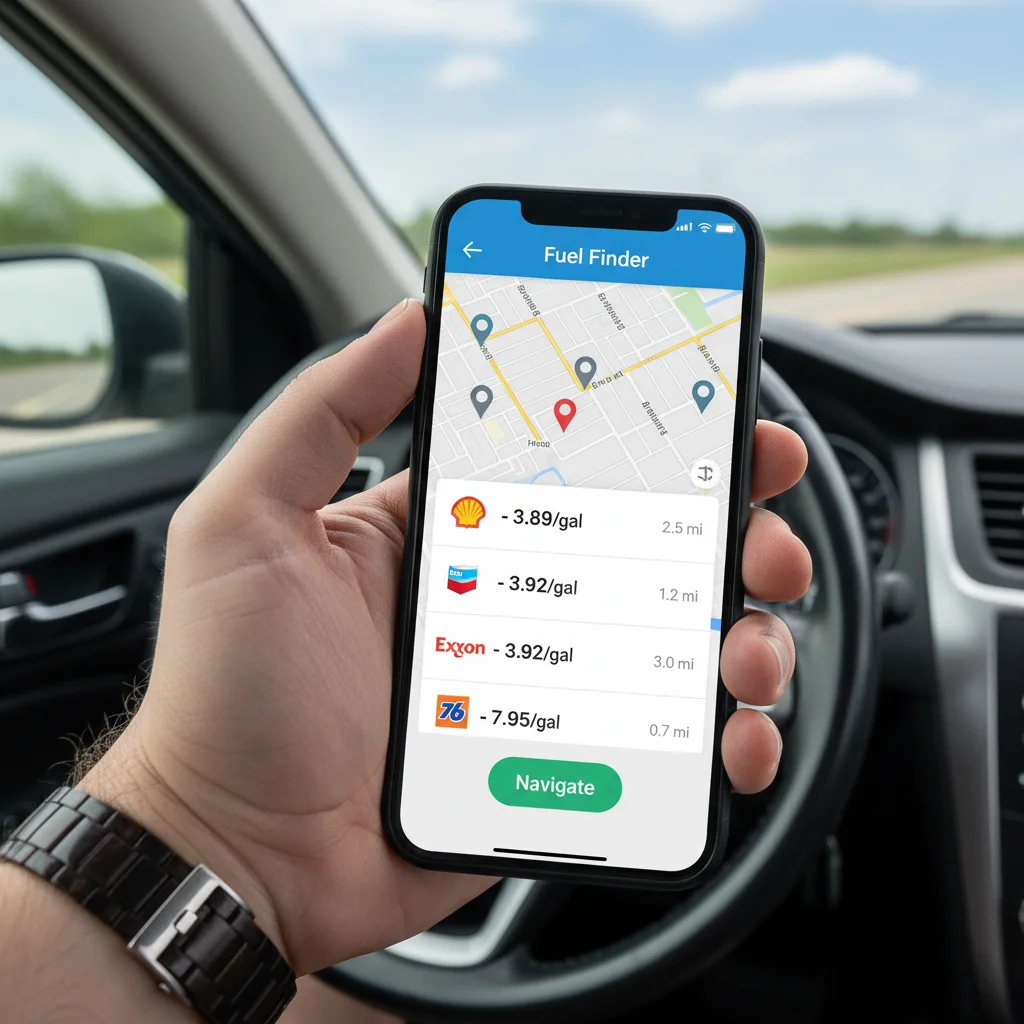
In 2026, technology is your best friend for finding the cheapest gas. Apps like GasBuddy, Waze, or Google Maps often show real-time fuel prices at stations along your route. A difference of even 10-20 cents per gallon can add up to substantial savings over a long trip. Plan your fuel stops strategically in areas known for lower prices, often away from major highway exits or in less populated towns. This small effort can make a big difference for your budget US road trip.
Strategy 2: Smart Accommodation Choices – Beyond Traditional Hotels
Accommodation can easily rival fuel as your biggest expense. To save 25% on your budget US road trip, you need to think creatively about where you’ll lay your head each night.
A. Camping and RV Parks
For the adventurous traveler, camping is hands down the most cost-effective accommodation. National and State Parks offer stunning campsites at a fraction of hotel prices, some as low as $10-$30 per night. Even private RV parks are generally cheaper than hotels. If you don’t own camping gear, consider renting it or borrowing from friends. This option not only saves money but also enhances the road trip experience by connecting you with nature.
B. Vacation Rentals (Airbnb, VRBO)
While sometimes more expensive than camping, vacation rentals can be significantly cheaper than hotels, especially if you’re traveling with a group or staying for multiple nights. Look for places with kitchens to save further by cooking your own meals. Booking in advance and being flexible with your dates can also help you snag better deals. Always compare prices across different platforms.
C. Hostels and Guesthouses
Often overlooked in the US, hostels offer affordable private rooms or dorm beds, particularly in larger cities or tourist destinations. Many modern hostels are clean, safe, and offer amenities like communal kitchens and social spaces, making them excellent choices for solo travelers or small groups on a budget US road trip.
D. Loyalty Programs and Credit Card Perks
If you prefer hotels, leverage loyalty programs. Signing up for free loyalty programs with major hotel chains can earn you points for free nights or discounts. Certain travel credit cards also offer hotel benefits, such as free night certificates, elite status, or bonus points on travel spending. Plan your stays around these perks to maximize your savings.
E. Stealth Camping and Free Overnight Parking
For the truly budget-conscious, options like Walmart parking lots (check local regulations), Bureau of Land Management (BLM) land, and certain rest stops offer free overnight parking. This requires research and a bit of adventurous spirit but can virtually eliminate accommodation costs for parts of your budget US road trip. Always prioritize safety and respect local rules.
Strategy 3: Food & Drink Savings – Eat Smart, Spend Less
Eating out for every meal can quickly derail your budget US road trip. With a little planning, you can significantly reduce your food expenses.
A. Pack a Cooler and Cook Your Own Meals
This is perhaps the most impactful food-saving strategy. Invest in a good cooler and stock it with essentials: sandwiches, salads, fruits, vegetables, and drinks. If your accommodation has a kitchen, plan to cook simple meals. Even just preparing breakfast and packing lunches can save hundreds of dollars over a multi-day trip. Pack a portable stove for camping to enjoy hot meals.
B. Grocery Store Runs
Instead of relying on convenience stores or roadside diners, make regular stops at larger grocery stores for snacks, ingredients, and drinks. Prices are almost always lower, and you’ll have healthier options. Look for store brand items to save even more.
C. Limit Restaurant Meals
Treat restaurant meals as an occasional indulgence, not a daily necessity. When you do eat out, look for lunch specials, early bird dinners, or happy hour deals. Sharing entrees or opting for appetizers as your main meal can also cut costs. Avoid tourist traps where prices are inflated.
D. Hydration on a Budget
Carry a reusable water bottle and refill it whenever possible. Buying bottled water repeatedly adds up. Many rest stops, parks, and even some businesses offer free water refills.
Strategy 4: Strategic Route Planning – Optimize Your Journey
Your chosen route isn’t just about scenery; it’s about efficiency and cost. A well-planned route can save you time, fuel, and even open up cheaper opportunities for your budget US road trip.
A. Avoid Toll Roads
Tolls can add up surprisingly fast. Use navigation apps like Google Maps or Waze to select routes that avoid tolls. While sometimes longer, the savings can be substantial, especially in certain regions with dense toll networks.
B. Choose Fuel-Efficient Routes
Sometimes, a slightly longer route with less traffic or fewer hills can be more fuel-efficient than a shorter, more congested one. Navigation apps can help you find the most efficient path. Avoid constantly accelerating and braking, as this guzzles gas.
C. Travel During Off-Peak Seasons
Traveling during the shoulder seasons (spring and fall) or off-peak times not only means fewer crowds but also lower prices for accommodation, activities, and sometimes even fuel. Flexibility with your travel dates is a powerful tool for a budget US road trip.
D. Group Travel
If possible, travel with friends or family. Splitting costs for fuel, accommodation, and even food can dramatically reduce individual expenses. This is one of the most effective ways to make a budget US road trip even more affordable.
Strategy 5: Free and Low-Cost Activities – Maximize Your Experience
You don’t need to spend a fortune to have incredible experiences on your budget US road trip. America is full of amazing free and low-cost attractions.
A. National and State Parks (America the Beautiful Pass)
Many of America’s most breathtaking sights are found in its National Parks. An ‘America the Beautiful’ annual pass costs $80 and grants access to all National Parks and federal recreational lands for a full year. If you plan to visit multiple parks, this pass pays for itself quickly. State parks also offer incredible beauty, often with lower entrance fees or even free access.
B. Free Museums and Walking Tours
Many cities offer free museums, art galleries, or walking tours (often tip-based). Research these options in advance to enrich your cultural experience without spending much. Public parks, historical markers, and scenic overlooks are also free and offer great photo opportunities.
C. Hiking, Biking, and Nature Walks
Embrace the outdoors! Hiking, biking, and simple nature walks are not only free but also provide excellent exercise and opportunities to connect with the local environment. Pack appropriate gear and discover trails along your route.
D. Local Events and Festivals
Check local tourism websites for free community events, farmers’ markets, or festivals happening during your visit. These can offer a unique glimpse into the local culture and provide entertainment without a high price tag.

Strategy 6: Smart Packing & Gear – Be Prepared, Save Money
What you pack (or don’t pack) can influence your budget. Being prepared for various situations means you won’t have to buy overpriced items on the go, making your budget US road trip smoother and cheaper.
A. Essentials Kit
Pack a basic first-aid kit, vehicle emergency kit (jumper cables, basic tools, flashlight), and personal hygiene items. Buying these on the road can be more expensive and inconvenient.
B. Entertainment
Download movies, podcasts, audiobooks, and music before you leave to avoid data overages or buying expensive entertainment on the road. Books, card games, or travel journals can also provide free entertainment.
C. Reusable Items
Beyond the water bottle, consider reusable coffee cups, shopping bags, and food containers. This reduces waste and saves money on disposable alternatives.
D. Layers of Clothing
Weather can be unpredictable. Packing layers of clothing means you’re prepared for different temperatures without having to buy new clothes if the weather changes unexpectedly. This is especially important for a multi-climate budget US road trip.
Strategy 7: Leverage Technology & Discounts – Your Digital Allies
In 2026, a multitude of apps and online resources can be your secret weapons for a successful budget US road trip.
A. Discount Apps and Websites
Beyond gas apps, explore platforms like Groupon, LivingSocial, or local deals websites for discounts on activities, restaurants, or even local services. Look for coupon codes before making any online purchases related to your trip.
B. Cashback and Reward Programs
Utilize credit cards that offer cashback or travel rewards on your purchases. Every dollar earned back is a dollar saved. If you plan to rent a car, compare prices from different agencies and look for discount codes. Some loyalty programs or memberships (AAA, AARP) offer car rental discounts.
C. Offline Maps and Navigation
Download offline maps using Google Maps or other navigation apps. This saves mobile data and ensures you don’t get lost in areas with poor cell service, preventing costly detours or wasted fuel.
D. Price Comparison Websites
Always compare prices for flights (if flying to a starting point), rental cars, and accommodation across multiple platforms before booking. Use incognito mode in your browser to avoid dynamic pricing based on your search history.
Putting It All Together: Your 25% Savings Blueprint for a Budget US Road Trip
Achieving a 25% saving on your budget US road trip isn’t about one grand gesture; it’s the culmination of many small, smart decisions. By integrating these 7 strategies into your planning and execution, you’ll be amazed at how much you can save without compromising the quality of your adventure.
Imagine this: you’ve optimized your car for fuel efficiency, saving 10-15% on gas. You’ve swapped half your hotel nights for camping or affordable vacation rentals, cutting accommodation costs by 20-30%. You’ve packed a cooler and prepared most of your meals, slashing food expenses by 30-40%. You’ve chosen free activities and leveraged discounts, saving another 15-20% on entertainment. When you combine these individual savings, reaching a cumulative 25% (or even more!) becomes not just feasible, but highly probable.
The Power of Planning
The key to all these strategies is planning. Spontaneous road trips have their charm, but a budget US road trip thrives on foresight. Research your route, potential stops, gas prices, and accommodation options well in advance. Flexibility is also your friend; being open to alternative routes or different types of lodging can unlock unexpected savings.
Embrace the Journey
Remember, a road trip is as much about the journey as it is about the destination. By focusing on smart spending, you’re not just saving money; you’re often enhancing the experience. Camping under the stars, cooking meals together, discovering hidden gems off the beaten path – these are the moments that make a road trip truly special and often cost less than traditional tourist activities.
Final Thoughts on Your 2026 Budget US Road Trip
The United States offers an incredible tapestry of experiences, from bustling cities to serene national parks, historic landmarks to vibrant cultural hubs. A budget US road trip in 2026 is an accessible and rewarding way to explore it all. By diligently applying these 7 strategies – mastering fuel efficiency, making smart accommodation choices, saving on food and drink, planning strategic routes, enjoying free activities, packing wisely, and leveraging technology – you are well on your way to saving 25% or more on your next adventure.
So, start your engines, download those apps, pack your cooler, and get ready for an unforgettable journey across America that proves you don’t need a lavish budget to create priceless memories. Happy and economical travels!