Unlock Your Potential: Discover New Hobbies for Personal Growth

In the relentless march of modern life, where deadlines loom and digital notifications constantly vie for our attention, it’s easy to lose sight of the simple joys that truly enrich our existence. Many of us find ourselves caught in a routine, moving from work to chores with little time left for ourselves. But what if there was a way to inject profound meaning, joy, and personal growth back into your daily life? The answer, often overlooked, lies in the power of hobbies. This comprehensive guide is designed to help you discover new hobbies, understand their immense benefits, and seamlessly integrate them into your life, transforming not just your free time, but your entire well-being.
For centuries, humans have engaged in activities purely for pleasure and personal fulfillment. From ancient crafts to modern digital pursuits, hobbies are more than just pastimes; they are avenues for self-expression, learning, and connection. They offer a much-needed respite from the demands of work and daily responsibilities, providing a mental and emotional escape that can rejuvenate your spirit and sharpen your mind. When you actively choose to discover new hobbies, you’re not just filling time; you’re investing in yourself, fostering new skills, expanding your horizons, and building a more resilient and joyful life.
This article will delve deep into the world of hobbies, exploring why they are essential for personal growth, how to identify the perfect one for you, and practical tips for getting started. We’ll examine various categories of hobbies, from creative and intellectual to physical and social, ensuring there’s something for everyone. Whether you’re feeling a void, seeking stress relief, or simply looking to add more zest to your life, prepare to embark on a journey of self-discovery that could lead to your next great passion. Let’s unlock the incredible potential that lies within the simple act of pursuing something you love.
The current fast-paced world often glorifies busyness, leading many to believe that every waking moment must be dedicated to productivity or essential tasks. However, this mindset can lead to burnout, stress, and a diminished sense of purpose. Hobbies serve as a powerful antidote to this modern affliction. Engaging in an activity purely for enjoyment, without the pressure of performance or financial gain, allows your mind to relax and your spirit to soar. It’s a fundamental human need to create, explore, and connect, and hobbies provide the perfect outlet for these innate desires. When you make a conscious effort to discover new hobbies, you are actively choosing to prioritize your mental and emotional health, which in turn enhances your overall quality of life.
Beyond the immediate pleasure they bring, hobbies contribute significantly to personal development. They challenge us to learn new skills, think differently, and persevere through difficulties. A hobby can teach patience, discipline, and problem-solving. For instance, learning a musical instrument improves cognitive function and coordination, while gardening can teach you about nurturing and the cycles of nature. Photography hones your observation skills, and writing enhances your ability to articulate thoughts. The journey of mastering a new skill, no matter how small, builds confidence and a sense of accomplishment that spills over into other areas of your life.
The Undeniable Benefits of Embracing a New Hobby
The decision to discover new hobbies is one of the best investments you can make in your well-being. The benefits are multifaceted and touch every aspect of your life, from mental health to social connections. Let’s explore some of the most compelling reasons to embrace a new passion.
Stress Reduction and Mental Well-being
Perhaps one of the most immediate and profound benefits of hobbies is their ability to reduce stress. When you immerse yourself in an enjoyable activity, your mind shifts focus from worries and anxieties to the task at hand. This meditative state can lower stress hormones, reduce blood pressure, and promote a sense of calm. Whether it’s the rhythmic motion of knitting, the concentration required for a puzzle, or the physical exertion of a sport, hobbies provide an invaluable escape valve for the pressures of daily life. They offer a mental break, allowing your brain to recharge and return to challenges with renewed clarity and perspective.
Boosting Creativity and Problem-Solving Skills
Many hobbies, especially creative ones like painting, writing, or playing music, naturally foster creativity. They encourage you to think outside the box, experiment with new ideas, and express yourself in unique ways. Even seemingly non-creative hobbies, such as strategy games or complex DIY projects, demand innovative thinking and problem-solving. As you encounter challenges within your hobby, you develop resilience and learn to approach obstacles with a more flexible and resourceful mindset. This enhanced creativity and problem-solving ability are not confined to your hobby; they transfer to your professional life and personal relationships, making you a more adaptable and effective individual.
Expanding Your Social Circle and Building Connections
Hobbies are fantastic catalysts for social interaction. Many activities are inherently communal, such as sports teams, book clubs, crafting groups, or volunteer work. Joining a group centered around a shared interest instantly provides you with a common ground for connection. You’ll meet like-minded individuals who share your passion, leading to new friendships, networking opportunities, and a sense of belonging. In an increasingly isolated world, hobbies offer a genuine way to forge meaningful relationships, combat loneliness, and build a supportive community around yourself. The joy of sharing a passion with others amplifies the experience and creates lasting bonds.
Enhancing Physical Health and Vitality
While not all hobbies are physically demanding, many offer significant health benefits. Activities like hiking, cycling, dancing, or swimming improve cardiovascular health, build strength, and increase stamina. Even less strenuous hobbies, such as gardening, can involve physical activity, fresh air, and exposure to sunlight, all of which contribute to better physical and mental health. Regular engagement in physical hobbies can help manage weight, improve sleep quality, and reduce the risk of chronic diseases. It’s a fun and engaging way to stay active without feeling like you’re just exercising.
Fostering Lifelong Learning and Personal Growth
Every new hobby presents an opportunity for learning. Whether you’re delving into history through genealogy, mastering a new language, learning to code, or perfecting a culinary skill, hobbies keep your brain active and engaged. They encourage continuous learning, which is vital for cognitive health and personal growth throughout your life. The process of acquiring new knowledge and skills, overcoming challenges, and achieving small victories within your hobby builds self-esteem and a profound sense of accomplishment. It reminds you that you are capable of continuous evolution and self-improvement.
How to Discover New Hobbies: A Step-by-Step Guide
The idea of finding a new passion can be exciting, but also a little overwhelming. With so many options available, how do you choose? Here’s a structured approach to help you discover new hobbies that truly resonate with you.
Step 1: Self-Reflection & Interest Inventory
Before diving into a list of potential activities, take some time for introspection. What truly excites you? What did you love doing as a child that you’ve since neglected? Consider these questions:
- What activities make you lose track of time?
- What topics do you enjoy learning about?
- Are you more inclined towards solitary or group activities?
- Do you prefer indoor or outdoor pursuits?
- Do you want to create something, learn something, or move your body?
- What skills do you wish you had?
- What problems do you enjoy solving?
- What causes do you care about?
Make a list of anything that comes to mind, no matter how trivial it might seem. This initial brainstorming is crucial for identifying your core inclinations.
Step 2: Explore Different Categories of Hobbies
Hobbies can be broadly categorized, and exploring these categories can help narrow down your options. Here are a few to consider:
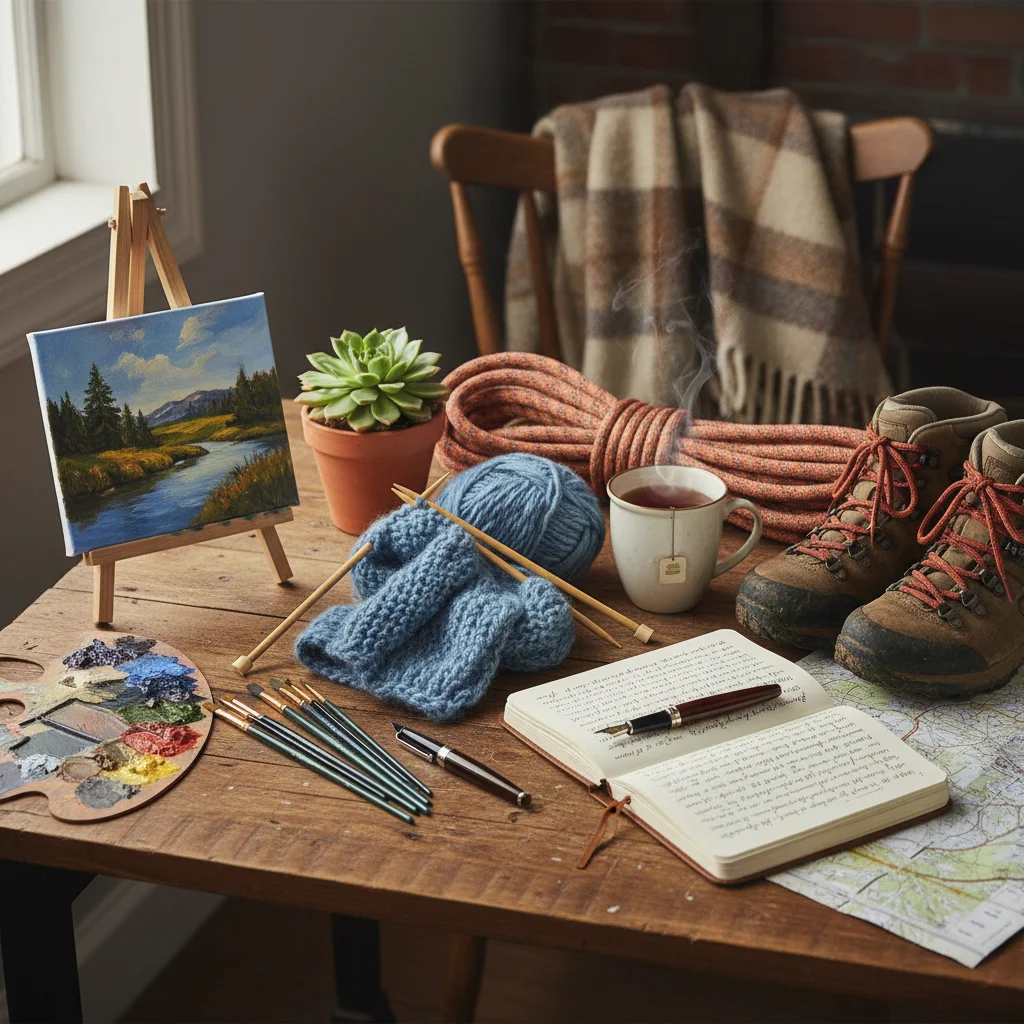
- Creative Hobbies: Painting, drawing, sculpting, writing, poetry, photography, playing a musical instrument, singing, dancing, crafting (knitting, pottery, jewelry making), calligraphy, digital art.
- Intellectual Hobbies: Reading, learning a new language, coding, playing chess, astronomy, history research, philosophy, puzzles, learning about specific scientific fields.
- Physical Hobbies: Hiking, cycling, running, swimming, yoga, martial arts, rock climbing, team sports (basketball, soccer), dancing, gardening, kayaking.
- Social Hobbies: Volunteering, joining a book club, board game nights, community theater, organized group trips, cooking classes, local interest groups.
- Collection Hobbies: Stamp collecting, coin collecting, antique hunting, vinyl records, comic books, rare books.
- Outdoor Hobbies: Camping, fishing, birdwatching, nature photography, geocaching, foraging.
Think about which categories naturally appeal to you based on your self-reflection.
Step 3: Research and Low-Commitment Trials
Once you have a few ideas, do some preliminary research. Watch YouTube videos, read blogs, or talk to people who already engage in these activities. Don’t feel pressured to invest a lot of money or time upfront. The goal is to try things out with low commitment.
- Borrow, don’t buy: See if you can borrow equipment from a friend or local library.
- Attend introductory classes: Many community centers, studios, or online platforms offer beginner workshops.
- Watch tutorials: YouTube is an incredible resource for learning the basics of almost any hobby.
- Join online communities: Reddit, Facebook groups, and specialized forums can provide insights and support.
The key here is experimentation. You might discover a love for something you never expected, or realize an activity isn’t for you, which is just as valuable a discovery.
Step 4: Embrace the Beginner’s Mindset
Starting a new hobby means you’ll likely be a beginner, and that’s perfectly okay! Don’t expect perfection immediately. Embrace the learning process, be patient with yourself, and celebrate small victories. The joy often comes from the journey of improvement, not just the destination of mastery. If you find yourself getting frustrated, remember why you started: for enjoyment and personal growth. The willingness to be a novice is a powerful trait that opens doors to endless possibilities.
Step 5: Integrate and Commit
Once you’ve found a hobby that sparks your interest, make time for it. Schedule it into your week just like you would an important appointment. Consistency is key to developing skills and reaping the full benefits. Whether it’s 30 minutes every day or a few hours once a week, regular engagement will help solidify your new passion. Remember, this isn’t another chore; it’s an act of self-care and self-enrichment.
Practical Tips for Sustaining Your New Passion
Finding a hobby is one thing; sticking with it is another. Here are some practical tips to help you maintain momentum and truly integrate your new passion into your life.
Set Realistic Expectations
You won’t become an expert overnight. Understand that there will be learning curves, frustrations, and moments when you feel like giving up. Remind yourself that the goal is not perfection, but enjoyment and personal growth. Celebrate progress, no matter how small.
Create a Dedicated Space
Having a specific area for your hobby, even if it’s just a corner of a room, can make a big difference. It signals to your brain that it’s time to engage in that activity and keeps your materials organized and accessible. This reduces friction and makes it easier to start.
Connect with Others
As mentioned earlier, community can be a huge motivator. Find local groups, online forums, or workshops related to your hobby. Sharing your experiences, learning from others, and having a support system can significantly boost your enjoyment and commitment. The shared passion creates a bond and provides encouragement when you need it.
Document Your Journey
Take photos, keep a journal, or simply make notes about your progress. Seeing how far you’ve come can be incredibly motivating and provide a tangible record of your personal growth. This documentation serves as a reminder of your journey and the skills you’ve acquired.
Don’t Be Afraid to Pivot
Sometimes, what initially seems like a great hobby might not be the right fit in the long run. That’s perfectly fine! The process of discovering new hobbies is about exploration. If an activity no longer brings you joy or feels like a chore, don’t hesitate to try something else. The goal is to find what truly enriches your life, not to stick with something out of obligation.
Case Studies: Real-Life Transformations Through Hobbies
To illustrate the profound impact of embracing new passions, let’s look at a few hypothetical scenarios:
The Burned-Out Professional Finds Solace in Pottery
Sarah, a marketing executive, found herself constantly stressed and on the verge of burnout. Her life revolved around work, and she felt a growing sense of emptiness. On a whim, she signed up for a beginner’s pottery class. Initially awkward and self-conscious, she soon found herself completely absorbed in the tactile experience of shaping clay. The focus required to center the clay on the wheel became a form of meditation. Pottery allowed her to disconnect from her digital life, express her creativity, and create tangible objects. This new hobby became her sanctuary, reducing her stress levels dramatically and giving her a renewed sense of purpose and calm.
The Retiree Discovers a Passion for Birdwatching
John, recently retired, struggled with the sudden abundance of free time and a feeling of losing his daily routine. He felt a lack of engagement and purpose. One day, while walking in a local park, he noticed a group of people with binoculars and cameras. Intrigued, he approached them and learned about birdwatching. He bought a field guide and a pair of binoculars, and his world transformed. Every walk became an adventure, a quest to identify new species. Birdwatching connected him with nature, provided intellectual stimulation, and led him to join a local ornithology club, where he formed new friendships and traveled to different reserves. His retirement became an exciting chapter of continuous discovery.
The Introvert Finds Confidence Through Community Theater
Maria, a naturally shy and introverted individual, always wanted to be more outgoing but struggled with social anxiety. A friend encouraged her to audition for a local community theater production. Terrified but determined, she landed a small role. The process of rehearsing, memorizing lines, and collaborating with a cast pushed her out of her comfort zone. Slowly, she gained confidence, not just on stage, but in her everyday interactions. Community theater became a safe space for her to explore different facets of her personality, build strong friendships, and discover a voice she never knew she had. Her hobby didn’t just entertain; it fundamentally reshaped her self-perception.

Embracing the Journey of Discovery
The journey to discover new hobbies is a deeply personal and incredibly rewarding one. It’s about more than just filling spare time; it’s about enriching your life, expanding your capabilities, and connecting with the world in new and meaningful ways. In a society that often pushes us towards constant productivity, taking the time to pursue a passion purely for the joy it brings is a revolutionary act of self-care.
As you embark on this exciting adventure, remember to be open-minded, patient, and kind to yourself. Not every activity you try will become a lifelong passion, and that’s perfectly normal. The process of exploration itself is valuable. Each attempt, whether successful or not, teaches you something about yourself and what truly brings you joy. Don’t let fear of failure or the pressure to be perfect deter you. The true reward lies in the act of engaging, learning, and growing.
So, take a deep breath, look around, and consider what sparks your curiosity. What have you always wanted to try? What activity makes your heart sing? The world is full of incredible possibilities, waiting for you to uncover them. By making a conscious effort to discover new hobbies, you are not just adding an activity to your schedule; you are actively crafting a richer, more fulfilling, and more joyful life for yourself. The power to transform your existence lies within your willingness to explore, experiment, and embrace the endless wonders that new passions can bring.
Start today. Pick one idea, do a little research, and take that first small step. You might be surprised at where your new hobby takes you and the incredible person you become along the way. Your future self will thank you for daring to discover.