Mastering Gen Z Slang: Your 2026 Guide to Staying Current
Decoding the Latest Gen Z Slang: 7 Phrases You Need to Understand to Stay Current in 2026 Conversations
Ever found yourself scrolling through social media, or even just listening to a conversation between younger individuals, and felt like you needed a translator? If so, you’re not alone. The linguistic landscape is constantly shifting, and nowhere is this more evident than in the rapid evolution of Gen Z slang. For anyone looking to bridge the generational communication gap, whether you’re a parent, an educator, a marketer, or simply someone who enjoys staying current with Gen Z slang, understanding these ever-changing terms is crucial.
Welcome to 2026, where digital natives continue to shape the way we communicate. Their slang isn’t just a collection of random words; it’s a reflection of their values, their humor, their online interactions, and their unique perspective on the world. Ignoring it means missing out on a significant part of modern culture and potentially misinterpreting important messages. This comprehensive guide will equip you with the knowledge to navigate the vibrant world of Gen Z slang 2026, focusing on seven key phrases that have solidified their place in the contemporary lexicon.
Our goal isn’t just to define these terms, but to explore their origins, usage, and cultural significance. By the end of this article, you’ll not only understand what these phrases mean but also how to use them (or at least understand when they’re being used) to foster better communication and connection with the younger generation. Let’s dive into the fascinating world of understanding Gen Z slang and ensure you’re always in the loop.
The Ever-Evolving Language of Gen Z: Why It Matters
Before we dissect specific phrases, let’s address the elephant in the room: why should we even bother with learning Gen Z slang? The answer lies in the very nature of language as a tool for connection and understanding. Gen Z, generally defined as those born between the mid-1990s and early 2010s, are the first generation to grow up entirely immersed in the digital age. Their communication patterns are heavily influenced by social media, online gaming, memes, and instant messaging. This environment fosters a rapid evolution of language, where new terms emerge, spread, and sometimes fade with astonishing speed.
For parents, understanding Gen Z slang can open doors to more meaningful conversations with their children. It shows an effort to understand their world, fostering trust and reducing the perceived generational gap. For educators, it can help in creating more relatable and engaging learning environments, and for marketers, it’s essential for crafting authentic and effective communication strategies that resonate with a crucial demographic. In a professional context, being aware of these terms can prevent misunderstandings and facilitate smoother interactions with younger colleagues.
Moreover, language is a living entity, constantly adapting to reflect societal changes. Gen Z slang often encapsulates complex ideas or emotions in concise, often humorous ways. It’s a testament to their creativity and their ability to carve out unique cultural spaces. By engaging with their language, we gain insight into their perspectives, their values, and the trends that shape their generation. So, let’s embrace the challenge and prepare to master Gen Z slang 2026.
The fluidity of language, especially in the digital age, means that what’s ‘in’ today might be ‘out’ tomorrow. However, certain phrases gain enough traction and utility to become semi-permanent fixtures, evolving slightly or being adapted for new contexts. Our focus here is on those phrases that have demonstrated staying power and are likely to be prevalent throughout 2026 and beyond. These are the linguistic building blocks that will help you stay current with Gen Z slang.
It’s also important to note that slang isn’t monolithic. Regional variations, subculture influences, and even individual friend groups can have their own unique lexicon. However, the phrases we’ll discuss tend to have a broader reach, often originating from viral social media trends and spreading rapidly across platforms like TikTok, Instagram, and X (formerly Twitter). These are the terms that define the common linguistic ground for much of Gen Z.
The Digital Melting Pot: How Slang Spreads in 2026
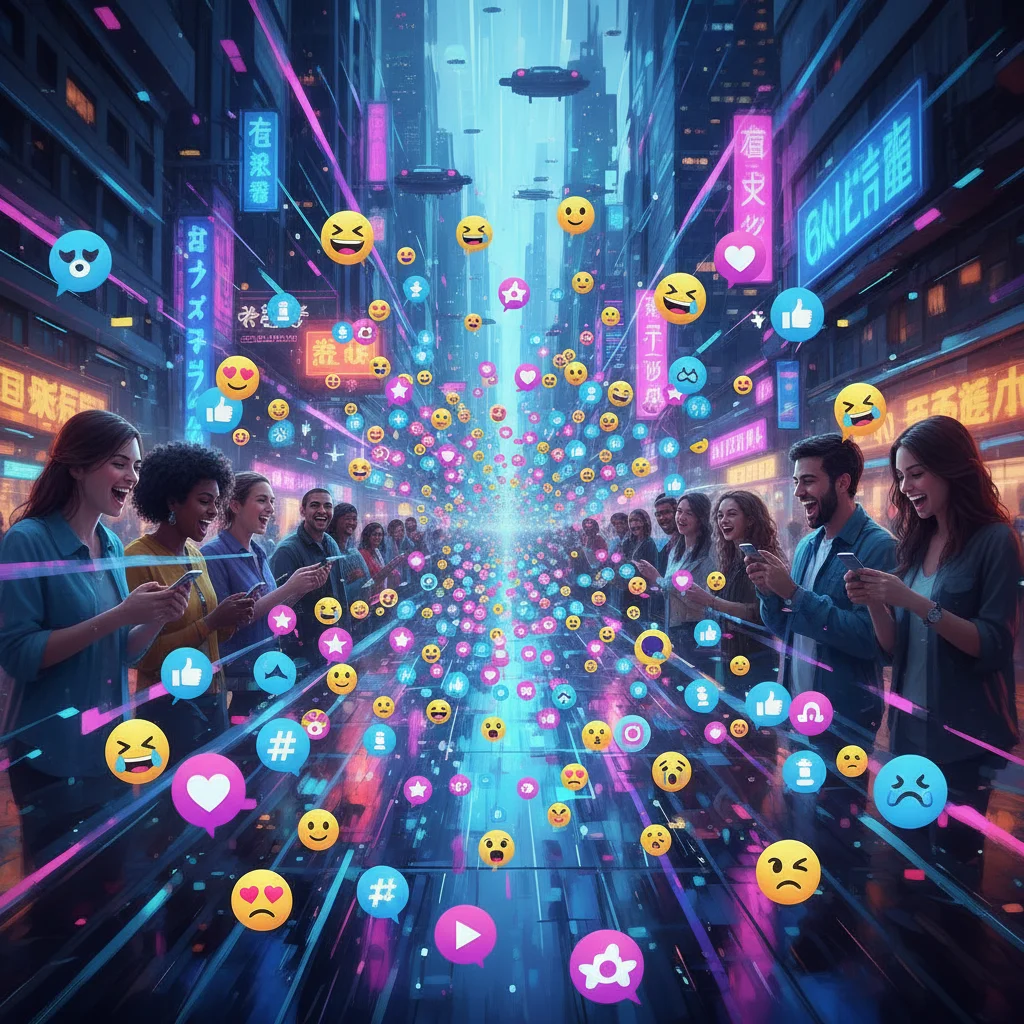
The speed at which Gen Z slang spreads is unprecedented, largely due to the interconnected nature of social media platforms. A phrase can go from an obscure inside joke to a global phenomenon in a matter of days, fueled by algorithms and viral content. TikTok, in particular, has become a primary incubator for new linguistic trends. Short-form video content, often accompanied by specific audio or captions, allows new terms to be demonstrated and contextualized in a highly engaging way.
Memes also play a critical role. A single image or video paired with a new phrase can create a powerful, easily shareable cultural artifact that embeds the slang term into the collective consciousness. This visual and contextual learning helps accelerate adoption far beyond traditional word-of-mouth. Furthermore, the global interconnectedness means that slang originating from one part of the world can quickly be adopted and adapted by Gen Z populations across different continents, creating a truly international youth lexicon.
Understanding this diffusion mechanism is key to appreciating the dynamic nature of Gen Z slang 2026. It’s not just about memorizing definitions; it’s about recognizing the cultural currents that propel these words into common usage. This rapid spread also means that some terms have a shorter shelf life than others. What was popular last year might already be considered ‘cringe’ (another Gen Z term for embarrassing or awkward) today. Our selection focuses on terms with a strong likelihood of continued relevance.
The digital environment also fosters a certain playfulness and irreverence with language. Rules of grammar and traditional usage are often bent or broken to create new meanings or to achieve a particular comedic effect. This isn’t a sign of linguistic decay, but rather a vibrant demonstration of language’s adaptability and the creative spirit of its users. Staying current with Gen Z slang requires an open mind and a willingness to embrace this linguistic innovation.
Embracing the “Vibe Check”: A Cultural Shift
The adoption of certain slang terms often reflects a deeper cultural shift. For instance, the emphasis on ‘vibe’ and ‘vibe check’ among Gen Z speaks to a generation that values emotional authenticity and intuitive understanding of social situations. This isn’t just about superficial trends; it’s about how young people perceive and interact with their world. Recognizing these underlying currents helps in truly understanding the significance of Gen Z slang 2026.
Moreover, the internet provides a space for marginalized voices to create and popularize their own language, which then sometimes crosses over into mainstream Gen Z usage. This highlights the diverse influences that contribute to the ever-expanding lexicon. By paying attention to these linguistic innovations, we can gain a richer understanding of the social dynamics and cultural movements shaping the younger generation.
7 Essential Gen Z Slang Phrases to Master in 2026
Now, let’s get to the heart of the matter. Here are seven crucial Gen Z slang phrases that you need to know to stay current in 2026. We’ll define each term, provide examples, and discuss its typical usage and cultural context.
1. Rizz
- Definition: Short for ‘charisma,’ rizz refers to one’s skill in charming, flirting with, or attracting a romantic interest. It can be used as a noun (e.g., ‘He’s got mad rizz’) or a verb (e.g., ‘He rizzed her up’).
- Origin: Popularized heavily on TikTok and YouTube by content creators, particularly Kai Cenat, in 2021-2022, it quickly became a ubiquitous term for romantic charm.
- Usage: ‘I tried to use my best rizz, but she just wasn’t interested.’ or ‘That guy has serious rizz; everyone loves him.’
- Why it’s important for Gen Z Slang 2026: ‘Rizz’ has transcended its initial internet niche and is now a widely understood term across Gen Z and even some younger Millennials. It encapsulates a specific type of social adeptness that is highly valued.
2. Cap / No Cap
- Definition: ‘Cap’ means a lie or exaggeration. ‘No cap’ means no lie, for real, or truthfully.
- Origin: This term has roots in African American Vernacular English (AAVE) and gained mainstream popularity through hip-hop music and social media.
- Usage: ‘That story about winning the lottery is cap.’ or ‘I finished my entire essay in one night, no cap.’
- Why it’s important for understanding Gen Z slang: It’s a quick, emphatic way to express truthfulness or skepticism, often used to add emphasis or authenticity to a statement.
3. Bet
- Definition: An enthusiastic affirmation, agreement, or acknowledgment. Similar to ‘okay,’ ‘alright,’ ‘for sure,’ or ‘you got it.’
- Origin: Also stemming from AAVE, ‘bet’ has been used in various contexts for decades, but its current widespread usage as an affirmative response is strongly associated with Gen Z.
- Usage: ‘Want to grab coffee later?’ ‘Bet!’ or ‘I’ll get that done by noon, bet.’
- Why it’s important for current Gen Z slang: It’s a versatile and common response that conveys casual agreement and enthusiasm.
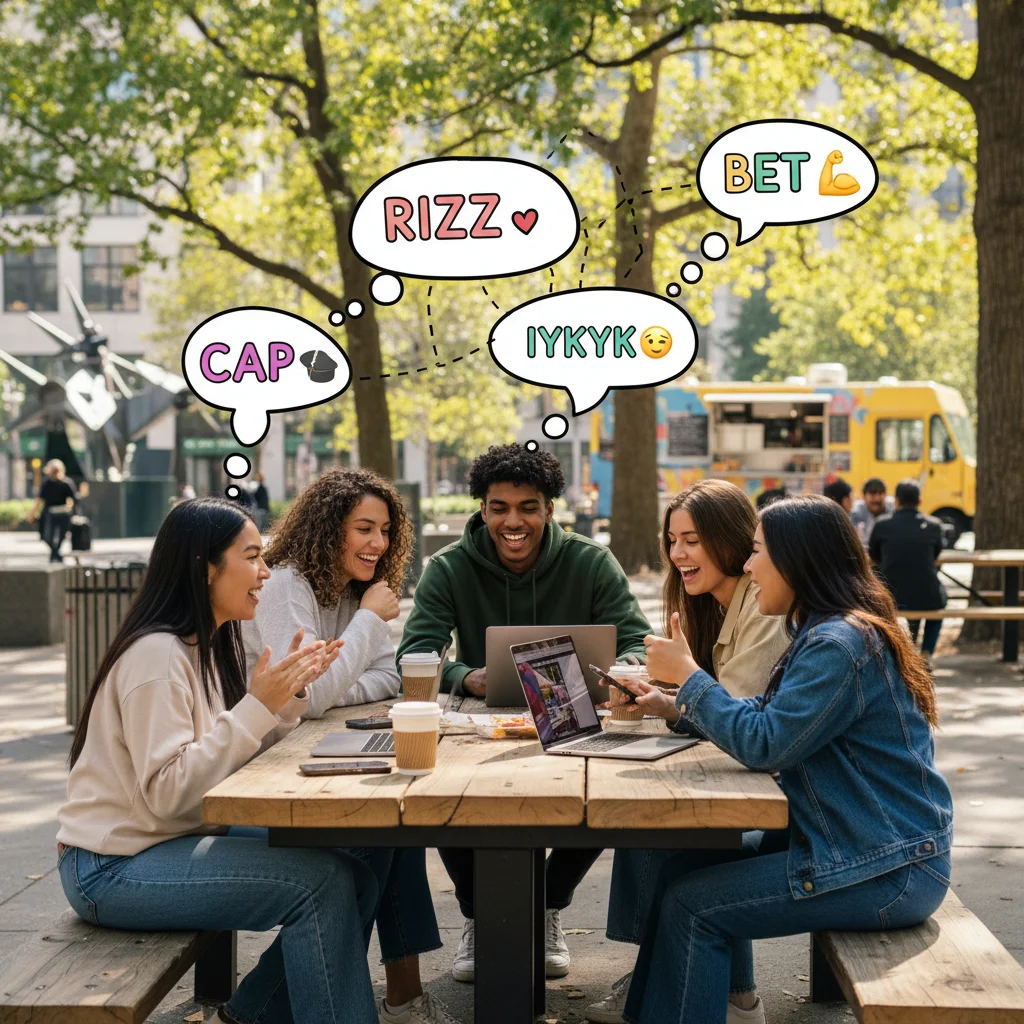
4. IYKYK
- Definition: An acronym for ‘If You Know, You Know.’ It’s used to reference an inside joke, a shared experience, or a niche piece of information that only a select group of people would understand.
- Origin: Emerged from internet culture and meme communities, where shared knowledge and subtle references are common.
- Usage: (Posting a cryptic photo) ‘Just had the craziest night, IYKYK.’ or ‘That moment when the Wi-Fi cuts out during an online exam… IYKYK.’
- Why it’s important for Gen Z slang 2026: IYKYK highlights the importance of niche communities and shared experiences within Gen Z, creating a sense of exclusivity and belonging.
5. Vibe Check
- Definition: A quick assessment of the atmosphere, mood, or emotional state of a person, group, or place. It can also be used to question someone’s behavior or attitude.
- Origin: Gained significant traction on social media, particularly TikTok, where users would perform ‘vibe checks’ on various situations.
- Usage: ‘Walking into the party, I immediately did a vibe check, and it was immaculate.’ or ‘That comment was a bit off, might need a vibe check.’
- Why it’s important for understanding Gen Z slang: Reflects Gen Z’s emphasis on emotional intelligence and the importance of positive energy and authenticity in social interactions.
6. Simp
- Definition: Originally referred to someone who is overly eager to please someone else, often for romantic or sexual attention, to the point of being subservient or desperate. The term has broadened to sometimes describe anyone who is excessively devoted or fawning over someone or something.
- Origin: Gained widespread use on TikTok and Twitch in 2019-2020, often in humorous or exaggerated contexts.
- Usage: ‘He’s such a simp for that streamer, always donating huge amounts.’ or ‘Don’t simp over that celebrity; they don’t even know you exist.’
- Why it’s important for current Gen Z slang: While sometimes controversial, ‘simp’ remains a popular term for describing perceived excessive devotion, often with a humorous or critical undertone.
7. Slaps
- Definition: Used to describe something that is excellent, high-quality, or intensely enjoyable, especially music, food, or experiences.
- Origin: This term has been around in various forms within music communities for a while, particularly in hip-hop, but its current widespread adoption by Gen Z for a broader range of applications is notable.
- Usage: ‘This new song absolutely slaps!’ or ‘That burger from the new diner slaps so hard.’
- Why it’s important for Gen Z slang 2026: A simple yet powerful adjective to express strong approval and enjoyment, a staple in expressing enthusiasm.
Navigating the Nuances: Context is King
While understanding the definitions of these Gen Z slang 2026 terms is a great first step, truly mastering them requires an appreciation for context and nuance. Slang is rarely used in a vacuum; its meaning can shift slightly depending on the speaker, the audience, and the situation. What might be a casual remark among friends could be inappropriate in a formal setting. The key to staying current with Gen Z slang is not just knowing the words, but knowing when and how to use them, or at least how to interpret them correctly.
Observe how Gen Z uses these phrases in their natural habitats: social media comments, TikTok videos, online forums, and casual conversations. Pay attention to the tone, the accompanying emojis, and the overall ‘vibe’ of the communication. This immersive approach will provide a much deeper understanding than rote memorization. Remember, language is a performance, and slang is often about performing a certain identity or belonging to a particular group.
Another important aspect is the ironic or sarcastic use of slang. Sometimes, a term might be used intentionally ‘wrong’ or exaggeratedly to create humor. This self-awareness and meta-commentary on language itself is a hallmark of Gen Z communication. Don’t be surprised if you encounter a term used in an unexpected way; often, it’s a playful twist on its original meaning. This level of linguistic dexterity is what makes understanding Gen Z slang both challenging and rewarding.
Staying Authentic: To Use or Not To Use?
A common question arises: should I start using these Gen Z slang terms myself? The answer is nuanced. If you’re genuinely comfortable with a term and it feels natural in your speech, go for it. However, forcing slang into your vocabulary can often come across as inauthentic or ‘cringe,’ defeating the purpose of trying to connect. The goal isn’t to sound like you’re trying too hard to be young, but rather to understand and respect the linguistic landscape of the younger generation.
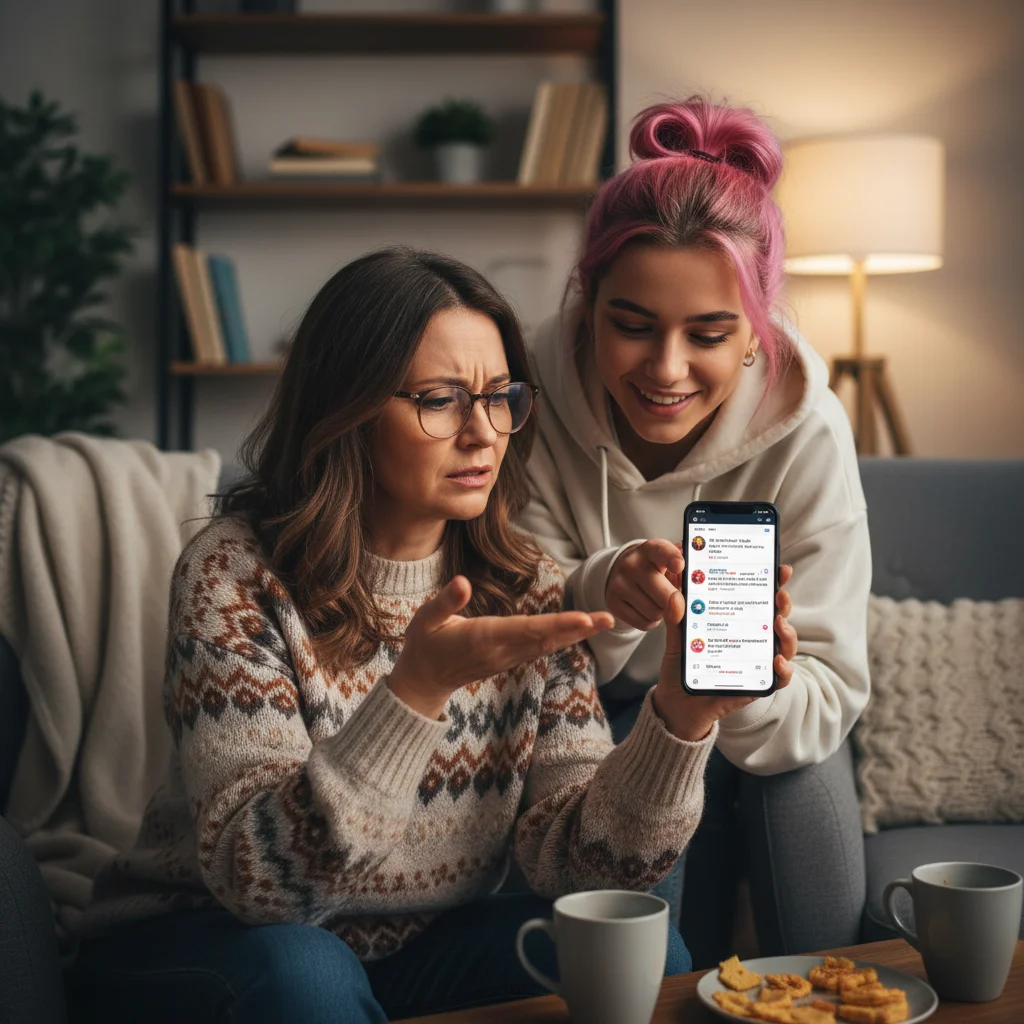
For parents, understanding can lead to empathy and better communication, even if you don’t personally adopt every term. For professionals, awareness helps in decoding messages and crafting more effective strategies. The true power lies in comprehension, not necessarily in imitation. Being able to understand what ‘rizz’ means when your child talks about their dating life, or recognizing ‘no cap’ in a customer’s feedback, is far more valuable than trying to awkwardly insert them into your own sentences.
Ultimately, the best approach is to be an active listener and observer. The more you immerse yourself in the communication styles of Gen Z, the more naturally you’ll pick up on these nuances and develop a genuine understanding. This will allow you to stay current with Gen Z slang without sacrificing your own authentic voice.
Beyond the Definitions: The Cultural Impact of Gen Z Slang
The impact of Gen Z slang extends far beyond mere vocabulary. It reflects a generation that is highly adaptive, digitally fluent, and often uses humor as a coping mechanism and a form of social currency. Their language is a tool for building community, expressing identity, and navigating a complex world. By understanding their slang, we gain a window into these deeper cultural currents.
Many terms, like ‘vibe check,’ highlight a generational emphasis on authenticity, emotional well-being, and genuine connection. Others, like ‘IYKYK,’ underscore the importance of shared experiences and niche interests in an increasingly fragmented digital landscape. Even terms that seem superficial, like ‘slaps,’ speak to a desire for immediate, impactful experiences and clear expressions of enjoyment.
The speed at which new terms emerge and spread also signifies a generation that is constantly innovating and pushing boundaries, not just in technology but also in communication. This rapid linguistic evolution is a dynamic process that shows no signs of slowing down. Therefore, staying current with Gen Z slang is an ongoing endeavor, requiring continuous observation and a willingness to learn.
Furthermore, the global nature of internet culture means that Gen Z slang often transcends geographical boundaries, creating a shared linguistic experience among young people worldwide. This contributes to a sense of global community and shared cultural touchstones, even as local variations persist. The internet has truly flattened the world of slang, making it a truly international phenomenon.
The Future of Language: What’s Next?
Predicting the future of language is always a challenging task, but one thing is certain: Gen Z slang will continue to evolve. New terms will emerge, existing ones will adapt, and some will eventually fade away. The key to staying relevant is to remain curious and open to these changes. Follow popular social media accounts, pay attention to viral trends, and, most importantly, listen to the young people around you.
The ongoing interaction between digital and real-world communication will continue to shape how slang develops. As new technologies emerge and social dynamics shift, so too will the language used to describe and navigate these experiences. The phrases we’ve discussed today are a snapshot of 2026, but the underlying principles of linguistic innovation and cultural expression will remain constant.
Ultimately, understanding Gen Z slang is about more than just knowing a few cool words. It’s about bridging gaps, fostering connection, and appreciating the vibrant, dynamic nature of human communication. By making an effort to understand these terms, you’re not just staying current; you’re investing in better communication and a deeper appreciation for the cultural landscape of the younger generation. So, go forth, and may your conversations be filled with understanding, no cap!
Conclusion: Your Guide to Staying Current with Gen Z Slang in 2026
Navigating the linguistic landscape of Gen Z can sometimes feel like learning a new language, but with this guide to Gen Z slang 2026, you are now equipped with the essential phrases to stay current. We’ve explored ‘Rizz,’ ‘Cap/No Cap,’ ‘Bet,’ ‘IYKYK,’ ‘Vibe Check,’ ‘Simp,’ and ‘Slaps,’ delving into their meanings, origins, and cultural significance. These terms are more than just fleeting trends; they are windows into the humor, values, and communication styles of a generation that is shaping our future.
Remember, the goal isn’t necessarily to adopt every piece of slang into your own vocabulary, but rather to understand it. This understanding is a powerful tool for fostering better communication, building stronger relationships, and appreciating the dynamic nature of modern culture. Whether you’re a parent trying to connect with your child, a marketer aiming for authentic engagement, or simply someone who enjoys being in the loop, grasping these phrases will significantly enhance your ability to interact with Gen Z.
The world of current Gen Z slang is ever-evolving, driven by the rapid pace of digital interaction and the boundless creativity of young people. By staying curious, observant, and open-minded, you can continue to decode new terms as they emerge, ensuring you remain fluent in the language of the future. So, next time you hear one of these terms, you won’t just understand it; you’ll understand the culture behind it. And that, no cap, truly slaps.
Keep this guide handy, and consider it your ongoing resource for staying attuned to the fascinating linguistic innovations of Gen Z. The effort to understand is always appreciated, and it’s a ‘bet’ that your enhanced communication skills will lead to more meaningful connections in 2026 and beyond.