The Vinyl Resurgence: Why Physical Media Thrives in a Digital World
The Vinyl Resurgence: Why Physical Media Thrives in a Digital World
In an era dominated by digital streaming, instant gratification, and ephemeral content, a surprising phenomenon continues to captivate music lovers and collectors worldwide: the vinyl resurgence. Far from being a nostalgic relic of a bygone era, vinyl records have staged a remarkable comeback, with sales soaring by an impressive 18% in recent years. This isn’t just a fleeting trend; it’s a profound cultural movement, signaling a deeper yearning for tangible experiences and a more deliberate engagement with art in a hyper-digitalized world. The vinyl resurgence culture is multifaceted, encompassing everything from the rich, warm sound quality to the ritualistic act of playing a record, and the vibrant community it fosters.
For decades, the music industry was on a relentless march towards digitalization. Cassettes gave way to CDs, which in turn were largely supplanted by MP3s and, eventually, streaming services. Each step promised greater convenience, portability, and access to an ever-expanding library of music. Yet, amidst this digital deluge, vinyl records, once thought to be obsolete, have not only survived but thrived. This article delves into the compelling reasons behind this extraordinary revival, exploring the intricate interplay of sound, aesthetics, ritual, and community that defines the modern vinyl resurgence culture.
We will examine the economic drivers behind this growth, the psychological and emotional connections people form with physical media, and how this trend reflects broader societal shifts towards authenticity and mindful consumption. From audiophiles chasing the perfect sonic experience to casual listeners discovering the joy of collecting, the appeal of vinyl is diverse and deeply personal. Understanding the vinyl resurgence culture offers invaluable insights into the evolving landscape of entertainment and consumer behavior in the 21st century.
The Allure of Analog: Sound Quality and the Listening Experience
One of the most frequently cited reasons for the vinyl resurgence is the perceived superior sound quality of analog recordings. While digital audio offers pristine clarity and convenience, many audiophiles argue that vinyl provides a warmer, richer, and more ‘natural’ sound. This isn’t just subjective; the way sound waves are etched into a vinyl record’s grooves and then reproduced by a stylus is fundamentally different from digital sampling. Analog sound is continuous, capturing the full spectrum of the original waveform, whereas digital audio is a series of discrete samples. This difference, however subtle to the untrained ear, contributes to a listening experience that many describe as more immersive and engaging.
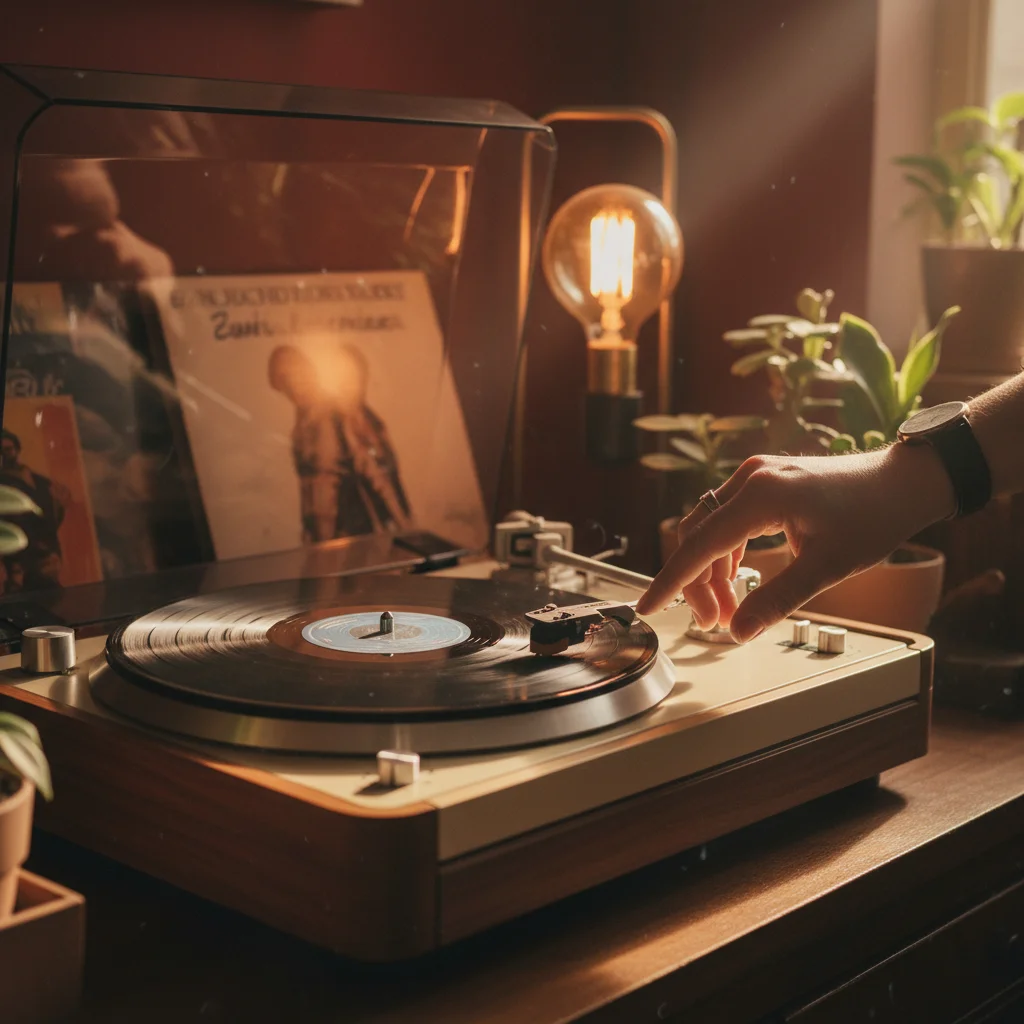
Beyond technical specifications, the act of listening to vinyl is itself an experience. It’s a deliberate, almost ritualistic process that stands in stark contrast to the passive consumption of streaming playlists. The listener must choose an album, carefully remove it from its sleeve, place it on the turntable, and gently lower the needle. This sequence of actions transforms listening from a background activity into a focal point, demanding attention and presence. This intentionality is a cornerstone of the vinyl resurgence culture, encouraging a deeper connection with the music and the artist’s original intent. It’s a commitment to the art form that digital convenience often bypasses.
The physical presence of a record also influences the listening experience. Holding a record, examining its artwork, and reading the liner notes adds layers to the appreciation of the music. These elements, often overlooked in the digital realm, provide context, storytelling, and a deeper understanding of the creative process. The tangibility of vinyl fosters a sense of ownership and connection that a digital file, no matter how high-fidelity, simply cannot replicate. This holistic engagement — visual, tactile, and auditory — is a powerful draw for those embracing the vinyl resurgence culture.
Furthermore, the limitations of vinyl, such as the need to flip the record after a certain number of tracks, can actually enhance the listening experience. These natural breaks encourage pauses, reflection, and a more focused appreciation of each side of an album as a cohesive artistic statement, rather than a mere collection of individual songs. This deliberate pace is a welcome antidote to the endless scroll and constant distraction prevalent in our modern digital lives, making the vinyl resurgence culture a form of mindful consumption.
The sonic characteristics of vinyl are often described using terms like ‘warmth,’ ‘depth,’ and ‘presence.’ This is partly due to the subtle imperfections and harmonic distortions inherent in the analog playback process, which some perceive as adding character and a human touch to the sound. While digital audio strives for perfect reproduction, vinyl embraces a certain organic quality that resonates with listeners seeking a more authentic and less sterile auditory journey. This nuanced appreciation for sound quality is a driving force behind the continued growth of the vinyl resurgence culture.
The Tactile and Visual Appeal: Art, Packaging, and Collectibility
Beyond the sound, the aesthetic and tactile qualities of vinyl records play a crucial role in their enduring appeal. A 12-inch LP offers a generous canvas for album art, allowing artists and designers to create visually stunning masterpieces that are an integral part of the musical experience. From iconic covers that have become cultural touchstones to intricate gatefolds and elaborate liner notes, the artwork on a vinyl record is a work of art in itself. This visual richness is almost entirely lost in the tiny thumbnail images of digital streaming platforms, making the physical packaging a significant draw for the vinyl resurgence culture.
Holding a vinyl record, feeling its weight, and admiring the artwork is a multi-sensory experience that digital formats cannot replicate. The ritual of unboxing a new record, carefully sliding it out of its sleeve, and examining the details of the cover and inner packaging adds a layer of anticipation and appreciation that enhances the overall enjoyment of the music. This tangible interaction fosters a deeper connection between the listener and the music, transforming it from a mere audio file into a treasured object. This emphasis on tangibility is a core tenet of the vinyl resurgence culture.
Collectibility is another powerful motivator for many engaging with vinyl. The thrill of the hunt – searching through crates in record stores, discovering rare pressings, or finding limited editions – is a significant part of the hobby. Vinyl collecting is a passion that often leads to deep dives into discographies, label histories, and pressing variations. Each record tells a story, not just through its music, but through its physical attributes: the country of origin, the specific pressing plant, the condition of the sleeve, and the presence of any inserts. This aspect of discovery and curation is a major driver of the vinyl resurgence culture.
Record stores, both independent and larger chains, have become cultural hubs where collectors can connect, share knowledge, and discover new music. These physical spaces foster a sense of community that is often lacking in the anonymous world of digital consumption. The social aspect of discussing finds, sharing recommendations, and simply being surrounded by like-minded enthusiasts reinforces the communal spirit of the vinyl resurgence culture. These stores are not just retail outlets; they are vital centers for music appreciation and cultural exchange.
Furthermore, many artists and labels are embracing the visual potential of vinyl, releasing special editions with colored vinyl, picture discs, and elaborate packaging that elevate the record to an art object. These limited-edition releases often become highly sought-after collector’s items, further fueling the collecting frenzy and adding to the mystique of the format. This creative collaboration between music and visual art is a testament to the enduring power of physical media within the vinyl resurgence culture.
The Ritual and Community: A Shared Passion
The act of playing a vinyl record is inherently ritualistic. It’s a deliberate process that requires attention and care, transforming music consumption from a passive background activity into a mindful experience. This ritual begins with selecting an album, removing it from its sleeve, cleaning it (for many enthusiasts), placing it on the turntable, and finally, gently lowering the tonearm. Each step is an integral part of the listening journey, fostering a deeper connection with the music and creating a sense of anticipation and engagement. This ritualistic aspect is a significant draw for those embracing the vinyl resurgence culture.
In a world saturated with instant gratification and endless digital feeds, the deliberate pace of vinyl offers a refreshing alternative. It encourages listeners to slow down, focus, and truly immerse themselves in an album as a complete artistic statement. This mindful approach to music consumption is a powerful antidote to the often-fragmented and superficial engagement offered by streaming platforms. The vinyl resurgence culture, therefore, can be seen as a form of digital detox, a way to disconnect from the noise and reconnect with art on a deeper level.
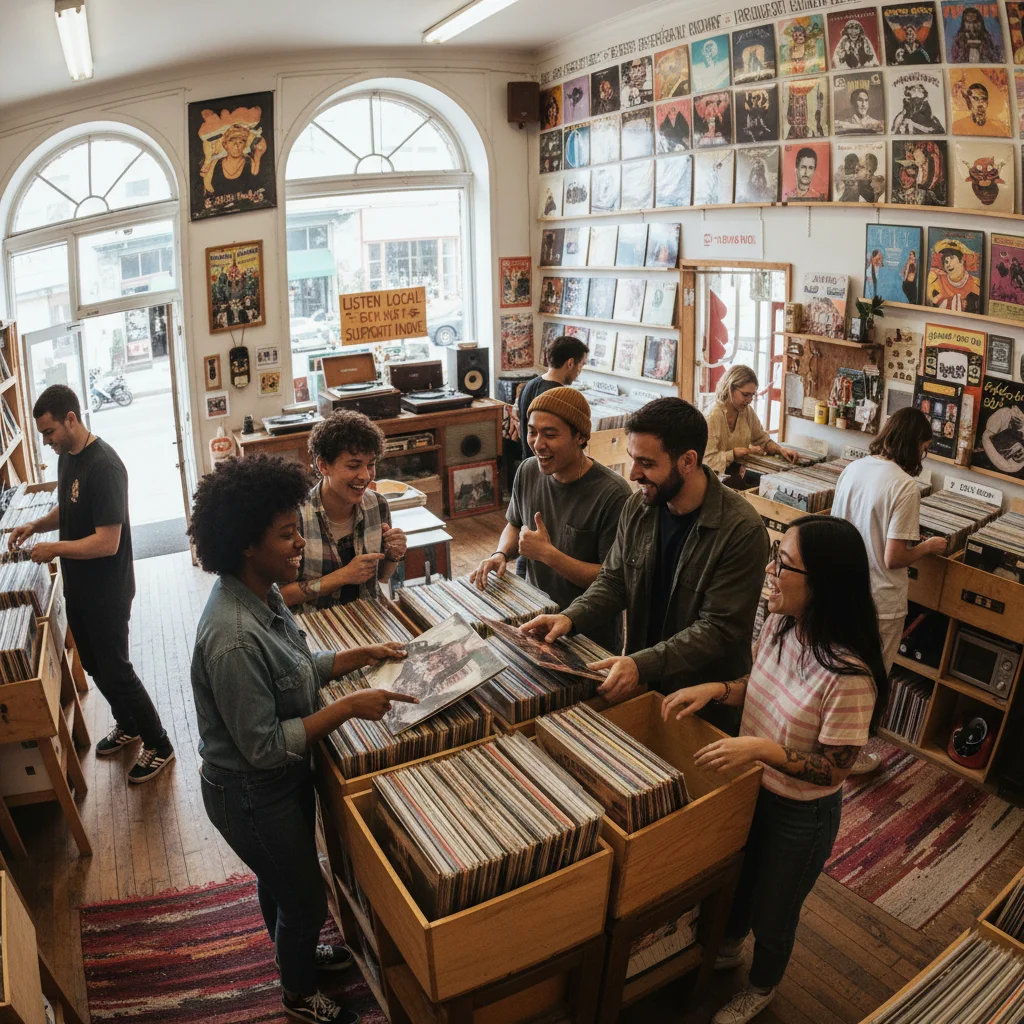
Beyond the personal ritual, vinyl fosters a strong sense of community. Record stores, record fairs, and online forums serve as vibrant hubs where enthusiasts can connect, share their passion, and discover new artists. The act of discussing favorite albums, trading recommendations, and sharing collecting tips creates a bond among like-minded individuals. This communal aspect is a vital component of the vinyl resurgence culture, transforming a solitary hobby into a shared experience.
Record Store Day, an annual event celebrating independent record stores, exemplifies this community spirit. It draws thousands of music lovers to local shops, where they can browse exclusive releases, attend live performances, and connect with fellow enthusiasts. This global celebration highlights the enduring cultural significance of physical music and the strong sense of belonging it fosters. Events like these reinforce the social fabric of the vinyl resurgence culture, showing that music is not just about listening, but also about connecting with others.
The shared passion for vinyl also extends to the act of sharing music with others. Introducing a friend to a favorite album on vinyl, or hosting a listening party, creates a unique social experience that is distinct from simply sharing a digital link. The physical presence of the record, the shared ritual of playing it, and the communal appreciation of the music forge deeper connections and create lasting memories. This social dimension is a powerful catalyst for the continued growth of the vinyl resurgence culture, proving that music is often best enjoyed together.
The Economic Landscape: Driving Factors Behind the 18% Growth
The 18% increase in vinyl sales isn’t just a cultural phenomenon; it’s also a significant economic story. Several factors contribute to this growth, making vinyl a surprisingly robust segment of the music industry. One primary driver is the growing demographic of younger listeners who are discovering vinyl for the first time. For many millennials and Gen Z, vinyl offers a novel and authentic way to engage with music, a stark contrast to the purely digital experiences they grew up with. This new generation of collectors is fueling much of the recent sales growth and contributing to the evolution of the vinyl resurgence culture.
Artists and record labels have also played a crucial role in this economic uptick. Recognizing the demand, many contemporary artists are releasing their new albums on vinyl, often with elaborate packaging and special editions that appeal to collectors. This strategic move not only caters to existing fans but also attracts new ones, reinforcing vinyl’s status as a premium format. The decision by major artists to prioritize vinyl releases underscores its growing importance within the music ecosystem and its impact on the vinyl resurgence culture.
The rise of independent record stores, and even the re-emergence of dedicated vinyl sections in larger retail chains, provides crucial distribution channels for records. These physical outlets offer a curated selection, knowledgeable staff, and a welcoming atmosphere that enhances the shopping experience. The continued viability of these stores is essential for the sustained growth of vinyl sales and for nurturing the community aspect of the vinyl resurgence culture. They serve as vital touchpoints for discovery and engagement.
Furthermore, the perceived value of vinyl as a physical product contributes to its economic success. Unlike a subscription to a streaming service, a vinyl record is a tangible asset that can be owned, collected, and even resold. This sense of ownership and the potential for appreciation in value (especially for rare or limited editions) makes vinyl an attractive investment for some collectors. This economic dimension adds another layer to the appeal of the vinyl resurgence culture, blending passion with practicality.
Technological advancements in turntable manufacturing have also made vinyl more accessible than ever. High-quality, affordable turntables are now widely available, lowering the barrier to entry for new enthusiasts. This accessibility, combined with the format’s inherent appeal, creates a fertile ground for continued growth. The marriage of modern technology with a vintage format is a testament to the adaptability and enduring charm of the vinyl resurgence culture.
Beyond Nostalgia: A Modern Cultural Statement
While nostalgia undoubtedly plays a role for some older generations returning to vinyl, the current vinyl resurgence is far more than a sentimental trip down memory lane. For younger demographics, who may have never experienced vinyl in its heyday, it represents a conscious choice to engage with music in a more meaningful and deliberate way. It’s a rejection of the disposable nature of digital media and an embrace of authenticity and craftsmanship. This contemporary appeal makes the vinyl resurgence culture a powerful modern cultural statement.
In an age of endless scrolling and digital fatigue, vinyl offers a tangible anchor, a physical connection to art that grounds the listener. It’s a rebellion against the intangible, the fleeting, and the algorithm-driven consumption that defines so much of our digital lives. Choosing vinyl is an act of intentionality, a declaration that some experiences are worth slowing down for, worth investing in, and worth savoring. This philosophical underpinning is a key driver of the vinyl resurgence culture.
The aesthetics of vinyl also align with broader trends in design and lifestyle that favor vintage, handcrafted, and artisanal products. From interior design to fashion, there’s a growing appreciation for items with character, history, and a story to tell. Vinyl records fit perfectly into this aesthetic, serving as both functional music players and stylish decorative objects that reflect the owner’s taste and values. This integration into a wider lifestyle movement strengthens the position of the vinyl resurgence culture.
Furthermore, the environmental impact of physical media versus digital streaming is an increasingly discussed topic. While both have their footprints, the perceived longevity and reusability of vinyl, especially compared to the energy consumption of data centers for streaming, offers a different perspective for environmentally conscious consumers. This nuanced consideration adds another layer of appeal for those who are thinking critically about their consumption habits and are drawn to the vinyl resurgence culture.
Ultimately, the vinyl resurgence culture is about more than just music; it’s about a lifestyle choice. It’s about valuing quality over quantity, experience over convenience, and connection over isolation. It’s a statement about how one chooses to interact with art and culture in a rapidly changing world. The continued growth of vinyl sales is not just a testament to the format’s enduring charm but also a reflection of a deeper societal shift towards more mindful and meaningful forms of engagement.
Challenges and the Future of Vinyl
Despite its impressive growth, the vinyl resurgence culture is not without its challenges. Production bottlenecks, particularly for pressing plants, have led to delays and increased costs, making it difficult for some independent artists and smaller labels to release their music on vinyl. The demand often outstrips supply, creating a competitive environment for production slots. Addressing these manufacturing limitations is crucial for the sustainable growth of the format.
The environmental impact of PVC, the primary material for vinyl records, is another concern. While there are ongoing efforts to explore more sustainable materials and recycling initiatives, the industry faces pressure to reduce its carbon footprint. Innovation in this area will be vital for the long-term viability and ethical appeal of the vinyl resurgence culture. Consumers are increasingly environmentally conscious, and the industry must adapt to meet these expectations.
The cost of entry for new collectors can also be a barrier. Turntables, amplifiers, and speakers represent an initial investment that can be significant, especially for high-fidelity setups. While more affordable options exist, the perception of expense can deter some potential enthusiasts. Educating consumers about accessible entry points and the long-term value of vinyl collecting is important for broadening the appeal of the vinyl resurgence culture.
Despite these challenges, the future of vinyl appears bright. The strong emotional connection, the tangible experience, and the vibrant community it fosters suggest that vinyl is here to stay. It has carved out a distinct niche in the music landscape, coexisting with streaming services rather than competing directly. Many listeners now embrace both, enjoying the convenience of digital for casual listening while turning to vinyl for a more immersive and intentional experience. This hybrid approach to music consumption is becoming increasingly common within the vinyl resurgence culture.
Innovation in record store models, online marketplaces, and subscription services dedicated to vinyl continue to expand the reach and accessibility of the format. The cultural significance of vinyl is also being recognized in broader media, further cementing its place in contemporary culture. As long as there is a desire for authentic, tactile, and meaningful engagement with music, the vinyl resurgence culture will continue to thrive, adapting and evolving with the times while holding true to its analog roots.
The enduring appeal of vinyl is a testament to the human desire for tangible connection in an increasingly digital world. It’s a reminder that sometimes, slowing down, engaging deeply, and appreciating the physical form of art can offer a richer and more fulfilling experience. The vinyl resurgence culture is not just about listening to music; it’s about a lifestyle, a community, and a profound appreciation for the art form in its most physical manifestation.
Conclusion: The Enduring Legacy of Physical Media
The 18% surge in vinyl sales is more than just a statistic; it’s a powerful statement about the enduring value of physical media and the profound impact of the vinyl resurgence culture. In an age where digital content is often ephemeral and intangible, vinyl records offer a grounding, multi-sensory experience that resonates deeply with music lovers across generations. From the rich, warm sound quality to the exquisite album art and the deliberate ritual of playback, every aspect of vinyl contributes to a unique and deeply satisfying engagement with music.
The economic success of vinyl underscores its position as a valued product, driven by both nostalgic appeal and a new generation’s discovery of its charms. Artists, labels, and independent record stores have all played a crucial role in nurturing this growth, creating a vibrant ecosystem where physical music can thrive. The challenges of production and environmental concerns are real, but the industry’s commitment to innovation and sustainability suggests a resilient future for the format.
Ultimately, the vinyl resurgence culture is a testament to a broader societal yearning for authenticity, mindfulness, and connection. It’s a rebellion against the passive consumption of digital streams, advocating instead for a more active, intentional, and appreciative relationship with art. Vinyl records are not just sound carriers; they are cultural artifacts, pieces of art, and catalysts for community. They remind us that some experiences are worth slowing down for, worth savoring, and worth holding onto.
As we navigate an increasingly digital future, the lessons learned from the vinyl resurgence culture are invaluable. They highlight the importance of tactile experiences, the power of community, and the enduring human desire for tangible connections in a world that often feels disconnected. The continuous growth of vinyl sales is a clear indication that physical media, far from being obsolete, continues to play a vital and cherished role in our cultural landscape, offering a timeless and deeply personal way to experience the magic of music.