Avoid 2026 US Rental Car Shortages: 8 Pro Tips & Save Money

Planning a trip within the United States in 2026? While the excitement of new adventures beckons, a crucial aspect of travel that often gets overlooked until the last minute is transportation, specifically rental cars. The landscape of the rental car industry has been volatile in recent years, marked by significant shortages and escalating prices. As we look ahead to 2026, experts predict that these challenges may persist, making it more vital than ever to be prepared. Navigating 2026 US rental car shortages and avoiding exorbitant costs requires foresight, strategic planning, and a good understanding of the market dynamics. This comprehensive guide, packed with 8 pro tips, is designed to equip you with the knowledge and strategies needed to secure your ride and keep your travel budget intact.
The lessons learned from the post-pandemic travel surge are clear: demand can quickly outstrip supply, leading to frustrating experiences and unexpected expenses. Factors such as semiconductor shortages impacting new car production, rental companies selling off older fleets during downturns, and a general increase in domestic travel have all contributed to a challenging environment. For 2026, while some supply chain issues might ease, the underlying demand for travel, coupled with potential economic shifts, could still create a competitive market for rental vehicles. Therefore, adopting a proactive approach to your rental car booking is not just advised, it’s essential.
Our goal here is to empower you with actionable advice, transforming potential headaches into seamless travel experiences. From understanding the best booking windows to exploring alternative transportation, these tips will help you bypass the common pitfalls and ensure your 2026 US travel plans are smooth and stress-free. Let’s delve into the strategies that will make you a savvy traveler in the face of anticipated 2026 rental car challenges.
1. Book Early, Book Very Early: The Golden Rule for 2026 Rental Car Tips
The most crucial piece of advice for securing a rental car in 2026, especially during peak travel seasons or in popular destinations, is to book as far in advance as humanly possible. This isn’t just a recommendation; it’s a necessity. Historically, booking a few weeks out might have sufficed. However, with the anticipated 2026 US rental car shortages, that timeframe is simply too short.
Why Early Booking is Paramount
- Availability: The primary reason is to ensure a vehicle is even available. As demand continues to outpace supply in many regions, waiting until the last minute dramatically increases your risk of finding no cars at all, or only highly specialized, expensive options.
- Price: Rental car prices operate on a dynamic pricing model, similar to airline tickets. As availability decreases and demand increases, prices surge. Booking early locks in a lower rate before the market heats up. You’ll often find the best deals when booking several months in advance, sometimes even six to twelve months out for major holidays or events.
- Choice: Early booking also gives you a wider selection of vehicles. If you have specific needs – a larger SUV for a family trip, an economical compact car, or a particular luxury model – booking early increases your chances of getting exactly what you want, rather than being stuck with whatever is left.
- Flexibility: Many rental companies offer free cancellation policies if you book far enough in advance. This means you can secure a good rate and a car, and then continue to monitor prices. If a better deal comes along, you can cancel your initial booking and rebook without penalty. Always double-check the cancellation policy before finalizing, but this flexibility is a significant advantage of early booking.
Practical Steps for Early Booking
- Know Your Dates: As soon as your travel dates are firm, start looking. If you’re traveling for a known event (e.g., a major sporting event, a festival, or a holiday like Thanksgiving or Christmas), these dates will see the highest demand and the earliest price increases.
- Monitor Prices: Use price tracking tools or set up alerts from various rental car aggregators. While you’ll book early, ongoing monitoring allows you to snag an even better deal if one appears.
- Consider "Book Now, Pay Later" Options: Many rental companies offer these, which are ideal for early booking. They allow you to secure the reservation without an upfront payment, reducing financial commitment if your plans change.
By making early booking your number one strategy, you significantly mitigate the risks associated with 2026 US rental car shortages and high prices, setting a solid foundation for a stress-free trip.
2. Explore ALL Rental Car Companies, Not Just the Big Names
When searching for a rental car, it’s natural to gravitate towards the familiar giants like Enterprise, Hertz, Avis, and Budget. While these companies are reliable, they are also often the first to experience shortages and escalate prices when demand is high. To effectively navigate 2026 US rental car shortages, you need to broaden your search considerably.
Why Diversify Your Search?
- Hidden Gems: Smaller, local, or regional rental companies often have different fleet sizes, pricing structures, and availability. They might not always show up on major aggregator sites, requiring a bit more digging.
- Competitive Pricing: These companies may offer more competitive rates, especially if they are trying to attract business away from the larger players. They might also have special promotions that aren’t widely advertised.
- Better Availability: During peak times, when the major companies are completely booked, smaller outfits might still have vehicles available. Their customer base might be less international, making them a good option for domestic travelers.
- Specialty Vehicles: Some smaller companies specialize in certain types of vehicles (e.g., vans, luxury cars, or older, more affordable models), which could be exactly what you need.
How to Find and Compare Smaller Rental Companies
- Local Search: Perform targeted Google searches for "rental car [destination city]" or "car rental near [airport code]." Look beyond the first page of results.
- Airport vs. Off-Airport: Don’t limit your search to airport locations. While convenient, airport rentals often come with additional fees and higher prices. Investigate downtown locations or those slightly outside the city center. You might save a significant amount, even after accounting for a short Uber or taxi ride to pick up the car.
- Aggregator Sites with Filters: Use large aggregator sites (like Kayak, Expedia, Priceline) but ensure you’re not just looking at the top results. Many allow you to filter by company or see a broader range of options once you scroll down.
- Check Reviews: Always, always check recent customer reviews for smaller companies. While they can offer great value, ensuring their service and vehicle quality are up to par is essential. Look for consistent feedback regarding vehicle condition, customer service, and transparency in pricing.
By expanding your search beyond the usual suspects, you significantly increase your chances of finding an available and affordable rental car, a critical strategy for navigating 2026 US rental car shortages.
3. Consider Non-Traditional Rental Options and Peer-to-Peer Services
The traditional rental car market isn’t your only recourse. In an era of anticipated 2026 US rental car shortages, innovative solutions like peer-to-peer car-sharing services and other non-traditional rental models are becoming increasingly viable and often more affordable alternatives.
Peer-to-Peer (P2P) Car Sharing
- How it Works: Platforms like Turo, Getaround, and Zipcar allow individuals to rent out their personal vehicles. This creates a much larger, more diverse, and often more flexible inventory than traditional rental companies.
- Advantages:
- Wider Selection: You can often find unique vehicles, from luxury cars to rugged SUVs, or even specific older models that might be more affordable.
- Better Availability: With thousands of individual owners, the chances of finding a car, even last minute, can be higher than with traditional fleets.
- Competitive Pricing: Prices can be very competitive, especially for longer rentals or during off-peak times. Owners set their own rates, leading to a dynamic market.
- Convenience: Many owners offer delivery to airports or specific locations, adding a layer of convenience.
- Considerations:
- Insurance: Understand the insurance options provided by the platform and how they integrate with your personal car insurance or credit card coverage.
- Vehicle Condition: While most owners maintain their vehicles well, they are not always new fleet cars. Read reviews carefully.
- Cancellation Policies: These can vary by owner and platform, so be sure to check.
Other Non-Traditional Options
- Dealership Rentals: Some car dealerships offer rental services, especially for their specific brands. This can be a great option for newer, well-maintained vehicles, and they might have availability when traditional companies don’t. Call local dealerships in your destination.
- Car Subscription Services: For longer trips (a month or more), car subscription services (e.g., from certain manufacturers or third-party providers) might offer a more cost-effective and flexible alternative than long-term traditional rentals.
- Ride-Sharing & Taxis for Short Distances: For very short trips or specific legs of your journey, don’t forget about Uber, Lyft, or local taxi services. While not a "rental car," they can supplement your transportation needs if you only require a vehicle for part of your stay.
By embracing these alternative solutions, you significantly broaden your options for securing transportation and circumvent the challenges posed by 2026 US rental car shortages, often at a more favorable price point.
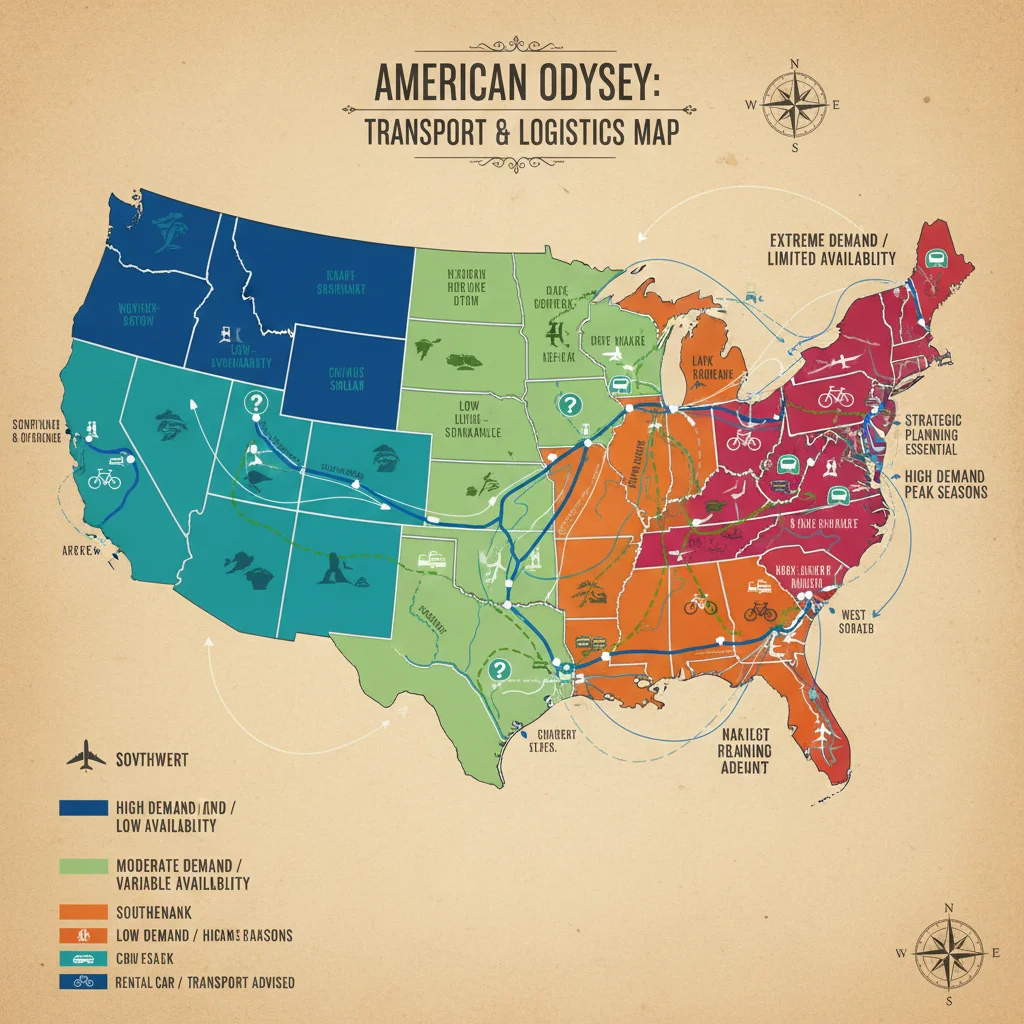
4. Be Flexible with Pick-up Locations and Dates
Flexibility is your superpower when dealing with anticipated 2026 US rental car shortages and high prices. Even minor adjustments to your pick-up and drop-off strategy can yield significant savings and better availability.
Location, Location, Location
- Airport vs. Off-Airport: As mentioned, airport locations typically have higher prices due to convenience fees, concession fees, and higher operating costs. Check locations a short distance away – a downtown branch, a suburban office, or even a different, smaller airport nearby. Sometimes, a 15-20 minute Uber ride to an off-airport location can save you hundreds of dollars over a week-long rental.
- One-Way Rentals: While convenient, one-way rentals often incur hefty drop-off fees. If your itinerary allows, consider a round trip to the same location, even if it means a slight detour in your travel plans. If a one-way trip is unavoidable, book it as early as possible, as these are often the first to become unavailable or expensive during shortages.
- Different Cities/States: If you’re flying into a major hub but traveling to a smaller, less-serviced area, sometimes renting from an adjacent, larger city and driving can be cheaper than trying to secure a car directly in the smaller town.
Timing is Everything
- Mid-Week Pick-ups: Weekends, especially Friday afternoons, are prime times for rental car pick-ups, leading to higher demand and prices. If your schedule allows, picking up a car on a Tuesday, Wednesday, or Thursday can sometimes result in lower rates.
- Avoid Peak Hours: Even within a day, picking up during off-peak hours (e.g., mid-morning or late afternoon) might offer a slightly better experience and potentially lower rates than midday rushes.
- Longer Rentals Can Be Cheaper: Counter-intuitively, renting for a full week can sometimes be cheaper than renting for 5 or 6 days, due to weekly rates. Always compare the price for a slightly longer duration. Similarly, dropping off on a Monday morning often costs less than a Sunday evening return.
By being creative and flexible with where and when you pick up and drop off your vehicle, you can unlock better deals and improve your chances of securing a car amidst 2026 US rental car shortages.
5. Downsize Your Vehicle Choice (If Possible)
When rental car inventories are tight and prices are high, the most in-demand vehicles are often mid-size sedans and SUVs. If your travel needs permit, opting for a smaller, more economical car can be a game-changer in navigating 2026 US rental car shortages.
The Benefits of Downsizing
- Better Availability: Compact and economy cars are generally less in demand than larger vehicles, especially for families or groups. This means they are more likely to be available when other categories are sold out.
- Lower Prices: Smaller cars almost invariably come with lower rental rates. This is a direct way to save money, especially over a multi-day or multi-week rental.
- Fuel Efficiency: Beyond the rental cost, smaller cars consume less fuel, leading to significant savings at the gas pump, which can add up quickly over a long trip.
- Easier Parking: In urban areas or crowded tourist spots, smaller cars are much easier to maneuver and park, reducing stress and potentially avoiding parking fines.
When Downsizing Makes Sense
- Solo Travelers or Couples: If it’s just you or one other person, a compact car is perfectly adequate for most trips, even with luggage.
- Light Baggage: If you’re traveling light, a smaller trunk space won’t be an issue.
- Urban Travel: For trips primarily within a city or metropolitan area, a smaller car is often more practical.
- Budget-Conscious Travel: If saving money is a top priority, the compact category is your friend.
Consider Upselling at the Counter (with Caution)
While the goal is to downsize, sometimes booking the smallest available car and then politely asking for a free upgrade at the counter can work, especially if they are out of the category you booked. However, do not rely on this. Always book the car you are prepared to drive and pay for, and view any upgrade as a bonus. The primary strategy remains to book the smallest car that meets your essential needs to secure a vehicle and a lower rate.
By being realistic about your vehicle requirements and opting for a smaller car, you increase your chances of finding an available rental and significantly reduce your overall travel expenses, a smart move given the predictions for 2026 US rental car shortages.
6. Leverage Memberships, Credit Card Benefits, and Discount Codes
Many travelers overlook the potential savings hidden within their existing affiliations. In the face of 2026 US rental car shortages and rising prices, tapping into these resources can provide substantial discounts and even perks that enhance your rental experience.
Credit Card Benefits
- Primary Rental Car Insurance: Many premium credit cards (especially travel-focused ones) offer primary rental car insurance. This means the credit card’s coverage kicks in before your personal auto insurance, potentially saving you from filing a claim on your policy and impacting your rates. Always check your card’s specific terms, as coverage can vary widely.
- Discount Codes: Some credit card companies partner with rental agencies to offer exclusive discount codes or loyalty program benefits. Log into your credit card portal or check their travel benefits section.
- Elite Status: Certain cards grant you elite status with rental car companies, which can lead to perks like expedited service, free upgrades (when available), or even guaranteed vehicle availability.
Loyalty Programs and Memberships
- Rental Company Loyalty Programs: Sign up for loyalty programs with major rental car companies (e.g., Hertz Gold Plus Rewards, Enterprise Plus, Avis Preferred). Even if you don’t rent frequently, you might accumulate points, gain access to members-only pricing, or enjoy faster pick-up lines, which can be invaluable during busy periods.
- AAA/AARP: If you’re a member of AAA (American Automobile Association) or AARP, you are likely eligible for discounts with several major rental car companies. These discounts can be significant and often stack with other offers.
- Employer/University Discounts: Many large employers and universities have corporate codes with rental car companies. Check with your HR department or alumni association. These codes can offer substantial savings and sometimes include additional insurance coverage.
- Warehouse Clubs: Members of Costco, Sam’s Club, or BJ’s Wholesale Club often have access to exclusive rental car deals through their travel portals. These deals can be surprisingly good and might have better availability during shortages.
Finding and Applying Discount Codes
- Search Online: A quick search for "rental car discount codes [company name]" can sometimes yield results, but be wary of expired or fraudulent codes.
- Email Newsletters: Subscribe to newsletters from your preferred rental companies. They often send out promotional codes to their subscribers.
- Apply During Booking: Most online booking forms have a dedicated field for discount codes (CDP, AWD, BCD, etc.). Make sure to enter them before finalizing your reservation to see the adjusted price.
By diligently checking and applying all eligible discounts and leveraging your existing benefits, you can significantly reduce the cost of your rental and navigate the challenges of 2026 US rental car shortages more effectively.

7. Understand and Avoid Hidden Fees
One of the most frustrating aspects of renting a car is the sudden appearance of unexpected fees that inflate the final price. To truly avoid high prices amidst 2026 US rental car shortages, you must become adept at identifying and circumventing these hidden costs.
Common Hidden Fees to Watch Out For
- Airport Surcharge/Concession Fees: These are fees charged by the airport for the privilege of operating on their premises. They can add a significant percentage to your rental. As discussed, consider off-airport locations to avoid or reduce these.
- Taxes: State and local taxes can vary widely. While unavoidable, being aware of them helps in budgeting.
- Insurance: This is a major area for upselling. Decline unnecessary insurance if you’re covered by your personal auto policy or credit card (see Tip 6). Collision Damage Waiver (CDW) or Loss Damage Waiver (LDW) are often pushed hard, but might be redundant.
- Fuel Charges: Never prepay for fuel unless you are absolutely certain you will return the car empty. It’s almost always cheaper to fill up the tank yourself before returning the vehicle. Also, avoid returning the car with less fuel than you started, as the per-gallon charge from the rental company will be exorbitant.
- Additional Driver Fees: Many companies charge extra for additional drivers. Some loyalty programs or memberships (like AAA) waive this fee.
- Young Driver Surcharge: If you are under 25, expect a daily surcharge. This is often non-negotiable, but some corporate codes or memberships might reduce it.
- GPS/Toll Pass/Child Seat Fees: These can add up quickly. Use your smartphone for navigation, bring your own child seat, and consider bringing your own portable toll transponder (if compatible) or paying tolls manually if traveling infrequently through toll roads.
- Early/Late Return Fees: Returning a car significantly earlier or later than planned can sometimes incur a fee or re-rate your rental. Communicate changes with the rental company.
- Cleaning Fees: Return the car in a reasonably clean condition to avoid excessive cleaning charges.
Strategies to Avoid Fees
- Read the Fine Print: Before confirming your reservation, meticulously review the "total cost breakdown" or "estimated charges" section. Understand every line item.
- Ask Questions: Don’t hesitate to call the rental company directly if any fee is unclear.
- Use Your Own Equipment: Bring your own GPS, child safety seats, or even a USB charger instead of renting them.
- Top Off the Tank: Always return the car with a full tank of gas unless you specifically opted for a prepaid fuel option and used it completely.
- Document Condition: Before driving off, take photos or video of the car’s exterior and interior to document its condition, preventing disputes over pre-existing damage.
By being diligent and informed about potential hidden fees, you can avoid unnecessary expenses and ensure your rental car budget remains on track, a critical skill for navigating 2026 US rental car shortages and high prices.
8. Have a Backup Plan: When All Else Fails
Despite your best efforts with early booking, extensive searching, and leveraging discounts, there’s always a chance that 2026 US rental car shortages could leave you without a vehicle, especially in high-demand areas or during unexpected surges. A robust backup plan is not just smart; it’s essential for peace of mind.
Alternative Transportation Modes
- Public Transportation: Many major US cities and even some smaller towns have excellent public transit systems (buses, subways, light rail). Research your destination’s public transport options in advance. They can be incredibly cost-effective and environmentally friendly.
- Ride-Sharing Services (Uber/Lyft): While not suitable for long road trips, ride-sharing apps are excellent for getting around within a city or for transfers to and from airports/train stations. Factor their cost into your budget.
- Taxis: Traditional taxis are still available in most areas and can be a reliable option, especially where ride-sharing might be less prevalent.
- Trains (Amtrak): For inter-city travel, particularly along the Northeast Corridor, California, or parts of the Midwest, Amtrak can be a comfortable and scenic alternative to driving. Book train tickets in advance for the best prices.
- Buses (Greyhound, Megabus): Long-distance bus services offer an economical way to travel between cities. While slower, they are a solid option if budget is paramount and time is flexible.
- Hotel Shuttles: Many hotels, especially near airports or major attractions, offer complimentary shuttle services. Check with your accommodation provider.
Consider Your Itinerary
- Walkable Destinations: If a rental car proves impossible or too expensive, can you adjust your itinerary to focus on a city or area that is highly walkable or has excellent public transport?
- Bike Rentals: In some cities, bike-sharing programs or rental shops offer a fun and active way to explore, especially for shorter distances.
- Stay Put: If your primary goal was relaxation at a resort or a specific attraction, and everything is within walking or shuttle distance, perhaps you don’t need a car for the entire trip.
What to Do If Your Reservation is Canceled or No Cars are Available
- Don’t Panic: Stay calm and systematically work through your backup options.
- Call Other Locations: If your airport reservation is canceled, immediately call other rental car branches (off-airport) in the vicinity.
- Check P2P Services Again: Sometimes last-minute cancellations on Turo or Getaround can free up vehicles.
- Talk to Hotel Concierge: Hotel staff often have local connections or knowledge of smaller independent rental agencies.
- Be Polite: If you are speaking with a rental agent, a polite and understanding demeanor can sometimes yield better results than frustration, as they might go the extra mile to help you.
By having a well-thought-out backup plan, you ensure that even unforeseen circumstances related to 2026 US rental car shortages won’t derail your travel plans entirely, allowing for a more resilient and enjoyable journey.
Conclusion: Mastering 2026 US Rental Car Challenges
The prospect of 2026 US rental car shortages and high prices might seem daunting, but armed with these 8 pro tips, you are now well-prepared to navigate the complexities of the rental car market. From the absolute necessity of booking early to the strategic exploration of alternative options and meticulous attention to hidden fees, each piece of advice contributes to a holistic approach for securing affordable and available transportation.
Remember, foresight and flexibility are your greatest allies. Start planning your rental car needs as soon as your travel dates are firm. Don’t limit your search to the major players; explore every avenue, including smaller local companies and innovative peer-to-peer platforms. Leverage every discount, membership benefit, and credit card perk at your disposal. Be smart about your vehicle choice and location, and always, always scrutinize the final bill for unexpected charges.
Finally, cultivating a comprehensive backup plan ensures that even if the unexpected happens, your travel experience won’t be entirely compromised. Whether it’s relying on public transport, ride-sharing, or adjusting your itinerary, knowing your alternatives will provide invaluable peace of mind.
By diligently applying these strategies, you’re not just renting a car; you’re proactively managing your travel experience, saving money, and ensuring that your 2026 US adventures are memorable for all the right reasons, not for rental car woes. Happy travels!
Key Takeaways for 2026 Rental Car Tips:
- Book Months in Advance: Secure availability and better rates.
- Widen Your Search: Look beyond major brands to local and regional companies.
- Embrace P2P: Consider Turo, Getaround, and other car-sharing services.
- Be Flexible: Adjust pick-up/drop-off locations and dates for savings.
- Downsize: Opt for smaller vehicles if your needs allow.
- Use Discounts: Leverage credit card, membership, and corporate codes.
- Avoid Hidden Fees: Understand and prevent unnecessary charges.
- Plan for Backups: Have alternative transportation strategies ready.
By integrating these practices into your travel planning, you’ll be well-equipped to handle any challenges the 2026 rental car market might present, ensuring a smooth and enjoyable journey across the United States.