Esports Leagues: The Billion-Dollar Gaming Phenomenon by 2026

The world of competitive gaming, once a niche interest, has exploded into a global phenomenon, captivating millions and attracting significant investment. Esports is no longer just a pastime; it’s a legitimate industry with professional athletes, dedicated fan bases, and rapidly escalating revenue streams. Projections suggest that by the end of 2026, the esports market will not only solidify its standing but will see its leading leagues collectively generate over $1 billion in revenue. This incredible growth is fueled by a confluence of factors: increasing viewership, substantial sponsorship deals, diversified monetization strategies, and the ever-expanding global reach of digital entertainment. Understanding this trajectory requires a deep dive into the ecosystems of the top Esports Billion Revenue generators, examining the mechanisms behind their success and what the future holds for this dynamic sector.
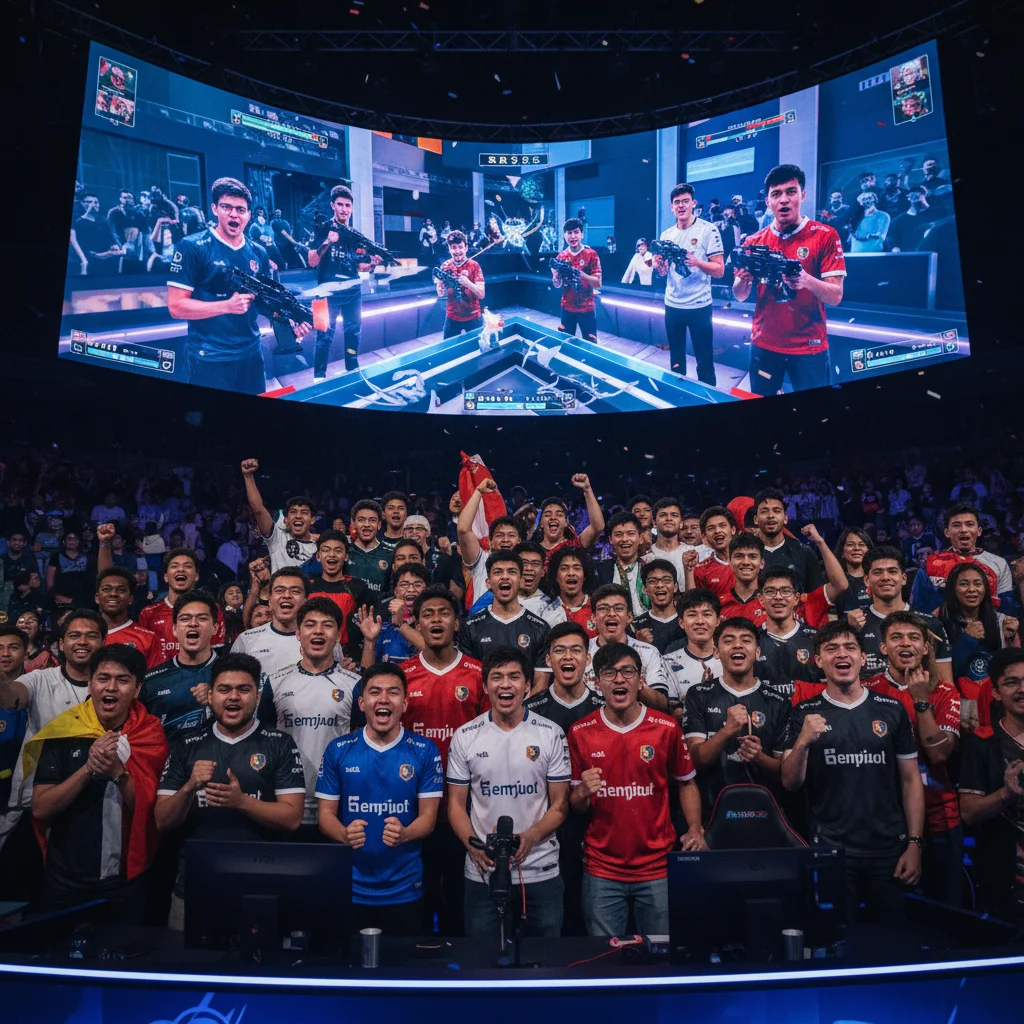
The journey from humble beginnings to billion-dollar valuations has been rapid and relentless. What started with local tournaments in internet cafes has evolved into meticulously organized, high-stakes global competitions held in sold-out arenas. The professionalism of esports organizations, combined with the charisma of star players, has transformed these events into spectacles rivaling traditional sports. As we approach 2026, the financial landscape of esports is poised for even greater expansion, pushing boundaries and redefining entertainment. This article will dissect the primary drivers of this financial boom, shine a light on the top leagues leading the charge towards a billion-dollar future, and explore the innovative strategies that are making Esports Billion Revenue a tangible reality.
The Unstoppable Rise of Esports: A Global Economic Force
Esports’ ascent to mainstream recognition has been nothing short of spectacular. What was once dismissed as a transient fad now stands as a robust economic force, boasting staggering viewership numbers and attracting investments from major corporations and celebrities alike. The global esports audience is projected to exceed 600 million by 2026, a testament to its widespread appeal across diverse demographics. This massive audience forms the bedrock of the industry’s financial success, drawing in advertisers, sponsors, and media rights holders eager to tap into this engaged demographic. The sheer scale of participation, from casual viewers to dedicated fans, creates a vibrant ecosystem where content creators, professional players, and tournament organizers all play crucial roles in driving value.
The economic impact of esports extends far beyond direct revenue from tournaments. It encompasses a vast array of ancillary industries, including gaming hardware and software, merchandise, betting, content creation platforms, and even dedicated esports training facilities. Each of these segments contributes to the overall financial health and growth of the sector. The professionalization of esports has also led to the emergence of highly structured leagues, complete with franchising models, player unions, and robust regulatory frameworks, mirroring the organizational sophistication of traditional sports. These structures provide stability and attract further investment, paving the way for even more substantial Esports Billion Revenue figures in the coming years.
Moreover, the technological advancements in streaming platforms and online broadcasting have made esports more accessible than ever before. Platforms like Twitch, YouTube Gaming, and various region-specific streaming services allow millions to tune in live, fostering a sense of community and real-time engagement. This accessibility is a critical factor in expanding the audience and, consequently, the revenue potential. The interactive nature of these platforms, allowing viewers to chat, donate, and subscribe, further deepens fan involvement and creates additional monetization avenues. As technology continues to evolve, so too will the ways in which esports engages its audience and generates income, continually pushing the boundaries of what is possible in digital entertainment.
Key Drivers Behind the Billion-Dollar Projection
Achieving a collective revenue exceeding $1 billion by 2026 is an ambitious yet entirely plausible goal for the top esports leagues, underpinned by several powerful drivers. Understanding these factors is crucial to comprehending the industry’s trajectory and the immense potential for Esports Billion Revenue. These drivers are not isolated but interconnected, creating a synergistic effect that propels the industry forward.
Sponsorship and Advertising: The Lifeblood of Esports
Sponsorship and advertising remain the largest revenue stream for esports. Major non-endemic brands, from automotive giants to financial institutions and consumer electronics companies, are increasingly recognizing the value of reaching the young, digitally native audience that esports commands. Unlike traditional sports, esports offers unique integration opportunities, such as in-game advertising, team sponsorships, and custom content creation. These partnerships are becoming more sophisticated, moving beyond simple logo placements to deep, authentic collaborations that resonate with the gaming community. As the audience grows and viewership metrics become more refined, the attractiveness of esports as an advertising platform will only intensify, leading to larger and more frequent sponsorship deals.
Media Rights and Broadcasting Deals
The competition for exclusive broadcasting rights to major esports leagues is heating up, driving up the value of media deals. Traditional broadcasters, streaming platforms, and even social media giants are vying for the privilege of airing top-tier tournaments and league matches. These deals not only provide significant upfront revenue but also validate esports as a premium content offering. The global nature of esports means that media rights can be segmented by region, allowing leagues to maximize their earnings through multiple partnerships worldwide. As more viewers cut the cord from traditional television, streaming platforms are becoming the new battleground for content, and esports is a prime asset in this evolving media landscape, contributing substantially to Esports Billion Revenue.
Publisher Investment and Franchise Models
Many of the most successful esports leagues are directly owned or heavily supported by game publishers. Companies like Riot Games (League of Legends), Activision Blizzard (Call of Duty, Overwatch), and Valve (Dota 2, CS:GO) have invested heavily in building robust competitive ecosystems around their flagship titles. The introduction of franchise models, where teams pay a substantial fee to secure a permanent spot in a league, has brought unprecedented stability and investment into the scene. These franchise fees provide a significant revenue injection for the leagues and incentivize team owners to invest for the long term, fostering a more sustainable and profitable environment. This symbiotic relationship between publishers and teams is a cornerstone of the industry’s financial success.
Merchandise, Ticketing, and In-Game Purchases
Beyond the major revenue streams, merchandise sales, event ticketing, and in-game purchases contribute significantly to the overall financial picture. Fans eagerly purchase team jerseys, peripherals, and collectibles, demonstrating their loyalty and passion. Live events, often held in large stadiums, generate substantial revenue through ticket sales and on-site concessions. Furthermore, many esports titles integrate in-game cosmetic items tied to professional teams or events, allowing players to directly support their favorite organizations while enhancing their gaming experience. These diverse monetization avenues collectively bolster the financial health of the leagues and contribute to the ambitious Esports Billion Revenue target.
The Top Contenders: Leagues Paving the Way to a Billion-Dollar Future
While numerous esports leagues exist, a select few stand out due to their massive global appeal, established infrastructure, and consistent revenue generation. These are the leagues most likely to be at the forefront of the industry’s push towards a collective billion-dollar revenue by 2026. Their strategies and successes offer invaluable insights into the future of competitive gaming.
League of Legends Championship Series (LCS) / League of Legends European Championship (LEC) / League of Legends Pro League (LPL) and Worlds
Riot Games’ League of Legends ecosystem is arguably the most dominant force in esports. With regional leagues like the LCS (North America), LEC (Europe), and LPL (China) feeding into the iconic World Championship (Worlds), the game commands an unparalleled global audience. Worlds consistently breaks viewership records, often surpassing viewership numbers of traditional sporting events like the Super Bowl. The franchise model implemented in the LCS and LEC has brought stability and attracted significant investment from traditional sports owners and venture capitalists. Riot’s meticulous management of the league, combined with its innovative monetization through in-game cosmetics and media partnerships, positions it as a prime driver of Esports Billion Revenue. The sheer scale and consistent engagement of its fanbase ensure robust sponsorship deals and media rights valuations.

The League of Legends ecosystem benefits from a deeply ingrained competitive culture and a game that has maintained its popularity for over a decade. The narrative of regional champions battling for global supremacy resonates deeply with fans, creating compelling storylines that drive engagement. Furthermore, Riot Games has been proactive in expanding its esports offerings, including new titles like Valorant, which is also rapidly building its own competitive scene. This diversification further strengthens Riot’s position in the esports market and contributes to its overall revenue potential.
Counter-Strike: Global Offensive (CS:GO) / Counter-Strike 2 (CS2) Ecosystem (ESL, BLAST Premier, Valve Majors)
Valve’s Counter-Strike franchise has been a cornerstone of competitive gaming for over two decades. With the recent transition to Counter-Strike 2, the game continues to attract a massive and dedicated player base and viewership. Unlike some other titles, CS:GO/CS2 operates on a more open circuit model, with multiple independent tournament organizers like ESL and BLAST Premier hosting major events. However, the crown jewels are the Valve-sponsored ‘Majors,’ which attract immense viewership and prestige. The game’s longevity, high skill ceiling, and thrilling gameplay make it a perennial favorite for both players and spectators. Sponsorships are abundant, and the in-game economy, particularly through weapon skins and cases, generates substantial revenue for Valve, part of which is channeled back into the esports ecosystem.
The decentralized nature of the CS:GO/CS2 esports scene, while different from franchised leagues, fosters intense competition and a dynamic calendar of events. Top teams and players are constantly battling across various tournaments, creating a rich tapestry of rivalries and narratives. The game’s enduring appeal ensures a steady stream of sponsorship opportunities, and its integration with third-party platforms for betting and content creation further diversifies its revenue streams. The transition to CS2 is expected to revitalize the scene, attracting new players and viewers and solidifying its position as a major contributor to the Esports Billion Revenue goal.
Dota 2 (The International and Dota Pro Circuit)
Another Valve title, Dota 2, is renowned for ‘The International’ (TI), its annual world championship that consistently boasts the largest prize pools in esports history, often exceeding $40 million. While a significant portion of this prize pool comes from crowdfunding through the ‘Battle Pass’ – an in-game purchase that allows players to contribute directly – this model highlights the incredible dedication of the Dota 2 fanbase. The Dota Pro Circuit (DPC) provides a structured path for teams to qualify for TI, maintaining a year-round competitive narrative. The game’s complex mechanics and strategic depth appeal to a highly engaged, albeit sometimes smaller, core audience that is fiercely loyal and willing to invest.
The unique crowdfunding model of Dota 2’s prize pool is a testament to the community’s power and its direct impact on the game’s esports success. While direct sponsorship might be less centralized compared to franchised leagues, the overall economic impact of Dota 2, driven by TI, remains immense. The game’s global presence, particularly strong in regions like Southeast Asia and Eastern Europe, ensures a diverse and passionate viewership. As the DPC continues to evolve and Valve explores new ways to monetize its esports offerings, Dota 2 is set to maintain its status as a significant revenue generator in the pursuit of Esports Billion Revenue.
Emerging Contenders and Future Growth Prospects
While the aforementioned leagues are currently leading the charge, the esports landscape is constantly evolving, with several other titles and leagues showing immense potential for future growth and contributing significantly to the overall Esports Billion Revenue. The rapid development of new games and the expansion into new markets mean that the competitive landscape is always shifting.
Valorant Champions Tour (VCT)
Riot Games’ tactical shooter, Valorant, has rapidly established itself as a major esports title since its release. The Valorant Champions Tour (VCT) has adopted a similar franchised league structure to League of Legends, attracting significant investment from established esports organizations. Its global appeal and fast-paced, strategic gameplay have garnered a massive following, and the league is quickly becoming a major player in the shooter genre. With Riot’s proven track record in building sustainable esports ecosystems, VCT is poised for substantial revenue growth in the coming years.
Call of Duty League (CDL) and Overwatch League (OWL)
Activision Blizzard’s franchised leagues, the Call of Duty League (CDL) and the Overwatch League (OWL), represent significant investments in the esports space. While they have faced challenges, particularly with the OWL’s sustainability, the underlying games continue to boast large player bases. The CDL, in particular, benefits from a deeply ingrained competitive culture within the Call of Duty community. With adjustments to their models and continued investment, these leagues have the potential to rebound and contribute more robustly to the Esports Billion Revenue target. Activision Blizzard’s vast resources and experience in gaming provide a strong foundation for future growth and adaptation.
Mobile Esports: The Untapped Giant
The explosive growth of mobile gaming, particularly in Asia, presents an enormous opportunity for esports. Titles like Mobile Legends: Bang Bang, PUBG Mobile, and Free Fire already boast massive player bases and highly successful competitive leagues. The accessibility of mobile gaming means that esports can reach demographics and regions previously underserved by PC or console-centric competitions. As infrastructure improves and professionalization increases, mobile esports is expected to contribute significantly to the overall Esports Billion Revenue, potentially even surpassing traditional esports in terms of sheer audience size and participation in certain markets. The low barrier to entry for mobile gaming makes it an ideal platform for mass market engagement and competitive play.
Challenges and Opportunities for Sustained Growth
While the future looks bright, the path to sustained Esports Billion Revenue is not without its challenges. The industry must navigate issues such as player burnout, maintaining game popularity, adapting to new technologies, and ensuring ethical practices. However, these challenges also present opportunities for innovation and further development.
Player Welfare and Sustainability
The intense competitive environment can lead to player burnout and mental health issues. Leagues and organizations are increasingly focusing on player welfare, providing support systems, and ensuring sustainable career paths. A healthy and thriving player base is crucial for the long-term success and appeal of esports. Addressing these concerns will not only protect the athletes but also enhance the image and professionalism of the industry.
Maintaining Game Relevance and Innovation
The gaming industry is highly dynamic, with new titles constantly emerging. Esports leagues must ensure that their foundational games remain relevant and engaging through regular updates, balance changes, and community interaction. Innovation in game design and continuous developer support are vital for retaining player and viewer interest, which directly impacts revenue potential. The ability to adapt to changing trends and integrate new features will be key to long-term success.
Diversification of Revenue Streams
While sponsorship and media rights are dominant, further diversification of revenue streams will strengthen the industry. This includes exploring new forms of content creation, subscription models, interactive fan experiences, and leveraging blockchain and NFT technologies in meaningful ways. The more varied the income sources, the more resilient the leagues will be to market fluctuations, ensuring consistent growth towards Esports Billion Revenue.
Global Expansion and Localization
Expanding into new geographical markets and effectively localizing content and events are crucial for tapping into broader audiences. While esports has a global footprint, tailoring experiences to specific cultural preferences and language barriers can unlock significant growth potential. Investing in regional talent and infrastructure will be key to deepening global engagement and expanding the revenue base.
The Road Ahead: Esports as a Mainstream Entertainment Powerhouse
The projection of top esports leagues collectively generating over $1 billion in revenue by 2026 is not merely an optimistic forecast; it’s a reflection of the industry’s robust growth, strategic investments, and ever-expanding global appeal. Esports has cemented its position as a legitimate and powerful force in the entertainment and sports landscape, attracting a new generation of fans and consumers. The continued innovation in broadcasting, monetization, and fan engagement will undoubtedly propel the industry to even greater heights.
The convergence of traditional media, technology, and gaming has created a unique ecosystem where skill, strategy, and spectacle combine to deliver unparalleled entertainment. As more brands, investors, and media outlets recognize the immense potential of this sector, the flow of capital and resources will only increase, further accelerating its development. The leagues discussed, with their established frameworks and massive fan bases, are at the forefront of this revolution, demonstrating the capacity for competitive gaming to generate substantial economic value.
Looking towards 2026 and beyond, the narrative of Esports Billion Revenue will be one of continued evolution and expansion. Expect to see more sophisticated analytics, personalized fan experiences, deeper integrations with virtual and augmented reality, and an even greater blurring of lines between traditional sports and competitive gaming. The esports industry is not just growing; it’s redefining what entertainment means in the digital age, promising an exciting and prosperous future for all involved.
The journey from a niche hobby to a global economic powerhouse has been swift, and the momentum shows no signs of slowing. The dedication of players, the passion of fans, and the strategic vision of publishers and league organizers are all converging to create an industry that is not only financially successful but also culturally significant. As we move closer to 2026, the world will witness the full realization of esports’ potential, solidifying its place as a cornerstone of modern entertainment and a prime example of digital innovation driving economic growth.