Future of Skin Health: Top Dermatologist Trends 2026 US
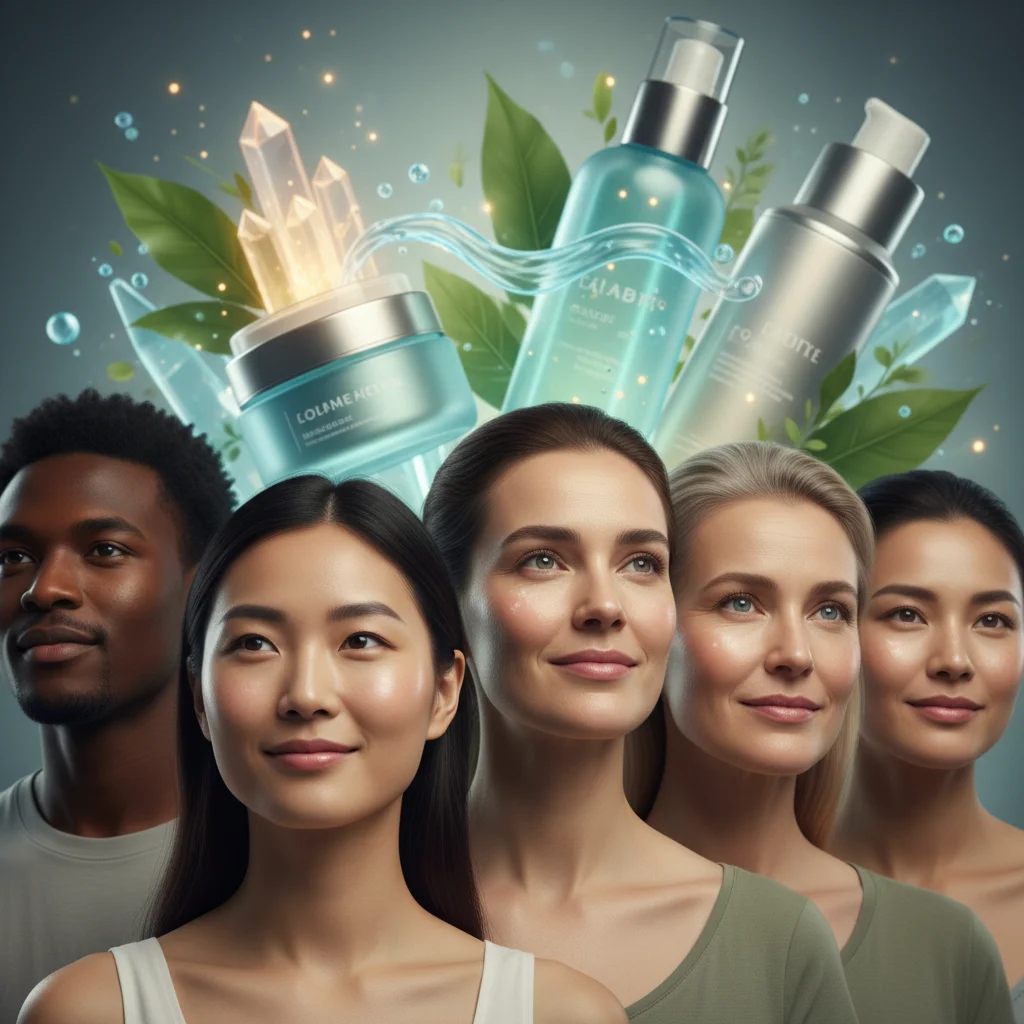
The landscape of skin health is in constant evolution, driven by scientific breakthroughs, changing consumer demands, and a deeper understanding of dermatological science. As we look towards 2026, the United States market is poised to embrace several exciting and transformative skin health trends. Dermatologists, at the forefront of this revolution, are increasingly advocating for approaches that are not only effective but also personalized, preventative, and sustainable. This comprehensive guide will delve into the top five dermatologist-approved skin health trends that are set to redefine beauty and wellness for US consumers in the coming years.
Understanding these emerging trends is crucial for anyone seeking to optimize their skincare regimen, whether you’re a beauty enthusiast, a professional in the industry, or simply someone interested in maintaining vibrant, healthy skin. From cutting-edge technologies to a renewed focus on holistic well-being, the future of skin health promises a more informed and impactful approach to skincare.
1. Hyper-Personalized Skincare: The Era of Tailored Treatments
Gone are the days of one-size-fits-all skincare solutions. The most significant trend shaping the future of skin health is hyper-personalization. By 2026, US consumers will have unprecedented access to skincare routines and products precisely formulated for their unique skin biology. This goes beyond simple skin type classifications like ‘oily’ or ‘dry’ and delves into genetic predispositions, microbiome analysis, environmental exposures, and even lifestyle factors.
The Science Behind Personalization
Dermatologists are increasingly utilizing advanced diagnostics to create truly bespoke skincare plans. This includes:
- DNA Testing: Analyzing genetic markers to understand individual predispositions to conditions like collagen degradation, antioxidant deficiencies, or sensitivity to UV radiation. This allows for proactive ingredient selection, such as specific antioxidants or collagen-boosting peptides, to address inherent weaknesses.
- Microbiome Analysis: The skin’s microbiome – the ecosystem of bacteria, fungi, and viruses living on its surface – plays a critical role in its health and appearance. Future skin health trends will involve analyzing an individual’s unique microbiome composition to recommend prebiotics, probiotics, or postbiotics that restore balance and strengthen the skin barrier.
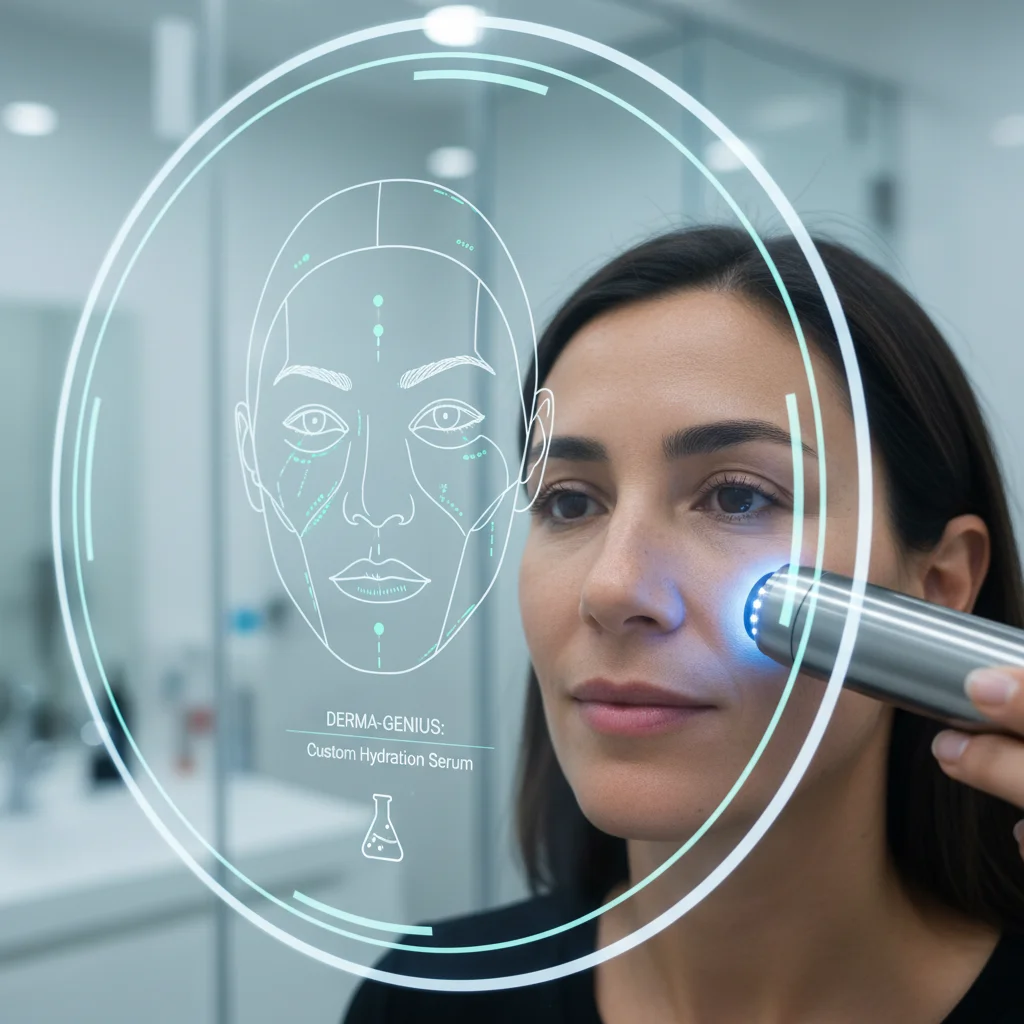
- AI-Powered Skin Diagnostics: Artificial intelligence and machine learning are revolutionizing how we assess skin. Apps and devices can analyze high-resolution images of the skin, identifying concerns like fine lines, hyperpigmentation, pore size, and inflammation with remarkable accuracy. These tools can then recommend specific products or treatments from a vast database, learning and adapting over time.
- Environmental Exposure Mapping: Understanding how an individual’s local environment (pollution levels, humidity, UV index) impacts their skin allows for targeted protective and reparative strategies.
Practical Applications for Consumers
For the average US consumer, hyper-personalized skincare will manifest in several ways:
- Custom-Blended Products: Brands will offer services where consumers can have serums, moisturizers, or cleansers custom-blended based on their diagnostic results. This might involve choosing specific active ingredients, concentrations, and even textures.
- Smart Skincare Devices: Handheld devices that perform daily skin assessments and provide real-time recommendations will become more common, integrating seamlessly into daily routines.
- Tele-dermatology with Personalization: Virtual consultations with dermatologists will incorporate advanced diagnostics, leading to more precise and effective remote treatment plans.
The beauty of hyper-personalized skincare lies in its efficiency and efficacy. By targeting specific needs and concerns, consumers can achieve better results with fewer products, reducing waste and maximizing their investment in skin health. Dermatologists emphasize that this trend empowers individuals to take a proactive and informed approach to their skin, moving away from generic solutions towards truly tailored care.
2. The Rise of Preventative & Proactive Anti-Aging: Beyond Correction
While anti-aging has always been a cornerstone of skin health, the focus is shifting significantly from reactive correction to proactive prevention. In 2026, US consumers will increasingly seek out strategies and products designed to maintain youthful skin and delay the visible signs of aging long before they become pronounced. This trend is driven by a greater understanding of the aging process and the cumulative impact of environmental and lifestyle factors.
Key Pillars of Proactive Anti-Aging
Dermatologists are championing a multi-faceted approach to preventative anti-aging:
- Advanced Antioxidant Formulations: Beyond traditional Vitamin C and E, new generations of antioxidants with enhanced stability and broader spectrum protection will become prevalent. These ingredients combat oxidative stress caused by pollution, UV radiation, and blue light, which are major contributors to premature aging.
- Glycation Inhibitors: Glycation, a process where sugar molecules bind to proteins like collagen and elastin, leading to their stiffening and loss of elasticity, is gaining more attention. Skincare ingredients that help inhibit glycation will be integrated into preventative routines.
- Inflammation Management: Chronic low-grade inflammation is a silent aggressor to skin health, accelerating aging. Products designed to soothe and reduce inflammation, often with ingredients like ceramides, niacinamide, and botanical extracts, will be key.
- Barrier Function Reinforcement: A strong, healthy skin barrier is the first line of defense against environmental aggressors and moisture loss. Preventative anti-aging emphasizes ingredients that support and repair the skin barrier, such as hyaluronic acid, ceramides, and fatty acids.
- Early Intervention with Non-Invasive Treatments: While not strictly a product, dermatologists are seeing a rise in younger patients opting for ‘prejuvenation’ – mild, non-invasive procedures like low-dose neuromodulators, gentle lasers, and advanced facials, aimed at preventing the onset of deeper wrinkles and maintaining skin quality.
Lifestyle Integration
The preventative anti-aging trend also extends to lifestyle choices. Dermatologists are increasingly educating patients on the profound impact of diet, sleep, stress management, and sun protection on long-term skin health. Nutritional supplements specifically targeting skin health, such as collagen peptides and specific vitamins, will continue to gain traction as part of a holistic preventative strategy.
This proactive approach empowers individuals to invest in their skin’s future, leading to more resilient, youthful-looking skin for longer. It’s about maintaining optimal skin function rather than just repairing damage, aligning perfectly with the evolving understanding of overall wellness.
3. Microbiome-Friendly Skincare: Nurturing the Skin’s Ecosystem
As mentioned in the personalization section, the skin’s microbiome is a hot topic, and by 2026, microbiome-friendly skincare will be a standalone and crucial skin health trend. Research continues to reveal the intricate connection between a balanced skin microbiome and conditions ranging from acne and eczema to sensitivity and premature aging. Dermatologists are advocating for products that support, rather than strip, this vital ecosystem.
Understanding the Microbiome
The skin harbors trillions of microorganisms that work in harmony to protect against pathogens, regulate immunity, and maintain barrier function. When this delicate balance is disrupted (dysbiosis), it can lead to various skin problems. Traditional harsh cleansers and antibacterial products can inadvertently harm beneficial bacteria, paving the way for issues.
The ‘Biome-Friendly’ Revolution
The market will see a surge in products designed to nourish and balance the skin’s microbiome, categorized as:
- Prebiotics: These are ingredients that act as food for beneficial skin bacteria, encouraging their growth. Examples include oligosaccharides, inulin, and certain plant sugars.
- Probiotics: Live beneficial bacteria applied topically to help repopulate the skin’s surface. While challenging to formulate for stability, advancements in encapsulation technology are making these more viable.
- Postbiotics: These are the beneficial byproducts of bacterial fermentation (e.g., lactic acid, peptides, enzymes) that can provide direct benefits to the skin, such as soothing inflammation, strengthening the barrier, and hydrating.
- pH-Balanced Formulations: Products formulated to maintain the skin’s naturally acidic pH (around 4.5-5.5) are crucial for supporting a healthy microbiome, as many beneficial bacteria thrive in this environment.
- Gentle Cleansing: An emphasis on mild, non-stripping cleansers that remove impurities without disturbing the microbiome will be paramount.
Dermatological Perspective
Dermatologists are increasingly recommending microbiome-friendly products, especially for patients with sensitive skin, rosacea, eczema, and acne, where microbial imbalance often plays a significant role. This holistic approach to skin health recognizes the skin as a living ecosystem that needs to be nurtured, not sterilized. Expect to see more scientific validation and clinical studies supporting the efficacy of these ingredients as this trend matures.
4. Sustainable & Ethical Skincare: Beauty with a Conscience
Beyond efficacy, consumers are increasingly demanding transparency, sustainability, and ethical practices from their skincare brands. By 2026, sustainable and ethical considerations will no longer be niche but rather mainstream expectations within the US skin health market. This trend encompasses everything from ingredient sourcing to packaging and corporate responsibility.
Pillars of Sustainable Skincare
Dermatologists and environmentally conscious consumers alike are looking for brands that demonstrate commitment in several key areas:
- Eco-Friendly Ingredient Sourcing: This means ingredients that are ethically harvested, sustainably grown, and biodegradable. There’s a growing preference for ‘blue beauty’ (ocean-friendly) and ‘upcycled’ ingredients (derived from food waste or agricultural byproducts).
- Minimalist Formulations & ‘Skinimalism’: A move towards fewer, highly effective ingredients to reduce the environmental footprint of production and minimize potential irritants. This aligns with the ‘skinimalism’ lifestyle trend – simplifying routines for healthier skin and less consumption.
- Waterless & Concentrated Formulas: To reduce water consumption in both production and consumer use, waterless products (e.g., solid cleansers, concentrated serums) and highly concentrated formulas are gaining popularity.
- Refillable & Recyclable Packaging: A significant shift away from single-use plastics towards refillable systems, packaging made from recycled materials, and innovative biodegradable options. Brands offering take-back programs for empties will also be favored.
- Cruelty-Free & Vegan: Continued strong demand for products not tested on animals and those free from animal-derived ingredients.
- Transparent Supply Chains: Consumers want to know where ingredients come from, how they are sourced, and the environmental impact of the entire production process. Blockchain technology may even play a role in verifying ethical sourcing.
Dermatologist’s Role
Dermatologists play a crucial role in advising patients on products that are not only effective for their skin but also align with their ethical values. They can help navigate the often-confusing world of ‘greenwashing’ and recommend brands with genuine commitments to sustainability. The integration of environmental consciousness into skin health choices reflects a broader societal shift towards responsible consumption.

5. The Gut-Skin Axis & Holistic Wellness: Internal Beauty
The final, yet increasingly influential, skin health trend for 2026 is the profound recognition of the gut-skin axis and the broader concept of holistic wellness. Dermatologists are moving beyond topical treatments to consider the internal factors that significantly impact skin appearance and health. This integrative approach views the skin not in isolation but as a reflection of overall physiological balance.
The Gut-Skin Connection Explained
Emerging research strongly supports the idea that the health of our gut microbiome directly influences the health of our skin. An imbalanced gut (dysbiosis) can lead to systemic inflammation, which manifests as various skin conditions, including acne, rosacea, eczema, and even accelerated aging. The gut produces neurotransmitters and hormones that can also affect skin function.
Holistic Strategies for Radiant Skin
Dermatologists will increasingly incorporate and recommend strategies that support the gut-skin axis and overall well-being:
- Dietary Interventions: Advising on anti-inflammatory diets rich in whole foods, fiber (prebiotics for the gut), and probiotics (fermented foods). Reducing sugar, processed foods, and unhealthy fats can significantly improve skin conditions.
- Targeted Nutritional Supplements: Beyond general multivitamins, specific supplements like supplements, prebiotics, omega-3 fatty acids, zinc, and Vitamin D will be recommended to support gut health and, consequently, skin health.
- Stress Management: The link between stress and skin conditions (e.g., flare-ups of acne, eczema, psoriasis) is well-established. Dermatologists may suggest stress-reduction techniques such as mindfulness, meditation, yoga, or adequate sleep to improve skin outcomes.
- Sleep Optimization: ‘Beauty sleep’ is not a myth. During sleep, the skin repairs and regenerates. Poor sleep can lead to increased inflammation, impaired barrier function, and a dull complexion.
- Mind-Body Connection: Acknowledging the psychological impact of skin conditions and the importance of mental well-being for overall skin health.
Integrating Internal and External Care
The future of skin health will see a more seamless integration of internal and external care. Patients might receive prescriptions for topical treatments alongside dietary recommendations or suggestions for specific supplements. This comprehensive approach recognizes that truly healthy skin is a reflection of a healthy body and mind, offering a more profound and sustainable path to radiant skin.
The Future is Bright for US Skin Health Consumers
The year 2026 promises an exciting era for skin health in the United States. The convergence of scientific innovation, personalized approaches, environmental consciousness, and a holistic view of wellness is transforming how we care for our skin. From hyper-personalized formulations tailored to our genetic makeup and microbiome to a stronger emphasis on preventative anti-aging strategies, consumers will have access to more effective and intelligent solutions than ever before.
The rise of microbiome-friendly skincare highlights our evolving understanding of the skin as a complex ecosystem, while the demand for sustainable and ethical products reflects a growing collective consciousness. Perhaps most importantly, the recognition of the gut-skin axis and the importance of holistic wellness underscores that true skin vitality stems from within, linking our diet, lifestyle, and mental state directly to our complexion.
Dermatologists will continue to be vital guides in this evolving landscape, helping consumers navigate the wealth of new information and products. Their expertise will be crucial in distinguishing between genuine innovation and fleeting fads, ensuring that the choices made are evidence-based and truly beneficial for long-term skin health.
As these skin health trends solidify, US consumers can look forward to a future where skincare is not just about aesthetics, but about fostering a deeper connection with their bodies, making informed choices, and embracing routines that are as unique and dynamic as they are. The journey to optimal skin health in 2026 will be one of empowerment, innovation, and holistic well-being.
Final Thoughts on Embracing the Future of Skincare
To fully leverage these upcoming skin health trends, consumers are encouraged to:
- Consult with a Dermatologist: Especially for personalized diagnostics and treatment plans. A professional can offer insights tailored to your specific needs.
- Prioritize Education: Stay informed about new ingredients, technologies, and scientific findings. Knowledge is key to making empowered skincare decisions.
- Read Labels Carefully: Look for evidence-based ingredients and certifications that align with sustainable and ethical practices.
- Adopt a Holistic View: Remember that skincare extends beyond topical products. Consider your diet, stress levels, sleep, and overall lifestyle.
- Be Patient and Consistent: Significant changes in skin health take time. Consistency with a well-chosen routine is more effective than frequently switching products.
The future of skin health is not just about new products; it’s about a paradigm shift towards intelligent, individualized, and responsible care. Embracing these dermatologist-approved skin health trends will allow US consumers to achieve and maintain their healthiest, most radiant skin well into 2026 and beyond.