2026 US Consumer Spending Habits: Key Daily Trends
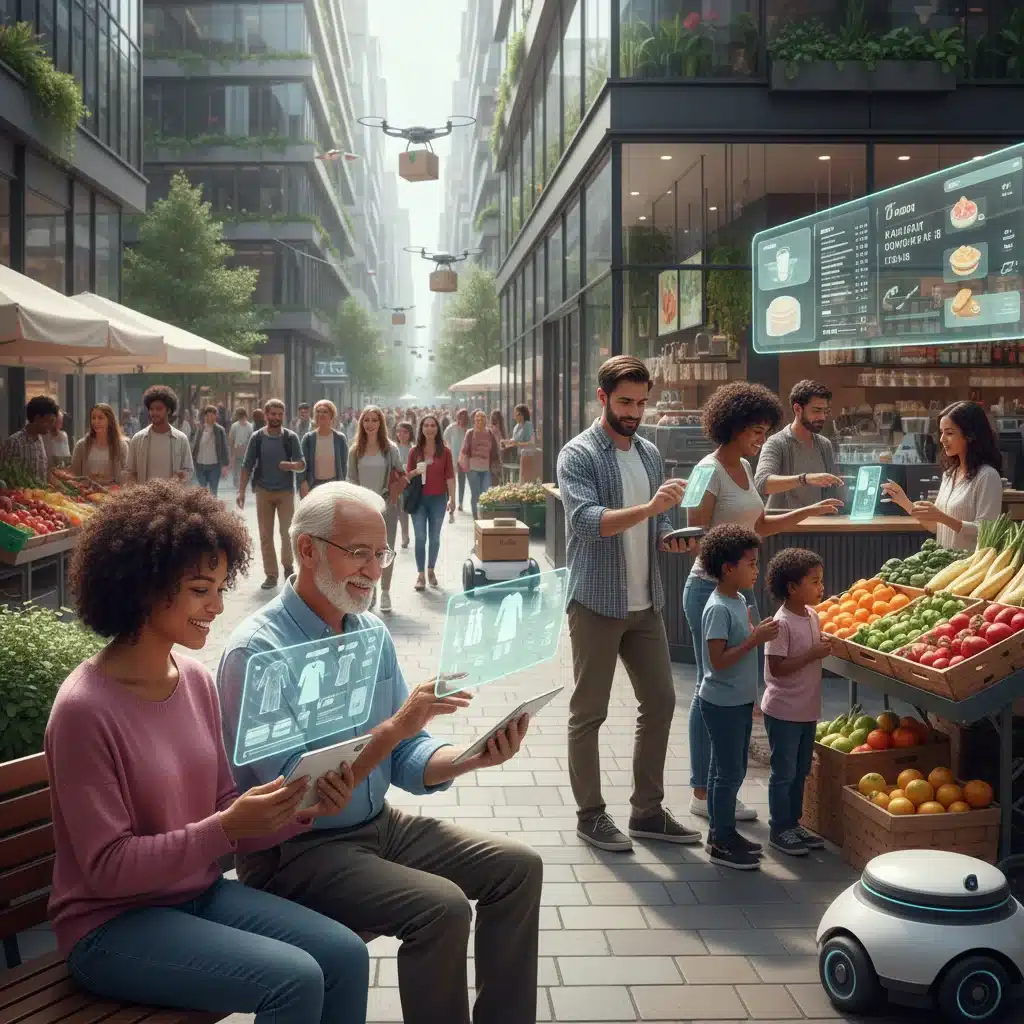
The landscape of consumption is in a constant state of flux, shaped by technological advancements, societal shifts, and evolving personal values. As we cast our gaze forward to 2026, understanding the nuances of US Consumer Spending 2026 becomes paramount for businesses, policymakers, and individuals alike. This detailed exploration delves into the anticipated daily habits and pivotal trends that will define how Americans spend their hard-earned money in the coming years. From the digital acceleration that continues to redefine retail to the increasing emphasis on ethical consumption and the pursuit of experiences over possessions, the consumer journey is undergoing a profound transformation. By dissecting these trends, we can gain invaluable insights into the future of the American economy and the strategies necessary to thrive within it.
The year 2026 is not just a date on the calendar; it represents a convergence of forces that are reshaping consumer behavior at an unprecedented pace. The lingering effects of global events, coupled with rapid innovation in areas such as artificial intelligence, augmented reality, and sustainable technologies, are creating a new paradigm for how goods and services are acquired and consumed. Consumers are becoming more discerning, more informed, and more empowered than ever before. This article aims to unpack the complexities of US Consumer Spending 2026, providing a comprehensive overview of the key daily trends that will dominate the market. We will explore how these trends manifest in everyday purchasing decisions, influencing everything from grocery shopping to leisure activities. Understanding these shifts is not merely an academic exercise; it is a strategic imperative for anyone looking to connect with the modern American consumer.
Understanding the Macroeconomic Context of US Consumer Spending 2026
Before diving into specific trends, it’s crucial to establish the macroeconomic backdrop against which US Consumer Spending 2026 will unfold. Several factors are expected to influence the overall economic climate and, consequently, consumer confidence and purchasing power. Inflation, interest rates, employment levels, and wage growth will all play significant roles. While predictions can shift, current analyses suggest a continued emphasis on economic stability, albeit with potential volatility from global events. The labor market is anticipated to remain robust, supporting a steady income stream for many households. However, income inequality and the rising cost of living in certain sectors may temper overall spending growth for some demographics.
Technological advancements will also contribute to economic shifts. The increasing automation of certain industries might lead to job displacement in some areas but also create new opportunities in others, particularly in tech-driven fields. This dynamic will influence how disposable income is distributed and where consumers choose to allocate their resources. Government policies, including fiscal stimuli, taxation, and regulatory changes, will further shape the economic environment. For instance, initiatives aimed at boosting specific industries or supporting low-income households could have direct impacts on spending patterns. Understanding this broader economic context is foundational to grasping the intricacies of US Consumer Spending 2026 and its daily manifestations.
Moreover, global supply chain resilience, or lack thereof, will continue to be a critical factor. Disruptions can lead to price fluctuations and product availability issues, directly affecting consumer choices and potentially shifting spending towards local or more resilient supply chains. The geopolitical landscape also plays a role, as international relations can influence trade, energy costs, and overall economic stability, all of which trickle down to the consumer level. Therefore, when we speak of US Consumer Spending 2026, we are referring to a dynamic system influenced by a myriad of interconnected factors, both domestic and international.
Trend 1: The Ubiquitous Digital Integration in Daily Purchases
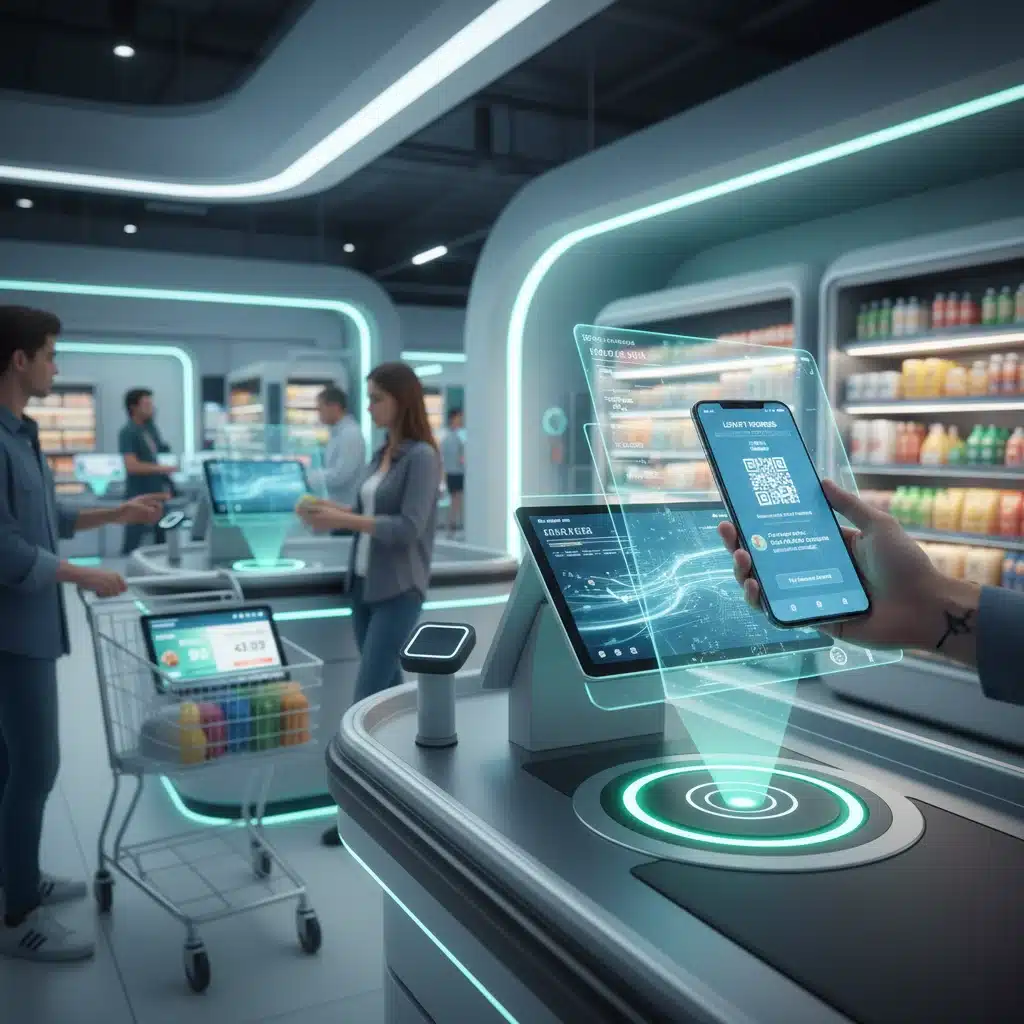
One of the most defining characteristics of US Consumer Spending 2026 will be the pervasive integration of digital technologies into every facet of daily purchasing. This isn’t merely about e-commerce; it’s about a seamless, interconnected digital ecosystem that influences discovery, comparison, transaction, and post-purchase engagement. Consumers will increasingly expect hyper-personalized experiences, driven by AI and data analytics, that anticipate their needs and preferences. From smart home devices automatically reordering groceries to AI-powered personal shoppers offering tailored recommendations, the line between the physical and digital shopping experience will continue to blur.
The Rise of Conversational Commerce and Voice Assistants
Voice commerce, facilitated by smart speakers and digital assistants, will mature significantly by 2026. Consumers will become more comfortable and adept at making purchases through voice commands, especially for routine items or services. This trend demands that businesses optimize their product listings and services for voice search and integrate with popular voice platforms. The convenience offered by simply speaking a command to replenish household staples or book a service will be a powerful driver of daily spending. Furthermore, conversational AI in customer service will enhance the digital experience, providing instant support and personalized interactions, thereby influencing brand loyalty and repeat purchases.
Augmented Reality (AR) and Virtual Reality (VR) in Retail
While perhaps not an everyday occurrence for every purchase, AR and VR technologies will play an increasingly prominent role in enhancing the digital shopping experience. Imagine trying on clothes virtually, visualizing furniture in your living room before buying, or even test-driving a car through a VR simulation. These immersive technologies reduce buyer’s remorse and increase confidence in online purchases, directly impacting US Consumer Spending 2026. Retailers who successfully integrate AR/VR will offer a competitive edge, transforming passive browsing into an interactive and engaging experience that bridges the gap between online and in-store shopping.
Seamless Omnichannel Experiences
The expectation for a truly seamless omnichannel experience will be non-negotiable. Consumers will move fluidly between online stores, physical locations, social media, and mobile apps, expecting consistent pricing, inventory, and customer service. Buy Online, Pick Up In Store (BOPIS) and Ship From Store (SFS) options will become standard, catering to the need for instant gratification and convenience. Loyalty programs will be integrated across all channels, offering personalized rewards and incentives that encourage repeat engagement. Businesses that fail to provide this cohesive experience risk losing out on significant portions of US Consumer Spending 2026, as consumers gravitate towards brands that prioritize their convenience and preferences.
Trend 2: The Conscientious Consumer and Sustainable Spending
Another significant driver of US Consumer Spending 2026 will be the rise of the conscientious consumer. Environmental concerns, social justice issues, and ethical production practices are no longer niche considerations; they are becoming mainstream factors influencing purchasing decisions. Consumers, particularly younger generations, are increasingly willing to pay a premium for products and services that align with their values. This trend extends beyond simply buying eco-friendly products; it encompasses supporting businesses with transparent supply chains, fair labor practices, and a genuine commitment to corporate social responsibility.
Demand for Sustainable and Ethical Products
The market for sustainable products will continue its rapid expansion. This includes everything from organic and locally sourced food to clothing made from recycled materials, energy-efficient appliances, and zero-waste packaging. Consumers will actively seek out brands that demonstrate a clear commitment to reducing their environmental footprint. Certifications, transparent reporting, and clear communication about sustainability efforts will be crucial for gaining consumer trust. Businesses that can authentically integrate sustainability into their core operations and messaging will capture a larger share of US Consumer Spending 2026.
The Sharing and Circular Economy
The concept of ownership is evolving, with a growing interest in the sharing and circular economy. Services that allow consumers to rent, lease, or subscribe to products rather than owning them outright will gain traction. This applies to everything from fashion and electronics to tools and vehicles. The circular economy, which emphasizes repairing, reusing, and recycling, will also influence purchasing decisions. Consumers will be more inclined to buy durable, repairable products and support brands that offer take-back programs or facilitate product longevity. This shift reflects a desire to reduce waste and minimize environmental impact, directly influencing how consumers approach their daily spending.
Brand Values and Social Impact
Beyond product attributes, consumers in 2026 will increasingly evaluate brands based on their broader social and ethical impact. Companies that take a stand on important social issues, demonstrate diversity and inclusion, and contribute positively to their communities will resonate more strongly with consumers. Conversely, brands perceived as exploitative, unethical, or environmentally irresponsible risk significant backlash and loss of market share. Authenticity and transparency in communicating brand values will be key. This means that marketing efforts will need to go beyond product features and highlight the company’s purpose and positive societal contributions to capture the attention and loyalty of the conscientious consumer.
Trend 3: The Experience Economy and Personal Enrichment
While physical goods remain essential, US Consumer Spending 2026 will see a continued pivot towards experiences and personal enrichment. This trend is driven by a desire for memorable moments, personal growth, and a rejection of excessive materialism. Consumers are increasingly valuing how they spend their time and what experiences contribute to their well-being and sense of fulfillment. This impacts a wide range of industries, from travel and hospitality to entertainment, education, and health and wellness.
Prioritizing Leisure, Travel, and Entertainment
After periods of restriction and uncertainty, consumers are eager to invest in leisure activities, travel, and entertainment. This includes domestic and international travel, live events (concerts, sports, theater), dining out, and unique recreational experiences. The emphasis will be on personalized, authentic, and immersive experiences that offer a break from routine and create lasting memories. Businesses in these sectors will need to innovate to offer unique value propositions and cater to diverse preferences, from adventure tourism to wellness retreats. The desire for these experiences will be a significant component of discretionary US Consumer Spending 2026.
Investment in Health, Wellness, and Self-Improvement
The focus on holistic health and wellness will continue to grow, encompassing physical, mental, and emotional well-being. This translates into increased spending on fitness apps, wearable technology, healthy food options, mental health services, mindfulness programs, and personalized nutrition plans. Consumers are proactively investing in their long-term health, viewing these expenditures not as luxuries but as essential components of a fulfilling life. Similarly, self-improvement and continuous learning will drive spending on online courses, workshops, skill-building platforms, and educational experiences, as individuals seek to adapt to a rapidly changing world and enhance their personal and professional capabilities.

The Rise of Subscription Services for Experiences
Beyond product subscriptions, 2026 will see an expansion of subscription models for experiences. This could include monthly passes for local attractions, curated experience boxes, or memberships to exclusive clubs offering unique events and access. The convenience and perceived value of a recurring subscription for experiences will appeal to consumers seeking novelty and consistent engagement without the hassle of individual bookings. This trend offers businesses a stable revenue stream and fosters deeper customer relationships, aligning with the broader shift towards valuing ongoing access and curated experiences over one-time purchases.
Implications for Businesses and Marketers in 2026
For businesses and marketers, understanding these key trends in US Consumer Spending 2026 is not merely academic; it’s a strategic imperative. Adapting to these shifts requires a proactive approach that encompasses technological integration, ethical considerations, and a deep understanding of consumer psychology. Companies that fail to evolve risk becoming irrelevant in a rapidly changing market.
Embracing Data-Driven Personalization
The era of generic marketing is over. To effectively reach consumers in 2026, businesses must leverage data analytics and AI to deliver highly personalized experiences. This means understanding individual preferences, predicting future needs, and offering tailored product recommendations and communications. From website content to email campaigns and in-store interactions, personalization will be key to capturing attention and driving conversions. Investing in robust CRM systems and data analysis capabilities will be crucial.
Building Trust Through Transparency and Authenticity
With the rise of the conscientious consumer, trust and authenticity are paramount. Businesses must be transparent about their supply chains, labor practices, and environmental impact. Greenwashing or superficial attempts at social responsibility will be quickly identified and rejected. Brands that genuinely embed ethical and sustainable practices into their core operations and communicate these efforts authentically will build stronger relationships with consumers and foster long-term loyalty. This directly impacts US Consumer Spending 2026 as consumers align their purchases with their values.
Innovating for Seamless Customer Journeys
The expectation for seamless omnichannel experiences means businesses must invest in integrated technological solutions that connect all customer touchpoints. This includes consistent branding and messaging across all platforms, unified inventory management, and streamlined customer service. Mobile-first strategies will be essential, given the ubiquitous use of smartphones in daily life. Furthermore, embracing new technologies like AR, VR, and conversational AI will differentiate brands and enhance the customer journey, making shopping more engaging and convenient.
Focusing on Value Beyond Price
While price will always be a factor, consumers in 2026 are increasingly looking for value beyond mere cost. This includes the value of convenience, the value of a positive brand experience, the value of sustainability, and the value of personal enrichment. Businesses need to articulate these broader value propositions clearly. For example, a sustainable product might be priced higher, but its environmental benefits and ethical production can justify the cost for a conscientious consumer. Similarly, an experience-based service offers value through memories and personal growth, which can outweigh the cost of a physical good.
The Role of Technology in Shaping Future Spending
Technology will continue to be the primary catalyst for change in US Consumer Spending 2026. Beyond the digital integration discussed earlier, emerging technologies will create entirely new categories of spending and transform existing ones. Blockchain technology, for instance, could enhance supply chain transparency, appealing to the conscientious consumer. The metaverse, while still in its nascent stages, could open up new avenues for virtual goods, digital experiences, and immersive commerce, potentially diverting discretionary spending towards new digital realms.
Artificial intelligence will become even more sophisticated, not only in personalizing recommendations but also in optimizing logistics, predicting demand, and automating customer service. This efficiency can translate into cost savings for businesses and more competitive pricing or enhanced services for consumers. The proliferation of IoT (Internet of Things) devices will create an interconnected network that facilitates automated purchases and services, from smart refrigerators reordering milk to connected cars paying for fuel or parking. These technological advancements are not just tools; they are fundamental drivers reshaping the very fabric of US Consumer Spending 2026.
Challenges and Opportunities for US Consumer Spending 2026
While these trends present immense opportunities, they also come with challenges. Data privacy concerns, for example, will remain a critical issue, requiring businesses to be transparent and secure in their handling of consumer information. The digital divide could also exacerbate inequalities, as not all consumers have equal access to or comfort with advanced technologies. Businesses must navigate these ethical considerations carefully to maintain trust and ensure inclusive growth.
For small businesses, keeping pace with rapid technological changes and investing in sustainable practices can be daunting. However, opportunities exist in niche markets, local community engagement, and leveraging unique brand stories that resonate with conscientious consumers. Agility and adaptability will be key for businesses of all sizes to capitalize on the evolving landscape of US Consumer Spending 2026. Those who can anticipate and respond to these shifts will not only survive but thrive.
Conclusion: Navigating the Evolving Consumer Landscape
The future of American consumption, as evidenced by US Consumer Spending 2026, is dynamic, complex, and filled with both challenges and opportunities. The three key daily trends – ubiquitous digital integration, the rise of the conscientious consumer, and the pivot towards experiences and personal enrichment – are fundamentally reshaping how, why, and where Americans spend their money. Businesses that embrace these shifts by investing in technology, prioritizing ethical practices, and delivering authentic, value-driven experiences will be best positioned for success.
Consumers in 2026 will be more empowered, informed, and discerning than ever before. They will seek convenience, personalization, purpose, and fulfillment in their daily purchases. Understanding these core desires and adapting business models accordingly will be crucial for capturing market share and building lasting customer relationships. As we move closer to 2026, continuous monitoring of these trends, coupled with agile strategies, will be essential for navigating the evolving consumer landscape and unlocking the full potential of the American economy.
Ultimately, US Consumer Spending 2026 is not just about transactions; it’s about the evolving relationship between consumers and the brands they choose to support, reflecting broader societal values and technological progress. By staying attuned to these daily trends, stakeholders across various sectors can better prepare for the future and contribute to a more dynamic and responsive marketplace.