Digital Wellness: A Growing Daily Trend for 55% of US Adults Seeking Balance in 2026
Digital Wellness: A Growing Daily Trend for 55% of US Adults Seeking Balance in 2026
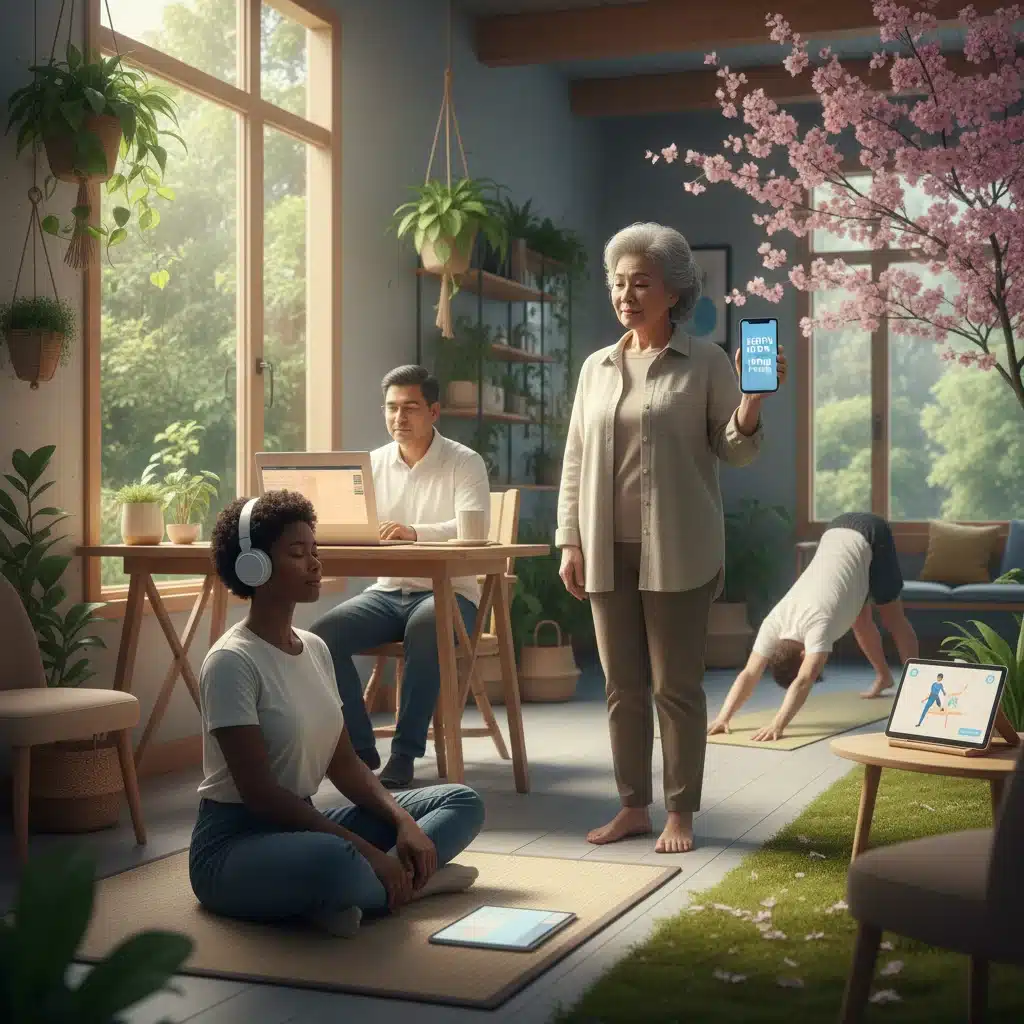
In an increasingly hyper-connected world, the pursuit of balance between our digital lives and overall well-being has never been more critical. The concept of digital wellness trends is rapidly transforming from a niche concern into a mainstream priority. Recent projections indicate a significant shift in how Americans approach their technological consumption, with a staggering 55% of US adults expected to actively engage in digital wellness practices by 2026. This isn’t just about reducing screen time; it’s a holistic approach to ensuring technology enhances, rather than detracts from, our mental, physical, and emotional health. As we delve deeper into this burgeoning movement, we’ll explore its multifaceted dimensions, the driving forces behind its growth, and practical strategies for integrating digital wellness into daily life.
The Rise of Digital Wellness: Why Now?
The ubiquity of smartphones, constant notifications, and the blurring lines between work and personal life have led to unprecedented levels of digital saturation. While technology offers immense benefits, its unchecked use can contribute to a range of issues, including anxiety, sleep disturbances, decreased productivity, and social isolation. The COVID-19 pandemic further accelerated our reliance on digital platforms, making the need for intentional digital habits even more apparent. This collective experience has spurred a greater awareness of technology’s impact on our well-being, fueling the growth of digital wellness trends.
The projected 55% engagement rate by 2026 is a testament to this growing recognition. It signifies a societal shift where individuals are no longer passively accepting the default settings of their digital lives but are actively seeking control and balance. This trend is driven by several factors:
- Increased Awareness of Negative Impacts: More research and public discourse highlight the detrimental effects of excessive screen time and constant connectivity on mental health, sleep patterns, and physical well-being.
- Desire for Greater Control: People are feeling overwhelmed and are looking for ways to regain agency over their time and attention, rather than being dictated by notifications and algorithms.
- Emergence of Solutions: A thriving ecosystem of apps, tools, and practices specifically designed to support digital wellness has made it easier for individuals to implement changes.
- Cultural Shift Towards Mindfulness: The broader movement towards mindfulness, self-care, and holistic health naturally extends to how we interact with our digital devices.
Understanding these drivers is crucial for appreciating the depth and longevity of these digital wellness trends. It’s not a fleeting fad but a fundamental re-evaluation of our relationship with technology.
Defining Digital Wellness: More Than Just a Digital Detox
While often associated with ‘digital detoxes,’ digital wellness is a far broader and more nuanced concept. It encompasses a continuous, conscious effort to cultivate a healthy relationship with technology, ensuring it serves our goals and values rather than becoming a source of stress or distraction. Key aspects of digital wellness include:
- Mindful Technology Use: Being intentional about when, why, and how we use our devices, rather than defaulting to habitual scrolling.
- Screen Time Management: Setting boundaries and limits on daily device usage to prevent overload and ensure time for other activities.
- Digital Decluttering: Unsubscribing from unnecessary emails, unfollowing accounts that don’t add value, and organizing digital files to reduce cognitive load.
- Protecting Privacy and Data: Understanding and managing personal data, and exercising caution with online interactions to safeguard privacy.
- Ergonomics and Physical Health: Ensuring comfortable posture, taking breaks, and managing blue light exposure to mitigate physical strain from device use.
- Cultivating Online Civility: Engaging respectfully and constructively in online spaces, contributing to a positive digital environment.
- Leveraging Tech for Good: Utilizing technology for learning, connection, creativity, and personal growth in a balanced way.
The goal is not to abandon technology but to integrate it wisely and purposefully into our lives. This balanced approach is what makes digital wellness trends sustainable and impactful for the long term.
Key Digital Wellness Trends Shaping 2026
As we head towards 2026, several specific digital wellness trends are gaining significant traction. These trends reflect evolving user needs and technological advancements aimed at fostering healthier digital habits.
Personalized Screen Time Insights and Coaching
Beyond basic screen time reports, future tools will offer more personalized insights into usage patterns, identifying triggers for excessive use, and suggesting tailored interventions. AI-powered coaches might provide real-time nudges and recommendations based on individual goals and behaviors. Imagine an app that not only tells you how much time you spent on social media but also suggests alternative activities based on your interests or flags patterns linked to stress.
Focus on ‘Deep Work’ and Distraction-Free Environments
The concept of ‘deep work’—uninterrupted, highly focused work—is becoming increasingly valued. This trend will see a rise in tools and strategies designed to create digital environments conducive to concentration. This includes advanced notification management, website blockers that go beyond simple time limits, and even specialized operating system modes that minimize distractions. Companies are also recognizing the importance of this for employee productivity and well-being.
Mindful Social Media Engagement
Rather than complete abstinence, the focus is shifting towards more mindful social media use. This involves curating feeds to include positive and inspiring content, setting specific times for checking platforms, and actively disengaging from content that triggers negative emotions. Apps that help users filter or summarize content, or even prompt reflection before posting, are part of this evolving trend.
Sleep-Optimized Technology
Understanding the profound impact of blue light and digital stimulation on sleep, more devices and apps will integrate advanced sleep-friendly features. This includes more sophisticated blue light filters that adapt throughout the day, ‘wind-down’ modes that gradually reduce screen brightness and sound, and even smart home integrations that prepare the sleep environment based on digital usage patterns. The goal is to ensure technology doesn’t disrupt our essential rest.
Digital Boundaries in the Workplace
With remote and hybrid work models becoming standard, establishing digital boundaries in the workplace is crucial. This includes setting clear expectations around after-hours communication, encouraging ‘meeting-free’ blocks, and promoting tools that facilitate asynchronous communication to reduce the pressure of immediate responses. Companies that prioritize these boundaries will likely see higher employee satisfaction and reduced burnout.
Growth of Digital Detox Retreats and Programs
For those needing a more intensive reset, digital detox retreats are growing in popularity. These programs offer structured breaks from technology, often in natural settings, allowing individuals to reconnect with themselves and others without digital distractions. While not a daily practice, their increasing prevalence underscores the societal need for periodic disconnection.
Strategies for Cultivating Your Own Digital Wellness
Embracing digital wellness trends doesn’t require a complete overhaul of your life. Small, consistent changes can lead to significant improvements. Here are practical strategies you can implement today:
1. Conduct a Digital Audit
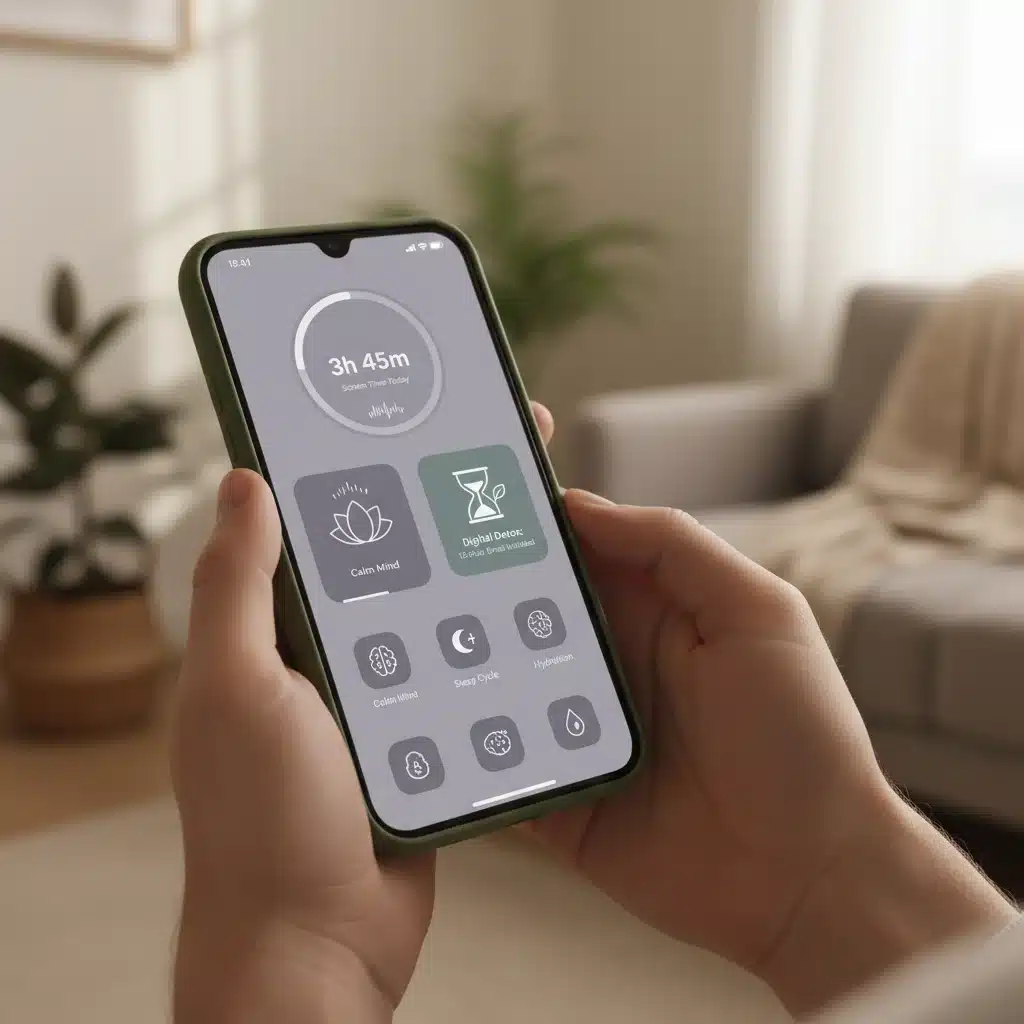
Start by understanding your current digital habits. Many smartphones and operating systems offer built-in screen time reports. Pay attention to:
- Total Screen Time: How many hours do you spend on your devices daily?
- App Usage Breakdown: Which apps consume most of your time? Are these aligned with your goals?
- Pick-ups: How often do you pick up your phone? This indicates habitual checking.
- Notification Volume: How many notifications do you receive?
This audit provides a baseline and helps you identify areas for improvement. Awareness is the first step in adopting healthier digital wellness trends.
2. Set Clear Boundaries
Establish specific times and places where technology is off-limits or used minimally:
- No-Phone Zones: Designate areas like the bedroom, dining table, or bathroom as phone-free zones.
- Digital Curfew: Set a specific time (e.g., an hour before bed) to put away all screens. This significantly improves sleep quality.
- Scheduled Check-ins: Instead of constantly checking emails and social media, schedule specific times during the day for these activities.
- Weekend Disconnects: Try a few hours or even a full day each week where you consciously minimize non-essential digital use.
3. Optimize Your Digital Environment
Make your devices work for you, not against you:
- Manage Notifications: Turn off all non-essential notifications. Only allow alerts for critical communications. Use ‘Do Not Disturb’ modes liberally.
- Declutter Your Home Screen: Remove distracting apps from your primary home screen. Group less-used apps into folders.
- Grayscale Mode: Experiment with setting your phone to grayscale. The lack of vibrant colors can make devices less appealing and addictive.
- Blue Light Filters: Utilize night mode or blue light filtering apps on all devices, especially in the evenings.
- Charge Devices Away from Your Bed: This prevents late-night scrolling and ensures you don’t use your phone as an alarm, prompting immediate engagement upon waking.
4. Cultivate Mindful Engagement
Approach your digital interactions with intention:
- Question Your Purpose: Before opening an app, ask yourself: ‘Why am I opening this? What do I hope to gain?’
- Practice Single-Tasking: Avoid multitasking with digital devices. When you’re working on your computer, close unnecessary tabs. When you’re having a conversation, put your phone away.
- Curate Your Feed: Unfollow accounts that make you feel inadequate, anxious, or angry. Seek out content that is positive, informative, or inspiring.
- Engage Actively, Not Passively: Instead of endless scrolling, actively participate in discussions, learn new things, or connect meaningfully with others.
5. Embrace Analog Alternatives
Remember there’s a world beyond screens:
- Read Physical Books: Rediscover the joy of turning actual pages.
- Engage in Hobbies: Pick up a craft, play an instrument, garden, or cook.
- Spend Time in Nature: Research consistently shows the restorative power of green spaces.
- Connect Face-to-Face: Prioritize in-person interactions with friends and family.
These strategies are not about deprivation but about enrichment, ensuring that digital wellness trends become a positive force in your life.
The Impact of Digital Wellness on Mental and Physical Health
The benefits of embracing digital wellness trends extend far beyond merely reducing screen time. They profoundly impact both our mental and physical health, contributing to a more balanced and fulfilling life.
Enhanced Mental Clarity and Focus
Constant digital stimulation bombards our brains with information, making it difficult to concentrate and think deeply. By reducing digital clutter and distractions, individuals often report improved focus, better decision-making abilities, and a clearer mind. Less cognitive overload means more mental space for creativity and problem-solving.
Reduced Anxiety and Stress
The fear of missing out (FOMO), social comparison, and the pressure to be constantly available can significantly contribute to anxiety and stress. Implementing digital boundaries helps alleviate these pressures, leading to a calmer, more present state of mind. Disconnecting allows for mental recovery and reduces the constant state of ‘on-alert’ that many experience.
Improved Sleep Quality
Exposure to blue light from screens suppresses melatonin production, the hormone essential for sleep. Moreover, engaging with stimulating content before bed can keep the mind active, making it harder to fall asleep. Adopting a digital curfew and using blue light filters are among the most effective digital wellness trends for improving sleep patterns, leading to deeper, more restorative rest.
Stronger Relationships
While technology can connect us, it can also create barriers in real-world interactions. When we’re constantly checking our phones during conversations or family meals, we signal to others that they are not our primary focus. Prioritizing face-to-face interactions and being present during social engagements strengthens bonds and fosters deeper connections, moving away from superficial digital interactions.
Greater Productivity and Creativity
Paradoxically, reducing digital distractions often leads to increased productivity. When we carve out dedicated time for focused work without interruptions, we can accomplish tasks more efficiently and with higher quality. Furthermore, allowing our minds to wander during periods of digital disconnection can spark new ideas and enhance creativity, a crucial aspect of personal and professional growth.
Better Physical Health
Beyond eye strain and ‘tech neck,’ excessive screen time often correlates with a sedentary lifestyle. Embracing digital wellness encourages more physical activity, whether it’s through outdoor exploration, exercise, or simply moving away from a desk. It also promotes better posture and reduces the physical discomfort associated with prolonged device use.
Increased Self-Awareness and Mindfulness
Regularly reflecting on our digital habits and making conscious choices about technology use fosters greater self-awareness. It encourages us to be more mindful of how our actions impact our well-being and helps us align our technology use with our personal values and goals. This introspective aspect is a cornerstone of effective digital wellness trends.

The Role of Technology in Facilitating Digital Wellness
It might seem counterintuitive, but technology itself plays a crucial role in enabling digital wellness trends. Developers and innovators are increasingly creating tools designed to help us manage our relationship with our devices more effectively. This symbiotic relationship is key to the movement’s success.
Operating System Features
Both iOS (Apple’s Screen Time) and Android (Digital Wellbeing) have integrated robust features that allow users to monitor their usage, set app limits, schedule downtime, and manage notifications. These native tools are often the first step for many in understanding and controlling their digital habits.
Dedicated Digital Wellness Apps
A burgeoning market of third-party apps offers more specialized functionalities. These include:
- Screen Time Trackers and Blockers: Apps like Freedom, Cold Turkey, and Forest help users block distracting websites and apps for set periods, encouraging focus.
- Mindfulness and Meditation Apps: Headspace, Calm, and Insight Timer guide users through meditation, breathing exercises, and sleep stories, helping to counteract digital overstimulation.
- Habit Trackers: Apps like Streaks or Habitica can be used to track progress on digital wellness goals, such as daily screen time limits or tech-free hours.
- Blue Light Filters: Beyond native options, apps like f.lux offer advanced customization for adjusting screen color temperature.
- Digital Detox Prompters: Some apps provide gentle reminders to take breaks, look away from the screen, or even encourage users to put their phone down for a while.
Wearable Technology
Smartwatches and fitness trackers, while digital themselves, can be leveraged for digital wellness. They can monitor sleep patterns, encourage movement, and provide discrete notifications, reducing the need to constantly check a smartphone. Some even offer guided breathing exercises or stress level monitoring, promoting mindfulness.
Smart Home Devices
Integrating smart home technology can also support digital wellness. For instance, smart lighting systems can be programmed to gradually dim in the evening, signaling bedtime, or to simulate natural light in the morning. Voice assistants can be used to play calming music or guided meditations without requiring screen interaction.
Educational Resources and Communities
Online platforms, podcasts, and communities dedicated to digital wellness provide valuable information, support, and accountability. These resources help individuals learn new strategies, share experiences, and stay motivated on their journey towards a healthier digital life. The collective adoption of these tools and resources further propels the evolution of digital wellness trends.
The Future of Digital Wellness: Beyond 2026
The projected 55% engagement rate by 2026 is just the beginning. The future of digital wellness trends is likely to be even more integrated, personalized, and proactive. We can anticipate several key developments:
Proactive AI-Driven Interventions
AI will move beyond reporting usage to proactively suggesting interventions based on predictive analytics. For instance, if an AI detects patterns of increased screen time correlating with stress levels or decreased sleep quality, it might suggest a digital break or a specific mindfulness exercise before the user even recognizes the need.
Device-Agnostic Wellness Ecosystems
Digital wellness solutions will become more seamless across all devices, from smartphones and laptops to smart home devices and wearables. A unified ecosystem will manage digital boundaries and well-being settings across every point of digital interaction, providing a cohesive experience.
Augmented Reality (AR) for Digital Balance
AR could play an interesting role. Instead of pulling us further into digital worlds, AR could be used to enhance our real-world experiences while subtly integrating wellness prompts. Imagine AR overlays that remind you to look up from your phone, suggest a walking break, or highlight natural beauty in your surroundings.
Ethical Technology Design
There will be increasing pressure on tech companies to design products and services with digital wellness in mind from the outset. This includes features that minimize addictive loops, promote mindful engagement, and give users more control over their data and attention. ‘Wellness by design’ could become a standard in product development.
Corporate Digital Wellness Programs
Employers will continue to invest in digital wellness programs for their workforce, recognizing its impact on productivity, employee retention, and overall company culture. This could include workshops, access to premium wellness apps, and policies that support digital boundaries.
Education from an Early Age
Teaching digital literacy and wellness will become a fundamental part of education from primary school onwards. Equipping younger generations with the skills to navigate the digital world healthily will be crucial for their long-term well-being and the continued evolution of positive digital wellness trends.