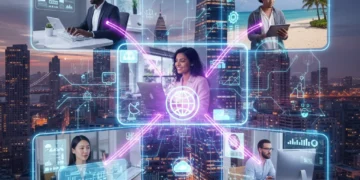
Navigating the New Normal: Evolving Daily Trends Shaping Modern Living

Does it feel like the rulebook for daily living is being rewritten? From the way we work and travel to how we define well-being, the familiar structures of the past are giving way to a more fluid, intentional approach. The clear lines that once separated our professional and personal selves have blurred, while a new premium is being placed on mental clarity, sustainable choices, and authentic experiences. This isn’t just a fleeting moment but a core recalibration of our collective priorities.
This large-scale transformation is driven by a confluence of factors. The global push toward remote and hybrid work models has shattered the traditional 9-to-5, forcing us to rethink productivity and work-life integration. Simultaneously, a growing awareness of mental health has shifted the focus of wellness from mere physical fitness to a holistic system encompassing mind, body, and emotional stability. This is compounded by an increasing demand for environmental responsibility, where consumers are now scrutinizing the impact of their purchases and travel habits more than ever before.
This article serves as a guide to navigating this new landscape. We will explore the evolution of wellness, moving beyond generic advice to embrace personalized nutrition and the critical mind-body connection. We will then examine how our daily lifestyles are transforming, from the rise of the ‘blended’ day to the growing movement of conscious consumption. Finally, we’ll look at how travel is being reimagined for the modern explorer and dissect the integral, often subtle, role that technology and AI play in shaping these evolving trends.
The Shifting Landscape of Wellness: Beyond Traditional Health
For decades, “health” was a straightforward concept primarily focused on diet, exercise, and the absence of disease. But that definition is rapidly expanding. The modern approach to wellness is far more detailed, treating the mind, body, and emotional state as interconnected parts of a whole system. This shift recognizes that true well-being isn’t just about your physical condition; it’s about your mental resilience, emotional stability, and even your social connections.
What’s driving this change? A growing body of evidence shows just how deeply our mental state affects our physical health. According to the American Psychological Association, prolonged stress can contribute to serious health problems, including heart disease, high blood pressure, and diabetes. This has led to a surge in practices that were once considered fringe, with the global digital wellness market projected to grow significantly as people seek accessible support. It’s a underlying move from reactive treatment to proactive, preventative care.
Mind-Body Connection: The New Frontier
The idea that your thoughts can influence your physical reality has officially gone mainstream. Practices like meditation and yoga are no longer just for spiritual seekers; they are now prescribed by doctors as legitimate tools for managing stress and improving health outcomes. The focus is on cultivating awareness and interrupting the cycle of stress before it manifests physically. Many people find success with structured Mindfulness Techniques to build this mental muscle.
Thinking of wellness as a pyramid, physical health forms the base, but what most people miss is that mental and emotional health are the supporting layers that give the entire structure stability. It’s not about choosing one over the other. It’s about integration.
The Impact of Digital Detox on Mental Clarity
With our lives increasingly mediated by screens, the concept of a “digital detox” has emerged as a critical component of mental hygiene. Constant notifications and the pressure of social media create a state of perpetual low-grade anxiety for many. Have you ever caught yourself scrolling endlessly without even knowing why? A study from the University of Bath found that even a one-week break from social media led to significant improvements in well-being and reduced symptoms of depression and anxiety.
Disconnecting allows the brain to reset and recover. The underrated factor here is the restoration of focus and the ability to engage in deep thought — something our hyper-connected lives often prevent. Exploring the full spectrum of Digital Detox Benefits reveals just how much clarity can be gained by simply putting the phone down.
Personalized Nutrition and Fitness: Tailoring Your Approach
The era of one-size-fits-all diet plans and generic workout routines is fading. Modern wellness champions personalization, using data to create strategies tailored to an individual’s unique biology, lifestyle, and goals. It’s like the difference between buying a suit off the rack and having one custom-tailored; the latter is designed to fit you perfectly, accounting for every nuance.
This hyper-personalized approach moves away from broad nutritional guidelines and toward recommendations based on your specific needs. This can involve everything from genetic predispositions to real-time feedback from wearable technology. The goal is to optimize, not just maintain.
Genetic Data and Dietary Choices
One of the most specific developments in this area is the use of genetic testing to inform dietary plans. Companies now offer at-home DNA kits that provide reports on how your genes may influence your body’s response to different foods and nutrients. For example, someone might discover they have a variant of the VDR gene, suggesting a higher need for Vitamin D, prompting them to add more fatty fish or fortified foods to their diet.
While still an emerging field, the direct-to-consumer genetic testing market has seen considerable growth, with reports from sources like Grand View Research showing a multi-billion dollar valuation. It represents a powerful shift toward using our own biological blueprint to make smarter health choices.
Smart Wearables: Beyond Step Counting
Smartwatches and fitness trackers have evolved far beyond simple pedometers. Today’s wearables are advanced health-monitoring devices that track metrics like heart rate variability (HRV), sleep stages, blood oxygen levels, and even skin temperature. Data from the Pew Research Center suggests that about 31% of U.S. adults regularly use a smartwatch or fitness tracker, turning personal health into a data-driven pursuit.
This continuous stream of data provides a powerful feedback loop. Instead of guessing how a late-night meal or a stressful meeting affected your sleep, you can see the direct impact on your recovery scores. This empowers users to make small, informed adjustments—like going to bed 30 minutes earlier or practicing a breathing exercise—that yield measurable results over time.
| Feature | Traditional Wellness Approach | Modern Holistic Wellness Approach |
|---|---|---|
| Primary Focus | Physical health, absence of disease | Integration of mental, physical, and emotional health |
| Methodology | Reactive (treating symptoms) | Proactive (preventative care, optimization) |
| Approach | One-size-fits-all (general guidelines) | Personalized (based on data, genetics, lifestyle) |
| Key Tools | Scale, annual check-ups, food pyramid | Wearables, genetic tests, meditation apps, therapy |
This deeper, more personalized understanding of health doesn’t replace traditional medicine but rather complements it. It equips you with the knowledge to build a lifestyle that actively supports your long-term well-being, moving beyond simply avoiding illness to actively pursuing vitality.
Lifestyle Evolution: How Our Daily Habits Are Transforming
This deeper understanding of wellness is fundamentally reshaping our daily routines, extending far beyond diet and exercise. The very structure of our days and the products we choose to bring into our homes are undergoing a quiet but significant revolution. It’s a shift from compartmentalized living to a more integrated, intentional existence. We are asking more from our time and our purchases.
The Rise of the ‘Blended’ Lifestyle
The clear-cut division between “work time” and “home time” has become increasingly blurred for many. Instead of a strict 9-to-5 followed by personal hours, we’re seeing the emergence of a blended day. This model prioritizes flexibility and personal autonomy, a direct response to the rigid structures of the past. A recent Gallup poll found that a significant 59% of remote-capable employees now prefer a hybrid model, seeking a balance between in-office collaboration and at-home focus. This isn’t just about convenience; it’s about control.
But how do we manage this without burning out? The initial transition felt chaotic for many—like trying to follow two different recipes in the same pot. Dr. Alistair Finch, a workplace strategist and author, suggests the key is work-life integration, not just balance. “The goal isn’t a perfect 50/50 split,” he explains, “but creating a fluid rhythm where personal appointments and professional tasks can coexist without constant conflict. It requires strong boundaries and excellent time management.” This approach is a core component in discussions about the Future of Remote Work, moving beyond mere location to redesigning the workday itself.
Sustainable Choices in Everyday Products
This desire for more intentional living extends directly to our purchasing habits. Consumers are increasingly scrutinizing what they buy, looking past flashy marketing to the ethics and environmental impact behind the products. This trend of conscious consumption is gaining serious momentum. Data from the NYU Stern Center for Sustainable Business indicates that products marketed as sustainable grew over seven times faster than their conventional counterparts. People are voting with their wallets.
Making this switch can feel overwhelming, but it often starts with small, consistent changes. Instead of a complete overhaul, many are finding success by focusing on one area at a time—like the kitchen or the bathroom. The idea is progress, not perfection. Below is a simple checklist to get started on a path toward more mindful consumption.
- Audit Your Subscriptions: Review monthly services and memberships. Do they align with your current values and needs?
- Choose Reusable Over Disposable: Opt for items like cloth napkins, reusable water bottles, and silicone food storage bags to reduce single-use waste.
- Research Brand Ethics: Take five minutes to look up a company’s policies on labor practices and environmental stewardship before making a significant purchase.
- Embrace Mending and Repair: Instead of immediately replacing a torn shirt or a wobbly chair, consider learning basic repair skills. It saves money and resources.
- Support Local and Small: Prioritize local artisans and businesses, which often have a smaller carbon footprint and contribute directly to your community’s economy.
These individual actions, while seemingly small, collectively signal a major shift in market demand. The real question is whether this grassroots movement can pressure larger corporations to adopt more transparent and sustainable practices across their entire supply chain.
The goal isn’t a perfect 50/50 split, but creating a fluid rhythm where personal appointments and professional tasks can coexist without constant conflict. It requires strong boundaries and excellent time management.
— Dr. Alistair Finch, Workplace Strategist
| Trend Area | Key Transformation |
|---|---|
| Wellness | From treating illness to proactively cultivating holistic mind-body health. |
| Lifestyle | From rigid work-life balance to fluid work-life integration and conscious consumption. |
| Travel | From mass tourism and sightseeing to immersive, sustainable, and experiential journeys. |
| Technology | From discrete gadgets to an interconnected smart ecosystem influencing daily decisions. |
Reimagining Travel: New Perspectives for the Modern Explorer
The same desire for conscious living is reshaping how we see the world. Travelers are increasingly trading crowded tourist traps for authentic connections, moving beyond simply seeing a place to experiencing it. This pivot towards experiential travel focuses on immersion, learning, and personal growth rather than just collecting passport stamps. It’s a profound change in mindset.
This approach champions responsible tourism, where the well-being of the local community and environment is as important as the visitor’s enjoyment. A report from the World Travel & Tourism Council suggests that trips with a sustainability focus are growing 15% faster than mass-market travel. Destinations like Costa Rica are leading the way with its Certification for Sustainable Tourism (CST) program, which rates businesses on their environmental and social practices. This helps travelers make informed choices, supporting businesses that genuinely care about their impact.
Choosing a trip is becoming less about the photo opportunity and more about the story you bring home. It’s like opting to learn a family recipe from a local cook instead of just eating at a five-star restaurant—both are great, but only one creates a lasting bond. But how does one even begin to plan such a trip? Following a detailed Sustainable Travel Guide can be an excellent starting point for finding eco-lodges or community-based tours.
The goal is to leave a place slightly better than you found it, while also allowing the experience to change you. This shift suggests that the future of travel isn’t just about where we go, but about the mark we leave—and the mark it leaves on us.

The Digital Thread: Technology’s Role in Our Evolving Lives
Just as digital tools now help us find unique travel experiences, that same technological weave is becoming deeply embedded in the fabric of our homes and daily routines. From the moment our smart alarm wakes us to the algorithm that suggests our next binge-watch, digital connectivity is no longer just a tool we use. It has become a constant, often invisible, companion shaping our habits and choices.
This integration is creating a new kind of living space. It’s a basic shift in how we interact with our environment.
Smart Living: Efficiency and Connectivity
The promise of the smart home is one of fluid efficiency. Thermostats learn your schedule to save energy, lights adjust to the time of day, and security systems offer peace of mind from miles away. The appeal is obvious. Data from the Consumer Technology Association indicates that the average U.S. home now contains over 25 connected devices, a figure that highlights our growing appetite for automated convenience.
What many people overlook is how this network of devices creates a cohesive ecosystem. Your morning routine, for instance, can be a single automated sequence — lights on, coffee brewed, morning news playing — triggered by your alarm. This removes dozens of tiny decisions and actions from your plate, freeing up mental bandwidth. But at what cost does this convenience come? Managing this web of technology can sometimes feel like a second job, which is why effective Home Organization Strategies are becoming required for digital, as well as physical, spaces.
AI’s Subtle Influence on Daily Decisions
Beyond the visible hardware of smart homes, a more subtle force is at play: AI in daily life. This isn’t about futuristic robots; it’s the quiet algorithms that curate our digital world. Think of it like a silent co-pilot for your consumption habits, nudging you toward a particular song, news article, or purchase based on your past behavior.
This algorithmic curation has tangible benefits, exposing us to new artists on Spotify or movies on Netflix we might genuinely love. the downside is the creation of “filter bubbles,” where we are only shown content that reinforces our existing beliefs and tastes. The data suggests — though not conclusively — that this can limit serendipitous discovery, the digital equivalent of stumbling upon a fantastic hole-in-the-wall restaurant you’d never find on a curated list.
The real challenge is learning to coexist with this technology without ceding our own judgment. For many, the constant pings and suggestions are a source of low-grade stress, making the idea of a planned disconnect more appealing. Understanding the Digital Detox Benefits is the first step toward reclaiming control.
Ultimately, the goal isn’t to reject technology, but to engage with it more consciously, ensuring it serves our intentions rather than dictating them.
Cultivating Resilience: Adapting to Constant Change
After grappling with constant digital pings and the blurring lines of work and life, it’s no surprise that the benefits of a Digital Detox are more appealing than ever. The core skill needed to thrive amidst this constant flux is personal resilience. It’s the psychological anchor that allows us to bend without breaking when faced with unexpected shifts in our careers, communities, and daily routines. This isn’t about being stoic; it’s about being adaptable.
Building this mental fortitude is like training a muscle—it requires consistent, intentional effort rather than one grand gesture. What most people miss is that resilience isn’t an innate trait but a collection of trainable habits. A report from the American Psychological Association noted that individuals reporting strong community ties were significantly more adept at handling long-term stress. So, where do you start?
Developing a resilient mindset involves a few key practices that ground you in the present while preparing you for the future. You can begin with these steps:
- Practice Self-Awareness: Regularly check in with your emotional state. Simple Mindfulness Techniques, like a five-minute breathing exercise, can create the space needed to respond to stress thoughtfully instead of reactively.
- Nurture Your Network: Intentionally invest time in your relationships. Meaningful community engagement—whether with friends, family, or local groups—provides a critical support system during turbulent times (and let’s be honest, who doesn’t need that?).
- Focus on What You Can Control: When everything feels chaotic, anchor yourself by managing your immediate environment. Even small wins, like implementing new Home Organization Strategies, can restore a powerful sense of agency.
- Embrace a Growth Mindset: View challenges not as insurmountable threats, but as opportunities to learn and adapt. This perspective shift is core to turning adversity into an advantage.
Ultimately, resilience is not a destination you arrive at.
It’s an ongoing practice of adapting, learning, and finding stability in a world that promises anything but. The real goal is to become more skilled at navigating change itself.
Navigating the Paradox of Modern Living
The journey through these evolving trends reveals a central, fascinating paradox. We are increasingly using refined technology—wearable health monitors, genetic testing, smart home ecosystems, and AI-driven curation—to pursue a life that feels more authentic, mindful, and connected to our core values. We leverage data streams to help us disconnect, algorithms to find unique experiences, and digital platforms to build communities around sustainable living.
This symbiotic relationship between technology and intentionality is the defining characteristic of our modern era. It’s not about rejecting technology, but about mastering it to serve our well-being rather than disrupt it. As we continue to integrate these powerful tools into the fabric of our lives, the most important question we must ask ourselves is not what trend to follow next, but how we can ensure we remain the architects of our own experience, using these innovations to build a life of purpose, not one of passive consumption.
Frequently Asked Questions
How can I integrate new wellness trends into my busy schedule?
Start small by ‘habit stacking’—linking a new wellness practice to an existing daily habit, like a five-minute meditation after your morning coffee. Utilize technology such as calendar reminders for short mental health breaks or use guided wellness apps that offer sessions as short as 10 minutes to fit into your day.
What are the most impactful sustainable lifestyle changes I can make today?
Focus on reducing single-use plastics by carrying a reusable water bottle and shopping bags, as this significantly cuts down on daily waste. Another impactful change is minimizing food waste by planning meals and composting scraps. These actions create a positive ripple effect without requiring a complete lifestyle overhaul.
Are there affordable ways to experience the new travel trends?
Absolutely. Embrace ‘slow travel’ in nearby regions to minimize transportation costs while enjoying a deeper, more immersive local experience. You can also explore options like house-sitting, work exchanges, or staying in community-run guesthouses, which are often more affordable and authentic than traditional hotels.
How do I balance digital integration with maintaining personal well-being?
Establish clear boundaries, such as implementing a ‘no-screens’ rule for the hour before bedtime to improve sleep quality. Actively curate your digital space by turning off non-primary notifications and unfollowing accounts that induce stress. The goal is to use technology as a deliberate tool, not let it control your attention.
What role does community play in adapting to evolving daily trends?
Community provides key support, accountability, and shared knowledge. Joining local groups focused on sustainability, wellness, or new hobbies helps normalize these habits and offers a space to exchange tips and encouragement. This collective reinforcement makes it significantly easier to adapt and stay motivated.