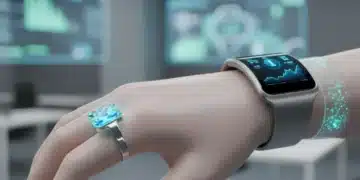
Wearable Tech Health: Transforming Personal Wellness Data

In an era defined by rapid technological advancement, our understanding and management of personal health are undergoing a profound transformation. At the forefront of this revolution is wearable tech health, a category of devices that has moved beyond mere novelty to become an indispensable tool for millions. These sophisticated gadgets, ranging from smartwatches and fitness trackers to continuous glucose monitors, are fundamentally changing how we perceive, monitor, and interact with our own physiological data. The statistics are compelling: by 2026, it’s projected that 30% of US adults will regularly use wearable technology for health monitoring, a testament to its growing influence and perceived value.
This isn’t just about counting steps anymore. Today’s wearable tech offers an intricate window into our bodies, providing real-time data on heart rate variability, sleep quality, blood oxygen levels, stress indicators, and even early signs of illness. This deluge of personal health data, once exclusive to clinical settings, is now readily accessible on our wrists, fingers, and even embedded in our clothing. The implications are enormous, empowering individuals with unprecedented insight and control over their well-being. But what exactly does this transformation entail, and how is wearable tech health truly reshaping personal wellness?
The Rise of Wearable Tech: Beyond Fitness Tracking
The journey of wearable technology began modestly, primarily focused on fitness tracking. Early devices offered basic step counting and calorie estimates, appealing to a niche of fitness enthusiasts. However, the industry has matured dramatically, driven by advancements in sensor technology, miniaturization, and sophisticated algorithms. What started as a simple pedometer has evolved into a powerful, multi-faceted health companion.
Today, wearable tech health encompasses a vast array of devices, each designed to capture specific physiological data points. Smartwatches, such as the Apple Watch and Samsung Galaxy Watch, have become ubiquitous, offering comprehensive health suites that monitor heart rate, detect irregular heart rhythms (ECG), track sleep stages, measure blood oxygen saturation (SpO2), and even detect falls. Fitness trackers like Fitbit and Garmin continue to innovate, providing detailed insights into activity levels, recovery, and training effectiveness.
Beyond these mainstream devices, specialized wearables are emerging, targeting specific health conditions or needs. Continuous Glucose Monitors (CGMs, for instance, allow individuals with diabetes to track blood sugar levels in real-time without finger pricks, revolutionizing diabetes management. Smart patches can monitor vital signs, smart rings track sleep and activity with minimalist design, and even smart clothing is beginning to integrate sensors for posture correction, muscle activity, and temperature regulation.
The rapid adoption of these technologies is a testament to their perceived value. Consumers are increasingly proactive about their health, and wearables offer an accessible, convenient, and often engaging way to stay informed. This shift towards preventative and personalized health management is a cornerstone of the wearable tech health revolution.
Understanding Your Health Data: Making Sense of the Numbers
One of the most significant contributions of wearable tech health is its ability to democratize health data. For centuries, detailed physiological information was largely confined to medical professionals and clinical environments. Now, individuals have direct access to metrics that can inform their daily choices and long-term health strategies. But access to data is only the first step; understanding and acting upon it is where the true power lies.
Wearables collect a staggering amount of information. Here’s a breakdown of some key metrics and their significance:
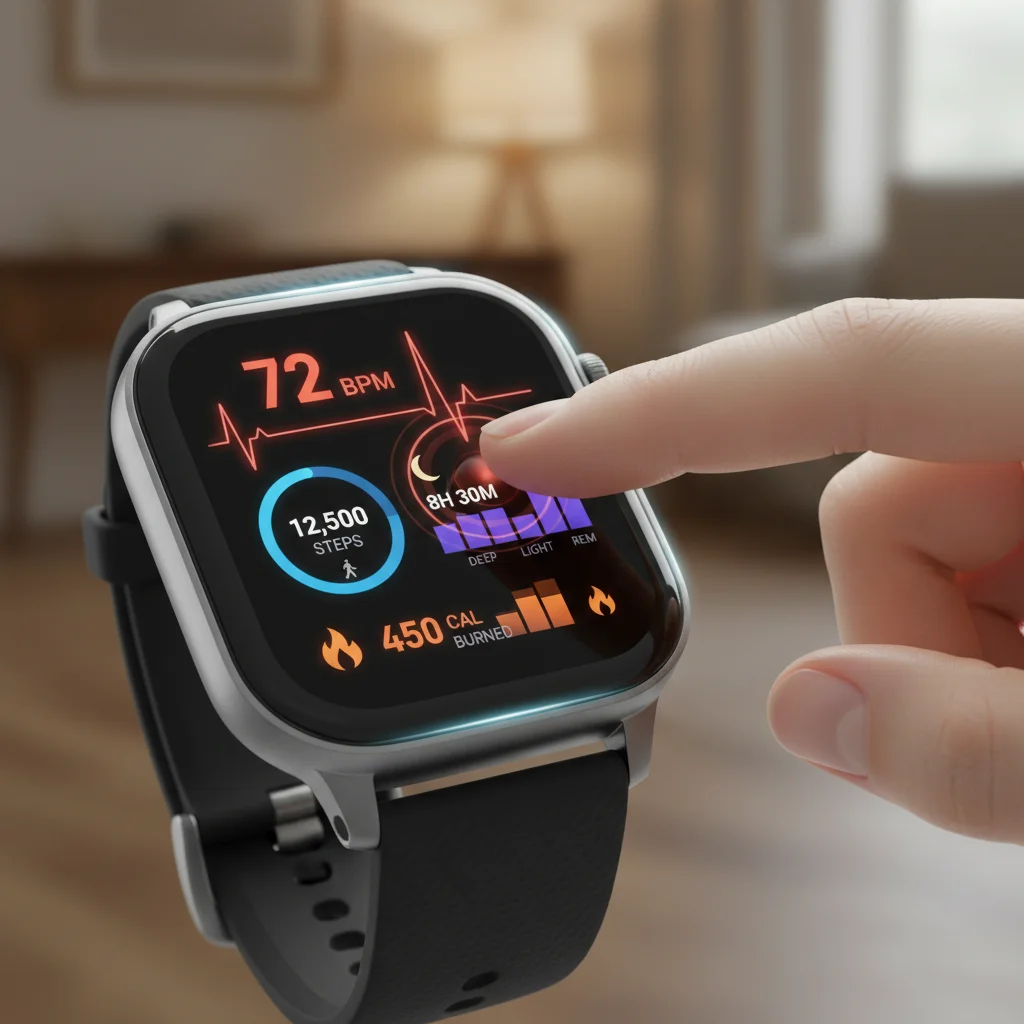
- Heart Rate and Heart Rate Variability (HRV): Beyond a simple pulse count, HRV measures the variation in time between heartbeats. High HRV often indicates a well-functioning autonomic nervous system and good recovery, while low HRV can signal stress, fatigue, or potential health issues. Monitoring trends can help optimize training, manage stress, and identify early warning signs.
- Sleep Tracking: Devices analyze sleep duration, sleep stages (light, deep, REM), and disturbances. Understanding your sleep patterns is crucial for cognitive function, mood regulation, and physical recovery. Poor sleep is linked to numerous chronic diseases, and wearables provide actionable insights to improve sleep hygiene.
- Activity Levels and Step Count: While seemingly basic, consistent activity is fundamental to health. Wearables encourage movement, set daily goals, and provide reminders to break up sedentary periods, combating the risks associated with a desk-bound lifestyle.
- Blood Oxygen Saturation (SpO2): This metric indicates the percentage of oxygen-carrying hemoglobin in your blood. Low SpO2 can be a sign of respiratory issues, sleep apnea, or other underlying conditions.
- Stress Levels: Many wearables estimate stress based on HRV and other physiological markers. They often integrate guided breathing exercises and mindfulness prompts to help users manage stress in real-time.
- Skin Temperature: While not a core body temperature, changes in skin temperature can indicate fever, illness, or even ovulation cycles in women, offering valuable insights for health monitoring and family planning.
The beauty of wearable tech health lies in its ability to present this complex data in an understandable format, often through intuitive apps that provide trends, summaries, and personalized recommendations. This empowers users to identify patterns, make informed lifestyle adjustments, and engage in more proactive health management.
Empowering Personal Wellness: The Benefits of Wearable Data
The integration of wearable tech health into daily life offers a myriad of benefits, transforming personal wellness from a reactive endeavor into a proactive, data-driven journey.
1. Enhanced Self-Awareness and Motivation
By providing objective data on daily habits and physiological responses, wearables foster a deeper understanding of one’s own body. Seeing the direct impact of a late-night meal on sleep quality or the positive effect of a brisk walk on heart rate variability can be highly motivating. This feedback loop encourages healthier choices and consistent adherence to wellness goals.
2. Proactive Health Management and Early Detection
Wearables are increasingly capable of detecting subtle changes that might indicate an emerging health issue. Features like irregular heart rhythm notifications can prompt users to seek medical attention for conditions like atrial fibrillation, potentially preventing more serious complications. Similarly, consistent low SpO2 readings or unusual sleep patterns could signal underlying respiratory problems.
3. Personalized Fitness and Training
For athletes and fitness enthusiasts, wearable tech health is an invaluable training partner. It provides data on workout intensity, recovery needs, and performance trends, allowing for optimized training plans. Understanding recovery metrics like HRV can prevent overtraining and reduce the risk of injury, leading to more sustainable and effective fitness journeys.
4. Improved Sleep Quality
Sleep is a cornerstone of health, and wearables offer detailed insights into sleep architecture. By identifying sleep disturbances, inconsistent bedtimes, or insufficient deep sleep, users can implement strategies to improve their sleep hygiene, leading to better mood, cognitive function, and overall vitality.
5. Stress Reduction and Mental Well-being
Many modern wearables incorporate features to monitor stress levels and offer guided breathing exercises or mindfulness prompts. By bringing awareness to moments of elevated stress, these devices empower users to intervene and employ coping mechanisms, contributing positively to mental well-being.
6. Chronic Disease Management
For individuals managing chronic conditions, wearables offer continuous monitoring that can significantly improve quality of life and treatment efficacy. CGMs for diabetes, blood pressure monitors, and even devices for seizure detection provide vital data that can be shared with healthcare providers, enabling more personalized and responsive care.
Challenges and Considerations in Wearable Tech Health
While the benefits of wearable tech health are undeniable, it’s crucial to acknowledge the challenges and considerations that come with this rapidly evolving field.
1. Data Accuracy and Validation
Not all wearables are created equal. The accuracy of the data collected can vary significantly between devices and brands. While many high-end smartwatches have received FDA clearance for specific medical features (like ECG), others are primarily consumer-grade devices not intended for medical diagnosis. Users must be aware of these limitations and not rely solely on wearable data for critical health decisions without professional medical advice.
2. Data Privacy and Security
The highly personal nature of health data raises significant privacy and security concerns. Who owns this data? How is it stored? Who has access to it? Companies developing wearable tech must adhere to stringent data protection regulations and be transparent about their privacy policies. Users, in turn, must be vigilant about the permissions they grant and understand the potential implications of sharing their health information.
3. Information Overload and Interpretation
While data access is empowering, too much data without proper context or interpretation can be overwhelming. Users might misinterpret metrics, leading to unnecessary anxiety or incorrect self-diagnoses. There’s a growing need for educational resources and intuitive interfaces that help users make sense of their data in a meaningful way.
4. Cost and Accessibility
High-end wearables can be expensive, creating a potential barrier to access for certain demographics. Ensuring that the benefits of wearable tech health are available to a broader population, regardless of socioeconomic status, is an ongoing challenge. More affordable, yet reliable, options are needed to truly democratize health monitoring.
5. Integration with Healthcare Systems
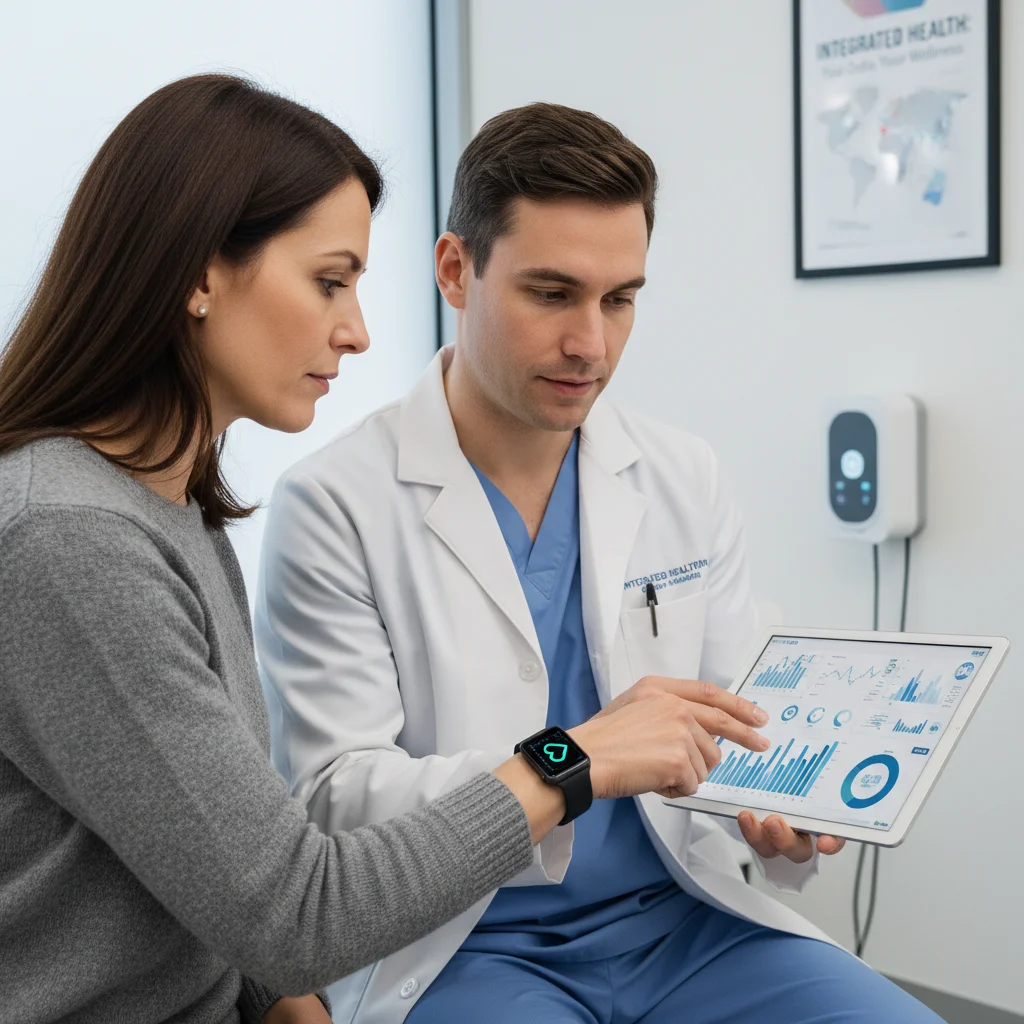
For wearable data to reach its full potential, seamless integration with traditional healthcare systems is essential. While some progress has been made, creating interoperable platforms that allow doctors to easily access and incorporate patient-generated health data (PGHD) into electronic health records (EHRs) remains a complex endeavor. This integration is crucial for moving from reactive care to truly preventative and personalized medicine.
The Future of Wearable Tech Health: Innovation on the Horizon
The current state of wearable tech health is impressive, but the future promises even more revolutionary advancements. The trajectory of innovation points towards devices that are more accurate, less intrusive, and seamlessly integrated into our daily lives.
1. Advanced Biometric Monitoring
Expect to see wearables capable of monitoring an even wider range of biometrics, including continuous blood pressure, non-invasive glucose monitoring (without needles), hydration levels, and even brain activity. Miniaturization will allow these sensors to be integrated into more discreet forms, such as smart rings, eyeglasses, and even tattoos.
2. AI and Predictive Analytics
Artificial intelligence will play an increasingly critical role in interpreting wearable data. AI algorithms will move beyond simply presenting data to offering highly personalized, predictive insights. Imagine a wearable that not only tells you your sleep quality was poor but also predicts how that will impact your cognitive performance tomorrow and suggests specific strategies to mitigate it.
3. Clinical Integration and Remote Patient Monitoring
The gap between consumer wearables and medical devices will narrow. More wearables will gain FDA approval for medical use, enabling widespread remote patient monitoring (RPM). This will allow healthcare providers to continuously track patients with chronic conditions, detect early signs of deterioration, and intervene proactively, reducing hospitalizations and improving outcomes.
4. Hyper-Personalized Interventions
Future wearable tech health will move beyond generic advice to hyper-personalized interventions. Based on your unique physiological responses, lifestyle, and goals, devices will offer real-time coaching for nutrition, exercise, stress management, and sleep, tailored precisely to your individual needs.
5. Augmented Reality and Virtual Reality for Health
The integration of wearables with AR/VR technologies could open new frontiers in health and wellness. Imagine using AR glasses to overlay real-time biofeedback during a workout or engaging in immersive VR environments for stress reduction and therapy, all guided by your personal health data.
6. Ethical Considerations and Regulatory Frameworks
As wearable tech becomes more sophisticated and intertwined with our health, robust ethical guidelines and regulatory frameworks will be crucial. These will need to address data ownership, algorithmic bias, equitable access, and the appropriate use of highly sensitive personal health information.
Conclusion: Embracing a Healthier, Data-Driven Future
The transformation of personal wellness through wearable tech health is not a distant dream but a present reality. These devices have already empowered millions to gain unprecedented insight into their bodies, fostering greater self-awareness, motivating healthier habits, and enabling more proactive health management. As technology continues to evolve, we can expect even more sophisticated tools that will further blur the lines between consumer electronics and medical devices, driving us towards a future where personalized, preventative healthcare is the norm.
While challenges remain, particularly concerning data accuracy, privacy, and integration with healthcare systems, the trajectory is clear. Wearable tech is not just a passing fad; it is a foundational shift in how we approach our health. By embracing these innovations responsibly and intelligently, we can unlock a future where every individual has the tools and insights needed to cultivate optimal well-being and live a healthier, more informed life. The journey towards a data-driven personal wellness revolution is well underway, and wearable tech health is leading the charge.