Brain Health Breakthroughs 2026: 5 Lifestyle Changes for Cognitive Enhancement in the US
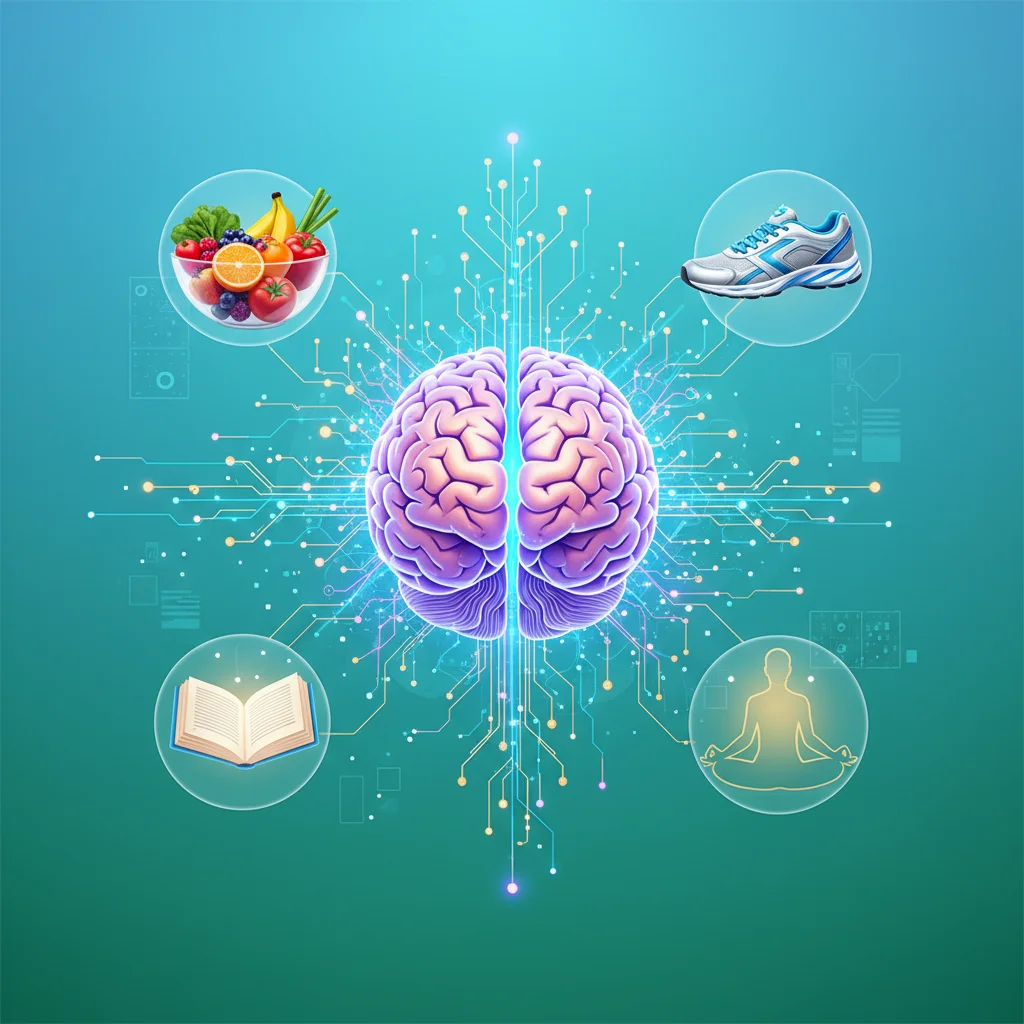
In the relentless march of scientific discovery, the year 2026 has ushered in a new era of understanding regarding the intricate workings of the human brain. For decades, the quest to unlock the secrets of optimal cognitive function and prevent age-related neurological decline has captivated researchers worldwide. Now, groundbreaking studies emerging from leading institutions across the United States are coalescing into a clear, actionable roadmap for individuals seeking to enhance their brain health 2026 and secure a brighter cognitive future. This comprehensive guide delves into the latest research, spotlighting five pivotal lifestyle changes that are poised to revolutionize how we approach mental well-being and cognitive longevity.
The urgency to address brain health has never been more pronounced. With an aging global population and a rising prevalence of neurodegenerative diseases, the need for effective, preventative strategies is paramount. The insights garnered in 2026 are not merely incremental; they represent a significant leap forward, offering tangible, evidence-based methods for boosting cognitive resilience, improving memory, sharpening focus, and even fostering greater emotional regulation. This article aims to distill these complex findings into an accessible format, empowering you to integrate these transformative practices into your daily life.
Our journey into the future of brain health begins with a critical examination of the current landscape. What specific challenges are Americans facing regarding cognitive function? How has the COVID-19 pandemic, technological advancements, and modern lifestyles impacted our brains? Understanding these contextual factors is crucial for appreciating the profound implications of the 2026 research. We will explore how these five lifestyle changes directly counteract modern stressors and promote a thriving neural environment.
The concept of neuroplasticity – the brain’s remarkable ability to reorganize itself by forming new neural connections throughout life – is at the heart of these discoveries. The 2026 research provides unprecedented clarity on how specific behaviors can harness and amplify this inherent capacity, leading to measurable improvements in cognitive performance and a reduced risk of cognitive decline. It’s an exciting time, signaling a shift from reactive treatment to proactive prevention and enhancement. Let’s embark on this enlightening exploration of the future of brain health.
The Shifting Paradigm: Why Brain Health in 2026 is Different
For many years, discussions around brain health often centered on managing existing conditions or mitigating severe decline. However, the paradigm has dramatically shifted by 2026. New research emphasizes proactive enhancement and sustained cognitive vitality throughout the lifespan. This shift is driven by advancements in neuroimaging techniques, genetic sequencing, and large-scale longitudinal studies that provide an unparalleled understanding of the brain’s needs and vulnerabilities. The focus is no longer just on preventing disease, but on optimizing function and extending cognitive ‘healthspan’.
One of the most significant breakthroughs of 2026 is the refined understanding of the brain-body connection. It’s now unequivocally clear that what benefits the body profoundly impacts the brain. This holistic perspective underpins the five lifestyle changes we will explore, moving away from isolated interventions towards an integrated approach to well-being. Furthermore, the role of personalized medicine is becoming increasingly prominent, with genetic predispositions and individual biomarkers guiding more tailored recommendations for brain health 2026 strategies.
The socio-economic landscape of the US also plays a crucial role in the urgency of these findings. The economic burden of cognitive decline and neurodegenerative diseases is staggering, prompting significant investment in preventative research. Public health initiatives are increasingly incorporating these new findings into educational campaigns, aiming to empower individuals with the knowledge and tools to take charge of their cognitive destiny. The collective understanding of what constitutes robust brain health is evolving, moving beyond simple memory tests to encompass executive function, emotional resilience, and processing speed.
Moreover, the rise of artificial intelligence and machine learning in healthcare has accelerated the pace of discovery. These technologies are enabling researchers to analyze vast datasets of genetic, lifestyle, and cognitive data, identifying subtle patterns and correlations that were previously undetectable. This analytical power is what has allowed for the pinpointing of the five specific lifestyle changes that hold such promise for enhancing brain health in 2026. It’s an exciting confluence of biological understanding and technological prowess, providing unprecedented opportunities for cognitive optimization.
1. The Power of Precision Nutrition: Fueling Your Brain for Optimal Performance
It’s no secret that diet impacts our overall health, but 2026 research has drilled down into the specifics of *precision nutrition* for brain health. Gone are the days of generic dietary advice; new studies highlight the profound and intricate ways specific micronutrients, macronutrient ratios, and even meal timing influence cognitive function, mood, and neuroprotection. The emphasis is on anti-inflammatory, antioxidant-rich foods that support gut-brain axis health and mitochondrial function.
Key Dietary Components for Brain Health in 2026:
- Omega-3 Fatty Acids (DHA & EPA): While known for their benefits, 2026 research clarifies optimal dosages and sources, emphasizing marine-based omega-3s for neuronal membrane integrity and anti-inflammatory effects. New studies show a direct correlation between higher intake and improved executive function in adults over 50.
- Polyphenols & Flavonoids: Found in berries, dark chocolate, green tea, and colorful vegetables, these compounds are now understood to directly cross the blood-brain barrier, exerting powerful antioxidant and anti-inflammatory effects. Specific polyphenols have been linked to enhanced synaptic plasticity and memory consolidation.
- Choline & B Vitamins: Essential for neurotransmitter synthesis (like acetylcholine, crucial for memory), 2026 studies reveal the importance of adequate intake, particularly from sources like eggs, liver, and specific legumes. Deficiencies are increasingly linked to accelerated cognitive aging.
- Gut Microbiome Support: The gut-brain axis is a major focus. Probiotic-rich foods (fermented foods) and prebiotic fibers (from fruits, vegetables, whole grains) are shown to modulate neurotransmitter production, reduce systemic inflammation, and improve mood, directly impacting cognitive resilience.
- Reduced Processed Foods & Sugars: The detrimental impact of highly processed foods, refined sugars, and unhealthy fats on brain inflammation and insulin resistance (a risk factor for cognitive decline) is now more comprehensively understood. Eliminating these is a cornerstone of brain health 2026 dietary recommendations.
The concept of ‘metabolic flexibility’ – the body’s ability to efficiently switch between burning glucose and fats for energy – is also gaining traction. Diets that promote this flexibility, such as those emphasizing healthy fats and controlled carbohydrate intake, are demonstrating significant benefits for sustained cognitive energy and reduced ‘brain fog’. Personalized genetic testing is also starting to play a role, allowing for dietary recommendations tailored to an individual’s unique metabolic profile and nutrient absorption capabilities.
Integrating these nutritional principles isn’t about restrictive diets but about making informed choices that consistently nourish your brain. Think of your plate as a canvas for cognitive enhancement, focusing on whole, unprocessed foods that are rich in color and diverse in origin. Regular hydration with clean water also remains a fundamental, yet often overlooked, aspect of optimal brain function, with 2026 research reiterating its importance for neurotransmission and waste removal.
2. Cognitive Engagement: Beyond Puzzles, Towards Purposeful Learning
While brain games have their place, the 2026 research on cognitive engagement emphasizes purposeful, novel, and socially interactive learning as the most potent stimulant for brain health. Simply doing Sudoku daily isn’t enough; the brain thrives on challenges that require adaptation, problem-solving, and the formation of new neural pathways.
Effective Cognitive Engagement Strategies:
- Learning New Skills: Whether it’s a musical instrument, a new language, coding, or a complex craft, the process of acquiring a new skill demands intense focus, memory recall, and motor planning, stimulating multiple brain regions simultaneously. The novelty factor is key here; continuously learning something new keeps the brain agile.
- Social Learning & Interaction: Engaging in group discussions, taking classes with others, or participating in intellectually stimulating conversations has a dual benefit. It provides cognitive challenge and fosters social connection, which is a powerful protective factor against cognitive decline.
- Strategic Planning & Problem Solving: Activities that require complex planning, such as organizing a large event, mastering a new board game (like chess or Go), or tackling a challenging work project, engage executive functions crucial for cognitive health.
- Reading Diverse Material: Moving beyond familiar genres and topics challenges your brain to process new information, expand vocabulary, and engage in deeper critical thinking. Audiobooks and podcasts also offer excellent avenues for passive, yet stimulating, learning.
- Mindfulness & Meditation: While often associated with stress reduction, 2026 studies show that consistent mindfulness practices enhance attention regulation, working memory, and emotional processing, directly contributing to cognitive resilience.
The concept of ‘cognitive reserve’ is central here. By consistently engaging your brain in challenging and novel ways, you build a buffer against age-related changes and potential neurological insults. This isn’t about being a genius; it’s about consistently pushing your cognitive boundaries in enjoyable and meaningful ways. The goal is to make learning a lifelong pursuit, integrated seamlessly into your daily routine rather than viewed as a chore.

Furthermore, the 2026 research highlights the importance of ‘active recall’ and ‘spaced repetition’ in learning. Instead of passively consuming information, actively testing yourself and revisiting challenging material at increasing intervals significantly strengthens memory consolidation and long-term retention. These techniques, long used in educational settings, are now being widely recommended for everyday cognitive enhancement.
3. Optimized Sleep: The Brain’s Critical Maintenance Cycle
If there’s one area where 2026 research has unequivocally cemented its importance, it’s sleep. Far from being a passive state, sleep is now understood as the brain’s critical maintenance and repair cycle. During deep sleep, the glymphatic system, a waste clearance system unique to the brain, becomes highly active, flushing out metabolic byproducts, including amyloid-beta proteins linked to Alzheimer’s disease.
The Pillars of Optimized Sleep for Brain Health:
- Consistent Sleep Schedule: Going to bed and waking up at the same time every day, even on weekends, helps regulate your circadian rhythm, which profoundly influences cognitive function, mood, and hormone balance. 2026 studies show that irregular sleep patterns significantly increase markers of brain inflammation.
- Adequate Duration: For most adults, 7-9 hours of quality sleep per night is essential. Chronic sleep deprivation, even just one hour less than needed, accumulates as a ‘sleep debt’ that impairs attention, problem-solving, and emotional regulation.
- Quality Over Quantity: It’s not just about how long you sleep, but how well. Minimizing sleep disruptions, reducing light and noise exposure, and maintaining a comfortable room temperature are crucial for progressing through all sleep stages, especially restorative deep sleep and REM sleep (important for memory consolidation).
- Pre-Sleep Rituals: Establishing a relaxing routine before bed signals to your brain that it’s time to wind down. This could include reading a physical book, taking a warm bath, practicing gentle stretching, or meditating. Avoiding screens (blue light) at least an hour before bed is a universally recommended practice.
- Addressing Sleep Disorders: Snoring, sleep apnea, and insomnia are not just inconvenient; 2026 research links them directly to increased risk of cognitive decline. Seeking professional diagnosis and treatment for these conditions is a vital step for protecting your brain.
The impact of even short-term sleep deprivation on cognitive performance is striking. Studies from 2026 demonstrate that a single night of poor sleep can impair decision-making, reduce creativity, and increase impulsivity. Over the long term, chronic sleep issues are increasingly recognized as a significant, modifiable risk factor for neurodegenerative diseases. Prioritizing sleep is not a luxury; it’s a fundamental pillar of brain health 2026.
Furthermore, the role of natural light exposure in regulating circadian rhythms has gained renewed attention. Ensuring adequate exposure to natural light during the day, especially in the morning, helps to synchronize your internal clock, leading to better sleep quality at night. Conversely, minimizing artificial light exposure in the evenings supports melatonin production, essential for initiating sleep.
4. Targeted Physical Activity: Exercise as a Cognitive Enhancer
We’ve long known that exercise is good for the body, but 2026 research has unveiled even more profound and direct mechanisms by which physical activity acts as a potent cognitive enhancer. It’s not just about blood flow; exercise directly influences brain structure and function, promoting neurogenesis (the birth of new brain cells) and strengthening neural connections.
Exercise Regimens for Superior Brain Health:
- Aerobic Exercise: Regular cardiovascular activity (brisk walking, running, swimming, cycling) increases blood flow to the brain, delivering essential oxygen and nutrients. 2026 studies show it enhances the hippocampus, the brain region critical for memory formation, and improves executive function. Aim for at least 150 minutes of moderate-intensity aerobic activity per week.
- Strength Training: While often overlooked for brain health, resistance training has been shown to improve cognitive function, particularly in older adults. It helps reduce inflammation, improve insulin sensitivity, and release myokines that have neuroprotective effects. Incorporate 2-3 sessions per week.
- High-Intensity Interval Training (HIIT): Short bursts of intense exercise followed by brief recovery periods have been found to significantly boost Brain-Derived Neurotrophic Factor (BDNF), a protein crucial for brain cell growth, survival, and plasticity. HIIT can be an efficient way to achieve significant cognitive benefits.
- Balance & Coordination Exercises: Activities like yoga, Tai Chi, dancing, or even simply standing on one leg challenge proprioception and spatial awareness, enhancing cerebellar function and improving cognitive-motor integration. These are particularly beneficial for preventing falls and maintaining mobility as we age.
- Outdoor Activity: Combining physical activity with exposure to nature (often termed ‘green exercise’) has additional benefits for stress reduction and mood enhancement, indirectly supporting cognitive function.
The ‘dose-response’ relationship between exercise and brain health is becoming clearer. While any movement is better than none, consistent, varied, and progressively challenging physical activity yields the most significant cognitive dividends. Exercise is not just about physical fitness; it’s about building a more resilient, adaptable brain. It’s a powerful tool in your arsenal for robust brain health 2026.
Furthermore, the timing of exercise can also play a role. Morning workouts have been linked to improved focus and energy throughout the day, while some studies suggest that moderate evening exercise, if not too close to bedtime, can aid in sleep quality. The key is finding a routine that is sustainable and enjoyable, integrating movement into your daily life rather than viewing it as a separate obligation.
5. Stress Management & Social Connection: The Unsung Heroes of Cognitive Longevity
Chronic stress and social isolation are increasingly recognized as major threats to brain health. The year 2026 has brought forth compelling evidence detailing the neurotoxic effects of prolonged stress and the neuroprotective power of strong social bonds. Managing stress effectively and cultivating meaningful relationships are not just about feeling good; they are essential for cognitive longevity.
Strategies for Stress Reduction & Social Engagement:
- Mindfulness & Meditation: Beyond cognitive engagement, these practices directly reduce cortisol levels (the primary stress hormone) and promote neuroplasticity in areas related to emotional regulation and self-awareness. Consistent practice can literally rewire your brain to be less reactive to stress.
- Nature Exposure: Spending time in green spaces, often called ‘forest bathing’ or ecotherapy, has been shown to lower blood pressure, reduce stress hormones, and improve mood, all of which benefit brain health.
- Deep Breathing Exercises: Simple yet powerful, techniques like diaphragmatic breathing can activate the parasympathetic nervous system, inducing a state of calm and reducing the physiological impact of stress.
- Cultivating Strong Social Networks: Engaging with friends, family, and community groups provides emotional support, intellectual stimulation, and a sense of purpose. Loneliness and social isolation are now considered significant risk factors for cognitive decline, comparable to smoking or obesity.
- Volunteering & Community Involvement: Contributing to something larger than oneself fosters a sense of meaning and connection, reducing feelings of isolation and boosting mental well-being, which in turn supports brain health.
- Hobbies & Creative Pursuits: Engaging in activities you enjoy, whether it’s art, music, gardening, or writing, provides an outlet for stress, stimulates different brain regions, and offers opportunities for social interaction.
The impact of chronic stress on the hippocampus, the brain’s memory center, is particularly concerning. Prolonged exposure to high cortisol levels can shrink this region, impairing memory and learning. Conversely, strong social connections are associated with larger brain volumes in several key areas and better cognitive performance. The evidence from 2026 is clear: nurture your relationships and manage your stress to safeguard your cognitive future.

Moreover, the concept of ’emotional regulation’ is gaining traction as a critical component of stress management. Learning to identify, understand, and effectively respond to emotions, rather than being overwhelmed by them, is a skill that can be developed through various practices, including therapy, journaling, and mindfulness. This enhanced emotional intelligence directly contributes to a more resilient and healthier brain, further solidifying its place in the brain health 2026 framework.
Integrating the 5 Lifestyle Changes for Holistic Brain Health
While each of these five lifestyle changes offers significant benefits on its own, their true power lies in their synergistic integration. Adopting a holistic approach where precision nutrition, cognitive engagement, optimized sleep, targeted physical activity, and effective stress management and social connection work in concert creates an environment where your brain can truly thrive. The 2026 research strongly advocates for this multi-pronged strategy, emphasizing that isolated interventions are less effective than a comprehensive lifestyle overhaul.
Think of your brain as a highly complex ecosystem. Just as a forest requires healthy soil, adequate water, sunlight, and diverse flora and fauna to flourish, your brain needs a rich and varied input of positive influences. Neglecting one area can impact the others. For instance, poor sleep can undermine the benefits of a healthy diet, and chronic stress can negate the positive effects of exercise. The interconnectedness of these factors is a central theme of the latest findings in brain health 2026.
Practical Steps for Integration:
- Start Small, Be Consistent: Don’t try to overhaul everything at once. Pick one or two areas to focus on initially, build consistent habits, and then gradually incorporate more changes. Consistency is far more important than intensity.
- Personalize Your Approach: What works for one person might not work for another. Experiment with different types of exercise, learning activities, or stress-reduction techniques until you find what resonates with you and fits your lifestyle.
- Leverage Technology Wisely: Use apps for meditation, sleep tracking, or healthy meal planning. Join online communities for learning new skills or connecting with like-minded individuals. Just be mindful of screen time and its impact on sleep.
- Seek Professional Guidance: Consult with healthcare providers, registered dietitians, or certified trainers who are knowledgeable about the latest brain health research. They can offer personalized advice and help you navigate complex health information.
- Educate Yourself Continuously: Stay updated on emerging research. The field of brain health is dynamic, and new insights are constantly being discovered. Being informed empowers you to make better choices.
The journey towards optimal brain health is a lifelong one, but the new research from 2026 provides an incredibly clear and hopeful path forward. It underscores the profound agency we each have in shaping our cognitive destiny. By embracing these five lifestyle changes, you are not just preventing decline; you are actively investing in a future of enhanced mental clarity, emotional resilience, and overall well-being. The time to act is now, to build a stronger, more vibrant brain for the years to come.
The Future Landscape of Brain Health: Beyond 2026
As we look beyond 2026, the trajectory of brain health research promises even more exciting developments. The current focus on lifestyle interventions is laying a robust foundation, but emerging technologies and deeper biological understanding are set to unlock further avenues for cognitive enhancement and neuroprotection. Personalized interventions, driven by AI and advanced diagnostics, will become even more refined, moving towards truly bespoke brain health plans.
Gene editing technologies, while still in early stages for cognitive applications, hold potential for addressing genetic predispositions to neurodegenerative diseases. Similarly, advancements in targeted drug delivery systems and non-invasive brain stimulation techniques (like transcranial magnetic stimulation, TMS, or transcranial direct current stimulation, tDCS) are being explored for their ability to enhance specific cognitive functions or mitigate neurological symptoms. These are not replacements for lifestyle changes but rather potential complements, offering additional layers of support for those who need them.
The integration of mental health and brain health will also continue to deepen. The artificial divide between physical and mental well-being is rapidly dissolving, with increasing recognition that conditions like depression and anxiety have profound neurological underpinnings and impacts on cognitive function. Future research will likely focus on integrated care models that address both aspects holistically, recognizing their symbiotic relationship.
Public health policy will also play a critical role. As the evidence for lifestyle interventions strengthens, we can anticipate more widespread public health campaigns, educational programs, and even urban planning initiatives designed to support brain-healthy behaviors. Creating environments that facilitate access to healthy food, safe spaces for physical activity, opportunities for social connection, and resources for stress management will be crucial for translating individual efforts into population-level gains in brain health 2026 and beyond.
Finally, the concept of ‘digital well-being’ will become increasingly central. As our lives become more intertwined with technology, understanding its nuanced effects on attention, memory, and social interaction will be paramount. Future research will guide us on how to harness the benefits of digital tools for cognitive enhancement while mitigating potential harms, ensuring that technology serves to amplify our brain health rather than detract from it.
Conclusion: Your Path to a Sharper Mind in 2026 and Beyond
The year 2026 marks a pivotal moment in our understanding of brain health. The convergence of advanced research has illuminated a clear and actionable path for individuals in the US to significantly enhance their cognitive function and bolster their resilience against neurological decline. The five lifestyle changes – precision nutrition, purposeful cognitive engagement, optimized sleep, targeted physical activity, and robust stress management coupled with social connection – are not merely recommendations; they are scientifically proven pillars of a thriving brain.
Embracing these changes is an investment in your future self. It’s about more than just avoiding disease; it’s about cultivating a life of greater clarity, sharper memory, improved focus, and sustained emotional well-being. The power to transform your brain health lies within your daily choices. By proactively integrating these evidence-based strategies, you are taking control of your cognitive destiny, paving the way for a more vibrant and fulfilling life.
Remember, small, consistent steps lead to profound and lasting changes. Begin today by identifying one area where you can make a positive adjustment. Whether it’s adding more omega-3s to your diet, committing to learning a new skill, prioritizing an extra hour of sleep, fitting in a brisk walk, or reaching out to a friend, every action contributes to building a stronger, healthier brain. The future of your cognitive vitality is bright, and with the insights from brain health 2026, you are well-equipped to navigate it with confidence and purpose.