Fashion Forward: Top 4 Sustainable Style Trends Gaining 25% Market Share This Year
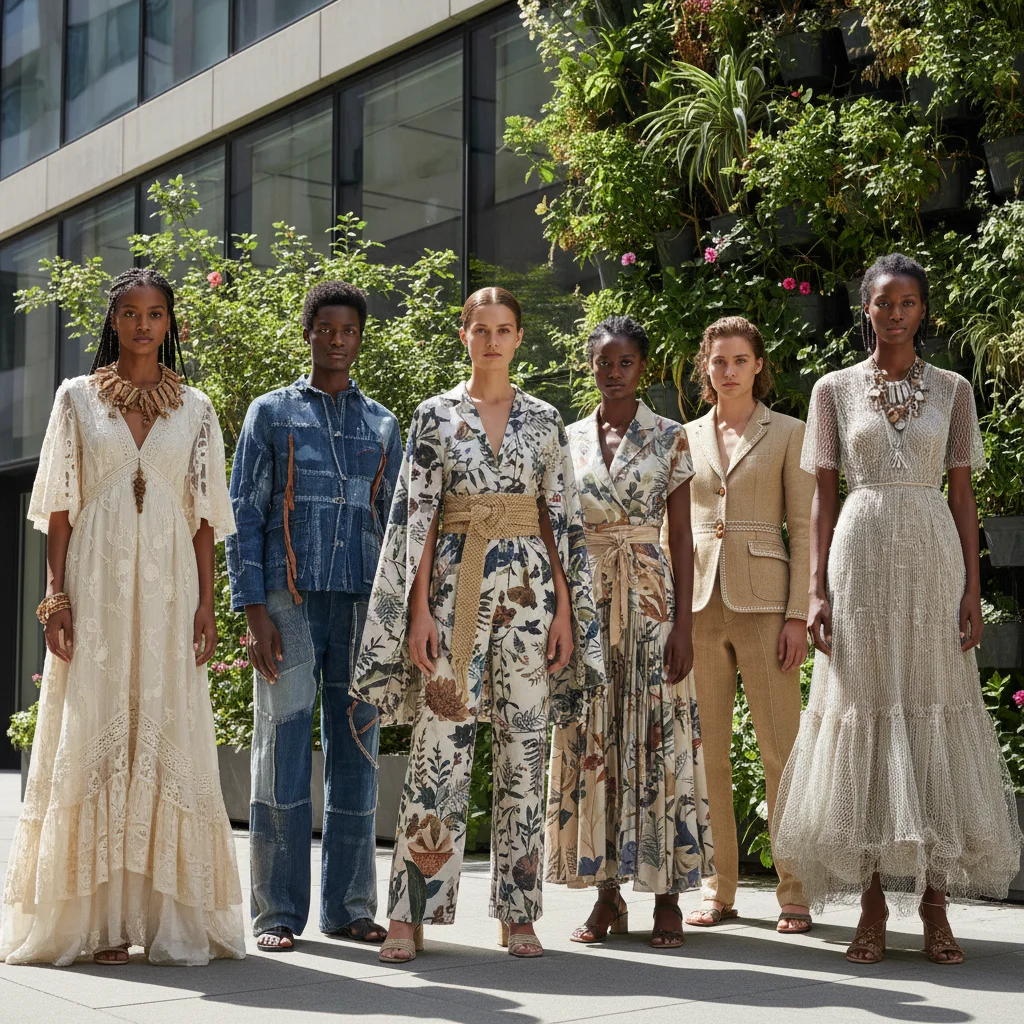
The fashion industry, long criticized for its environmental impact and ethical shortcomings, is undergoing a profound transformation. A new era is dawning, one where sustainability is not merely a buzzword but a driving force behind innovation, consumer choices, and market growth. This year, we are witnessing an unprecedented surge in sustainable style trends, with projections indicating they will collectively capture an impressive 25% of the market share. This shift is not just about aesthetics; it’s about a fundamental rethinking of how clothes are made, consumed, and discarded. Consumers are increasingly demanding transparency, ethical production, and environmentally friendly materials, pushing brands to adapt or risk being left behind. The momentum towards a more conscious wardrobe is undeniable, signaling a permanent change in the fashion landscape.
What exactly are these transformative sustainable style trends? They encompass a broad spectrum of practices, from the materials used to the very business models employed by fashion brands. From the resurgence of vintage and second-hand shopping to revolutionary textile innovations and the growing emphasis on circularity, these trends are reshaping our relationship with clothing. This article delves into the top four sustainable style trends that are not only gaining significant traction but are also poised to redefine what it means to be fashionable in the 21st century. We will explore the intricacies of each trend, understand their impact, and provide insights into how you can integrate them into your own style, contributing to a more sustainable and equitable future. Embrace the change, because sustainable fashion is no longer a niche; it’s the future.
1. The Rise of Circular Fashion: Beyond Recycling
The concept of circular fashion is perhaps the most ambitious and transformative of all sustainable style trends. It moves beyond the traditional linear model of ‘take, make, dispose’ and aims to create a closed-loop system where garments are designed for longevity, repairability, and ultimately, regeneration. Imagine a world where clothes are never truly thrown away, but rather repurposed, recycled, or biodegraded, returning their resources to the earth or back into the production cycle. This is the promise of circular fashion, and it’s rapidly gaining ground.
At its core, circular fashion involves several key principles:
- Design for Longevity: This means creating high-quality, timeless pieces that are durable and can withstand wear and tear. It’s about rejecting fast fashion’s disposability in favor of investing in garments built to last. Brands are focusing on robust construction, classic designs, and materials that age gracefully.
- Material Innovation: The choice of materials is crucial. Circular fashion champions the use of renewable, recycled, and biodegradable materials. This includes organic cotton, hemp, linen, recycled polyester, Tencel, and innovative new fabrics derived from sources like orange peels or mushroom mycelium. The goal is to minimize virgin resource extraction and reduce waste.
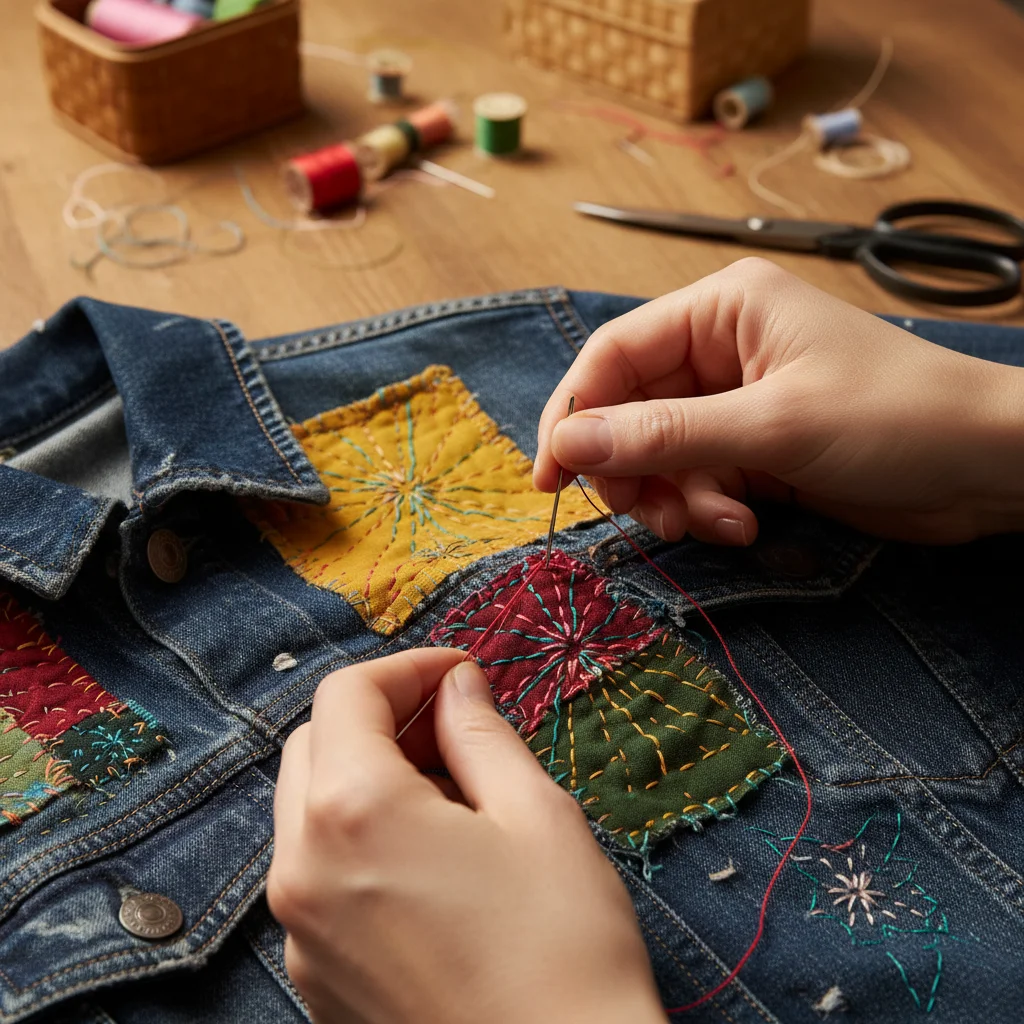
- Repair, Reuse, and Repurpose: Encouraging consumers to repair their clothes, rather than discarding them, is a cornerstone of circularity. Many brands are now offering repair services, workshops, and guides to extend the life of their products. The rise of upcycling – transforming old garments into new ones – is also a vibrant expression of this principle, turning waste into valuable resources.
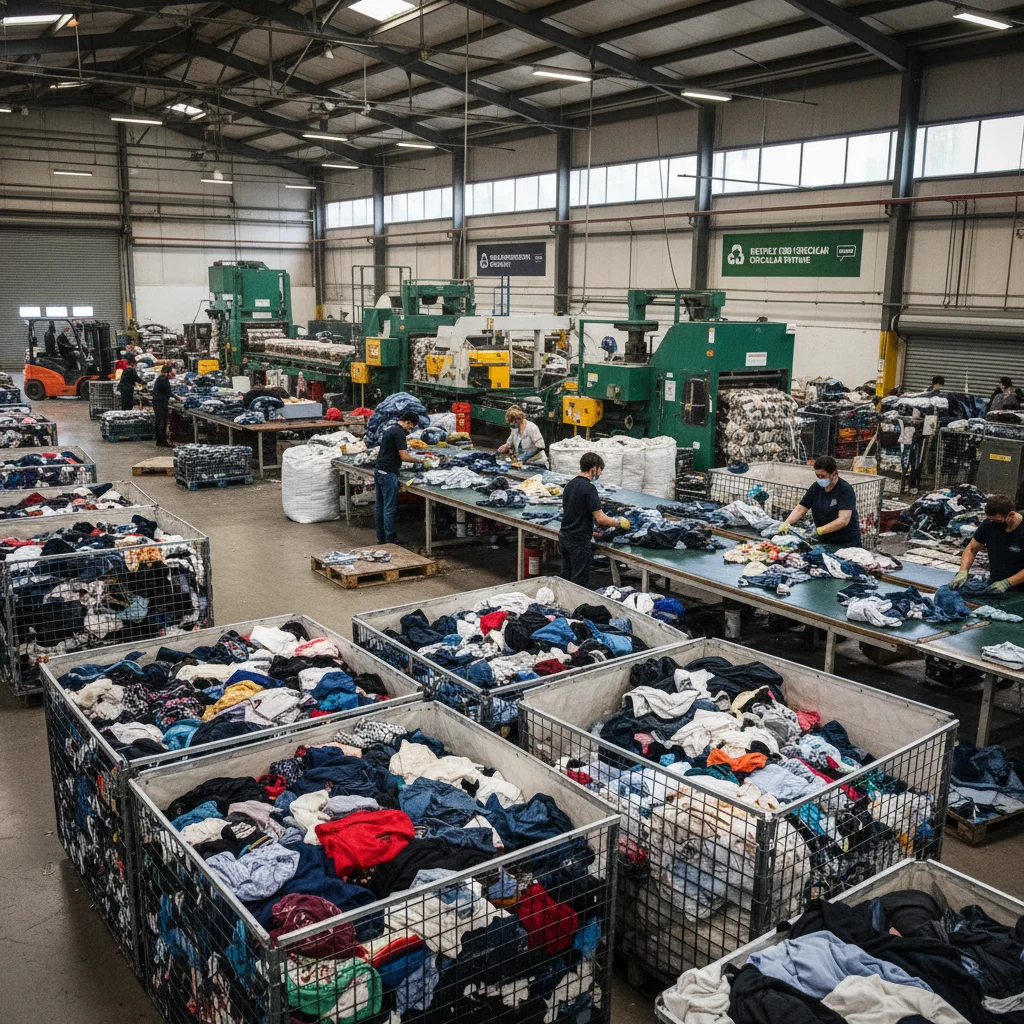
- Recycling and Regeneration: When a garment can no longer be worn or repaired, the aim is to recycle it back into new fibers. Advancements in textile recycling technology are making this increasingly feasible, allowing for the creation of new textiles from old, reducing the demand for virgin materials. Biodegradable materials, on the other hand, can safely return to the earth, enriching the soil.
- New Business Models: Circularity also drives innovative business models like rental services, subscription boxes for clothing, and take-back programs. These models incentivize brands to produce high-quality, durable items that can be reused multiple times, shifting the focus from ownership to access and service.
Why Circularity is Gaining Traction
The appeal of circular fashion is multi-faceted. Environmentally, it significantly reduces textile waste, conserves natural resources, and lowers carbon emissions associated with production. Economically, it can create new revenue streams for businesses, foster local economies through repair and upcycling initiatives, and reduce reliance on volatile raw material markets. For consumers, it offers a more sustainable way to engage with fashion, promoting mindful consumption and empowering them to make choices that align with their values.
Major brands are investing heavily in circularity, recognizing its potential for both environmental impact and brand loyalty. From Levi’s offering repair services to H&M’s garment collection initiatives and innovative startups building entirely circular supply chains, the industry is moving towards a future where waste is a design flaw, not an inevitability. This shift is not just a trend; it’s a fundamental paradigm change that promises to redefine the entire fashion ecosystem, making it more resilient, responsible, and resource-efficient.
The journey towards a fully circular fashion industry is complex and requires collaboration across the entire value chain, from designers and manufacturers to retailers and consumers. However, the rapid adoption of circular principles and the growing market share indicate that this sustainable style trend is here to stay, offering a hopeful vision for the future of fashion.
2. The Vintage & Second-Hand Boom: A Treasure Trove of Style
One of the most accessible and impactful sustainable style trends is the booming popularity of vintage and second-hand clothing. What was once considered a niche pursuit or a necessity for budget-conscious shoppers has transformed into a mainstream fashion movement. Consumers are increasingly turning to pre-loved items for their unique aesthetic, quality craftsmanship, and undeniable environmental benefits. This trend is not just about affordability; it’s about conscious consumption, individuality, and a rejection of fast fashion’s fleeting trends.
The second-hand market is experiencing exponential growth, outpacing traditional retail. Platforms like ThredUp, Depop, Poshmark, and Vestiaire Collective have democratized access to pre-owned fashion, making it easier than ever to buy and sell clothes. Beyond online marketplaces, physical thrift stores, consignment shops, and vintage boutiques are thriving, offering a tangible and often more curated shopping experience.
The Allure of Vintage and Second-Hand
- Environmental Impact: The most significant benefit is the reduction of textile waste. By extending the life of existing garments, we lessen the demand for new production, which in turn reduces water usage, energy consumption, chemical pollution, and carbon emissions. Every item bought second-hand is one less item contributing to landfills.
- Unique Style and Individuality: Fast fashion often leads to uniform styles. Vintage and second-hand pieces, however, offer a distinct aesthetic and a chance to express personal style. Shoppers can discover one-of-a-kind items, rare designs, and high-quality garments from past eras that are no longer mass-produced. This allows for a more personalized and less trend-driven wardrobe.
- Quality and Craftsmanship: Many older garments were made with higher quality materials and superior construction techniques than their modern, mass-produced counterparts. Buying vintage often means investing in durable pieces that have already stood the test of time.
- Affordability: While some curated vintage pieces can be expensive, the majority of second-hand clothing offers excellent value for money. It allows consumers to access designer brands or high-quality materials at a fraction of their original price, making fashion more inclusive.
- Storytelling and Authenticity: Each vintage piece comes with a history, a story that adds character and depth to an outfit. This sense of authenticity and connection to the past is a powerful draw for many consumers.
The stigma once associated with second-hand clothing has largely dissipated, replaced by a sense of pride and discovery. Celebrities and influencers openly embrace vintage, further legitimizing the trend and encouraging their followers to explore sustainable shopping alternatives. Brands are also recognizing this shift; some are launching their own re-commerce platforms, partnering with second-hand retailers, or even incorporating vintage elements into new collections. This integration signals that the second-hand market is no longer just an alternative; it’s becoming an integral part of the mainstream fashion ecosystem.
Embracing vintage and second-hand shopping is a powerful way for individuals to participate in the sustainable style trends movement. It’s an active choice to reduce environmental footprint, support circularity, and cultivate a unique personal style that stands apart from the crowd. As more consumers discover the joys of pre-loved fashion, its market share will only continue to grow, solidifying its position as a cornerstone of sustainable fashion.
3. Bio-Based & Regenerative Materials: Fashion’s Green Revolution
The quest for sustainable style trends is fundamentally rooted in the materials we use. The fashion industry’s reliance on conventional cotton (which is water-intensive and pesticide-heavy), synthetic fibers like polyester (derived from fossil fuels), and resource-intensive animal products has long been a point of contention. However, a significant green revolution is underway with the rapid development and adoption of bio-based and regenerative materials, promising to drastically reduce fashion’s environmental footprint.
Bio-based materials are derived from renewable biomass sources, such as plants, animals, and microorganisms. Unlike fossil-fuel-based synthetics, these materials offer a more sustainable alternative, often being biodegradable or recyclable. Examples include:
- Organic Cotton, Hemp, and Linen: These natural fibers are cultivated without harmful pesticides or synthetic fertilizers, requiring less water than conventional cotton. They are breathable, durable, and biodegradable.
- Tencel (Lyocell) and Modal: These are semi-synthetic fibers made from sustainably harvested wood pulp. Their production processes are closed-loop, meaning chemicals and water are recycled, minimizing environmental impact. They are known for their softness, drape, and breathability.
- Piñatex (Pineapple Leather): An innovative leather alternative made from cellulose fibers extracted from pineapple leaves, a byproduct of the pineapple harvest. It’s durable, versatile, and offers a cruelty-free option.
- Mushroom Leather (Mycelium-based materials): Utilizing the root structure of mushrooms, scientists are developing materials that mimic the look and feel of traditional leather, offering a biodegradable and scalable alternative.
- Algae-based Fabrics and Dyes: Algae can be used to create fibers and vibrant, non-toxic dyes, offering a sustainable alternative to conventional petrochemical dyes that often pollute waterways.
- Recycled Materials (e.g., Recycled Polyester, Recycled Nylon): While not strictly bio-based, recycled materials are crucial for sustainability. Recycled polyester (rPET) is made from plastic bottles, reducing plastic waste and the need for new fossil fuels. Recycled nylon often comes from fishing nets and industrial waste.
Regenerative Agriculture takes sustainability a step further. It’s a holistic farming approach that focuses on restoring soil health, biodiversity, and ecosystem vitality. In the context of fashion, this means cultivating natural fibers (like cotton, wool, or flax) in a way that actively sequesters carbon from the atmosphere, improves water retention in the soil, and enhances biodiversity. This approach doesn’t just minimize harm; it actively works to heal and restore the environment. Brands that source materials from regenerative farms are at the forefront of this movement, offering products that are not just sustainable but restorative.
Why the Focus on Materials Matters
The choice of material impacts every stage of a garment’s life cycle, from resource extraction and manufacturing to end-of-life disposal. By prioritizing bio-based and regenerative materials, the fashion industry can:
- Reduce Carbon Footprint: Less reliance on fossil fuels and more carbon sequestration in regenerative farming.
- Minimize Water Usage: Sustainable farming practices and closed-loop production systems for fibers like Tencel.
- Eliminate Toxic Chemicals: Avoiding pesticides, herbicides, and harmful dyes.
- Decrease Waste: Utilizing agricultural byproducts and creating biodegradable materials.
- Promote Biodiversity: Regenerative practices enhance ecosystems rather than depleting them.
As consumers become more educated about the environmental impact of their clothing, the demand for transparently sourced, innovative materials is skyrocketing. Brands that invest in research and development of these materials, and clearly communicate their origins, are gaining a significant competitive edge. This green revolution in textiles is not just about creating new fabrics; it’s about reimagining the very foundation of fashion to be in harmony with the planet, making it one of the most exciting and impactful sustainable style trends.
4. Slow Fashion & Craftsmanship: Valuing Quality Over Quantity
In direct opposition to the fast fashion paradigm, the slow fashion movement emphasizes quality, craftsmanship, and mindful consumption. This sustainable style trend encourages consumers to buy fewer, higher-quality items that are designed to last, promoting a more considered and deliberate approach to building a wardrobe. It’s a philosophy that values the artistry, skill, and resources invested in each garment, fostering a deeper connection between the wearer and their clothes.
Slow fashion isn’t just about buying expensive items; it’s about a shift in mindset. It encourages:
- Investment in Quality: Choosing well-made garments from durable materials that will withstand years of wear and washing. This means looking beyond fleeting trends and prioritizing timeless designs and robust construction.
- Transparency and Ethical Production: Slow fashion brands are typically more transparent about their supply chains, ensuring fair wages, safe working conditions, and ethical treatment of workers. They often work with skilled artisans and small-scale producers, supporting traditional crafts and local economies.
- Mindful Consumption: Encouraging consumers to think before they buy, asking questions like: Do I really need this? How was it made? How long will it last? Can it be repaired? This reduces impulse purchases and promotes a more intentional approach to shopping.
- Appreciation for Craftsmanship: Highlighting the skill, time, and effort that goes into creating a garment. This includes hand-sewn details, intricate embroidery, natural dyeing techniques, and custom tailoring.
- Building a Capsule Wardrobe: Focusing on versatile, interchangeable pieces that can be mixed and matched to create numerous outfits. This reduces the need for excessive clothing and encourages creativity with existing items.
- Repair and Care: Extending the life of garments through proper care, cleaning, and repair. This ties back to the circular fashion principles and challenges the disposable nature of fast fashion.
The resurgence of interest in craftsmanship is a direct response to the homogenizing effect of mass production. Consumers are increasingly seeking unique, handcrafted items that tell a story and reflect a commitment to ethical values. This includes everything from hand-knitted sweaters and naturally dyed silks to custom-tailored suits and artisanal leather goods.
The Impact of Slow Fashion
- Environmental: Reduced consumption means less waste, fewer resources used, and a smaller carbon footprint.
- Social: Supports ethical labor practices, preserves traditional crafts, and empowers artisan communities.
- Economic: Encourages investment in quality over quantity, potentially saving money in the long run by reducing the need for constant replacements. It also supports small businesses and local economies.
- Personal: Fosters a more deliberate and meaningful relationship with clothing, promoting individuality and self-expression through thoughtful choices.
As consumers become more disillusioned with the environmental and social costs of fast fashion, the appeal of slow fashion continues to grow. It represents a return to valuing clothes as cherished possessions rather than disposable commodities. This sustainable style trend is not just about what we wear, but how we choose, care for, and ultimately value our entire wardrobe, paving the way for a more thoughtful and sustainable fashion future.
The Future is Sustainable: Embracing Conscious Consumption
The landscape of fashion is undeniably shifting, and these four sustainable style trends – circular fashion, the vintage and second-hand boom, bio-based and regenerative materials, and slow fashion with its emphasis on craftsmanship – are at the forefront of this transformation. Their combined market share growth of 25% this year is a clear indicator that sustainability is no longer a niche concern but a mainstream imperative. Consumers, armed with greater awareness and a desire for ethical choices, are driving this change, demanding more from the brands they support.
This evolving paradigm offers exciting opportunities for both individuals and the industry. For consumers, it means building a wardrobe that aligns with their values, investing in quality pieces that last, and discovering unique styles that express their individuality. It encourages creativity through upcycling and mending, and fosters a deeper appreciation for the clothes we wear and the stories they tell. Embracing these sustainable style trends is not about sacrificing style; it’s about elevating it, making fashion more meaningful, responsible, and enduring.
For the fashion industry, this shift presents both challenges and immense potential. Brands are being pushed to innovate their supply chains, invest in new technologies, and rethink their entire business models. Those that embrace transparency, ethical production, and truly sustainable practices are not just meeting consumer demand; they are positioning themselves as leaders in a rapidly evolving market. Collaboration across the industry, from designers to manufacturers to retailers, will be crucial in building a truly sustainable and circular fashion ecosystem.
The journey towards a fully sustainable fashion industry is ongoing and complex. There are still significant hurdles to overcome, including scaling up innovative materials, developing more efficient recycling infrastructure, and ensuring equitable practices across global supply chains. However, the current momentum is undeniable. The growth of these sustainable style trends signifies a collective awakening, a recognition that fashion, a powerful form of self-expression, can also be a force for positive environmental and social change. By making conscious choices, supporting ethical brands, and advocating for greater transparency, each of us can contribute to a future where fashion is truly forward-thinking and sustainable.
Let’s continue to champion these transformative movements, fostering a fashion industry that not only looks good but does good. The power to shape this future lies in our hands, one sustainable choice at a time.