Oral Health Breakthroughs 2026: Revolutionizing Dental Care for US Families
Oral Health Breakthroughs 2026: Revolutionizing Dental Care for US Families
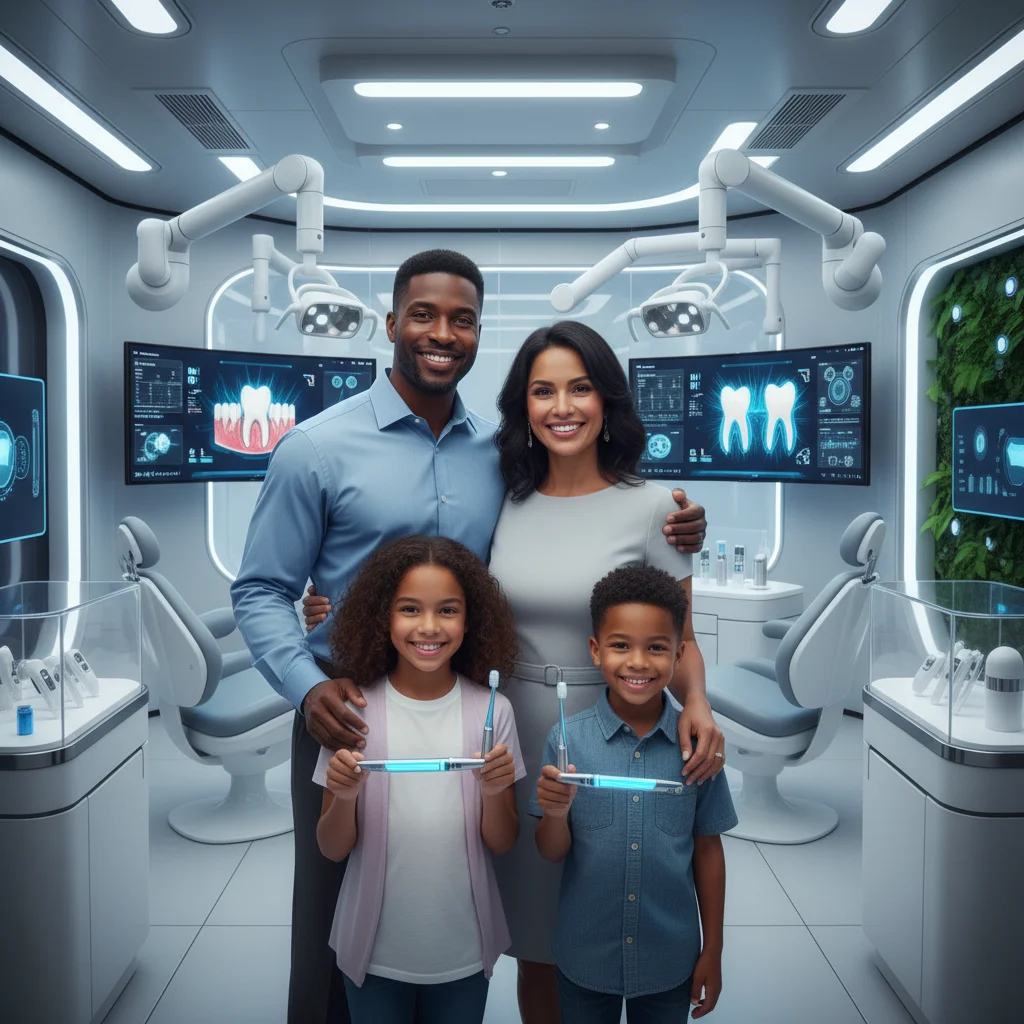
The landscape of oral health is on the cusp of a profound transformation. For too long, our approach to dental care has been largely reactive, focusing on treating problems after they arise. However, a new era is dawning, driven by incredible scientific and technological advancements. By 2026, US families can expect to see a significant shift in how we maintain our oral hygiene, prevent disease, and even restore our smiles. These aren’t just incremental improvements; these are genuine oral health breakthroughs that promise to make dental care more effective, accessible, and personalized than ever before. Imagine a future where cavities are a rarity, gum disease is easily managed, and dental anxiety becomes a relic of the past. This isn’t a distant dream; it’s the near future, powered by cutting-edge innovations.
The implications of these oral health breakthroughs are monumental. We’re talking about a potential 25% improvement in cavity prevention, a dramatic reduction in the incidence of periodontal disease, and a general uplift in the overall oral health of the nation. For families, this translates to fewer painful dental visits, lower long-term costs, and, most importantly, a lifetime of healthier, more confident smiles. In this comprehensive guide, we’ll delve into four of the most exciting oral health breakthroughs that are poised to redefine dental care for US families by 2026. From smart diagnostics to biological therapies, prepare to be amazed by the future of your family’s oral well-being.
1. AI-Powered Predictive Diagnostics and Personalized Treatment Plans
One of the most impactful oral health breakthroughs on the horizon is the integration of Artificial Intelligence (AI) into dental diagnostics and treatment planning. This isn’t just about computers helping dentists; it’s about AI transforming the very foundation of how we understand and address individual oral health needs. Currently, dental diagnoses often rely on visual examination, X-rays, and the dentist’s experience. While effective, this approach can sometimes miss early warning signs or fail to account for the complex interplay of factors that contribute to oral diseases.
The Power of AI in Early Detection
By 2026, AI algorithms will be sophisticated enough to analyze vast amounts of data, including patient history, genetic predispositions, lifestyle factors, and even microscopic images of oral bacteria. This will allow for incredibly precise and early detection of potential issues. For instance, AI could identify subtle changes in X-rays or intraoral scans that indicate the very first stages of a cavity, long before it’s visible to the human eye. It could also predict a patient’s susceptibility to gum disease based on their genetic profile and lifestyle, enabling proactive prevention rather than reactive treatment.
Consider a scenario where a child’s routine dental check-up involves an AI scan that not only identifies a tiny, nascent cavity but also analyzes their diet and brushing habits to predict future cavity risk with high accuracy. This allows the dentist to intervene with targeted advice and preventive measures, such as specific fluoride treatments or dietary recommendations, tailored precisely to that child’s needs. This level of personalized prevention is a game-changer, potentially reducing cavity rates by a significant margin for US families.
Personalized Treatment Strategies
Beyond diagnostics, AI will also revolutionize treatment planning. Instead of a one-size-fits-all approach, AI can help dentists develop highly personalized treatment strategies. For complex cases, such as orthodontic treatment or extensive restorative work, AI can simulate various treatment outcomes, allowing both the dentist and patient to visualize the potential results and choose the most effective and aesthetically pleasing option. This not only improves the quality of care but also enhances patient satisfaction and reduces the likelihood of complications.
Furthermore, AI can assist in monitoring treatment progress and making real-time adjustments. For example, during orthodontic treatment, AI could analyze daily scans of a patient’s mouth to ensure teeth are moving as planned, alerting the orthodontist to any deviations and suggesting adjustments to aligner schedules or brace modifications. This precision significantly shortens treatment times and improves overall outcomes, making dental care more efficient and effective for busy US families.
Enhanced Accessibility and Education
AI-powered tools can also improve accessibility to dental care. Remote diagnostic capabilities, where patients can use at-home scanning devices that send data to AI for preliminary analysis, could become more common. This could be particularly beneficial for individuals in rural areas or those with mobility issues, providing initial assessments and guiding them on whether an in-person visit is necessary. Moreover, AI can be leveraged to create highly personalized educational content, helping families understand their specific oral health risks and how to best manage them, empowering them to take a more active role in their dental well-being.
2. Advanced Biocompatible Materials and Regenerative Dentistry
The materials used in dentistry have come a long way, but the next few years promise even more incredible advancements. One of the most exciting oral health breakthroughs in this area is the development of advanced biocompatible materials and the burgeoning field of regenerative dentistry. This focuses on not just repairing damaged teeth and tissues, but actively encouraging the body to heal and regenerate them naturally.
Smart Fillings and Restorations
Imagine fillings that don’t just patch a cavity but actively release minerals to remineralize the tooth structure, effectively reversing early decay. By 2026, we can expect to see the widespread adoption of ‘smart’ restorative materials that go beyond passive repair. These materials, often infused with bioactive components, can interact with the oral environment to promote healing and strengthen the surrounding tooth structure. This means longer-lasting restorations and a reduced need for future interventions, a significant benefit for families looking for durable and effective dental solutions.
Furthermore, new generations of ceramic and composite materials are becoming increasingly durable and aesthetically pleasing, mimicking natural tooth structure with unprecedented accuracy. This is not just about looks; these materials are designed to integrate seamlessly with the natural tooth, reducing stress points and improving overall longevity. This means fewer replacements and a more stable oral environment for US families.
Regenerative Therapies for Teeth and Gums
Perhaps the most revolutionary aspect of this breakthrough is regenerative dentistry. This field aims to stimulate the body’s natural healing processes to repair or even regrow damaged dental tissues. For instance, researchers are making significant strides in developing techniques to regenerate tooth enamel and dentin. Instead of simply filling a cavity, future treatments might involve applying a paste or gel that encourages the tooth to regrow its own lost structure, making it stronger and more resistant to future decay.
Similarly, regenerative therapies for gum tissues are showing immense promise. Periodontal disease, a leading cause of tooth loss, often results in the destruction of gum and bone tissue supporting the teeth. New biological approaches, such as the use of growth factors or stem cell therapies, are being explored to regenerate these lost tissues, reversing the damage caused by gum disease and preserving natural teeth. This could significantly reduce the need for complex surgical interventions and improve the long-term prognosis for millions of Americans suffering from periodontal issues.
For US families, these advancements mean less invasive treatments, faster recovery times, and the potential to maintain natural teeth for a lifetime. The shift from simply repairing to actively regenerating represents a paradigm shift in dental care, offering hope for a future where dental problems are not just managed but truly overcome.
3. The Rise of Oral Microbiome Management and Probiotics
Our mouths are teeming with billions of microorganisms, collectively known as the oral microbiome. For years, dentistry focused on eradicating ‘bad’ bacteria. However, one of the most insightful oral health breakthroughs is the understanding that a balanced oral microbiome is key to preventing disease. By 2026, we will see a significant shift towards managing and nurturing this delicate ecosystem through targeted interventions, including oral probiotics.
Understanding the Oral Ecosystem
Just like the gut, the mouth has a complex community of bacteria, fungi, and viruses. A healthy microbiome acts as a natural defense system, preventing harmful pathogens from taking hold. When this balance is disrupted, often by poor diet, inadequate hygiene, or certain medications, ‘bad’ bacteria can proliferate, leading to cavities, gum disease, and even bad breath. The new approach isn’t about sterilizing the mouth but about promoting the growth of beneficial bacteria and suppressing harmful ones.
Targeted Oral Probiotics
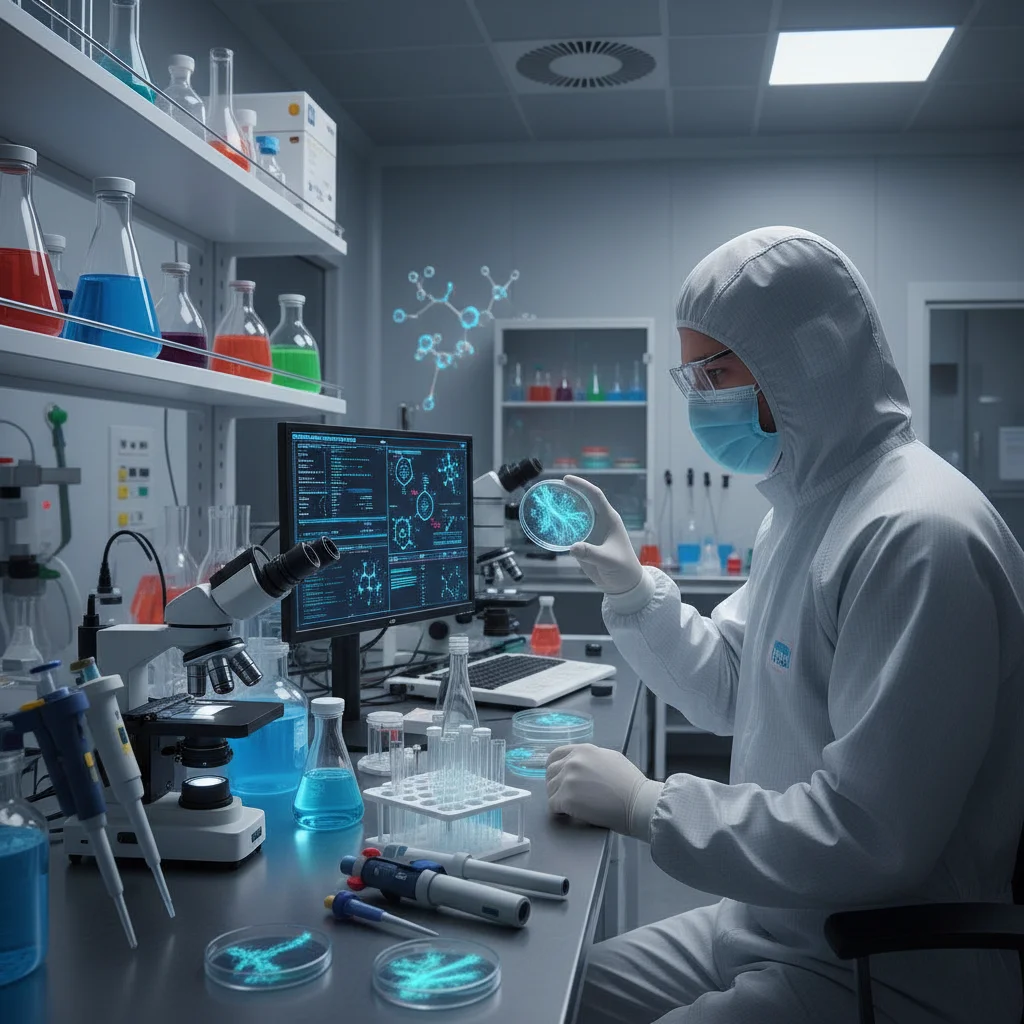
Oral probiotics are specific strains of beneficial bacteria designed to colonize the mouth and restore balance. Unlike general probiotics, these are specially selected for their ability to combat common oral pathogens, reduce inflammation, and even produce compounds that inhibit the growth of cavity-causing bacteria. By 2026, we expect to see a wider range of scientifically validated oral probiotic products, including lozenges, chewing gums, and even toothpastes, becoming readily available for US families.
For example, certain probiotic strains have been shown to compete with Streptococcus mutans, the primary bacterium responsible for tooth decay. By introducing these beneficial strains, we can effectively reduce the population of harmful bacteria, thereby lowering the risk of cavities. Other strains can help manage gum inflammation and reduce the symptoms of gingivitis, offering a natural and effective way to maintain gum health.
Personalized Microbiome Analysis
Building on the AI diagnostics mentioned earlier, future dental practices may offer personalized oral microbiome analysis. This involves taking a saliva sample and analyzing its bacterial composition to identify imbalances. Based on this analysis, dentists could recommend specific probiotic strains or dietary adjustments to rebalance the microbiome and protect against disease. This level of personalized prevention is a powerful tool for maintaining long-term oral health for every member of the family.
The implications for US families are profound. Imagine a future where a simple probiotic lozenge, taken daily, significantly reduces your child’s risk of cavities, or helps an adult manage chronic gum inflammation without aggressive treatments. This biological approach to oral health represents a significant step towards truly preventive and holistic dental care, harnessing the body’s own defenses to maintain health.
4. Smart Oral Hygiene Devices and Remote Monitoring
The way we clean our teeth at home is also undergoing a revolution, driven by smart technology. By 2026, smart oral hygiene devices and remote monitoring will be among the most accessible oral health breakthroughs for US families, transforming daily brushing and flossing into highly effective, data-driven routines.
The Evolution of the Smart Toothbrush
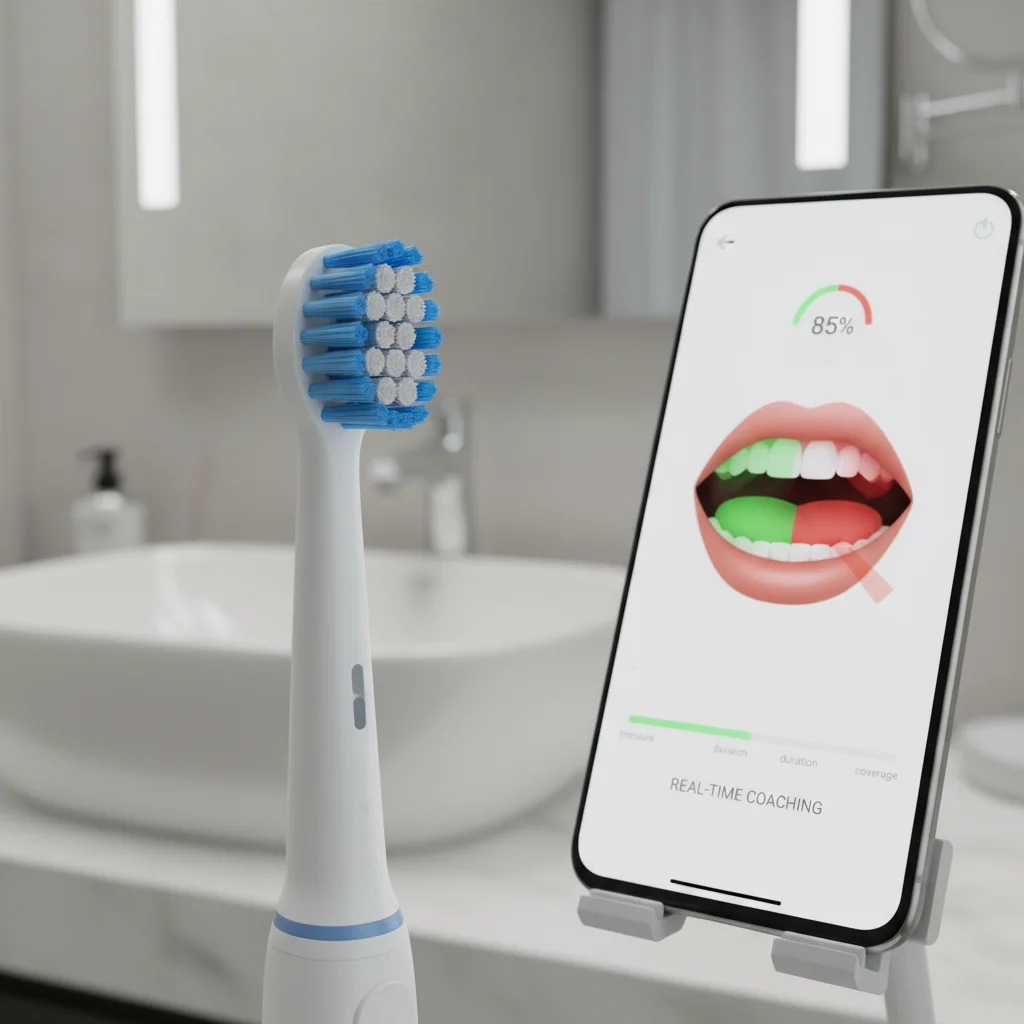
Smart toothbrushes are already on the market, but the next generation will be far more advanced. These devices will incorporate sophisticated sensors that map every surface of your mouth, ensuring comprehensive cleaning. They will provide real-time feedback on brushing pressure, duration, and coverage, often through an accompanying smartphone app. Imagine a toothbrush that not only tells you which areas you’ve missed but also guides you to improve your technique, ensuring every brush stroke is effective.
These advanced smart toothbrushes will also collect data over time, creating a detailed oral hygiene profile for each user. This data can then be shared with your dentist during check-ups, providing valuable insights into your daily habits and helping them offer more personalized advice. For parents, this means being able to monitor their children’s brushing habits, ensuring they are developing good oral hygiene routines from a young age, and significantly boosting cavity prevention efforts.
Integrated Oral Health Ecosystems
Beyond toothbrushes, we’ll see the emergence of integrated oral health ecosystems. This could include smart flossers that measure plaque removal, oral irrigators with targeted cleaning modes, and even smart mouthwashes that analyze oral biomarkers. All these devices will connect to a central app, providing a holistic view of your oral health and offering personalized recommendations based on your unique needs and habits.
For example, a smart flosser might detect areas of heavy plaque buildup and suggest a targeted oral irrigator session. A smart mouthwash could detect early signs of gum inflammation and recommend a specific probiotic rinse or an earlier visit to the dentist. This interconnectedness empowers individuals to take a much more proactive role in their oral health, moving beyond basic cleaning to advanced, data-driven self-care.
Remote Monitoring and Teledentistry
The integration of smart devices also paves the way for enhanced remote monitoring and teledentistry. Patients could use at-home scanning devices or even smartphone cameras with specialized attachments to send images and data to their dentist for virtual consultations. For routine follow-ups, post-treatment checks, or even initial assessments, this can reduce the need for in-person visits, saving time and making dental care more convenient for busy US families.
Dentists, armed with data from smart devices and remote imaging, can provide timely advice, adjust treatment plans, and intervene before minor issues escalate into major problems. This proactive approach, facilitated by smart technology, is a cornerstone of the future of preventive dental care, offering unparalleled convenience and effectiveness.
The Broader Impact of These Oral Health Breakthroughs on US Families
The combined effect of these four oral health breakthroughs will be transformative for US families. The promise of 25% better cavity prevention is just the beginning. We’re looking at a future where:
- Reduced Dental Anxiety: With earlier detection, less invasive treatments, and a greater emphasis on prevention, dental visits will become less daunting and more routine, especially for children.
- Lower Long-Term Costs: Preventing problems is always cheaper than treating them. By significantly reducing the incidence of cavities, gum disease, and other major issues, families will see a decrease in their overall dental expenditures over time.
- Improved General Health: The link between oral health and systemic health is undeniable. A healthier mouth contributes to a healthier body, reducing the risk of conditions like heart disease, diabetes complications, and even certain types of cancer. These oral health breakthroughs will have a positive ripple effect on overall family well-being.
- Enhanced Quality of Life: A healthy smile boosts confidence, improves speech, and allows for comfortable eating. By ensuring optimal oral health from a young age, these innovations will contribute to a higher quality of life for every family member.
- Greater Accessibility to Care: Teledentistry and remote monitoring, coupled with more efficient in-office treatments, will make quality dental care more accessible to a wider population, addressing disparities in healthcare access across the nation.
The journey to 2026 will see dental professionals increasingly integrate these technologies and approaches into their practices. It will also require an educated public that understands and embraces these new tools and methodologies. As these oral health breakthroughs become mainstream, families will need to stay informed and engage with their dental providers to make the most of these exciting opportunities.
Conclusion: A Brighter Future for Oral Health
The next few years are set to be an incredibly exciting period for oral health. The convergence of AI, advanced materials, microbiome science, and smart technology is creating a synergy that will fundamentally change how we approach dental care. These four oral health breakthroughs – AI-powered predictive diagnostics, advanced biocompatible materials and regenerative dentistry, oral microbiome management, and smart oral hygiene devices – are not just scientific curiosities; they are practical innovations poised to deliver tangible benefits to US families.
By 2026, we can confidently anticipate a future with significantly lower rates of dental disease, more personalized and effective treatments, and a greater emphasis on true prevention. For US families, this means less pain, fewer worries, and the invaluable gift of healthy, confident smiles that last a lifetime. Prepare to embrace a new era of dental wellness, where the future of oral health is brighter and more promising than ever before.