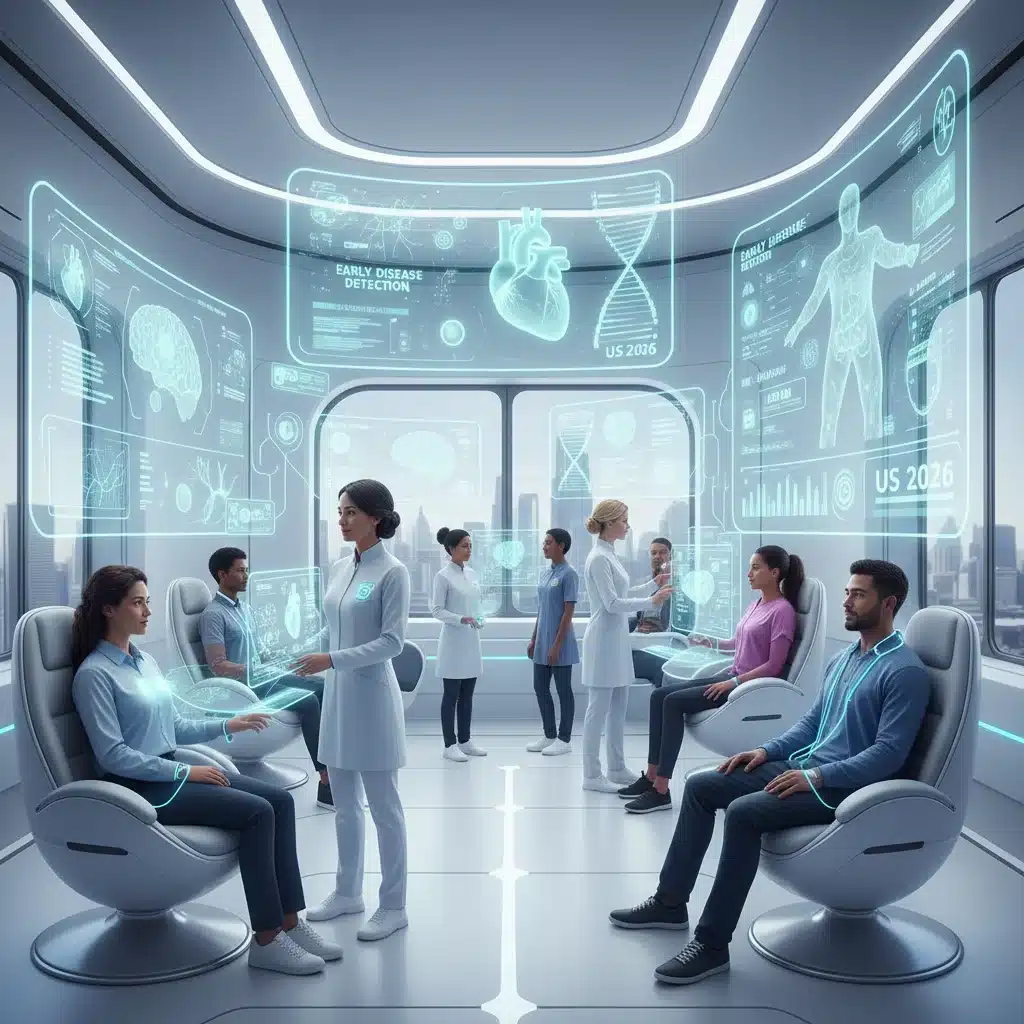
Revolutionizing Health: New Technologies for Early Disease Detection in the US (2026)
The dawn of 2026 brings with it a wave of transformative technologies poised to redefine preventative healthcare in the United States. For too long, healthcare has predominantly been reactive, focusing on treating illnesses after they manifest. However, a paradigm shift is underway, driven by groundbreaking innovations that promise to detect diseases at their earliest, most treatable stages. This proactive approach to health is not just about extending lifespans; it’s about enhancing the quality of life, reducing healthcare burdens, and empowering individuals with unprecedented insights into their own well-being. The focus on early disease detection is paramount, offering a window of opportunity for interventions that were once unimaginable.
The implications of this shift are profound. Imagine a future where chronic conditions like cancer, heart disease, and neurodegenerative disorders are identified long before symptoms appear, allowing for personalized preventative strategies or early therapeutic interventions. This isn’t science fiction; it’s the near-future reality being shaped by advancements in artificial intelligence, genomics, liquid biopsies, and sophisticated wearable technologies. These innovations are not merely incremental improvements; they represent fundamental disruptions that will reshape the entire healthcare ecosystem.
In this comprehensive exploration, we will delve into four key technological advancements that are set to revolutionize early disease detection in the US by 2026. We’ll examine their mechanisms, potential impact, current challenges, and the ethical considerations that accompany such powerful capabilities. Our aim is to provide a clear understanding of how these technologies will empower both healthcare providers and individuals in the quest for a healthier future.
1. Artificial Intelligence (AI) and Machine Learning in Diagnostics
Artificial Intelligence (AI) and Machine Learning (ML) are not just buzzwords; they are rapidly becoming indispensable tools in the medical field, particularly in the realm of early disease detection. By 2026, AI-powered diagnostic systems are expected to be ubiquitous in US healthcare, offering unparalleled capabilities in analyzing vast datasets, identifying subtle patterns, and predicting disease risk with remarkable accuracy.
The Power of Pattern Recognition
Traditional diagnostic methods often rely on human interpretation, which, while skilled, can be limited by cognitive biases and the sheer volume of information. AI algorithms, on the other hand, can process petabytes of data from various sources – medical imaging (X-rays, MRIs, CT scans), electronic health records (EHRs), genetic information, and even real-time physiological data from wearables. This ability to synthesize and analyze complex, multi-modal data allows AI to detect minute anomalies that might be imperceptible to the human eye, signaling the very earliest stages of disease.
Applications in Medical Imaging
One of the most significant impacts of AI in early disease detection is in medical imaging. AI algorithms are being trained on millions of images to identify cancerous lesions, retinal diseases, neurological disorders, and cardiovascular issues with greater speed and accuracy than ever before. For example, AI can analyze mammograms to detect breast cancer at an earlier stage, often before it becomes palpable. Similarly, in ophthalmology, AI can screen for diabetic retinopathy, a leading cause of blindness, enabling timely intervention. The integration of AI into radiology workflows is not about replacing radiologists but augmenting their capabilities, allowing them to focus on more complex cases and improving overall diagnostic efficiency.
Predictive Analytics for Risk Assessment
Beyond image analysis, AI excels at predictive analytics. By analyzing a patient’s historical data, genetic predispositions, lifestyle factors, and environmental exposures, AI models can calculate an individual’s risk of developing certain diseases in the future. This allows for highly personalized preventative care plans, including targeted screenings, lifestyle modifications, and prophylactic treatments. For instance, AI can help identify individuals at high risk for type 2 diabetes or certain heart conditions years in advance, prompting early interventions that can significantly delay or even prevent disease onset. This proactive risk assessment is a cornerstone of effective early disease detection.
Challenges and Ethical Considerations
Despite its immense promise, the widespread adoption of AI in diagnostics faces challenges. Data privacy and security are paramount concerns, as these systems rely on sensitive patient information. The ‘black box’ nature of some AI algorithms, where the decision-making process isn’t entirely transparent, raises questions about accountability and interpretability. Furthermore, ensuring equitable access to these advanced AI diagnostics across diverse populations is crucial to avoid exacerbating existing health disparities. Robust regulatory frameworks and ethical guidelines are essential to harness AI’s full potential responsibly for early disease detection.
2. Advanced Genomics and Personalized Medicine
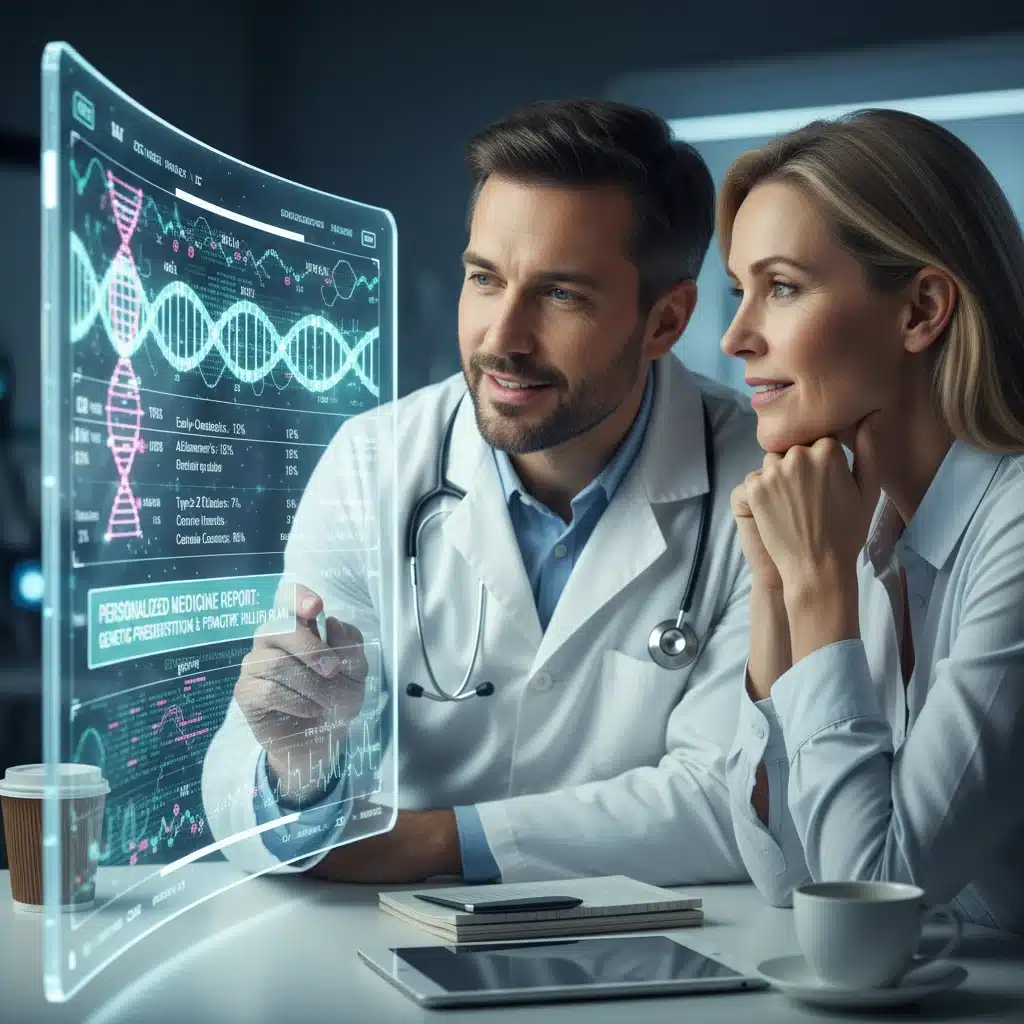
The human genome, once an enigma, is now an open book, thanks to rapid advancements in sequencing technologies. By 2026, advanced genomics will play an even more central role in early disease detection, moving beyond rare genetic disorders to inform personalized preventative strategies for common chronic diseases. This field is ushering in an era of truly personalized medicine, where healthcare is tailored to an individual’s unique genetic blueprint.
Whole Genome Sequencing for Risk Prediction
The cost of whole genome sequencing (WGS) has plummeted, making it increasingly accessible. In the coming years, WGS could become a routine part of preventative health check-ups, especially for newborns or individuals with a family history of certain diseases. By analyzing an individual’s entire genetic code, healthcare providers can identify predispositions to a wide range of conditions, from specific cancers to cardiovascular diseases, autoimmune disorders, and even adverse drug reactions. This information empowers individuals and their doctors to implement highly targeted screening protocols and lifestyle interventions long before symptoms develop, significantly improving the chances of early disease detection.
Pharmacogenomics: Tailoring Treatments
Beyond risk prediction, pharmacogenomics – the study of how genes affect a person’s response to drugs – is becoming increasingly sophisticated. Genetic variations can influence how effectively a medication works and whether it causes side effects. By understanding a patient’s genetic profile, doctors can prescribe the most effective drugs at the optimal dosages, minimizing trial-and-error and improving treatment outcomes. While not directly an early disease detection tool, pharmacogenomics plays a crucial role in ensuring that if a disease is detected early, the subsequent treatment is as precise and effective as possible, preventing further progression.
Liquid Biopsies: Non-Invasive Genetic Screening
A particularly exciting development in genomics for early disease detection is the advent of liquid biopsies, which we will explore in more detail later. These non-invasive tests can detect circulating tumor DNA (ctDNA) or other genetic markers from a simple blood draw, allowing for the detection of cancer at its earliest stages, even before a tumor is visible on imaging. This technology represents a significant leap forward in cancer screening and monitoring.
Ethical and Societal Implications
The power of genomic information comes with significant ethical and societal considerations. Questions around genetic privacy, the potential for genetic discrimination (in employment or insurance), and the psychological impact of knowing one’s genetic predispositions are all critical. Furthermore, ensuring equitable access to genomic sequencing and genetic counseling is essential to prevent a widening health gap. As genomics becomes more integrated into mainstream healthcare for early disease detection, robust ethical frameworks and public education will be vital.
3. Liquid Biopsies for Cancer and Other Diseases
Liquid biopsies are perhaps one of the most revolutionary advancements in early disease detection, particularly for cancer. Unlike traditional tissue biopsies, which are invasive and often require surgical procedures, liquid biopsies are non-invasive, involving only a simple blood draw. This technology is rapidly evolving and by 2026, it is expected to transform cancer screening, monitoring, and even the detection of other diseases.
Detecting Circulating Biomarkers
The premise behind liquid biopsies is the detection of circulating biomarkers in bodily fluids, primarily blood. These biomarkers can include circulating tumor DNA (ctDNA), circulating tumor cells (CTCs), exosomes, and other molecular fragments shed by diseased cells. For cancer, as a tumor grows, it releases fragments of its DNA into the bloodstream. Liquid biopsies can detect these minute amounts of ctDNA, often long before a tumor is large enough to be detected by imaging techniques like MRI or CT scans. This capability is a game-changer for early disease detection, moving from reactive diagnosis to proactive screening.
Applications in Cancer Screening and Monitoring
The primary application of liquid biopsies is in cancer. Imagine a future where a routine blood test could screen for multiple types of cancer simultaneously, detecting the presence of cancerous cells at Stage 0 or Stage I, when treatment is most effective. This could dramatically improve survival rates for many cancers, including pancreatic, ovarian, and lung cancers, which are often diagnosed at advanced stages due to a lack of effective early screening methods. Beyond initial screening, liquid biopsies are invaluable for monitoring cancer recurrence and assessing treatment effectiveness, allowing for rapid adjustments to therapy based on real-time molecular insights. This continuous monitoring is a powerful tool for maintaining health and preventing disease progression.
Beyond Cancer: Expanding Horizons
While cancer is the most prominent application, the potential of liquid biopsies extends far beyond. Researchers are exploring their use in detecting other conditions, such as infectious diseases (by identifying circulating pathogen DNA), neurodegenerative disorders (by detecting protein aggregates or neuronal damage markers), and even cardiovascular diseases. The ability to non-invasively sample and analyze disease-specific biomarkers from blood opens up a vast array of possibilities for early disease detection across various medical specialties.
Challenges and Future Outlook
Despite their incredible promise, liquid biopsies face challenges, including sensitivity (detecting very low concentrations of biomarkers), specificity (distinguishing disease-related biomarkers from normal cellular processes), and the need for standardized protocols. However, ongoing research and technological refinements are rapidly addressing these issues. By 2026, we anticipate more widespread clinical validation and integration of liquid biopsies into routine preventative care, particularly for high-risk individuals, making early disease detection more accessible and less invasive.
4. Wearable Technology and Continuous Health Monitoring
The proliferation of wearable technology has already begun to transform personal health management. By 2026, these devices will evolve significantly, becoming sophisticated medical-grade tools for continuous health monitoring and proactive early disease detection, seamlessly integrating into our daily lives.
Beyond Step Counts: Advanced Biometric Tracking
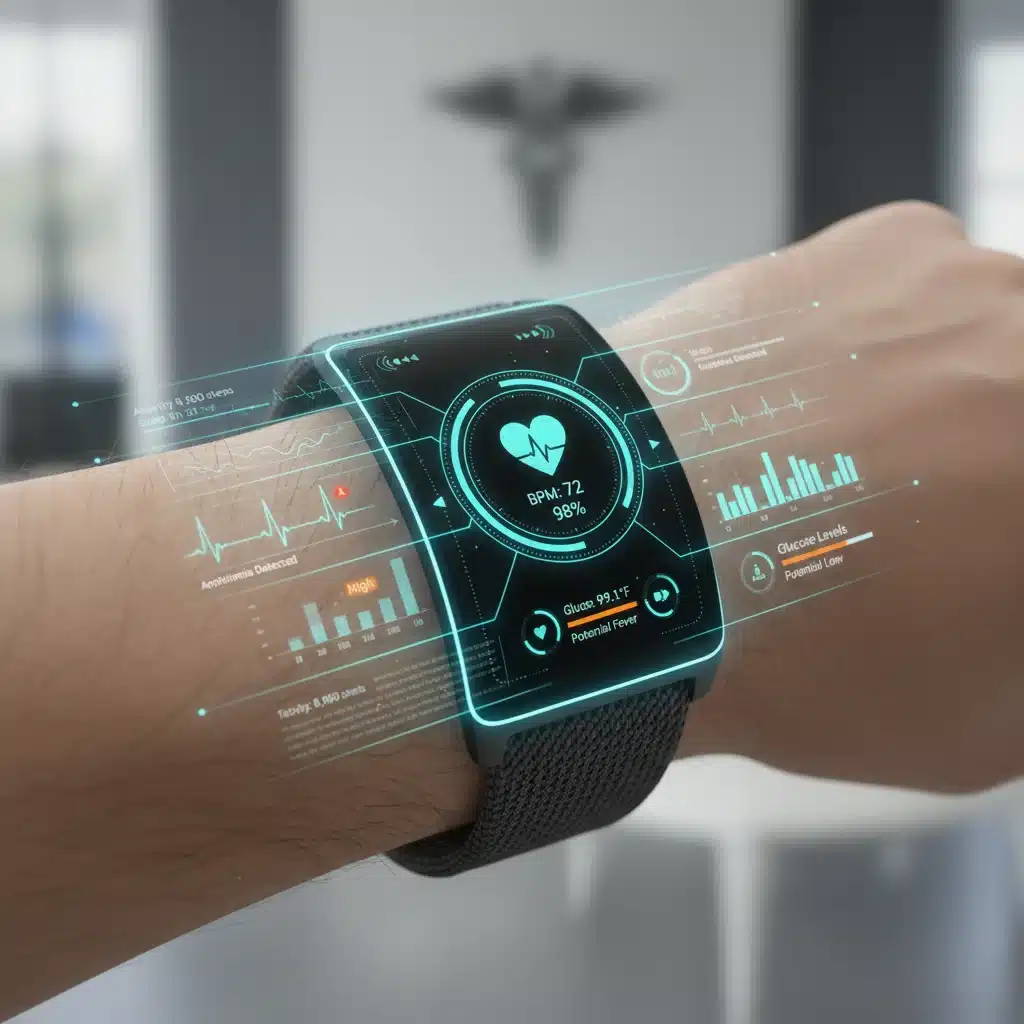
Modern wearables go far beyond tracking steps and calories. Today’s smartwatches and rings can monitor heart rate, heart rate variability (HRV), sleep patterns, skin temperature, blood oxygen levels (SpO2), and even detect atrial fibrillation (AFib). In the coming years, these capabilities will expand to include continuous glucose monitoring (CGM) for non-diabetics, blood pressure tracking, and even early detection of respiratory infections or stress markers. The constant stream of physiological data collected by these devices provides an unprecedented baseline of an individual’s health, allowing for the immediate identification of deviations that could signal the onset of illness. This continuous, passive monitoring is a powerful mechanism for early disease detection.
AI-Powered Alerts and Personalized Insights
The true power of next-generation wearables lies in their integration with AI. Instead of merely presenting raw data, AI algorithms will analyze the continuous streams of biometric information to identify subtle trends and patterns indicative of disease. Imagine a wearable that can detect a slight but persistent elevation in resting heart rate combined with changes in sleep quality and body temperature, and then alert the user and, with their permission, their healthcare provider, to a potential infection or stress-related issue. These AI-powered alerts will move beyond simple notifications to provide personalized insights and actionable recommendations, facilitating timely medical consultation and intervention for early disease detection.
Remote Patient Monitoring and Telemedicine Integration
Wearables are also instrumental in facilitating remote patient monitoring (RPM) and enhancing telemedicine. For individuals with chronic conditions, or those recovering from surgery, wearables can transmit vital health data directly to their care team, allowing for proactive management and preventing acute exacerbations. This reduces the need for frequent in-person visits, improves patient convenience, and ensures continuous oversight. As telemedicine becomes more ingrained in healthcare delivery, the data provided by wearables will become an indispensable component of virtual consultations, enabling physicians to make more informed decisions regarding early disease detection and ongoing care.
Privacy, Accuracy, and Data Overload
Challenges for widespread wearable adoption in medical contexts include ensuring data accuracy and reliability, particularly for medical-grade certifications. Privacy concerns regarding the vast amounts of personal health data collected are also significant. Furthermore, preventing data overload for both users and healthcare providers will require intelligent filtering and actionable insights rather than raw data dumps. However, as these issues are addressed, wearables will become increasingly indispensable tools for empowering individuals to take an active role in their health and facilitate early disease detection.
The Broader Impact on Preventative Healthcare and the Economy
The integration of these advanced technologies for early disease detection extends far beyond individual patient benefits. It promises a fundamental reshaping of the entire healthcare landscape in the US. The shift from reactive to proactive care has significant economic implications, potentially reducing the burden on emergency services and long-term care facilities. Detecting diseases earlier often means less invasive, less costly, and more effective treatments, leading to better patient outcomes and a more sustainable healthcare system.
Reduced Healthcare Costs
Consider the economic impact of diagnosing cancer at Stage I versus Stage IV. The treatment costs, hospital stays, and long-term care expenses for advanced-stage cancers are astronomically higher. By enabling early disease detection, these technologies can significantly reduce overall healthcare expenditures, freeing up resources for other critical areas. Similarly, preventing or delaying the onset of chronic conditions like type 2 diabetes or heart disease through early intervention reduces the need for costly medications, surgeries, and ongoing management.
Improved Public Health Outcomes
On a population level, widespread adoption of these technologies can lead to improved public health outcomes. Earlier detection of infectious diseases, for example, through advanced genomic sequencing or AI-powered surveillance systems, can help contain outbreaks more effectively. By identifying at-risk populations for various conditions, public health initiatives can be more targeted and impactful, leading to a healthier, more productive society. The focus on early disease detection becomes a cornerstone of national health strategies.
Ethical Frameworks and Regulatory Landscape
As these powerful technologies become more integrated, the need for robust ethical frameworks and a responsive regulatory landscape becomes paramount. Questions around data ownership, algorithmic bias, equitable access, and the psychological impact of predictive diagnostics must be carefully addressed. Regulatory bodies like the FDA will play a crucial role in ensuring the safety, efficacy, and responsible deployment of these innovations. Striking the right balance between fostering innovation and protecting patient rights will be critical to realizing the full potential of early disease detection technologies.
Empowering Individuals
Ultimately, these technologies empower individuals to become more active participants in their own health journeys. With greater access to personalized health data, risk assessments, and early warning systems, people can make more informed decisions about their lifestyle, seek timely medical advice, and engage in preventative behaviors. This shift towards personalized, proactive health management is perhaps the most profound impact of these advancements in early disease detection.
Conclusion: A Healthier Future Through Early Detection
The year 2026 is poised to be a pivotal moment in the history of preventative healthcare in the US. The convergence of Artificial Intelligence, advanced genomics, revolutionary liquid biopsies, and sophisticated wearable technology is creating an unprecedented opportunity for early disease detection. These innovations promise to move us beyond a reactive healthcare model, where treatment often begins after significant damage has occurred, to a proactive one focused on prevention and early intervention.
While challenges remain in terms of data privacy, equitable access, and regulatory oversight, the trajectory is clear. The ability to identify diseases at their earliest, most treatable stages will not only save countless lives but also significantly improve the quality of life for millions. It will reduce the economic burden of chronic illness, foster healthier communities, and empower individuals with a deeper understanding and control over their own well-being. The future of healthcare is one where early disease detection is not an exception but the norm, paving the way for a healthier, more vibrant society.
As these technologies continue to evolve, continuous research, ethical deliberation, and collaborative efforts between technologists, healthcare providers, policymakers, and the public will be essential. The promise of a healthier future, built on the pillars of innovation and early detection, is within our grasp, and the journey to 2026 marks a significant stride in that direction.