Navigating Chronic Conditions: 2026 US Support & Resources

The 2026 Guide to Understanding and Managing Chronic Conditions: New US-Based Support Systems and Resources
The landscape of healthcare is ever-evolving, and for the millions of Americans living with chronic conditions, staying informed about the latest advancements, support systems, and resources is paramount. As we look towards 2026, significant strides have been made in both medical science and patient care, offering new hope and improved quality of life. This comprehensive guide aims to illuminate the current state of understanding and managing chronic conditions US, highlighting the innovative approaches and robust support networks available across the United States.
Chronic conditions, by definition, are long-lasting health problems that cannot be cured but can be controlled. These include, but are not limited to, diabetes, heart disease, arthritis, asthma, autoimmune disorders, and various mental health conditions. The impact of these conditions extends beyond physical symptoms, often affecting mental well-being, financial stability, and social interactions. Therefore, effective management of chronic conditions US requires a holistic approach that addresses all facets of a patient’s life.
Understanding the Evolving Landscape of Chronic Conditions in the US
The year 2026 marks a pivotal moment in healthcare, with a heightened focus on personalized medicine, preventative care, and integrated health systems. The understanding of chronic conditions US has deepened, moving away from a one-size-fits-all treatment model to highly individualized care plans. This shift is driven by advancements in genomics, artificial intelligence, and big data analytics, which allow healthcare providers to tailor interventions based on an individual’s unique genetic makeup, lifestyle, and environmental factors.
Technological Advancements Revolutionizing Chronic Care
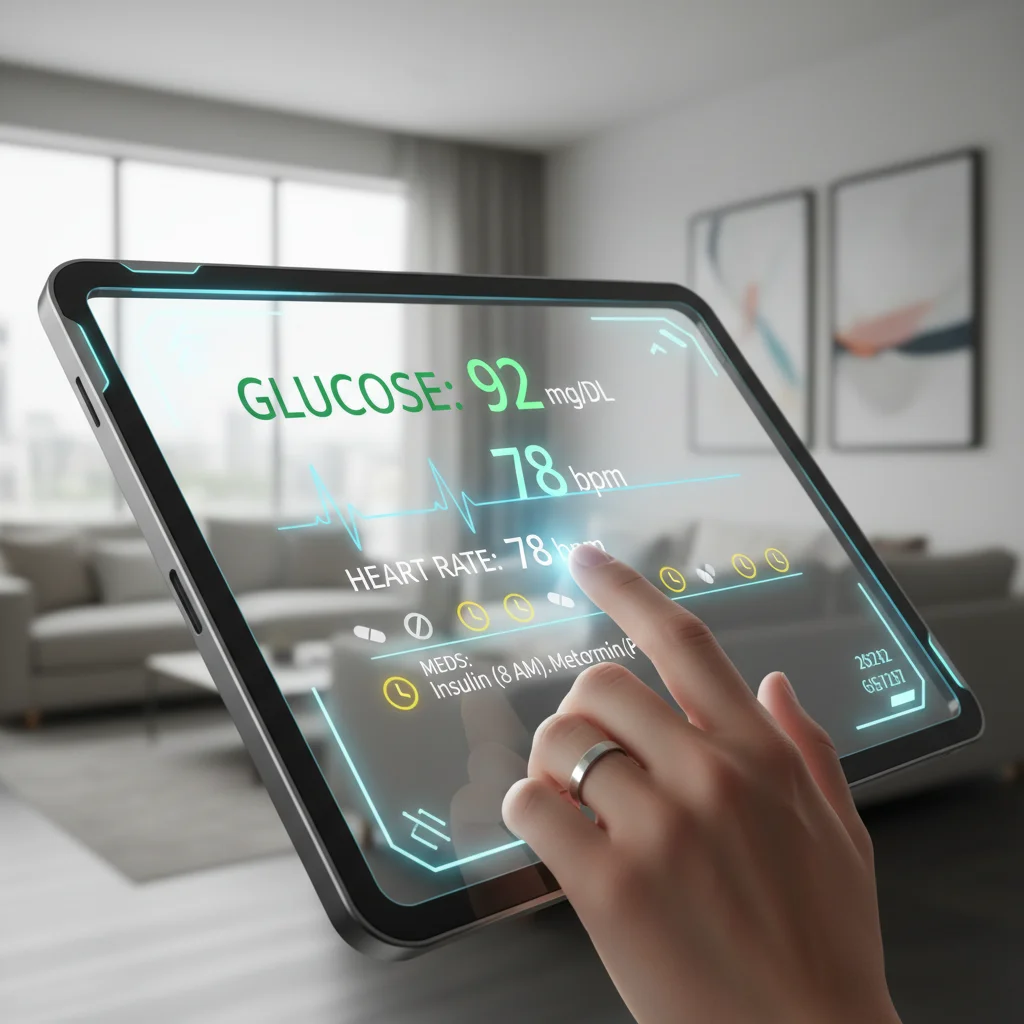
The integration of technology has been a game-changer in managing chronic conditions US. Wearable devices, smart sensors, and mobile health applications are no longer novelties but essential tools for continuous monitoring, data collection, and proactive intervention. Patients can now track their vital signs, medication adherence, and activity levels in real-time, providing valuable insights to their healthcare teams. This continuous feedback loop enables quicker adjustments to treatment plans and helps prevent exacerbations, ultimately leading to better health outcomes.
- Remote Patient Monitoring (RPM): RPM systems are becoming more sophisticated, allowing healthcare providers to monitor patients from a distance, reducing the need for frequent in-person visits and improving access to care, especially for those in rural areas.
- AI-Powered Diagnostics: Artificial intelligence is assisting in earlier and more accurate diagnoses of chronic conditions US, analyzing vast amounts of medical data to identify patterns that might be missed by the human eye.
- Telemedicine and Virtual Care: Telemedicine has solidified its role as a primary mode of consultation and follow-up, offering convenience and accessibility for patients managing chronic illnesses.
The Role of Genomics and Personalized Medicine
Personalized medicine, fueled by genomic research, is transforming how chronic conditions US are treated. By analyzing an individual’s genetic profile, doctors can predict their susceptibility to certain conditions, determine the most effective medications, and identify potential adverse reactions. This precision approach minimizes trial-and-error, leading to more efficient and effective treatment regimens. For patients, this means fewer side effects, better symptom control, and a more tailored path to managing their health.
New US-Based Support Systems for Chronic Conditions in 2026
Beyond medical treatments, robust support systems are crucial for individuals living with chronic conditions US. In 2026, there’s a renewed emphasis on holistic support that encompasses psychological, social, and practical assistance. These systems are designed to empower patients, foster self-management skills, and build resilient communities.
Integrated Care Models
Integrated care models are gaining traction, bringing together various healthcare professionals—doctors, nurses, therapists, dietitians, and social workers—to work collaboratively on a patient’s care plan. This multidisciplinary approach ensures that all aspects of a chronic condition are addressed, from medical management to mental health and social determinants of health. The goal is to provide seamless, coordinated care that reduces fragmentation and improves patient experience.
Community-Based Support Networks
Local communities are playing an increasingly vital role in supporting individuals with chronic conditions US. Community health centers, non-profit organizations, and patient advocacy groups are expanding their services to offer educational programs, support groups, and access to essential resources. These networks provide a sense of belonging, reduce isolation, and equip patients with practical tools for daily living.
- Peer Support Programs: These programs connect individuals with shared experiences, allowing them to learn from one another, share coping strategies, and offer emotional support.
- Wellness Workshops: Many communities offer free or low-cost workshops on topics such as nutrition, stress management, exercise, and mindfulness, all tailored to individuals with chronic conditions US.
- Caregiver Support: Recognizing the critical role of caregivers, new programs are emerging to provide them with resources, training, and respite care, ensuring they can sustain their vital support without burnout.
Mental Health Integration
The strong link between physical and mental health is now widely acknowledged. Mental health integration into chronic care management is a priority in 2026. This means that individuals managing chronic conditions US are routinely screened for depression, anxiety, and other mental health issues, with access to integrated behavioral health services within their primary care settings or through seamless referrals. Addressing mental health concerns can significantly improve overall health outcomes and quality of life for those with chronic illnesses.
Key Resources for Managing Chronic Conditions in the US (2026)
Access to reliable information and practical resources is fundamental for effective self-management of chronic conditions US. The digital age has brought a wealth of online tools, but navigating this vast ocean of information can be challenging. This section highlights some of the most valuable resources available in 2026.
Government and National Health Organizations
Several government agencies and national health organizations provide comprehensive resources, guidelines, and funding for research related to chronic conditions US.
- Centers for Disease Control and Prevention (CDC): The CDC remains a leading source for public health information, statistics, and prevention strategies for various chronic diseases.
- National Institutes of Health (NIH): The NIH conducts and supports medical research, offering insights into new treatments and therapies for chronic conditions US. Their websites provide detailed information on specific diseases.
- Agency for Healthcare Research and Quality (AHRQ): AHRQ focuses on improving the quality, safety, efficiency, and effectiveness of healthcare, offering evidence-based resources for both patients and providers.
Patient Advocacy and Disease-Specific Foundations
Numerous non-profit organizations are dedicated to specific chronic conditions US, providing targeted support, education, and advocacy.
- American Diabetes Association (ADA): Offers resources for managing diabetes, including meal plans, exercise tips, and support groups.
- American Heart Association (AHA): Provides guidance on heart health, stroke prevention, and living with cardiovascular conditions.
- Arthritis Foundation: Focuses on improving the lives of individuals with arthritis through research, advocacy, and community programs.
- National Alliance on Mental Illness (NAMI): A leading voice on mental health, offering support, education, and advocacy for individuals and families affected by mental illness.
- Crohn’s & Colitis Foundation: Dedicated to finding cures for Crohn’s disease and ulcerative colitis, and improving the quality of life of children and adults affected by these diseases.
These organizations often host events, provide educational materials, and connect patients with local support networks, making them invaluable for navigating the complexities of chronic conditions US.
Digital Health Platforms and Apps
The market for digital health tools continues to expand, offering innovative ways to manage chronic conditions US. In 2026, many apps are integrated with electronic health records (EHRs) and provide personalized coaching, medication reminders, and symptom trackers.
- Medication Management Apps: These apps help patients remember to take their medications on time, track dosages, and manage refills.
- Symptom Trackers: Users can log their symptoms, triggers, and daily activities, helping them and their doctors identify patterns and adjust treatment plans effectively.
- Telehealth Platforms: Beyond basic consultations, some platforms now offer virtual physical therapy, mental health counseling, and nutritional guidance specifically for chronic disease management.
Navigating Insurance and Healthcare Costs for Chronic Conditions
One of the most pressing concerns for individuals with chronic conditions US is the cost of healthcare. Understanding insurance coverage, financial assistance programs, and patient rights is crucial for accessing necessary care without undue financial burden.
Understanding Health Insurance in 2026
In 2026, health insurance plans continue to vary widely, with different deductibles, co-pays, and coverage for specialized services. It is essential for patients to thoroughly understand their policy details, particularly regarding prescription drug coverage, specialist visits, and durable medical equipment. Many plans now offer enhanced coverage for preventative care and chronic disease management programs, recognizing that proactive management can reduce long-term costs.
Patient Assistance Programs (PAPs)
Pharmaceutical companies, non-profit organizations, and government programs offer Patient Assistance Programs (PAPs) to help eligible individuals afford their medications. These programs can significantly reduce or even eliminate out-of-pocket costs for expensive prescription drugs, a common challenge for those with chronic conditions US. Patients should explore these options if medication costs are a barrier to adherence.
Advocacy for Affordable Care
Patient advocacy groups play a vital role in lobbying for policies that ensure affordable and accessible healthcare for individuals with chronic conditions US. Staying informed about legislative changes and participating in advocacy efforts can contribute to systemic improvements in healthcare affordability.
Preventative Strategies and Lifestyle Management
While chronic conditions are long-lasting, many can be managed effectively through preventative strategies and significant lifestyle modifications. In 2026, there’s a strong emphasis on empowering individuals to take an active role in their health through informed choices.
Healthy Eating and Nutrition
Diet plays a pivotal role in managing many chronic conditions US, such as diabetes, heart disease, and inflammatory disorders. Access to registered dietitians and nutritionists, often covered by insurance, is becoming more widespread. These professionals can help create personalized meal plans that align with medical needs and personal preferences, promoting better health outcomes.
Regular Physical Activity
Engaging in regular physical activity, tailored to an individual’s capabilities and chronic condition, is highly beneficial. Exercise can improve cardiovascular health, manage weight, reduce inflammation, and boost mood. Many healthcare providers now prescribe exercise programs and connect patients with certified fitness professionals who specialize in working with individuals with chronic conditions US.
Stress Management and Mindfulness
Chronic stress can exacerbate many chronic conditions. Techniques such as mindfulness, meditation, yoga, and cognitive-behavioral therapy (CBT) are increasingly being integrated into chronic care plans. These practices help individuals cope with the emotional toll of living with a chronic illness, reduce stress levels, and improve overall mental well-being.
Smoking Cessation and Alcohol Moderation
For many chronic conditions US, smoking cessation and alcohol moderation are critical for preventing disease progression and improving treatment efficacy. Resources for quitting smoking and reducing alcohol intake are widely available through healthcare providers, public health initiatives, and support groups.

The Future of Chronic Condition Management in the US
Looking ahead, the future of managing chronic conditions US is bright with continued innovation and a growing commitment to patient-centered care. Research is advancing rapidly, promising new therapies, cures, and more effective management strategies.
Emerging Therapies and Cures
Biotechnology and pharmaceutical research are continuously exploring new frontiers. Gene therapies, stem cell treatments, and highly targeted medications are on the horizon for various chronic conditions US, offering the potential for disease modification and even cures in some cases. Clinical trials are an important avenue for patients to access these cutting-edge treatments.
Focus on Preventative Healthcare and Early Intervention
The healthcare system is increasingly shifting its focus from reactive treatment to proactive prevention and early intervention. This involves more robust public health campaigns, accessible screening programs, and educational initiatives aimed at reducing the incidence and severity of chronic conditions US before they become debilitating.
Greater Patient Empowerment and Shared Decision-Making
Patients are becoming more empowered in their healthcare journey, moving towards a model of shared decision-making with their providers. This means patients are actively involved in choosing their treatment paths, setting health goals, and managing their conditions, leading to greater adherence and satisfaction with care. Educational resources and patient navigators are key to facilitating this empowerment.
Conclusion
Managing chronic conditions US in 2026 is a journey that is increasingly supported by technological innovation, integrated care models, and a wealth of accessible resources. While the challenges remain, the advancements in personalized medicine, digital health, and community support offer renewed hope and practical solutions for individuals striving to live full and healthy lives. By staying informed, actively engaging with healthcare providers, and leveraging the available support systems, those with chronic conditions can navigate their health journey with greater confidence and improved well-being. The commitment to understanding and managing chronic conditions US is stronger than ever, paving the way for a healthier future for all.