Pain Management Innovations 2026: Non-Opioid Breakthroughs for US Patients
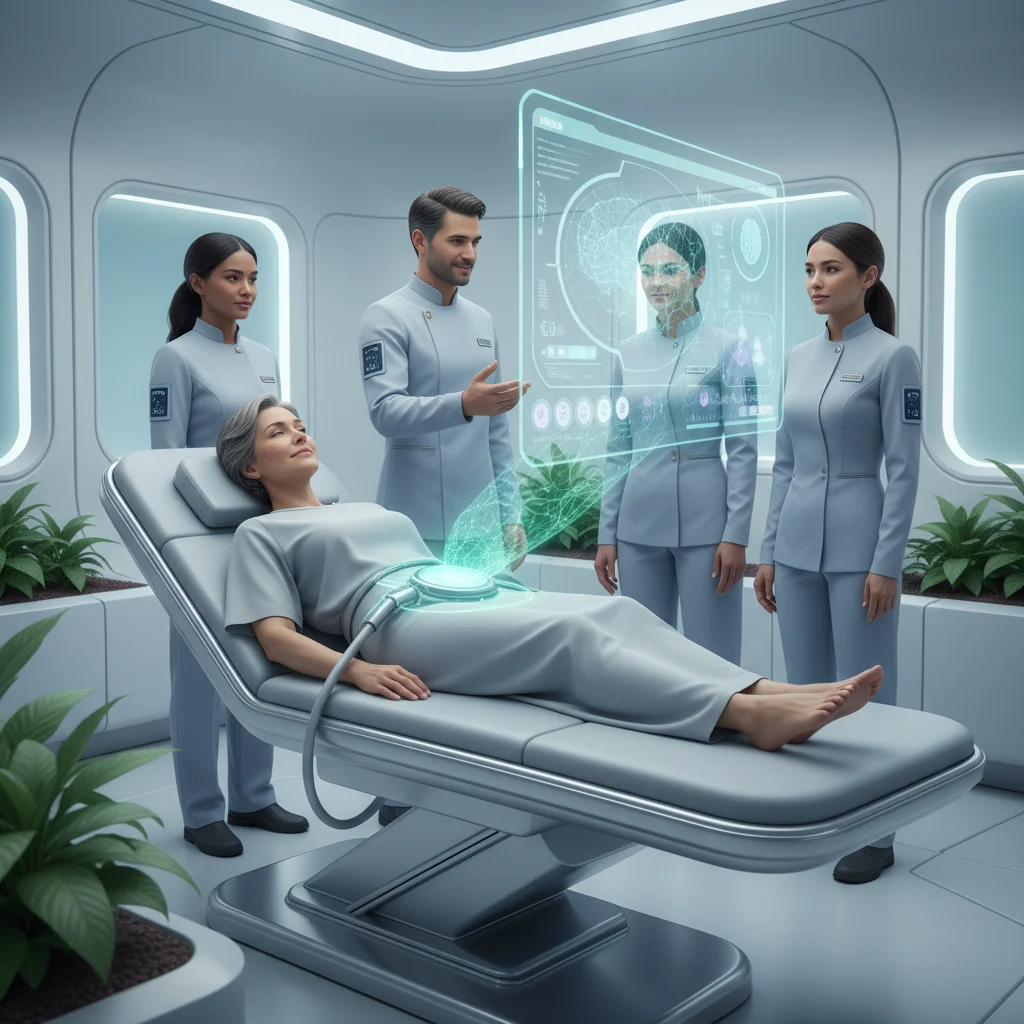
The landscape of pain management in the United States is on the cusp of a revolutionary transformation. For decades, opioids have been a cornerstone of severe pain treatment, but their widespread use has led to a devastating crisis of addiction and overdose. This pressing public health concern has spurred an unprecedented acceleration in research and development, aiming to uncover safer, more effective alternatives. As we look towards 2026, the promise of Non-Opioid Pain Breakthroughs is not just a distant dream but a tangible reality, offering new hope and improved quality of life for millions of Americans grappling with chronic pain.
Chronic pain affects an estimated 50 million adults in the U.S., a staggering number that underscores the urgent need for innovative solutions. Beyond the physical suffering, chronic pain exacts a heavy toll on mental health, economic productivity, and overall societal well-being. The limitations of current treatments, particularly the risks associated with long-term opioid use, have created a critical void that the medical community is now aggressively working to fill. This article delves into the exciting innovations poised to redefine pain management, specifically highlighting two groundbreaking non-opioid treatment breakthroughs expected to be widely available or significantly advanced by 2026.
Our journey into the future of pain relief will explore how these novel therapies are moving beyond symptomatic relief to target the underlying mechanisms of pain, promising not just temporary respite but potentially long-lasting solutions. We will examine the scientific principles behind these advancements, their potential impact on patient care, and what US patients can anticipate in the coming years. The era of relying predominantly on opioids is drawing to a close, paving the way for a more sophisticated, personalized, and patient-centric approach to pain management.
The Urgent Need for Non-Opioid Pain Breakthroughs
The opioid crisis has cast a long shadow over pain management. While opioids can be effective for acute, severe pain, their efficacy for chronic non-cancer pain is often limited, and the risks of dependence, addiction, and overdose are substantial. This has led to a paradigm shift in medical thinking, moving away from a purely pharmaceutical, opioid-centric model towards a more holistic and integrated approach that prioritizes patient safety and long-term well-being. The push for Non-Opioid Pain Breakthroughs is not merely about finding alternatives; it’s about fundamentally rethinking how pain is understood and treated.
The economic burden of chronic pain in the U.S. is immense, estimated to be between $560 billion and $635 billion annually, exceeding the costs of cancer and heart disease combined. This includes healthcare expenditures, lost productivity, and disability costs. Beyond the financial implications, the human cost is immeasurable: diminished quality of life, depression, anxiety, and social isolation are common companions of persistent pain. Traditional non-opioid options, such as NSAIDs, physical therapy, and certain antidepressants, often provide insufficient relief for many, or come with their own set of side effects and limitations. This gap in effective, safe treatment options has fueled intensive research into new modalities that can address chronic pain with greater precision and fewer adverse effects.
The scientific community’s understanding of pain itself has evolved significantly. We now recognize pain as a complex, multi-faceted experience influenced by biological, psychological, and social factors. This deeper understanding is driving the development of therapies that target specific pain pathways, modulate neural activity, or even repair damaged tissues, rather than simply masking symptoms. The focus is on finding sustainable solutions that improve function and enable patients to reclaim their lives. As we approach 2026, the fruits of this intensive labor are beginning to materialize, promising a new era of pain relief centered on innovation and patient safety.
Breakthrough 1: Advanced Neuromodulation Techniques for Chronic Pain
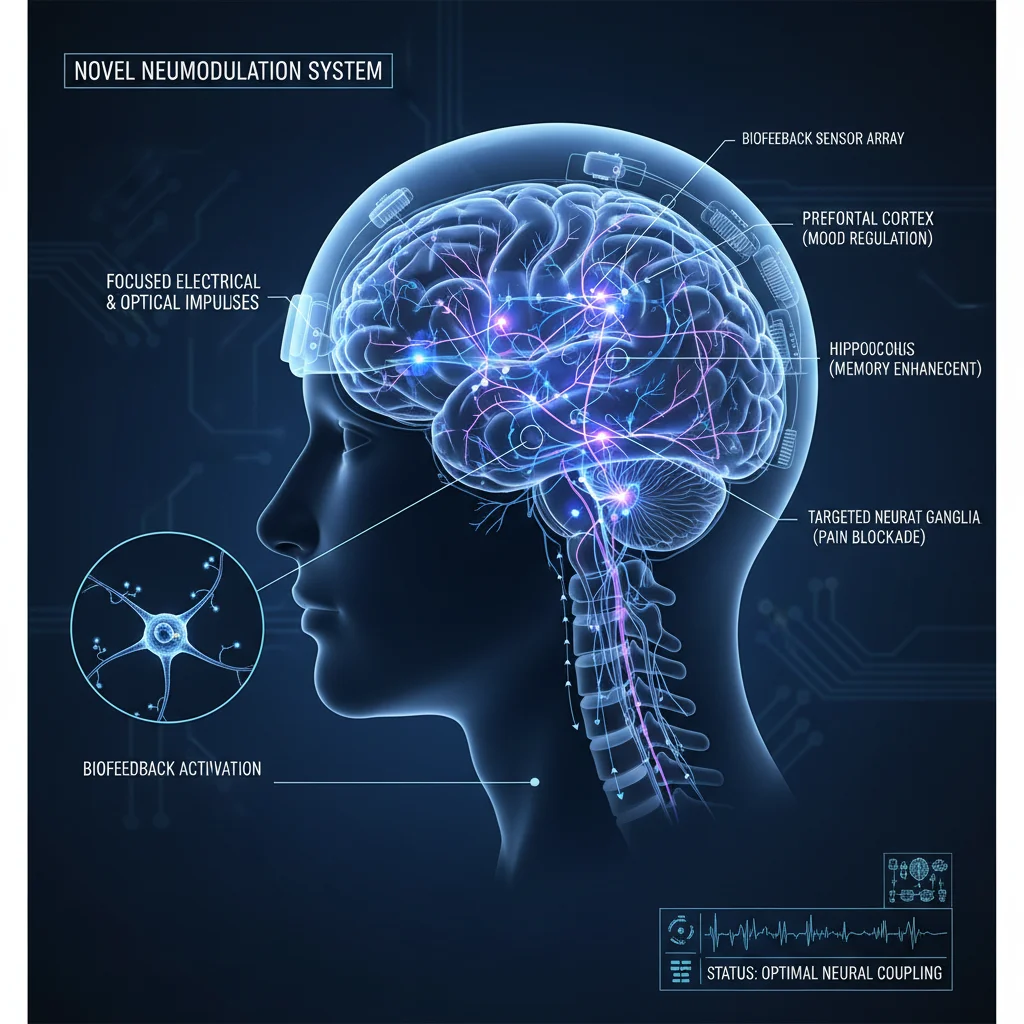
One of the most promising areas for Non-Opioid Pain Breakthroughs by 2026 lies in advanced neuromodulation techniques. Neuromodulation involves altering nerve activity through targeted delivery of electrical or chemical agents to specific neurological sites. While spinal cord stimulation (SCS) has been around for decades, the next generation of devices and approaches represents a significant leap forward in precision, efficacy, and patient comfort.
High-Frequency and Burst Stimulation
Traditional SCS typically uses low-frequency stimulation, which can sometimes lead to paresthesia (a tingling sensation) that some patients find uncomfortable. Newer forms of SCS, such as high-frequency stimulation (e.g., 10 kHz) and burst stimulation, are designed to provide pain relief without paresthesia. These modalities work by disrupting pain signals in different ways, offering more profound and consistent relief for conditions like chronic back pain, failed back surgery syndrome, and diabetic neuropathy.
High-frequency SCS, for instance, has shown superior outcomes in several clinical trials, demonstrating significant pain reduction and improved functional capacity for a broader range of patients. Burst stimulation, which delivers pulses in short, high-frequency packets, mimics natural neural firing patterns, potentially making it more effective at interrupting pain signals and reducing the perception of pain. By 2026, these advanced forms of SCS are expected to be more widely adopted and refined, offering a robust non-opioid alternative for patients who have not found relief with other treatments.
Dorsal Root Ganglion (DRG) Stimulation
Another significant advancement in neuromodulation is Dorsal Root Ganglion (DRG) stimulation. The DRG is a cluster of nerve cells located along the spinal cord that plays a critical role in transmitting pain signals from specific areas of the body. Unlike SCS, which stimulates the spinal cord generally, DRG stimulation targets the DRG directly, allowing for highly localized and precise pain relief.
This targeted approach makes DRG stimulation particularly effective for complex regional pain syndrome (CRPS) and neuropathic pain in specific body regions, such as the foot, groin, or knee, where traditional SCS might be less effective. Clinical studies have demonstrated superior pain relief and functional improvement with DRG stimulation for these challenging conditions. The ability to precisely target the source of pain without affecting other nerve pathways minimizes side effects and maximizes therapeutic benefit, positioning DRG stimulation as a key player in future Non-Opioid Pain Breakthroughs.
Peripheral Nerve Stimulation (PNS) and Bioelectronic Medicine
Beyond spinal applications, peripheral nerve stimulation (PNS) is also seeing significant innovation. Miniaturized, implantable PNS devices are being developed to target specific peripheral nerves responsible for localized chronic pain, such as knee pain after surgery or chronic headache. These devices are often less invasive than SCS and can be removed if no longer needed. The concept of ‘bioelectronic medicine,’ which uses electrical signals to modulate biological processes, is expanding rapidly, with PNS being a prime example.
By 2026, we anticipate further miniaturization of these devices, longer battery life, and more sophisticated programming options, allowing for personalized pain management strategies. The integration of artificial intelligence and machine learning into these devices could enable them to adapt stimulation patterns in real-time based on patient activity and pain levels, optimizing relief and improving patient outcomes. These advancements represent a significant step towards personalized, adaptive, and highly effective non-opioid pain relief.
Breakthrough 2: Gene-Based Therapies and Regenerative Approaches
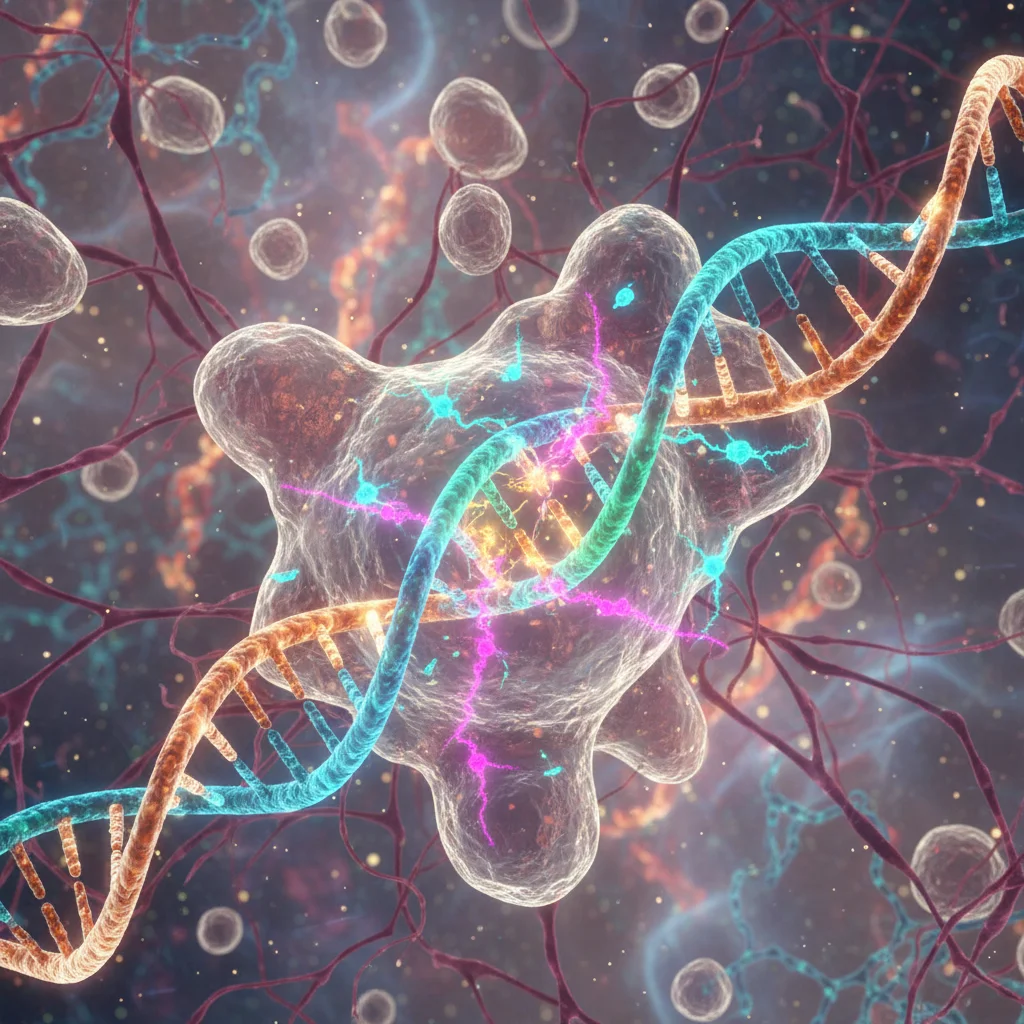
The second major area of Non-Opioid Pain Breakthroughs that will reshape pain management by 2026 involves gene-based therapies and advanced regenerative approaches. These cutting-edge treatments aim to address the root causes of pain at a cellular and genetic level, rather than just managing symptoms. This represents a fundamental shift in how we conceive of and treat chronic pain, moving towards curative or long-lasting therapeutic interventions.
Targeting Pain Pathways with Gene Therapy
Gene therapy, once a futuristic concept, is rapidly becoming a reality for various medical conditions, and chronic pain is no exception. The goal of gene therapy for pain is to introduce genetic material into specific cells to either block pain signals, promote the production of natural pain-relieving substances, or repair damaged tissues that contribute to pain. This approach holds immense promise for conditions like severe neuropathic pain, inflammatory pain, and even certain types of cancer pain.
Researchers are exploring several strategies. One involves delivering genes that encode for inhibitory neurotransmitters (like GABA) or opioid peptides (endogenous pain relievers) directly to nerve cells in the spinal cord or peripheral nerves. The idea is for these cells to then continuously produce these pain-modulating substances, providing sustained relief without the systemic side effects or addictive potential of exogenous opioids. Another strategy focuses on genes that can reduce inflammation or promote nerve regeneration, thereby addressing the underlying pathology of pain.
While still in clinical trials, significant progress is being made in refining delivery methods (often using modified viruses as vectors) and ensuring the safety and specificity of gene expression. By 2026, we anticipate that some of these gene therapies will be closer to regulatory approval, particularly for severe, intractable pain conditions where current treatments are inadequate. These therapies could offer a ‘one-and-done’ or long-lasting solution, fundamentally altering the patient’s experience of chronic pain.
Advanced Regenerative Medicine: Stem Cells and Exosomes
Regenerative medicine, particularly the use of stem cells and exosomes, is another frontier for Non-Opioid Pain Breakthroughs. Many forms of chronic pain, such as osteoarthritis, degenerative disc disease, and certain neuropathies, stem from tissue damage or degeneration. Regenerative therapies aim to repair, replace, or restore damaged tissues and organs, thereby resolving the source of pain.
Stem cell therapies involve injecting stem cells (often derived from the patient’s own body, such as adipose tissue or bone marrow) into damaged areas. These stem cells have the potential to differentiate into various cell types, promote tissue repair, reduce inflammation, and modulate the immune response. For conditions like knee osteoarthritis, stem cell injections are being explored to regenerate cartilage, reduce pain, and improve joint function. While the field is still evolving, ongoing clinical trials are demonstrating promising results, and by 2026, more standardized and effective stem cell protocols are expected to be available for a wider range of musculoskeletal pain conditions.
Exosomes, tiny vesicles released by cells, are also gaining attention. They contain proteins, lipids, and nucleic acids that can influence the behavior of recipient cells, promoting tissue repair, reducing inflammation, and even delivering therapeutic molecules. Exosomes are being investigated as a cell-free alternative to stem cell therapy, potentially offering similar regenerative benefits with fewer logistical challenges. The development of exosome-based therapies for disc regeneration, nerve repair, and inflammatory pain is progressing rapidly, and these could represent significant non-opioid treatment options in the near future.
The Broader Impact on US Patients and Healthcare System
The advent of these Non-Opioid Pain Breakthroughs will have a profound and multifaceted impact on US patients and the healthcare system. For patients, the most immediate benefit will be access to more effective and safer treatment options, significantly reducing the reliance on opioids and mitigating their associated risks. This shift will empower patients to seek treatment earlier, with greater confidence in achieving sustainable pain relief and improved quality of life.
The reduction in opioid prescriptions and opioid-related harms will alleviate the immense pressure on emergency rooms, addiction treatment centers, and public health resources. The healthcare system will benefit from a decrease in long-term complications associated with chronic opioid use, leading to reduced healthcare costs in the long run. Furthermore, the focus on underlying pain mechanisms rather than just symptom suppression means that treatments could be more durable, reducing the need for continuous, symptomatic interventions.
These innovations will also drive a greater emphasis on personalized medicine. Genetic profiling might help identify patients most likely to respond to specific gene therapies, while advanced neuromodulation devices can be tailored to individual pain patterns. This move towards personalized care ensures that treatments are not only effective but also optimized for each patient’s unique biological and lifestyle needs. The integration of these new technologies will require significant investment in training healthcare professionals, updating clinical guidelines, and ensuring equitable access to these advanced therapies across diverse patient populations.
Challenges and Considerations for Widespread Adoption
While the future of Non-Opioid Pain Breakthroughs is bright, several challenges must be addressed to ensure their widespread adoption and accessibility. Regulatory approval processes for novel gene therapies and advanced medical devices are rigorous and can be time-consuming. Demonstrating long-term safety and efficacy through extensive clinical trials is paramount to gaining public trust and regulatory clearance.
Cost and reimbursement are also significant factors. Many cutting-edge therapies come with high initial price tags. Ensuring that these treatments are covered by insurance and accessible to all patients, regardless of socioeconomic status, will be crucial. Policy makers, insurance companies, and healthcare providers will need to collaborate to establish fair pricing models and reimbursement strategies that support innovation while maintaining affordability.
Furthermore, the successful integration of these technologies into clinical practice will require substantial education and training for healthcare professionals. Physicians, nurses, and allied health professionals will need to be proficient in identifying appropriate candidates, performing new procedures, and managing patients receiving these advanced therapies. Building a robust infrastructure for patient monitoring and follow-up will also be essential to track outcomes and ensure long-term success.
Ethical considerations surrounding gene therapy, such as potential off-target effects and long-term implications, will also need continuous scrutiny and public discourse. Transparent communication about the risks and benefits of these novel treatments will be vital for informed patient consent and public acceptance. Despite these challenges, the momentum behind Non-Opioid Pain Breakthroughs is undeniable, driven by the urgent need to address the chronic pain epidemic and the opioid crisis.
The Future of Pain Management: A Holistic and Integrated Approach
By 2026, the landscape of pain management will be characterized by a more holistic and integrated approach, where Non-Opioid Pain Breakthroughs play a central role. These advanced therapies will not replace existing non-pharmacological treatments like physical therapy, cognitive behavioral therapy, or acupuncture but will rather complement and enhance them as part of a comprehensive pain management plan. The emphasis will be on multimodal treatment strategies, combining various approaches to achieve optimal pain relief and functional improvement.
The future will see a greater collaboration between different medical specialties—neurologists, orthopedists, pain specialists, geneticists, and rehabilitation experts—working together to develop personalized treatment pathways for patients. Data analytics and artificial intelligence will become increasingly important in predicting treatment responses, identifying optimal therapy combinations, and monitoring patient progress in real-time. This data-driven approach will refine treatment strategies, making them more precise and effective.
Patient education and engagement will also be paramount. Empowering patients with knowledge about their condition and the available treatment options, including the latest Non-Opioid Pain Breakthroughs, will enable them to make informed decisions and actively participate in their own care. Support systems, both clinical and community-based, will be crucial in helping patients navigate their pain journey and achieve sustained well-being.
Conclusion: A New Horizon for Pain Relief
The year 2026 promises to be a landmark period for pain management in the U.S., ushering in an era of unprecedented Non-Opioid Pain Breakthroughs. The advancements in neuromodulation, particularly high-frequency, burst, and DRG stimulation, offer highly targeted and effective relief for various chronic pain conditions, moving beyond the limitations of traditional spinal cord stimulation. Simultaneously, the emergence of gene-based therapies and advanced regenerative medicine, including stem cells and exosomes, holds the potential to address the underlying causes of pain at a cellular level, offering long-lasting or even curative solutions.
These innovations represent a critical turning point, offering millions of US patients a renewed sense of hope and the promise of a life less burdened by chronic pain. While challenges related to regulation, cost, and implementation remain, the relentless pursuit of safer and more effective pain relief alternatives is driving rapid progress. As these groundbreaking therapies become more accessible and integrated into mainstream medical practice, we can anticipate a significant reduction in opioid reliance, a substantial improvement in patient outcomes, and a fundamental transformation in how chronic pain is understood and treated. The future of pain management is arriving, and it is overwhelmingly non-opioid.