Workout Recovery Techniques: Optimize Performance & Health for US Athletes

In the relentless pursuit of peak physical performance, US athletes and fitness enthusiasts often focus intently on the training itself – the grueling workouts, the heavy lifts, the long runs. However, an equally, if not more, critical component of sustained progress and injury prevention often gets overlooked: effective workout recovery techniques. As we move further into 2026, the science behind recovery continues to evolve, offering sophisticated and evidence-based strategies to optimize muscle repair, reduce soreness, and enhance overall athletic longevity.
Ignoring recovery is akin to constantly pushing a car to its limits without ever checking the oil or performing maintenance. Eventually, performance will degrade, and breakdowns will occur. For the human body, this translates to plateaus, increased risk of injury, chronic fatigue, and diminished results. Whether you’re a professional athlete, a weekend warrior, or someone simply committed to a healthy lifestyle, understanding and implementing robust workout recovery techniques is paramount to unlocking your full potential and ensuring your body can handle the demands you place upon it.
This comprehensive guide delves into six essential workout recovery techniques that every US athlete and fitness buff should integrate into their regimen. From the immediate post-exercise window to long-term lifestyle adjustments, we’ll explore how these strategies contribute to faster recuperation, improved performance, and a healthier, more resilient body. Prepare to transform your approach to fitness by prioritizing smart recovery.
Let’s dive into the world of optimal recovery and discover how these techniques can elevate your fitness journey.
1. Prioritize Active Recovery and Cool-Downs
The moment your intense workout concludes, your body enters a crucial recovery phase. Many athletes are tempted to simply stop and head home, but a proper cool-down and active recovery can significantly influence how quickly and effectively your body bounces back. Active recovery involves low-intensity exercise that helps to gradually bring your heart rate down, circulate blood, and clear metabolic waste products like lactic acid from your muscles.
Think of active recovery as a gentle transition. Instead of an abrupt stop, you’re guiding your body from a high-stress state to a more relaxed one. This can include light cardio such as walking, cycling at a low resistance, or even swimming. The key is to keep the intensity low – typically below 50% of your maximum heart rate – for 10 to 20 minutes. This gentle movement facilitates blood flow, which in turn delivers oxygen and nutrients to damaged muscle tissues while simultaneously flushing out waste products that contribute to muscle soreness and fatigue.
Beyond general active recovery, a structured cool-down should also include static stretching. After your muscles are warm from the active recovery, they are more pliable and receptive to stretching. Targeting the major muscle groups worked during your session helps to improve flexibility, range of motion, and can prevent muscle stiffness. Hold each stretch for 20-30 seconds, focusing on deep breathing and relaxing into the stretch. Avoid ballistic or bouncing stretches, as these can be counterproductive and potentially cause injury when muscles are fatigued.
The benefits of active recovery and cool-downs are multifaceted. They aid in reducing delayed onset muscle soreness (DOMS), improve circulation, enhance flexibility, and promote mental relaxation, signaling to your body that the intense work is over and it’s time to repair. Incorporating these simple yet powerful workout recovery techniques can make a noticeable difference in your next training session.
2. Master Post-Workout Nutrition and Hydration
What you consume immediately after your workout is arguably as important as the workout itself. The post-exercise window is a critical time for refueling your body and kick-starting the repair process. This is where strategic nutrition and diligent hydration come into play as foundational workout recovery techniques.
The “Anabolic Window”
While the concept of a very narrow “anabolic window” (a 30-60 minute period post-workout where nutrient absorption is supposedly maximized) has been somewhat debunked as overly rigid, it remains true that consuming nutrients within a few hours after exercise is vital. Your muscles are primed to absorb carbohydrates and protein to replenish glycogen stores and repair muscle tissue.
Protein for Muscle Repair
Protein is the building block of muscle. After strenuous exercise, muscle fibers experience micro-tears, and protein intake provides the amino acids necessary to repair and rebuild these fibers, leading to stronger, more resilient muscles. Aim for 20-40 grams of high-quality protein (whey, casein, plant-based proteins, lean meats, eggs) within a few hours post-workout. Combining protein with carbohydrates can further enhance its absorption and utilization.
Carbohydrates for Glycogen Replenishment
During exercise, especially intense or prolonged sessions, your body depletes its glycogen stores – the primary fuel source for your muscles. Consuming carbohydrates post-workout is crucial for replenishing these stores, which helps with energy levels and prevents fatigue in subsequent workouts. Opt for easily digestible carbohydrates like fruits, whole grains, or sports drinks. A general guideline is to consume 0.5-0.7 grams of carbohydrates per pound of body weight within the post-workout window.
Hydration is Non-Negotiable
Dehydration can severely impede recovery and performance. During exercise, you lose fluids and electrolytes through sweat. Rehydrating adequately is one of the simplest yet most overlooked workout recovery techniques. Drink plenty of water throughout the day, and especially after your workout. For intense or long sessions, consider electrolyte-rich beverages to replenish lost sodium, potassium, and other essential minerals. A good rule of thumb is to weigh yourself before and after a workout; for every pound lost, consume 16-24 ounces of fluid.
Putting it Together
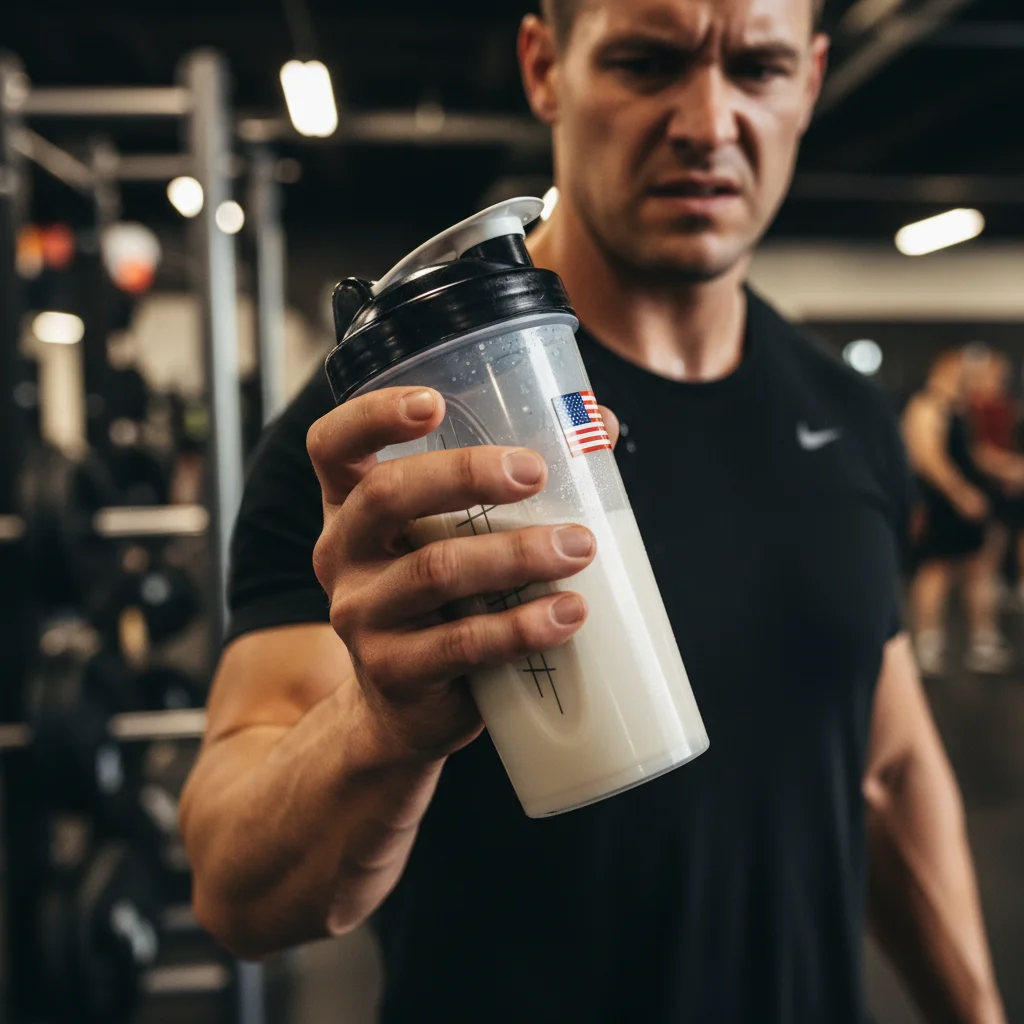
A balanced post-workout meal or snack could include a protein shake with a banana, Greek yogurt with berries, or a turkey sandwich on whole-wheat bread. Prioritizing these nutritional strategies will significantly accelerate your recovery and prepare your body for the next challenge.
3. Embrace the Power of Sleep
In our fast-paced world, sleep often gets sacrificed, yet it is arguably the most potent of all workout recovery techniques. During sleep, your body performs a myriad of essential restorative processes that are critical for physical and mental recovery. Skimping on sleep not only impairs performance but also increases the risk of injury and illness.
The Science of Sleep and Recovery
When you sleep, particularly during the deep stages of non-REM sleep, your body releases growth hormone (GH). GH plays a vital role in muscle repair, tissue growth, and fat metabolism. It helps to rebuild and restore damaged muscle cells, facilitating the adaptations that lead to increased strength and endurance. Additionally, sleep allows your central nervous system (CNS) to recover. A fatigued CNS can lead to decreased performance, poor coordination, and a higher perception of effort during workouts.
Sleep also helps regulate cortisol, the stress hormone. Chronic sleep deprivation can elevate cortisol levels, which can break down muscle tissue and impede recovery. Conversely, adequate sleep helps to keep cortisol in check, promoting an anabolic (muscle-building) environment.
How Much Sleep Do You Need?
For most adults, 7-9 hours of quality sleep per night is recommended. Athletes, due to the higher demands placed on their bodies, may require even more, often 9-10 hours. Listen to your body; if you’re feeling consistently tired, irritable, or your performance is declining, it’s a strong indicator that you need more sleep.
Optimizing Your Sleep Environment and Habits
To maximize the benefits of sleep as a recovery tool, consider these strategies:
- Maintain a consistent sleep schedule: Go to bed and wake up at roughly the same time each day, even on weekends.
- Create a conducive sleep environment: Ensure your bedroom is dark, quiet, and cool.
- Limit screen time before bed: The blue light emitted from electronic devices can disrupt melatonin production, a hormone essential for sleep.
- Avoid caffeine and heavy meals close to bedtime: These can interfere with sleep quality.
- Incorporate relaxation techniques: Meditation, deep breathing, or a warm bath before bed can promote restful sleep.
Treat sleep as a non-negotiable part of your training. It’s not just rest; it’s active recovery happening behind the scenes, making it one of the most effective workout recovery techniques.
4. Leverage Massage and Foam Rolling
Self-myofascial release (SMR) through foam rolling and professional massage therapy are excellent workout recovery techniques that address muscle tightness, improve circulation, and reduce soreness. These methods work by applying pressure to muscles, helping to release knots, improve blood flow, and restore normal muscle function.
Foam Rolling: Your Portable Massage Therapist
Foam rolling involves using a cylindrical foam roller to apply pressure to specific muscle groups. By rolling slowly over tender areas (trigger points), you can help to break up adhesions in the fascia (the connective tissue surrounding muscles), improve flexibility, and reduce muscle soreness. It’s essentially a self-massage that you can perform anytime, anywhere.
Benefits of Foam Rolling:
- Reduces muscle soreness (DOMS): By increasing blood flow and flushing out metabolic waste.
- Improves range of motion and flexibility: Releasing tight spots allows muscles to lengthen more effectively.
- Prevents injuries: Addressing muscle imbalances and tightness can reduce the risk of strains and sprains.
- Enhances performance: Better muscle function translates to improved athletic output.
When foam rolling, move slowly and deliberately. When you find a tender spot, pause on it for 20-30 seconds, allowing the pressure to release the tension. Focus on major muscle groups like quads, hamstrings, glutes, calves, and the upper back.
Professional Massage Therapy
While foam rolling is effective for self-care, professional massage therapy offers a deeper level of muscle manipulation and can target areas that are difficult to reach with a roller. Sports massages, in particular, are designed to address the specific needs of athletes, focusing on deep tissue work to relieve chronic muscle tension, break down scar tissue, and improve circulation.
Benefits of Massage Therapy:
- Deeper tissue penetration: More effective at releasing stubborn knots and adhesions.
- Reduced inflammation: Can help to decrease inflammatory markers in the body.
- Improved lymphatic drainage: Aids in removing waste products from tissues.
- Mental relaxation: Reduces stress and promotes overall well-being.
Integrating both foam rolling into your daily routine and occasional professional massages can significantly enhance your recovery process, making these powerful workout recovery techniques for any serious athlete.
5. Explore Cold and Heat Therapies (Contrast Therapy)
The strategic application of cold and heat, often referred to as contrast therapy, is a popular and effective approach among workout recovery techniques. Both cold and heat have distinct physiological effects that can aid in reducing inflammation, improving circulation, and alleviating muscle soreness.
Cold Therapy (Cryotherapy, Ice Baths)
Cold therapy, such as ice baths or localized ice packs, works by constricting blood vessels, which helps to reduce inflammation and swelling in damaged tissues. After an intense workout, micro-trauma to muscle fibers can trigger an inflammatory response. Cold exposure can blunt this response, thereby reducing pain and delayed onset muscle soreness (DOMS).
While the exact mechanisms are still being researched, it’s believed that cold therapy helps by:
- Reducing inflammation: By decreasing blood flow to the affected area.
- Numbing nerve endings: Providing temporary pain relief.
- Flushing metabolic waste: Upon rewarming, blood flow increases, helping to clear waste products.
Ice baths (submerging in water around 50-59°F or 10-15°C for 10-15 minutes) are common among athletes. For localized soreness, apply an ice pack for 15-20 minutes at a time. While initially uncomfortable, many athletes swear by the pain-reducing and recovery-accelerating effects of cold therapy.
Heat Therapy (Saunas, Warm Baths)
In contrast to cold, heat therapy promotes vasodilation – the widening of blood vessels. This increased blood flow delivers more oxygen and nutrients to muscles and helps to remove waste products. Heat also has a relaxing effect on muscles, reducing stiffness and promoting flexibility.
Benefits of Heat Therapy:
- Relaxes muscles: Alleviates tension and stiffness.
- Increases blood flow: Speeds up nutrient delivery and waste removal.
- Reduces pain: Soothes sore muscles and joints.
- Promotes mental relaxation: A warm bath or sauna can be incredibly calming.
Warm baths, hot showers, heating pads, or even saunas can be used for heat therapy. It’s often best applied a day or two after intense exercise, once the initial acute inflammation has subsided.
Contrast Therapy
Combining cold and heat therapy, known as contrast therapy, involves alternating between hot and cold applications. This creates a “pumping” effect, where blood vessels constrict with cold and dilate with heat. This rapid change in blood flow is thought to further enhance circulation, reduce swelling, and accelerate the removal of metabolic byproducts. A common protocol involves alternating 1-2 minutes of cold with 3-4 minutes of heat, repeating the cycle 3-5 times.
Experiment with these thermal workout recovery techniques to find what best suits your body and recovery needs. Always listen to your body and consult with a healthcare professional if you have any pre-existing conditions.
6. Integrate Mindfulness and Mental Recovery
While much of the focus on workout recovery techniques tends to be physical, the mental aspect of recovery is equally vital for overall well-being and sustained performance. High-intensity training and competition place significant stress not only on the body but also on the mind. Burnout, anxiety, and a lack of motivation can quickly derail progress if mental recovery is neglected.
The Mind-Body Connection in Recovery
Stress, whether physical or mental, triggers the release of hormones like cortisol, which, in chronic excess, can hinder muscle repair and suppress the immune system. By actively managing mental stress, athletes can create a more conducive environment for physical recovery. Techniques that promote relaxation and mental calm can lower stress hormones, improve sleep quality, and enhance overall body function.
Mindfulness and Meditation
Mindfulness involves focusing on the present moment without judgment. Practicing mindfulness through meditation can significantly reduce stress, improve focus, and promote a sense of calm. Even short daily sessions (5-10 minutes) can have profound effects on mental well-being and, by extension, physical recovery.
Benefits of Mindfulness for Athletes:
- Reduced stress and anxiety: Helps to calm the nervous system.
- Improved sleep quality: A calmer mind leads to more restful sleep.
- Enhanced focus and concentration: Transfers to better performance during training and competition.
- Increased body awareness: Helps athletes tune into their body’s signals for rest and recovery.
There are numerous apps and guided meditations available that can help you get started with this powerful recovery tool.

Deep Breathing Exercises
Simple deep breathing exercises can activate the parasympathetic nervous system, responsible for the “rest and digest” response. This counters the “fight or flight” response often triggered by intense exercise and daily stressors. Techniques like diaphragmatic breathing (belly breathing) can lower heart rate, reduce muscle tension, and promote relaxation.
Journaling and Reflection
Taking time to journal about your training, feelings, and recovery can be a therapeutic way to process thoughts, identify stressors, and acknowledge progress. Regularly reflecting on your journey can provide valuable insights into your mental state and help you make necessary adjustments to your training and recovery protocols.
Remember, recovery isn’t just about repairing muscles; it’s about restoring your entire system – physically and mentally. Integrating these mindfulness and mental recovery practices into your routine is a crucial step towards holistic well-being and sustained athletic excellence. These are essential workout recovery techniques that should not be overlooked.
The Broader Picture: Consistency and Individualization in Workout Recovery Techniques
While we’ve explored six critical workout recovery techniques, it’s vital to understand that their effectiveness is magnified by consistency and individualization. There’s no one-size-fits-all approach to recovery; what works best for one athlete might not be optimal for another.
Consistency is Key
Just as consistent training yields results, consistent recovery practices are essential for long-term progress. Skipping recovery days, neglecting proper nutrition, or habitually getting insufficient sleep will undermine even the most rigorous training program. Think of recovery as an integral part of your training, not an optional add-on. Make these techniques a regular part of your regimen, not just something you do when you’re feeling particularly sore or fatigued.
Listen to Your Body: Individualization
Every individual responds differently to exercise and recovery interventions. Factors such as age, training intensity, sport, stress levels, genetics, and even environmental conditions can influence your recovery needs. Pay close attention to your body’s signals:
- Are you consistently feeling fatigued? You might need more sleep or active recovery.
- Is muscle soreness lingering for too long? Focus on nutrition, hydration, and foam rolling.
- Are you experiencing a dip in performance or mood? Mental recovery and stress management might be key.
Experiment with different workout recovery techniques and combinations thereof. Keep a training journal to track your recovery methods, how you feel, and your performance. This data can help you identify patterns and fine-tune your approach. For example, some athletes thrive with ice baths, while others find more benefit from warm baths or saunas. Some require more protein, others might need more sleep. The goal is to discover what combination of strategies makes you feel your best and allows you to perform optimally.
The Role of Periodization in Recovery
Smart training programs incorporate periodization, which involves varying the intensity and volume of training over time. This also applies to recovery. During periods of high-intensity training or competition, recovery efforts should be amplified. During deload or rest weeks, the focus might shift slightly to active recovery and maintenance. Integrating recovery into your overall periodized training plan ensures that your body receives the necessary support when it needs it most.
Beyond the Basics: Advanced Recovery Modalities
As the fitness landscape evolves, so do advanced workout recovery techniques. While the core strategies discussed are fundamental, some athletes may explore additional modalities:
- Compression Garments: These are thought to improve blood flow and reduce muscle oscillation during activity, potentially aiding in recovery.
- Cryotherapy Chambers: Whole-body cryotherapy exposes the body to extremely cold temperatures for short durations, offering a more intense cold therapy experience.
- Normatec or Pneumatic Compression Devices: These devices use inflatable cuffs to apply sequential compression to limbs, mimicking a massage and promoting circulation.
- Supplements: Beyond protein and carbs, some athletes use supplements like BCAAs, creatine, or tart cherry juice, though scientific evidence for their recovery benefits varies.
Always approach advanced modalities and supplements with caution and ideally under the guidance of a sports medicine professional or registered dietitian. The foundational techniques remain the most impactful and accessible for the majority of US athletes and fitness enthusiasts.
Conclusion: Empowering Your Performance Through Intelligent Recovery
For US athletes and fitness buffs in 2026, the journey to peak performance is not solely about how hard you train, but also how intelligently you recover. Neglecting recovery is a surefire path to plateaus, injuries, and burnout. By consciously integrating these six essential workout recovery techniques – active recovery, strategic nutrition and hydration, adequate sleep, massage and foam rolling, thermal therapies, and mental mindfulness – you are not just resting; you are actively optimizing your body’s ability to adapt, repair, and grow stronger.
Remember that recovery is an ongoing process, not a one-time event. It requires consistency, self-awareness, and a willingness to listen to your body’s unique needs. As you implement these strategies, you’ll likely notice reduced muscle soreness, improved energy levels, enhanced athletic performance, and a greater overall sense of well-being. Embrace recovery as an indispensable component of your fitness regimen, and you’ll unlock a new level of potential in your athletic endeavors. Your body works tirelessly for you; give it the recovery it deserves to thrive.