Sleep Tech 2026: Revolutionizing Rest for Americans
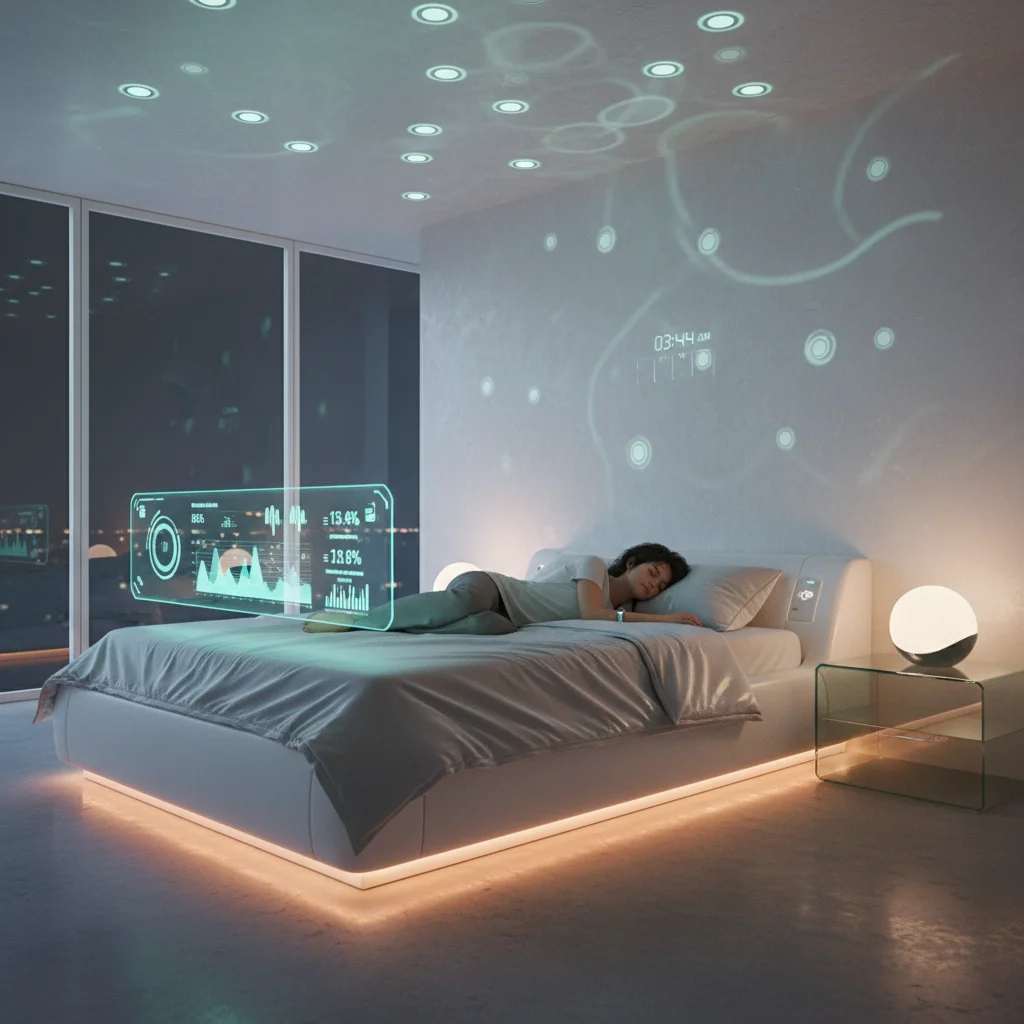
In a world that never sleeps, the quest for truly restorative rest has become more critical than ever. As technology advances at an unprecedented pace, so too does our ability to understand, monitor, and optimize our sleep. Welcome to the dawn of the sleep revolution, where cutting-edge innovations are transforming the landscape of rest for Americans in 2026 and beyond. The challenges of modern life – stress, digital distractions, and demanding schedules – often conspire against a good night’s sleep. However, thanks to groundbreaking developments in sleep tech 2026, a future of deeper, more rejuvenating sleep is within reach for millions.
For decades, sleep was largely a mystery, a passive state we entered and exited without much thought. Today, science and technology have converged to illuminate the complex processes that occur during sleep, revealing its profound impact on our physical and mental health. From cognitive function and emotional regulation to immune response and metabolic health, quality sleep underpins almost every aspect of our well-being. Recognizing this, innovators are developing sophisticated tools and systems designed to enhance every stage of the sleep cycle.
This article delves into the top five cutting-edge technologies that are set to redefine how Americans approach and experience sleep in 2026. We’ll explore how these innovations are moving beyond simple tracking to offer personalized interventions, environmental optimization, and even therapeutic solutions. Prepare to discover how sleep tech 2026 is not just about getting more sleep, but about achieving truly high-quality, restorative rest that empowers us to live healthier, more productive, and happier lives.
1. AI-Powered Personalized Sleep Coaching Systems
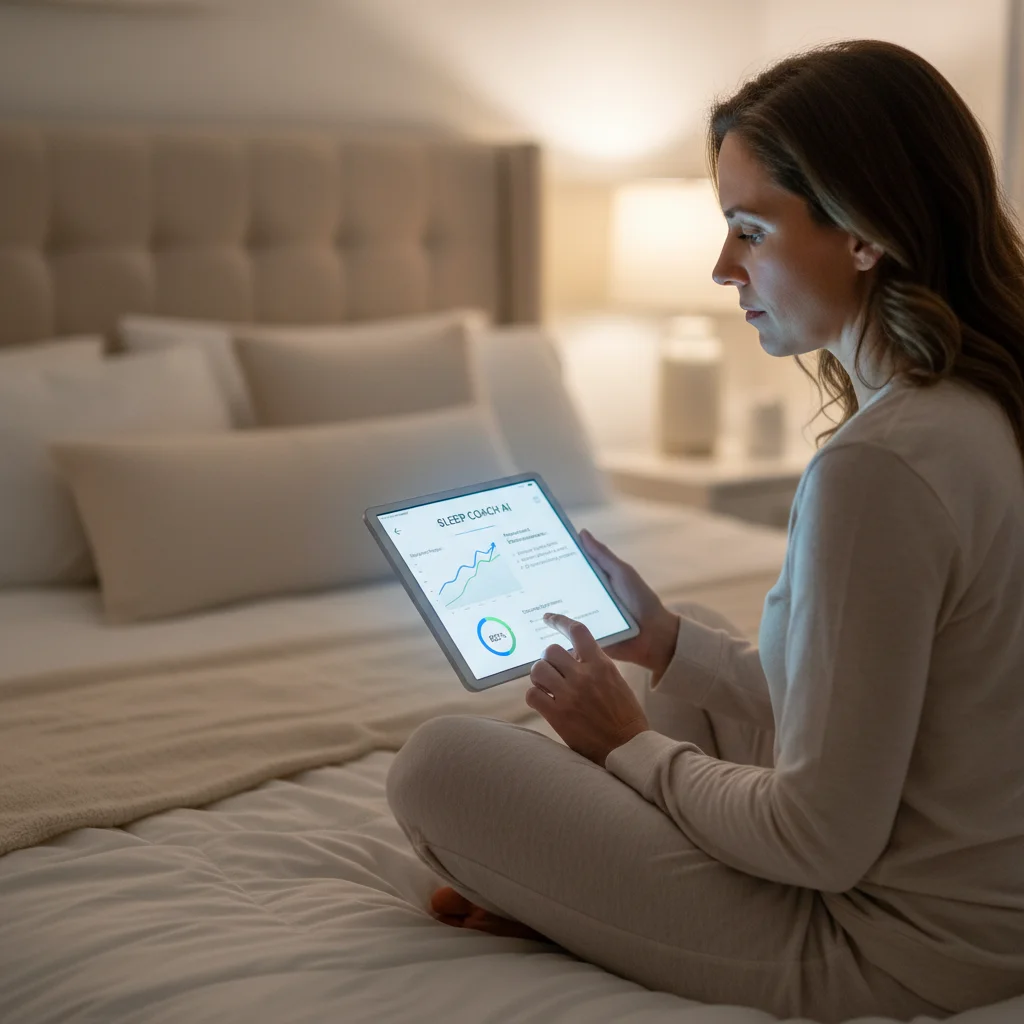
The days of generic sleep advice are rapidly fading. In 2026, Artificial Intelligence (AI) is at the forefront of personalizing the sleep experience, offering bespoke coaching systems that adapt to individual needs and patterns. These advanced systems go far beyond mere data collection; they analyze vast amounts of biometric data – including heart rate variability, breathing patterns, sleep stages (REM, light, deep), and even environmental factors like temperature and humidity – to construct a comprehensive profile of an individual’s sleep architecture.
What makes these AI-powered systems revolutionary is their ability to learn and evolve with the user. Through machine learning algorithms, they can identify subtle trends, predict potential sleep disruptions, and offer proactive, actionable advice. For example, if the system detects a consistent drop in deep sleep on nights following late-night screen exposure, it might recommend a personalized digital detox schedule or a specific wind-down routine. If stress levels are consistently high, indicated by heart rate variability, the AI might suggest guided meditation exercises or breathing techniques tailored to the user’s preferences and past responses.
These coaching systems often integrate with various smart devices, creating a holistic sleep ecosystem. They can communicate with smart lighting to gradually dim before bedtime, adjust smart thermostats for optimal sleep temperature, and even trigger soothing soundscapes. The goal is to create an ideal sleep environment and embed healthy sleep habits into daily routines seamlessly. Furthermore, many systems in sleep tech 2026 incorporate cognitive behavioral therapy for insomnia (CBT-I) principles, delivered through interactive modules and personalized prompts, making evidence-based therapeutic approaches more accessible and engaging. This personalized approach ensures that users aren’t just tracking sleep, but actively improving it with intelligent, data-driven guidance.
The impact of AI-powered personalized sleep coaching extends beyond individual users. Healthcare providers are beginning to integrate these systems into patient care, allowing for continuous monitoring and intervention for conditions like chronic insomnia, sleep apnea, and restless leg syndrome. The detailed data and personalized insights generated by these platforms can help doctors fine-tune treatment plans and track progress more effectively, leading to better patient outcomes. This shift towards preventative and personalized sleep health management is a cornerstone of the sleep tech 2026 paradigm, empowering individuals to take control of their rest with intelligent assistance.
2. Advanced Smart Beds with Adaptive Comfort and Environmental Control
Forget the static mattress; the smart bed of 2026 is a dynamic, responsive sleep sanctuary. These aren’t just beds with embedded sensors; they are sophisticated systems designed to continuously monitor, analyze, and adapt to your body and environment throughout the night. The core innovation lies in their adaptive comfort features. Using pressure sensors and advanced algorithms, these beds can detect pressure points and automatically adjust firmness levels across different zones of the mattress to provide optimal spinal alignment and pressure relief. This means less tossing and turning, and a significantly reduced chance of waking up with aches and pains.
Beyond physical comfort, advanced smart beds in sleep tech 2026 integrate comprehensive environmental control. Imagine a bed that knows your ideal sleep temperature and adjusts its internal climate control system to maintain it, preventing overheating or chilling. Some models even feature sophisticated air circulation and purification systems, ensuring you breathe clean, allergen-free air all night long. Integrated sound masking technology can neutralize disruptive noises, while subtle light therapy features can gently wake you up with simulated sunrise, aligning with your natural circadian rhythm.
Certain high-end smart beds are also equipped with snore detection and mitigation technologies. Upon detecting snoring, these beds can subtly and gently elevate the sleeper’s head to open airways, often without fully waking the individual. This not only improves the snorer’s sleep quality but also that of their partner. Data collected from these smart beds is seamlessly integrated with companion apps, providing users with detailed insights into their sleep patterns, environmental conditions, and the effectiveness of the bed’s adaptive adjustments. This continuous feedback loop allows users to fine-tune their preferences and ensures the bed evolves with their changing needs over time.
The engineering behind these beds is a marvel of precision and comfort. Utilizing multi-layered systems with independent air chambers, memory foam, and even liquid-based cooling elements, they offer a level of customization previously unimaginable. The ability to personalize every aspect of the sleep surface and surrounding environment means that the smart bed is no longer just a place to sleep, but an active partner in achieving peak restorative rest. This category of sleep tech 2026 represents a significant investment in personal well-being, promising unparalleled comfort and health benefits.
3. Biofeedback Wearables for Real-time Sleep Optimization
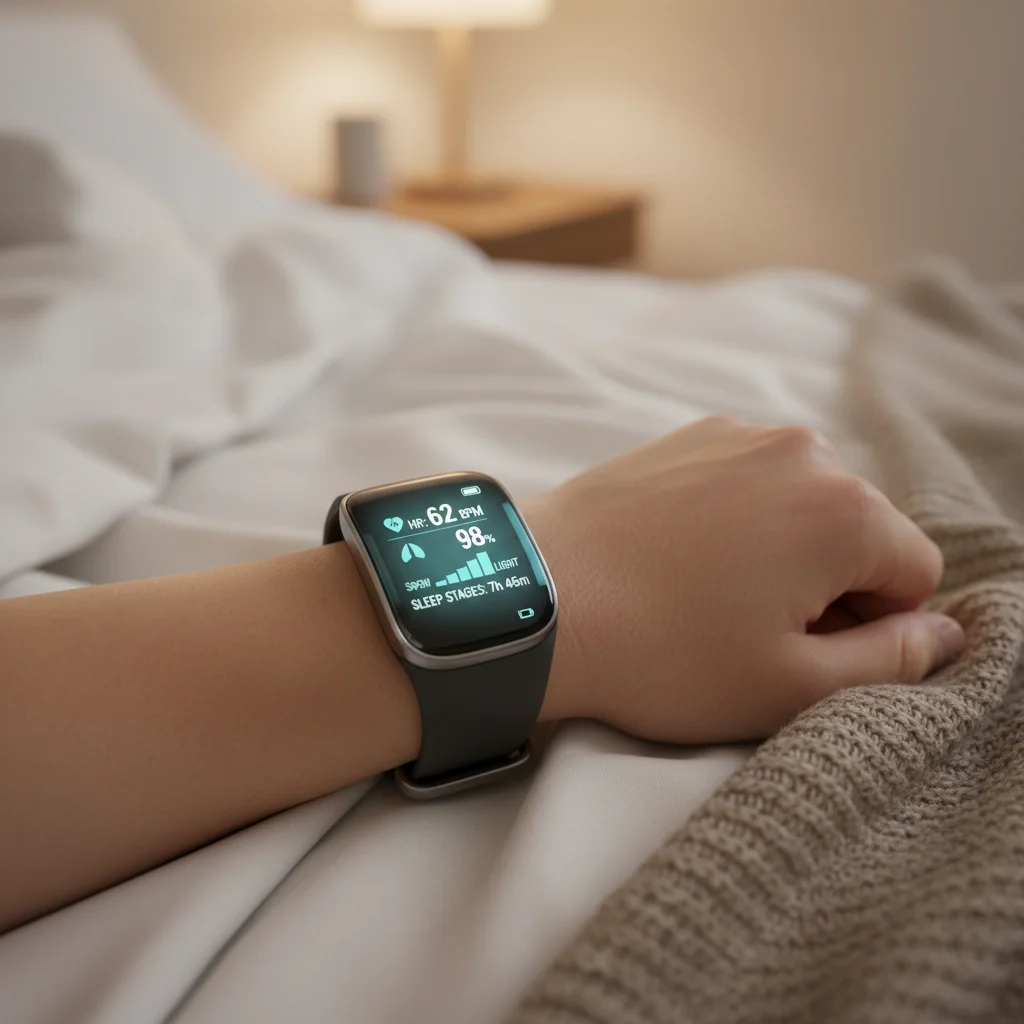
While sleep trackers have been around for a while, the next generation of biofeedback wearables in sleep tech 2026 are taking monitoring and optimization to an entirely new level. These devices are not just collecting data; they are actively providing real-time feedback and interventions to guide users towards better sleep, even while they are asleep. Moving beyond simple wrist-worn devices, we are seeing the emergence of smart rings, headbands, and even patches that offer a more comprehensive and accurate picture of physiological states during sleep.
These advanced wearables can precisely measure a multitude of biometric indicators: heart rate variability (HRV), skin temperature, electrodermal activity (EDA) indicative of stress, blood oxygen saturation (SpO2), and even brainwave activity (EEG) for highly accurate sleep stage detection. The key differentiator for sleep tech 2026 wearables is their biofeedback capabilities. For instance, if a wearable detects increased heart rate or restlessness during a particular sleep stage, it might trigger subtle haptic feedback or play a calming sound through bone conduction headphones embedded in a smart headband, gently nudging the user back into a deeper sleep state without fully waking them.
Furthermore, these devices are becoming increasingly sophisticated in their ability to analyze the interplay between different physiological markers. They can identify patterns that might indicate impending sleep disturbances, such as an elevated resting heart rate combined with low HRV, and proactively suggest pre-sleep interventions. Some wearables are even incorporating personalized light therapy, using specific wavelengths of light emitted from the device to influence melatonin production and circadian rhythms, helping users fall asleep faster or wake up more refreshed.
The data collected by these wearables is often integrated with AI-powered coaching systems, providing a continuous loop of monitoring, analysis, and personalized recommendations. Users can receive daily reports detailing not just how long they slept, but the quality of each sleep stage, the impact of their daytime activities on their nighttime rest, and specific suggestions for improvement. This real-time, adaptive approach makes biofeedback wearables an incredibly powerful tool for anyone serious about optimizing their sleep health. The convenience and non-invasiveness of these devices make them a popular choice for individuals seeking to fine-tune their sleep without significant lifestyle overhaul. The evolution of sleep tech 2026 in this area promises even smaller, more accurate, and more integrated solutions that seamlessly blend into daily life.
4. Neurofeedback Devices for Brainwave Optimization
Stepping into a more advanced realm of sleep tech 2026 are neurofeedback devices, which offer a direct pathway to optimizing brain activity for improved sleep. These technologies work by monitoring brainwave patterns in real-time and providing feedback to the user, either consciously or subconsciously, to guide their brain into more desirable states for sleep. While once confined to clinical settings, these devices are becoming more accessible for home use, promising a non-pharmacological approach to tackling sleep disorders.
Typically, neurofeedback devices for sleep involve a headband or cap equipped with EEG (electroencephalogram) sensors. These sensors detect and analyze the electrical activity of the brain, identifying specific brainwave frequencies associated with different states of consciousness – such as alpha waves for relaxation, theta waves for light sleep, and delta waves for deep sleep. The feedback can be delivered through various modalities: auditory cues (e.g., soothing sounds that change based on brainwave activity), visual cues (e.g., a screen displaying a calming visual that brightens as desired brainwaves increase), or even subtle haptic vibrations.
The goal is to train the brain to spend more time in brainwave states conducive to falling asleep faster, achieving deeper sleep, and reducing nighttime awakenings. For example, a device might provide gentle audio feedback that encourages the brain to produce more delta waves during deep sleep stages, or more alpha waves during pre-sleep relaxation. Over time, with consistent use, the brain learns to self-regulate more effectively, leading to sustainable improvements in sleep quality. This direct interaction with brain activity represents a significant leap in personalized sleep intervention, offering a targeted approach to address underlying neurological patterns that may impede restful sleep.
Initial clinical trials and user reports for these neurofeedback devices have shown promising results, particularly for individuals struggling with insomnia, anxiety-related sleep issues, and even those seeking to enhance cognitive performance through optimized deep sleep. As the technology becomes more refined and user-friendly, neurofeedback is poised to become a powerful tool in the arsenal of sleep tech 2026, offering a proactive and empowering way to train the brain for better rest. The potential for these devices to provide lasting, drug-free solutions for chronic sleep problems is immense, marking a new frontier in sleep health.
5. Advanced Light Therapy and Circadian Rhythm Modulators
Our internal body clock, or circadian rhythm, is profoundly influenced by light. In 2026, advanced light therapy and circadian rhythm modulators are moving beyond simple dawn simulators to offer sophisticated, personalized solutions for optimizing sleep-wake cycles. These devices leverage our understanding of how different wavelengths and intensities of light impact melatonin production and alertness, providing targeted interventions to align our bodies with natural rhythms.
The latest innovations in sleep tech 2026 include smart lighting systems that dynamically adjust their color temperature and intensity throughout the day and night. During the day, they might emit invigorating blue-enriched light to boost alertness and cognitive function. As evening approaches, they gradually shift to warmer, amber tones, free of sleep-disrupting blue light, signaling to the body that it’s time to wind down. These systems can be programmed to individual schedules and even adapt based on real-time data from wearables, ensuring optimal light exposure for each person.
Beyond whole-room lighting, specialized light therapy devices are also emerging. These might include wearable glasses that filter out blue light before bed, or compact light boxes that provide concentrated doses of specific light wavelengths to reset circadian rhythms, particularly useful for shift workers, travelers experiencing jet lag, or those with seasonal affective disorder (SAD) impacting their sleep. Some devices even incorporate pulsed light patterns, which research suggests can have a more profound effect on brain activity and melatonin regulation than continuous light.
The personalization aspect is key. These modulators are often integrated with AI platforms that learn an individual’s unique sleep patterns, light sensitivity, and lifestyle. Based on this data, the system can recommend optimal light exposure times, durations, and intensities. For example, if a user consistently struggles to wake up, the system might suggest a brighter, more blue-rich light exposure in the morning. If they have difficulty falling asleep, it might recommend a strict blue-light cutoff several hours before bedtime, paired with gentle red light exposure. This intelligent, adaptive light management is a game-changer for those seeking to naturally regulate their sleep cycles and improve overall vitality. The precision and integration of these light therapy solutions make them an indispensable component of the evolving sleep tech 2026 landscape, offering a powerful, non-invasive method to enhance sleep quality.
The Future of Rest: Embracing Sleep Tech 2026
The journey into the future of sleep is well underway, and the innovations emerging in sleep tech 2026 promise a profound transformation in how Americans approach rest. From AI-powered personalized coaching that understands our unique biological rhythms to smart beds that adapt to our every movement, and from biofeedback wearables that provide real-time guidance to neurofeedback devices that train our brains for optimal sleep, the landscape is richer and more sophisticated than ever before. These technologies are not merely gadgets; they represent a fundamental shift towards a proactive, personalized, and data-driven approach to sleep health.
The implications of this sleep revolution are far-reaching. Imagine a society where chronic sleep deprivation is significantly reduced, where individuals wake up consistently refreshed, energized, and mentally acute. This could lead to improvements in public health, productivity, mental well-being, and overall quality of life. As these technologies become more accessible and integrated into our daily lives, they will empower millions to take control of their sleep, moving beyond simply coping with poor rest to actively optimizing it for peak performance and vitality.
However, as with all technological advancements, there are considerations to keep in mind. Data privacy and security will remain paramount, as these devices collect highly personal health information. Ethical considerations regarding the potential for over-reliance on technology versus developing intrinsic sleep habits will also need careful navigation. The focus must always remain on augmenting, rather than replacing, the fundamental principles of good sleep hygiene.
Ultimately, the advancements in sleep tech 2026 offer an exciting glimpse into a future where restorative sleep is not a luxury but an achievable reality for everyone. By embracing these intelligent tools, we can unlock a new era of health and well-being, proving that sometimes, the best way to move forward is to get a truly good night’s sleep.