Insider Report: 3 Unexpected U.S. National Parks Experiencing a 15% Surge in Visitation for 2026 – Plan Your Trip Now!
The allure of the U.S. National Parks is undeniable. From the iconic grandeur of Yosemite to the vast canyons of the Grand Canyon, these natural treasures draw millions of visitors each year. However, as popular parks become increasingly crowded, savvy travelers are seeking out new, less-trodden paths to experience the raw beauty of America’s wilderness. Our latest insider report reveals a fascinating trend: a projected 15% surge in visitation for three unexpected U.S. National Parks in 2026. This isn’t just a slight uptick; it’s a significant indicator that these hidden gems are about to become much more popular. If you’re looking to beat the crowds and discover breathtaking landscapes before everyone else, now is the time to plan your adventure to these burgeoning destinations. Let’s dive into which National Parks 2026 will see this remarkable growth and why they should be at the top of your travel list.
Understanding the Surge: Why These National Parks 2026?
The National Park Service (NPS) meticulously tracks visitation data, and while projections are never 100% certain, the trends pointing to these specific parks are robust. Several factors contribute to this anticipated surge. Firstly, increased awareness through social media and targeted marketing campaigns is playing a crucial role. Travelers are increasingly seeking unique, “off-the-beaten-path” experiences, and these parks fit that description perfectly. Secondly, the “spillover effect” from overcrowded marquee parks encourages visitors to explore alternatives. As reservations become harder to secure and crowds grow denser at places like Zion or Yellowstone, people are naturally looking for destinations that offer similar natural beauty without the logistical headaches. Finally, ongoing infrastructure improvements and new recreational opportunities within these parks are enhancing the visitor experience, making them more attractive. The term National Parks 2026 is quickly becoming synonymous with discovery and adventure for those in the know.
Our analysis indicates that these parks offer a blend of unique ecosystems, rich history, and diverse recreational activities that are just now gaining the recognition they deserve. This isn’t just about avoiding crowds; it’s about experiencing the raw, untamed beauty of America in a way that feels personal and profound. By understanding these underlying drivers, we can better appreciate why these particular parks are poised for significant growth and why planning your visit sooner rather than later is paramount.
Park 1: Congaree National Park, South Carolina
A Primeval Forest Awakens
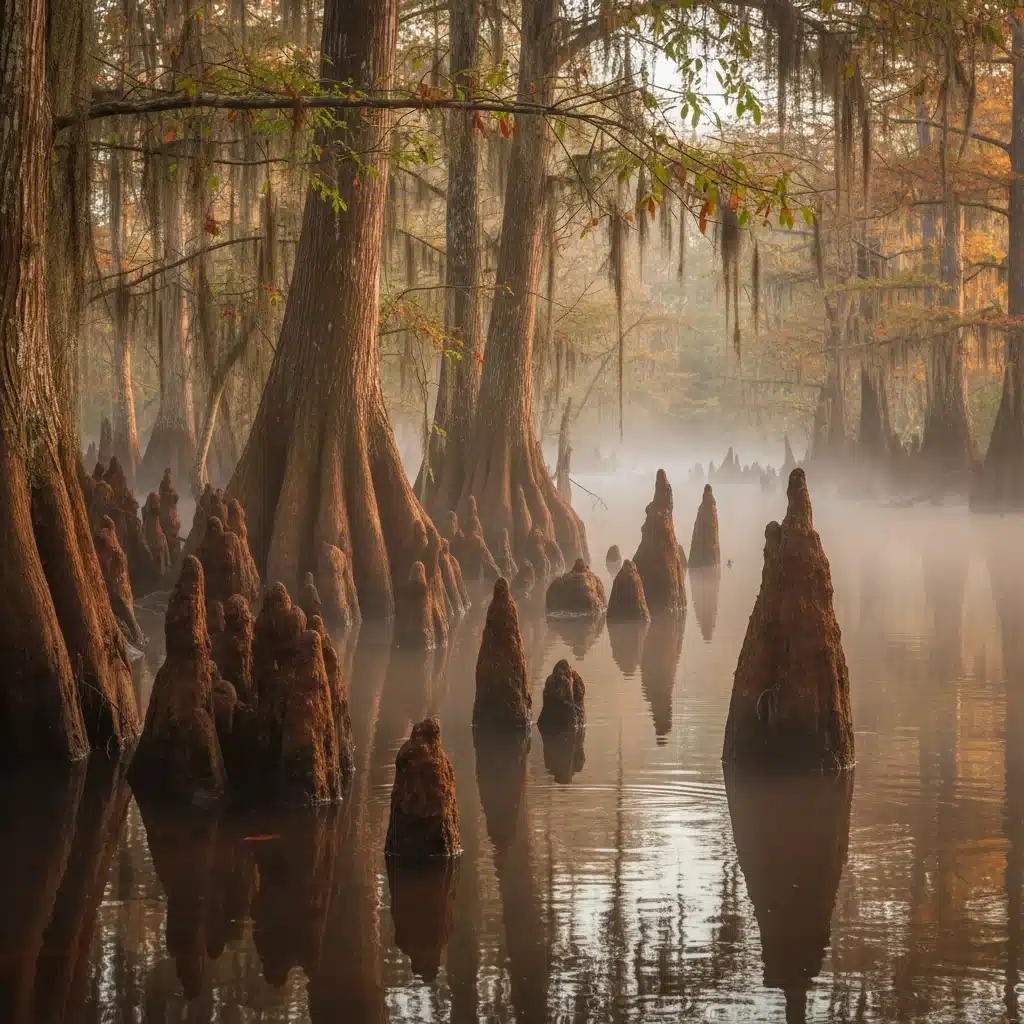
Nestled in the heart of South Carolina, Congaree National Park is a true ecological marvel. It protects the largest intact expanse of old-growth bottomland hardwood forest remaining in the southeastern United States. This isn’t your typical mountain or desert park; Congaree offers a unique, almost mystical experience, with towering bald cypress and water tupelo trees creating a cathedral-like canopy over a slow-moving, blackwater river system. The projected 15% surge in visitation for National Parks 2026 is particularly noteworthy for Congaree, as it has historically been one of the lesser-visited national parks.
Why Congaree is Surging
The secret is out about Congaree’s unparalleled biodiversity and tranquil beauty. Visitors are discovering the joy of paddling canoes or kayaks through the waterways, observing diverse wildlife including river otters, alligators, and countless bird species. The elevated boardwalk loop trail, stretching 2.4 miles, provides easy access to the heart of the old-growth forest, allowing visitors to immerse themselves in this ancient ecosystem without disturbing its delicate balance. Furthermore, Congaree hosts the annual “Synchronous Fireflies” event, a rare natural phenomenon where thousands of fireflies flash in unison, drawing increasing national attention. This unique event, combined with its accessibility from major East Coast cities and the growing desire for tranquil, nature-based experiences, makes Congaree an irresistible draw for National Parks 2026 explorers.
Planning Your Congaree Adventure
To truly appreciate Congaree, plan for at least two full days. One day can be spent exploring the boardwalk and shorter hiking trails, while another can be dedicated to a paddling excursion on Cedar Creek. Ranger-led programs, including guided canoe trips, offer invaluable insights into the park’s ecology. Accommodation options range from primitive backcountry camping within the park to hotels in nearby Columbia, South Carolina. Visiting during the spring or fall offers the most pleasant weather and fewer insects. Remember to pack insect repellent, as this is a swampy environment. This park offers a profound connection to nature that few others can match, making it a must-see for anyone interested in exploring the unique ecosystems of National Parks 2026.
Park 2: Great Basin National Park, Nevada
From Desert Floors to Alpine Peaks
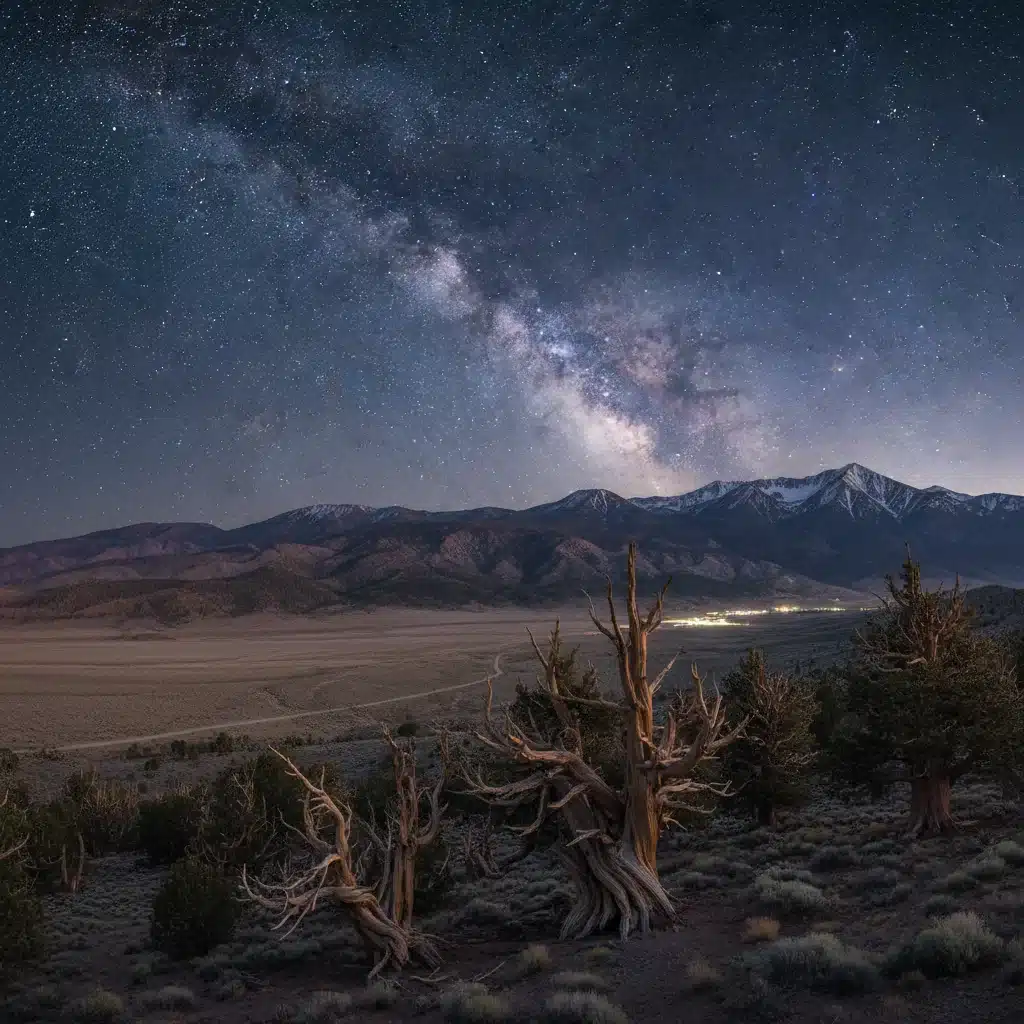
Often overshadowed by its more famous neighbors, Great Basin National Park in eastern Nevada is a land of dramatic contrasts and breathtaking solitude. This park encompasses a vast range of ecosystems, from the arid sagebrush desert floor to the alpine tundra of Wheeler Peak, Nevada’s second-highest mountain. It’s a place where you can explore ancient bristlecone pine groves – some of the oldest living organisms on Earth – delve into the mysterious depths of Lehman Caves, and gaze upon one of the darkest night skies in the contiguous United States. The projected surge for National Parks 2026 underscores its growing appeal as a multifaceted adventure destination.
Why Great Basin is Surging
The increasing popularity of Great Basin can be attributed to its incredible diversity and relative lack of crowds compared to other Western parks. Travelers are discovering that this park offers a “one-stop shop” for unique experiences: caving, stargazing, hiking through ancient forests, and even skiing in winter. The Lehman Caves tours provide a fascinating glimpse into a subterranean world of stalactites and stalagmites, while the scenic drive up to Wheeler Peak offers stunning views and access to high-altitude trails. Its status as an International Dark Sky Park is also a huge draw, attracting astrophotographers and stargazers seeking unparalleled views of the Milky Way. As people search for less crowded alternatives to popular destinations, Great Basin National Park is emerging as a top contender for National Parks 2026 itineraries.
Planning Your Great Basin Expedition
A visit to Great Basin National Park requires careful planning due to its remote location. The nearest services are in the small town of Baker, Nevada. Allow at least three days to fully experience the park. Dedicate one day to exploring Lehman Caves and the surrounding area, another to hiking the trails around Wheeler Peak (including the bristlecone pine grove), and a third for stargazing and exploring the lower elevation trails or scenic drives. Camping is available within the park, and there are a few lodging options just outside. Be prepared for significant elevation changes and varying weather conditions. Water and food supplies should be stocked before arriving. For those seeking solitude, diverse landscapes, and a chance to witness ancient wonders and celestial spectacles, Great Basin is an unmissable destination among the National Parks 2026.
Park 3: Guadalupe Mountains National Park, Texas
A Rugged Wilderness in West Texas
Tucked away in far West Texas, Guadalupe Mountains National Park is a rugged wilderness that showcases the world’s most extensive Permian fossil reef – a testament to a sea that covered this region millions of years ago. Today, it stands as a majestic mountain range, home to diverse desert and mountain flora and fauna, dramatic canyons, and the highest peak in Texas, Guadalupe Peak. While Big Bend National Park often steals the spotlight in Texas, Guadalupe Mountains is quietly gaining traction, and our report predicts a 15% surge in visitation for National Parks 2026.
Why Guadalupe Mountains is Surging
The appeal of Guadalupe Mountains lies in its raw, untamed beauty and the challenge it presents to outdoor enthusiasts. It’s a hiker’s paradise, with over 80 miles of trails ranging from easy strolls to strenuous climbs. The ascent to Guadalupe Peak, offering panoramic views of the surrounding Chihuahuan Desert, is a bucket-list item for many. The park also boasts McKittrick Canyon, often called the “most beautiful spot in Texas,” especially vibrant during the fall foliage season. Its remote location and lack of paved scenic drives mean that visitors must be willing to explore on foot, appealing to those seeking a more active and immersive wilderness experience. The increasing interest in adventurous travel and a desire to explore less-commercialized national parks are driving its growth as a key destination for National Parks 2026.
Planning Your Guadalupe Mountains Expedition
Guadalupe Mountains National Park is primarily a hiking park, so comfortable hiking boots, plenty of water, and sun protection are essential. Plan for at least two to three days to fully experience the various trails. Consider tackling Guadalupe Peak for a challenging day hike and dedicating another day to McKittrick Canyon. Backcountry camping is available for those who wish to extend their wilderness immersion. There are no lodging or dining facilities within the park, so visitors must be self-sufficient. The nearest towns with amenities are Van Horn, Texas, and Carlsbad, New Mexico. Spring and fall offer the most pleasant hiking conditions. This park offers an incredible opportunity to connect with a unique desert mountain ecosystem, making it a powerful draw for those seeking rugged beauty among the National Parks 2026.
Why Early Planning for National Parks 2026 is Crucial
The projected 15% surge in visitation for these three National Parks 2026 means that while they may currently be less crowded, that status is rapidly changing. Early planning is no longer just a recommendation; it’s a necessity to ensure a smooth and enjoyable trip. Here’s why:
- Accommodation Availability: As popularity grows, nearby lodging and campsites will fill up faster. Booking well in advance – ideally 6-12 months out for peak seasons – will secure your spot.
- Permits and Reservations: While these parks may not currently require timed entry or extensive permits like some larger parks, increased visitation could lead to the implementation of such systems. Staying updated on NPS regulations is key.
- Enhanced Experience: Visiting during shoulder seasons (late spring/early fall) or mid-week can still offer a quieter experience, even with increased overall numbers. Early planning allows you to choose these optimal times.
- Resource Management: More visitors put more strain on park resources. Planning ahead and being prepared helps minimize your impact and supports the park’s sustainability efforts.
Don’t wait until these “hidden gems” become mainstream. The window of opportunity to experience their unique charm before the significant increase in crowds is now. Your foresight in planning will pay dividends in an unforgettable adventure.
Beyond the Big Three: Other Considerations for National Parks 2026
While Congaree, Great Basin, and Guadalupe Mountains are showing the most significant projected growth, the overall trend points to a broader interest in lesser-known national park units. This means that if you’re truly seeking solitude, you might need to dig even deeper into the NPS system. Consider exploring National Monuments, National Preserves, or even State Parks that offer similar natural beauty with even fewer visitors. The key is to be flexible, do your research, and be willing to embrace the unexpected.
Furthermore, responsible tourism practices are more important than ever. As more people discover the beauty of these parks, it’s crucial to practice Leave No Trace principles, respect wildlife, and support local communities. Your visit contributes to the preservation of these incredible places for future generations. By choosing to visit these emerging National Parks 2026, you’re not just planning a trip; you’re becoming part of a movement to explore and protect America’s diverse natural heritage.
Conclusion: Your Next Great Adventure Awaits in National Parks 2026
The U.S. National Parks system is a vast and varied tapestry of natural wonders, and while the classics will always hold a special place, the future of national park exploration lies in discovering its lesser-known treasures. Congaree National Park, Great Basin National Park, and Guadalupe Mountains National Park are poised for significant growth in 2026, offering unique landscapes, incredible biodiversity, and unforgettable experiences for those willing to venture beyond the familiar.
By understanding the factors driving this surge and planning your trip proactively, you can secure your spot at these incredible destinations before the crowds fully arrive. Whether you seek the mystical allure of an old-growth swamp, the dramatic contrasts of a desert-to-alpine ecosystem, or the rugged challenge of a mountain wilderness, these parks promise adventures that will leave a lasting impression. Start planning your journey to these remarkable National Parks 2026 today, and be among the first to witness their rising star. The wild heart of America is calling – answer it!