AI-Powered Personalization: Reshaping US E-commerce by 2026
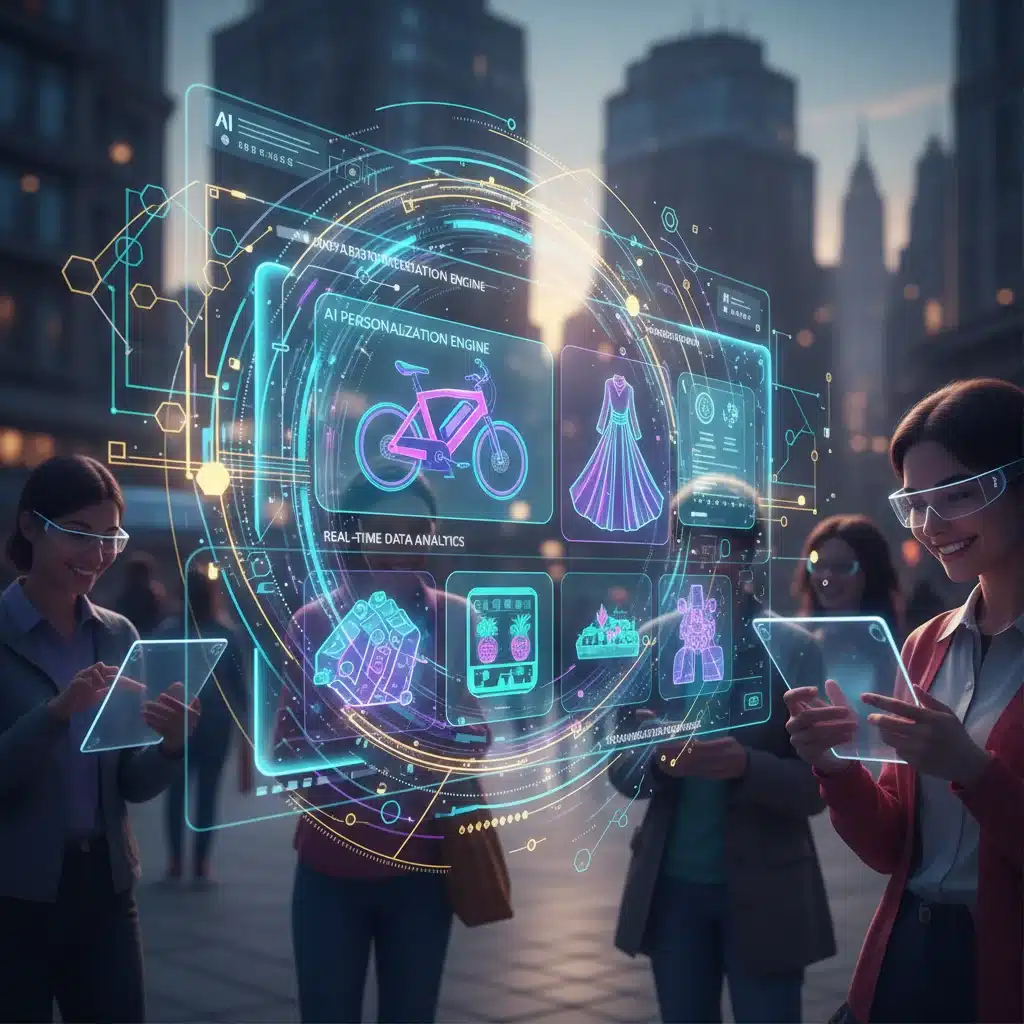
The landscape of e-commerce is in a constant state of evolution, driven by technological advancements and shifting consumer expectations. Among the most profound forces shaping this evolution is Artificial Intelligence (AI), particularly its application in personalization. By 2026, AI-powered personalization will not merely be a competitive advantage but a fundamental expectation for consumers across the United States. This transformative shift is redefining how businesses interact with their customers, how products are discovered, and how purchase decisions are made. The ability of AI to analyze vast datasets, understand individual preferences, and deliver hyper-relevant experiences is setting a new benchmark for online retail. This article delves into four daily trends that illustrate the pervasive influence of AI-powered personalization on US e-commerce, offering a glimpse into the near future of online shopping.
The Dawn of Hyper-Personalized Product Discovery
Gone are the days of generic product listings and one-size-fits-all recommendations. By 2026, AI-powered personalization will have elevated product discovery to an art form, making every online shopping journey feel uniquely curated. This trend moves beyond simple “customers who bought this also bought that” suggestions, leveraging sophisticated algorithms to understand individual tastes, needs, and even moods.
Predictive Analytics for Unmatched Relevance
At the core of hyper-personalized product discovery is predictive analytics. AI systems will continuously analyze a myriad of data points: past purchases, browsing history, search queries, demographic information, social media activity, even the time of day a customer usually shops. This comprehensive data synthesis allows AI to anticipate what a customer might want or need before they even realize it themselves. For instance, if a customer frequently buys organic groceries and has recently searched for hiking gear, an AI might recommend eco-friendly outdoor apparel or sustainable hydration bottles. This isn’t just about suggesting similar items; it’s about understanding the underlying lifestyle and values that drive purchasing decisions.
Dynamic Content and Layout Optimization
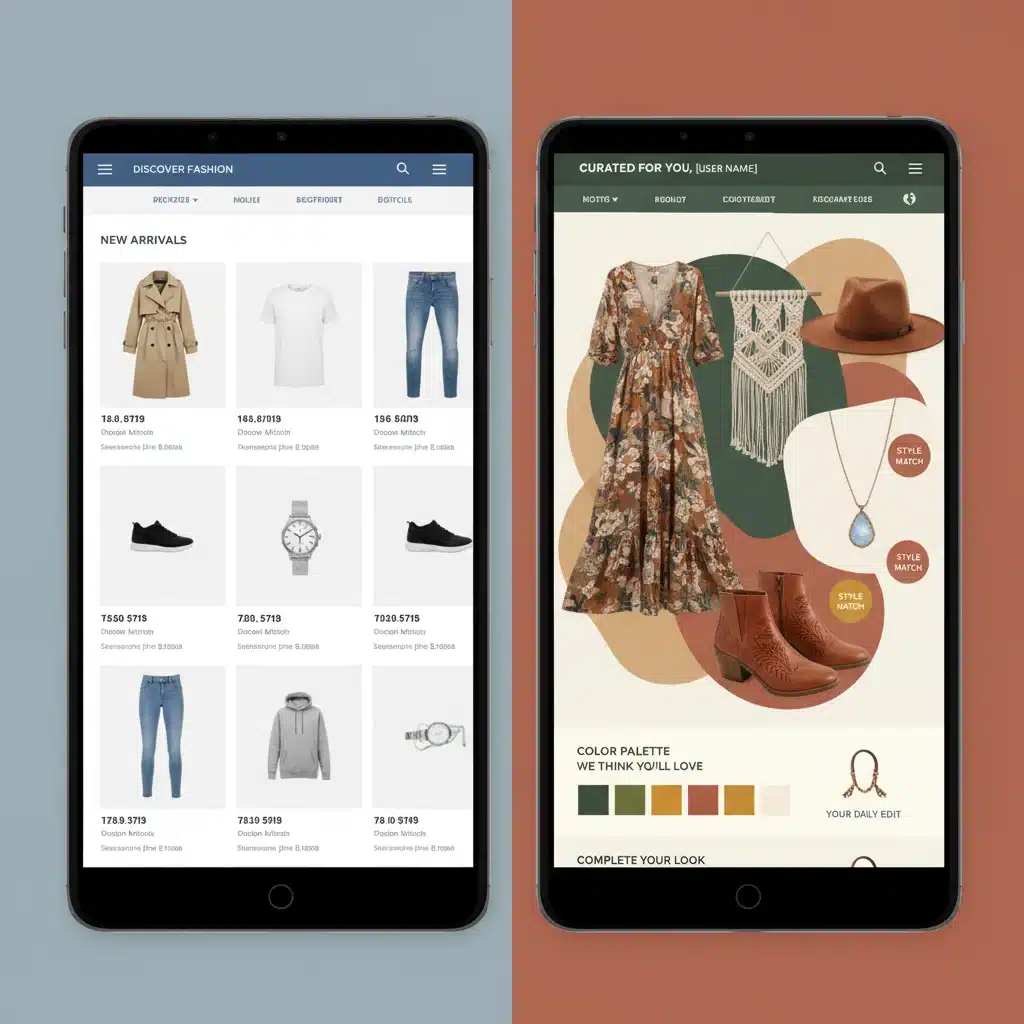
Personalization extends beyond just product recommendations to the entire user interface. AI will dynamically adjust website layouts, content, and even promotional offers based on individual user profiles. A first-time visitor might see a prominent “new arrivals” section, while a returning loyal customer might be greeted with exclusive loyalty program benefits or personalized bundles based on their purchase history. This dynamic optimization ensures that every visit is tailored to maximize engagement and conversion. The color schemes, banner images, and even the order of categories can be adjusted in real-time, creating an intuitive and highly relevant shopping environment for each user. This level of customization fosters a sense of being understood and valued, leading to increased customer satisfaction and brand loyalty.
Voice and Visual Search Integration
The way consumers search for products is also undergoing a revolution thanks to AI. Voice search, powered by natural language processing (NLP), will become even more sophisticated, allowing customers to describe products in natural, conversational language. “Show me a comfortable, stylish, yet durable pair of running shoes for trail running in wet conditions” will yield highly accurate and personalized results. Similarly, visual search will enable customers to upload an image of an item they like and receive recommendations for similar products available in the retailer’s inventory, or even suggestions for complementary items. This seamless integration of advanced search capabilities makes product discovery effortless and highly effective, further solidifying the role of AI in enhancing the shopping experience.
Real-time Adaptive Pricing and Promotions
Another significant trend driven by AI-powered personalization is the move towards real-time adaptive pricing and promotions. This isn’t about arbitrary price changes, but rather intelligent, data-driven adjustments designed to optimize both customer value and retailer profitability. By 2026, dynamic pricing will be a sophisticated tool, finely tuned by AI to respond to a multitude of factors.
Individualized Pricing Strategies
AI algorithms will analyze individual customer behavior, demand elasticity, competitor pricing, inventory levels, and even external factors like weather or local events to offer personalized pricing. For a loyal customer who frequently purchases a specific brand, AI might offer a small discount to secure the sale and reinforce loyalty. Conversely, a new customer browsing a high-demand item might see a standard price, or a limited-time offer to encourage a first purchase. This granular approach moves away from blanket discounts, ensuring that promotions are targeted and effective, maximizing conversion rates without unnecessarily eroding profit margins. The goal is to find the “sweet spot” for each individual customer, presenting them with an offer that feels like a good deal without devaluing the product.
Hyper-Targeted Promotional Offers
Beyond pricing, AI will personalize promotional offers down to the individual level. Instead of generic email blasts, customers will receive offers for products they’ve shown interest in, or for complementary items to recent purchases. For instance, if a customer just bought a new smartphone, AI might send a targeted promotion for phone cases, screen protectors, or wireless earbuds a few days later. These promotions can be delivered through various channels – email, SMS, in-app notifications, or even personalized ads on social media – ensuring they reach the customer at the most opportune moment. This level of precision dramatically increases the likelihood of conversion, as the offers are highly relevant and timely.
Subscription Box Customization and Upselling
The subscription box market will also see advanced AI-powered personalization. AI will learn from customer feedback, product ratings, and even unboxing videos to fine-tune the contents of future boxes. It can predict which new products a subscriber might enjoy, or suggest add-ons based on their evolving preferences. Furthermore, AI will be instrumental in upselling and cross-selling within subscription models. If a customer frequently adds a specific type of snack to their grocery subscription, AI might suggest a larger, more economical pack, or a gourmet version. This not only enhances the customer experience but also drives increased revenue for businesses by intelligently expanding average order value.
Proactive Customer Service and Support
Customer service, traditionally a reactive function, is becoming proactive and predictive thanks to AI-powered personalization. By 2026, AI will anticipate customer needs and potential issues, offering solutions before problems even arise, thereby transforming the entire support experience.
AI-Powered Chatbots and Virtual Assistants
The next generation of AI chatbots and virtual assistants will be far more sophisticated than their predecessors. Leveraging advanced natural language understanding (NLU) and machine learning, these tools will be able to handle complex queries, understand nuances in customer language, and even infer emotional states. They will be integrated with comprehensive customer profiles, allowing them to provide personalized assistance, track orders, process returns, and offer tailored recommendations based on past interactions and purchase history. Instead of just answering FAQs, these AI assistants will engage in meaningful conversations, guiding customers through their shopping journey or resolving issues with empathy and efficiency. This significantly reduces the burden on human customer service agents, allowing them to focus on more complex, high-value interactions.
Predictive Issue Resolution and Proactive Outreach
AI’s ability to analyze vast amounts of data enables it to identify patterns that might indicate potential issues. For example, if a shipping carrier consistently experiences delays in a particular region, AI can proactively notify affected customers, offer alternative solutions, or even automatically issue partial refunds. Similarly, if a customer has repeatedly viewed a product but hasn’t purchased it, AI might trigger a personalized email offering assistance, answering common questions about the product, or providing a limited-time incentive. This proactive approach minimizes customer frustration, builds trust, and enhances the overall brand perception. It transforms customer service from a cost center into a powerful tool for retention and loyalty.
Personalized Post-Purchase Engagement
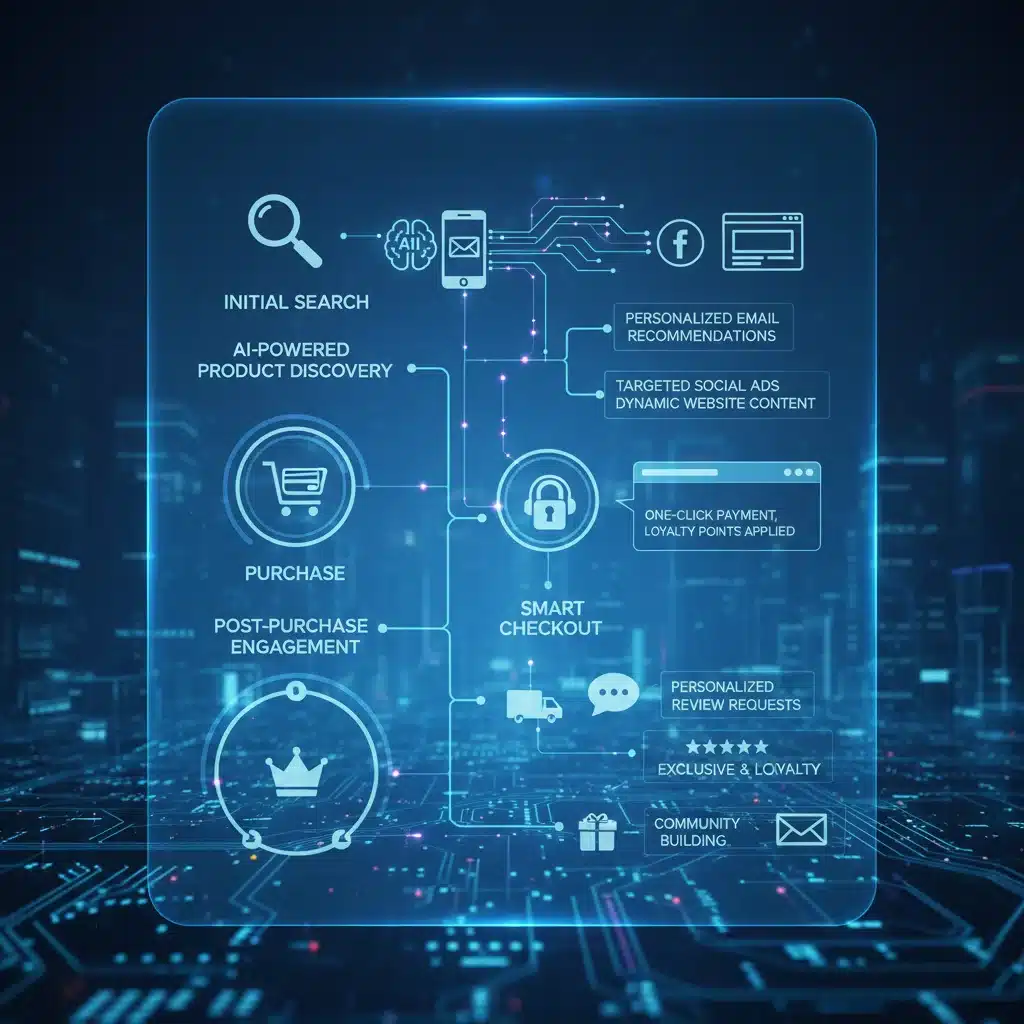
The customer journey doesn’t end at purchase, and AI-powered personalization will revolutionize post-purchase engagement. AI can send personalized thank-you notes, offer relevant product care tips, suggest complementary items, or invite customers to join a loyalty program. It can also solicit feedback at optimal times, ensuring that customer satisfaction is continuously monitored and addressed. For higher-value items, AI might schedule personalized follow-up messages or offer extended warranty options. This continuous, personalized engagement reinforces the customer relationship, encourages repeat purchases, and turns one-time buyers into loyal advocates. By making every interaction meaningful, AI extends the lifetime value of each customer.
Seamless Omnichannel Experiences
The modern consumer interacts with brands across multiple touchpoints: websites, mobile apps, social media, physical stores, and even smart devices. AI-powered personalization is the glue that binds these disparate channels into a seamless, cohesive, and deeply personalized omnichannel experience. By 2026, the distinction between online and offline shopping will blur, replaced by a fluid, integrated journey.
Unified Customer Profiles Across All Channels
At the heart of a seamless omnichannel experience is a unified customer profile. AI systems will aggregate data from every interaction – whether a customer browsed products on their phone, added items to a cart on their desktop, or asked a question to an in-store associate. This holistic view allows businesses to understand the customer’s journey across all touchpoints, ensuring that personalization is consistent and relevant, regardless of the channel. For example, an item added to a cart on a mobile app might trigger a personalized email reminder, or be visible to an associate if the customer visits a physical store, allowing for a tailored in-store experience. This eliminates the frustrating experience of having to repeat information or start fresh on a new channel.
Personalized In-Store Experiences
AI-powered personalization isn’t confined to the digital realm; it’s increasingly enhancing physical retail. When a customer enters a store, their smartphone (with opt-in permissions) could trigger personalized notifications about products they’ve viewed online, or special offers based on their loyalty status. In-store digital displays could dynamically change to showcase products relevant to the customer’s profile. Sales associates, equipped with AI-driven tools, could access a customer’s online browsing history and purchase preferences, allowing them to offer highly relevant assistance and recommendations. This integration creates a truly personalized shopping experience that bridges the gap between the digital and physical worlds.
Consistent Branding and Messaging
Ensuring consistent branding and messaging across all channels is crucial for building trust and reinforcing brand identity. AI helps maintain this consistency by centralizing content management and dynamically adapting messaging to suit the specific channel and customer context. Whether it’s a social media ad, an email newsletter, or a product description on the website, AI ensures that the brand’s voice, tone, and visual identity remain cohesive, while the underlying message is personalized. This not only enhances brand perception but also streamlines marketing efforts, ensuring that every customer interaction contributes to a unified and positive brand experience.
Challenges and Ethical Considerations in AI E-commerce Personalization
While the benefits of AI-powered personalization are undeniable, its widespread adoption also brings forth a set of challenges and ethical considerations that businesses must navigate carefully. By 2026, these issues will be at the forefront of consumer and regulatory discussions, requiring thoughtful strategies to maintain trust and ensure responsible innovation.
Data Privacy and Security Concerns
The very foundation of AI personalization – the collection and analysis of vast amounts of personal data – raises significant privacy concerns. Consumers are increasingly aware of their digital footprint and demand transparency regarding how their data is collected, stored, and used. E-commerce businesses must implement robust data security measures to protect against breaches and ensure compliance with evolving data protection regulations like CCPA and potential federal privacy laws. Building customer trust hinges on clear privacy policies, easy-to-understand consent mechanisms, and demonstrable commitment to safeguarding personal information. Any misstep in this area can severely damage a brand’s reputation and lead to significant legal repercussions.
Algorithmic Bias and Fairness
AI algorithms are only as unbiased as the data they are trained on. If historical data reflects societal biases (e.g., gender, race, socioeconomic status), the AI can inadvertently perpetuate or even amplify these biases in its personalization efforts. This could lead to discriminatory pricing, exclusionary product recommendations, or unequal access to promotions for certain demographic groups. Addressing algorithmic bias requires diverse and representative training datasets, regular auditing of AI models, and a commitment to fairness in output. E-commerce platforms must actively work to identify and mitigate these biases to ensure that personalization benefits all customers equitably, fostering an inclusive shopping environment.
The “Filter Bubble” Effect and Lack of Serendipity
Hyper-personalization, while efficient, can inadvertently create a “filter bubble” where customers are primarily exposed to content and products that align with their existing preferences. This can limit their exposure to new ideas, diverse products, or unexpected discoveries, reducing the element of serendipity that often enriches the shopping experience. Businesses need to strike a balance between relevance and discovery, perhaps by incorporating elements of curated novelty or “surprise me” features into their AI recommendations. The challenge is to maintain the magic of personalized discovery while still offering opportunities for customers to break out of their comfort zones and explore new horizons.
Transparency and Explainability of AI Decisions
As AI plays a more significant role in e-commerce decisions, there will be a growing demand for transparency and explainability. Customers may want to understand why they received a particular price, why certain products were recommended, or why an offer was unavailable to them. Businesses leveraging AI for personalization will need to develop ways to communicate the logic behind these decisions, even if simplified, to build trust and avoid the perception of opaque or unfair practices. This doesn’t mean revealing proprietary algorithms, but rather providing enough insight for customers to feel confident that the process is fair and rational. The ability to explain AI decisions will become a key differentiator for ethical e-commerce brands.
The Future of AI E-commerce Personalization: Beyond 2026
Looking beyond 2026, the evolution of AI-powered personalization in e-commerce promises even more sophisticated and integrated experiences. The foundational trends discussed will continue to mature, intertwining with emerging technologies to create a truly intelligent and intuitive retail ecosystem. The future will see personalization embedded so deeply into the fabric of daily life that it becomes almost invisible, yet profoundly impactful.
Proactive Shopping Agents and Contextual Commerce
Imagine a future where your AI personal shopping agent, aware of your calendar, inventory at home, and health goals, proactively suggests purchasing a specific brand of protein powder when your current supply is low, or recommends a new recipe and its ingredients based on your dietary preferences and upcoming schedule. This level of proactive, contextual commerce will move beyond mere recommendations to anticipating needs and facilitating purchases with minimal effort from the consumer. AI will integrate with smart home devices, wearables, and even vehicle systems to understand real-time contexts and offer hyper-relevant solutions at the precise moment of need. This transforms shopping from a task into a seamless, almost thoughtless process, orchestrated by intelligent agents.
Emotional AI and Empathic Personalization
The next frontier in AI-powered personalization involves understanding and responding to human emotions. Emotional AI, through analysis of tone of voice, facial expressions (via opt-in cameras during video calls), or even textual sentiment, could tailor interactions to a customer’s mood. If a customer expresses frustration, the AI might immediately route them to a human agent, or offer a more reassuring tone and simplified process. If they seem joyful, it might present celebratory offers. This empathic personalization will add a layer of human-like understanding to digital interactions, making the shopping experience feel more connected and less transactional. It’s about moving beyond what a customer wants, to understanding how they feel and adapting accordingly.
Hyper-Customization and On-Demand Manufacturing
AI will also drive a revolution in product customization. Instead of choosing from predefined options, customers will be able to design highly personalized products, with AI guiding them through the process, offering suggestions based on their style, body measurements, or functional needs. This will be seamlessly integrated with on-demand manufacturing and 3D printing technologies, allowing for the creation of unique, tailor-made items at scale. From bespoke clothing to custom-designed furniture, AI will empower consumers to be co-creators, fostering a deeper connection with the products they purchase and reducing waste associated with mass production. This shift towards individualized production will redefine the very concept of retail inventory and supply chains.
Ethical AI and Trust by Design
As AI becomes more pervasive, the emphasis on ethical AI and “trust by design” will intensify. Businesses will not only need to comply with regulations but also proactively build AI systems that are transparent, fair, and respectful of user autonomy. This includes developing clear ethical guidelines for AI development, implementing robust governance frameworks, and prioritizing privacy-preserving technologies like federated learning. E-commerce platforms that prioritize ethical AI and clearly communicate their commitment to responsible data usage will gain a significant competitive advantage, as consumer trust becomes an even more valuable commodity. The future of AI personalization is not just about technological capability, but also about societal responsibility.
Conclusion: The Personalization Imperative
The journey of AI-powered personalization in US e-commerce is well underway, and by 2026, its impact will be undeniable. From hyper-personalized product discovery and adaptive pricing to proactive customer service and seamless omnichannel experiences, AI is fundamentally redefining the relationship between consumers and brands. The trends discussed highlight a future where every interaction is tailored, every recommendation is relevant, and every shopping journey is unique. Businesses that embrace these advancements will not only meet but exceed evolving customer expectations, fostering deeper loyalty and driving sustained growth.
However, the path forward is not without its challenges. Addressing concerns around data privacy, algorithmic bias, and the potential for “filter bubbles” will be crucial for maintaining consumer trust and ensuring the ethical deployment of these powerful technologies. The future of AI personalization is bright, promising an era of unprecedented convenience and relevance for shoppers, and unparalleled opportunities for businesses willing to innovate responsibly. The imperative for retailers is clear: adapt, personalize, and thrive in the AI-driven future of e-commerce.