Avoid 25% Surcharge: New U.S. Domestic Baggage Policies 2026 Explained
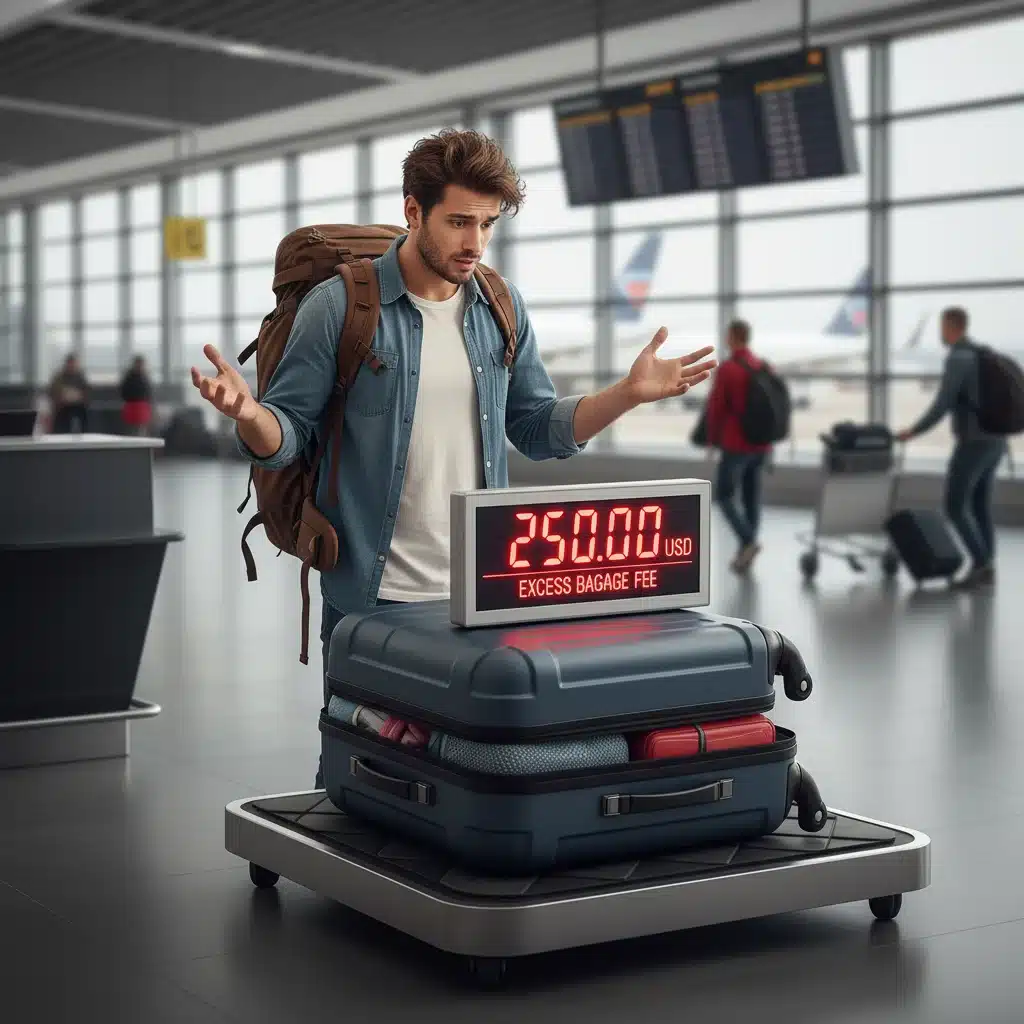
The landscape of air travel is constantly evolving, and 2026 is set to bring significant changes to how we pack and pay for our luggage on U.S. domestic flights. A looming 25% surcharge on certain baggage fees could catch many travelers off guard, leading to unexpected costs and frustration. Understanding these new airline baggage policies 2026 is not just about saving money; it’s about making your travel experience smoother and more predictable. This comprehensive guide will delve into the intricacies of these upcoming regulations, providing you with practical strategies to navigate the changes, avoid unnecessary fees, and ensure your journey remains as stress-free as possible.
The Impending Changes: What You Need to Know About Airline Baggage Policies 2026
The year 2026 marks a pivotal moment for domestic air travel in the United States, primarily due to anticipated shifts in airline baggage policies 2026. While the exact details are still being finalized by individual carriers and regulatory bodies, the general consensus points towards an increased focus on revenue generation through ancillary services, with baggage being a prime target. The proposed 25% surcharge is a significant addition that could impact a wide range of travelers, from occasional vacationers to frequent business flyers.
Why the Change? Understanding the Driving Forces
Several factors contribute to the ongoing evolution of airline baggage policies. Airlines operate on thin margins, and ancillary fees, including those for baggage, have become a crucial component of their profitability. As operational costs, fuel prices, and labor expenses continue to rise, airlines are looking for ways to offset these expenditures without drastically increasing base ticket prices, which could deter customers. Additionally, the drive for greater efficiency and reduced turnaround times at airports often leads to policies that encourage passengers to travel lighter or consolidate their belongings.
The introduction of a 25% surcharge on certain baggage fees is likely a strategic move to encourage passengers to either adhere more strictly to existing weight and size limits, or to purchase higher-tier fare options that include baggage allowances. It also serves as a strong incentive for travelers to pre-pay for baggage online, where fees are typically lower than at the airport. This helps airlines manage logistics more effectively and provides them with upfront revenue.
Who Will Be Affected by the 2026 Surcharge?
- Travelers with oversized or overweight bags: If your bag goes over the airline’s specified weight or dimension limits, you’re likely to face the surcharge in addition to the existing excess baggage fee.
- Passengers checking bags at the last minute: Airlines often charge more for baggage checked at the airport counter compared to those paid for online in advance. The surcharge could be applied to these higher airport rates.
- Basic Economy passengers: Many basic economy fares do not include a free checked bag. If you opt to check a bag with such a fare, you’ll likely incur a fee, and that fee could be subject to the surcharge.
- Those flying with multiple checked bags: While some fares include one free checked bag, subsequent bags almost always incur a fee. These additional bag fees could also see the 25% increase.
It’s crucial to note that carry-on baggage policies are also subject to change, though the 25% surcharge is less likely to directly apply to standard carry-on items unless they are found to be oversized at the gate, which already incurs significant penalties. The key takeaway is that planning and preparation will be more vital than ever.
Decoding Airline-Specific Baggage Policies for 2026
While the 25% surcharge will be a general trend, each airline will implement its own specific airline baggage policies 2026. It’s imperative not to assume uniformity across carriers. What works for one airline might lead to hefty fees on another. Therefore, a carrier-by-carrier understanding is paramount.
Major U.S. Carriers: A Glimpse into Potential Rules
Here’s a general overview of what to expect from major U.S. domestic airlines. Remember, these are projections based on current trends and industry discussions; always verify directly with your chosen airline before flying.
American Airlines
- Checked Baggage: Expect standard fees for the first and second checked bags on most economy fares, with higher fees for third and subsequent bags. The 25% surcharge will likely apply to any bags exceeding weight/size limits or those paid for at the airport.
- Carry-on: One personal item and one carry-on bag typically included. Strict enforcement of size limits is anticipated.
- Tips: Consider their AAdvantage credit cards, which often include free checked bags. Pre-pay online for the best rates.
Delta Air Lines
- Checked Baggage: Similar to American, expect fees for checked bags on most basic economy and main cabin fares. Oversize/overweight charges, potentially subject to the 25% surcharge, will be strictly applied.
- Carry-on: Generous carry-on allowance (one personal item + one carry-on).
- Tips: Delta SkyMiles Medallion members and Delta SkyMiles American Express cardholders often receive free checked bags. Check their website for the most current rules.
United Airlines
- Checked Baggage: Fees for checked bags are standard, especially for basic economy fares. The 25% surcharge will likely be added to existing excess and airport-paid baggage fees.
- Carry-on: One personal item and one carry-on bag are standard. Basic Economy fares may have stricter carry-on rules, sometimes only allowing a personal item.
- Tips: United MileagePlus credit cards offer free checked bags. Always review their specific baggage calculator before your flight.
Southwest Airlines
- Checked Baggage: Southwest famously offers two free checked bags per passenger. This policy is a significant differentiator and is generally expected to continue, potentially making them an attractive option for those with more luggage.
- Carry-on: One personal item and one carry-on bag are included.
- Tips: While they offer free checked bags, ensure your bags still meet their weight and size limits to avoid potential future surcharges if their policy changes or if you exceed allowances.
Budget Airlines (Spirit, Frontier, Allegiant, etc.)
- Checked Baggage: These airlines are notorious for charging for almost everything, including carry-on and checked bags. Expect dynamic pricing for baggage, with the lowest rates online and the highest at the airport. The 25% surcharge will likely be layered on top of already high airport fees.
- Carry-on: Typically, only a small personal item is free. A standard carry-on bag will incur a fee, often comparable to a checked bag.
- Tips: If flying budget, pay for ALL baggage online and as early as possible. Consider if the total cost (ticket + baggage) is still cheaper than a full-service airline.
Always Check the Fine Print
Before booking any flight for 2026, or even after, dedicate time to review the specific baggage policy of your chosen airline. Look for:
- Weight and Dimension Limits: These are crucial. A few pounds or inches can trigger significant fees.
- Fee Structure: Understand the cost for the first, second, and subsequent bags, as well as for oversized/overweight items.
- Payment Deadlines: When is the last moment to pay for baggage online to get the cheaper rate?
- Exemptions: Do elite status, specific credit cards, or certain fare types offer baggage waivers?
Practical Strategies to Avoid the 25% Baggage Surcharge
Forewarned is forearmed. With the new airline baggage policies 2026 on the horizon, proactive planning is your best defense against unexpected fees. Here’s how to minimize your baggage costs.
1. Master the Art of Packing Light
This is the most effective strategy. Every item you bring should serve a purpose. Consider:
- Capsule Wardrobe: Plan outfits that can be mixed and matched. Stick to a color palette.
- Travel-Sized Toiletries: Decant your favorite products into smaller containers or buy travel-sized versions.
- Multipurpose Items: A sarong can be a towel, scarf, or cover-up. A travel adapter with multiple USB ports reduces the need for many chargers.
- Digitalize Documents: Save books, magazines, and documents on your tablet or phone instead of carrying physical copies.
- Wear Your Heaviest Items: Wear your bulkiest shoes and heaviest jacket on the plane.
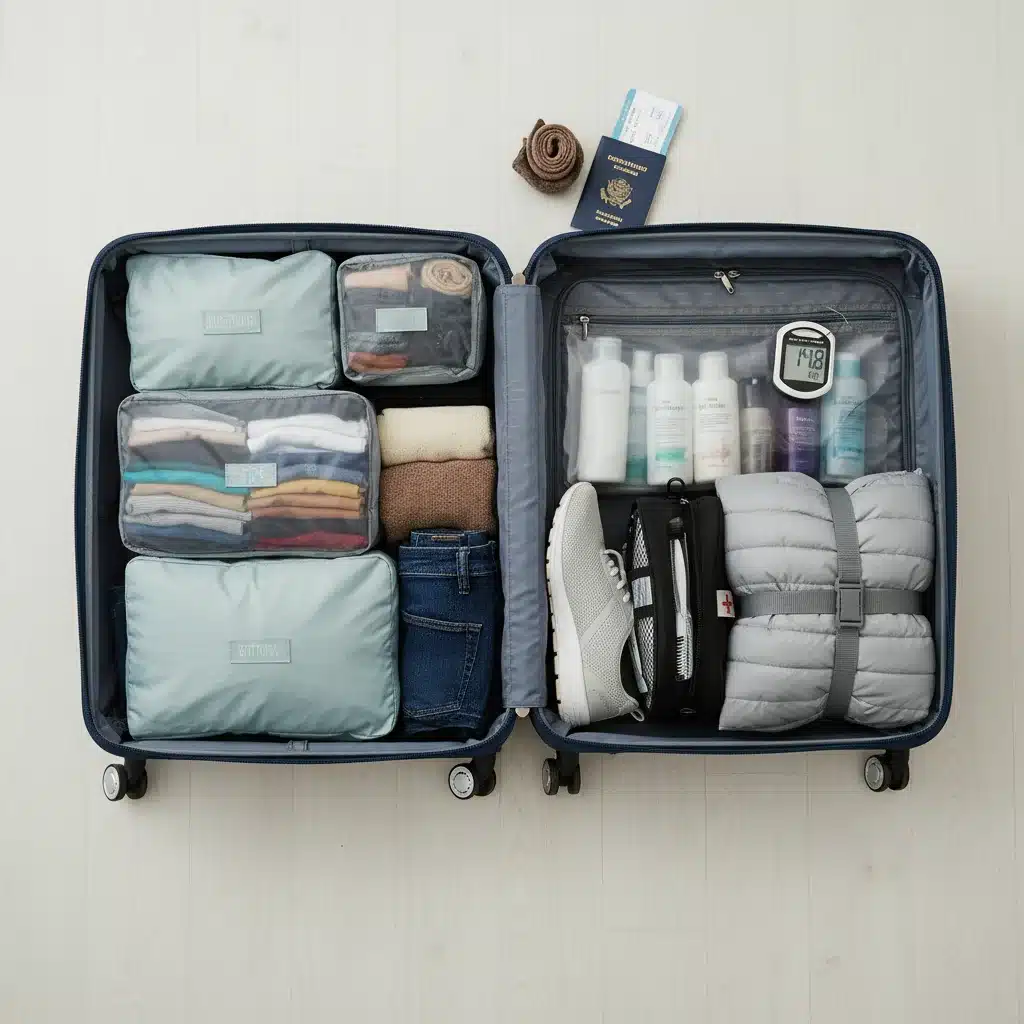
2. Invest in Smart Packing Tools
- Packing Cubes: These compartmentalize your luggage, compress clothes, and make it easier to find items without rummaging. They don’t reduce weight but help organize and create space.
- Lightweight Luggage: Your suitcase itself contributes to the total weight. Opt for lightweight, durable luggage. Many modern bags are designed with this in mind.
- Portable Luggage Scale: This is a game-changer. Weigh your bags at home to avoid surprises at the airport. They are inexpensive and can save you significant money.
- Vacuum Seal Bags (Use with Caution): While they compress clothes, they don’t reduce weight. If your issue is bulk, they can help, but if it’s weight, they won’t. Also, ensure you have a way to re-seal them for the return journey.
3. Leverage Carry-On Allowance
Maximize your carry-on and personal item allowance. This is often the only free baggage you get. Ensure your items fit the airline’s size guidelines. A good travel backpack or a small roller bag can fit a surprising amount of clothing and essentials for a short trip.
- Personal Item Strategy: Your personal item (backpack, purse, laptop bag) can be surprisingly spacious. Pack essentials, electronics, medications, and a change of clothes here.
- Gate Check: If your carry-on is slightly oversized or the flight is full, airlines may offer free gate-checking. While not guaranteed, it’s a possibility to avoid checked bag fees if you’re lucky.
4. Pre-Pay for Checked Baggage Online
Almost universally, paying for checked baggage online, in advance, is cheaper than doing so at the airport counter or gate. This will likely be even more critical with the 25% surcharge. Many airlines offer a discount for online pre-payment, and this rate will be your best bet to avoid the surcharge on top of already higher airport fees.
5. Consider Airline Credit Cards and Loyalty Programs
Many airline-branded credit cards offer perks like a free first checked bag for the cardholder and sometimes even companions on the same reservation. If you frequently fly with one airline, the annual fee for such a card might be offset by the savings on baggage fees alone. Similarly, achieving elite status in an airline’s loyalty program almost always includes free checked baggage allowances.
6. Ship Your Luggage
For longer trips, or if you have specialized equipment (golf clubs, skis), consider shipping your luggage via a dedicated service or even through USPS, FedEx, or UPS. Compare the cost of shipping versus airline baggage fees, especially with the impending surcharge. Sometimes, shipping can be more cost-effective and convenient, as your bags go directly to your destination.
7. Understand Group Travel Policies
If you’re traveling with family or a group, coordinate your packing. Some airlines allow pooling of baggage allowances, while others charge per person. Knowing this can help you distribute items more efficiently and avoid individual surcharges.
The Future of Travel: Adapting to New Norms
The introduction of the 25% surcharge on certain baggage fees in 2026 is a clear indicator that airlines are continuing to refine their business models. For travelers, this means a greater need for awareness and adaptability. The days of simply showing up at the airport with a heavy suitcase without considering the financial implications are rapidly fading.
Embracing a Mindset Shift
Instead of viewing these changes as an inconvenience, consider them an opportunity to refine your travel habits. Traveling lighter can often lead to a more liberating experience, allowing for easier navigation through airports and public transport at your destination. It forces a more thoughtful approach to what you truly need versus what you merely want to bring.
Advocacy and Consumer Rights
While airlines have the right to set their policies, transparency and clear communication are paramount. Stay informed about consumer rights regarding baggage, especially if you encounter issues with lost, damaged, or mishandled luggage. Organizations like the Department of Transportation (DOT) oversee airline compliance and consumer protection.
Frequently Asked Questions (FAQs) About Airline Baggage Policies 2026
Q1: When exactly do the new 2026 baggage policies come into effect?
A: While the general trend of increased fees and the 25% surcharge is anticipated for 2026, the exact effective dates will vary by airline. It’s crucial to check with your specific carrier as 2025 progresses and into 2026. Airlines typically announce policy changes several months in advance.
Q2: Will the 25% surcharge apply to carry-on bags?
A: Generally, the 25% surcharge is expected to apply to checked baggage fees, particularly those for oversized/overweight bags or those paid at the airport. Standard carry-on bags that meet size and weight requirements are less likely to incur this specific surcharge. However, if a carry-on is deemed oversized at the gate and must be checked, it may then be subject to regular checked bag fees, which could potentially include the surcharge if paid last-minute.
Q3: What’s the best way to stay updated on my airline’s specific policies?
A: The most reliable way is to regularly check the official website of the airline you plan to fly with. Look for sections on ‘Baggage Information,’ ‘Baggage Fees,’ or ‘Travel Policies.’ Signing up for their email newsletters can also provide timely updates. Additionally, travel news outlets and consumer advocacy sites often report on major airline policy changes.
Q4: Are there any ways to get free checked bags in 2026?
A: Yes, several methods are likely to remain viable: holding an airline-branded credit card that offers free checked bags, achieving elite status in an airline’s loyalty program, or flying on certain premium fare classes (e.g., first class, business class). Southwest Airlines also famously includes two free checked bags with all fares.
Q5: Should I buy travel insurance that covers baggage fees?
A: Most standard travel insurance policies cover lost, delayed, or damaged luggage, but they typically do not reimburse standard baggage fees you pay to the airline. They might cover fees if your bag is lost and you need to purchase essentials. Always read the fine print of any insurance policy to understand what is and isn’t covered regarding baggage.
Q6: What if my flight involves multiple airlines?
A: If your itinerary involves codeshare flights or connections with different airlines, the baggage policy of the operating carrier (the airline whose plane you are physically flying on for that segment) usually applies. However, if you bought a single ticket through one airline, their policy might govern the entire journey. It’s a complex area, so always verify with the first operating carrier or the airline from which you purchased your ticket.
Q7: Can I contest a baggage fee if I believe it’s unfair?
A: If you believe you were unfairly charged a baggage fee (e.g., your bag was within limits but charged as overweight), document everything: take photos of your bag on the scale, keep receipts, and note the name of the agent. You can then contact the airline’s customer service. If unsatisfied, you can file a complaint with the Department of Transportation (DOT).
Conclusion: Navigating the Future of Air Travel with Confidence
The upcoming airline baggage policies 2026, particularly the potential 25% surcharge on certain fees, signal a shift that demands greater awareness and strategic planning from U.S. domestic travelers. By understanding the reasons behind these changes, familiarizing yourself with individual airline rules, and implementing smart packing and payment strategies, you can effectively mitigate the impact of these new regulations.
Remember, preparation is your most valuable tool. Research your airline’s specific policies, pack efficiently, consider loyalty programs and credit card benefits, and always pre-pay for checked luggage online when possible. By doing so, you can avoid unexpected costs, ensure a smoother airport experience, and continue to enjoy the convenience and excitement of air travel without the added financial burden of avoidable baggage surcharges. Happy travels!