Sustainable Living Trends 2026: Consumer Priorities and Impact
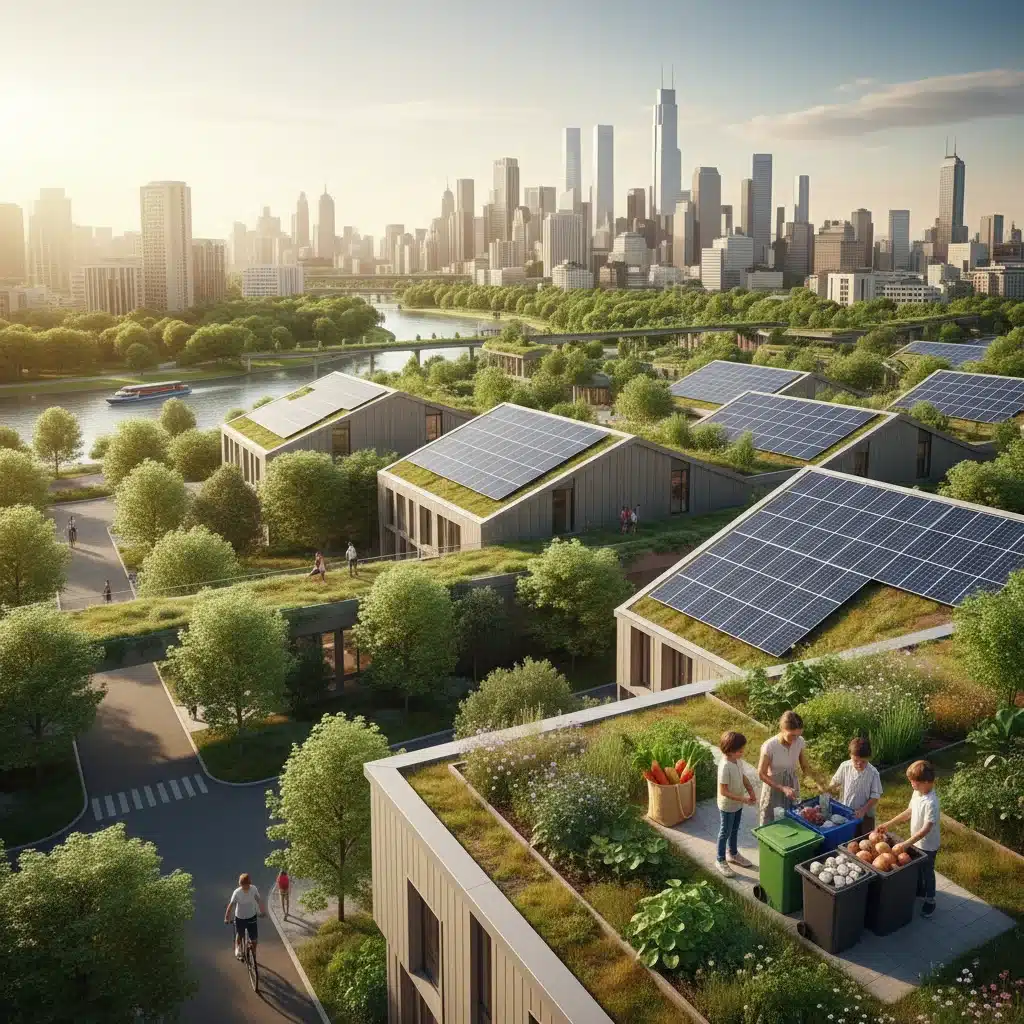
Sustainable Living as a Daily Trend: What 70% of US Consumers Are Prioritizing in 2026
The global conversation around environmental sustainability has intensified dramatically over the past decade, and its impact on consumer behavior is undeniable. As we approach 2026, a significant shift is becoming increasingly clear: sustainable living trends are no longer a niche concern but a mainstream priority for a vast majority of Americans. Projections indicate that an impressive 70% of US consumers will actively prioritize sustainable choices in their daily lives, influencing everything from their purchasing habits to their energy consumption.
This isn’t merely about occasional recycling or a one-off purchase of an eco-friendly product. Instead, it signifies a profound and pervasive integration of environmental consciousness into everyday decisions. For businesses, policymakers, and individuals alike, understanding these evolving sustainable living trends is not just beneficial, but essential for navigating the future landscape of consumption and societal values.
The Driving Forces Behind the Surge in Sustainable Living Trends
Several interconnected factors are fueling the rapid acceleration of sustainable living trends. A heightened awareness of climate change and its tangible effects – from extreme weather events to resource depletion – is arguably the most significant. Consumers are increasingly witnessing the consequences of unsustainable practices firsthand, leading to a greater sense of urgency and personal responsibility.
Beyond environmental concerns, ethical considerations play a crucial role. Consumers are demanding greater transparency from companies regarding their supply chains, labor practices, and overall environmental footprint. The rise of social media and accessible information has empowered individuals to research and scrutinize brands, making ethical sourcing and production a non-negotiable for many.
Furthermore, government policies and corporate initiatives are also contributing to this shift. Incentives for renewable energy, regulations on plastic waste, and the growing number of companies committing to net-zero emissions are creating an environment where sustainable choices are not only encouraged but often more accessible and affordable. This synergy of individual concern, ethical demands, and systemic support is propelling sustainable living trends into the forefront of consumer consciousness.
Key Areas of Prioritization: What 70% of US Consumers Will Focus On
The 70% of US consumers prioritizing sustainability in 2026 will manifest their commitment across a diverse range of areas. While individual priorities may vary, several overarching themes are emerging as central to the sustainable living trends movement.
1. Ethical and Transparent Consumption
The days of blind consumption are waning. Consumers are increasingly savvy about the origins of their products and the impact of their purchases. This means a strong preference for brands that demonstrate clear ethical practices, fair labor standards, and transparent supply chains. Certifications like Fair Trade, B Corp, and organic labels will gain even more traction as consumers seek verifiable proof of a brand’s commitment to sustainability.
This focus extends to understanding the entire lifecycle of a product, from raw material extraction to disposal. Brands that can effectively communicate their efforts in minimizing environmental harm at every stage will gain a significant competitive advantage. This includes a growing interest in products made from recycled materials, those designed for durability and repair, and those offering take-back programs for end-of-life recycling.
2. Reduced Waste and Circular Economy Principles
The concept of a linear ‘take-make-dispose’ economy is rapidly being replaced by a desire for circularity. Consumers are actively seeking ways to reduce their waste footprint, leading to a surge in demand for reusable products, refillable packaging, and repair services. The popularity of zero-waste stores, bulk buying options, and second-hand markets is a testament to this growing trend.
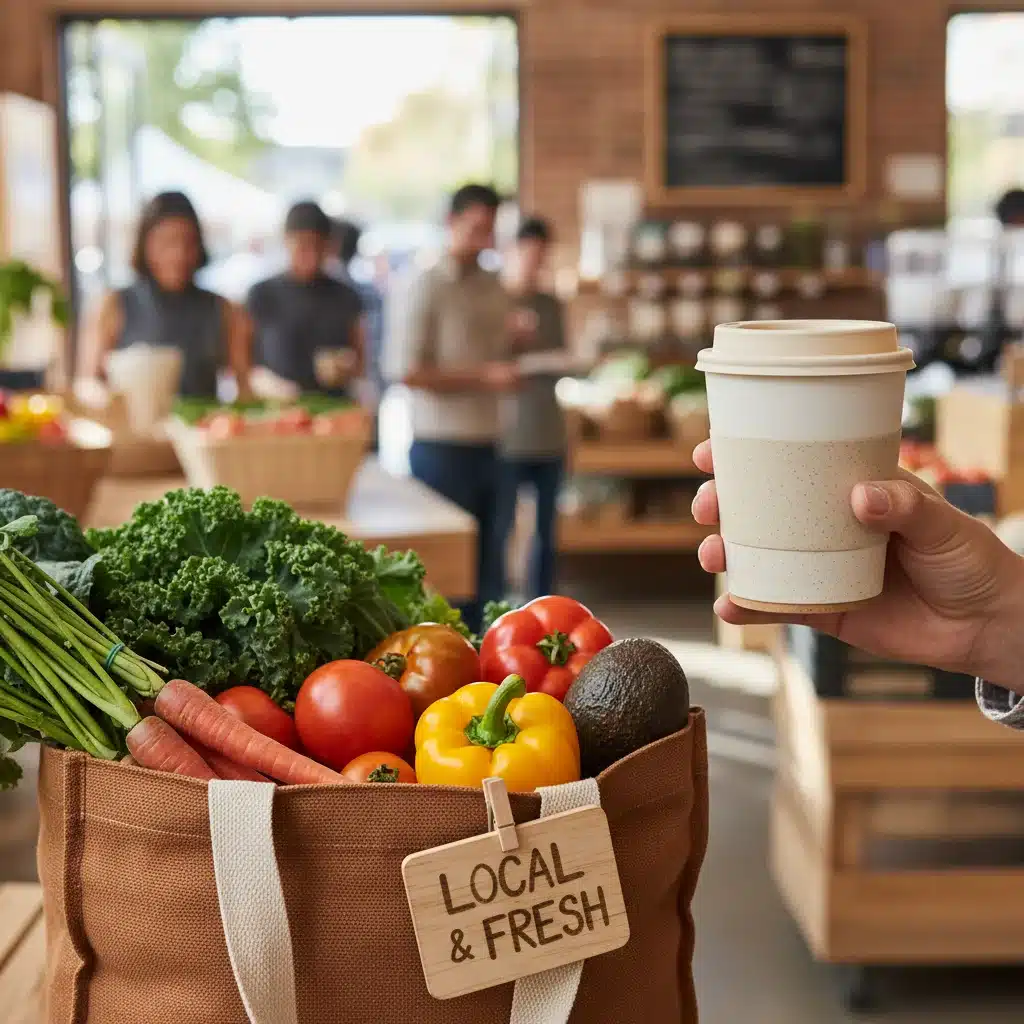
This includes a significant push to minimize single-use plastics. From reusable water bottles and coffee cups to silicone food storage and solid personal care products, consumers are making conscious choices to opt out of disposable culture. Businesses that innovate in packaging solutions, offering compostable, biodegradable, or truly recyclable alternatives, will resonate strongly with this environmentally-aware demographic. The shift towards a circular economy is a foundational element of evolving sustainable living trends.
3. Energy Efficiency and Renewable Energy Adoption
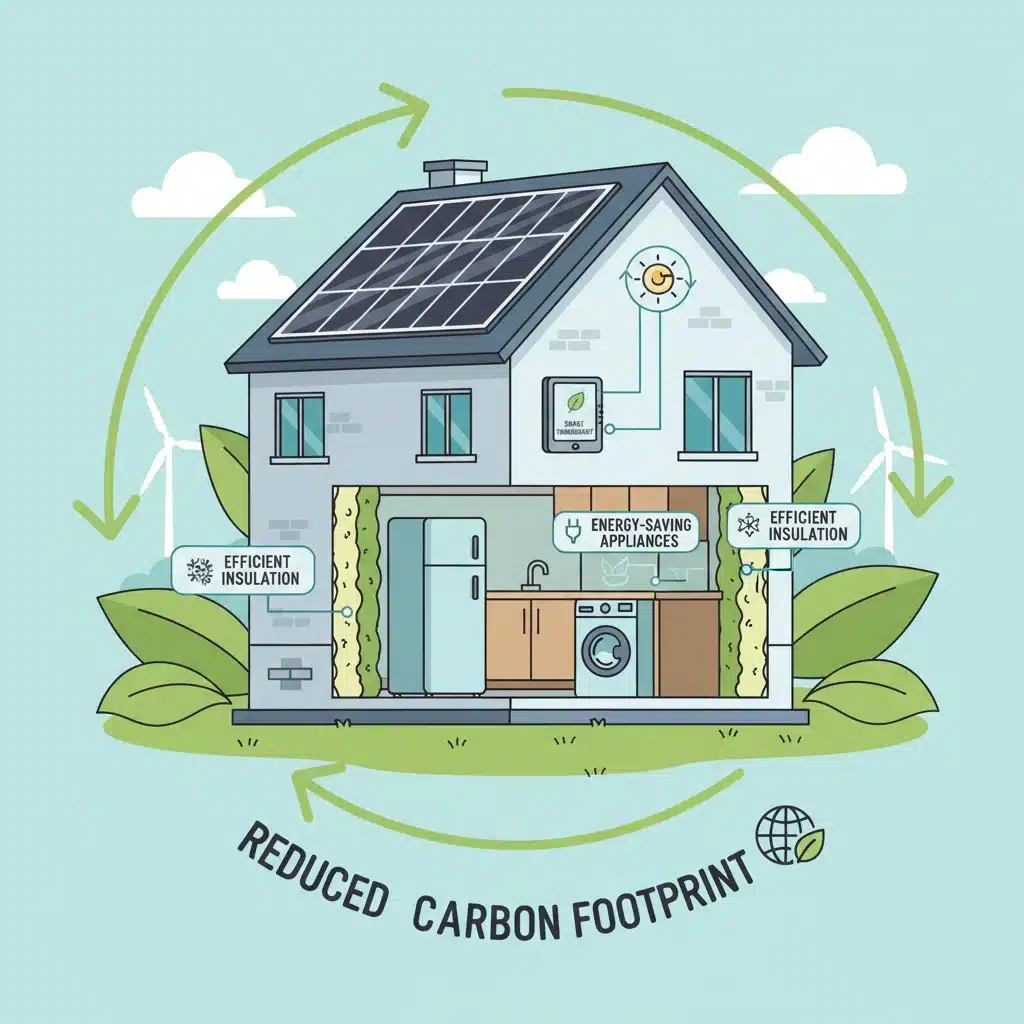
At home and in their daily commutes, consumers are increasingly prioritizing energy efficiency. This manifests in a greater demand for energy-star certified appliances, smart home technologies that optimize energy usage, and improved home insulation. Beyond efficiency, the adoption of renewable energy sources is gaining significant momentum.
For homeowners, this means a growing interest in solar panel installations and exploring options for green energy providers. For renters, it translates to a preference for properties with energy-efficient features and landlords who prioritize sustainable building practices. The electric vehicle (EV) market is also set to explode, with more consumers viewing EVs as a crucial step towards reducing their carbon footprint and embracing sustainable living trends in transportation. The infrastructure for EVs, including charging stations, will need to expand rapidly to meet this burgeoning demand.
4. Sustainable Food Systems and Plant-Based Diets
The environmental impact of food production is a major concern for many consumers. This is driving a significant shift towards more sustainable food systems. The demand for locally sourced, seasonal produce is increasing, as it reduces transportation emissions and supports local economies. Organic and regenerative farming practices, which prioritize soil health and biodiversity, are also gaining favor.
Furthermore, plant-based diets continue to rise in popularity. Concerns about the environmental footprint of meat production, coupled with ethical considerations and health benefits, are leading more consumers to reduce their meat intake or adopt fully vegetarian and vegan lifestyles. The market for plant-based alternatives, from meat substitutes to dairy-free products, is expanding rapidly to meet this growing consumer preference. This dietary evolution is a powerful indicator of changing sustainable living trends.
5. Water Conservation and Management
As water scarcity becomes a more pressing issue in various regions, water conservation is moving up the priority list for consumers. This involves conscious efforts to reduce water usage at home, through practices like shorter showers, efficient irrigation systems for gardens, and the use of water-saving appliances. There’s also a growing awareness of the ‘hidden’ water footprint of products, leading consumers to favor brands that demonstrate responsible water management in their production processes.
Innovations in water recycling and rainwater harvesting are also becoming more appealing to homeowners looking to minimize their environmental impact. This focus on water stewardship reflects a deeper understanding of interconnected ecological systems and a commitment to preserving vital natural resources.
The Economic and Social Implications of Sustainable Living Trends
The widespread adoption of sustainable living trends by 70% of US consumers will have profound economic and social implications. For businesses, it presents both challenges and unparalleled opportunities. Companies that fail to adapt and integrate sustainability into their core operations risk losing market share and consumer trust. Conversely, those that embrace sustainable practices, innovate with eco-friendly products, and communicate their efforts effectively stand to gain significant competitive advantages and build stronger brand loyalty.
The green economy is set to flourish, creating new jobs in renewable energy, sustainable agriculture, waste management, and eco-friendly manufacturing. This shift will also drive innovation across various sectors, as companies strive to develop more sustainable materials, processes, and technologies. Investment in sustainable infrastructure, from public transportation to smart grids, will also see a significant boost.
Socially, these sustainable living trends foster a greater sense of community and shared responsibility. As individuals make more conscious choices, there’s a collective impact that can lead to healthier environments, improved public health, and a more equitable distribution of resources. Education and awareness campaigns will continue to play a vital role in empowering consumers with the knowledge and tools to make informed sustainable decisions.
Challenges and Opportunities on the Path to Widespread Sustainability
While the momentum behind sustainable living trends is strong, challenges remain. Affordability is often cited as a barrier, with sustainable products sometimes carrying a higher price tag. Bridging this gap through economies of scale, technological advancements, and government subsidies will be crucial. Consumer education is another ongoing need, as misinformation and greenwashing can confuse and deter well-intentioned individuals.
The transition to a fully sustainable economy also requires significant infrastructural changes and policy support. This includes investing in renewable energy grids, developing robust recycling and composting facilities, and implementing regulations that incentivize sustainable business practices while penalizing environmentally harmful ones. Collaboration between governments, businesses, and civil society organizations will be essential to overcome these hurdles.
However, the opportunities far outweigh the challenges. The market for sustainable products and services is projected to grow exponentially, offering fertile ground for innovation and entrepreneurship. Companies that prioritize sustainability are finding that it not only appeals to consumers but also leads to increased efficiency, reduced costs, and enhanced brand reputation. Furthermore, a sustainable future promises a healthier planet and a more resilient society for generations to come. Embracing these sustainable living trends is not just an environmental imperative, but a strategic advantage.
How Businesses Can Adapt to Evolving Sustainable Living Trends
For businesses looking to thrive in an era dominated by sustainable living trends, proactive adaptation is key. Ignoring these shifts is no longer an option. Here are several strategies companies can employ:
- Integrate Sustainability into Core Strategy: Sustainability should not be an afterthought or a separate department but woven into the very fabric of the business model, from product design to supply chain management.
- Transparent Communication: Be honest and clear about sustainability efforts, progress, and challenges. Avoid greenwashing, as consumers are increasingly adept at spotting insincere claims.
- Innovate Sustainable Products and Services: Invest in research and development to create products that are durable, repairable, made from recycled or renewable materials, and designed for circularity.
- Optimize Supply Chains: Work with suppliers who share a commitment to ethical and sustainable practices. Reduce transportation emissions and waste throughout the supply chain.
- Reduce Environmental Footprint: Implement energy-saving measures, switch to renewable energy sources, minimize water usage, and reduce waste generation in operations.
- Support Circular Economy Initiatives: Offer take-back programs, repair services, or refillable options to extend product lifecycles and reduce waste.
- Engage and Educate Consumers: Provide clear information on how consumers can make more sustainable choices and the positive impact of their purchases.
- Seek Certifications: Obtain reputable third-party certifications (e.g., B Corp, Fair Trade, LEED) to validate sustainability claims and build trust.
By embracing these strategies, businesses can not only meet the growing demand for sustainable options but also become leaders in the transition to a more responsible and environmentally conscious economy. The future of commerce is inextricably linked to the trajectory of sustainable living trends.
The Role of Technology in Advancing Sustainable Living Trends
Technology is a powerful enabler in the advancement of sustainable living trends. From smart home devices that optimize energy consumption to AI-powered platforms that help businesses track and reduce their carbon footprint, innovation is driving progress across multiple fronts.
For individuals, apps and platforms can help track personal carbon footprints, discover local sustainable businesses, and even facilitate sharing and repairing goods. The Internet of Things (IoT) is making homes more energy-efficient by automating lighting, heating, and cooling based on occupancy and external conditions. Advanced sensors can monitor water usage and detect leaks, preventing waste.
In industry, technologies like blockchain are being used to enhance supply chain transparency, allowing consumers to verify the ethical sourcing and environmental impact of products. New materials science is developing biodegradable plastics, sustainable textiles, and construction materials with lower environmental footprints. Precision agriculture, powered by AI and drones, is optimizing resource use in food production, reducing water consumption and pesticide use. These technological advancements are critical accelerators for sustainable living trends.
Global Perspective on Sustainable Living Trends
While the focus here has been on US consumers, it’s important to recognize that sustainable living trends are a global phenomenon. Many European countries, for example, have been at the forefront of environmental policy and consumer adoption of sustainable practices for decades. Asia, with its massive consumer base and growing environmental challenges, is also seeing a rapid rise in eco-consciousness and sustainable market development.
International collaborations, global agreements on climate change, and the sharing of best practices across borders are all contributing to a more unified global movement towards sustainability. The interconnectedness of our planet means that sustainable choices made in one region can have positive ripple effects worldwide. As such, the 70% prioritization among US consumers is part of a larger, global paradigm shift, indicating a collective awakening to the necessity of sustainable living for the health of both people and the planet.
Conclusion: A Sustainable Future is Within Reach
The projection that 70% of US consumers will prioritize sustainable living trends by 2026 is not just a statistic; it represents a cultural transformation. It signifies a collective understanding that our consumption patterns have a direct and profound impact on the environment and future generations. This shift is driven by a combination of increased awareness, ethical considerations, and a growing desire for a healthier, more resilient world.
For individuals, this means integrating conscious choices into daily routines, from what we buy and eat to how we power our homes and travel. For businesses, it demands a fundamental rethinking of operations, supply chains, and product development, prioritizing environmental and social responsibility alongside profit. For policymakers, it necessitates creating supportive frameworks, incentives, and regulations that accelerate the transition to a sustainable economy.
The path forward will undoubtedly have its complexities, but the overwhelming consumer demand for sustainable options provides a powerful impetus for change. By embracing these sustainable living trends, we are not merely adapting to a new market reality; we are actively shaping a future where economic prosperity and ecological well-being are not mutually exclusive but intrinsically linked. The momentum is undeniable, and the vision of a sustainable future is becoming clearer with each conscious choice made.