Top 7 Herbal Remedies 2026: US Wellness Trends Explored
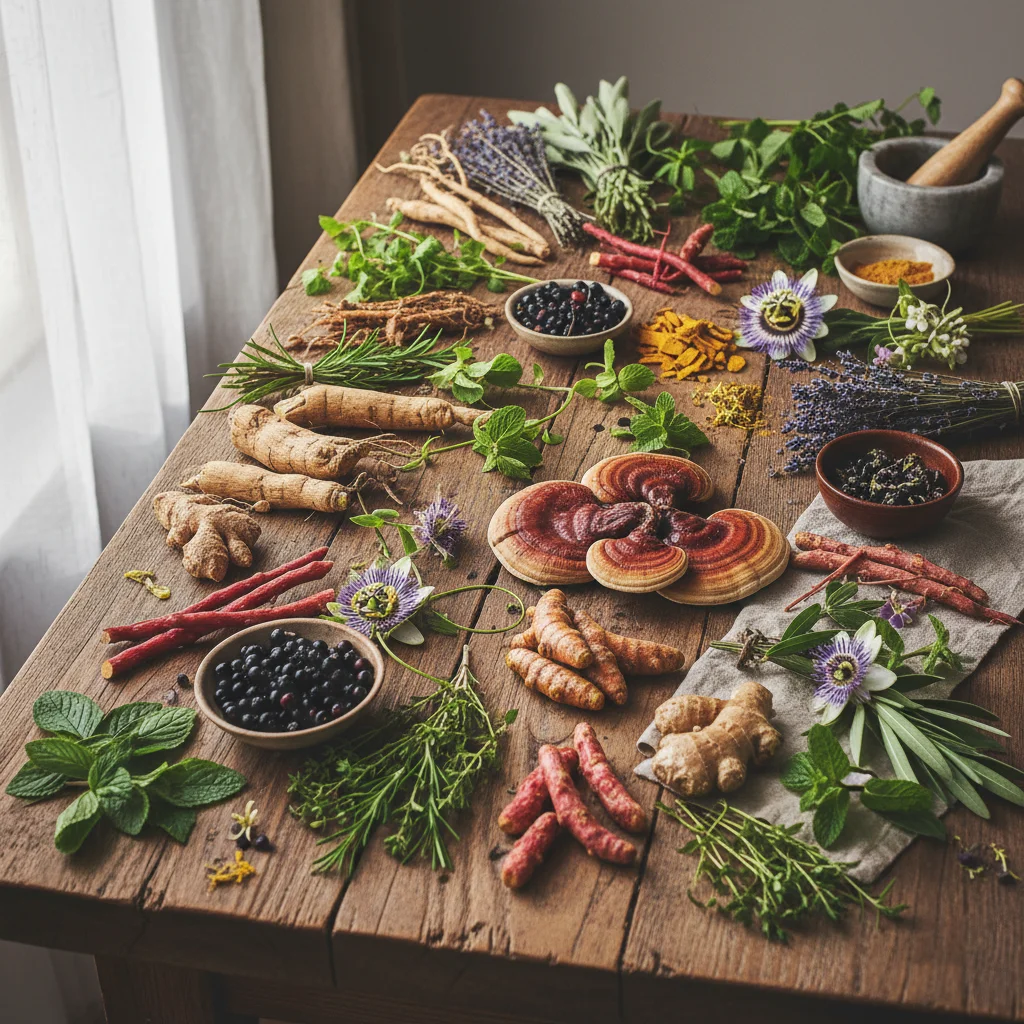
The wellness landscape in the United States is in a constant state of evolution, with an ever-growing emphasis on natural and holistic approaches to health. As we look towards 2026, the spotlight continues to shine brightly on the power of botanical medicine. Consumers are increasingly seeking out plant-based solutions to support their physical, mental, and emotional well-being, driven by a desire for fewer synthetic ingredients and a deeper connection to nature. This surge in interest is not merely a passing fad; it represents a significant paradigm shift, where ancient wisdom meets modern scientific inquiry. The demand for effective, safe, and sustainably sourced natural remedies is propelling a new wave of innovation and rediscovery in the herbal sector. Understanding these emerging trends is crucial for anyone interested in personal wellness, natural health practitioners, and businesses operating within this dynamic industry.
The global herbal medicine market is projected to continue its robust growth, with the US market being a significant contributor. This growth is fueled by several factors: increased consumer awareness of the potential side effects of conventional pharmaceuticals, a rising preference for preventive healthcare, and a general cultural shift towards more natural and organic lifestyles. In particular, the younger generations are showing a strong affinity for herbal remedies, integrating them into their daily routines for everything from stress management to immune support. This article will delve into the Herbal Remedies 2026 US market is buzzing about, spotlighting seven key botanicals poised to make a substantial impact on American wellness. We’ll explore their traditional uses, scientific backing, and why they are gaining such significant traction among wellness enthusiasts.
The Resurgence of Ancient Wisdom: Why Herbal Remedies are Gaining Traction
For millennia, humans have turned to plants for healing and nourishment. From the ancient Egyptians and Chinese to indigenous cultures across the Americas, botanical medicine has been the cornerstone of healthcare. In recent decades, however, the rise of synthetic pharmaceuticals pushed herbal remedies to the periphery in Western medicine. Now, a powerful resurgence is underway. This renewed interest isn’t just about nostalgia; it’s driven by a confluence of factors that make herbal solutions particularly appealing in today’s world. One major catalyst is the growing body of scientific research that validates the efficacy and safety of many traditional herbal remedies. Studies are increasingly elucidating the complex biochemical mechanisms through which these plants exert their therapeutic effects, moving them from the realm of folklore into evidence-based practice.
Furthermore, the accessibility of information through the internet has empowered consumers to educate themselves about alternative health options. People are actively seeking natural ways to manage chronic conditions, boost immunity, reduce stress, and improve overall vitality. Concerns about the potential side effects of conventional drugs and a desire for more personalized, holistic care are also significant drivers. The concept of ‘food as medicine’ is becoming mainstream, and herbs, often seen as concentrated forms of plant-based nutrition, fit perfectly within this philosophy. The sustainability aspect also plays a role; many consumers prefer products that are natural, organic, and ethically sourced. As the Herbal Remedies 2026 US market continues to expand, this deeper understanding and appreciation for plant intelligence will only grow stronger.
1. Ashwagandha: The Adaptogen for Modern Stress
Ashwagandha (Withania somnifera) is an ancient Ayurvedic herb that has been used for centuries for its adaptogenic properties. In an increasingly stressful world, it’s no surprise that ashwagandha is topping the list of popular herbal remedies. Adaptogens are a unique class of herbs that help the body adapt to various stressors, whether physical, chemical, or biological, promoting homeostasis and resilience. Ashwagandha is particularly renowned for its ability to support adrenal function and modulate the body’s stress response, primarily by helping to regulate cortisol levels. This makes it an invaluable ally for those dealing with chronic stress, anxiety, and even sleep disturbances.
Scientific studies have explored ashwagandha’s potential to reduce anxiety and stress, improve sleep quality, enhance cognitive function, and even support athletic performance. Its active compounds, known as withanolides, are believed to be responsible for many of its therapeutic effects, including anti-inflammatory and neuroprotective actions. As the pace of life accelerates and mental well-being becomes a paramount concern, ashwagandha offers a natural, time-tested solution. It’s often consumed in powder form, added to smoothies or teas, or taken as a capsule. The growing awareness of its benefits and its versatile applications are solidifying its position as a go-to herb in the Herbal Remedies 2026 US wellness scene.

2. Elderberry: The Immune System’s Best Friend
Elderberry (Sambucus nigra) has long been a staple in traditional folk medicine, particularly for its perceived ability to ward off colds and flu. In the wake of global health events, immune support has become a top priority for many, catapulting elderberry into widespread popularity. This dark purple berry is rich in antioxidants, particularly anthocyanins, which are responsible for its vibrant color and powerful immune-modulating effects. It also contains vitamins A, B, and C, as well as beneficial flavonoids.
Research suggests that elderberry extracts can help to shorten the duration and severity of cold and flu symptoms, possibly by inhibiting viral replication and boosting the body’s immune response. It’s commonly found in syrups, gummies, lozenges, and teas, making it an easy and palatable option for both adults and children. As consumers continue to prioritize proactive immune health, elderberry’s reputation as a natural defense booster ensures its prominent place among the most sought-after Herbal Remedies 2026 US consumers will reach for. Its pleasant taste and versatility make it an accessible entry point for those new to herbal supplements.
3. Reishi Mushroom: The Calming Fungi for Holistic Balance
While technically a fungus and not a herb, medicinal mushrooms like Reishi (Ganoderma lucidum) are often grouped with herbal remedies due to their similar applications in traditional medicine. Reishi, known as the "Mushroom of Immortality" in traditional Chinese medicine, is revered for its comprehensive health benefits, particularly its adaptogenic and immune-modulating properties. It’s gaining immense popularity in the US for its potential to promote relaxation, reduce stress, and support overall vitality.
Reishi contains triterpenes, polysaccharides, and peptidoglycans, which contribute to its diverse therapeutic actions. Studies indicate its potential role in enhancing immune function, reducing fatigue, improving sleep quality, and even supporting cardiovascular health. Its calming effects make it an excellent choice for those seeking to mitigate the impacts of modern-day stress and improve sleep patterns without sedation. Reishi is typically consumed as an extract, powder, or in teas and coffees. Its growing acceptance reflects a broader trend of incorporating functional foods and fungi into daily wellness routines, making it a key player in the Herbal Remedies 2026 US market.
4. Turmeric: The Golden Spice for Inflammation and Beyond
Turmeric (Curcuma longa) is a vibrant yellow spice that has been a cornerstone of Ayurvedic and traditional Indian medicine for thousands of years. Its primary active compound, curcumin, is a potent anti-inflammatory and antioxidant. In a society increasingly battling chronic inflammation, turmeric has become a household name, celebrated for its wide array of health benefits.
The scientific literature on turmeric is vast and rapidly expanding, highlighting its potential in managing inflammatory conditions such as arthritis, supporting digestive health, enhancing brain function, and even exhibiting anti-cancer properties. Its powerful antioxidant capacity helps combat oxidative stress, a key factor in aging and disease. While often used in culinary applications, for therapeutic doses, standardized extracts containing high concentrations of curcumin (often combined with piperine from black pepper to enhance absorption) are preferred. Turmeric lattes, supplements, and even beauty products are testament to its pervasive influence. Its versatility and well-documented benefits ensure its continued dominance as one of the most important Herbal Remedies 2026 US consumers will integrate into their wellness regimens.

5. Passionflower: Nature’s Calming Embrace for Anxiety
Passionflower (Passiflora incarnata) is a beautiful vine whose aerial parts have been traditionally used as a natural sedative and anxiolytic. As anxiety disorders continue to affect a significant portion of the US population, safe and effective natural alternatives are in high demand. Passionflower is gaining recognition for its gentle yet potent ability to calm the nervous system without causing significant drowsiness, making it suitable for daytime use.
The calming effects of passionflower are attributed to compounds like flavonoids and alkaloids, which are believed to interact with GABA receptors in the brain. GABA (gamma-aminobutyric acid) is a neurotransmitter that helps to reduce brain activity, leading to feelings of relaxation. Research suggests passionflower can be effective in reducing symptoms of generalized anxiety disorder, improving sleep quality, and alleviating nervousness. It is typically consumed as a tea, tincture, or in capsule form. Its efficacy in promoting a sense of calm and well-being positions passionflower as a crucial component in the Herbal Remedies 2026 US toolkit for mental health support.
6. Rhodiola Rosea: The Energy and Focus Enhancer
Rhodiola Rosea, also known as "golden root," is another potent adaptogen that thrives in cold, high-altitude regions. It has been used for centuries in traditional medicine systems in Russia and Scandinavia to enhance physical and mental endurance, reduce fatigue, and improve mood. In a demanding world where energy levels and cognitive performance are paramount, rhodiola is emerging as a popular choice for those seeking a natural boost without the jitters associated with stimulants.
The active compounds in rhodiola, primarily rosavins and salidroside, are thought to influence neurotransmitters like serotonin, norepinephrine, and dopamine, which play critical roles in mood, focus, and energy. Scientific studies support its potential to reduce mental and physical fatigue, improve concentration, and enhance resilience to stress. It’s particularly favored by students, athletes, and professionals looking to optimize their performance and maintain stamina. As the quest for sustained energy and sharpened focus intensifies, rhodiola rosea is set to be a significant player among the Herbal Remedies 2026 US consumers will turn to for sustained vitality.
7. Ginger: The Versatile Root for Digestion and Wellness
Ginger (Zingiber officinale) is a flowering plant whose rhizome (underground stem) is widely used as a spice and a traditional medicine. Known for its pungent flavor and warming properties, ginger has an impressive history of medicinal use, particularly for digestive complaints and inflammatory conditions. Its versatility and widespread availability make it a perennial favorite, and its benefits continue to be recognized and celebrated in modern wellness circles.
The primary bioactive compound in ginger is gingerol, which is responsible for much of its medicinal properties. Ginger is well-known for its anti-nausea effects, making it a popular remedy for motion sickness, morning sickness, and chemotherapy-induced nausea. It also possesses powerful anti-inflammatory and antioxidant properties, which can help alleviate muscle pain, reduce soreness, and support overall immune health. Whether consumed fresh, dried, powdered, or as an oil or juice, ginger is incredibly adaptable. Its role in promoting digestive comfort, fighting inflammation, and boosting immunity ensures its enduring legacy and continued prominence as one of the most widely embraced Herbal Remedies 2026 US households will rely on for daily wellness.
Navigating the Herbal Landscape: Quality, Sourcing, and Safety
While the excitement around herbal remedies is well-founded, it’s crucial for consumers to approach their use with informed discernment. The effectiveness and safety of herbal products largely depend on their quality, sourcing, and proper usage. As the Herbal Remedies 2026 US market expands, so too does the responsibility of both consumers and manufacturers to ensure high standards. When choosing herbal supplements, look for reputable brands that provide transparency regarding their sourcing, manufacturing processes, and third-party testing for purity and potency. Certifications like USDA Organic, Non-GMO Project Verified, and Good Manufacturing Practices (GMP) can be indicators of quality.
It’s also essential to consult with a qualified healthcare professional, such as a naturopathic doctor, herbalist, or even a conventional doctor knowledgeable in integrative medicine, before incorporating new herbal remedies into your routine, especially if you have underlying health conditions, are pregnant or breastfeeding, or are taking other medications. Herbs can interact with pharmaceuticals, and some may not be suitable for everyone. Understanding proper dosages and potential side effects is paramount. Education is your best tool in harnessing the power of nature safely and effectively. The movement towards natural health is about empowerment, and that includes making informed decisions about what you put into your body. Sustainable and ethical sourcing practices are also becoming increasingly important. Consumers are more aware of the environmental impact of their choices, and supporting companies that prioritize ecological preservation and fair trade practices is a growing trend.
The Future of Wellness: A Holistic and Integrated Approach
The trajectory for Herbal Remedies 2026 US points towards an even greater integration into mainstream wellness. We are witnessing a shift from viewing herbs as mere alternatives to recognizing them as powerful complementary tools within a broader holistic health strategy. This includes combining herbal remedies with dietary changes, lifestyle modifications, mindfulness practices, and conventional medical treatments when appropriate. The future of wellness is not about choosing one path over another, but rather about intelligently combining the best of all worlds to achieve optimal health outcomes.
Innovation in the herbal industry will also continue to drive growth. This includes the development of more bioavailable formulations, personalized herbal blends based on individual genetic and lifestyle factors, and advanced extraction technologies that maximize therapeutic benefits. Research will continue to uncover new applications and deepen our understanding of existing remedies. The emphasis on prevention and proactive health management will further solidify the role of herbs in daily routines, moving them beyond acute symptom relief to long-term health maintenance. As scientific understanding advances and consumer demand grows, the role of botanicals in promoting health and resilience will become even more pronounced, shaping a healthier, more naturally inclined future for the US population.
Conclusion: Embracing Nature’s Pharmacy for 2026 and Beyond
As we navigate the complexities of modern life, the desire to reconnect with nature and embrace its healing potential continues to grow. The seven herbal remedies highlighted—Ashwagandha, Elderberry, Reishi Mushroom, Turmeric, Passionflower, Rhodiola Rosea, and Ginger—represent just a fraction of the vast botanical pharmacy available to us. However, they stand out as key players poised to significantly influence the Herbal Remedies 2026 US wellness landscape due to their well-documented benefits and increasing consumer acceptance.
From stress reduction and immune support to anti-inflammatory action and cognitive enhancement, these herbs offer diverse pathways to improved health and vitality. Their rising popularity underscores a broader cultural movement towards natural, preventive, and holistic healthcare. By understanding the science behind these ancient remedies and making informed choices about quality and usage, individuals can effectively harness the power of nature to cultivate greater well-being. The future of wellness in the US is undoubtedly green, with herbal remedies playing an indispensable role in helping people achieve a balanced, resilient, and vibrant life.