Wellness Rewired: Top Mental Health Apps Surging in Popularity This Year
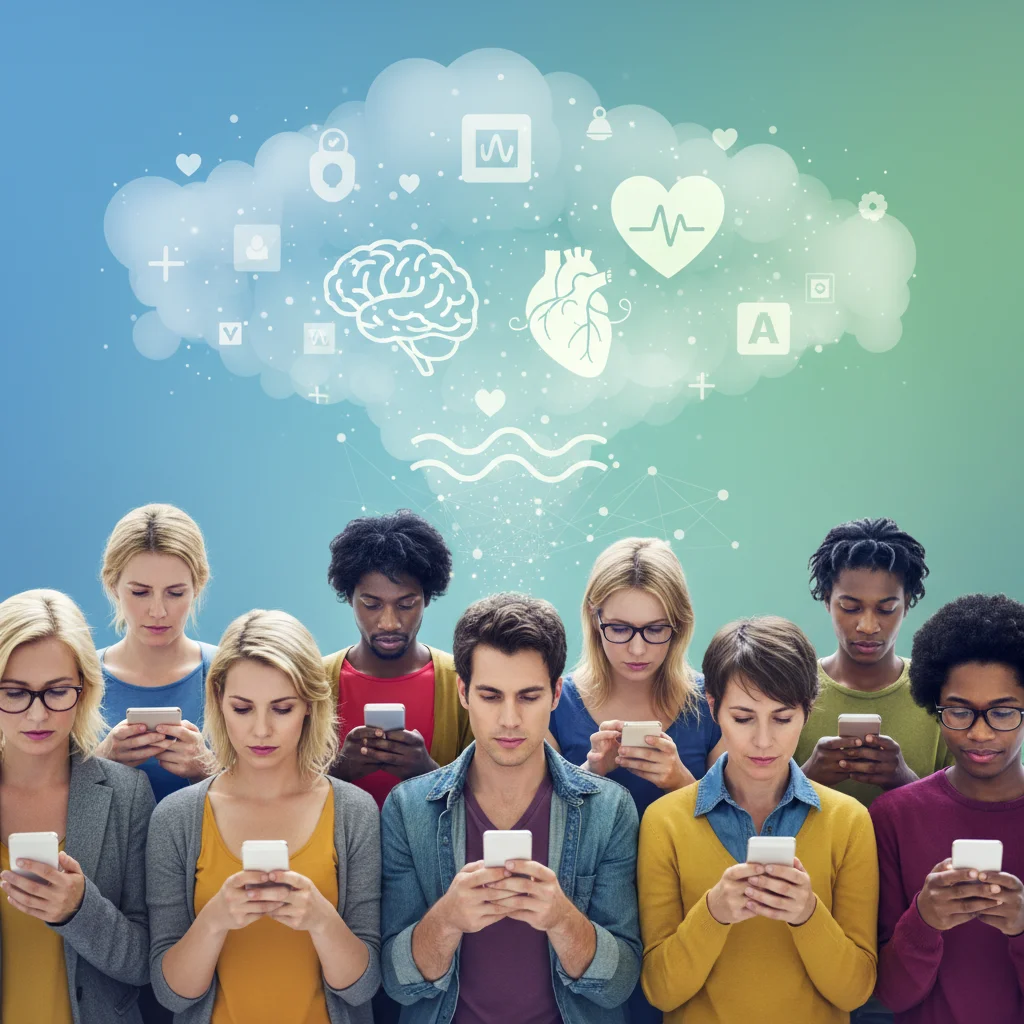
In an era where digital connectivity permeates every aspect of our lives, it’s no surprise that the realm of mental wellness is undergoing a profound transformation. The stigma surrounding mental health discussions is gradually eroding, paving the way for more open conversations and, crucially, more accessible solutions. This year, we’ve witnessed an unprecedented surge in the adoption of mental health apps, with several leading platforms reporting over a 50% increase in downloads. This phenomenon underscores a critical shift in how people seek and receive support for their psychological well-being. From managing daily stress to addressing more complex mental health challenges, these digital tools are becoming indispensable companions for millions worldwide.
The acceleration of digital health adoption, particularly in mental health, can be attributed to a confluence of factors. The global health crisis of recent years undoubtedly highlighted the fragility of mental well-being and the urgent need for flexible, remote support options. Moreover, advancements in artificial intelligence, user interface design, and personalized content delivery have made these apps more effective and engaging than ever before. They offer a discreet, convenient, and often more affordable alternative or complement to traditional therapy, breaking down barriers that once prevented many from seeking help.
This article delves into the fascinating world of mental health apps, spotlighting four platforms that have not only captured the attention of users but have also demonstrated remarkable growth in downloads this year. We will explore their unique features, the psychological principles they leverage, and why they are resonating so deeply with a diverse user base. Understanding these trends is crucial not only for individuals seeking support but also for developers, healthcare providers, and policymakers keen on shaping the future of mental wellness.
The Digital Revolution in Mental Wellness: Why Now?
Before we dive into the specific apps, it’s worth examining the broader context behind this digital revolution. The increasing demand for mental health support, coupled with persistent barriers to traditional care (such as cost, geographical limitations, and stigma), has created a fertile ground for digital solutions. Mental health apps offer a unique blend of accessibility, affordability, and anonymity that appeals to a wide demographic.
Furthermore, these apps are often designed with evidence-based techniques at their core, drawing from cognitive behavioral therapy (CBT), mindfulness-based stress reduction (MBSR), dialectical behavior therapy (DBT), and other therapeutic modalities. This integration of clinical rigor with technological innovation ensures that users are not just engaging with a superficial tool but with a product grounded in psychological science. The ability to track mood, practice mindfulness, engage in guided meditations, or even connect with licensed therapists through a smartphone has revolutionized personal mental health management.
The convenience factor cannot be overstated. In our fast-paced lives, finding time for in-person appointments can be challenging. Mental health apps provide ‘therapy in your pocket,’ allowing users to engage with exercises, lessons, and support at their own pace and convenience, whether during a commute, before bed, or during a lunch break. This flexibility is particularly appealing to younger generations who are digital natives and comfortable integrating technology into their health routines.
App Spotlight: Four Frontrunners in the Mental Health Space
This year, several mental health apps have distinguished themselves through exceptional growth and user engagement. While the specifics of their exact download numbers are proprietary, industry reports and market analysis indicate a significant surge, often exceeding 50%, for innovative and effective platforms. Here, we highlight four archetypes representing this trend, focusing on their core offerings and why they resonate with users.
1. The Mindfulness & Meditation Maestro: Calm
Calm has long been a household name in the mindfulness space, but its growth trajectory has only accelerated. It’s not just an app; it’s a comprehensive platform for mental fitness. Calm’s appeal lies in its vast library of guided meditations, sleep stories narrated by celebrities, breathing exercises, and soothing music. The app’s elegant user interface and commitment to a serene experience make it a go-to for stress reduction, improved sleep, and cultivating mindfulness.
Why the Surge? In an increasingly chaotic world, the demand for tools that foster peace and tranquility has never been higher. Calm provides an accessible entry point into meditation for beginners, while also offering advanced programs for experienced practitioners. Its focus on sleep, a critical component of mental health often overlooked, has also contributed significantly to its popularity. The pandemic-induced stress and disrupted sleep patterns drove many to seek solutions, and Calm’s diverse offerings provided a refuge. The app’s consistent updates, introduction of new content, and strategic partnerships have kept it fresh and relevant, attracting a continuous stream of new users seeking to improve their overall mental well-being through proven mindfulness techniques.
2. The CBT-Powered Companion: Woebot
Woebot stands out as an AI-powered chatbot designed to deliver cognitive behavioral therapy (CBT) techniques in a conversational format. Users interact with Woebot through text, discussing their feelings, learning about thought patterns, and engaging in exercises to challenge negative thinking. It’s like having a friendly, non-judgmental therapist available 24/7.
Why the Surge? The unique appeal of Woebot lies in its innovative use of AI to provide immediate, personalized support. For many, the idea of traditional therapy can be intimidating or inaccessible. Woebot removes these barriers, offering a private and convenient way to engage with therapeutic principles. The conversational interface makes learning CBT concepts feel less like a clinical intervention and more like a chat with a supportive friend. Its efficacy has been backed by research, demonstrating its ability to reduce symptoms of depression and anxiety. The anonymity and on-demand nature of Woebot have made it particularly attractive to those who might be hesitant to seek human therapy, or who need immediate coping strategies. As AI technology becomes more sophisticated, apps like Woebot are poised to play an even larger role in democratizing access to mental health care, making evidence-based practices available to a broader audience who might otherwise go without support. The continuous learning and adaptation of the AI also mean that the user experience improves over time, further enhancing its appeal as a dynamic and responsive mental health app.

3. The Holistic Wellness Hub: Headspace
Similar to Calm, Headspace is a powerhouse in the mindfulness and meditation arena, but it distinguishes itself with a more playful and approachable aesthetic, along with a broader focus on holistic well-being. Beyond guided meditations, Headspace offers courses on various topics like focus, stress, and even movement. Its signature animated content and friendly tone make complex psychological concepts easy to digest.
Why the Surge? Headspace’s continued growth can be attributed to its commitment to making mindfulness accessible and enjoyable for everyone. The app effectively demystifies meditation, breaking it down into manageable daily practices. Its expansion beyond basic meditation to include content on focus, productivity, and physical activity aligns with a growing desire for integrated wellness solutions. As people increasingly recognize the interconnectedness of physical and mental health, Headspace’s holistic approach resonates deeply. The app’s partnerships with workplaces and educational institutions have also broadened its reach, introducing mindfulness to new demographics. Its engaging design and diverse content library ensure that users remain motivated and find value beyond initial exploration, making it a sustainable tool for long-term mental fitness. The emphasis on practical application of mindfulness in daily life, rather than just abstract concepts, has been key to its widespread adoption and sustained growth among mental health apps.
4. The Personalized Therapy Platform: BetterHelp
BetterHelp represents a different facet of the mental health apps landscape: connecting users directly with licensed therapists for online counseling. It offers a range of communication methods, including messaging, live chat, phone, and video sessions. This platform makes professional therapy more convenient and often more affordable than traditional in-person sessions.
Why the Surge? The dramatic increase in BetterHelp’s downloads reflects a significant shift towards teletherapy. The pandemic normalized remote healthcare, and many discovered the immense benefits of receiving therapy from the comfort of their homes. BetterHelp addresses critical barriers to traditional therapy, such as geographical limitations, scheduling conflicts, and the stigma associated with visiting a therapist’s office. Its subscription model provides ongoing support, fostering consistent engagement with mental health care. The platform’s extensive network of therapists allows for personalized matching, ensuring users find a professional who aligns with their specific needs and preferences. As awareness of mental health continues to grow, and the demand for flexible, professional support intensifies, BetterHelp’s model of accessible, online therapy is proving to be incredibly powerful and relevant, driving its exceptional user acquisition and cementing its position as a leader among mental health apps focused on professional support.
The Impact and Future of Mental Health Apps
The remarkable surge in downloads for these mental health apps is more than just a trend; it’s a testament to their growing impact on individual lives and the broader healthcare system. These platforms are democratizing access to mental wellness tools and support, reaching populations that might otherwise remain underserved. They empower individuals to take a more proactive role in managing their own mental health, fostering self-awareness, resilience, and coping skills.
Breaking Down Barriers to Care
One of the most significant contributions of mental health apps is their ability to dismantle long-standing barriers to mental healthcare. Cost, geographical distance, and the pervasive stigma associated with mental illness have historically prevented countless individuals from seeking the help they need. Apps offer a private, often more affordable, and universally accessible entry point into mental wellness. For someone living in a remote area without easy access to therapists, or an individual who cannot afford traditional therapy, these apps provide a lifeline. They also offer a discreet alternative for those who fear judgment or wish to keep their mental health journey private. This accessibility is not just about convenience; it’s about equity in healthcare, ensuring that mental health support is not a privilege but a right available to all.
Personalization and Engagement
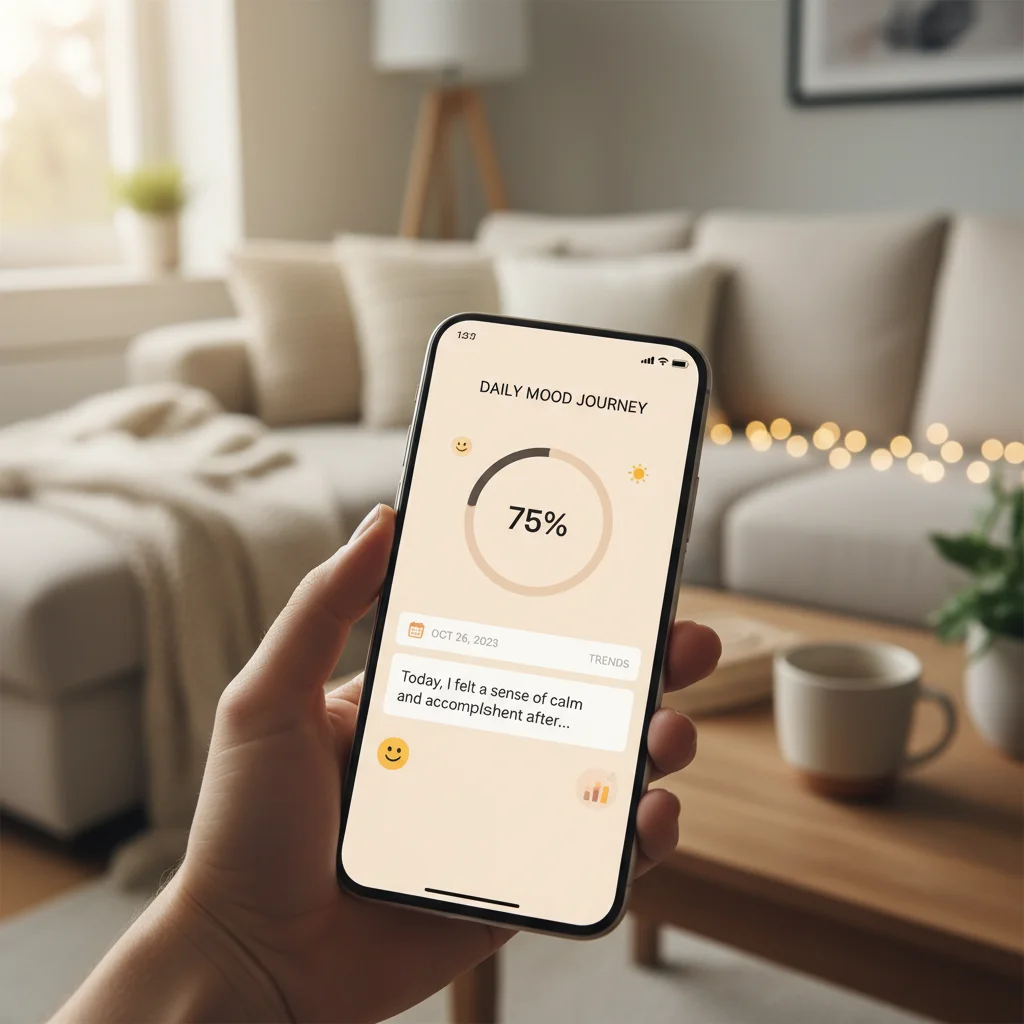
Modern mental health apps are increasingly sophisticated in their ability to offer personalized experiences. Through AI-driven algorithms and user input, they can tailor content, exercises, and recommendations to individual needs and preferences. This personalization enhances engagement and effectiveness, as users are more likely to stick with a program that feels relevant and responsive to their unique challenges. Features like mood tracking, personalized insights, and adaptive learning paths create a dynamic and supportive environment that evolves with the user’s progress. This level of individualized care, once difficult to achieve even in traditional therapy settings, is now becoming a hallmark of leading digital mental health solutions.
Complementing Traditional Therapy
It’s important to view mental health apps not necessarily as replacements for traditional therapy, but often as powerful complements. For individuals already in therapy, apps can serve as valuable tools for practicing skills learned in sessions, tracking progress, and providing support between appointments. For those considering therapy, apps can offer a gentle introduction to therapeutic concepts, helping to normalize the experience and prepare them for professional intervention. The hybrid model, where apps augment human care, is emerging as a highly effective approach, combining the scalability and convenience of technology with the depth and empathy of human interaction. This synergy is expanding the continuum of care, making mental health support more comprehensive and continuous.
Data-Driven Insights and Research
The vast amounts of anonymized data collected by mental health apps also present unprecedented opportunities for research and understanding. By analyzing user engagement patterns, correlations between app usage and self-reported well-being, and the effectiveness of different interventions, researchers can gain invaluable insights into mental health conditions and the efficacy of various therapeutic approaches. This data can inform the development of even more effective digital tools and contribute to a broader understanding of mental health, ultimately benefiting individuals and public health initiatives. The ethical handling of this data, of course, remains paramount, with privacy and security being core considerations for all reputable mental health apps.
Challenges and Considerations
While the rise of mental health apps is overwhelmingly positive, it’s crucial to acknowledge the challenges and considerations that accompany this rapid growth. Not all apps are created equal, and users must exercise discernment when choosing a platform. Key concerns include:
- Efficacy and Evidence Base: While many leading apps are built on sound psychological principles, others may lack robust scientific validation. Users should look for apps that cite research or are developed in consultation with mental health professionals.
- Data Privacy and Security: Mental health data is highly sensitive. Users need to be confident that their personal information is protected and that the app adheres to strict privacy policies. Transparency about data usage is essential.
- Over-reliance and Replacement of Professional Care: While apps can be powerful tools, they are not a substitute for professional diagnosis and treatment for severe mental health conditions. It’s important for users to understand the limitations of digital tools and seek professional help when needed.
- User Engagement and Retention: The effectiveness of any app hinges on consistent user engagement. Developers continuously strive to create compelling content and features that encourage long-term use and prevent user drop-off.
- Regulatory Landscape: The rapid evolution of mental health apps often outpaces regulatory frameworks. Clear guidelines are needed to ensure quality, safety, and ethical practices across the industry.
Addressing these challenges will be vital for the sustained success and credibility of mental health apps. As the market matures, we can expect to see greater standardization, more rigorous evaluation, and increased transparency from developers.
Choosing the Right Mental Health App for You
Given the vast array of mental health apps available, selecting the right one can feel daunting. Here are some key factors to consider:
- Your Specific Needs: Are you looking for stress reduction, better sleep, anxiety management, mood tracking, or professional therapy? Different apps specialize in different areas.
- Evidence-Based Practices: Look for apps that incorporate techniques like CBT, DBT, or mindfulness, which have proven efficacy.
- User Reviews and Ratings: While not the sole determinant, high ratings and positive reviews often indicate a reliable and user-friendly app.
- Cost: Many apps offer free basic versions with premium subscriptions for full access. Consider your budget and what you’re willing to pay for.
- Privacy Policy: Always read the privacy policy to understand how your data will be collected, stored, and used.
- User Interface and Experience: An intuitive, pleasant, and easy-to-navigate interface will encourage consistent use.
- Trial Periods: Take advantage of free trials to test out an app’s features before committing to a subscription.
Remember, the best mental health app is the one you will actually use consistently and that genuinely helps you. It might take some experimentation to find your perfect fit.
Conclusion: A Brighter Future for Mental Wellness
The impressive surge in downloads for leading mental health apps this year signals a pivotal moment in the evolution of mental wellness. These digital tools are not just fads; they are powerful, accessible, and increasingly sophisticated resources that are fundamentally changing how individuals approach their psychological well-being. By offering a blend of evidence-based techniques, personalized experiences, and unprecedented convenience, they are empowering millions to take control of their mental health journey.
As technology continues to advance and our understanding of mental health deepens, we can anticipate even more innovative and effective mental health apps emerging. The future of mental wellness is undoubtedly digital, with these platforms playing a crucial role in creating a more supportive, informed, and accessible landscape for everyone. Embracing these tools, while remaining mindful of their limitations and choosing wisely, offers a promising path towards a healthier, happier global community. The shift we’re witnessing is more than just a technological advancement; it’s a cultural transformation, placing mental health at the forefront of personal and public consciousness, driven by the power of digital innovation.