Home Organization Trends 2026: Declutter for a Stress-Free US Home
The 5 Must-Know Home Organization Trends for a Stress-Free 2026: An Insider’s Guide to Decluttering Success in the US
In the relentless pace of modern life, the sanctuary of our homes has become more important than ever. As we navigate the complexities of work, family, and personal well-being, a cluttered and disorganized living space can add unnecessary stress and diminish our peace of mind. For homeowners across the United States, the quest for a harmonious and functional home is a continuous journey. Looking ahead to 2026, new and evolving home organization trends are emerging, promising innovative solutions and fresh perspectives on how we can achieve true decluttering success and a stress-free environment.
This comprehensive guide will delve into the top 5 must-know home organization trends for 2026. We’ll explore how these trends are shaping the way we approach tidiness, efficiency, and aesthetics within our living spaces. From embracing sustainable practices to leveraging technology, and from creating multi-functional zones to mastering the art of mindful decluttering, prepare to transform your home into a haven of calm and order. Whether you’re a seasoned organizer or just beginning your decluttering journey, these insights will equip you with the knowledge and inspiration to create a home that truly supports your well-being.
The landscape of home organization is constantly evolving, driven by changes in lifestyle, technology, and our collective understanding of how physical space impacts mental health. The year 2026 is set to bring forth several compelling trends that move beyond mere aesthetics, focusing instead on deeper functionality, sustainability, and personal well-being. These aren’t just fads; they represent a fundamental shift in how we interact with our possessions and design our living environments. Let’s embark on this journey to discover the future of home organization.
Trend 1: The Rise of Hyper-Personalized Organization Systems
Gone are the days of one-size-fits-all organizational solutions. In 2026, the emphasis is firmly on hyper-personalized systems that cater specifically to individual needs, habits, and spatial constraints. This trend acknowledges that what works for one person may not work for another, even within the same household. The focus is on creating bespoke solutions that are intuitive, sustainable, and truly reflective of the homeowner’s lifestyle.
For US homeowners, this means moving beyond generic storage bins and adopting a more analytical approach to decluttering and organizing. It involves a deep dive into personal routines: how do you use your kitchen? What items do you reach for most often in your closet? Where do mail and keys naturally accumulate? By understanding these patterns, you can design systems that seamlessly integrate into your daily life, rather than fighting against it.
Key Elements of Hyper-Personalization:
- Activity-Based Zones: Instead of organizing by room, consider organizing by activity. A ‘morning routine’ zone in the bathroom might include all toiletries, hair products, and even a small mirror, regardless of traditional cabinet divisions.
- Custom-Built Ins: While an investment, custom-built shelving, drawers, and cabinetry are gaining popularity. These ensure every inch of space is utilized efficiently and designed precisely for the items they will hold. Think custom spice racks, pull-out pantry shelves, or integrated laundry hampers.
- Flexible and Modular Components: For those on a budget or in rental properties, modular systems offer flexibility. These can be reconfigured as needs change, allowing for personalization without permanent commitment.
- Digital Inventory and Planning: Apps and software are increasingly used to create digital inventories of possessions, plan layouts, and even visualize organized spaces before implementation. This allows for meticulous planning and optimization.
The ultimate goal of hyper-personalized organization is to reduce decision fatigue and friction in daily tasks. When every item has a logical, easily accessible home tailored to your specific use, maintenance becomes effortless. This trend directly contributes to a stress-free environment by removing the mental load associated with searching for items or dealing with constant clutter. It’s about organizing for you, not for an idealized magazine spread.
Trend 2: Sustainable and Eco-Conscious Decluttering
As environmental awareness continues to grow, home organization trends in 2026 are heavily influenced by sustainability and eco-consciousness. This trend isn’t just about using natural materials; it encompasses the entire lifecycle of our possessions, from acquisition to decluttering and disposal. US consumers are increasingly seeking ways to minimize their environmental footprint, and their homes are no exception.
Sustainable decluttering encourages a thoughtful approach to what we bring into our homes and what we choose to let go of. It challenges the ‘buy-and-discard’ culture, promoting mindful consumption and responsible disposal. This means evaluating the true need for an item, its durability, and its end-of-life impact before making a purchase.
Pillars of Eco-Conscious Organization:
- Mindful Consumption: Before buying, ask: Do I truly need this? Can I borrow it? Can I buy it second-hand? Prioritize quality over quantity and choose items built to last.
- Responsible Decluttering: When letting go of items, the focus shifts from simply throwing away to rehoming. This includes donating to charities, selling gently used items, recycling materials, and composting organic waste.
- Natural and Recycled Materials: Storage solutions themselves are moving towards sustainable options. Think bamboo dividers, woven baskets made from renewable resources, glass jars, and containers made from recycled plastics or reclaimed wood.
- Repurposing and Upcycling: Creative reuse of existing items is a hallmark of this trend. An old dresser can become a craft station, mason jars can store pantry staples, and vintage suitcases can serve as unique storage.
- Minimalism with Purpose: While not extreme, a minimalist mindset underpins this trend. It’s about owning fewer, more meaningful items that serve a purpose and bring joy, reducing the overall need for extensive storage and consumption.
Embracing sustainable home organization trends not only benefits the planet but also simplifies your home and reduces clutter. By being more intentional about what enters and leaves your living space, you naturally create a less overwhelming and more harmonious environment. This conscious approach fosters a deeper appreciation for your possessions and contributes to a stress-free home by aligning your living space with your values.
Trend 3: Integrated Smart Storage Solutions
Technology continues to weave itself into every aspect of our lives, and home organization trends for 2026 are no exception. Integrated smart storage solutions are set to revolutionize how we manage our belongings, adding convenience, efficiency, and a touch of futuristic flair to our homes. These solutions go beyond simple automation, offering intuitive systems that anticipate needs and optimize space.
Imagine a pantry that automatically tracks inventory, reminding you when to restock certain items, or a closet system that suggests outfits based on weather and your schedule. While some of these technologies are still in nascent stages, the groundwork is being laid for widespread adoption in US homes.
Innovations in Smart Storage:
- RFID/NFC Tagging: Small tags embedded in or attached to items can allow for quick inventory tracking via smartphone apps. This is particularly useful for large collections, tools, or seasonal items stored away.
- Automated Inventory Systems: Smart refrigerators already track food items, but this concept is expanding to pantries and other storage areas. Sensors can detect when items are low, triggering shopping list additions or even automatic reorders.
- Voice-Activated Commands: Imagine asking your smart home assistant to locate your winter coat, and a specific drawer or section of your closet lights up. Voice commands can streamline the retrieval of items in extensive storage systems.
- Dynamic Space Optimization: Smart shelving and drawer systems that can adjust their configuration based on the items they hold, or even retract/extend to maximize space when needed.
- Integrated Charging Stations: Hidden within drawers or on shelves, these keep electronic devices charged and cables out of sight, reducing visual clutter.
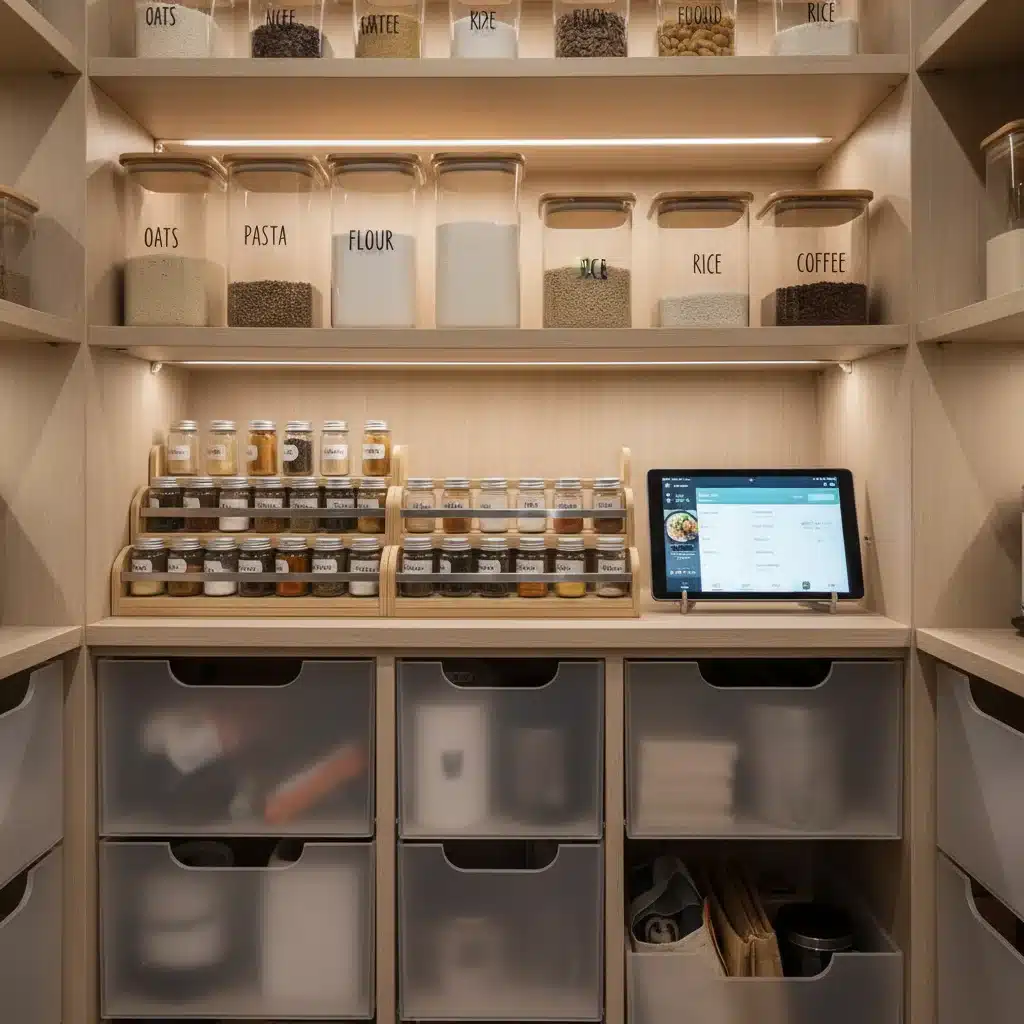
The beauty of integrated smart storage lies in its ability to reduce mental load and streamline daily routines. No more searching for lost items or forgetting to buy essentials. These technologies work in the background to maintain order, freeing up your time and energy. For the busy US homeowner, this translates directly into a more stress-free living experience, where the home actively assists in its own organization rather than being a constant battleground against clutter.
Trend 4: The Rise of Multi-Functional and Flexible Spaces
The pandemic significantly accelerated the trend of homes needing to serve multiple purposes. In 2026, multi-functional and flexible spaces are no longer a luxury but a necessity, deeply influencing home organization trends. With more people working from home, exercising at home, and seeking entertainment within their own four walls, our living areas must adapt and transform with ease.
This trend emphasizes creative design and strategic organization to allow a single room or area to seamlessly transition between different functions throughout the day. It’s about maximizing every square foot, especially in urban US environments where space is at a premium.
Strategies for Multi-Functional Spaces:
- Hidden Storage Solutions: Furniture that doubles as storage is paramount. Ottomans with lift-up lids, beds with built-in drawers, and benches with internal compartments are essential for keeping clutter out of sight when a space needs to switch roles.
- Transformable Furniture: Desks that fold into walls, Murphy beds, dining tables that expand or retract, and modular seating arrangements allow rooms to quickly change their primary function.
- Room Dividers: Movable screens, open shelving units, or even large plants can subtly delineate zones within an open-plan space, creating a sense of separation without permanent walls.
- Vertical Organization: Utilizing wall space with floating shelves, wall-mounted desks, and vertical garden planters frees up floor space, making rooms feel larger and more adaptable.
- Color and Lighting Zones: Strategic use of color palettes and lighting can help define different functional areas within a single room, influencing mood and perception.
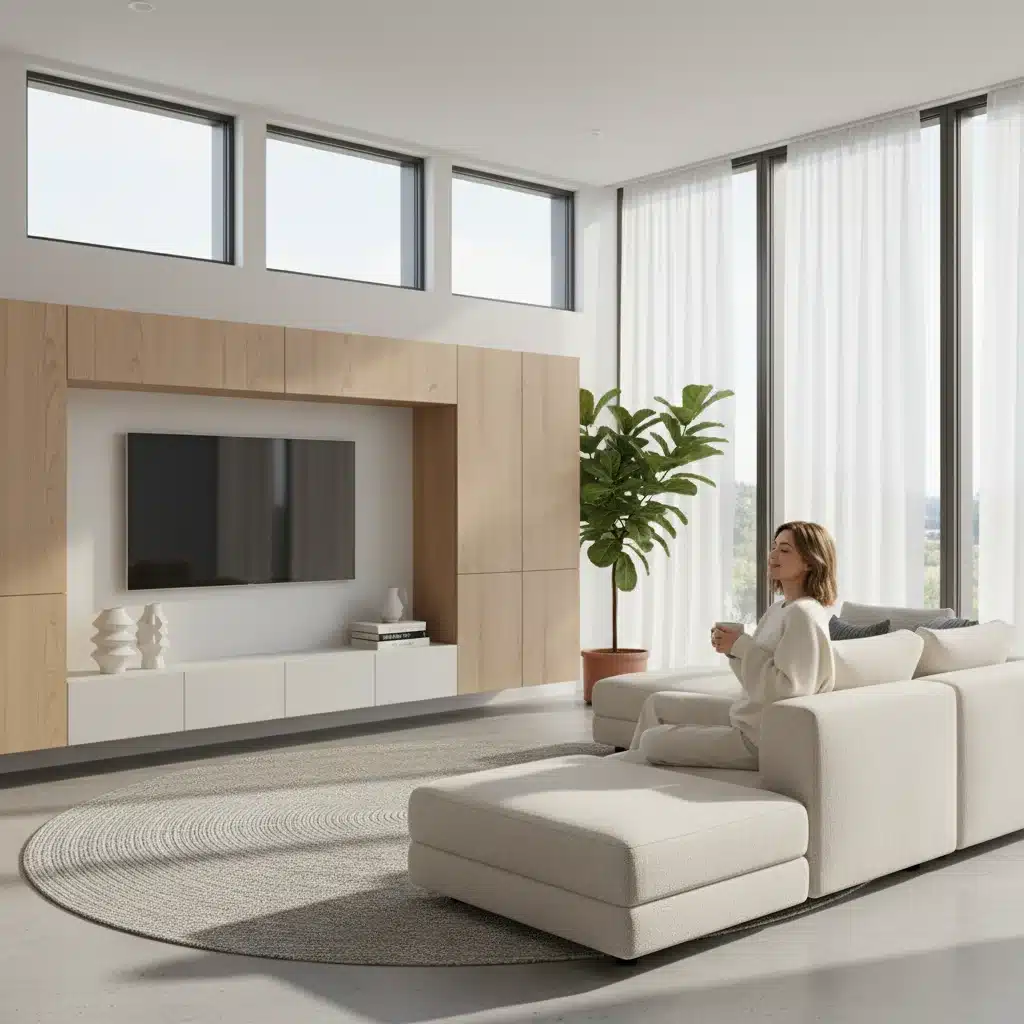
Organizing for multi-functional spaces requires a disciplined approach to decluttering. Only essential items should remain visible, and everything else needs a designated, easily accessible storage spot. The goal is to minimize visual noise, allowing the space to feel calm and expansive, regardless of its current function. By embracing this trend, US homeowners can create dynamic, adaptable living environments that reduce stress by providing dedicated, yet flexible, zones for every activity.
Trend 5: Mindful Decluttering and Emotional Well-being
Perhaps the most profound of the home organization trends for 2026 is the deep connection between mindful decluttering and emotional well-being. This trend moves beyond simply tidying up; it’s about understanding the psychological impact of our possessions and creating a home that genuinely supports mental peace and happiness. For many in the US, the pursuit of a stress-free home is ultimately a pursuit of a stress-free mind.
Mindful decluttering encourages introspection. It asks us to consider not just whether an item is useful, but how it makes us feel. Does it evoke joy, or does it bring a sense of obligation, guilt, or overwhelm? This approach emphasizes intentionality and a deeper connection to our living spaces.
Principles of Mindful Decluttering:
- The ‘Why’ Behind the Clutter: Understanding why we accumulate certain items or struggle to let go (e.g., sentimental attachment, fear of needing it later, perceived value) is the first step. Addressing these underlying reasons is crucial for lasting change.
- Slow and Intentional Process: Instead of rushing through decluttering, this trend advocates for a slower, more deliberate process. Taking breaks, reflecting on decisions, and being present with each item.
- Creating ‘Breathing Room’: Intentionally leaving empty spaces on shelves, in drawers, and on surfaces. These empty spaces are not failures of organization but rather opportunities for visual rest and mental calm.
- Digital Decluttering: Extending the principles of mindfulness to our digital lives. Organizing files, emails, and photos reduces digital overwhelm, which often mirrors physical clutter.
- Regular ‘Reset’ Rituals: Establishing small, consistent routines (e.g., a 10-minute tidy-up before bed, a weekly deep declutter of one drawer) helps maintain order and prevent accumulation.
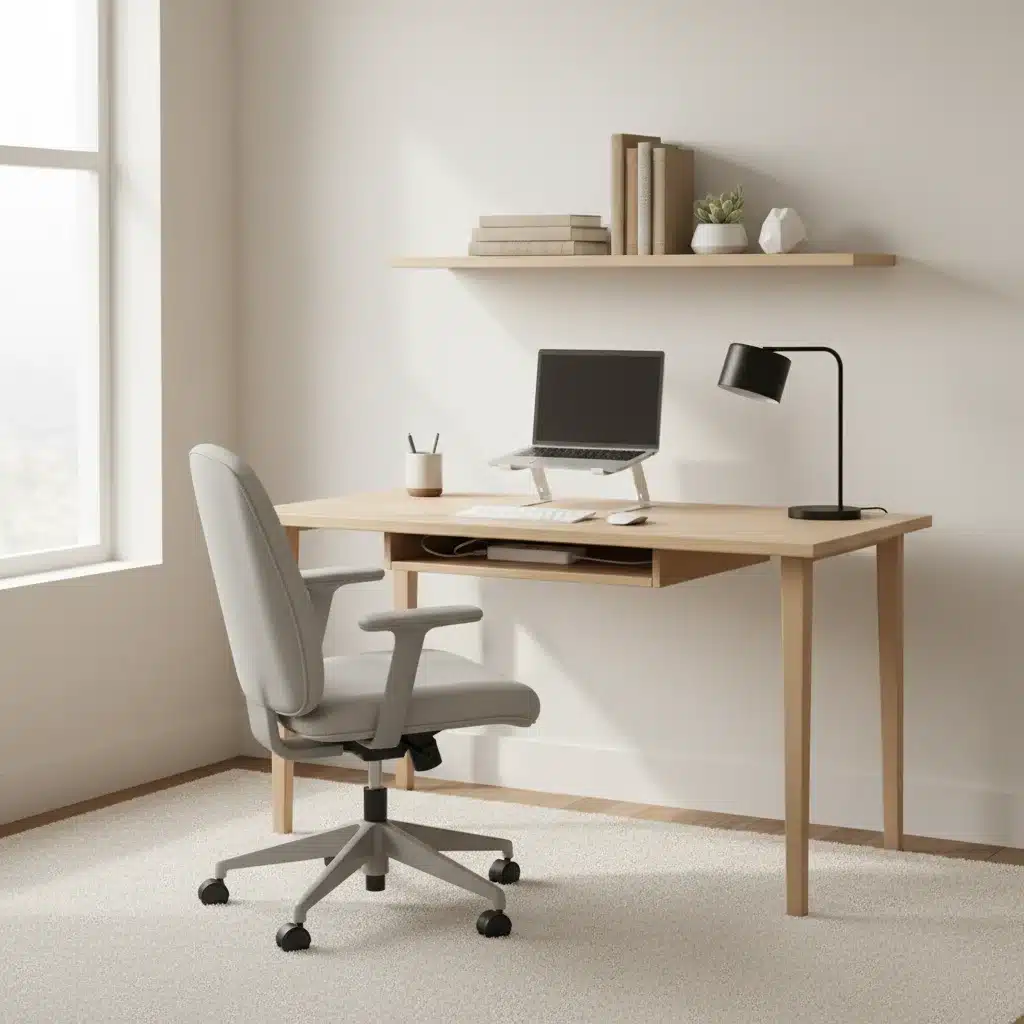
This trend recognizes that our homes are extensions of ourselves. A cluttered home can reflect a cluttered mind, while an organized, serene space can foster clarity and reduce anxiety. By engaging in mindful decluttering, US homeowners can cultivate a deeper sense of control, peace, and well-being within their living environments. It’s about curating a space that truly nourishes the soul and contributes to a genuinely stress-free existence.
Implementing These Trends in Your US Home
Adopting these home organization trends for 2026 doesn’t require a complete overhaul or a massive budget. Many of these principles can be integrated gradually into your existing routines and spaces. The key is to start small, be consistent, and focus on what truly makes a difference in your daily life and well-being.
Practical Steps for Success:
- Assess Your Current Situation: Before making any changes, take an honest look at your home. What areas cause the most stress? Where does clutter accumulate? Understanding your pain points is crucial.
- Prioritize Personalization: Think about your daily routines. Designate specific homes for items you use frequently. Observe how you move through your home and organize accordingly.
- Embrace Sustainable Choices: When buying new storage, opt for natural, durable, or recycled materials. When decluttering, make an effort to donate, sell, or recycle items responsibly.
- Explore Smart Solutions: Start with simple tech integrations like smart labels or digital inventory apps. As technology evolves, you can gradually incorporate more advanced systems.
- Define Multi-Functional Zones: Identify areas in your home that need to serve multiple purposes. Invest in transformable furniture or clever hidden storage to support these transitions.
- Practice Mindful Decluttering: Regularly ask yourself how an item makes you feel. Be intentional about what you bring into your home and what you keep. Create moments of visual rest.
- Seek Inspiration and Resources: Look for local US organizers, online communities, and resources that align with these trends. Learn from others and adapt ideas to fit your unique home.
- Be Patient and Kind to Yourself: Organization is a journey, not a destination. There will be setbacks. Celebrate small victories and remember that progress, not perfection, is the goal.
By consciously integrating these home organization trends, you’re not just tidying up; you’re investing in your mental and emotional well-being. A stress-free home is a powerful foundation for a stress-free life, allowing you to focus on what truly matters.
The Long-Term Benefits of Embracing These Trends
The impact of adopting these home organization trends extends far beyond a visually appealing space. For US homeowners, the long-term benefits contribute significantly to overall quality of life:
- Reduced Stress and Anxiety: A clutter-free environment directly correlates with a calmer mind. Less visual noise means less mental burden, allowing for greater relaxation and focus.
- Increased Productivity: When your home is organized, you spend less time searching for items and more time on meaningful activities. Multi-functional spaces support various tasks without disruption.
- Improved Mental Clarity: A well-ordered physical space often leads to a more organized mind, fostering better decision-making and problem-solving abilities.
- Financial Savings: Mindful consumption reduces unnecessary purchases. Knowing what you own prevents duplicate buying, and responsible decluttering can even generate income.
- Enhanced Well-being: Living in a space that is clean, functional, and aligns with your values promotes a sense of peace, comfort, and pride in your home.
- Environmental Impact: Sustainable practices contribute to a healthier planet, aligning your home with broader ecological responsibilities.
- Better Sleep Quality: A calm and organized bedroom environment is conducive to better rest, a crucial component of overall health.
- More Time for Joy: When your home runs smoothly, you free up precious time and energy to dedicate to hobbies, relationships, and self-care – the true ingredients of a stress-free life.
These trends are not merely about aesthetics; they are about cultivating a lifestyle that prioritizes peace, efficiency, and sustainability. For US homeowners looking to create a true sanctuary, embracing these home organization trends in 2026 offers a clear path to a more serene and fulfilling existence.
Conclusion: Your Path to a Stress-Free Home in 2026
As we’ve explored, the home organization trends for 2026 offer a holistic and forward-thinking approach to creating a stress-free living environment in the US. From hyper-personalized systems that cater to your unique habits to eco-conscious choices that benefit the planet, and from smart storage solutions that streamline daily tasks to multi-functional spaces that adapt to your evolving needs, these trends provide a powerful roadmap.
Most importantly, the emphasis on mindful decluttering reminds us that our homes are not just structures of brick and mortar, but vital extensions of our emotional and mental well-being. By thoughtfully curating our spaces, we cultivate inner peace, reduce anxiety, and create a foundation for a more joyful and productive life.
Take inspiration from these insights and begin your journey towards a more organized, sustainable, and stress-free home. Remember, every small step towards intentional living contributes to a larger sense of calm and control. Embrace these home organization trends, and unlock the full potential of your living space to support a truly harmonious existence in 2026 and beyond.