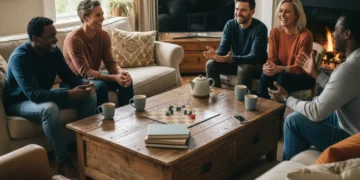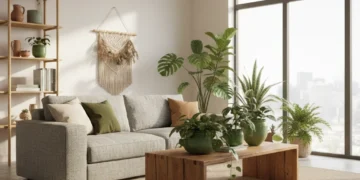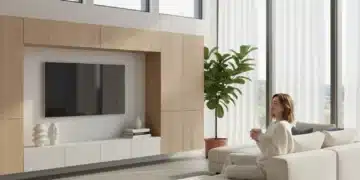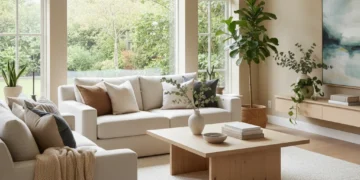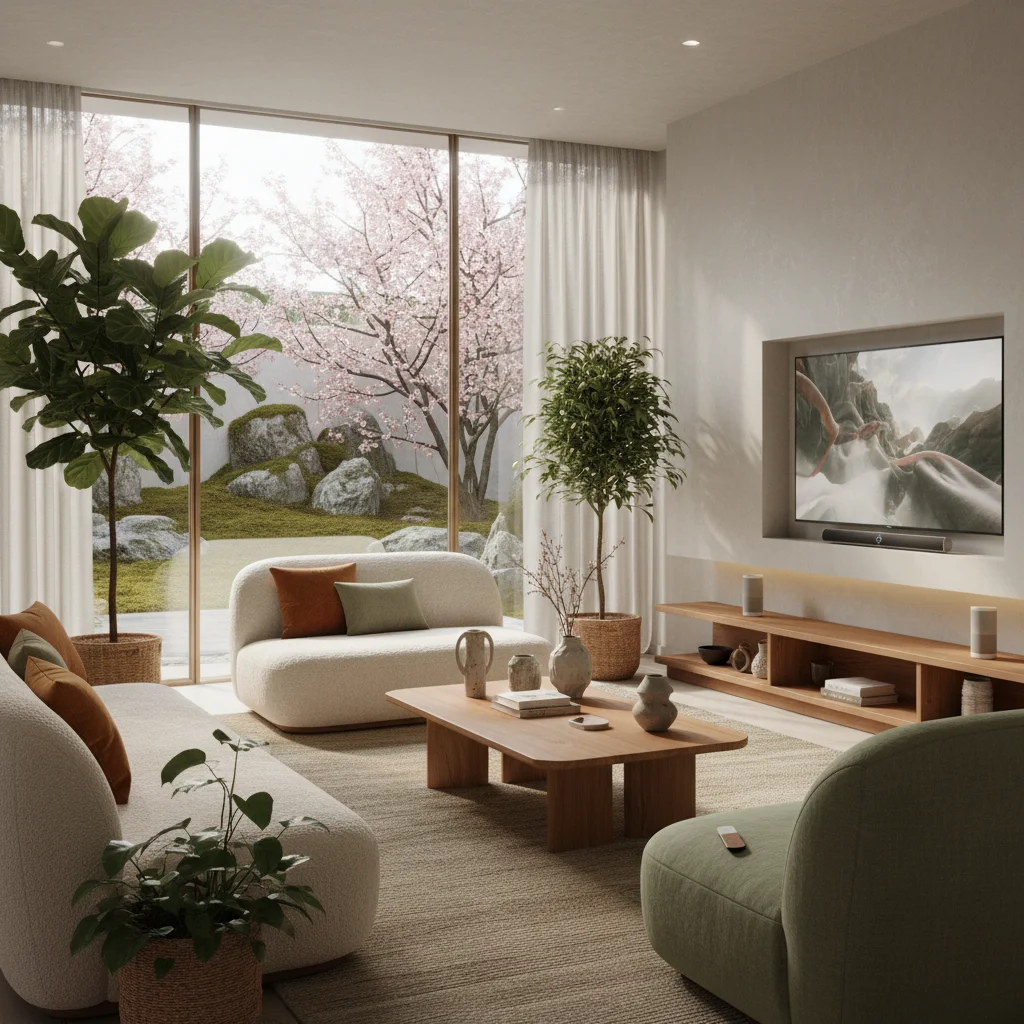
The world of interior design is in constant flux, ever-evolving to reflect societal shifts, technological advancements, and our changing relationship with our living spaces. As we gaze into the near future, specifically at the Home Decor Trends 2026, a clear picture emerges: homes are becoming sanctuaries of comfort, hubs of functionality, and statements of sustainability. The pandemic fundamentally altered our perceptions of home, transforming it into a multi-faceted space for work, relaxation, education, and entertainment. This profound shift has accelerated the adoption of trends that prioritize well-being, adaptability, and a deeper connection to nature and technology.
No longer are homes merely places to return to after a long day; they are integral to our daily lives, demanding more from their design than ever before. The upcoming Home Decor Trends 2026 are a direct response to these evolving needs, emphasizing spaces that are not only aesthetically pleasing but also profoundly supportive of our physical and mental health. From the tactile comfort of natural materials to the seamless integration of smart technology, and from the calming influence of biophilic design to the conscious choice of sustainable products, the future of home decor is holistic and human-centric.
This comprehensive guide will delve into the six most influential Home Decor Trends 2026, offering insights, inspiration, and practical tips to help you transform your living environment. We will explore how these trends intertwine, creating cohesive and harmonious spaces that are both beautiful and highly functional. Prepare to discover how to infuse your home with the essence of tomorrow, ensuring it remains a comforting, efficient, and truly personal haven.
1. The Rise of Biophilic Design: Bringing Nature Indoors
One of the most enduring and increasingly important Home Decor Trends 2026 is biophilic design. This concept, which focuses on connecting occupants with the natural environment, goes far beyond simply adding a few potted plants. It’s about integrating natural elements, patterns, and processes into the built environment to improve health and well-being. The benefits are numerous: reduced stress, enhanced creativity, improved cognitive function, and even faster healing times. As urban living becomes more prevalent and digital screens dominate our lives, the innate human need for connection with nature is stronger than ever.
What Biophilic Design Entails
- Abundant Greenery: This is the most obvious aspect, but it’s about more than just quantity. Think about variety in plant species, sizes, and textures. Vertical gardens, living walls, and strategically placed large specimens can transform a room. Consider plants that also purify the air, adding another layer of functionality.
- Natural Light Optimization: Maximizing natural light is crucial. This involves not just large windows, but also thoughtful window treatments that allow light to filter in, light shelves, and even interior glass partitions to share light between rooms.
- Natural Materials: Incorporating wood, stone, cork, bamboo, and natural fibers like cotton, linen, and wool brings the tactile experience of nature indoors. These materials not only look beautiful but also often have excellent thermal and acoustic properties.
- Views of Nature: If possible, orienting rooms to offer views of gardens, trees, or even the sky can significantly enhance a space. Where direct views aren’t possible, incorporating nature-inspired art, murals, or even dynamic digital displays can create a similar effect.
- Biomorphic Forms and Patterns: Design elements that mimic natural shapes and patterns – think curved furniture, organic textures, and fractal patterns in textiles or wallpaper – can evoke a sense of calm and natural harmony.
- Water Features: Small indoor fountains or aquariums can add the soothing sound and visual appeal of water, further enhancing the biophilic experience.
Practical Applications for Your Home
To integrate biophilic design, start by assessing your existing connection to nature. Can you open blinds more often? Add a variety of plants to different rooms? Choose furniture made from sustainably sourced wood? Even small changes, like updating your bedding to organic cotton or adding a natural fiber rug, contribute to this trend. Consider a ‘plant corner’ in your living room or a small herb garden in your kitchen. The goal is to create a seamless transition between your indoor and outdoor environments, fostering a sense of peace and vitality within your home. Biophilic design isn’t just a trend; it’s a fundamental shift towards creating healthier, more inspiring living spaces, and it will be a cornerstone of Home Decor Trends 2026.
2. Integrated Smart Home Technology: Seamless Living
The concept of the smart home has been around for some time, but for the Home Decor Trends 2026, we’re moving beyond novelty gadgets to truly integrated, intuitive systems that enhance daily life without being overtly visible. The focus is on seamless functionality, energy efficiency, and creating personalized environments that respond to our needs – often before we even articulate them. Technology is no longer an add-on; it’s woven into the fabric of the home itself.
Key Aspects of Integrated Smart Home Technology
- Invisible Integration: Wires are hidden, devices are sleek and often blend into decor, or are built directly into furniture and architectural elements. Think smart speakers disguised as decorative objects, or lighting controls that are part of the wall itself.
- Intuitive Control: Voice commands, gesture controls, and automated routines replace complex interfaces. Systems learn your habits and preferences, adjusting lighting, temperature, and entertainment accordingly.
- Personalized Environments: Smart homes will offer hyper-personalization. Imagine waking up to blinds gradually opening, lights slowly brightening, and your favorite news briefing playing softly, all tailored to your specific morning routine and even your sleep cycle.
- Energy Efficiency and Sustainability: Smart thermostats, lighting, and appliance management systems play a crucial role in reducing energy consumption, aligning perfectly with the broader sustainability goals of Home Decor Trends 2026. Sensors can detect occupancy and turn off lights or adjust HVAC when rooms are empty.
- Health and Wellness Monitoring: Devices that monitor air quality, sleep patterns, and even hydration levels will become more common, offering insights and making automated adjustments to optimize indoor environments for health.
- Enhanced Security and Safety: Advanced security systems, smart locks, and connected smoke/carbon monoxide detectors provide peace of mind and remote monitoring capabilities.
Transforming Your Home with Smart Tech
For those looking to embrace this trend, consider starting with a central hub that can connect various devices. Smart lighting systems (like Philips Hue or Lutron Caseta) are a great entry point, offering ambiance control and energy savings. Smart thermostats (Nest, ecobee) quickly pay for themselves in energy savings. As you delve deeper into Home Decor Trends 2026, explore smart appliances that can be controlled remotely, and integrated entertainment systems that offer a truly cinematic experience. The key is to choose systems that communicate with each other and simplify your life, rather than adding complexity. The goal is not just to have smart devices, but to have a smart home that truly understands and anticipates your needs, enhancing comfort and efficiency without demanding constant interaction.
3. Sustainable and Ethical Sourcing: Conscientious Choices
The conversation around sustainability has moved from the periphery to the very core of design, making sustainable and ethical sourcing a non-negotiable aspect of Home Decor Trends 2026. Consumers are increasingly aware of the environmental and social impact of their purchases, leading to a demand for transparency, durability, and eco-conscious production. This trend isn’t just about ‘greenwashing’; it’s about genuine commitment to responsible practices throughout the entire lifecycle of a product.
Pillars of Sustainable and Ethical Sourcing
- Recycled and Upcycled Materials: Furniture and decor made from recycled plastics, reclaimed wood, salvaged metals, or upcycled textiles are gaining immense popularity. These items often tell a unique story and reduce waste.
- Renewable Resources: Materials like bamboo, cork, fast-growing woods, and organic cotton are preferred for their ability to replenish quickly and with minimal environmental impact.
- Low VOC and Non-Toxic Finishes: Paints, sealants, and finishes that emit low or no volatile organic compounds (VOCs) are essential for indoor air quality and worker safety during production.
- Durability and Longevity: The antithesis of fast furniture, this trend emphasizes investing in high-quality items designed to last, reducing the need for frequent replacements and minimizing waste.
- Ethical Production Practices: Consumers are demanding to know that products are made under fair labor conditions, with fair wages, and without exploitation. Certifications and transparent supply chains are becoming vital.
- Local Sourcing: Supporting local artisans and manufacturers reduces transportation emissions and often ensures higher quality and more unique pieces.
- Circular Economy Principles: Designs that consider the end-of-life of a product – materials that can be easily disassembled, recycled, or composted – are at the forefront of sustainable thinking.
Making Sustainable Choices for Your Home
Embracing this trend means shifting your mindset from disposable decor to investment pieces. When shopping for furniture, look for certifications like FSC (Forest Stewardship Council) for wood, or GOTS (Global Organic Textile Standard) for fabrics. Research brands that prioritize transparency in their supply chains. Consider vintage and antique pieces, which are inherently sustainable due to their longevity and recycled nature. Upcycling existing furniture with eco-friendly paints can also give new life to old items. Even small choices, like opting for natural fiber rugs or energy-efficient light bulbs, contribute to a more sustainable home. The Home Decor Trends 2026 emphasize that beautiful design and environmental responsibility are not mutually exclusive; in fact, they are increasingly interdependent.
4. Personalized Comfort and Wellness Zones: Tailored Sanctuaries
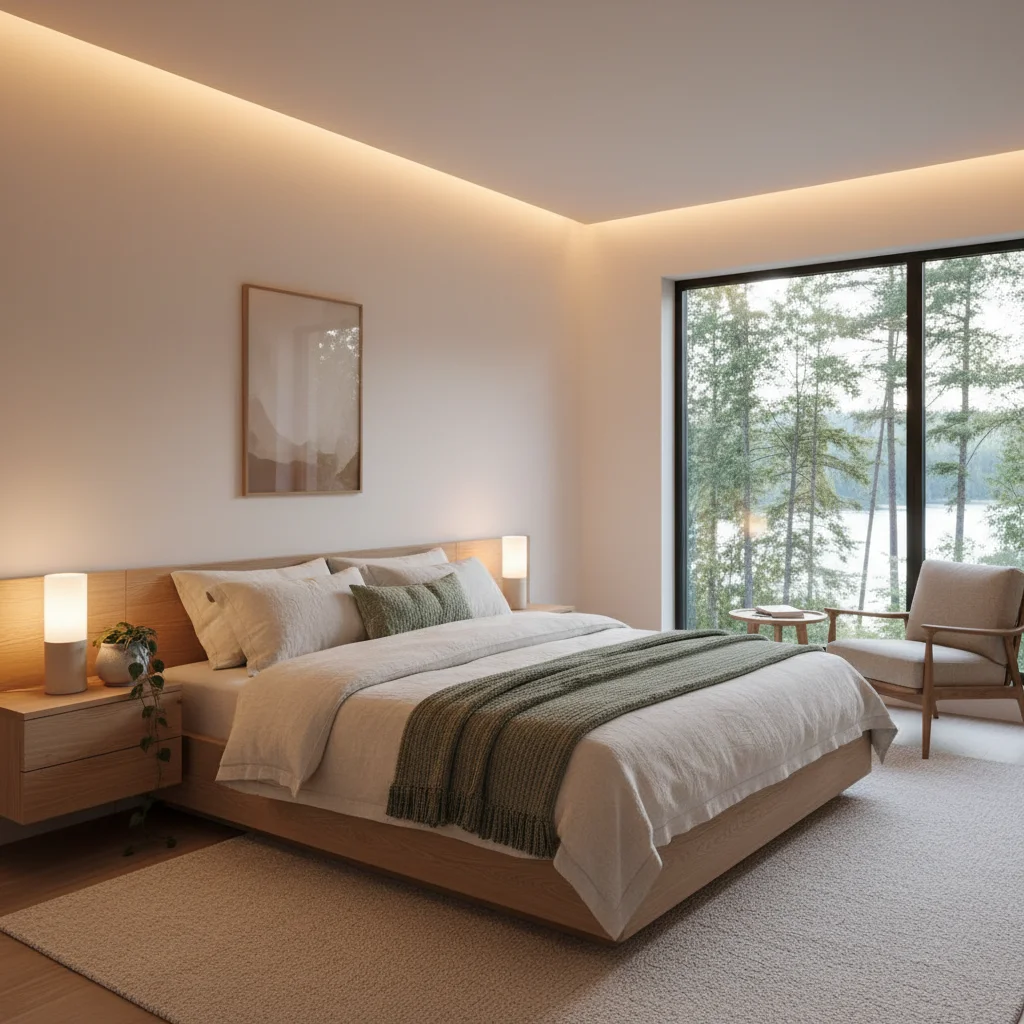
The quest for ultimate comfort and personal well-being is a driving force behind the Home Decor Trends 2026. Our homes are evolving into highly personalized sanctuaries, designed to cater to individual needs for relaxation, rejuvenation, and mental clarity. This trend moves beyond generic comfort to create specific zones and elements that actively support physical and psychological health.
Elements of Personalized Comfort and Wellness
- Dedicated Wellness Nooks: Spaces specifically designed for meditation, yoga, reading, or quiet reflection. These might include a comfortable armchair with soft lighting, a small altar, or a dedicated corner for stretching.
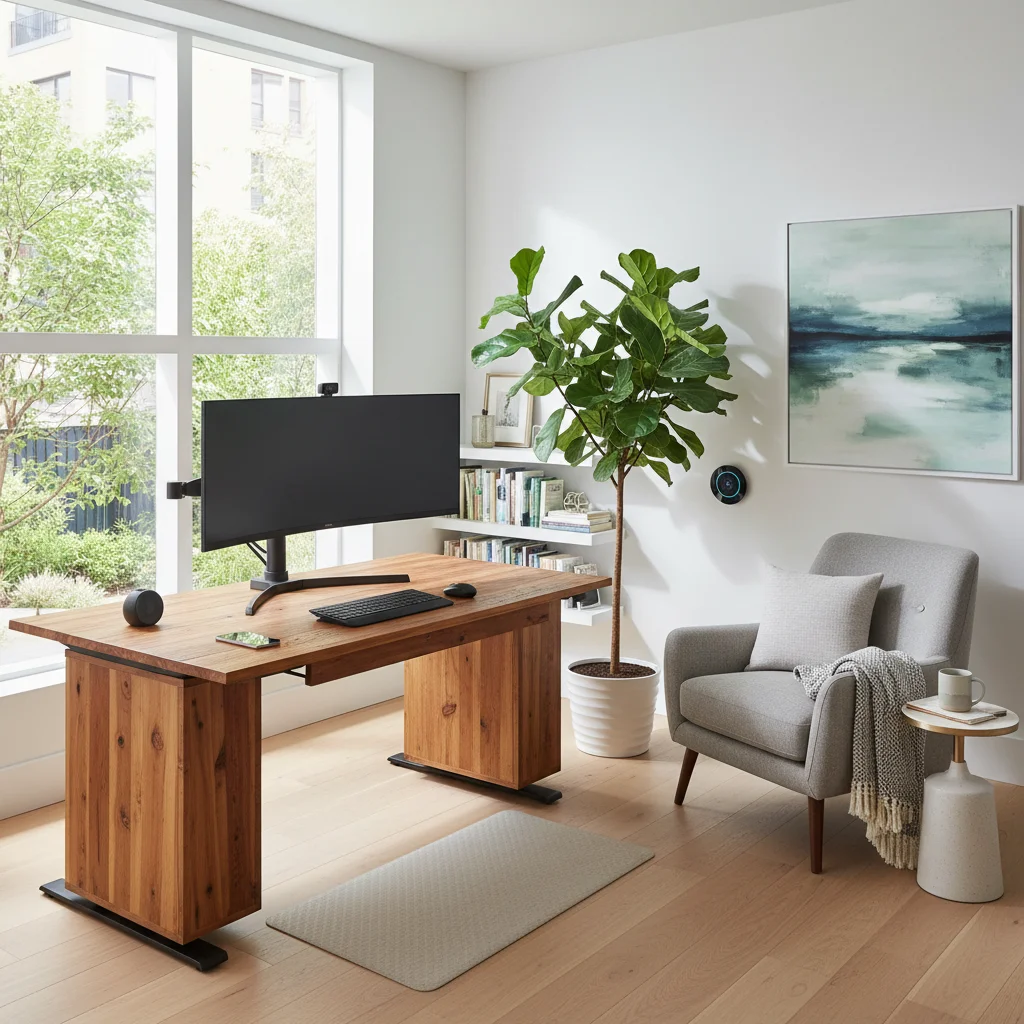
- Ergonomic and Adaptive Furniture: With more people working from home, ergonomic chairs, adjustable desks, and modular furniture that can adapt to different activities are crucial. Comfort is not just about softness, but also about supportive design.
- Sensory Design: Engaging all senses to create a calming atmosphere. This includes soft, tactile fabrics; soothing color palettes; ambient lighting that can be adjusted; subtle, calming scents (essential oil diffusers); and even soundscapes or noise-canceling elements.
- Temperature and Air Quality Control: Beyond smart thermostats, advanced air purification systems, humidifiers, and even specialized climate zones within a home contribute to optimal comfort and health.
- Sleep Optimization: Bedrooms are becoming highly optimized for sleep, incorporating features like blackout blinds, soundproofing, specialized mattresses, and smart lighting that supports circadian rhythms.
- Color Psychology: Strategic use of colors to evoke specific moods – calming blues and greens for bedrooms, energizing yellows for creative spaces, warm neutrals for communal areas.
Crafting Your Personal Wellness Sanctuary
To incorporate personalized comfort and wellness, start by identifying your own needs. What activities help you de-stress? Where do you feel most at ease? This could mean investing in a high-quality mattress, creating a cozy reading corner with a plush throw and soft lighting, or dedicating a small space for your fitness routine. Consider the textures and materials in your home – do they invite touch and relaxation? Are there areas where you can escape the noise and demands of daily life? The Home Decor Trends 2026 emphasize that your home should be a bespoke environment, perfectly tuned to support your unique journey of well-being, providing not just shelter, but also solace and strength.
5. Multi-functional Spaces and Flexible Layouts: Adaptability is Key
The pandemic highlighted the need for homes to be more versatile than ever before. As a result, multi-functional spaces and flexible layouts are paramount among the Home Decor Trends 2026. This trend is about maximizing every square foot, allowing rooms to seamlessly transition between different uses throughout the day, and adapting to the evolving needs of its inhabitants.
Characteristics of Flexible and Multi-functional Design
- Modular Furniture: Sofas that can be reconfigured, tables that expand, and storage units that double as seating are essential. This allows for quick transformations of a room from a living space to a dining area or even a temporary workspace.
- Hidden Storage Solutions: Built-in storage, under-bed drawers, ottoman storage, and wall-mounted units help keep clutter at bay, which is crucial in multi-functional spaces. When a room serves multiple purposes, maintaining order is key.
- Room Dividers and Screens: Rather than permanent walls, movable partitions, decorative screens, large plants, or even clever shelving units can create temporary zones within an open-plan layout, offering privacy for work or relaxation when needed.
- Convertible Rooms: A guest room that transforms into a home office, a dining area that doubles as a crafting space, or a living room that can host a home gym. The design encourages dynamic use of space.
- Smart Home Integration for Adaptability: As discussed, smart lighting and climate control can help define different zones or moods within a flexible space. For example, a bright, cool light for a workspace, transitioning to warm, dim lighting for an evening lounge.
- Foldable and Wall-Mounted Elements: Desks that fold into the wall, murphy beds, and wall-mounted ironing boards are examples of how elements can disappear when not in use, freeing up valuable floor space.
Designing for Adaptability
When planning for multi-functional spaces, think about the primary and secondary uses of each area. How can a single piece of furniture serve more than one purpose? Can a room be easily reconfigured for different activities? Consider open-plan living, but with strategic zoning created by furniture placement, rugs, or subtle changes in flooring. For smaller homes, this trend is a game-changer, but even larger residences benefit from the efficiency and versatility it offers. The goal of Home Decor Trends 2026 in this area is to create dynamic, living environments that are as fluid and adaptable as modern life itself, ensuring your home can keep pace with your ever-changing requirements.
6. Artisanal Craftsmanship and Unique Personalization: Storytelling Through Design
In an increasingly mass-produced world, there’s a growing yearning for authenticity, character, and individuality. This drives the Home Decor Trends 2026 towards artisanal craftsmanship and unique personalization. People want homes that tell a story, reflect their personality, and showcase pieces with a soul, moving away from generic, catalog-perfect interiors.
Embracing Artisanal and Personalized Decor
- Handmade and Hand-Finished Pieces: Investing in furniture, ceramics, textiles, and art created by skilled artisans brings unique textures, forms, and a sense of human touch into a space. These pieces often have slight imperfections that add to their charm and character.
- Vintage and Antique Finds: Integrating pieces with a history adds depth and narrative to a home. Whether it’s a mid-century modern credenza, a vintage rug, or antique decorative objects, these items create a layered, collected aesthetic.
- Custom-Made Elements: Commissioning bespoke furniture, built-in shelving, or custom artwork ensures that your home is truly one-of-a-kind and perfectly tailored to your specific needs and aesthetic.
- Heirloom Quality Items: Choosing pieces that are built to last and can be passed down through generations aligns with both sustainability and the desire for meaningful possessions.
- Curated Collections: Displaying personal collections – whether books, travel souvenirs, art, or family photographs – makes a home feel lived-in and deeply personal. The way these items are arranged tells a story about the homeowner.
- Cultural Influences: Incorporating elements from different cultures, perhaps from your own heritage or travels, adds richness and a global perspective to your decor.
- DIY and Upcycling Projects: Personalizing existing items through painting, reupholstering, or repurposing not only saves money but also injects your unique creativity and personality into your space.
Infusing Your Home with Personality
To adopt this trend, start by looking for local artisans or visiting craft fairs. Explore antique shops, flea markets, and online marketplaces for unique vintage finds. Don’t be afraid to mix and match styles and eras; a cohesive look comes from thoughtful curation, not strict adherence to one aesthetic. Think about what truly resonates with you and what stories you want your home to tell. This approach allows your home to evolve organically, reflecting your journey and passions. The Home Decor Trends 2026 champion the idea that a home should be a reflection of its inhabitants, a unique narrative woven through cherished objects and thoughtful design choices, making it truly yours.
The Interconnectedness of Home Decor Trends 2026
While we’ve explored these six trends individually, it’s crucial to understand their profound interconnectedness. The beauty of the Home Decor Trends 2026 lies in how they complement and reinforce each other, creating a holistic approach to home design:
- Biophilic Design & Sustainability: Often, natural materials used in biophilic design are also sustainably sourced, reducing environmental impact while connecting us to nature.
- Smart Home Technology & Personalized Comfort: Smart systems are the backbone of creating tailored environments, adjusting lighting, temperature, and entertainment to enhance individual well-being and comfort.
- Multi-functional Spaces & Artisanal Craftsmanship: Flexible layouts can be elevated with unique, custom-made pieces that serve multiple purposes, blending utility with artistic expression.
- Sustainable Sourcing & Artisanal Craftsmanship: Many artisans use sustainable practices and local materials, making their unique creations inherently eco-friendly and ethical.
- Wellness Zones & Biophilic Design: A dedicated wellness nook is often enhanced by natural light, indoor plants, and natural textures, amplifying its calming effects.
This synergy means that by embracing one trend, you’re often naturally leaning into others. The ultimate goal is to create living spaces that are not just beautiful, but also intelligent, responsible, and deeply supportive of our lives.
Conclusion: Designing Your Future Home with Home Decor Trends 2026
As we navigate the complexities of modern life, our homes stand as our most personal and essential spaces. The Home Decor Trends 2026 are a testament to our evolving needs and desires for environments that offer more than just shelter. They are a call to action to create spaces that are mindful, adaptive, and deeply personal.
From the calming embrace of biophilic design and the intuitive efficiency of integrated smart technology to the conscious choices of sustainable materials and the unique narratives woven through artisanal pieces, the future of home decor is rich with possibility. By prioritizing personalized comfort, fostering wellness zones, and designing for adaptability in multi-functional spaces, we can transform our homes into true reflections of our values and aspirations.
Embracing these trends isn’t about rigid adherence to a prescribed style, but rather about thoughtful integration that resonates with your individual lifestyle. It’s about making conscious decisions that contribute to a healthier planet and a more fulfilling life within your own four walls. So, as you envision your future living space, consider how these Home Decor Trends 2026 can inspire you to create a home that is not only stylish and contemporary but also a genuine sanctuary for mind, body, and soul. Your home in 2026 will be a place where comfort meets innovation, where nature intertwines with technology, and where every corner tells a part of your unique story.