Mindful Eating 2026: Sustainable Weight Management & Gut Health for US Residents
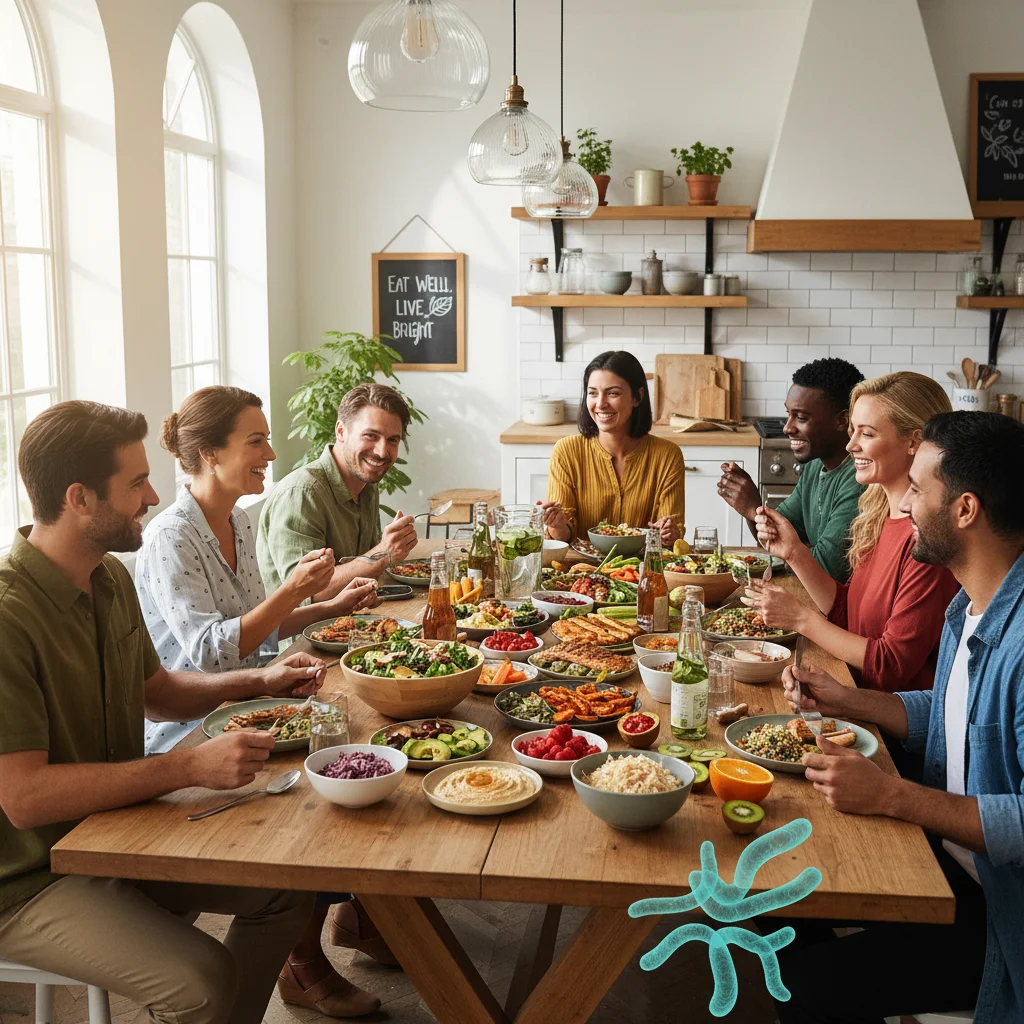
Welcome to 2026, where the conversation around health, well-being, and sustainable living has evolved significantly. As US residents navigate an increasingly complex world, the need for practical, effective, and holistic approaches to personal health has never been greater. This comprehensive guide delves into mindful eating 2026, offering a fresh perspective on sustainable weight management with a crucial 10% focus on gut health – a often-overlooked cornerstone of overall well-being. Forget restrictive diets and short-term fixes; we’re talking about a transformative journey that redefines your relationship with food, body, and mind.
The landscape of health and nutrition is constantly shifting. What was considered cutting-edge a few years ago might be outdated today. In 2026, the emphasis is firmly on sustainability – not just for the planet, but for our personal health habits. This means moving away from yo-yo dieting and embracing practices that can be maintained long-term, leading to lasting results and a healthier, happier life. Mindful eating is at the heart of this paradigm shift, offering a powerful framework for achieving these goals.
For US residents, the challenges are unique. A fast-paced lifestyle, readily available processed foods, and pervasive marketing can make mindful choices difficult. However, with the right strategies and a deeper understanding of how our bodies truly function, sustainable weight management through mindful eating 2026 is not just achievable, but enjoyable. And a significant part of this understanding involves recognizing the profound impact of our gut microbiome.
Understanding Mindful Eating in 2026: Beyond the Buzzword
Mindful eating isn’t a new concept, but its application and understanding have matured significantly by 2026. It’s more than just eating slowly; it’s about bringing full awareness to the experience of eating, recognizing physical and emotional hunger cues, and making conscious choices about what, when, and how much we consume. This practice helps to foster a healthier relationship with food, moving away from guilt and deprivation towards enjoyment and nourishment.
The Core Principles of Mindful Eating
- Paying Attention: Being fully present during meals, noticing colors, textures, aromas, and flavors.
- Recognizing Hunger & Fullness Cues: Distinguishing between physical hunger and emotional cravings, and stopping when comfortably satisfied, not stuffed.
- Eating Without Distraction: Turning off screens, putting away phones, and focusing solely on the meal.
- Engaging All Senses: Truly experiencing the food with sight, smell, taste, touch, and even sound.
- Acknowledging Your Feelings: Understanding how emotions influence eating habits without judgment.
- Choosing Wisely: Making food choices that nourish your body and contribute to your overall well-being.
In 2026, technology plays an interesting role in supporting mindful eating 2026. While we advocate for screen-free meals, various apps and wearables can help track hunger patterns, hydration, and even gut health markers, providing valuable data to inform your mindful choices. The key is to use these tools as aids, not as replacements for your internal wisdom.
Sustainable Weight Management: A 2026 Perspective for US Residents
The era of crash diets and unsustainable weight loss promises is fading. In 2026, sustainable weight management for US residents is about creating lifestyle habits that support a healthy weight naturally and consistently. Mindful eating is a cornerstone of this approach because it addresses the root causes of overeating and unhealthy food choices.
Why Traditional Diets Fail and Mindful Eating Succeeds
Traditional diets often focus on restriction, leading to feelings of deprivation, rebound eating, and a cycle of weight loss and gain. Mindful eating, however, cultivates a deep understanding of your body’s needs and signals. By listening to your body, you naturally gravitate towards foods that nourish you and consume appropriate portions.
- No Strict Rules: Instead of arbitrary calorie limits, mindful eating teaches self-regulation.
- Reduces Emotional Eating: By acknowledging emotions, you can find non-food coping mechanisms.
- Improves Satiety: Eating slowly and savoring food allows your brain to register fullness more effectively.
- Enhances Food Enjoyment: When you pay attention, even simple foods become more satisfying.
- Long-Term Habit Formation: It’s a skill that improves over time, building sustainable habits.
For US residents facing stress, busy schedules, and a culture of convenience, integrating mindful eating 2026 practices might seem challenging. However, even small, consistent steps can yield significant results. Start with one meal a day, or even just the first few bites of each meal, to practice present eating. Over time, this awareness will expand.
The Crucial 10% Focus: Gut Health and Mindful Eating
In 2026, the scientific community’s understanding of the gut microbiome’s role in overall health, including weight management and mental well-being, has reached new heights. This is why a dedicated 10% focus on gut health is not just beneficial but essential for anyone pursuing sustainable weight management through mindful eating 2026.
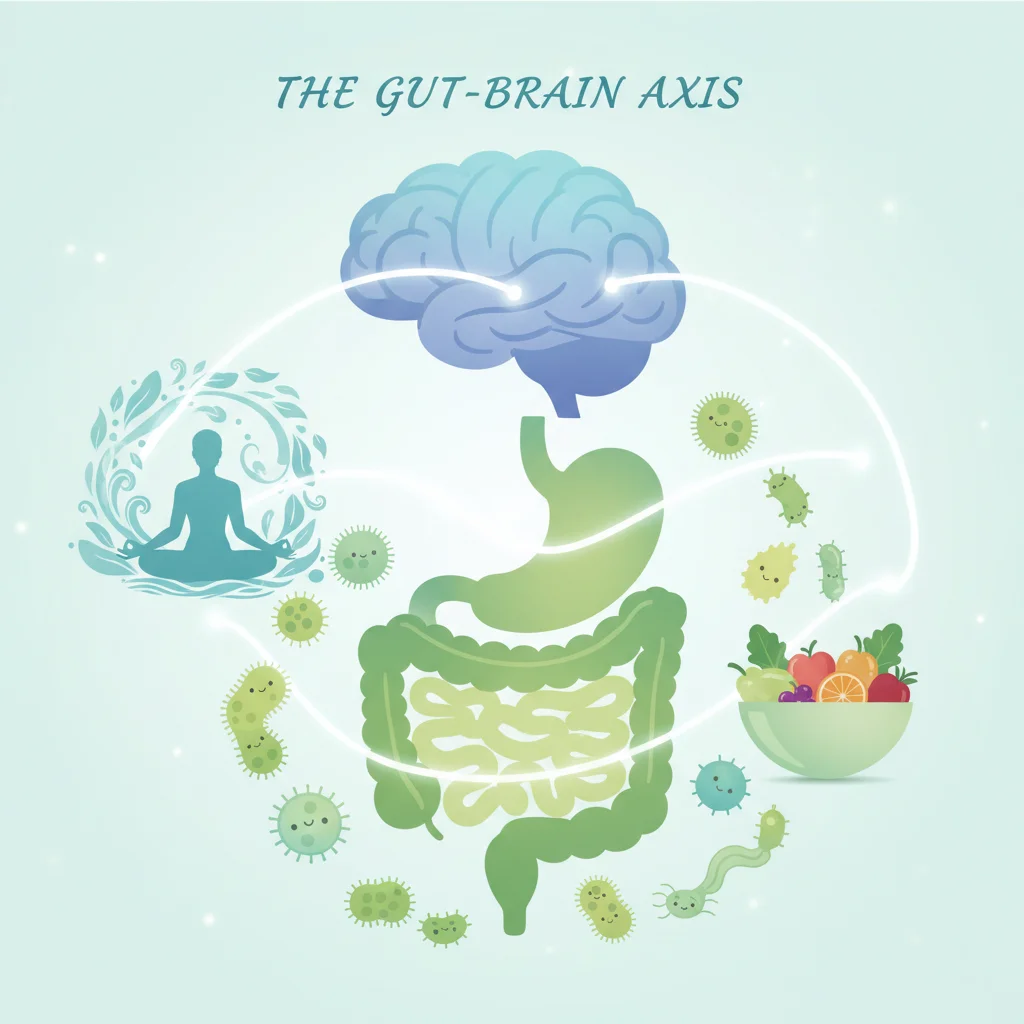
The Gut-Brain Axis: A Two-Way Street
Your gut and brain are in constant communication via the gut-brain axis. The trillions of microorganisms in your gut (your microbiome) produce neurotransmitters, influence inflammation, and even impact your mood and food cravings. A healthy gut microbiome can support better digestion, nutrient absorption, and even help regulate appetite and metabolism.

How Mindful Eating Benefits Gut Health
- Reduced Stress: Mindful eating helps lower stress, which is known to negatively impact gut flora and function.
- Improved Digestion: Eating slowly and chewing thoroughly aids in the mechanical breakdown of food, making it easier for digestive enzymes to work, which in turn supports a healthy gut environment.
- Better Food Choices: When eating mindfully, you’re more likely to choose nutrient-dense, fiber-rich foods that feed beneficial gut bacteria.
- Slower Eating Rate: This can reduce the likelihood of indigestion and bloating, common issues when eating too quickly.
Integrating Gut-Friendly Foods into Your Mindful Eating Practice
To specifically address the 10% gut health focus, consciously incorporate foods that nourish your microbiome. This doesn’t mean strict diets, but rather mindful additions and substitutions within your existing eating patterns.
Key Gut-Healthy Superfoods for 2026:
- Fermented Foods: Kimchi, sauerkraut, kefir, yogurt (plain, unsweetened), kombucha. These introduce beneficial bacteria.
- Prebiotic Fibers: Garlic, onions, leeks, asparagus, bananas, oats, apples. These feed the good bacteria already present in your gut.
- Variety of Plant-Based Foods: The more diverse your plant intake, the more diverse your gut microbiome, which is a marker of gut health. Aim for a wide range of fruits, vegetables, whole grains, nuts, and seeds.
- Omega-3 Fatty Acids: Found in fatty fish (salmon, mackerel), flaxseeds, chia seeds. These have anti-inflammatory properties that benefit gut lining.
- Polyphenols: Berries, dark chocolate, green tea, red wine (in moderation). These compounds are also beneficial for gut bacteria.
When practicing mindful eating 2026 with gut health in mind, pay attention to how different foods make you feel. Do certain foods cause bloating or discomfort? Do others leave you feeling energized and light? This self-observation is a powerful tool for optimizing your diet for both weight management and gut vitality.
Practical Strategies for US Residents to Master Mindful Eating in 2026
Adopting mindful eating habits in the hustle and bustle of modern American life requires practical strategies. Here’s how you can seamlessly integrate mindful eating 2026 into your daily routine:
1. The 5-Minute Mindful Meal Start
Before diving into your meal, take five minutes to engage in a mini-mindfulness exercise. Close your eyes, take a few deep breaths, and bring your awareness to your body. Notice any sensations of hunger. Then, open your eyes and observe your food – its colors, arrangement, and aroma. This simple act can dramatically shift your eating experience.
2. Chew Your Way to Awareness
One of the simplest yet most effective mindful eating techniques is to chew your food thoroughly. Aim for 20-30 chews per bite, or until the food is almost liquid before swallowing. This aids digestion, allows you to savor flavors, and gives your brain time to register fullness. This is especially important for gut health, as proper mechanical breakdown of food reduces the burden on your digestive system.
3. Eliminate Distractions
Designate meal times as screen-free zones. Turn off the TV, put away your phone, and step away from your computer. If you eat with others, engage in conversation. If you eat alone, focus on the food and your internal experience. This creates a sacred space for nourishment.
4. Listen to Your Body’s Hunger and Fullness Cues
Before eating, ask yourself: “Am I truly hungry?” On a scale of 1 to 10 (1 being starving, 10 being uncomfortably full), aim to start eating around a 3-4 and stop around a 6-7. This intuitive eating approach is central to sustainable weight management and avoids overconsumption.
5. Practice Gratitude
Take a moment before eating to acknowledge the food in front of you – where it came from, the effort involved in preparing it, and its ability to nourish your body. This simple act of gratitude can deepen your appreciation for the meal and foster a more positive eating experience.
6. Hydration as a Mindful Act
Often, thirst is mistaken for hunger. Mindfully drinking water throughout the day, especially before meals, can help you differentiate between hunger and dehydration. This also supports digestive health and overall well-being, crucial for mindful eating 2026.
7. Plan Mindful Snacks
If you snack, make it a mindful experience. Instead of grabbing something impulsively, choose a nutritious snack, sit down, and eat it with full attention. This prevents mindless grazing and ensures your snacks contribute positively to your health goals.
Overcoming Common Challenges for US Residents in 2026
While the benefits of mindful eating 2026 are clear, US residents face unique challenges in adopting these practices. Addressing these head-on is key to long-term success.
Challenge 1: The Fast-Paced Lifestyle
Solution: Start small. Even 5-10 minutes of mindful eating per meal can make a difference. Pack mindful lunches to avoid rushed, unhealthy options. Schedule your meals like important appointments.
Challenge 2: Abundance of Processed Foods
Solution: Educate yourself. Learn to read labels and understand ingredients. Mindfully choose whole, unprocessed foods whenever possible. When consuming processed items, do so intentionally and in moderation, savoring each bite rather than mindlessly consuming.
Challenge 3: Emotional Eating
Solution: Develop alternative coping mechanisms. When you feel the urge to eat due to stress, boredom, or sadness, pause and ask yourself what you truly need. Is it a walk, a conversation with a friend, a warm bath, or a creative outlet? Mindful eating helps you become aware of these patterns.
Challenge 4: Social Pressure
Solution: Communicate your choices. Explain to friends and family that you’re practicing mindful eating for your health. You can still enjoy social meals; simply apply mindful principles to your portion sizes and choices without drawing undue attention.
Challenge 5: Lack of Awareness of Gut Health
Solution: Continue learning. Read articles, listen to podcasts, and consult with health professionals about gut health. Integrate gut-friendly foods gradually. Pay attention to how your body responds to different foods and adjust accordingly. Remember, the 10% focus on gut health is a conscious, ongoing effort.
The Future of Mindful Eating and Gut Health: What to Expect Beyond 2026
As we look beyond 2026, the integration of mindful eating and gut health is only set to deepen. Personalized nutrition, driven by advanced diagnostics and AI, will likely offer even more tailored recommendations for optimizing both weight management and the microbiome. We might see:
- Hyper-Personalized Dietary Advice: Based on individual genetic markers, microbiome composition, and real-time biometric data.
- Advanced Gut Health Supplements: More targeted probiotics and prebiotics designed for specific health outcomes.
- Mindfulness-Integrating Technologies: Wearables that provide gentle reminders to eat slowly, hydrate, or check in with hunger cues.
- Community-Based Mindful Eating Programs: Increased access to guided practices and support networks for sustainable change.
The core tenets of mindful eating 2026 – awareness, intention, and non-judgment – will remain timeless. These foundational principles will empower individuals to navigate future innovations with wisdom and self-understanding, ensuring that technology serves our well-being rather than dictating it.
Case Studies: Real US Residents, Real Results with Mindful Eating
To illustrate the power of mindful eating 2026 combined with gut health awareness, let’s consider a few hypothetical but representative scenarios:
Case Study 1: Sarah, 38, Marketing Executive (New York City)
Sarah struggled with stress-induced eating and frequent digestive issues (bloating, discomfort). She often ate lunch at her desk while working and dinner in front of the TV. Her weight fluctuated, and she felt constantly tired. By adopting mindful eating, starting with a 10-minute screen-free lunch, she began to notice her hunger cues more clearly. Integrating fermented foods like kimchi and daily whole grains, she also saw a significant improvement in her gut health. Over six months, she lost 15 pounds sustainably, her energy levels increased, and her digestive discomfort became a rare occurrence. She reported feeling more in control and less stressed around food.
Case Study 2: David, 55, Retired Teacher (Arizona)
David had struggled with his weight for decades, trying various diets without lasting success. He often ate quickly and consumed large portions. His gut health was also a concern, with frequent heartburn. Embracing mindful eating 2026 strategies, David focused on chewing each bite thoroughly and taking small breaks during meals. He gradually introduced more diverse plant-based foods, including a variety of fruits and vegetables, and started making his own kefir. The slower eating pace and improved food choices led to a gradual, consistent weight loss of 20 pounds over a year. His heartburn significantly reduced, and he found a new enjoyment in cooking and eating, transforming mealtime into a meditative practice.
Case Study 3: Emily, 29, Software Developer (California)
Emily was generally healthy but experienced afternoon energy slumps and occasional digestive issues, particularly when stressed. She often skipped breakfast and then overate at lunch. Her focus on mindful eating 2026 began with conscious breakfast choices, opting for gut-friendly oats with berries and nuts, eaten slowly and without distraction. She also started observing her emotional triggers for snacking. By incorporating prebiotic-rich foods like asparagus and garlic into her dinners and practicing a 5-minute pre-meal mindfulness exercise, she found her energy levels stabilized, and her digestive comfort improved. She didn’t have significant weight to lose, but she reported feeling more balanced and energetic throughout the day, a testament to the holistic benefits of mindful eating and gut health.
These examples highlight that mindful eating is adaptable to various lifestyles and can address a range of health concerns, proving its efficacy for US residents in 2026 and beyond.
Conclusion: Embracing Mindful Eating for a Healthier 2026 and Beyond
Mastering mindful eating 2026 is not just about losing weight; it’s about gaining a deeper connection with your body, fostering sustainable habits, and significantly improving your overall well-being, with a crucial emphasis on gut health. For US residents, navigating the complexities of modern life while prioritizing health can be challenging, but mindful eating offers a powerful, accessible, and enjoyable pathway.
By bringing full awareness to your eating experiences, listening to your body’s wisdom, and consciously nourishing your gut microbiome, you embark on a transformative journey. This isn’t a temporary diet; it’s a lifelong skill that empowers you to make conscious, health-promoting choices, leading to lasting weight management, improved digestion, enhanced mood, and a more vibrant life.
Start today. Choose one meal to eat mindfully. Pay attention to every bite. Incorporate one gut-friendly food. These small, consistent actions will build momentum, paving the way for a healthier, more mindful, and more sustainable you in 2026 and for all the years to come. Your body, and especially your gut, will thank you.