Quiet Quitting to Loud Labor: Workforce Dynamics 2026
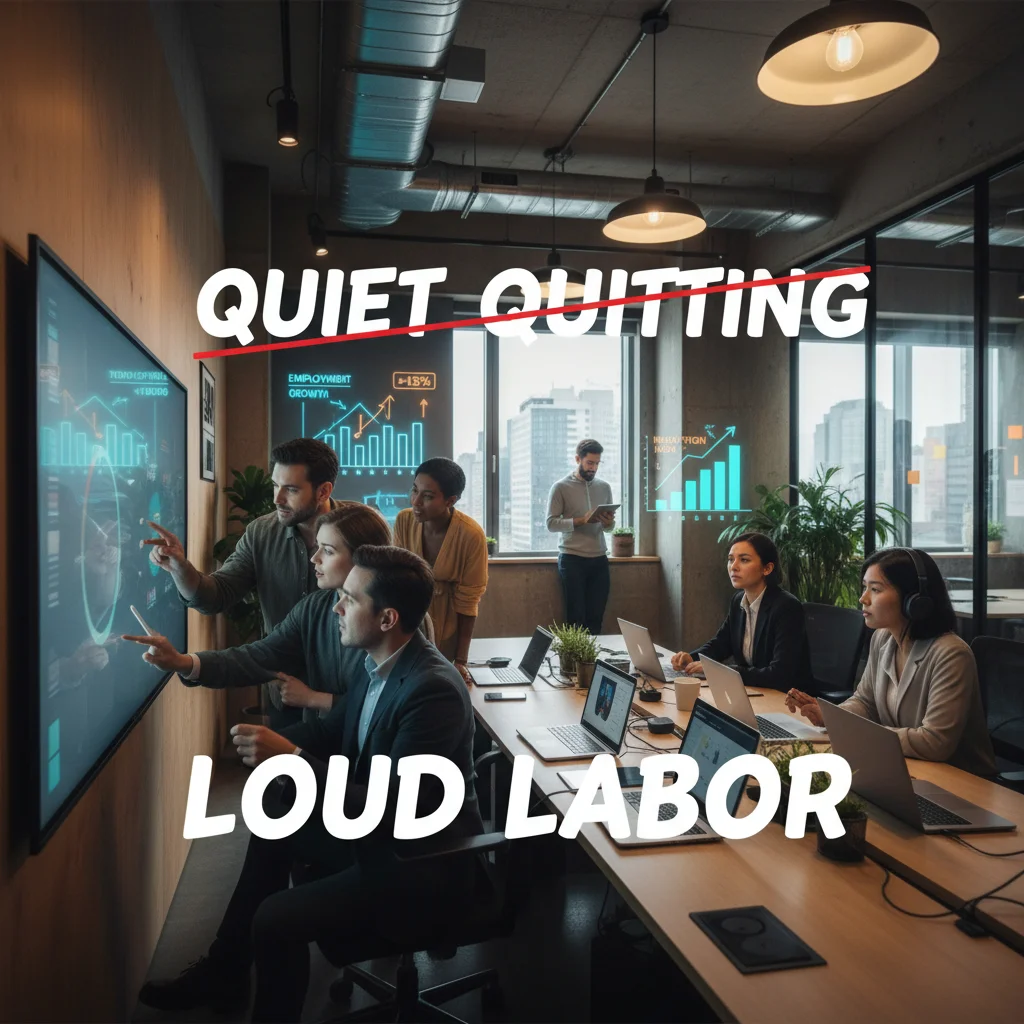
Quiet Quitting to Loud Labor: Understanding the Shifting Workforce Dynamics Impacting 60% of US Professionals in 2026
The landscape of work is undergoing a profound transformation, marked by an evolving lexicon that captures the nuances of employee engagement and dissatisfaction. Once a whispered concern, "quiet quitting"—the act of doing the bare minimum required to keep one’s job without actively disengaging—has morphed into a more vocal phenomenon: "loud labor." This shift represents a significant evolution in workforce dynamics 2026, poised to impact a staggering 60% of US professionals.
What exactly does this transition entail, and why is it so critical for organizations and employees alike to grasp its implications? This comprehensive article delves into the origins of quiet quitting, the catalysts behind its transformation into loud labor, and the far-reaching consequences for the future of work. We’ll explore the data, the psychological underpinnings, and the strategic responses necessary to navigate this new era of employee activism and expectation.
From Silent Disengagement to Vocal Demands: The Quiet Quitting Genesis
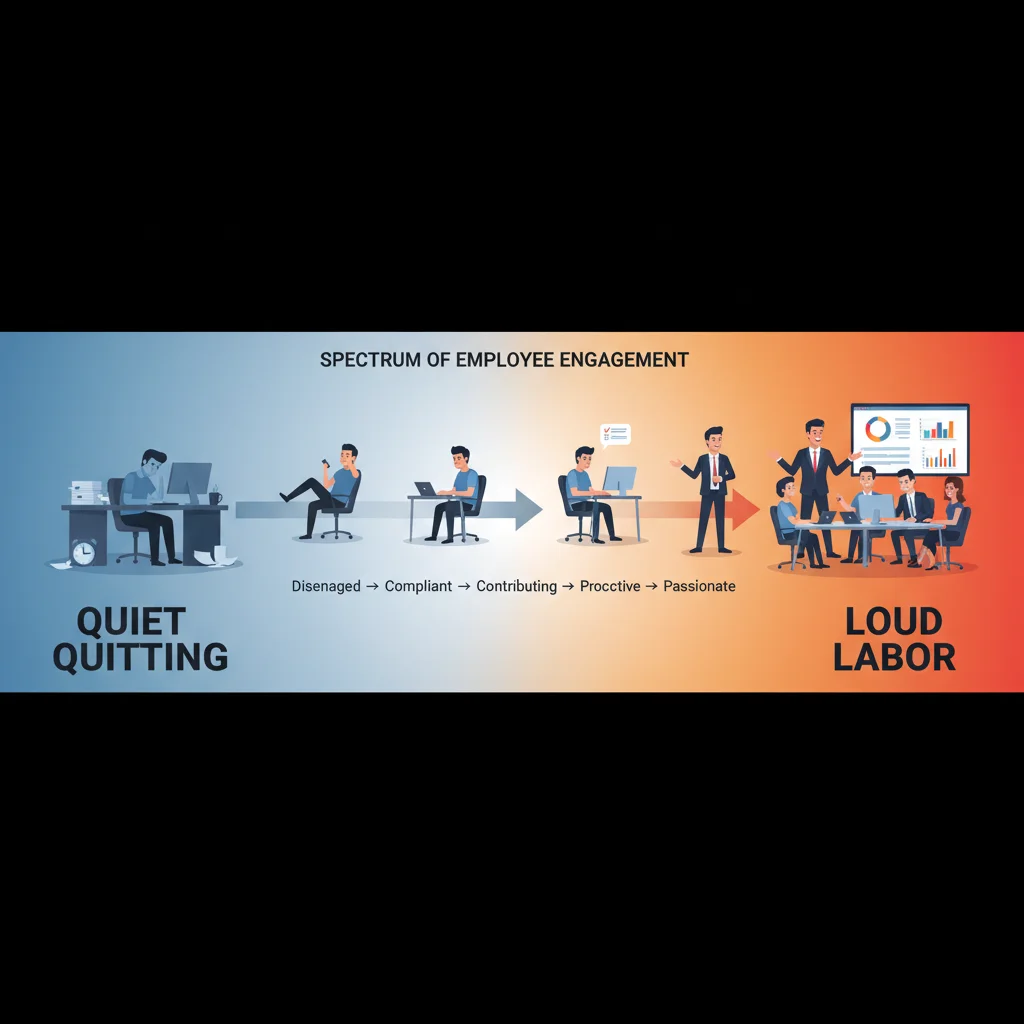
To understand loud labor, we must first revisit its predecessor: quiet quitting. This term gained widespread traction in the post-pandemic era, describing a phenomenon where employees, feeling burnt out, undervalued, or simply seeking better work-life balance, chose to mentally clock out without physically leaving their jobs. They fulfilled their job descriptions adequately but refrained from going above and beyond. This wasn’t about slacking off; it was about setting boundaries and reclaiming personal time and energy.
The rise of quiet quitting was a direct response to several factors:
- Burnout Epidemic: The relentless pace of work, exacerbated by remote work blurring the lines between professional and personal life, led to widespread exhaustion. Employees sought a way to protect their mental health.
- Lack of Recognition and Growth: Many felt their extra efforts were not being recognized, rewarded, or leading to career advancement. Why invest more when the return was minimal?
- Shifting Priorities: The pandemic prompted a global re-evaluation of life priorities. Work, for many, ceased to be the sole defining aspect of their identity.
- Perceived Injustice: Employees observed corporate profits soaring while their own wages stagnated or benefits dwindled, fostering a sense of unfairness.
Quiet quitting, while seemingly passive, was a form of silent protest. It was a refusal to participate in the hustle culture that had dominated workplaces for decades. It signaled a fundamental shift in the psychological contract between employer and employee, laying the groundwork for the more assertive expressions of "loud labor."
The implications of quiet quitting for workforce dynamics 2026 were subtle but significant. It led to decreased innovation, reduced team cohesion, and a pervasive sense of apathy that, while not overtly disruptive, slowly eroded productivity and organizational spirit. Companies often struggled to identify quiet quitters until performance metrics began to dip consistently, by which point engagement was already severely compromised.
The Roar of "Loud Labor": What It Means and Why It’s Emerging
Loud labor is the natural evolution of quiet quitting, but with a crucial difference: it’s no longer quiet. Instead of silently withdrawing, employees are now openly and vocally advocating for their needs, rights, and expectations. This can manifest in various forms, from direct conversations with management about work-life balance and compensation to organized collective action, public critiques of corporate policies, and even demands for greater transparency and ethical conduct.
The transition from quiet quitting to loud labor is driven by an intensification of the same underlying factors, coupled with new catalysts:
- Empowerment through Collective Voice: Social media platforms and online communities have provided employees with unprecedented avenues to connect, share experiences, and organize. This collective voice amplifies individual concerns.
- Increased Awareness of Labor Rights: A renewed focus on labor laws, unionization efforts, and employee advocacy groups has empowered workers to understand and assert their rights more effectively.
- Economic Pressures and Inflation: Rising costs of living have made stagnant wages intolerable, pushing employees to demand better compensation more forcefully.
- Gen Z and Millennial Influence: Younger generations entering the workforce are often less tolerant of traditional hierarchical structures and more vocal about their values, including social justice, sustainability, and mental well-being.
- Transparency and Accountability Demands: Employees are increasingly demanding greater transparency from their employers regarding everything from pay equity to environmental impact, holding companies accountable for their actions.
Loud labor is not merely about complaining; it’s about active participation in shaping the workplace. It reflects a desire for agency, respect, and a fair share in the success they help create. This assertive stance is fundamentally reshaping workforce dynamics 2026, forcing organizations to re-evaluate their entire employee value proposition.
Consider the impact: when employees are loud, their concerns cannot be ignored. This forces management to engage, negotiate, and often, implement significant changes. The risk of public backlash, reputational damage, and talent loss becomes too high for companies to simply dismiss these demands.
The Data Speaks: 60% of US Professionals and the Future of Work
The projection that 60% of US professionals will be impacted by these shifting workforce dynamics 2026 is not an arbitrary figure. It stems from a confluence of research, surveys, and expert analyses pointing to a significant acceleration of these trends. This impact can manifest in various ways:
- Direct Participation: A substantial portion of professionals will actively engage in loud labor, whether through organized movements, direct negotiations, or public advocacy.
- Indirect Influence: Even those not directly participating will be affected by the changes loud labor brings—improved benefits, revised policies, or altered workplace cultures.
- Employer Adaptation: Companies will proactively adapt their strategies to retain talent and avoid the pitfalls of loud labor, influencing a broader swathe of the workforce.
Recent studies from organizations like Gallup, PwC, and the Bureau of Labor Statistics indicate:
- Declining Engagement: While quiet quitting was about minimal engagement, loud labor highlights active disengagement coupled with a desire for change. Gallup’s State of the Global Workplace report consistently shows a significant portion of employees feeling disengaged.
- Increased Union Interest: There’s a notable uptick in interest and successful unionization efforts, particularly among younger workers and in sectors traditionally less unionized.
- High Turnover Rates: The "Great Resignation" was a precursor, showcasing employees’ willingness to leave jobs that didn’t meet their expectations. Loud labor signifies a desire to change jobs from within, if possible, but also a continued willingness to leave if demands are not met.
- Demand for Flexibility: Hybrid and remote work models, once a perk, are now often a baseline expectation. Loud labor often includes demands for greater autonomy over work arrangements.
- Focus on ESG (Environmental, Social, and Governance): Employees are increasingly choosing employers based on their ethical stances and commitment to social responsibility, and they are vocal about discrepancies between stated values and actual practices.
This statistical backdrop underscores the urgency for businesses to understand and respond to these evolving dynamics. Ignoring these trends is no longer an option; it’s a recipe for talent drain, reputational damage, and ultimately, business failure. The workforce dynamics 2026 will be shaped by how effectively organizations listen and adapt.
The Psychological Contract in Flux: Rebuilding Trust and Engagement
At the heart of the shift from quiet quitting to loud labor is a renegotiation of the psychological contract—the unwritten expectations and obligations between employer and employee. For decades, this contract often favored the employer, with employees expected to be loyal, hardworking, and flexible in exchange for job security and career progression. However, repeated economic shocks, corporate downsizing, and a perceived lack of reciprocal loyalty have eroded this traditional understanding.
Loud labor is an attempt by employees to rebalance this contract. They are demanding:
- Fair Compensation: Wages that keep pace with inflation and reflect the value they bring.
- Work-Life Integration: Policies that support personal well-being, flexible hours, and adequate time off.
- Meaningful Work: Opportunities to contribute to something larger than themselves and to see the impact of their efforts.
- Respect and Autonomy: Being treated as valued individuals with agency over their work and professional development.
- Ethical Leadership: Employers who demonstrate integrity, transparency, and a commitment to social responsibility.
For organizations, rebuilding this psychological contract requires genuine effort and a willingness to listen. It’s not enough to offer superficial perks; it demands systemic changes in how companies operate, lead, and value their people. This is a fundamental challenge for workforce dynamics 2026, requiring a proactive and empathetic approach from leadership.
The good news is that companies that successfully adapt to these new expectations are likely to see significant benefits. A workforce that feels heard, respected, and valued is more engaged, more productive, and more loyal. This translates into lower turnover, higher innovation, and a stronger employer brand.
Strategic Responses for Organizations: Navigating the New Landscape
How can businesses effectively navigate these evolving workforce dynamics 2026? A multi-faceted approach is essential, focusing on listening, adapting, and empowering employees.
1. Enhance Communication and Transparency
- Open Dialogue: Create safe spaces for employees to voice concerns without fear of reprisal. Regular town halls, anonymous feedback channels, and skip-level meetings can be invaluable.
- Transparent Decision-Making: Share the "why" behind organizational decisions, especially those impacting employees. Transparency builds trust.
- Clear Expectations: Ensure job descriptions are clear, and performance metrics are fair and achievable.
2. Re-evaluate Compensation and Benefits
- Competitive Pay: Regularly benchmark salaries against industry standards and local cost of living. Fair compensation is foundational.
- Holistic Benefits: Beyond salary, offer robust health, wellness, and mental health benefits. Consider financial literacy programs and retirement planning support.
- Performance-Based Rewards: Implement transparent and equitable systems for bonuses, promotions, and recognition that truly reward effort and impact.
3. Foster a Culture of Empowerment and Autonomy
- Flexibility: Embrace flexible work arrangements (hybrid, remote, flexible hours) where feasible, allowing employees greater control over their schedules.
- Autonomy in Work: Empower employees to make decisions within their roles and provide them with the resources and support to succeed.
- Growth Opportunities: Invest in learning and development. Provide clear career paths and opportunities for skill enhancement and advancement.
4. Prioritize Employee Well-being and Work-Life Balance
- Mental Health Support: Offer comprehensive mental health resources, including counseling, stress management programs, and training for managers to identify and support struggling employees.
- Boundary Setting: Encourage and model healthy work boundaries, discouraging after-hours emails and excessive workloads.
- Time Off: Ensure employees feel comfortable taking their allotted vacation time and sick leave without guilt.
5. Cultivate Inclusive and Ethical Leadership
- Lead by Example: Leaders must embody the values they wish to see in their organization.
- Diversity, Equity, and Inclusion (DEI): Implement robust DEI initiatives that go beyond optics, fostering a truly inclusive environment where all voices are heard and valued.
- Ethical Governance: Demonstrate a commitment to ethical business practices and corporate social responsibility.
The Employee’s Role: Harnessing the Power of Loud Labor Responsibly
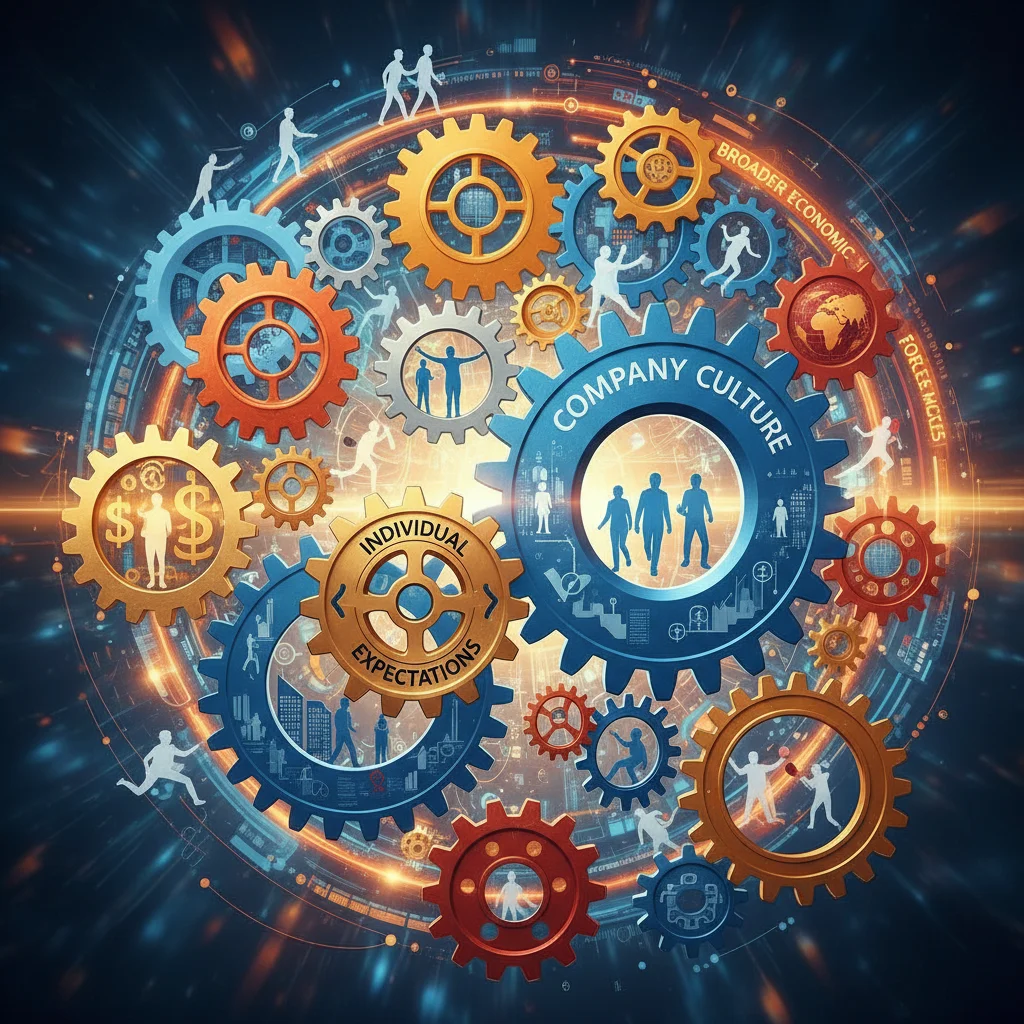
While organizations bear a significant responsibility, employees also play a crucial role in shaping these new workforce dynamics 2026. Loud labor, when exercised responsibly and strategically, can be a powerful force for positive change. However, it requires thoughtfulness and constructive engagement.
- Articulate Needs Clearly: Employees should be clear and specific about their concerns and proposed solutions rather than just airing grievances.
- Seek Constructive Dialogue: Aim for open, respectful conversations with management and HR, focusing on finding mutually beneficial outcomes.
- Understand Organizational Constraints: While advocating for change, also try to understand the legitimate constraints and challenges faced by the organization.
- Leverage Collective Power Wisely: When organizing with colleagues, ensure efforts are focused, well-researched, and aimed at sustainable improvements.
- Be Prepared to Act: If constructive dialogue and efforts yield no results, employees must be prepared to make decisions about their future, whether that involves seeking new employment or escalating concerns through appropriate channels.
Loud labor is not about creating discord for its own sake; it’s about advocating for a healthier, more equitable, and more productive work environment for everyone. It’s a testament to employees’ desire to be active participants in shaping their professional lives, rather than passive recipients of corporate policy.
Conclusion: A New Era of Workplace Partnership for Workforce Dynamics 2026
The transition from quiet quitting to loud labor is more than just a passing trend; it’s a fundamental recalibration of the employer-employee relationship. By 2026, the impact on 60% of US professionals will be undeniable, reshaping everything from recruitment strategies to daily operational practices. Organizations that embrace this shift not as a threat, but as an opportunity for genuine partnership, will be the ones that thrive. They will attract and retain top talent, foster innovation, and build resilient, engaged workforces.
The future of work is collaborative, transparent, and employee-centric. It demands that companies listen attentively, respond authentically, and prioritize the well-being and professional growth of their people. For employees, it’s an invitation to engage actively and constructively in shaping their workplaces. The era of silent dissatisfaction is over; the age of vocal advocacy and shared responsibility for creating better work environments has begun, defining the crucial workforce dynamics 2026 and beyond.
Understanding these shifts is not just about staying compliant; it’s about staying competitive, innovative, and human in an ever-evolving global economy. The businesses that lead with empathy and adaptability will be those that successfully navigate the loud labor landscape and build a sustainable future for their workforce.