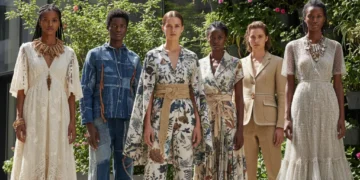
Sustainable Fashion 2026: Key Trends for Ethical Style
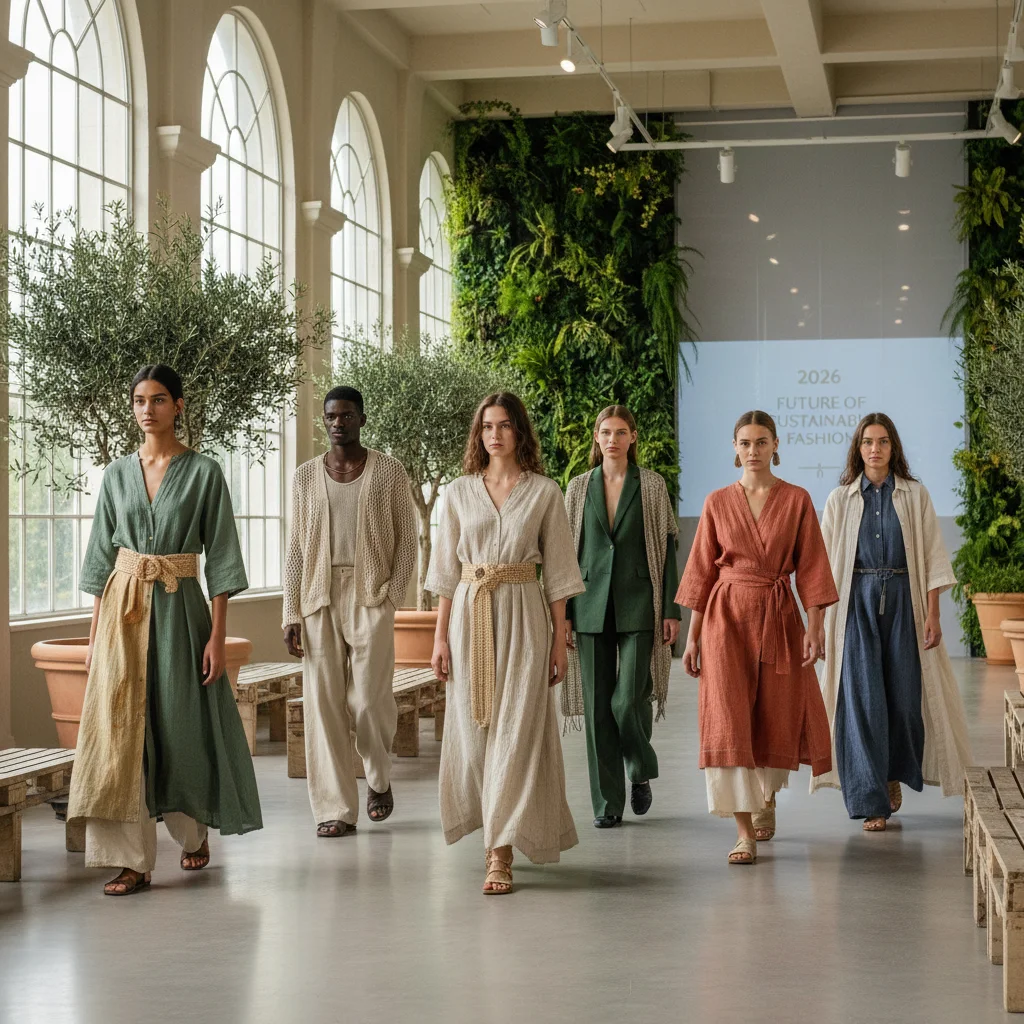
The fashion industry, long associated with rapid consumption and environmental impact, is undergoing a profound transformation. As we look towards 2026, the shift towards sustainable fashion is not just a niche movement but a mainstream imperative. Consumers are increasingly demanding transparency, ethical production, and environmentally friendly practices from their favorite brands. This growing awareness is shaping the future of fashion, pushing innovation and redefining what it means to be stylish.
In this comprehensive guide, we delve into the top 5 sustainable fashion trends that are set to dominate in 2026. These trends reflect a collective commitment to protecting our planet and ensuring social equity within the supply chain. From groundbreaking material science to revolutionary business models, the future of fashion is looking greener, fairer, and more exciting than ever before.
Understanding these trends is crucial not only for conscious consumers looking to curate an ethical wardrobe but also for brands aiming to remain relevant and responsible in a rapidly evolving market. Let’s explore how these trends are reshaping the landscape of style and sustainability.
1. The Rise of Circular Fashion: Beyond Recycling
Circular fashion is perhaps the most pivotal of all sustainable fashion trends for 2026. It represents a fundamental departure from the traditional linear ‘take-make-dispose’ model, advocating instead for a system where garments are designed for longevity, repair, reuse, and ultimately, recycling. This holistic approach aims to eliminate waste and pollution, circulate products and materials at their highest value, and regenerate natural systems.
Redefining Product Lifecycles
In 2026, we will see an accelerated adoption of circular principles across the fashion value chain. This means brands will be increasingly designing products with their end-of-life in mind. Expect to see more:
- Durability and Quality: A renewed focus on high-quality materials and construction techniques that ensure garments last longer, resisting the allure of fast fashion’s disposability.
- Repair and Maintenance Services: Brands offering in-house repair services or partnering with repair networks to extend the life of their products. This not only reduces waste but also fosters a deeper connection between consumers and their clothing.
- Take-Back Programs: Companies implementing robust take-back schemes where consumers can return old garments for recycling or upcycling, closing the loop on textile waste.
- Design for Disassembly: Garments will be designed in a way that allows for easy separation of components (e.g., zippers, buttons, fabric types) to facilitate more efficient recycling processes.
Rental and Resale Platforms Flourish
The sharing economy is making significant inroads into fashion. Rental and resale platforms are booming, offering consumers access to a wider range of styles without the need for permanent ownership. This trend aligns perfectly with circularity by maximizing the utility of each garment. In 2026, these platforms will become even more sophisticated, offering personalized recommendations and seamless user experiences. Luxury brands, in particular, are embracing these models, recognizing the potential for new revenue streams and enhanced brand loyalty among environmentally conscious consumers.
The impact of circular fashion is immense. By keeping materials in use for longer, we drastically reduce the demand for virgin resources, minimize landfill waste, and decrease the environmental footprint associated with manufacturing new items. This trend is not just about being eco-friendly; it’s about smart economics and a more resilient fashion ecosystem.
2. Innovative, Biodegradable, and Regenerative Materials
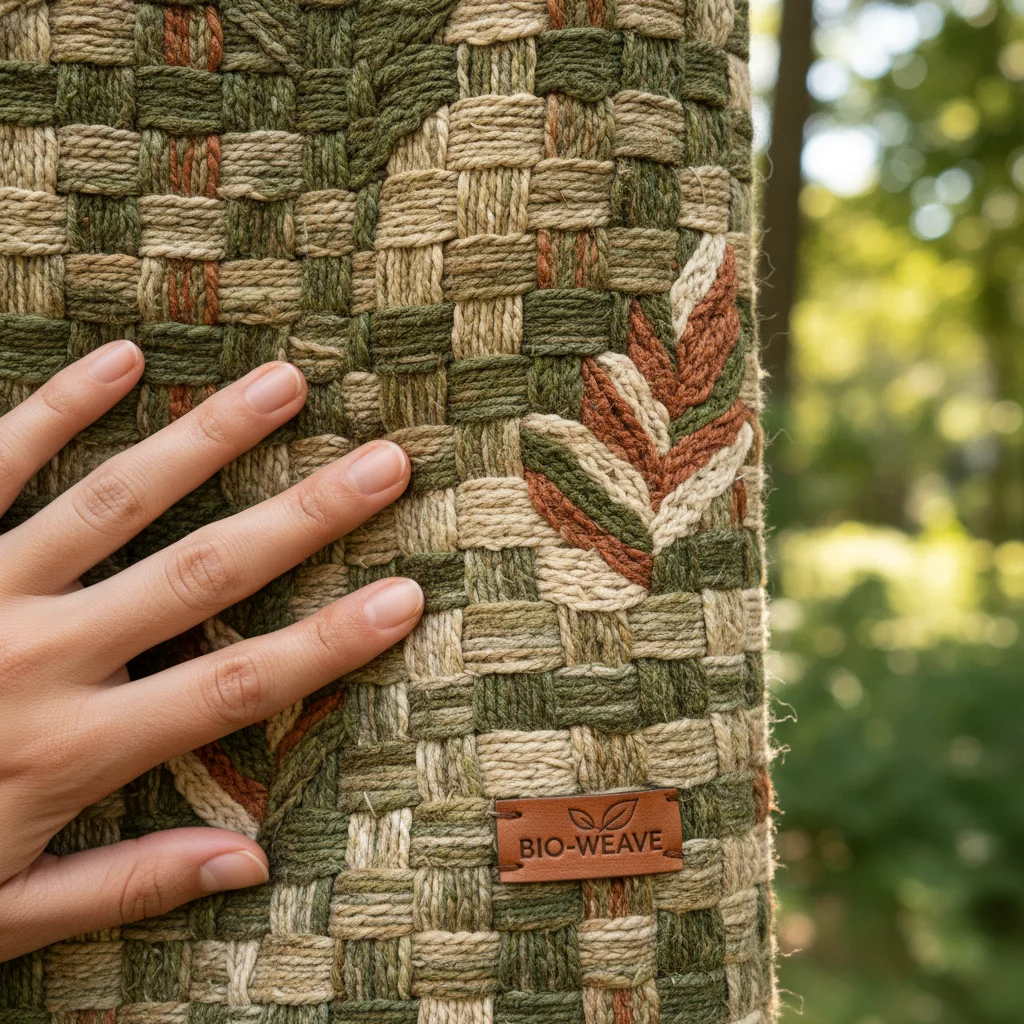
The materials we use are at the core of fashion’s environmental impact. The second key sustainable fashion trend for 2026 is the rapid advancement and widespread adoption of innovative materials that are either biodegradable, regenerative, or derived from waste streams. This represents a significant shift away from conventional synthetic fibers and resource-intensive natural materials.
Next-Generation Textiles
Science and technology are fueling a revolution in textile development. We can expect to see increased market penetration of:
- Bio-based Synthetics: Materials like polylactic acid (PLA) derived from corn starch or sugarcane, which offer similar performance to traditional synthetics but are biodegradable.
- Mycelium Leather: Leather alternatives grown from mushroom roots that are durable, versatile, and compostable at the end of their life. Brands are already experimenting with these materials, and by 2026, they will be more readily available.
- Algae and Seaweed Fibers: These aquatic resources require minimal land and freshwater, offering a sustainable alternative for textiles that can even have skin-benefiting properties.
- Recycled and Upcycled Materials: Beyond traditional recycled polyester, expect to see more sophisticated recycling of mixed textile waste, turning old garments into new fibers. Upcycled materials, such as those made from industrial waste, will also gain prominence.
Regenerative Agriculture for Natural Fibers
Even traditional natural fibers like cotton, wool, and linen are getting a sustainable makeover. Regenerative agriculture practices are gaining traction, focusing on farming methods that improve soil health, enhance biodiversity, and sequester carbon. This approach moves beyond simply reducing harm to actively restoring ecosystems. By 2026, consumers will seek out certifications and brands that source materials from regenerative farms, understanding that their clothing choices can contribute to a healthier planet.
The development and scaling of these materials are critical for truly sustainable fashion. They offer solutions to pollution, resource depletion, and waste, paving the way for a fashion industry that works in harmony with natural systems.
3. Transparency and Traceability: The Demand for Openness
In an era of increasing consumer scrutiny, transparency and traceability are no longer optional but essential. The third major sustainable fashion trend for 2026 will be the widespread demand for brands to provide clear, verifiable information about their supply chains, from raw material sourcing to manufacturing processes.
Blockchain and Digital Passports
Technological advancements, particularly blockchain, are making unprecedented levels of transparency possible. Imagine scanning a QR code on a garment and instantly accessing its entire journey: where the cotton was grown, who spun the yarn, who sewed the garment, and the environmental certifications of each stage. Digital product passports will become more common, empowering consumers to make informed choices and holding brands accountable.
Ethical Labor Practices in Focus
Traceability extends beyond environmental impact to social responsibility. Consumers in 2026 will be hyper-aware of labor conditions, fair wages, and safe working environments. Brands that can transparently demonstrate their commitment to ethical labor practices will build greater trust and loyalty. This includes:
- Supplier Audits: Regular, independent audits of manufacturing facilities to ensure compliance with labor standards.
- Worker Empowerment: Initiatives that support worker well-being, provide training, and ensure fair representation.
- Living Wages: A move towards ensuring that all workers in the supply chain earn a living wage, not just the minimum wage.
The push for transparency is driven by a desire for authenticity and a rejection of greenwashing. Brands that embrace radical openness will not only meet consumer expectations but also drive positive change throughout the industry, making transparency a cornerstone of future sustainable fashion trends.
4. Hyper-Local Production and On-Demand Manufacturing
The globalized supply chain, while efficient in some ways, has significant environmental drawbacks, including extensive transportation emissions and a lack of oversight. The fourth trend for 2026 is a move towards hyper-local production and on-demand manufacturing, revolutionizing how clothes are made and distributed.
Reducing Carbon Footprint
Bringing production closer to the consumer significantly reduces the carbon footprint associated with shipping. This means more localized manufacturing hubs, potentially even within or very near major consumer markets. This shift can also foster local economies and create jobs within communities.
On-Demand and Made-to-Order
Fast fashion thrives on overproduction, leading to vast amounts of unsold inventory that often ends up in landfills. On-demand manufacturing offers a powerful antidote. By producing garments only when an order is placed, brands can eliminate waste, reduce inventory costs, and respond more agilely to consumer demand. This model is facilitated by:
- Advanced Digital Design: 3D design software and virtual prototyping reduce the need for physical samples.
- Automated Micro-Factories: Smaller, more flexible manufacturing units equipped with advanced robotics and automation, capable of producing small batches efficiently.
- Personalization: On-demand production also opens up possibilities for greater customization and personalization, further enhancing the value and longevity of garments for consumers.
This trend represents a strategic re-evaluation of the entire production process, prioritizing efficiency, waste reduction, and responsiveness. Hyper-local and on-demand strategies are set to become defining characteristics of truly sustainable fashion in the coming years.
5. The Aesthetic of Longevity and Conscious Consumption
Beyond materials and production, the final significant sustainable fashion trend for 2026 is a fundamental shift in consumer mindset and aesthetic preferences. This trend embraces the beauty of longevity, quality over quantity, and a more conscious approach to personal style.
Investment Pieces Over Disposable Trends
Consumers are moving away from fleeting micro-trends towards building a wardrobe of timeless, versatile, and high-quality pieces that can be worn for years. This involves investing in well-made garments that transcend seasonal fads and can be easily mixed and matched. The aesthetic emphasizes classic silhouettes, durable fabrics, and meticulous craftsmanship.
Mindful Wardrobe Curation
The concept of a ‘capsule wardrobe’ will continue to evolve and gain popularity. This involves curating a limited collection of essential items that are interchangeable and suitable for various occasions. This mindful approach to dressing not only reduces consumption but also simplifies daily routines and encourages creativity in styling existing pieces.
The Appeal of Vintage and Secondhand
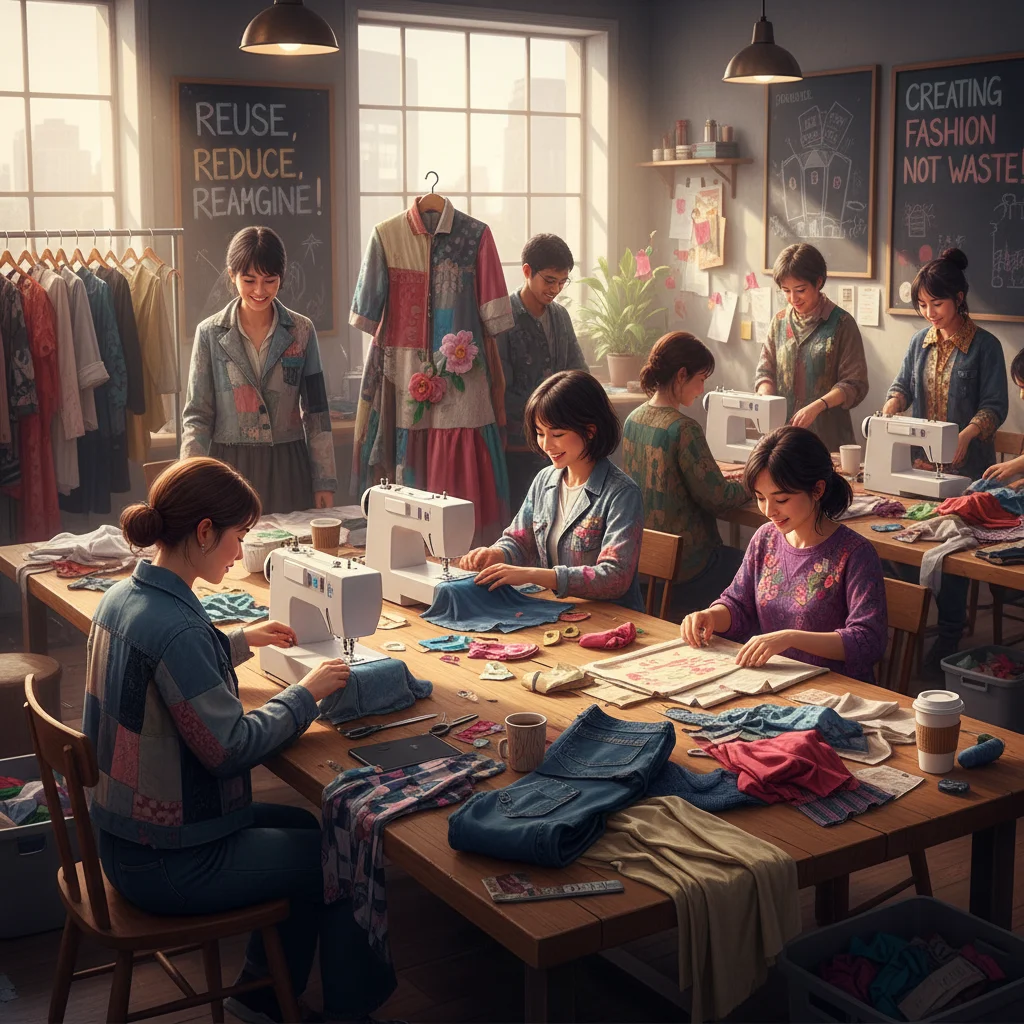
The stigma once associated with secondhand clothing has all but disappeared. Vintage and pre-owned items are now highly coveted, celebrated for their unique character, quality, and sustainable credentials. The thrill of finding a unique piece with a story, rather than buying something mass-produced, will continue to drive this market. By 2026, secondhand shopping will be a fully integrated and fashionable aspect of mainstream retail.
This trend highlights that true sustainability in fashion isn’t just about what brands do, but also about how consumers engage with their clothing. It’s about cherishing what we own, extending its life, and making thoughtful choices that reflect our values. This shift in aesthetic and consumption patterns is perhaps the most powerful driver for a truly sustainable future in fashion.
The Broader Impact of Sustainable Fashion Trends in 2026
These five key sustainable fashion trends are not isolated movements; they are interconnected forces reshaping the entire industry. Their collective impact extends far beyond environmental protection, influencing economic models, technological innovation, and social equity.
Economic Opportunities and Challenges
While the transition to sustainable practices requires investment, it also unlocks significant economic opportunities. New business models, such as rental and resale, create new revenue streams. Innovation in material science drives competitive advantages. Furthermore, building resilient, transparent supply chains reduces risks associated with resource scarcity and regulatory changes. However, brands must navigate the challenges of retooling production, educating consumers, and ensuring that sustainability initiatives are genuinely impactful and not merely performative.
Technological Advancements as Enablers
Technology plays a crucial role in enabling these trends. From AI-driven design and production optimization to blockchain for traceability and advanced recycling technologies, innovation is at the heart of the sustainable fashion revolution. The industry will continue to invest heavily in R&D to find greener solutions at every stage of the product lifecycle.
Empowering Consumers and Workers
The emphasis on transparency and ethical labor practices empowers both consumers and workers. Consumers gain the information needed to make choices aligned with their values, while workers in the supply chain benefit from improved conditions and fair compensation. This human-centric approach is integral to the holistic vision of sustainable fashion.
Navigating Your Sustainable Style Journey
For individuals looking to embrace these sustainable fashion trends, the journey can feel overwhelming at first. However, small, consistent changes can make a significant difference. Here are some actionable tips:
- Educate Yourself: Learn about brands that are genuinely committed to sustainability. Look for certifications and transparent reporting.
- Invest Wisely: Prioritize quality over quantity. Choose versatile pieces that you love and that will last.
- Embrace Secondhand: Explore thrift stores, vintage shops, and online resale platforms for unique finds.
- Repair and Care: Learn basic mending skills or support local tailors. Proper garment care can significantly extend the life of your clothes.
- Question Your Purchases: Before buying something new, ask yourself: Do I need this? Can I find a sustainable alternative? How long will I wear this?
- Support Circular Models: Participate in rental services or brand take-back programs when available.
By adopting these practices, you become an active participant in shaping a more sustainable and ethical fashion future. Your choices as a consumer hold immense power, collectively driving demand for responsible products and practices.
Conclusion: The Future is Ethical and Stylish
The year 2026 promises to be a pivotal moment for sustainable fashion trends. The convergence of consumer demand, technological innovation, and a collective sense of responsibility is accelerating the industry towards a more ethical, environmentally friendly, and circular model. From the materials we wear to the way clothes are produced, bought, and cared for, every aspect of fashion is being reimagined.
The future of fashion is not about sacrificing style for sustainability; it’s about integrating both seamlessly. The trends outlined here demonstrate that it is possible to be fashion-forward while also being a responsible global citizen. As brands continue to innovate and consumers become more conscious, the vision of a truly sustainable and stylish wardrobe for everyone moves closer to reality. Embrace these trends, and be a part of the movement towards a better fashion future.