Foodie Alert: 3 Unexpected Culinary Trends Dominating Menus Across the US This Spring
Foodie Alert: 3 Unexpected Culinary Trends Dominating Menus Across the US This Spring
Spring has sprung, and with it comes a refreshing wave of innovation in the culinary world. As chefs across the United States shed the comforting, heavy dishes of winter, they’re embracing new flavors, techniques, and philosophies that are reshaping the dining landscape. This season, we’re witnessing not just a shift, but an exciting revolution on menus, driven by adventurous palates, a renewed focus on sustainability, and a deep dive into the origins of ingredients. Prepare your taste buds, because we’ve identified three truly unexpected culinary trends spring that are dominating menus and setting the stage for a delicious year ahead.
Forget the predictable seasonal shifts; this spring is about pushing boundaries and redefining what we expect from our meals. From hyper-regional fusions that tell intricate stories of global cultures to plant-based innovations that mimic and even surpass traditional meat dishes, and a fascinating resurgence of fermented foods, the culinary scene is more vibrant and experimental than ever. These trends aren’t just fleeting fads; they represent deeper shifts in consumer preferences and chef creativity, promising exciting new dining experiences.
1. Hyper-Regional Global Fusions: A Taste of the World, Hyper-Localized
While global fusion cuisine is nothing new, this spring’s iteration takes it to an entirely different level: hyper-regionality. Instead of broad strokes combining, say, Asian and Latin American flavors, chefs are now pinpointing specific regions, villages, or even family recipes from disparate parts of the world and weaving them together with incredible precision and respect for authenticity. This nuanced approach to culinary trends spring offers diners a richer, more educational, and profoundly delicious experience.
The Evolution of Fusion
Historically, fusion often meant simply putting two different cuisines on the same plate, sometimes with mixed results. The new hyper-regional fusion, however, is a thoughtful dialogue between culinary traditions. It’s about understanding the historical context, the ingredient profiles, and the cooking methods of, for example, a specific province in Italy and a particular village in Vietnam, and then finding harmonious, respectful ways to integrate them. This isn’t about creating a Frankenstein dish; it’s about crafting a new narrative through food.
Examples on the Menu
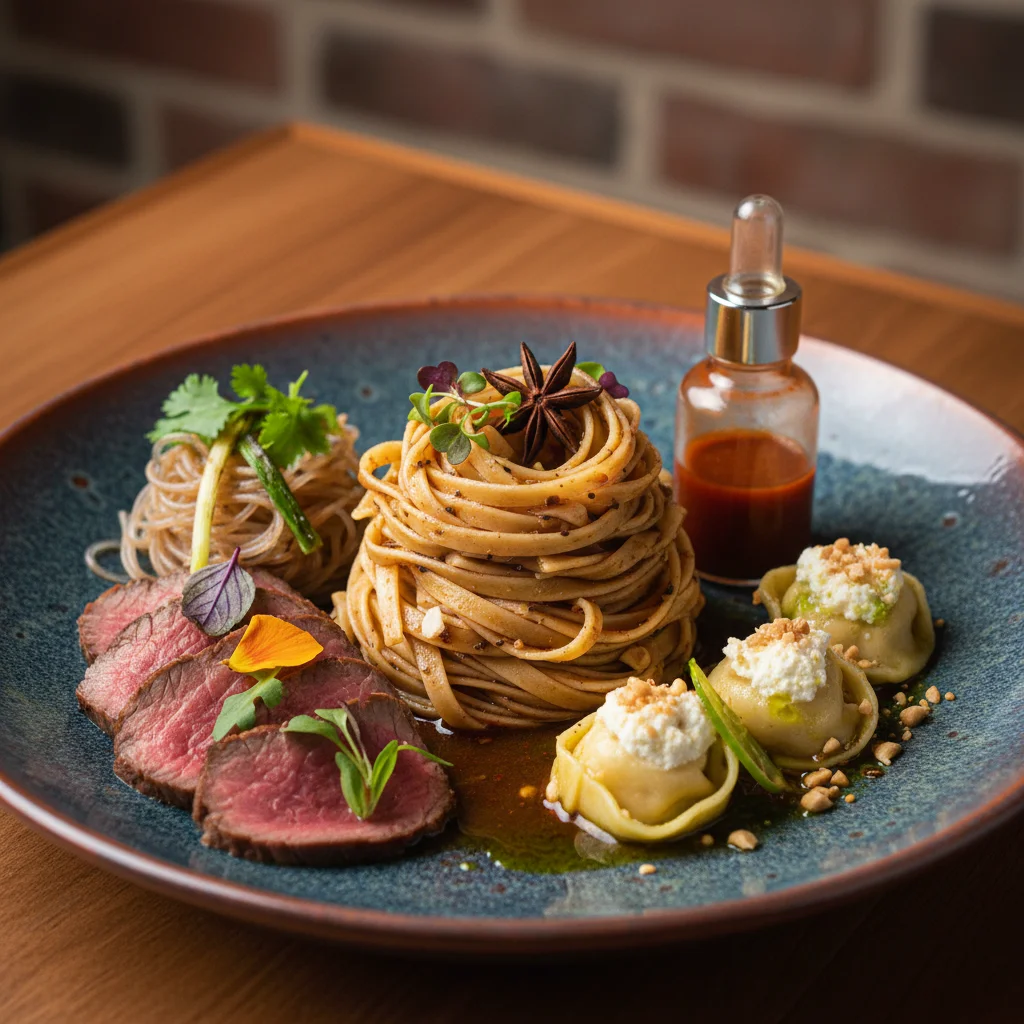
Imagine a dish that combines the delicate spice balance of a specific Ethiopian stew (wot) with the slow-cooking technique and rich umami of a French confit, utilizing locally sourced American ingredients. Or perhaps a Japanese ramen broth infused with the smoky depth of a Mexican chipotle, topped with hand-pulled noodles and a soft-boiled egg. These are the kinds of imaginative, yet deeply rooted, combinations that are captivating diners. Chefs are acting as culinary anthropologists, delving deep into regional foodways to unearth unique flavor profiles and techniques, then applying them in unexpected contexts.
Why This Trend is Taking Off
Several factors contribute to the rise of hyper-regional global fusions. Firstly, increased global travel and access to information have broadened palates and educated consumers. Diners are more curious than ever about authentic international flavors and are eager to explore beyond the common interpretations. Secondly, chefs are continuously seeking new ways to express creativity and differentiate their offerings. This trend allows for immense innovation while still honoring culinary heritage. Finally, the emphasis on storytelling – where each dish has a narrative about its origins and the journey of its ingredients – resonates deeply with today’s diners who seek connection and meaning in their food experiences. This isn’t just about eating; it’s about cultural exploration through taste, making it a significant culinary trends spring highlight.
The beauty of hyper-regional fusion lies in its ability to surprise and delight, offering unexpected harmonies and challenging preconceived notions of what flavors belong together. It’s a testament to the universal language of food and the endless possibilities when different cultures respectfully intertwine on a plate. This spring, be prepared to embark on a global gastronomic journey without leaving your city, thanks to these innovative culinary explorations.
2. Advanced Plant-Based Innovations: Beyond the Burger
The plant-based movement has matured far beyond simple tofu stir-fries and veggie burgers. This spring, restaurants are showcasing incredibly sophisticated and innovative plant-based dishes that are not merely substitutes, but culinary masterpieces in their own right. This is one of the most impactful culinary trends spring, demonstrating a profound shift in how we perceive and consume plant-based foods.
The Drive for Plant-Based Excellence
The motivations behind the plant-based surge are multifaceted: health consciousness, environmental concerns, and ethical considerations all play a role. However, what sets this spring’s trend apart is the relentless pursuit of culinary excellence in the plant-based realm. Chefs are no longer content with simply offering a vegan option; they are actively working to create plant-forward dishes that are as compelling, flavorful, and texturally satisfying as any meat-centric dish. This means harnessing new ingredients, advanced techniques, and a deeper understanding of flavor development.
Innovative Ingredients and Techniques
This trend is fueled by a new generation of ingredients and cooking methods. We’re seeing greater use of lesser-known vegetables, ancient grains, and legumes, often prepared in ways that highlight their unique characteristics. Think lion’s mane mushrooms transformed into a ‘crab’ cake with astonishing resemblance, or jackfruit slow-cooked to mimic pulled pork, but with enhanced seasoning and texture. Beyond these, there’s a growing embrace of fermentation (more on that later!) to develop umami and complexity in plant-based ingredients, as well as molecular gastronomy techniques to create novel textures and presentations.
Furthermore, the development of sophisticated plant-based ‘meats’ and ‘cheeses’ continues to evolve. While some chefs prefer to work with whole, unprocessed plants, others are incorporating high-quality, chef-driven plant-based alternatives that offer remarkable versatility and depth of flavor. These aren’t just mass-produced patties; they are artisanal creations designed to elevate the dining experience.
Plant-Based Fine Dining
Perhaps the most unexpected aspect of this trend is the emergence of truly high-end, plant-based fine dining. Restaurants are dedicating entire tasting menus to plant-based creations, challenging diners to reconsider their perceptions of gourmet food. These menus feature intricate preparations, exquisite plating, and a focus on rare and seasonal produce, proving that plant-based cuisine can be as luxurious and refined as any other. This elevation of plant-based cooking is a clear indicator that it’s no longer a niche market but a significant force in the mainstream culinary trends spring.
The success of these advanced plant-based innovations lies in their ability to appeal to a broad audience, not just vegans or vegetarians. Omnivores are increasingly curious and impressed by the creativity and deliciousness of these dishes, making them a popular choice for anyone seeking exciting and sustainable dining options. This spring, expect to be amazed by the versatility and artistry of plant-based cuisine.
3. The Fermentation Renaissance: Gut Health Meets Gourmet
Fermentation, an ancient preservation technique, is undergoing a vibrant renaissance this spring, moving beyond basic pickles and sourdough to become a cornerstone of gourmet cooking and a key driver in culinary trends spring. Chefs are exploring the vast potential of fermented foods not just for their probiotic benefits, but for their incredible depth of flavor, umami, and ability to transform ingredients into something entirely new and exciting.
More Than Just Pickles
While fermented vegetables like kimchi and sauerkraut remain popular, the current trend delves much deeper. We’re seeing everything from house-made misos and shoyus (soy sauces) crafted from unexpected grains and legumes, to complex lacto-fermented fruits and vegetables that add bright acidity and nuanced sweetness to dishes. Kombucha and kefir are being incorporated into sauces, marinades, and even desserts, offering tangy, effervescent notes that elevate classic recipes.
Flavor Transformation and Umami Boost
The magic of fermentation lies in its ability to transform simple ingredients. Microorganisms break down sugars, producing acids, gases, and alcohol, which in turn create new flavor compounds. This process often enhances umami, that elusive fifth taste that adds richness and depth. Chefs are leveraging this natural flavor enhancer to create more complex and satisfying dishes without relying heavily on animal products or excessive seasoning. A fermented chili paste, for instance, offers a multi-layered heat and funk that a raw chili simply cannot replicate.
Sustainability and Waste Reduction
Beyond flavor and health benefits, fermentation also aligns perfectly with sustainable culinary practices. It’s an excellent method for preserving seasonal gluts of produce, reducing food waste, and extending the shelf life of ingredients. Restaurants are fermenting ‘ugly’ produce, vegetable scraps, and even fruit peels to create vinegars, hot sauces, and flavor bases, turning what would typically be discarded into valuable culinary assets. This commitment to sustainability makes fermentation a particularly relevant and responsible culinary trends spring.
On the Menu
Expect to find fermented elements subtly integrated into various courses. You might encounter a starter featuring lacto-fermented carrots with a hint of ginger, a main course with a sauce enriched by a house-made black garlic miso, or even a dessert incorporating a tangy kefir-lime foam. Beverages are also getting the fermented treatment, with artisanal kombuchas, shrubs, and even low-ABV fermented fruit drinks gaining popularity. These additions provide a unique acidity, effervescence, and depth that can brighten and balance a dish in unexpected ways.
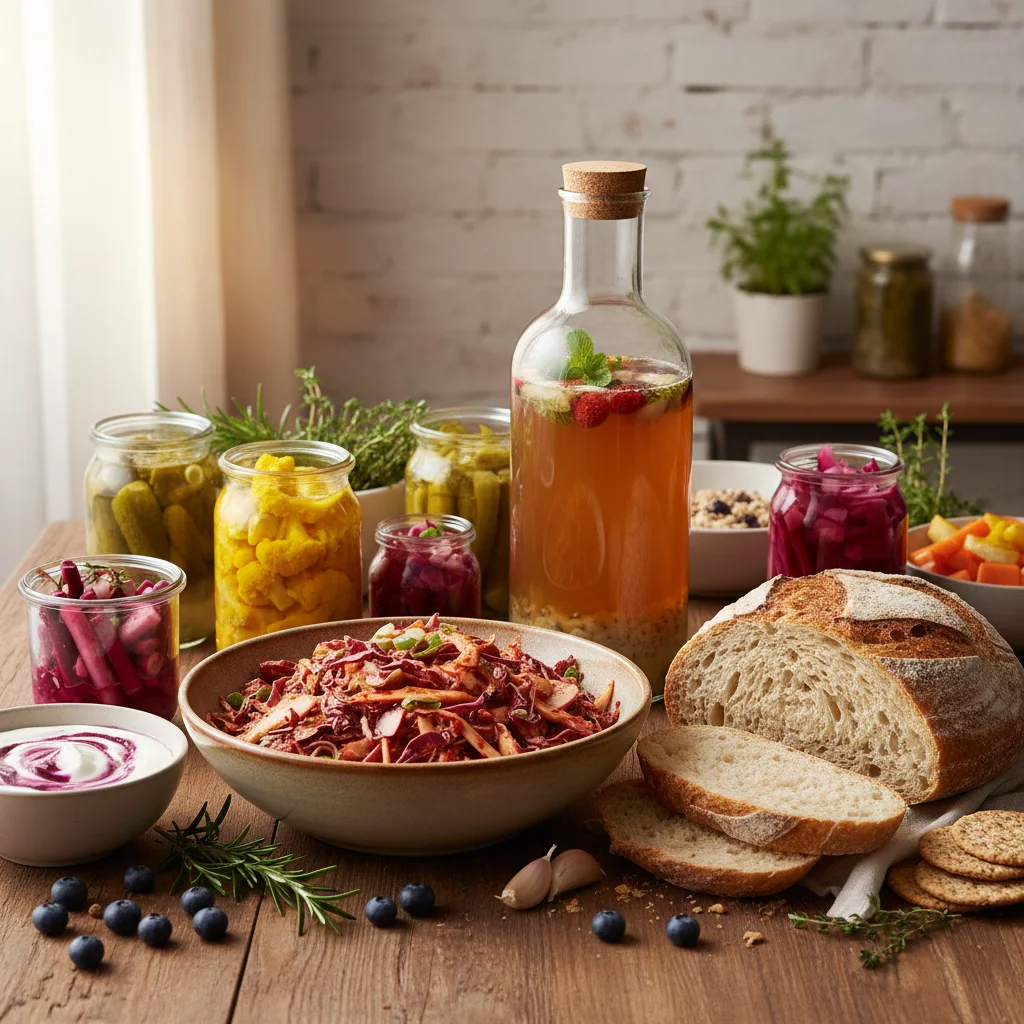
The fermentation renaissance is more than just a nod to gut health; it’s a celebration of microbial magic and a testament to how ancient techniques can be reimagined for modern, gourmet palates. It’s an exciting time to explore the tangy, complex, and utterly delicious world of fermented foods as they take center stage in this spring’s culinary landscape.
The Broader Impact of These Culinary Trends Spring
These three unexpected culinary trends spring are not isolated phenomena; they are interconnected and reflective of broader shifts in the food industry and consumer preferences. The desire for authentic, diverse flavors (hyper-regional fusion) often goes hand-in-hand with an increased awareness of ingredient sourcing and sustainability (advanced plant-based, fermentation). Similarly, the focus on health and wellness (fermentation, plant-based) is driving demand for innovative and nutritious options.
A More Conscious Palate
Diners are becoming increasingly conscious consumers, seeking not just delicious food, but also food that tells a story, supports ethical practices, and contributes to their well-being. Chefs are responding to this by crafting menus that are not only innovative but also thoughtful and responsible. This means a greater emphasis on local sourcing, nose-to-tail and root-to-stem cooking, and a deeper understanding of the environmental and social impact of food choices. The culinary trends spring we’re seeing are a direct reflection of this evolving conscious palate.
Innovation Driving Excellence
The competitive nature of the restaurant industry also plays a significant role. Chefs are constantly pushing the boundaries of creativity and technique to stand out. Hyper-regional fusion offers a vast playground for flavor experimentation. Advanced plant-based techniques challenge chefs to create compelling dishes without traditional animal proteins. Fermentation provides a natural, complex flavor enhancer and a tool for waste reduction. These trends are driving a new era of culinary excellence, where innovation is celebrated and expected.
The Future of Dining
What do these trends tell us about the future of dining? They suggest a future where menus are more diverse, more sustainable, and more exciting than ever before. We can anticipate more global influences, a continued rise of sophisticated plant-based options, and a deeper appreciation for the transformative power of natural processes like fermentation. The lines between different cuisines will continue to blur in respectful and innovative ways, leading to entirely new culinary genres.
Moreover, the emphasis on transparency and storytelling will likely grow. Diners will increasingly want to know where their food comes from, how it’s prepared, and the cultural narrative behind each dish. This creates an opportunity for restaurants to engage with their customers on a deeper level, transforming a meal into an experience that is both nourishing and intellectually stimulating.
Conclusion: Embrace the Unexpected!
This spring, the US culinary scene is a vibrant tapestry of innovation, tradition, and global inspiration. The three unexpected culinary trends spring—hyper-regional global fusions, advanced plant-based innovations, and the fermentation renaissance—are not just passing fads. They are powerful indicators of a culinary world that is becoming more adventurous, more conscious, and infinitely more delicious. So, as you plan your next dining experience, be open to the unexpected. Seek out those dishes that challenge your perceptions, excite your palate, and tell a unique story. You might just discover your new favorite flavor profile or a culinary philosophy that resonates deeply with you.
From the intricate dance of flavors in a hyper-regional dish to the masterful artistry of plant-based fine dining, and the complex, gut-friendly goodness of fermented creations, this spring promises an unforgettable journey for every food enthusiast. Don’t just eat; explore, savor, and celebrate the incredible evolution of food that is happening right now across the US. The future of gastronomy is here, and it’s more exciting than we could have ever imagined. Enjoy the extraordinary tastes of these emerging culinary trends spring!