Winter 2026 US Ski Resort Forecast: What to Expect and How to Save 20%
The anticipation for the Winter 2026 ski season is already building among enthusiasts across the United States. As we look ahead, questions about snow levels, resort conditions, and, crucially, how to make the most of your ski budget become paramount. This comprehensive guide delves into the US Ski Forecast 2026, offering insights into what skiers and snowboarders can expect, coupled with actionable strategies to help you save a significant 20% or more on your upcoming winter adventures.
Understanding the US Ski Forecast 2026 involves a complex interplay of long-range weather patterns, climate models, and historical data. While predicting conditions over a year in advance always carries a degree of uncertainty, emerging trends and expert analyses provide valuable glimpses into what might be in store. From the powdery slopes of the Rockies to the challenging terrain of the Northeast, each region presents its unique set of variables. This article will break down these regional outlooks and then pivot to practical, proven methods for reducing the cost of your ski vacation without compromising on the experience.
Understanding the US Ski Forecast 2026: A Regional Breakdown
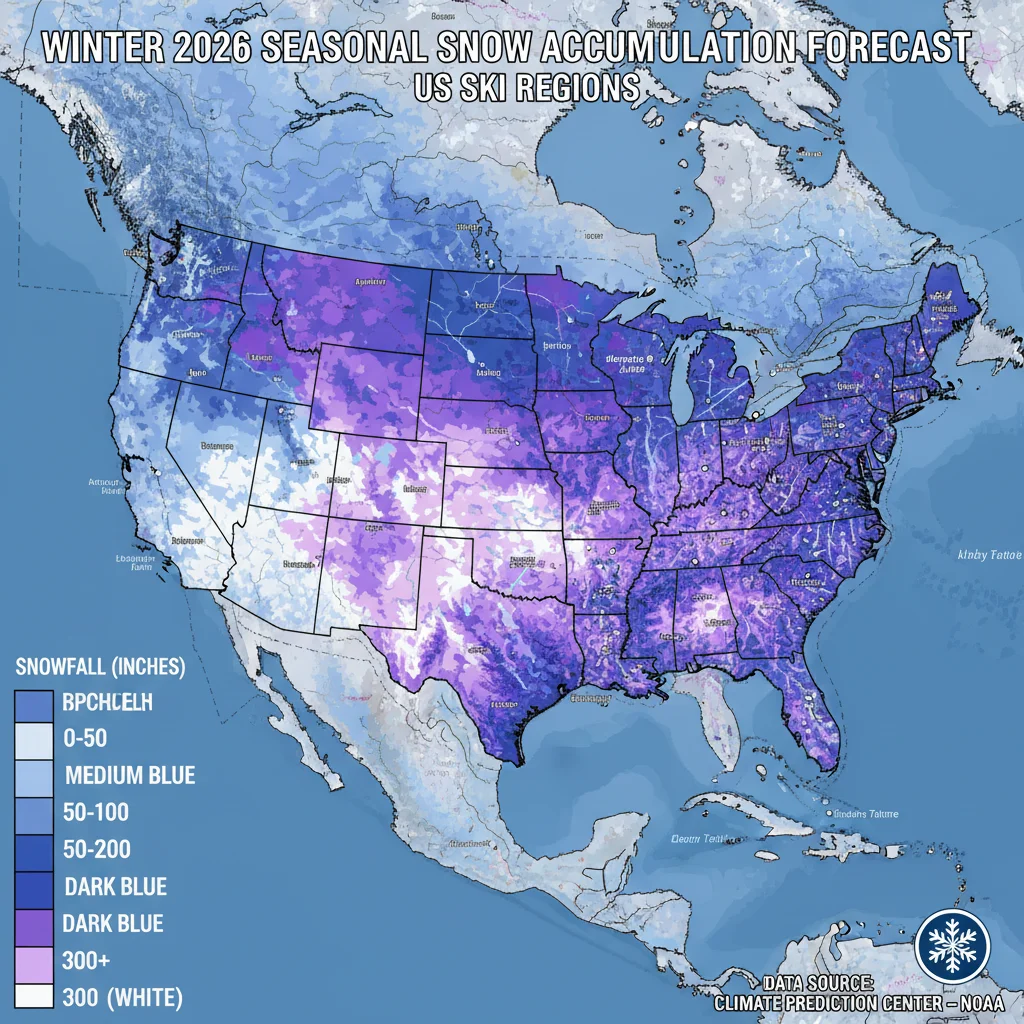
Predicting the weather, especially snow, so far in advance is a blend of science and educated guesswork. However, meteorologists and climate scientists use sophisticated models, historical data, and global climate indicators like La Niña and El Niño to offer preliminary outlooks. For the US Ski Forecast 2026, we’ll examine key regions:
The Rocky Mountains (Colorado, Utah, Wyoming, Montana, Idaho)
The Rockies are often the first region people think of when discussing US skiing, and for good reason. Home to world-renowned resorts like Aspen, Vail, Park City, Jackson Hole, and Big Sky, this region typically enjoys abundant snowfall. For Winter 2026, early indications suggest a potentially robust season, particularly if a weak to neutral La Niña pattern persists or develops. La Niña typically brings colder, wetter conditions to the northern Rockies and drier, warmer conditions to the southern US, but its influence on the central Rockies can be variable. Historically, years following a strong El Niño (which we’ve seen recently) can sometimes transition into more neutral or La Niña conditions, favoring increased snowfall in the northern and central Rockies. Resorts in Utah and Colorado could see average to above-average snowfall, especially in higher elevations. Wyoming and Montana often benefit significantly from northern storm tracks. Keep an eye on long-range forecasts as the fall of 2025 approaches for more definitive predictions, but initial outlooks for this region are cautiously optimistic for good snow.
Pacific Northwest (Washington, Oregon)
The Cascades in Washington and Oregon are known for their deep, wet snowpacks. The US Ski Forecast 2026 for this region is often tied closely to Pacific Ocean temperatures and atmospheric river events. A strong La Niña pattern typically enhances precipitation in the Pacific Northwest, leading to heavy snowfall, particularly at higher elevations. However, warmer temperatures can sometimes mean rain at lower elevations. For Winter 2026, if cooler Pacific temperatures prevail, resorts like Mount Baker, Stevens Pass, and Mount Hood could be looking at another impressive season for snow depth. The challenge here is always the snow quality, which can be heavier due to coastal proximity. Nevertheless, the sheer volume of snow can make for epic skiing if the temperatures cooperate.
California and Nevada (Sierra Nevada)
The Sierra Nevada range, home to Lake Tahoe resorts like Palisades Tahoe, Heavenly, and Mammoth Mountain, is highly dependent on Pacific storms. The US Ski Forecast 2026 for this area is notoriously volatile, capable of swinging from drought conditions to record-breaking snow years. El Niño typically favors California with increased precipitation, while La Niña can sometimes lead to drier conditions, though not always. Given the potential for a transition towards neutral or weak La Niña, the outlook is less clear-cut than for the northern Rockies. However, the Sierras have a remarkable capacity for massive single-storm events. Skiers should monitor forecasts closely, as a few well-placed atmospheric rivers can quickly turn a mediocre season into an exceptional one. Early-season bookings might be riskier here without clearer indicators, but late-season deals could emerge if snow arrives abundantly.
The Northeast (Vermont, New Hampshire, New York, Maine)
Skiing in the Northeast is characterized by cold temperatures and a mix of natural snow and extensive snowmaking capabilities. The US Ski Forecast 2026 for this region is heavily influenced by the polar vortex and North Atlantic Oscillation (NAO). A negative NAO phase often brings colder temperatures and increased storminess to the eastern US, which is ideal for skiing. While natural snowfall can be less consistent than in the West, resorts like Killington, Stowe, and Sugarloaf have invested heavily in state-of-the-art snowmaking, ensuring reliable conditions even in leaner natural snow years. For Winter 2026, if a colder winter is predicted for the eastern seaboard, coupled with regular storm cycles, the Northeast could offer excellent skiing and riding, particularly after mid-January. Early season might be more dependent on snowmaking, but overall, a solid season is often achievable.
Midwest (Michigan, Wisconsin, Minnesota)
The Midwest ski season is typically shorter but offers fantastic local options. Snowfall here is often lake-effect driven, especially around the Great Lakes. The US Ski Forecast 2026 will depend on consistent cold temperatures and favorable wind directions over the unfrozen lakes. If the region experiences a colder than average winter, lake-effect snow machines can produce significant accumulations, making for enjoyable local skiing. Resorts rely heavily on snowmaking to supplement natural snow, and consistent cold snaps are far more crucial than large single storm events. Expect a reliable, albeit potentially short, season with good conditions, particularly in January and February.
How to Save 20% (or More!) on Your Winter 2026 Ski Trip
Skiing can be an expensive sport, but with smart planning and strategic choices, you can significantly reduce costs. Here’s how to save 20% or more on your Winter 2026 ski vacation:
1. Book Early or Last Minute
This is perhaps the most significant way to save. Early Bird Deals: Many resorts and lodging providers offer substantial discounts (15-30%) for bookings made several months in advance, often by September or October of the preceding year. This is ideal for those who can plan ahead and lock in their travel dates. Last-Minute Opportunities: If you have flexibility, waiting until a week or two before your desired travel date can sometimes yield excellent last-minute deals, especially if resorts have unsold inventory or if unexpected heavy snowfall boosts demand. However, this strategy carries more risk, as popular dates and accommodations might be fully booked or more expensive.
2. Consider Off-Peak Travel Dates
A huge chunk of the cost savings comes from avoiding peak season. Holiday weeks (Christmas, New Year’s, Presidents’ Day, Spring Break) are always the most expensive. Aim for:
- Early Season: December (before Christmas) often has lower prices and fewer crowds, though snow depth can be variable.
- Mid-Week Skiing: If your schedule allows, skiing Monday through Friday can dramatically reduce lift ticket, lodging, and even dining costs compared to weekends.
- Late Season: March and early April can offer fantastic conditions, longer days, and significantly reduced prices as crowds thin out.
3. Leverage Multi-Resort Passes
If you plan to ski more than a few days, especially at different resorts, an Epic Pass or Ikon Pass can offer massive savings. These passes typically go on sale in the spring for the following season and increase in price as the winter approaches. Buying one in April or May 2025 for Winter 2026 can save you hundreds of dollars compared to buying individual day tickets. Even if you only plan one major ski trip, do the math: sometimes a limited version of these passes (e.g., Ikon Base Pass) can be cheaper than a 4-5 day lift ticket at a single resort.
4. Find Cheaper Accommodation Options
- Stay Off-Mountain: Lodging directly on the slopes is convenient but pricey. Consider staying in a nearby town or village that offers a shuttle service to the resort. These options are often significantly cheaper.
- Vacation Rentals (VRBO, Airbnb): For groups or families, renting a condo or house can be more cost-effective than multiple hotel rooms, especially if it includes a kitchen for cooking.
- Condos with Kitchens: Even if you’re a couple, a studio or one-bedroom condo with a kitchen allows you to prepare some meals, saving a fortune on restaurant bills.
5. Pack Your Own Food and Drinks
Resort dining, especially on the mountain, is notoriously expensive. A simple lunch at the lodge can easily cost $20-$30 per person. To save 20% on your overall trip, pack:
- Lunch: Sandwiches, snacks, fruit, and drinks in a backpack. Most resorts have designated areas where you can eat your own food.
- Breakfast and Dinner (if staying in a rental with a kitchen): Grocery shopping for a few meals can drastically cut food expenses.
- Après-Ski Drinks: Instead of buying expensive drinks at the base lodge, bring your own beverages for a post-ski unwind at your accommodation.
6. Rent Gear Smartly
- Rent Off-Mountain: Ski shops in towns surrounding resorts often offer better rental rates than shops located directly at the resort base. Book in advance online for additional discounts.
- Own Small Gear: If you ski regularly, investing in your own boots, helmet, and goggles can pay off quickly. Boots, especially, are crucial for comfort and performance, and rental boots can be hit-or-miss.
- Kids’ Gear: Many local ski shops offer season-long kids’ rental packages, which can be far more economical than daily rentals if your children ski frequently.
7. Drive Instead of Fly (If Feasible)
For destinations within a reasonable driving distance, driving can be significantly cheaper than flying, especially for families or groups. Factor in gas costs and potential wear and tear on your vehicle, but often it still comes out ahead. Plus, you have more flexibility with luggage (no baggage fees for skis!).
8. Look for Package Deals
Many resorts and third-party travel sites (e.g., Ski.com, Expedia) offer ski packages that bundle lodging, lift tickets, and sometimes even rentals or lessons at a discounted rate. Always compare the total package price against booking each component separately. Sometimes these deals can unlock savings not available otherwise.
9. Ski School Discounts and Alternatives
Ski lessons can be a major expense. Look for:
- Group Lessons: Always cheaper than private lessons.
- Multi-Day Lesson Packages: Often offer a per-day discount.
- Early/Late Season Lessons: Sometimes discounted during less busy periods.
- Local Ski Clubs/Programs: For children, local programs can be much more affordable than resort-based ski school.
10. Utilize Loyalty Programs and Credit Card Rewards
If you have a favorite resort or resort group, sign up for their email lists and loyalty programs. They often send out exclusive deals and early access to sales. Additionally, consider using credit card rewards points to cover flights or accommodation, which can significantly offset travel costs.

Beyond the Forecast: Preparing for Your Winter 2026 Adventure
Regardless of the exact US Ski Forecast 2026, proper preparation is key to an enjoyable and cost-effective trip. Here are some additional considerations:
Physical Conditioning
Skiing and snowboarding are physically demanding. Start a pre-season workout routine focusing on leg strength, core stability, and cardio to reduce the risk of injury and enhance your enjoyment on the slopes. Being in good shape means you can ski longer and stronger, getting more value out of your lift ticket.
Gear Maintenance
Before the season starts, check your equipment. Get your skis or snowboard tuned (edges sharpened, base waxed) to ensure optimal performance and safety. Inspect bindings for any issues. If you’re buying new gear, do so during off-season sales (spring/summer) for the best prices.
Travel Insurance
Especially when booking far in advance, travel insurance can be a wise investment. It can protect against unforeseen circumstances like illness, injury, or severe weather disruptions that might force you to cancel or cut short your trip. Read policies carefully to understand what is covered.
Flexibility with Dates and Destinations
The more flexible you are with your travel dates and even your choice of resort, the better your chances of finding excellent deals and optimal snow conditions. If the US Ski Forecast 2026 indicates a stronger season in one region over another, being able to pivot can make all the difference.
Research Resort-Specific Deals
Many resorts offer unique promotions. Some have ‘kids ski free’ programs, others offer discounts for military personnel, seniors, or students. Always check the specific resort’s website for any special offers that might apply to you or your group.
Consider a Season Pass for Local Hills
If you live near a smaller ski area, a season pass there can be incredibly cost-effective for frequent day trips, allowing you to get your ski fix without the expense of a major destination resort. These passes often pay for themselves in just a handful of visits.
The Future of Skiing: Sustainability and Innovation
As we look towards Winter 2026 and beyond, the ski industry is increasingly focused on sustainability and innovation. Resorts are investing in renewable energy, efficient snowmaking technologies, and water conservation efforts to mitigate the impacts of climate change. Many are also exploring ways to diversify their offerings to ensure year-round appeal, which can also help stabilize pricing structures. Understanding these trends can also inform your choices as a conscious consumer, supporting resorts that align with your values.
Technological advancements also play a role in enhancing the ski experience. From improved gear designs that make skiing more accessible to advanced weather forecasting models that provide more accurate snow predictions, the industry is constantly evolving. These innovations, while sometimes adding to upfront costs, can ultimately lead to a more enjoyable, safer, and perhaps even more efficient ski trip.
Conclusion: Embrace the Winter 2026 Ski Season with Confidence
The US Ski Forecast 2026 paints a promising picture for many regions, with the potential for abundant snowfall, especially in the Rockies and Pacific Northwest. While specific conditions will become clearer as we get closer to the season, proactive planning is your best strategy for an unforgettable, budget-friendly ski vacation.
By implementing the money-saving tips outlined above—booking early, traveling during off-peak times, leveraging multi-resort passes, and making smart choices about lodging and food—you can realistically expect to save 20% or more on your trip. This means more days on the slopes, more delicious après-ski treats, or simply more peace of mind knowing you got a great deal.
Start planning now, keep an eye on those long-range forecasts, and get ready to carve up the slopes. Winter 2026 is shaping up to be an exciting season, and with these strategies, you’ll be well-prepared to enjoy every moment without breaking the bank. Happy skiing!