Navigating Mental Health Support in 2026: A Practical Guide to US Resources and Benefits, with a 15% Increase in Telehealth Options
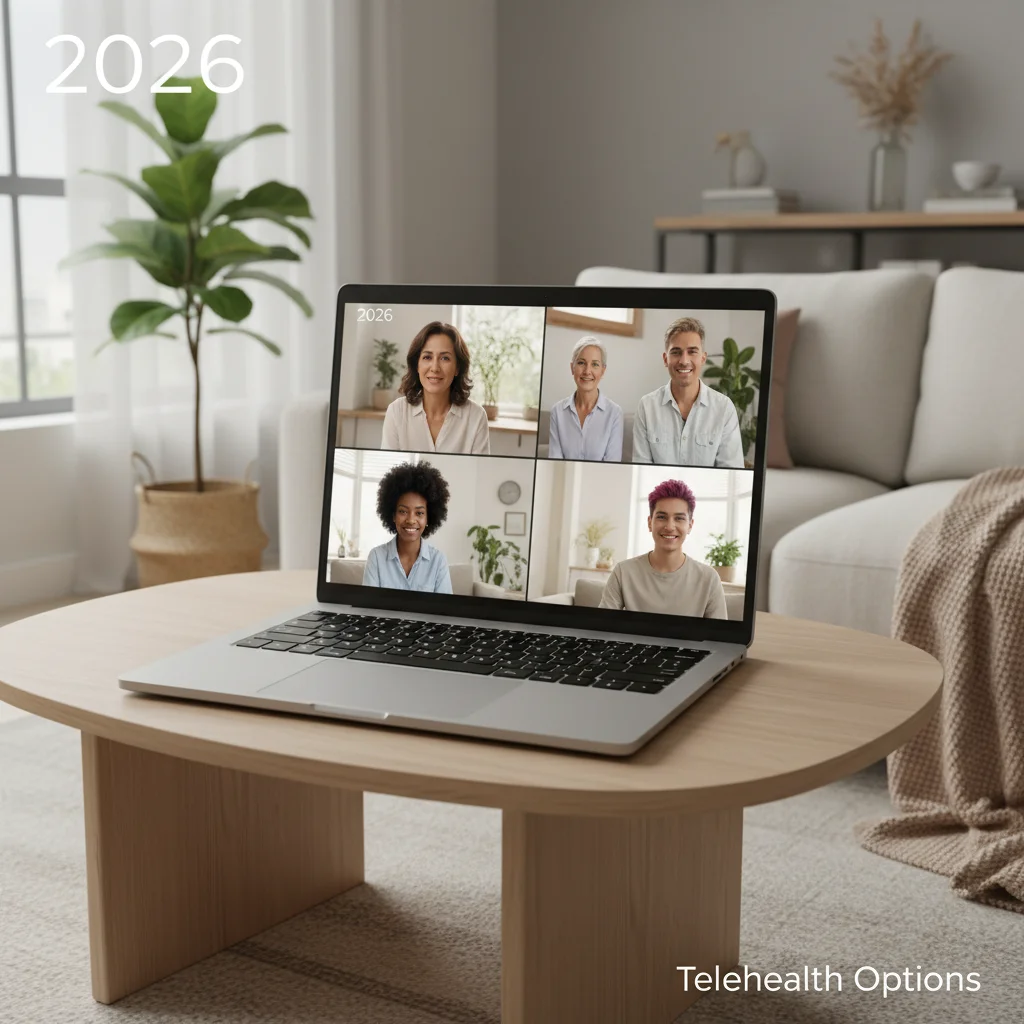
The landscape of mental health care in the United States is constantly evolving, and 2026 marks a significant period of advancement, particularly with a projected 15% increase in telehealth options. For many, understanding and accessing comprehensive US Mental Health Support can feel like navigating a complex maze. This detailed guide aims to demystify the process, providing a clear roadmap to the resources, benefits, and practical steps available to individuals seeking mental health assistance across the nation. From understanding your insurance benefits to leveraging the power of virtual care, we’ll cover everything you need to know to prioritize your mental well-being in the coming year.
The Evolving Landscape of US Mental Health Support in 2026
Mental health has moved from the shadows to the forefront of public consciousness, and rightfully so. The year 2026 brings with it not only a greater societal acceptance of mental health challenges but also tangible improvements in how care is delivered and accessed. The most notable trend is the continued expansion of telehealth services. This isn’t just a minor adjustment; it’s a fundamental shift that is democratizing access to care, particularly for those in rural areas, individuals with mobility challenges, or anyone facing scheduling conflicts that traditional in-person appointments often present. The anticipated 15% increase in telehealth availability signifies a robust commitment to making mental health services more convenient and less stigmatizing.
Why Telehealth is a Game-Changer for US Mental Health Support
Telehealth, or teletherapy as it’s often called in the mental health context, offers numerous advantages. It eliminates geographical barriers, allowing individuals to connect with specialists regardless of their location. It provides a level of privacy and comfort, as sessions can be conducted from the familiar surroundings of one’s home. Furthermore, the flexibility in scheduling often means less time off work or away from family responsibilities. For 2026, this expansion is not merely about convenience; it’s about equity and ensuring that more Americans can receive timely and effective mental health support. This increased availability also means a wider selection of providers, allowing individuals to find a therapist who is the right fit for their specific needs and preferences, without being limited by local options.
Understanding Your Mental Health Benefits and Insurance Coverage
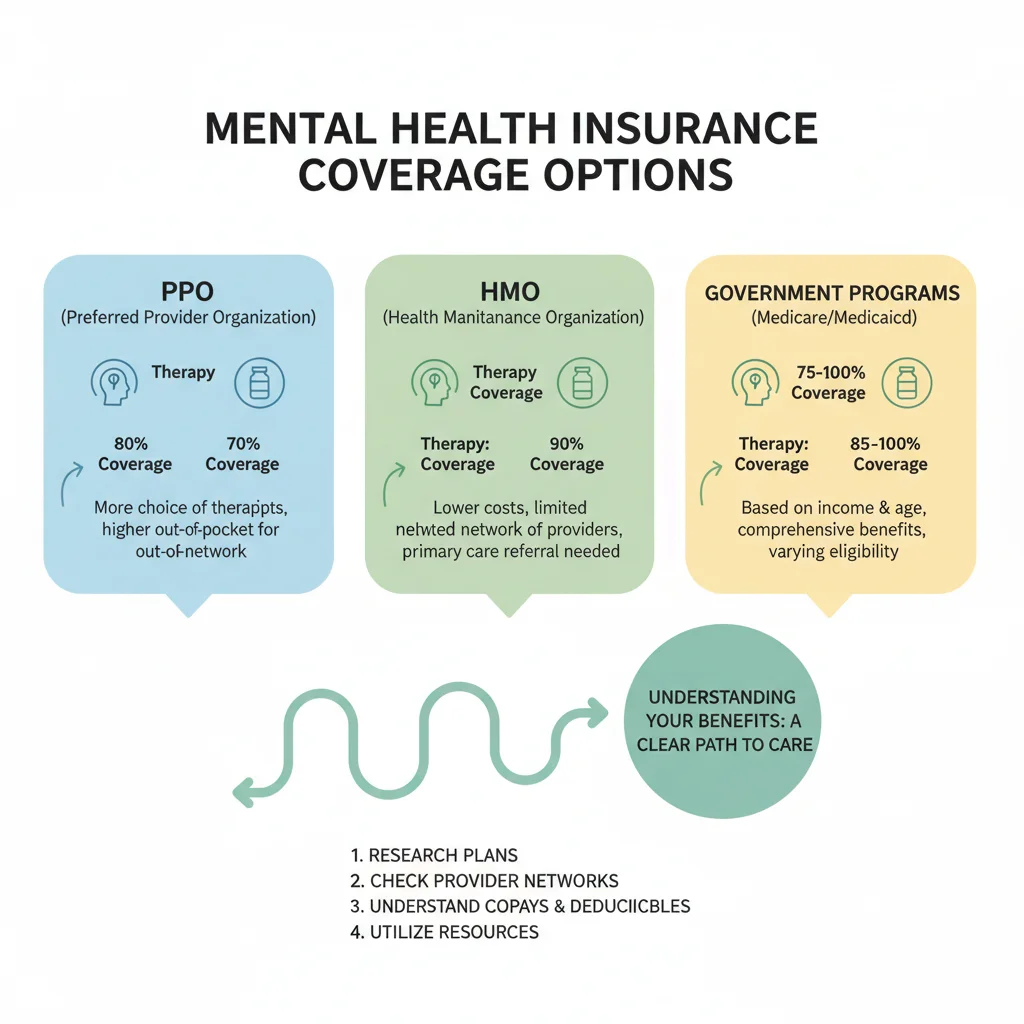
One of the most significant hurdles for many seeking US Mental Health Support is deciphering insurance coverage. The good news is that mental health parity laws generally mandate that insurance plans cover mental health and substance abuse services at the same level as medical and surgical care. However, the specifics can vary greatly depending on your plan type, deductible, co-pays, and network restrictions.
Key Terms to Know When Reviewing Your Insurance Plan:
- Deductible: The amount you must pay out-of-pocket before your insurance begins to cover costs.
- Co-payment (Co-pay): A fixed amount you pay for a covered service after you’ve met your deductible.
- Co-insurance: A percentage of the cost of a covered service you pay after you’ve met your deductible.
- Out-of-Pocket Maximum: The most you will have to pay for covered services in a plan year. Once you reach this amount, your plan pays 100% of the cost of covered benefits.
- In-Network vs. Out-of-Network: Providers who have a contract with your insurance company (in-network) typically cost less than those who don’t (out-of-network).
Before beginning treatment, it is crucial to contact your insurance provider directly. Look for the customer service number on your insurance card. Ask specific questions about your mental health benefits, including:
- What is my coverage for outpatient mental health services (e.g., therapy, counseling)?
- Do I need a referral from my primary care physician?
- What is my deductible, and has it been met?
- What are my co-pay or co-insurance amounts for mental health visits?
- Are there any limitations on the number of sessions covered per year?
- Does my plan cover telehealth mental health services?
- Which mental health professionals are in my network (e.g., psychologists, psychiatrists, licensed clinical social workers)?
Government Programs and Subsidies for Mental Health Care
Beyond private insurance, several government programs and subsidies assist individuals in accessing US Mental Health Support:
- Medicaid: A joint federal and state program that helps with medical costs for some people with limited income and resources. Mental health services are a mandatory benefit for children and adolescents under Medicaid’s Early and Periodic Screening, Diagnostic, and Treatment (EPSDT) benefit. For adults, coverage varies by state but generally includes a range of mental health services.
- Medicare: Primarily for individuals aged 65 or older, or those with certain disabilities. Medicare Part B (Medical Insurance) covers outpatient mental health services, including visits with psychiatrists, psychologists, and clinical social workers.
- Affordable Care Act (ACA) Marketplace Plans: Plans offered through the ACA Marketplace must cover mental health and substance use disorder services as one of the 10 essential health benefits. Financial assistance (subsidies) may be available to help lower monthly premiums and out-of-pocket costs, depending on your income.
- Children’s Health Insurance Program (CHIP): Provides low-cost health coverage to children in families who earn too much money to qualify for Medicaid but cannot afford private insurance. Mental health benefits are included.
Finding the Right Mental Health Professional for Your Needs
The journey to finding the right mental health professional is deeply personal. There are various types of providers, each with different qualifications, specialties, and approaches. Understanding these distinctions can help you make an informed decision.
Types of Mental Health Professionals:
- Psychiatrists (MD or DO): Medical doctors who specialize in mental health. They can diagnose mental health conditions, prescribe medication, and provide psychotherapy. They often focus on the biological aspects of mental illness.
- Psychologists (PhD or PsyD): Professionals trained in diagnosing and treating mental health conditions through psychotherapy and psychological testing. They cannot prescribe medication in most states.
- Licensed Clinical Social Workers (LCSW): Provide counseling and psychotherapy, connect individuals to resources, and advocate for clients. They often work with individuals, families, and groups.
- Licensed Professional Counselors (LPC) / Licensed Mental Health Counselors (LMHC): Provide psychotherapy and counseling services to individuals, families, and groups. They help people cope with mental and emotional issues.
- Marriage and Family Therapists (MFT): Specialize in relationship issues within the context of families and couples, but also provide individual therapy.
Where to Search for Providers:
- Your Insurance Company’s Provider Directory: A primary resource for finding in-network professionals.
- Online Directories: Websites like Psychology Today, Zocdoc, and GoodTherapy allow you to filter by location, insurance, specialty, and even gender or language preferences.
- Referrals: Your primary care physician can often provide a referral. Friends, family, or trusted community leaders might also have recommendations.
- Employee Assistance Programs (EAPs): Many employers offer EAPs that provide free, confidential counseling services for a limited number of sessions and referrals to long-term care.
- Community Mental Health Centers: These centers often provide services on a sliding scale based on income, making them accessible for those with limited financial resources.
Leveraging Telehealth for US Mental Health Support in 2026
As mentioned, 2026 will see a significant boost in telehealth options, making it an even more integral part of US Mental Health Support. This expansion isn’t just about convenience; it’s about overcoming barriers that have historically prevented individuals from accessing care.
Benefits of Telehealth for Mental Health:
- Increased Accessibility: Especially for those in rural areas or with limited transportation.
- Greater Flexibility: Easier to schedule appointments around work, school, or family commitments.
- Enhanced Privacy: Conduct sessions from the comfort and discretion of your own home.
- Reduced Travel Time and Costs: Eliminates commuting, parking, and associated expenses.
- Wider Choice of Providers: Not limited to local therapists, allowing for a better match.
- Continuity of Care: Easier to maintain consistent appointments, even when traveling or during illness.
Tips for a Successful Telehealth Experience:
- Ensure a Private and Quiet Space: Choose a location where you won’t be interrupted and can speak freely.
- Test Your Technology: Make sure your internet connection is stable, your camera and microphone work, and your device is fully charged.
- Minimize Distractions: Turn off notifications, close unnecessary tabs, and inform others in your household of your session.
- Prepare as You Would for an In-Person Session: Have water nearby, a notebook for notes, and be ready to engage.
- Understand the Platform: Familiarize yourself with the video conferencing software your therapist uses before your first session.

Practical Steps to Accessing Mental Health Care
Taking the first step can be the hardest, but a structured approach can make the process less daunting. Here’s a practical guide to accessing US Mental Health Support:
Step 1: Acknowledge and Research
Recognize that you need support. This is a brave and crucial first step. Begin researching potential providers and services. Use the resources mentioned above (insurance directories, online platforms, EAPs) to build a preliminary list.
Step 2: Verify Insurance and Costs
Contact your insurance company to understand your benefits thoroughly. Confirm whether the providers on your list are in-network and what your out-of-pocket costs will be. Don’t hesitate to ask about telehealth coverage specifically, as policies can sometimes differ from in-person care.
Step 3: Initial Consultations (If Available)
Many therapists offer a brief, free initial consultation (10-15 minutes). Use this opportunity to ask about their approach, experience, and what you can expect from therapy. It’s also a chance to gauge if you feel comfortable and if their style aligns with your needs. Prepare a few questions in advance.
Step 4: Schedule Your First Appointment
Once you find a therapist you feel comfortable with, schedule your first official session. Be prepared to discuss your reasons for seeking therapy, your history, and your goals. Remember, it’s okay if the first therapist isn’t the right fit; finding the right match can take time.
Step 5: Engage and Commit
Therapy is a collaborative process. Be open, honest, and committed to the work. Consistency is key to seeing progress. If something isn’t working, communicate with your therapist. They can adjust their approach or help you explore other options.
Additional Resources for US Mental Health Support
Beyond individual therapy, a wealth of other resources can contribute to your overall mental well-being and provide crucial US Mental Health Support.
Crisis Hotlines and Emergency Services:
- 988 Suicide & Crisis Lifeline: A national network of local crisis centers that provides free and confidential emotional support to people in suicidal crisis or emotional distress 24 hours a day, 7 days a week in the United States. You can call or text 988, or chat at 988lifeline.org.
- Crisis Text Line: Text HOME to 741741 from anywhere in the US, anytime, about any type of crisis.
- The Trevor Project: 1-866-488-7386. A national organization providing crisis intervention and suicide prevention services to lesbian, gay, bisexual, transgender, queer & questioning (LGBTQ) young people under 25.
Support Groups:
Support groups offer a safe space to share experiences and coping strategies with others facing similar challenges. Organizations like the National Alliance on Mental Illness (NAMI) and the Depression and Bipolar Support Alliance (DBSA) offer a variety of free support groups, both in-person and online.
Workplace Mental Health Programs:
Many employers are increasingly recognizing the importance of mental health. Inquire about your company’s Employee Assistance Program (EAP), mental health days, or other wellness initiatives. Some companies even offer subsidized therapy sessions or access to mental health apps.
Digital Mental Health Tools and Apps:
The market for mental health apps has exploded, offering everything from meditation and mindfulness exercises to cognitive behavioral therapy (CBT) programs and mood trackers. While not a substitute for professional therapy, these tools can be excellent complements to traditional treatment and provide valuable self-care resources. Popular apps include Calm, Headspace, BetterHelp, and Talkspace.
Community Resources and Non-Profits:
Local community mental health centers often provide low-cost or free services to residents. Non-profit organizations dedicated to specific mental health conditions (e.g., Anxiety & Depression Association of America – ADAA, National Eating Disorders Association – NEDA) offer educational materials, helplines, and support.
Advocacy and Future Directions for US Mental Health Support
The advancements in US Mental Health Support in 2026 are not the end of the journey, but rather a significant milestone. Advocacy efforts continue to push for greater funding, improved access, and reduced stigma. Here are some areas of ongoing development:
Integrated Care Models:
The future of mental health care increasingly involves integrating mental health services with primary care. This approach aims to treat the whole person, recognizing the strong connection between physical and mental health. Having mental health professionals embedded within primary care practices can lead to earlier detection and intervention.
Addressing Disparities:
Efforts are underway to address mental health disparities among various populations, including racial and ethnic minorities, LGBTQ+ individuals, veterans, and those in underserved communities. This includes culturally competent care, bilingual services, and outreach programs designed to meet the unique needs of these groups.
Technological Innovations Beyond Telehealth:
While telehealth is a major focus, other technological innovations are emerging. These include AI-powered chatbots for initial screening and support, virtual reality (VR) therapy for phobias and PTSD, and wearable devices that monitor stress levels and provide biofeedback. These tools promise to further enhance accessibility and personalization of care.
Workplace Mental Health Initiatives:
Employers are increasingly recognizing the economic and human benefits of supporting employee mental health. Expect to see more robust EAPs, mental health training for managers, flexible work arrangements, and a culture that openly discusses and supports mental well-being.
Conclusion: Empowering Your Mental Well-being in 2026
Navigating the complexities of US Mental Health Support in 2026 can seem overwhelming, but with the right information and resources, it is entirely manageable. The significant increase in telehealth options, coupled with evolving insurance benefits and a growing array of support services, means that help is more accessible than ever before. Remember that seeking mental health care is a sign of strength, not weakness. Take the time to understand your options, leverage the available technologies, and connect with professionals who can guide you on your journey to improved well-being. Your mental health is a vital component of your overall health, and prioritizing it is an investment in your future.
By staying informed and actively engaging with the resources available, you can confidently navigate the mental health care system and find the support you need to thrive. The year 2026 offers a promising outlook for mental health care in the US, and with this guide, you are well-equipped to take advantage of it.