Experience Economy: Why Events Trump Products for Modern Consumers
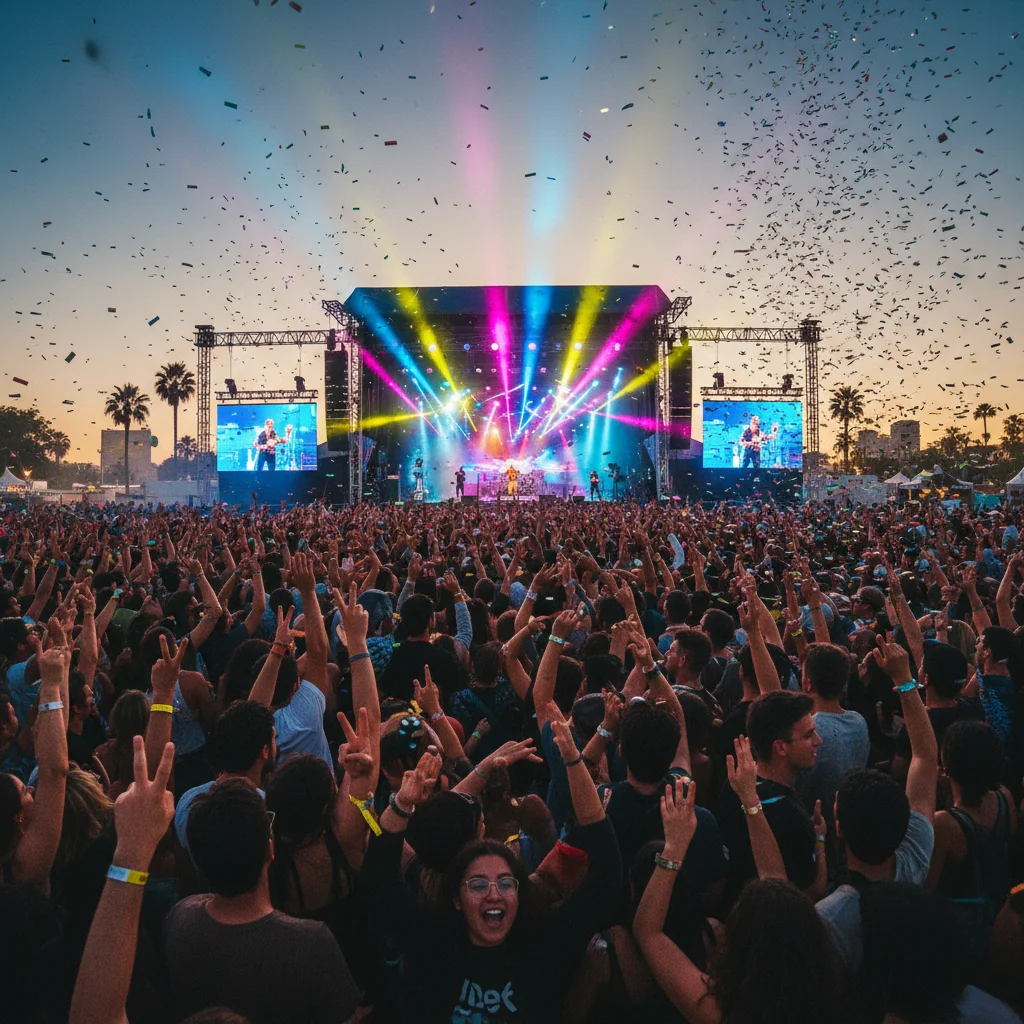
In an era defined by rapid technological advancement and an abundance of material goods, a fundamental shift is occurring in consumer behavior. We are witnessing the rise of what has been widely termed the ‘Experience Economy,’ a paradigm where the acquisition of memorable moments and engaging activities takes precedence over the ownership of physical products. This isn’t just a fleeting trend; it’s a significant cultural and economic transformation, profoundly impacting industries worldwide. The numbers speak volumes: live entertainment alone has seen a remarkable 35% growth, a clear indicator of consumers’ growing appetite for shared, immersive, and unforgettable experiences.
This article delves deep into the heart of the Experience Economy, exploring the underlying psychological and sociological factors driving this shift. We will examine why modern consumers, particularly younger generations, are increasingly opting for concert tickets, travel adventures, culinary workshops, or immersive art installations instead of the latest gadgets or fashion accessories. Furthermore, we will analyze the implications of this trend for businesses across various sectors, offering insights into how they can adapt, innovate, and thrive in a landscape where customer experience is king. Understanding the nuances of the Experience Economy is no longer just a competitive advantage; it’s a prerequisite for relevance and sustained growth in today’s market.
The Genesis of the Experience Economy Growth
To truly grasp the magnitude of the Experience Economy Growth, we must first understand its origins and the conditions that have nurtured its development. The concept itself isn’t entirely new; Pine and Gilmore first introduced the term in their seminal 1999 book, ‘The Experience Economy: Work Is Theater & Every Business a Stage.’ They argued that as economies mature, value moves from commodities to goods, then to services, and finally to experiences. In this progression, experiences are distinct from services because they are memorable, personal, and engage individuals in an inherently more compelling way.
From Products to Services to Experiences
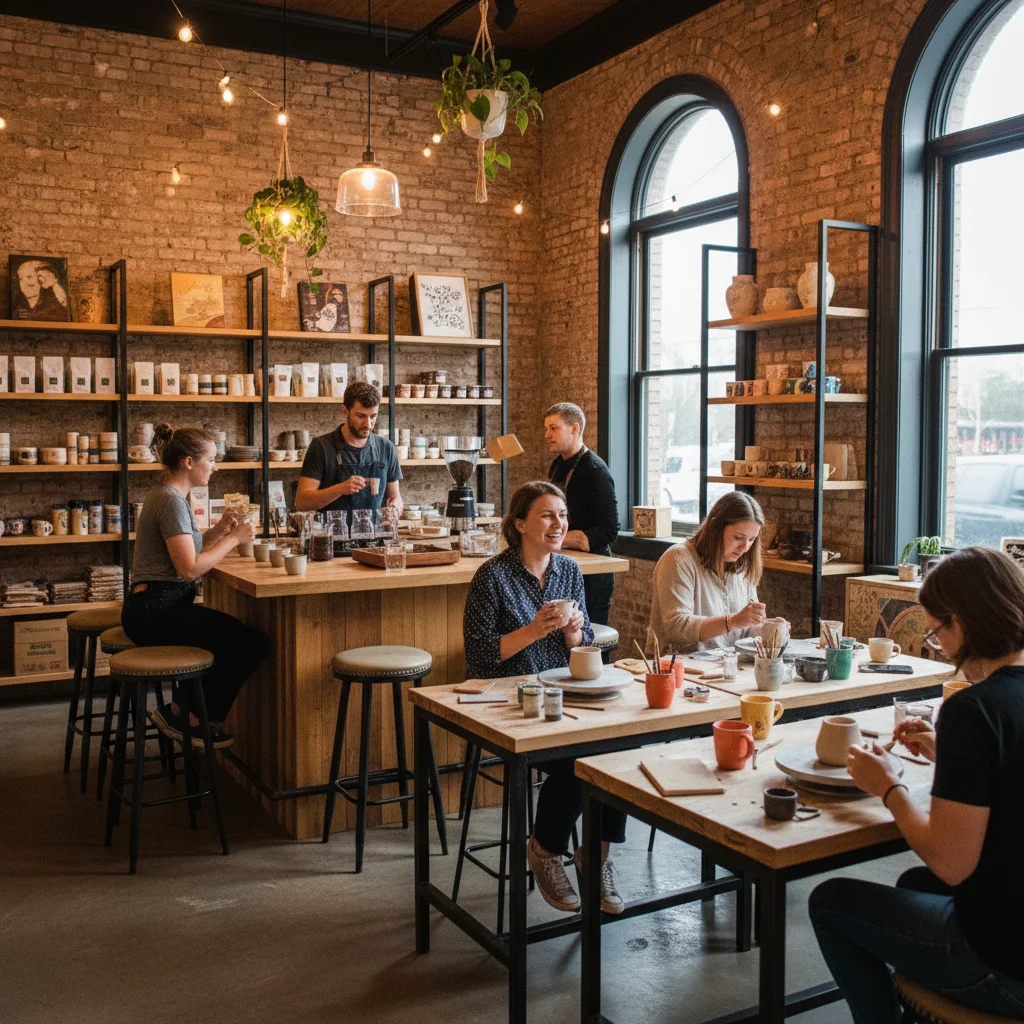
For centuries, human economic activity revolved around commodities – raw materials like coffee beans or wheat. The industrial revolution ushered in an era of mass-produced goods, making products accessible to a wider population. The post-industrial age then saw the rise of the service economy, where value was derived from actions performed for others, like a haircut or a car repair. The current stage, the Experience Economy, elevates this further by staging memorable events for customers. Think of it this way: coffee beans are a commodity, ground coffee is a good, a coffee shop serving you coffee is a service, but a themed coffee shop offering a unique ambiance, live music, and barista art is an experience.
Key Drivers of the Shift
Several interconnected factors have fueled this transition and accelerated the Experience Economy Growth:
-
Material Satiation:
In many developed countries, consumers already own a vast array of goods. The novelty of acquiring more physical possessions has diminished, leading to a search for new forms of satisfaction.
-
The Rise of the Millennial and Gen Z Generations:
These demographic groups, often termed ‘digital natives,’ place a high value on authenticity, personal growth, and social connection. They are less interested in accumulating possessions and more focused on creating memories and sharing unique stories. Their values are deeply aligned with the experiential paradigm.
-
Social Media’s Influence:
Platforms like Instagram, TikTok, and Facebook have become powerful conduits for sharing experiences. A unique travel adventure, a vibrant concert, or an exclusive dining event becomes shareable content, generating social currency and inspiring others to seek similar experiences. The ‘fear of missing out’ (FOMO) is a potent motivator.
-
Seeking Authenticity and Meaning:
In an increasingly digitized and sometimes impersonal world, people crave authentic human connection and meaningful engagement. Experiences, especially those that involve learning, creativity, or community, fulfill this deep-seated need.
-
Wellness and Personal Growth:
Many experiences, from yoga retreats to adventure travel, are tied to personal well-being, skill development, and self-discovery. Consumers are investing in themselves, viewing experiences as a form of self-improvement.
-
Disposable Income Allocation:
While economic conditions fluctuate, a segment of consumers with disposable income is consciously choosing to allocate it towards experiences rather than material goods, perceiving greater long-term value and happiness.
Understanding these drivers is crucial for any business looking to tap into the immense potential of the Experience Economy. It’s not just about selling a product or service; it’s about crafting an unforgettable narrative that resonates with the consumer’s desires for connection, authenticity, and personal enrichment.
The Psychological Underpinnings: Why Experiences Make Us Happier
The shift towards experiences isn’t arbitrary; it’s rooted in fundamental human psychology. Extensive research in fields like positive psychology and behavioral economics consistently demonstrates that experiences tend to bring more lasting happiness and satisfaction than material possessions. This profound insight is at the core of the Experience Economy Growth.
The Hedonic Treadmill and Adaptation
One key concept is the ‘hedonic treadmill’ or ‘hedonic adaptation.’ This refers to our tendency to quickly return to a relatively stable level of happiness despite major positive or negative events or life changes. When we acquire a new material possession – a new car, a fancy gadget, a designer outfit – there’s an initial surge of pleasure. However, this joy is often fleeting. We adapt to the new item; it becomes the ‘new normal,’ and the happiness it provided dissipates. We then seek the next purchase to chase that fleeting high.
Experiences, however, operate differently. While the initial excitement might be similar, the memories and stories associated with an experience tend to endure and even grow richer over time. Anticipation leading up to the event, the event itself, and the subsequent recollection and sharing all contribute to a prolonged and deeper sense of well-being. A concert ticket might be consumed in a few hours, but the memory of seeing your favorite band live can bring joy for years.
Social Connection and Identity Formation
Humans are inherently social creatures. Experiences often facilitate social connection, whether it’s attending a festival with friends, taking a cooking class with a partner, or joining a community workshop. These shared moments strengthen bonds, create a sense of belonging, and fulfill our innate need for social interaction. Material goods, while sometimes shared, rarely foster the same depth of connection.
Furthermore, experiences play a crucial role in shaping our identity. The things we do, the places we go, and the skills we acquire through experiences contribute to our sense of self and our personal narrative. When asked to describe ourselves, we often refer to our adventures, our accomplishments, and our memorable moments, far more than the specific products we own. This aspect is particularly resonant with younger generations who prioritize self-expression and personal branding through their life experiences.
Less Comparison, More Uniqueness
Another psychological advantage of experiences is their inherent uniqueness. While you might compare your new smartphone to a friend’s newer model, it’s much harder to compare unique experiences. Each concert, each trip, each class is a personal journey, making direct comparison less relevant and reducing the potential for envy or dissatisfaction that often accompanies material possessions. This reduces the ‘keeping up with the Joneses’ pressure, allowing individuals to derive more genuine satisfaction from their chosen activities.
The Economic Impact: A 35% Growth in Live Entertainment and Beyond
The psychological drivers translate directly into tangible economic shifts, clearly evidenced by the robust Experience Economy Growth. The reported 35% growth in live entertainment is just one prominent example, but its ripple effects are felt across numerous sectors.
Live Entertainment: A Case Study in Growth
The live entertainment sector, encompassing music concerts, theater productions, sporting events, and festivals, has become a powerhouse within the Experience Economy. This growth is fueled by:
-
Premiumization:
Consumers are willing to pay more for VIP packages, exclusive access, and enhanced experiential elements at events.
-
Technological Integration:
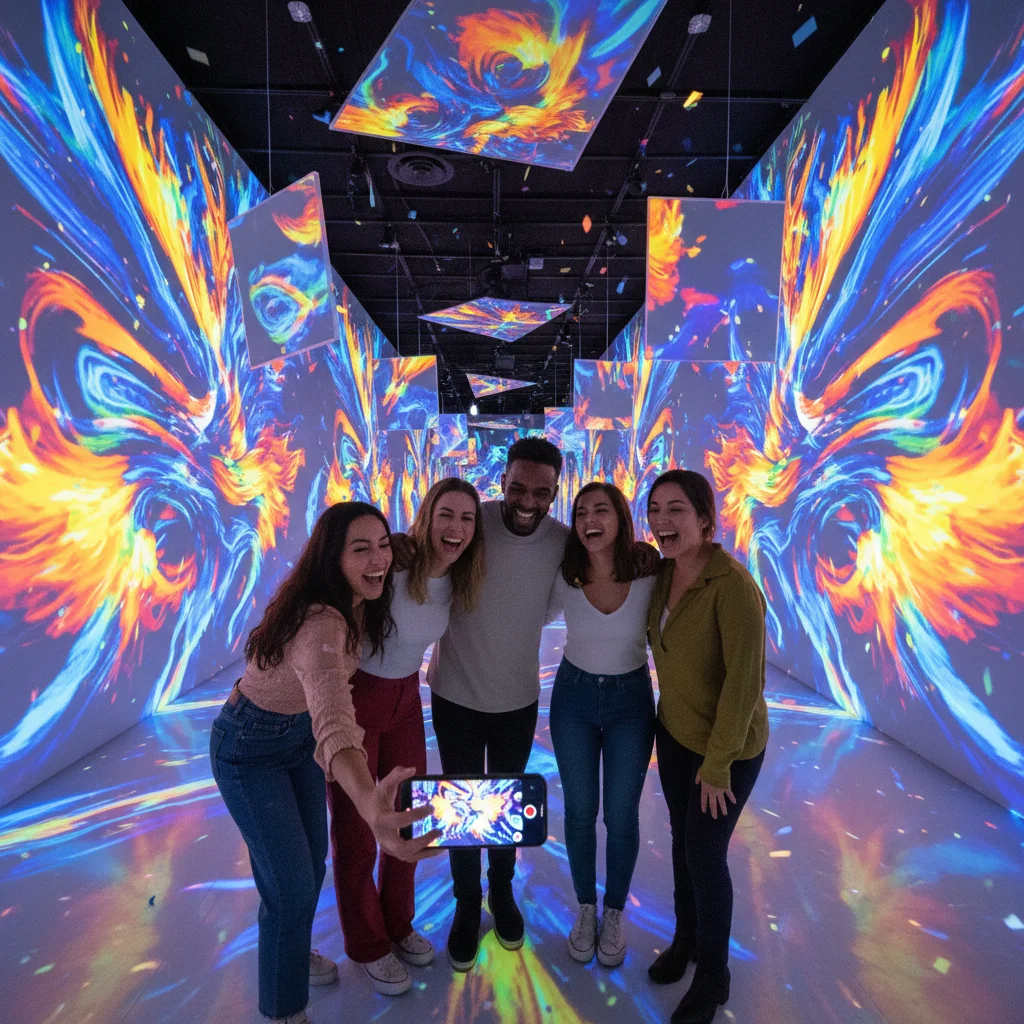
Augmented reality (AR), virtual reality (VR), and interactive installations are increasingly integrated into live events, creating more immersive and personalized experiences.
-
Diversity of Offerings:
Beyond traditional concerts, niche festivals, pop-up events, and themed experiences cater to a wide range of interests, expanding the market.
-
Social Sharing Value:
Live events are highly ‘Instagrammable,’ providing social currency for attendees and free marketing for organizers.
This growth isn’t limited to ticket sales. It boosts local economies through tourism, hospitality, transportation, and retail spending associated with event attendance.
Beyond Entertainment: Sectoral Shifts
The influence of the Experience Economy extends far beyond traditional entertainment:
-
Travel and Tourism:
The focus has shifted from simply visiting destinations to engaging in authentic, immersive cultural experiences, adventure tourism, and eco-tourism. Travelers seek unique stories and personal connections.
-
Retail:
Traditional brick-and-mortar stores are transforming into ‘experiential retail’ hubs. This involves offering workshops, product demonstrations, cafes, community spaces, and personalized styling services to create a memorable visit beyond just purchasing goods.
-
Food and Beverage:
Dining out is no longer just about the meal; it’s about the ambiance, the narrative behind the ingredients, the chef’s story, and interactive elements like open kitchens or tasting menus. Culinary experiences, from cooking classes to food tours, are thriving.
-
Education and Learning:
Online courses that offer interactive elements, workshops, and community engagement are gaining traction. In-person learning experiences, especially those focused on practical skills or creative expression, are highly valued.
-
Health and Wellness:
Wellness retreats, mindful workshops, fitness classes with unique concepts, and personalized coaching experiences are booming as consumers invest in holistic well-being.
The common thread across these sectors is the move from a transactional model to one that prioritizes engagement, emotion, and lasting memory. Businesses that fail to recognize and adapt to this fundamental shift risk becoming obsolete in the face of evolving consumer preferences and the relentless march of the Experience Economy Growth.
Strategies for Businesses to Thrive in the Experience Economy
For businesses seeking to capitalize on the Experience Economy Growth, a fundamental reorientation of strategy is required. It’s no longer enough to simply offer a great product or service; the focus must shift to crafting compelling, memorable, and shareable experiences. Here are key strategies:
1. Understand Your Audience’s Desires
The first step is deep consumer insight. What kind of experiences resonate with your target demographic? Are they seeking adventure, relaxation, learning, connection, or self-expression? Conduct thorough market research, analyze social media trends, and engage directly with your customers to understand their experiential aspirations. Personalization is key; what one customer considers an amazing experience, another might find unremarkable.
2. Design for Emotion and Engagement
Experiences are inherently emotional. Businesses must intentionally design every touchpoint to evoke positive emotions – joy, wonder, excitement, relaxation, curiosity. This involves:
-
Sensory Stimulation:
Engage all five senses – sight, sound, smell, taste, and touch – to create a richer, more immersive environment.
-
Narrative and Storytelling:
Weave a compelling story around your offering. What is the journey the customer embarks on? What is the unique value proposition beyond the tangible?
-
Interaction and Participation:
Move beyond passive consumption. Encourage customers to participate, co-create, and become part of the experience. Workshops, interactive displays, and personalized services are excellent examples.
-
Surprise and Delight:
Incorporate unexpected elements that go above and beyond expectations, creating memorable moments that customers will want to share.
3. Leverage Technology for Enhancement, Not Replacement
Technology is a powerful tool to enhance experiences, but it should not replace authentic human connection. Use technology to:
-
Personalize:
AI-driven recommendations, customized content, and tailored offerings can make experiences more relevant.
-
Streamline:
Seamless booking, digital check-ins, and efficient communication remove friction points, improving the overall experience.
-
Amplify:
AR/VR can add immersive layers to physical experiences, while social media integration allows for easy sharing and community building.
The goal is to use technology to make the experience more convenient, engaging, and memorable, not to automate away the human element.
4. Foster Community and Connection
Many of the most successful experiences are those that facilitate social interaction and build a sense of community. Consider:
-
Group Activities:
Offer classes, tours, or events that encourage people to connect with others.
-
Shared Spaces:
Create environments where people can gather, interact, and feel a sense of belonging.
-
User-Generated Content:
Encourage customers to share their experiences, fostering a sense of co-ownership and community among participants.
5. Measure and Iterate on Experience Quality
Just like products and services, experiences need to be continually evaluated and improved. Gather feedback through surveys, reviews, and direct observation. Analyze customer journeys to identify pain points and opportunities for enhancement. The pursuit of exceptional customer experience is an ongoing process of learning and adaptation.
Challenges and Considerations in the Experience Economy
While the Experience Economy Growth presents immense opportunities, it also comes with its own set of challenges and considerations that businesses must navigate carefully.
1. The Impermanence of Experiences
Unlike a physical product that can be owned and used repeatedly, an experience is often ephemeral. This impermanence is part of its charm – the fleeting nature can make it more precious – but it also means that each experience must deliver exceptional value in its moment. There’s little room for error, as a disappointing experience leaves a lasting negative impression that can’t be ‘returned’ or ‘exchanged’ in the same way a faulty product can.
2. High Expectations and the ‘Instagrammable’ Factor
Social media, while a driver of the Experience Economy, also raises customer expectations. Consumers are constantly exposed to highly curated and often idealized portrayals of experiences. This creates pressure for businesses to deliver experiences that are not only enjoyable but also visually appealing and ‘Instagrammable.’ Failure to meet these heightened expectations can lead to dissatisfaction and negative online reviews, which can quickly erode reputation.
3. Scalability and Personalization Dilemma
Many of the most compelling experiences are highly personalized and intimate, which can make them difficult to scale. How do you maintain authenticity and a sense of uniqueness when trying to serve a larger audience? Businesses must find creative ways to offer personalized touches within a scalable framework, perhaps through tiered offerings, modular experiential components, or leveraging technology to customize interactions.
4. Managing the ‘Experience Stack’
An experience isn’t just one moment; it’s a series of touchpoints – from discovery and booking to the actual event, and post-experience follow-up. Each of these touchpoints contributes to the overall perception. A seamless booking process, clear communication, helpful staff, and effective post-event engagement are all crucial. A breakdown at any point can diminish the entire experience, highlighting the complexity of managing the entire ‘experience stack.’
5. Economic Accessibility and Inclusivity
As experiences become more highly valued and often more premium, there’s a risk of creating an economy that is less accessible to certain segments of the population. Businesses must consider how to offer a range of experiences at different price points, or how to create accessible versions, to ensure inclusivity and broaden their market reach. Sustainability and ethical considerations also play an increasing role, as consumers prefer experiences from brands that align with their values.
6. Competition and Differentiation
As more businesses pivot towards the Experience Economy, the competitive landscape intensifies. Simply offering ‘an experience’ is no longer enough; businesses must continually innovate and differentiate their offerings to stand out. This requires a deep understanding of trends, creative thinking, and a willingness to take calculated risks.
Navigating these challenges successfully requires strategic foresight, operational excellence, and an unwavering commitment to putting the customer’s emotional journey at the center of every business decision. The businesses that master this balance will be the ones that truly thrive in the evolving Experience Economy.
The Future of the Experience Economy: What’s Next?
The Experience Economy Growth is not merely a passing phase; it represents a fundamental shift in consumer values and market dynamics that is here to stay and continue evolving. Looking ahead, several trends are likely to shape its future trajectory, pushing the boundaries of what constitutes a ‘memorable experience.’
Hyper-Personalization and Customization
As data analytics and AI become more sophisticated, the ability to deliver hyper-personalized experiences will intensify. Imagine events or products tailored precisely to your individual preferences, mood, and even real-time physiological responses. This could manifest in adaptive narratives within immersive attractions, bespoke travel itineraries generated by AI, or even personalized learning paths within educational experiences. The future will move beyond segmentation to individualization, making each experience truly unique to the participant.
The Blurring of Physical and Digital Worlds
The lines between online and offline experiences will continue to blur. The metaverse, augmented reality (AR), and virtual reality (VR) are not just technological novelties; they are becoming platforms for new forms of experiential engagement. We will see more hybrid events that combine a physical presence with rich digital overlays, allowing remote participants to engage meaningfully. Virtual concerts, immersive digital art exhibitions, and AR-enhanced retail environments are just the beginning. The challenge will be to ensure that digital experiences still foster genuine connection and emotional resonance.
Sustainability and Ethical Experiences
As global awareness of environmental and social issues grows, consumers will increasingly seek out experiences that align with their values. Sustainable tourism, ethically sourced culinary experiences, and events with a clear social impact will gain prominence. Brands that can authentically demonstrate their commitment to environmental stewardship and social responsibility will attract a loyal customer base. The ‘feel-good’ factor of an experience will extend beyond personal enjoyment to include a sense of contributing positively to the world.
Wellness and Transformative Experiences
The focus on holistic wellness will continue to drive demand for transformative experiences. This goes beyond simple relaxation to encompass personal growth, skill acquisition, mental resilience, and spiritual enrichment. Retreats, workshops, and guided journeys that promise self-discovery and lasting change will become even more popular. Businesses will need to position their offerings not just as entertainment, but as investments in personal development.
The Rise of ‘Micro-Experiences’
While grand events and extensive travel will remain popular, there will also be a growing appreciation for ‘micro-experiences’ – small, everyday moments designed to bring joy, wonder, or mindfulness. This could be anything from a perfectly crafted coffee ritual to an impromptu pop-up performance in a public space. Businesses can integrate these smaller, delightful moments into their existing offerings, making the mundane extraordinary.
Data-Driven Experience Design
The collection and analysis of experience data will become paramount. Understanding customer journeys, identifying emotional peaks and valleys, and using predictive analytics to anticipate needs will enable businesses to continuously refine and optimize their experiential offerings. This data-driven approach will move experience design from an art to a more precise science, ensuring consistent quality and maximum impact.
The future of the Experience Economy is dynamic and full of potential. Businesses that remain agile, innovative, and deeply attuned to the evolving desires of their customers, particularly their craving for authentic connection, personal growth, and memorable moments, will be well-positioned to lead this exciting new chapter of economic growth.
Conclusion: Embracing the Experiential Imperative
The evidence is clear and compelling: the world has entered a new economic paradigm where experiences reign supreme. The robust Experience Economy Growth, underscored by the significant 35% surge in live entertainment, is a testament to a fundamental shift in consumer values. Modern individuals, particularly the younger generations, are increasingly prioritizing memorable moments, personal growth, and authentic connections over the accumulation of material possessions. This isn’t a passing fad but a deep-seated psychological and cultural evolution, driven by factors ranging from material satiation and social media influence to the inherent human desire for happiness and identity formation through shared, engaging activities.
For businesses across every sector, this shift presents both a profound challenge and an unparalleled opportunity. Those who cling to outdated models of product-centric sales will find themselves increasingly marginalized. In contrast, businesses that embrace the ‘experiential imperative’ – by intentionally designing offerings that evoke emotion, foster engagement, leverage technology thoughtfully, and build communities – are poised for sustained success. The future belongs to those who can master the art and science of experience creation, transforming transactions into cherished memories.
Adapting to the Experience Economy demands a strategic reorientation: understand your audience intimately, design for emotional resonance, use technology to enhance, not replace, human interaction, and continuously iterate based on feedback. While challenges such as managing high expectations, ensuring scalability, and maintaining authenticity exist, the rewards of successfully navigating this landscape are immense. By focusing on delivering unparalleled experiences, businesses can not only capture market share but also forge deeper, more meaningful relationships with their customers, ensuring their relevance and prosperity in this exciting new era of value creation.