Micro-Influencers: Driving 40% More Engagement in Digital Marketing

The Rise of Micro-Influencers: How Small Creators are Driving 40% More Engagement in Current Digital Marketing
In the ever-evolving landscape of digital marketing, brands are constantly seeking new and effective ways to connect with their target audiences. For years, the spotlight shone brightly on celebrity endorsements and mega-influencers, with their millions of followers and glossy campaigns. However, a significant shift has occurred, and a new breed of digital tastemakers, the micro-influencers, are now stealing the show. These creators, often with follower counts ranging from 1,000 to 100,000, are not just participating in the conversation; they are driving it, consistently delivering an astounding 40% more engagement than their larger counterparts. This phenomenon is reshaping how brands approach their marketing strategies, emphasizing authenticity, niche communities, and genuine connections. Understanding the power of micro-influencer marketing engagement is no longer optional; it’s a necessity for any brand aiming for impactful and measurable results in today’s crowded digital space.
What Are Micro-Influencers and Why Are They So Effective?
The term ‘micro-influencer’ refers to individuals who have a relatively small but highly engaged following on social media platforms. Unlike macro-influencers or celebrities who boast millions of followers, micro-influencers typically operate within a more niche community, often focusing on a specific topic, hobby, or lifestyle. This specialization is precisely what makes them so effective. Their audience isn’t just a number; it’s a community built on shared interests, trust, and genuine admiration for the influencer’s expertise and authenticity.
The effectiveness of micro-influencers stems from several key factors:
- Authenticity and Relatability: Micro-influencers are often perceived as more ‘real’ and relatable than celebrities. Their content often feels less polished and more genuine, resembling recommendations from a trusted friend rather than a paid advertisement. This authenticity fosters a deeper connection with their audience, making their recommendations more credible.
- Niche Expertise: These influencers typically specialize in a particular niche, whether it’s sustainable fashion, vegan cooking, local travel, or specific tech gadgets. This expertise positions them as go-to sources for information and recommendations within their community. Brands targeting a specific demographic or interest group find immense value in partnering with micro-influencers who already have the ear of their ideal customers.
- Higher Engagement Rates: This is arguably the most compelling advantage. Studies consistently show that as an influencer’s follower count increases, their engagement rate tends to decrease. Micro-influencers, with their smaller, more dedicated audiences, are able to foster more personal interactions. They respond to comments, engage in discussions, and create a sense of community that larger influencers often struggle to maintain. This higher micro-influencer marketing engagement translates directly into more impactful campaigns for brands.
- Cost-Effectiveness: From a brand’s perspective, micro-influencers are often more affordable to work with than macro-influencers or celebrities. This allows brands, particularly small to medium-sized businesses, to stretch their marketing budgets further and potentially collaborate with multiple micro-influencers for a broader reach within various niche communities.
- Direct Communication and Feedback: The intimate nature of micro-influencer communities allows for more direct communication between the influencer and their followers. This provides valuable feedback for brands, not just on the product or service being promoted, but also on consumer preferences and market trends.
In essence, micro-influencers bridge the gap between mass advertising and personal recommendations. They offer the best of both worlds: the reach of social media combined with the trust and authenticity of word-of-mouth marketing. This unique blend is why their impact on micro-influencer marketing engagement is so profound and why brands are increasingly turning their attention to these powerful creators.
Why Micro-Influencers Deliver 40% More Engagement
The statistic that micro-influencers deliver 40% more engagement is not just an arbitrary number; it’s a reflection of fundamental differences in how these creators operate and how their audiences perceive them. This higher micro-influencer marketing engagement is a game-changer for brands seeking genuine connections and measurable ROI.
The Psychology Behind Higher Engagement: Trust and Community
At the core of this superior engagement lies trust. When an audience follows a micro-influencer, they often do so because they genuinely resonate with the influencer’s content, personality, and opinions. This isn’t a passive follow; it’s an active decision to be part of a community. The audience trusts the influencer’s recommendations because they believe the influencer genuinely uses and believes in the products or services they promote.
- Perceived Authenticity: Unlike celebrity endorsements that can feel transactional, micro-influencer content often feels like a genuine recommendation from a friend. They are seen as peers, not distant stars, making their opinions more valuable and less like overt advertising.
- Niche Relevance: Because micro-influencers focus on specific niches, their content is highly relevant to their followers’ interests. This relevance ensures that when a product or service is promoted, it’s likely to be something the audience is already interested in or actively seeking, leading to higher interaction rates.
- Two-Way Communication: Micro-influencers are typically more accessible and responsive. They engage with comments, answer questions, and participate in discussions. This two-way communication builds a stronger bond and encourages followers to interact more frequently, feeling heard and valued.
- Smaller Audience, Deeper Connection: It’s simply easier to foster deep connections with a smaller group of people. This allows micro-influencers to understand their audience’s needs and preferences better, tailoring content that truly resonates and drives interaction.
Data-Driven Insights: Quantifying the Engagement Advantage
Numerous studies and industry reports corroborate the higher engagement rates of micro-influencers. For instance, a report by Markerly found that Instagram influencers with 1,000 to 10,000 followers received likes at a rate of 4% and comments at 0.5%, compared to macro-influencers (100,000 to 1 million followers) who saw 2.4% likes and 0.2% comments. While specific numbers vary by platform and industry, the trend is consistent: smaller audiences yield higher interaction percentages.
This higher engagement isn’t just about likes and comments; it translates into more meaningful actions:
- Click-Through Rates (CTRs): Followers are more likely to click on links provided by micro-influencers, leading to higher traffic to product pages or brand websites.
- Conversion Rates: The trust and authenticity built by micro-influencers often result in higher conversion rates, meaning more sales or sign-ups for the promoted product or service.
- Brand Mentions and User-Generated Content (UGC): Engaged audiences are more likely to create their own content featuring the brand or product, further amplifying its reach and credibility.
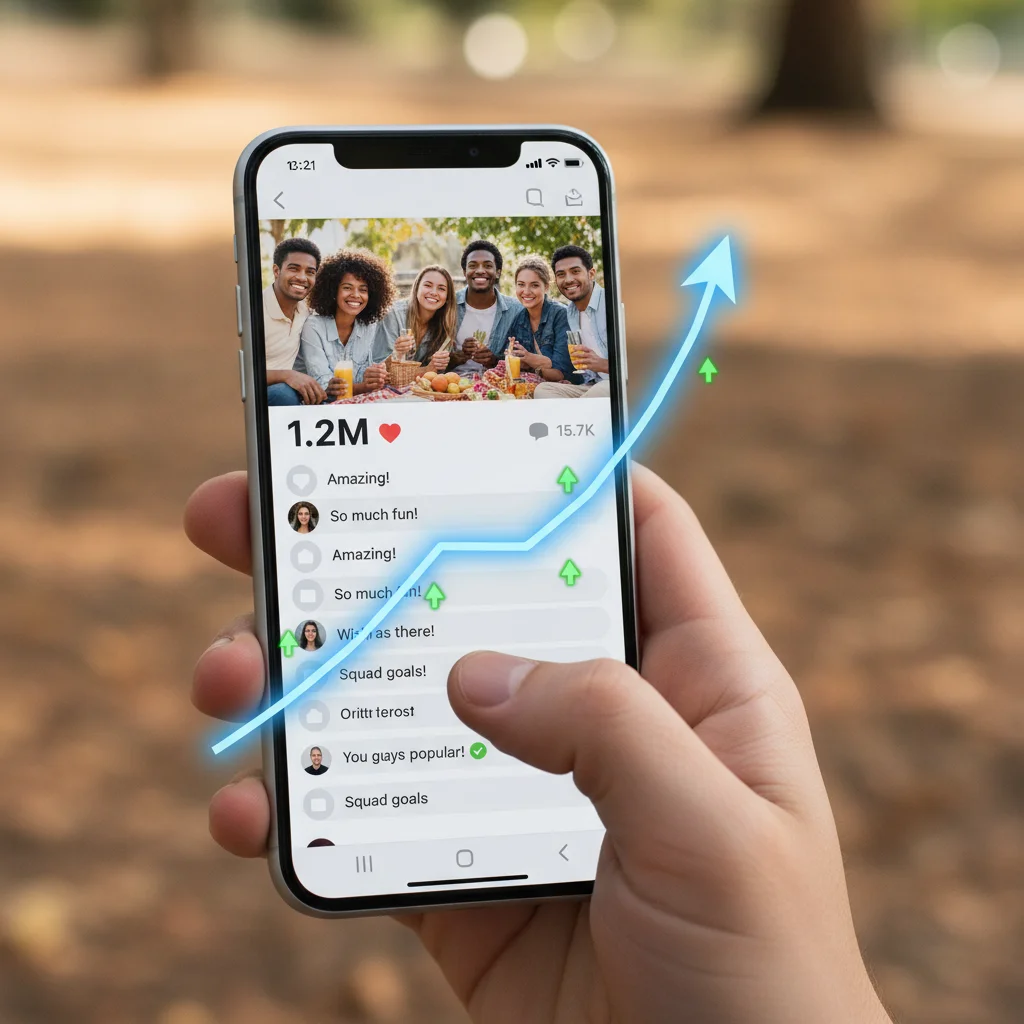
The 40% engagement advantage signifies a more active, responsive, and ultimately, more valuable audience for brands. It underscores the shift from mere reach to meaningful interaction, making micro-influencer marketing engagement a cornerstone of modern digital strategies.
Strategies for Brands to Effectively Leverage Micro-Influencers
For brands looking to tap into the power of high micro-influencer marketing engagement, a strategic approach is crucial. It’s not just about finding someone with a small following; it’s about identifying the right partners who align with your brand values and can authentically connect with your target audience.
1. Define Your Campaign Goals and Target Audience
Before reaching out to any influencer, clearly define what you want to achieve. Are you looking for brand awareness, lead generation, direct sales, or user-generated content? Your goals will dictate the type of micro-influencer you should seek and the metrics you’ll track. Equally important is understanding your target audience. What are their demographics, interests, pain points, and preferred social media platforms? This clarity will help you find micro-influencers whose audience perfectly matches yours.
2. Identify the Right Micro-Influencers
This is perhaps the most critical step. Look beyond follower count and focus on authenticity, niche relevance, and actual engagement. Tools and platforms can help, but manual research is often invaluable.
- Niche Alignment: Does their content directly relate to your product or industry? A beauty influencer promoting a skincare line makes sense; a gaming influencer promoting a financial service might not, unless there’s a creative, authentic angle.
- Engagement Metrics: Look at their like-to-follower ratio, comment quality, and response rates. High comment counts with genuine conversations are a strong indicator of good micro-influencer marketing engagement.
- Audience Demographics: Ensure their audience aligns with your target market in terms of age, location, interests, and even income level.
- Brand Alignment: Do their personal values and content style align with your brand’s image? An authentic partnership feels natural, not forced.
- Content Quality: Do they produce high-quality, visually appealing content that meets your brand’s aesthetic standards?
3. Foster Genuine Relationships
Micro-influencers thrive on authenticity, and so should your brand’s approach to them. Treat them as partners, not just as advertising channels.
- Personalized Outreach: Avoid generic templates. Customize your initial message, referencing specific content of theirs that you admire.
- Offer Value: Beyond just payment, consider offering free products, exclusive access, or long-term partnership opportunities.
- Creative Freedom (Within Brand Guidelines): Give them creative control over how they present your product, within clearly defined brand guidelines. They know their audience best and how to speak to them authentically.
- Clear Communication: Set clear expectations regarding deliverables, timelines, and payment. Be responsive and transparent.
4. Develop Compelling Campaigns
The campaign itself needs to be engaging and provide value to the influencer’s audience.
- Authentic Storytelling: Encourage influencers to share their genuine experience with your product or service. Storytelling resonates far more than a direct sales pitch.
- Interactive Content: Think beyond static posts. Encourage Q&A sessions, polls, contests, or challenges that drive interaction and user-generated content.
- Clear Call to Action: While authenticity is key, don’t forget to include a clear, yet subtle, call to action that guides the audience on what to do next (e.g., visit your website, use a discount code).
- Track and Measure: Use unique discount codes, UTM links, or dedicated landing pages to track the performance of each micro-influencer. Monitor engagement rates, traffic, conversions, and ROI.
5. Long-Term Partnerships and Advocacy
The most successful micro-influencer strategies often involve building long-term relationships. When an influencer genuinely loves your brand and consistently promotes it, they become a true advocate. This ongoing relationship can be far more valuable than one-off campaigns, fostering deeper trust and sustained micro-influencer marketing engagement over time.
By focusing on these strategies, brands can effectively harness the unique power of micro-influencers to achieve significant marketing outcomes, moving beyond vanity metrics to drive real business growth.
Measuring the Impact of Micro-Influencer Marketing Engagement
While the qualitative benefits of authenticity and trust are evident, quantifying the success of micro-influencer marketing engagement is crucial for demonstrating ROI and optimizing future campaigns. Brands need to look beyond just likes and comments to understand the true impact of their partnerships.
Key Metrics to Track:
- Engagement Rate: This remains a primary metric, calculated as (Likes + Comments + Shares + Saves) / Followers * 100%. A higher engagement rate indicates that the content is resonating deeply with the audience. For micro-influencers, this rate is typically higher, validating their effectiveness.
- Reach and Impressions: While micro-influencers have smaller followings, their content can still achieve significant reach, especially if it’s shared or goes viral within their niche. Track how many unique users saw the content (reach) and the total number of times the content was displayed (impressions).
- Click-Through Rate (CTR): If the campaign includes links to your website or product pages, monitor the CTR to understand how many users clicked on the provided links. This is a direct indicator of interest and potential conversion.
- Website Traffic: Analyze website traffic coming from influencer campaigns. Use UTM parameters to accurately attribute traffic sources. Look for increases in direct traffic, referral traffic, and overall site visits during and after the campaign.
- Conversion Rate: This is the ultimate measure of success for many brands. Track how many users who came from an influencer’s content completed a desired action, such as making a purchase, signing up for a newsletter, or downloading an app. Unique discount codes or personalized landing pages are excellent tools for this.
- Brand Mentions and Sentiment: Monitor social media for mentions of your brand following the campaign. Analyze the sentiment of these mentions – are people talking positively about your brand? Are they using specific hashtags associated with the campaign?
- User-Generated Content (UGC): Track the amount and quality of UGC inspired by the influencer’s post. This shows that the audience is not just consuming but also creating content related to your brand, which is incredibly valuable for social proof.
- Cost Per Engagement (CPE) / Cost Per Acquisition (CPA): Calculate the cost-effectiveness of your micro-influencer campaigns. Comparing the cost of the partnership to the number of engagements or conversions it generated helps assess ROI.
Tools and Techniques for Measurement:
- Influencer Marketing Platforms: Many platforms offer robust analytics for tracking campaign performance across multiple influencers.
- Google Analytics: Essential for tracking website traffic, user behavior, and conversions originating from influencer links (using UTM tags).
- Social Media Insights: Most platforms provide native analytics that can give insights into reach, engagement, and audience demographics.
- Unique Codes and Links: Provide each influencer with a unique discount code or trackable link to directly attribute sales or sign-ups.
- Surveys and Feedback: Sometimes, direct feedback from customers about how they discovered your brand can also provide valuable insights into influencer impact.
By meticulously tracking these metrics, brands can gain a comprehensive understanding of how their micro-influencer marketing engagement is performing, allowing for data-driven decisions that optimize future collaborations and maximize return on investment.

Challenges and Considerations in Micro-Influencer Marketing
While the benefits of high micro-influencer marketing engagement are undeniable, brands should also be aware of potential challenges and considerations to ensure successful campaigns.
1. Finding the Right Fit at Scale
One of the biggest challenges can be identifying numerous suitable micro-influencers. While individual micro-influencers are highly effective, a brand often needs to partner with many of them to achieve significant reach. This can be time-consuming and resource-intensive, especially for smaller marketing teams. Tools and agencies specializing in influencer marketing can help streamline this discovery process, but thorough vetting is always necessary.
2. Maintaining Brand Consistency
With multiple micro-influencers creating content, maintaining a consistent brand message and aesthetic can be tricky. While creative freedom is encouraged, clear brand guidelines and a robust briefing process are essential to ensure that each piece of content aligns with the brand’s overall image and messaging. Regular communication and feedback loops can help manage this.
3. Ensuring Disclosure and Compliance
Transparency is paramount in influencer marketing. It’s crucial that micro-influencers clearly disclose their sponsored content, adhering to regulatory guidelines (e.g., FTC guidelines in the US, ASA in the UK). Brands must educate their influencer partners on these requirements to maintain trust with the audience and avoid legal repercussions. Failure to disclose can severely damage both the influencer’s and the brand’s credibility, diminishing the very authenticity that makes micro-influencers effective.
4. Managing Relationships and Contracts
Working with a large number of micro-influencers means managing multiple relationships, contracts, payments, and content approvals. This administrative burden can be substantial. Implementing efficient project management tools and having clear contractual agreements that outline deliverables, usage rights, payment terms, and confidentiality clauses is vital.
5. Avoiding ‘Fake’ Engagement or Followers
The rise of influencer marketing has also led to the proliferation of fake followers and engagement. Brands must be vigilant in identifying genuine micro-influencers whose engagement is organic and authentic. Look for consistent engagement rates, thoughtful comments, and a follower growth pattern that seems natural. Tools for audience analysis can help detect suspicious activity.
6. Attribution and ROI Measurement
While we discussed measuring impact, accurately attributing sales or conversions to specific micro-influencer campaigns can still be complex, especially in a multi-touchpoint customer journey. Implementing robust tracking mechanisms (UTM codes, unique discount codes, personalized landing pages) and sophisticated attribution models becomes increasingly important as campaigns scale.
7. Content Fatigue and Audience Burnout
If a micro-influencer partners with too many brands or promotes products that don’t genuinely align with their content, their audience can experience content fatigue or feel that the influencer has become inauthentic. Brands should encourage influencers to be selective with their partnerships and ensure that sponsored content feels natural and integrated into their regular feed, preserving the high micro-influencer marketing engagement.
By proactively addressing these challenges, brands can mitigate risks and build more effective, sustainable micro-influencer marketing strategies that consistently deliver exceptional results.
The Future of Micro-Influencer Marketing: What’s Next?
The landscape of digital marketing is always shifting, but the trajectory for micro-influencer marketing engagement appears to be one of continued growth and evolution. As consumers become more discerning and ad-averse, the demand for authentic, relatable content is only set to increase, solidifying the micro-influencers’ position as vital marketing assets.
Increased Specialization and Hyper-Niche Influencers
We can expect to see even greater specialization. Beyond ‘beauty influencers,’ we’ll see ‘clean beauty influencers for sensitive skin’ or ‘sustainable vegan skincare influencers.’ This hyper-niche focus will allow brands to target their audience with unparalleled precision, leading to even higher relevance and engagement. The more specific the niche, the stronger the bond between the influencer and their community, and thus, the more potent their recommendations.
Emphasis on Long-Term Partnerships and Brand Ambassadors
Brands will increasingly move away from one-off campaigns towards long-term relationships with micro-influencers. Creating a roster of genuine brand ambassadors who consistently promote products they truly believe in fosters deeper trust and a more organic integration of brand messaging. These sustained relationships are more cost-effective in the long run and yield more consistent, reliable micro-influencer marketing engagement.
Integration Beyond Social Feeds: Live Commerce and Interactive Content
The future will see micro-influencers playing a larger role in diverse content formats. Live streaming, interactive Q&A sessions, and even live commerce (selling products during a live stream) are rapidly gaining traction. Micro-influencers are perfectly positioned for these formats due to their ability to engage in real-time and build personal connections, making the shopping experience more interactive and trustworthy. Expect more brands to leverage micro-influencers for TikTok Lives, Instagram Shopping, and similar platforms.
Advanced Analytics and AI for Better Matching
The tools for identifying, vetting, and managing micro-influencer campaigns will become even more sophisticated. AI-powered platforms will be able to analyze audience demographics, sentiment, and psychographics with greater accuracy, ensuring a perfect match between brand and influencer. This will reduce manual effort and improve the effectiveness of campaigns, allowing brands to better predict and measure micro-influencer marketing engagement and ROI.
The Blurring Lines Between Creator and Consumer
The distinction between who is an influencer and who is a consumer will continue to blur. Everyday individuals with small, authentic followings will be recognized for their influence within their immediate networks. Brands may explore strategies that empower loyal customers to become micro-advocates, further decentralizing influence and amplifying authentic word-of-mouth marketing.
Ethical Considerations and Transparency
As the industry matures, there will be an even greater emphasis on ethical practices and transparency. Regulatory bodies will likely tighten guidelines, and consumers will demand clearer disclosures. Brands that prioritize ethical partnerships and authentic communication will build stronger, more resilient relationships with both influencers and their audiences.
In conclusion, micro-influencers are not a fleeting trend but a fundamental shift in how effective digital marketing operates. Their ability to generate significantly higher engagement, rooted in authenticity and trust, makes them an indispensable component of any forward-thinking brand’s strategy. By understanding their power, addressing the associated challenges, and adapting to future trends, brands can continue to harness the immense potential of micro-influencer marketing engagement to build lasting connections and drive meaningful business outcomes.