Achieve Home Wellness: 3 US Strategies for a Healthier 2026
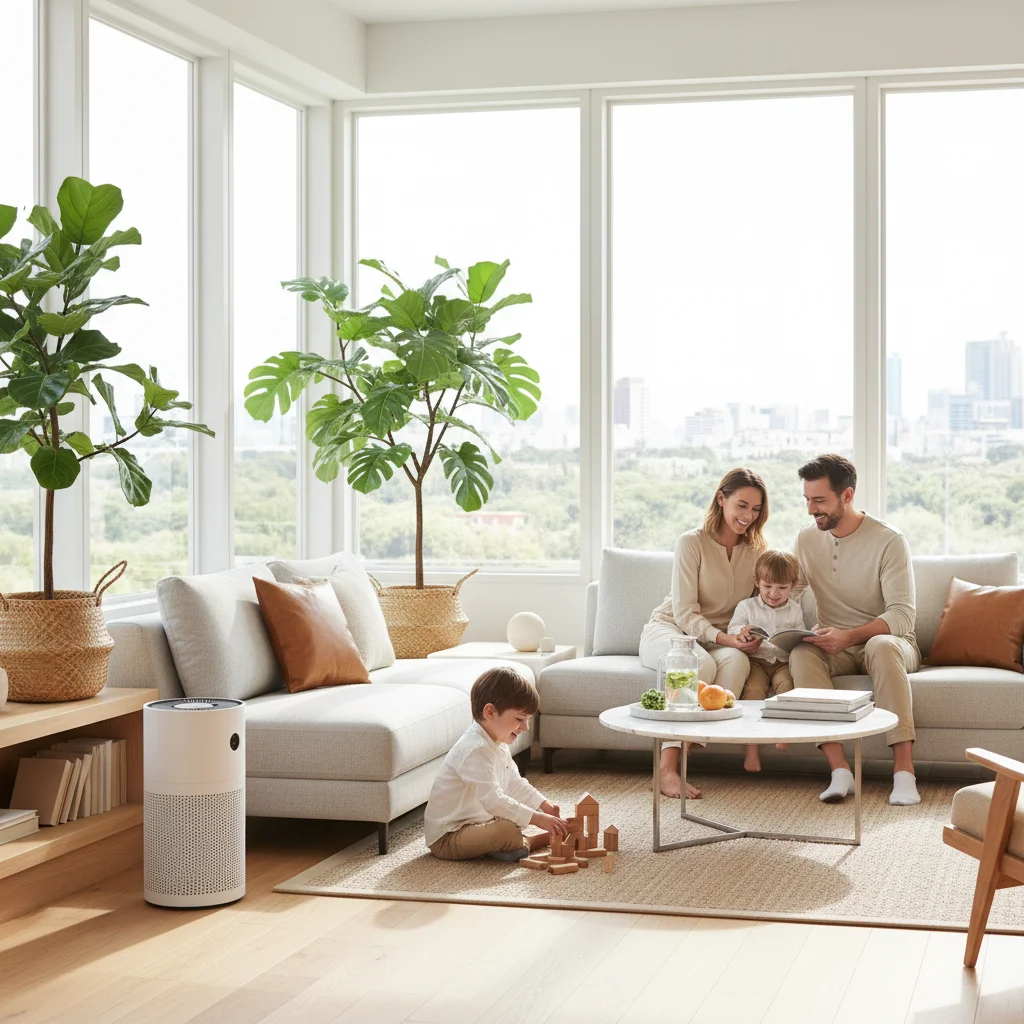
In an increasingly fast-paced and often stressful world, our homes have become more than just shelters; they are sanctuaries, workplaces, and vital hubs for our overall well-being. The concept of home wellness strategies has evolved significantly, moving beyond simple aesthetics to encompass the profound impact of our living environments on our physical and mental health. As we look towards 2026, understanding and implementing effective strategies to foster a healthier home environment is not just a trend, but a necessity, particularly in the United States where diverse climates and lifestyles present unique challenges and opportunities for environmental health.
The intricate relationship between our surroundings and our health is undeniable. From the air we breathe indoors to the water we drink, and even the light that illuminates our spaces, every element contributes to our daily wellness. Environmental factors within our homes can influence everything from respiratory health and sleep quality to mood and cognitive function. Poor indoor air quality, for instance, can exacerbate allergies and asthma, while inadequate lighting can disrupt circadian rhythms and affect mental clarity. Conversely, a thoughtfully designed and maintained home can boost energy levels, reduce stress, and promote a sense of calm and rejuvenation.
This comprehensive guide will delve into three critical US-specific home wellness strategies for 2026, offering actionable insights and practical tips to transform your living space into a beacon of health and vitality. We’ll explore strategies focused on enhancing indoor air quality, optimizing natural and artificial lighting, and embracing sustainable, non-toxic living practices. By the end of this article, you will be equipped with the knowledge to make informed decisions and implement changes that will significantly improve your home environment and, by extension, your overall wellness.
Understanding the Environmental Impact on Your Well-being
Before diving into specific strategies, it’s crucial to grasp the multifaceted ways in which your home environment impacts your health. Our homes are complex ecosystems, and the quality of these ecosystems directly influences our physiological and psychological states. Let’s break down some key environmental factors:
Indoor Air Quality (IAQ)
The air inside our homes can often be more polluted than the air outside, a surprising fact given how much time we spend indoors. Sources of indoor air pollution include volatile organic compounds (VOCs) from paints, furnishings, and cleaning products; allergens like dust mites, pet dander, and mold; radon gas; carbon monoxide; and particulate matter from cooking and heating. Prolonged exposure to these pollutants can lead to a range of health issues, from respiratory problems and headaches to more severe long-term conditions. The US Environmental Protection Agency (EPA) consistently highlights the importance of good indoor air quality for public health.
Lighting: Natural and Artificial
Light is a fundamental environmental factor that profoundly affects our circadian rhythms, mood, and productivity. Natural light, rich in full-spectrum wavelengths, helps regulate our sleep-wake cycles, enhances mood, and even improves cognitive performance. Conversely, excessive exposure to artificial blue light, especially from screens, can disrupt sleep patterns and contribute to eye strain. The design and placement of windows, as well as the type and intensity of artificial lighting, play a significant role in creating a healthy indoor environment.
Chemical Exposure and Non-Toxic Living
Our homes are often filled with products containing various chemicals, from cleaning supplies and personal care items to furniture and building materials. Many of these chemicals can off-gas into the air or come into direct contact with our skin, leading to potential health concerns. Adopting non-toxic living practices involves identifying and reducing exposure to harmful substances, opting for natural alternatives, and choosing materials that support a healthier indoor environment.
Thermal Comfort and Humidity
Maintaining an optimal temperature and humidity level is essential for comfort and health. Extreme temperatures can cause discomfort and stress, while high humidity can foster mold growth and attract pests. Low humidity can lead to dry skin, irritated airways, and static electricity. Balancing these factors is crucial for creating a truly comfortable and healthy living space.
Noise Pollution
Unwanted noise, whether from outside traffic, neighbors, or even within the home, can significantly impact our mental well-being, sleep quality, and concentration. Designing homes with noise reduction in mind, through insulation, window choices, and interior acoustics, is an often-overlooked but vital aspect of home wellness strategies.
Understanding these impacts forms the bedrock of developing effective strategies. Now, let’s explore three specific, US-centric approaches that will define home wellness strategies in 2026.
Strategy 1: Revolutionizing Indoor Air Quality (IAQ) in US Homes
Improving indoor air quality is paramount for any effective home wellness strategy. In the US, regional variations in climate, building codes, and common allergens necessitate tailored approaches. Here’s how to revolutionize your IAQ:
Advanced Filtration and Purification Systems
Beyond standard HVAC filters, consider upgrading to high-efficiency particulate air (HEPA) filters in your HVAC system. These can capture a much wider range of particles, including allergens, dust mites, and pet dander. For targeted purification, invest in standalone air purifiers with HEPA and activated carbon filters for specific rooms, especially bedrooms and living areas. Look for models certified by organizations like the Association of Home Appliance Manufacturers (AHAM) for proven efficacy. In areas prone to wildfires, like California or the Pacific Northwest, robust filtration becomes even more critical during smoky seasons.
Smart Monitoring and Ventilation
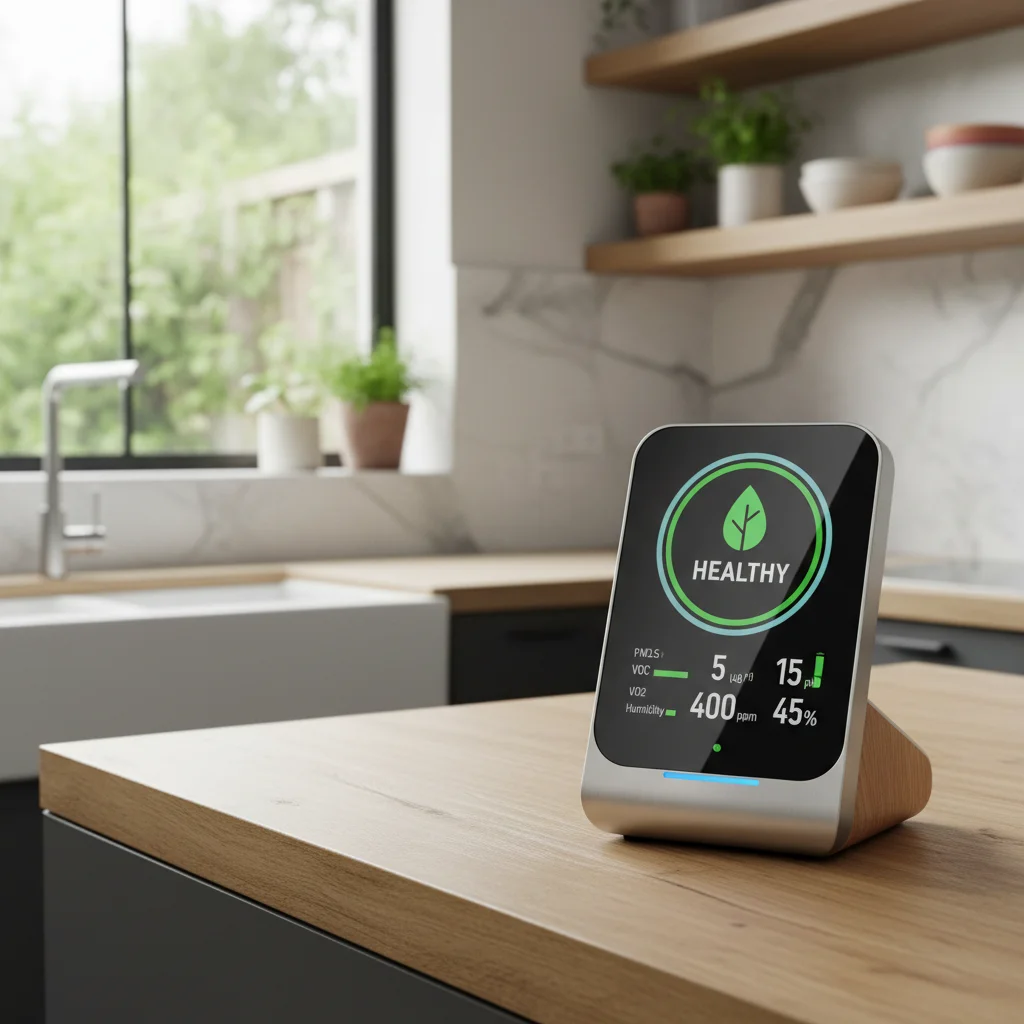
The rise of smart home technology makes real-time IAQ monitoring more accessible than ever. Smart air quality monitors, often integrated with smart home systems, can track levels of VOCs, particulate matter, carbon dioxide, and humidity. These devices can alert you to potential issues and even trigger smart ventilation systems or air purifiers. In newer US homes, energy recovery ventilators (ERVs) or heat recovery ventilators (HRVs) are becoming standard, offering controlled ventilation that brings in fresh outdoor air while minimizing energy loss, crucial for maintaining energy efficiency in diverse US climates.
Controlling Source Emissions
The most effective way to improve IAQ is to eliminate or reduce the sources of pollution. This involves making conscious choices:
- Low-VOC Products: When painting, buying new furniture, or renovating, choose products labeled “low-VOC” or “zero-VOC.” This is increasingly important in states like California, which have stricter regulations on VOC emissions.
- Natural Cleaning: Opt for natural, non-toxic cleaning products or DIY solutions using ingredients like vinegar, baking soda, and essential oils.
- Mold Prevention: Address any leaks or moisture issues immediately. Use dehumidifiers in humid climates (e.g., the Southeast US) to keep indoor humidity below 60%. Ensure proper ventilation in bathrooms and kitchens.
- Responsible Pest Management: Use integrated pest management (IPM) techniques that minimize chemical use, particularly in regions prone to pests like the Southern US.
- No Smoking Indoors: This is a fundamental step to protect indoor air quality.
Embracing Biophilic Design Elements
Incorporating houseplants can naturally improve IAQ by absorbing certain toxins and releasing oxygen. While their air-purifying capacity is often overstated for a whole house, they contribute to overall well-being and can help manage humidity. Choose plants known for their air-purifying qualities, such as snake plants, peace lilies, and spider plants, which thrive in various US indoor environments. This approach aligns with the growing trend of biophilic design, which seeks to connect occupants with nature within the built environment.
Strategy 2: Optimizing Light for Circadian Health and Mood
Light, often taken for granted, is a powerful determinant of our health. Optimizing both natural and artificial light sources is a cornerstone of effective home wellness strategies for 2026, especially considering varying daylight hours across the US.
Maximizing Natural Light Exposure
The most beneficial light source is natural daylight. Here’s how to maximize its presence in your home:
- Window Treatments: Use sheer curtains or blinds that allow natural light to filter through while maintaining privacy. Open blinds and curtains fully during the day.
- Strategic Furniture Placement: Avoid blocking windows with large furniture. Arrange your living and working spaces to benefit from natural light exposure, especially during morning hours.
- Reflective Surfaces: Light-colored walls, mirrors, and glossy surfaces can help reflect and distribute natural light deeper into rooms.
- Skylights and Light Tubes: For interior rooms or homes with limited windows, consider installing skylights or solar tubes. These are particularly effective in single-story homes common in many US suburbs and can dramatically brighten dark spaces.
Implementing Circadian-Friendly Artificial Lighting
When natural light isn’t available, smart artificial lighting can mimic its beneficial effects. This is a crucial aspect of modern home wellness strategies:
- Tunable White Lighting: Invest in LED lighting systems that allow you to adjust the color temperature. Cooler, bluer light (5000K-6500K) is invigorating and ideal for daytime activities, while warmer, redder light (2700K-3000K) promotes relaxation in the evenings. Many smart lighting systems offer pre-programmed circadian settings.
- Dimmer Switches: Install dimmer switches on all light fixtures to control intensity. Gradually dimming lights in the evening signals to your body that it’s time to wind down.
- Task Lighting: Use focused task lighting (e.g., desk lamps, under-cabinet lighting) for specific activities to reduce eye strain and avoid over-illuminating entire rooms.
- Blue Light Reduction: Minimize exposure to blue light-emitting screens (phones, tablets, computers) in the hours leading up to bedtime. Use blue light filters on devices or wear blue light-blocking glasses.
- Automated Lighting Schedules: Utilize smart home systems to program lighting schedules that align with your natural circadian rhythm, gradually brightening in the morning and dimming in the evening.
Considering Regional Differences
In states with long, dark winters (e.g., Alaska, Pacific Northwest, Northeast), investing in full-spectrum light therapy lamps can be a valuable addition to combat seasonal affective disorder (SAD). Conversely, in sunny states like Arizona or Florida, managing glare and heat gain from excessive natural light with appropriate window coverings becomes a priority.
Strategy 3: Embracing Sustainable and Non-Toxic Living Practices
A truly healthy home extends beyond air and light to the very materials and products we use daily. Adopting sustainable and non-toxic living practices is a fundamental pillar of forward-thinking home wellness strategies for 2026.
Mindful Material Selection
When renovating, furnishing, or buying new products for your home, prioritize materials that are:
- Low-Emitting: Look for certifications like GreenGuard, Cradle to Cradle, or FloorScore for furniture, flooring, and building materials to ensure low emissions of VOCs and other harmful chemicals.
- Natural and Renewable: Opt for natural materials like solid wood (FSC certified), bamboo, cork, wool, organic cotton, and natural stone. These materials generally have a lower environmental footprint and do not off-gas synthetic chemicals.
- Recycled/Upcycled Content: Support products made from recycled or upcycled materials, reducing waste and demand for virgin resources.
- Non-Toxic Finishes: Choose paints, stains, and sealants that are water-based and low-VOC.
Eco-Friendly Cleaning and Personal Care
The average US household uses a surprising number of chemical-laden cleaning and personal care products. Shifting to eco-friendly alternatives is a simple yet impactful aspect of home wellness strategies:
- DIY Cleaning Solutions: Many effective cleaners can be made with common household ingredients like white vinegar, baking soda, lemon juice, and essential oils.
- Certified Eco-Labels: When buying commercial products, look for certifications from organizations like the EPA’s Safer Choice program, EWG Verified, or Green Seal. These labels indicate that products meet stringent health and environmental standards.
- Microfiber Cloths: Reduce the need for chemical sprays by using high-quality microfiber cloths that effectively clean surfaces with just water.
- Personal Care Products: Be mindful of ingredients in shampoos, soaps, lotions, and cosmetics. Choose products free from parabens, phthalates, synthetic fragrances, and other known endocrine disruptors. Websites like the Environmental Working Group (EWG) offer extensive databases to check product safety.
Waste Reduction and Composting
Sustainable living extends to how we manage our waste. Reducing landfill contributions through composting and comprehensive recycling programs significantly lowers our environmental impact, indirectly contributing to healthier communities and ecosystems.
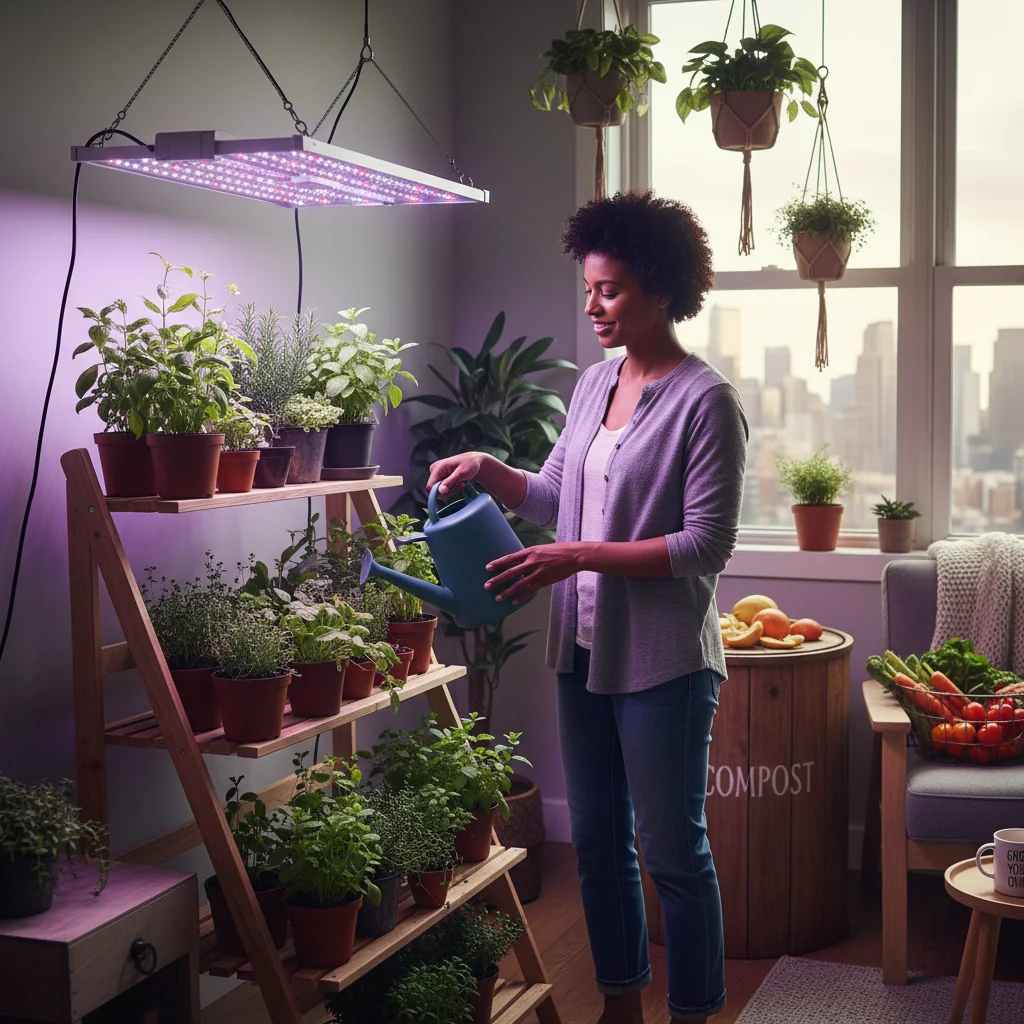
- Composting: Start a compost bin for kitchen scraps and yard waste. Many US cities offer municipal composting programs, or you can create a backyard compost pile. This reduces methane emissions from landfills and creates nutrient-rich soil.
- Recycling: Familiarize yourself with local recycling guidelines, which can vary significantly by state and municipality in the US. Ensure proper sorting and cleaning of recyclables.
- Reduce Single-Use Plastics: Invest in reusable water bottles, coffee cups, grocery bags, and food containers to minimize plastic waste.
Integrating Technology for Enhanced Home Wellness
The advancement of smart home technology plays a pivotal role in implementing these home wellness strategies seamlessly. In 2026, smart devices will be more integrated and intuitive than ever before, offering unprecedented control over our indoor environments.
Smart Environmental Controls
Smart thermostats (e.g., Nest, Ecobee) not only optimize energy usage but can also integrate with humidity sensors to maintain optimal thermal comfort. Smart blinds and shades can automatically adjust throughout the day to maximize natural light and minimize heat gain or loss, particularly beneficial in regions with extreme temperatures like the Southwest or Northeast US. Voice-activated assistants can control lighting, air purifiers, and even ventilation systems, making healthy living effortless.
Water Quality Monitoring and Filtration
While not one of the main three strategies discussed in depth, water quality is another critical environmental factor. Many US homes, especially those in older areas or with well water, can benefit from advanced water filtration systems. Whole-house filters can remove sediment, chlorine, and other contaminants, while point-of-use filters (e.g., under-sink or refrigerator filters) provide clean drinking water. Smart water monitors can detect leaks and track water usage, contributing to both wellness and sustainability.
Personalized Wellness Ecosystems
Looking ahead, we can anticipate more personalized wellness ecosystems within our homes. Imagine systems that learn your preferences, monitor your sleep patterns, and adjust light, temperature, and air quality to optimize your health outcomes. Wearable tech will increasingly communicate with home systems, creating a truly responsive and health-supportive environment.
Challenges and Considerations for US Homeowners
Implementing comprehensive home wellness strategies in the US comes with its own set of challenges:
- Cost: Some upgrades, such as advanced HVAC systems or smart lighting, can be a significant initial investment. However, many offer long-term savings through energy efficiency and improved health.
- Regional Differences: What works in Arizona might not be ideal for Vermont. Climate, local building codes, and even common allergens vary widely across the US, requiring localized solutions.
- Older Homes: Integrating modern wellness features into older homes can be more complex due to existing infrastructure limitations.
- Awareness and Education: Many homeowners are still unaware of the profound impact of their indoor environment on their health. Education remains key to widespread adoption of these strategies.
Despite these challenges, the benefits of investing in home wellness strategies far outweigh the hurdles. A healthier home translates to a healthier you, with improved physical health, enhanced mental clarity, better sleep, and a greater sense of overall well-being.
Conclusion: Your Home, Your Health Oasis in 2026
As we navigate towards 2026, the emphasis on creating healthier living environments will only intensify. The three strategies outlined – revolutionizing indoor air quality, optimizing light for circadian health, and embracing sustainable, non-toxic living – provide a robust framework for US homeowners to transform their residences into true havens of health and well-being. These aren’t just isolated tips; they are interconnected components of a holistic approach to home wellness strategies.
By making conscious choices about the air you breathe, the light you live under, and the materials you bring into your home, you are investing directly in your health and the health of your loved ones. Start small, perhaps by introducing a smart air monitor or switching to eco-friendly cleaning products. Gradually build on these changes, integrating more advanced systems and practices as your understanding and commitment grow. Your home is your most personal environment; make it one that actively supports and enhances your vitality.
Embrace these forward-thinking home wellness strategies, and step into 2026 with a living space that not only looks good but also feels good, fostering a life of optimal health and sustainable living. The journey to a healthier home is continuous, but with these strategies, you are well on your way to creating an environment where you can truly thrive.