The 2026 Guide to Sustainable Home Decor: 5 Eco-Friendly Swaps for a Healthier Living Space
As we step further into the 21st century, the conversation around sustainability is no longer a niche interest but a global imperative. This shift is profoundly influencing every aspect of our lives, including how we design and furnish our homes. The year 2026 marks a pivotal moment where sustainable home decor is not just a trend, but a fundamental principle for creating healthier, more harmonious living spaces. Embracing sustainable home decor means making conscious choices that benefit both our well-being and the planet.
Our homes are our sanctuaries, and the materials, products, and practices we bring into them directly impact our health and the environment. From the air we breathe to the energy we consume, every decision has a ripple effect. This comprehensive guide will navigate you through the exciting world of sustainable home decor in 2026, highlighting five crucial eco-friendly swaps you can make to transform your living space into a beacon of sustainability. We’ll delve into the ‘why’ behind these choices, the ‘what’ to look for, and the ‘how’ to integrate them seamlessly into your home.
Why Sustainable Home Decor Matters More Than Ever in 2026
The urgency for sustainable home decor has intensified due to several pressing global issues. Climate change, resource depletion, and increasing awareness of indoor air quality are driving consumers and manufacturers alike towards more responsible practices. In 2026, consumers are more informed and demand transparency from brands. They want to know where their products come from, how they are made, and what impact they have on the environment and human health.
Beyond the ethical considerations, there are tangible benefits to embracing sustainable home decor. Eco-friendly materials often lead to better indoor air quality, reducing exposure to volatile organic compounds (VOCs) and other harmful chemicals found in conventional furniture, paints, and finishes. This translates to fewer allergies, improved respiratory health, and a more pleasant living environment. Furthermore, choosing durable, high-quality sustainable products often means a longer lifespan, reducing waste and the need for frequent replacements, which ultimately saves money in the long run.
The aesthetic appeal of sustainable design has also evolved significantly. Gone are the days when eco-friendly meant sacrificing style. Today, sustainable home decor offers a sophisticated blend of natural beauty, innovative design, and timeless elegance. From minimalist Scandinavian influences to rustic charm, there’s a sustainable aesthetic to suit every taste, proving that conscious living can be incredibly chic.
The Five Essential Eco-Friendly Swaps for Your Home in 2026
Ready to embark on your sustainable decor journey? Here are five key areas where you can make impactful eco-friendly swaps, transforming your home into a testament to conscious living.
1. Swap Conventional Furniture for Ethically Sourced and Recycled Pieces
Furniture is often the largest investment in any home, making it a critical area for sustainable choices. Traditional furniture manufacturing can be resource-intensive, involving deforestation, high energy consumption, and the use of toxic glues and finishes. In contrast, ethically sourced and recycled furniture offers a compelling alternative.
What to Look For:
- FSC-Certified Wood: The Forest Stewardship Council (FSC) certification ensures that wood products come from responsibly managed forests, promoting biodiversity and protecting endangered species. Look for this label on wooden furniture.
- Reclaimed and Recycled Materials: Furniture made from reclaimed wood, salvaged metal, or recycled plastics diverts waste from landfills and reduces the demand for virgin resources. Each piece often tells a unique story, adding character to your home.
- Sustainable Textiles: For upholstered furniture, choose fabrics made from organic cotton, linen, hemp, or recycled polyester. These materials are grown or produced with minimal environmental impact and are often free from harmful chemicals.
- Non-Toxic Finishes: Opt for furniture finished with natural oils, waxes, or low-VOC (volatile organic compound) paints. This significantly improves indoor air quality.
- Durable Construction: Invest in well-made, durable pieces designed to last. Fast fashion applies to furniture too; avoid cheaply made items that will quickly end up in landfills.
How to Implement:
Start by assessing your current furniture needs. Do you need a new sofa, dining table, or bookshelf? Research brands that specialize in sustainable home decor and ethical furniture production. Many companies now proudly display their certifications and material sourcing on their websites. Consider visiting antique shops, second-hand stores, or online marketplaces for unique reclaimed pieces that can be upcycled or given a new lease of life. Even a simple change like reupholstering an old chair with organic fabric can make a difference.
2. Replace Synthetic Textiles with Natural and Organic Fabrics
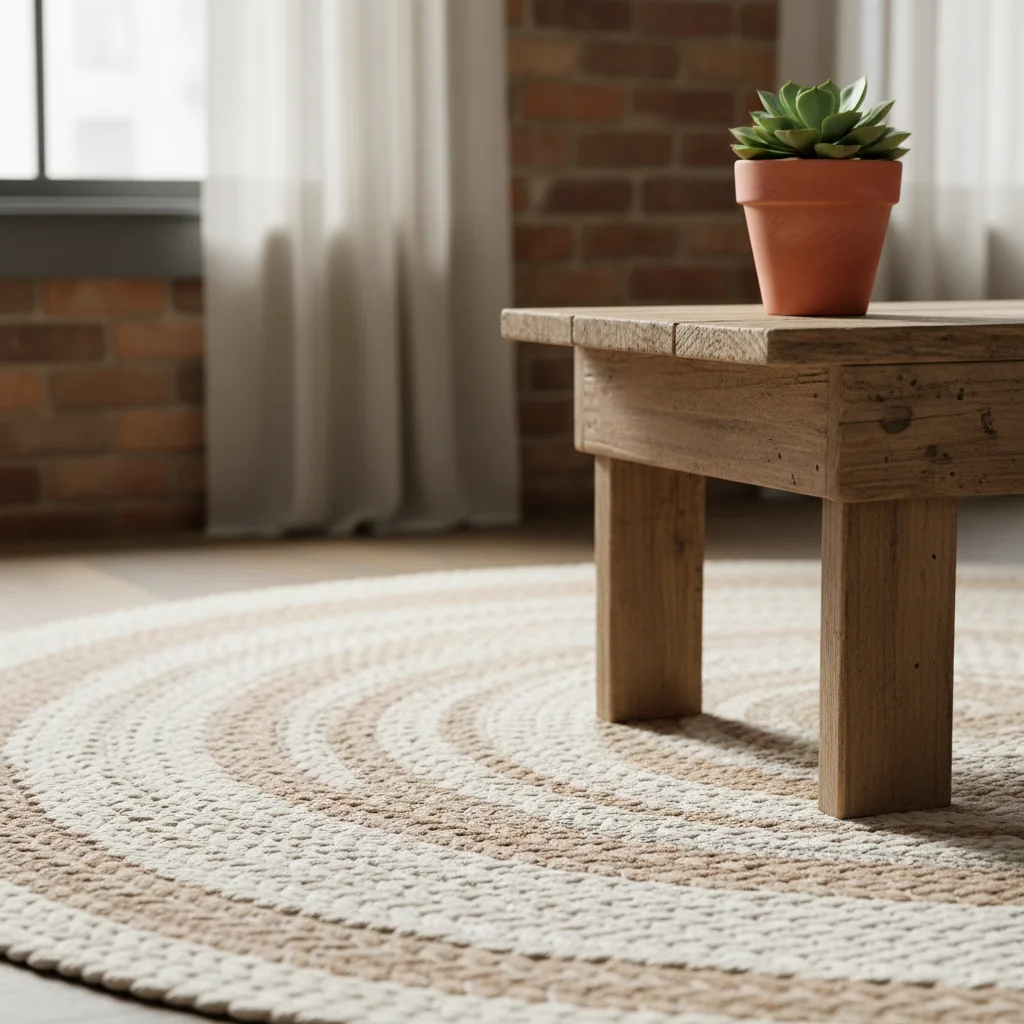
Textiles play a huge role in the comfort and aesthetic of our homes, from bedding and curtains to rugs and throw blankets. Conventional textiles often involve pesticides in farming (cotton), high water consumption, and chemical dyes that pollute waterways. Switching to natural and organic fabrics is a straightforward yet impactful swap for sustainable home decor.
What to Look For:
- Organic Cotton: Grown without synthetic pesticides and fertilizers, organic cotton is softer, more breathable, and better for the environment. Look for GOTS (Global Organic Textile Standard) certification.
- Linen and Hemp: These natural fibers are incredibly durable, require less water and fewer pesticides to grow than conventional cotton, and are naturally hypoallergenic and breathable.
- Recycled Materials: Recycled wool, cotton, or even polyester (made from recycled plastic bottles) can be excellent choices, reducing waste and conserving resources.
- Natural Dyes: Seek out textiles colored with natural, plant-based dyes or those certified to be free from harmful chemicals.
- Fair Trade Certified: This certification ensures that workers involved in the production process are paid fairly and work in safe conditions.
How to Implement:
Start with areas where textiles have direct contact with your skin, such as bedding and towels. Gradually replace synthetic curtains, rugs, and throw blankets with natural alternatives. When buying new, prioritize brands committed to ethical and sustainable textile production. Even small additions like organic cotton dish towels or placemats contribute to a more sustainable home decor.
3. Adopt Energy-Efficient Lighting and Smart Home Solutions
Lighting accounts for a significant portion of household energy consumption. Making the switch to energy-efficient lighting and integrating smart home solutions is a powerful way to reduce your carbon footprint and save on utility bills, aligning perfectly with sustainable home decor principles.
What to Look For:
- LED Lighting: LED (Light Emitting Diode) bulbs are the gold standard for energy efficiency. They consume significantly less energy than incandescent or CFL bulbs, last much longer, and come in a variety of color temperatures and designs.
- Natural Light Maximization: Design your home to maximize natural light. Use sheer curtains, strategically placed mirrors, and light-colored walls to amplify daylight and reduce the need for artificial lighting during the day.
- Smart Lighting Systems: Invest in smart bulbs and switches that allow you to control lighting remotely, set schedules, and use motion sensors. This prevents lights from being left on unnecessarily.
- Solar-Powered Outdoor Lighting: For exterior spaces, solar-powered lights are an excellent, zero-energy option.
- Energy Star Rated Fixtures: Look for the Energy Star label on light fixtures, indicating they meet strict energy efficiency guidelines set by the EPA.
How to Implement:
Start by replacing your most frequently used light bulbs with LEDs. Gradually upgrade fixtures to more energy-efficient models. Explore smart home hubs that can integrate your lighting with other devices, creating an optimized energy consumption ecosystem. Consider adding dimmers to control light intensity, further reducing energy use. These small changes collectively contribute to a more sustainable and functional living environment, a key aspect of sustainable home decor.
4. Choose Non-Toxic Paints and Finishes for Healthier Walls
The air quality inside our homes can often be more polluted than outdoor air, largely due to chemicals off-gassing from paints, varnishes, and sealants. Conventional paints contain VOCs, which can cause respiratory problems, headaches, and other health issues. Opting for non-toxic paints and finishes is a crucial step towards a healthier and more sustainable home decor.
What to Look For:
- Low-VOC or Zero-VOC Paints: These paints contain significantly reduced or no volatile organic compounds, making them much safer for indoor use.
- Natural Paints: Explore paints made from natural ingredients like clay, milk casein, citrus, or plant pigments. These are often completely free of synthetic chemicals.
- Water-Based Options: Water-based paints generally have lower VOCs compared to oil-based alternatives.
- Greenguard Gold Certified: This certification indicates that a product has met rigorous chemical emissions standards, contributing to healthier indoor air.
How to Implement:
When planning a renovation or even a simple repaint, prioritize non-toxic options. Many major paint brands now offer low-VOC lines, making them accessible. Always check the product labels for certifications and ingredient lists. Ensure good ventilation during and after painting, even with low-VOC products, to allow for complete curing. This swap not only improves air quality but also aligns with the holistic approach of sustainable home decor.
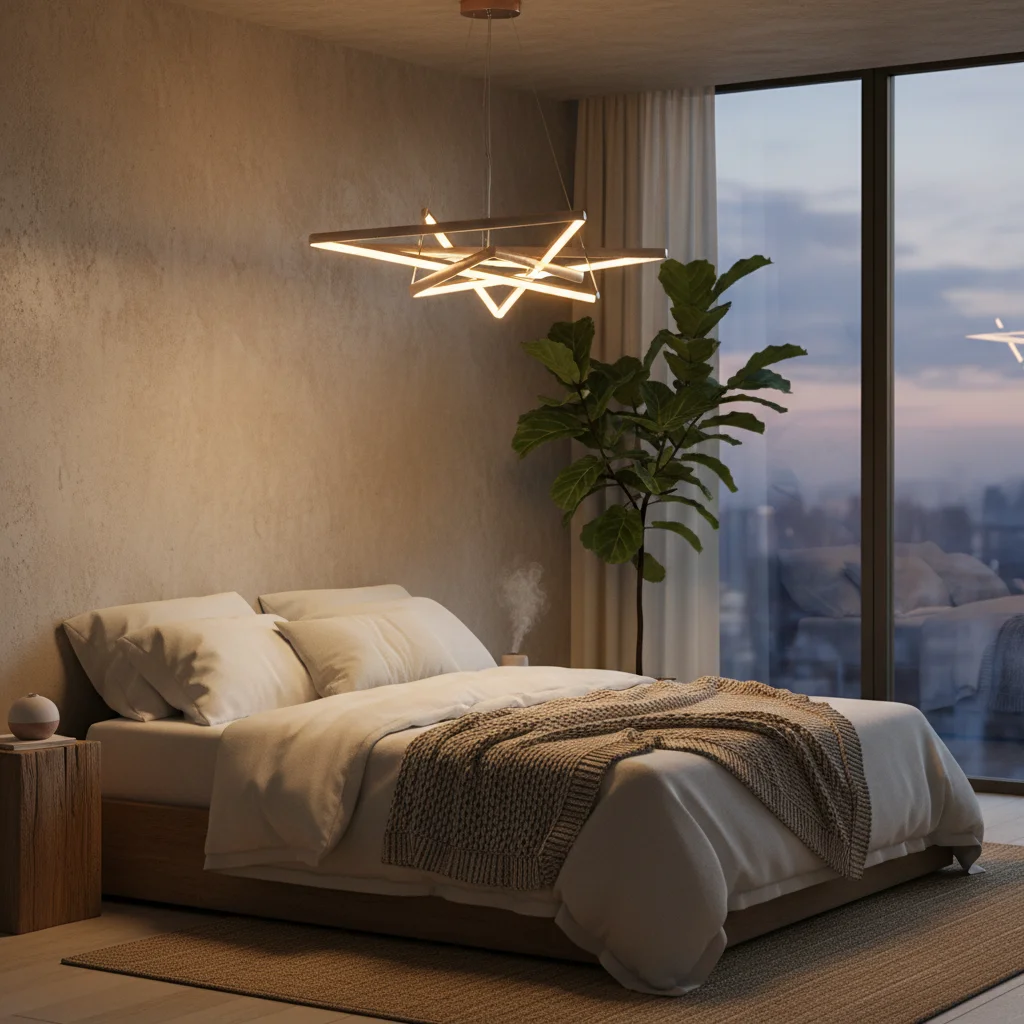
5. Incorporate Living Plants and Natural Elements
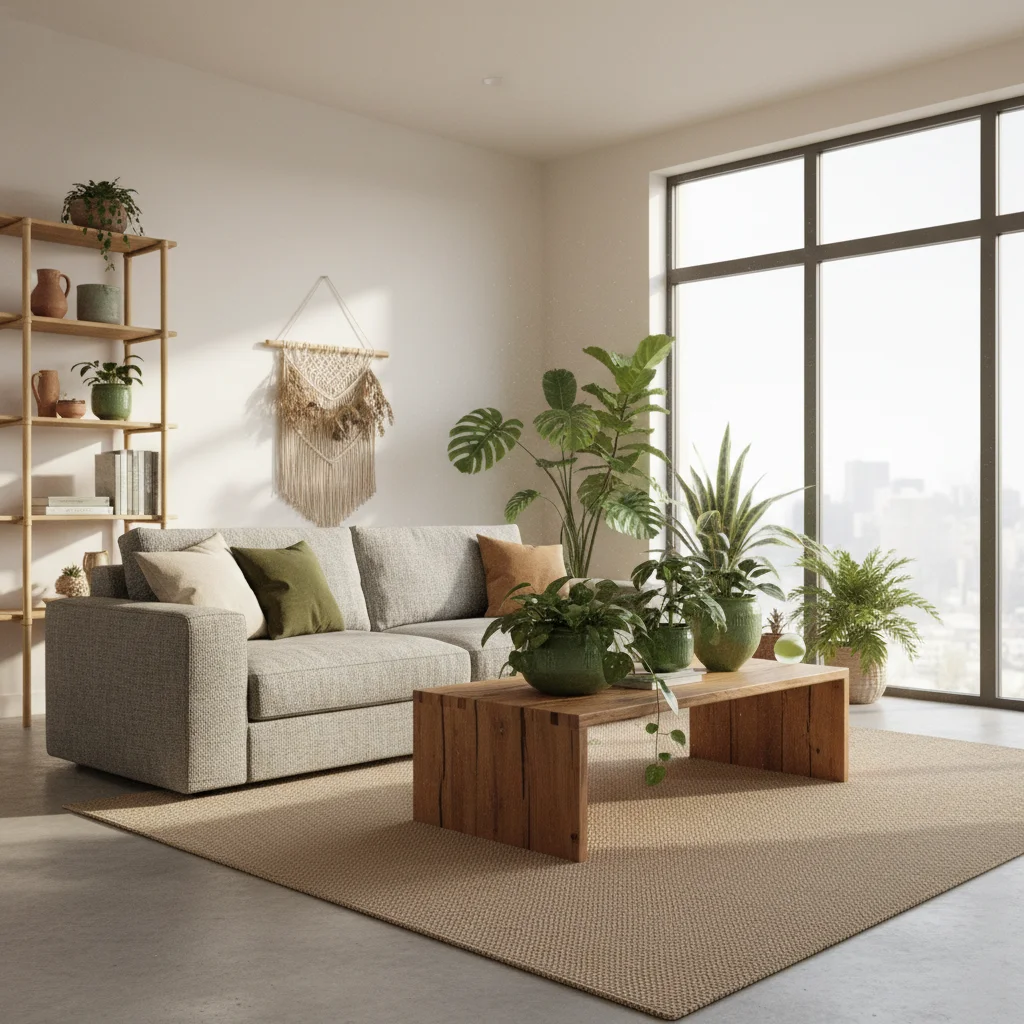
Bringing nature indoors is one of the simplest and most effective ways to enhance both the aesthetics and health of your living space. Living plants act as natural air purifiers, boost mood, and add a touch of tranquility, making them an indispensable element of sustainable home decor.
What to Look For:
- Air-Purifying Plants: Plants like snake plants, spider plants, peace lilies, and Pothos are known for their ability to filter common indoor air toxins.
- Low-Maintenance Options: Choose plants that suit your lifestyle and the light conditions of your home. Succulents and ZZ plants are great for beginners.
- Sustainable Planters: Opt for planters made from recycled materials, terracotta, ceramic, or reclaimed wood. Avoid plastic whenever possible.
- Natural Decor Accents: Incorporate elements like river stones, driftwood, dried flowers, and branches to bring organic textures and shapes indoors.
- Vertical Gardens: If space is limited, consider a vertical garden or living wall to maximize greenery.
How to Implement:
Start small by adding a few potted plants to different rooms. Place them near windows or in areas that receive adequate light. Research the specific care requirements for each plant to ensure their longevity. Beyond living plants, consider natural elements like a vase of fresh flowers, a bowl of polished stones, or a piece of sculptural driftwood. These additions not only elevate your sustainable home decor but also create a calming and refreshing atmosphere.
Beyond the Swaps: Holistic Approaches to Sustainable Home Decor
While making these five eco-friendly swaps is a fantastic starting point, truly embracing sustainable home decor involves a more holistic mindset. It’s about conscious consumption, thoughtful design, and a long-term commitment to environmental stewardship. Here are some additional considerations for 2026 and beyond:
Embrace Durability and Longevity
One of the most sustainable choices you can make is to invest in quality items that are built to last. Fast furniture, much like fast fashion, contributes significantly to waste. When you choose durable pieces, you reduce the frequency of replacement, conserve resources, and minimize landfill contributions. This mindset is central to sustainable home decor.
Support Local Artisans and Small Businesses
Purchasing from local artisans and small businesses often means supporting handmade items, unique designs, and reduced transportation emissions. These pieces frequently use locally sourced materials and traditional craftsmanship, embodying a truly sustainable approach. This also fosters community growth and preserves traditional skills, adding a rich layer to your sustainable home decor.
Mindful Consumption: Reduce, Reuse, Recycle, Repair, Repurpose
The ‘5 Rs’ of sustainability are paramount in home decor. Before buying new, consider if you can reduce your needs, reuse an existing item, recycle components, repair a damaged piece, or repurpose something old into something new. This circular approach minimizes waste and encourages creativity in your sustainable home decor efforts.
Water Conservation in Mind
While not strictly decor, considering water-saving fixtures (low-flow showerheads, dual-flush toilets) and smart irrigation systems for any indoor or outdoor plants contributes to a more sustainable home overall. Integrating these elements into your home design can be a subtle yet powerful statement about your commitment to sustainable home decor.
Consider the Lifecycle of Products
When evaluating a product for your home, think about its entire lifecycle: where the raw materials came from, how it was manufactured, its transportation, its useful life in your home, and how it will be disposed of. Companies that provide transparency about their supply chain and end-of-life solutions for their products are leaders in sustainable home decor.
Educate Yourself and Others
The journey towards a more sustainable home is ongoing. Stay informed about new materials, technologies, and practices. Share your knowledge and experiences with friends and family, inspiring them to make similar choices. Collective action amplifies impact, and your choices in sustainable home decor can inspire a broader movement.
The Future of Sustainable Home Decor in 2026 and Beyond
The landscape of sustainable home decor is constantly evolving, driven by innovation, consumer demand, and a growing global consciousness. In 2026, we’re seeing an acceleration of trends that prioritize not just environmental impact, but also social equity and human well-being. Expect to see more:
- Biophilic Design Integration: Deeper integration of natural patterns, materials, and living elements into architectural design itself, not just as decor.
- Circular Economy Models: More brands offering take-back programs, repair services, and furniture leasing options to minimize waste and maximize resource utilization.
- Advanced Recycled Materials: Development of new, high-performance materials derived from a wider range of recycled waste streams, including ocean plastics and industrial by-products.
- Smart Technology for Sustainability: Further advancements in smart home systems that optimize energy consumption, monitor air quality, and manage water usage seamlessly.
- Ethical Transparency: Increased demand for clear, verifiable certifications and transparent reporting on environmental and social impact from all manufacturers.
- DIY and Upcycling Renaissance: A continued resurgence of interest in DIY projects, upcycling, and personalization, empowering individuals to create unique, sustainable pieces.
These developments signify a future where sustainable home decor is not a luxury but a standard, where every purchase is an informed decision, and every home contributes positively to the planet.
Making the Transition: A Step-by-Step Approach
Transforming your home with sustainable home decor doesn’t have to happen overnight. It’s a journey, not a destination. Here’s a practical approach to making these swaps:
- Start Small: Begin with one room or one category, like textiles or lighting. Small victories build momentum and confidence.
- Research Thoroughly: Before making a purchase, take the time to research brands, materials, and certifications. Knowledge is your most powerful tool.
- Prioritize Needs: Focus on replacing items that are most used or have the greatest impact on your health, such as bedding or paints.
- Embrace Secondhand: The most sustainable item is often one that already exists. Explore vintage, antique, and thrift stores for unique finds.
- Invest in Quality: When buying new, choose items that are durable and timeless, reducing the need for future replacements.
- Be Patient: Building a truly sustainable home takes time and effort. Celebrate each step you take, no matter how small.
Conclusion: Your Home, Your Impact, Your Sustainable Future
The 2026 guide to sustainable home decor is more than just a list of products; it’s an invitation to rethink our relationship with our living spaces and the planet. By making thoughtful, eco-friendly swaps in furniture, textiles, lighting, paints, and incorporating natural elements, you are not only creating a healthier and more beautiful home but also contributing to a more sustainable future for everyone.
Every conscious choice you make, no matter how small, adds up to a significant impact. Let your home be a reflection of your values, a sanctuary of peace, health, and environmental responsibility. Embrace the beauty and functionality of sustainable home decor, and inspire others to join you on this rewarding journey towards a greener, brighter tomorrow.