Mastering Minimalist Living: 15 Simple Changes for a Stress-Free, Happier Life by 2026
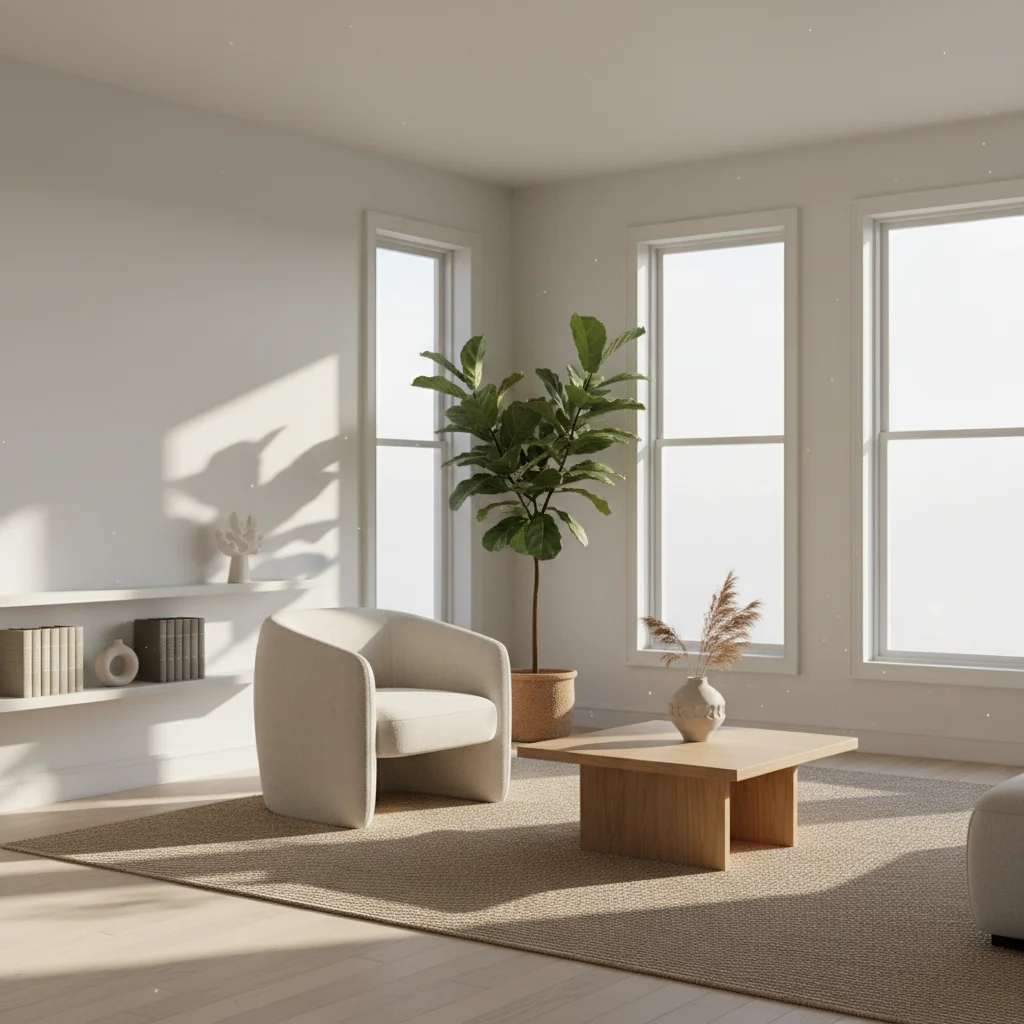
In a world constantly pushing us to acquire more, do more, and be more, the concept of minimalist living tips offers a refreshing and powerful counter-narrative. It’s not about deprivation; it’s about intentionality. It’s about recognizing that true wealth lies not in accumulation, but in freedom – freedom from clutter, from unnecessary obligations, and from the constant pursuit of external validation. By 2026, many are realizing that the path to reduced stress and increased happiness isn’t through more, but through less. This comprehensive guide will walk you through 15 simple, yet profound, changes you can make to embrace minimalist living and transform your life.
The allure of minimalism isn’t just aesthetic; it’s deeply psychological and practical. Imagine a home where every item serves a purpose or brings joy. Imagine a calendar that isn’t overbooked, a mind that isn’t constantly racing, and finances that aren’t stretched thin by impulse buys. This is the promise of minimalist living, and it’s more attainable than you might think. Our journey together will explore actionable strategies, from decluttering your physical space to simplifying your digital life, and even refining your relationships. The goal is not to live in an empty box, but to create a life rich in experiences, meaningful connections, and profound peace.
The beauty of minimalist living tips is their adaptability. You don’t have to adopt an extreme version of minimalism overnight. Instead, these are gradual, sustainable changes that lead to significant long-term benefits. Each tip is designed to be a stepping stone, empowering you to build momentum and discover what truly resonates with your personal values and goals. So, are you ready to shed the excess and make space for what truly matters? Let’s dive into these transformative strategies and pave your way to a happier, less stressed life by 2026.
1. The Mindset Shift: Embracing Intentionality
Before you even touch an item, the most crucial step in adopting minimalist living tips is a fundamental shift in mindset. Minimalism isn’t just about getting rid of stuff; it’s about becoming intentional about what you allow into your life – physically, mentally, and emotionally. Ask yourself: “Does this add value? Does this bring me joy? Is this necessary?” This intentional filter becomes your guiding principle. Instead of reacting to external pressures, you proactively choose what aligns with your deepest values. This shift empowers you to curate a life, rather than merely consume one. It’s about moving from unconscious accumulation to conscious selection, fostering a deeper connection with your possessions and your purpose. This initial mental recalibration is the bedrock upon which all other minimalist practices are built, ensuring that your efforts are sustainable and genuinely transformative.
2. Declutter Your Wardrobe: The Capsule Collection Approach
One of the most immediate and impactful minimalist living tips is to tackle your wardrobe. Most people wear 20% of their clothes 80% of the time. The capsule wardrobe concept encourages you to curate a small collection of versatile, high-quality pieces that can be mixed and matched to create numerous outfits. Start by removing everything from your closet. Sort items into three piles: “Love and Wear,” “Maybe,” and “Discard.” Be ruthless with the “Discard” pile. For the “Maybe” pile, ask yourself when you last wore it and if it truly fits your current style and lifestyle. Embrace quality over quantity, focusing on timeless pieces in complementary colors. This not only simplifies your mornings but also reduces decision fatigue and frees up mental energy for more important things. The financial benefit of buying less and buying better is also significant in the long run.
3. Digital Detox: Streamlining Your Online Life
Minimalism isn’t confined to physical spaces; it extends to your digital world. Our phones, computers, and tablets are often overflowing with apps, files, and notifications that contribute to digital clutter and mental overload. Implement minimalist living tips for your digital life by deleting unused apps, unsubscribing from unnecessary email lists, organizing your files into logical folders, and regularly clearing your desktop. Schedule specific times for checking emails and social media instead of constantly reacting to notifications. Consider a “digital Sabbath” – a day or a few hours each week where you completely disconnect. This practice reduces distractions, improves focus, and creates valuable mental space, allowing you to be more present in your physical life. A decluttered digital life often leads to a decluttered mind, which is a cornerstone of reduced stress.
4. One In, One Out Rule: Preventing Future Clutter
Once you’ve decluttered, the challenge becomes maintaining that state of organized simplicity. The “one in, one out” rule is a powerful preventative measure against future clutter. For every new item you bring into your home, something similar must leave. Buying a new shirt? Donate an old one. Getting a new book? Pass on one you’ve already read. This simple rule forces you to consciously evaluate every potential acquisition and prevents the gradual accumulation that often leads back to overwhelm. It reinforces the intentionality aspect of minimalist living tips and helps you stay mindful of your consumption habits. This practice becomes second nature over time, effortlessly keeping your space tidy and your mind clear.
5. Simplify Your Kitchen: Essential Utensils and Appliances
The kitchen is often a hub of excess, with gadgets and appliances gathering dust. Apply minimalist living tips to your kitchen by focusing on truly essential items. Do you really need five spatulas or that single-purpose avocado slicer? Keep only the tools and appliances you use regularly and that serve multiple functions. Donate or sell duplicates and items you rarely use. Organize your pantry and refrigerator, keeping only what you need and consuming food before it spoils. A simplified kitchen makes cooking less daunting, cleaning easier, and reduces food waste, contributing to both a tidier home and a healthier budget. This systematic approach can also inspire healthier eating habits as you become more aware of what you consume.
6. Re-evaluate Your Subscriptions: Digital and Physical
In our subscription-heavy economy, it’s easy to accumulate recurring expenses and commitments without realizing their true value. Review all your subscriptions – streaming services, gym memberships, magazine subscriptions, monthly boxes, software, etc. Ask yourself if you genuinely use and benefit from each one. Cancel anything that doesn’t add significant value or joy to your life. This minimalist living tip not only saves money but also frees up mental bandwidth. The less you’re committed to, the more flexibility and financial freedom you have. This exercise often reveals hidden drains on your resources, allowing you to redirect them towards more meaningful pursuits.
7. Curate Your Decor: Less is More
When it comes to home decor, embrace the “less is more” philosophy. Instead of filling every surface, choose a few meaningful pieces that resonate with you. Focus on functionality, clean lines, and natural elements. Declutter shelves, tabletops, and walls. Allow empty space to become part of your aesthetic; it creates a sense of calm and openness. This minimalist living tip transforms your home into a sanctuary, reducing visual noise and promoting relaxation. Each item chosen should tell a story or serve a purpose, contributing to a cohesive and tranquil environment. The absence of clutter allows the beauty of your chosen pieces to truly shine.
8. Prioritize Experiences Over Possessions
One of the core tenets of minimalist living tips is to shift your focus from accumulating possessions to accumulating experiences. Research consistently shows that experiences bring more lasting happiness than material goods. Instead of buying another gadget, invest in a trip, a class, a concert, or a meaningful meal with loved ones. These memories enrich your life, broaden your perspective, and often create deeper connections. This doesn’t mean you can never buy anything, but it encourages a conscious choice to prioritize what truly contributes to your well-being and personal growth. The joy from an experience often lasts far longer than the fleeting satisfaction of a new purchase.

9. Simplify Your Schedule: The Power of “No”
Just as you declutter your physical space, apply minimalist living tips to your schedule. Overcommitment is a major source of stress. Learn to say “no” to non-essential requests, invitations, and commitments that don’t align with your priorities. Protect your time and energy fiercely. Schedule downtime, rest, and activities that genuinely recharge you. A simplified schedule allows for more focus on important tasks, reduces burnout, and creates space for spontaneity and personal pursuits. This intentional approach to time management is crucial for maintaining mental well-being and achieving a balanced life. Saying ‘no’ to one thing often means saying ‘yes’ to something more valuable for yourself.
10. Financial Minimalism: Budgeting and Conscious Spending
Minimalism has profound financial benefits. By consuming less and being more intentional with purchases, you naturally save money. Implement minimalist living tips by creating a budget, tracking your spending, and identifying areas where you can cut back. Prioritize saving for experiences, investments, or debt repayment over impulse buys. This conscious approach to finances reduces financial stress, provides greater security, and aligns your spending with your values. Financial freedom is a significant component of a stress-free life, and minimalism provides a clear pathway to achieving it. Every dollar saved from unnecessary purchases can be redirected to build a more secure future.
11. Declutter Your Relationships: Quality Over Quantity
Just as you declutter physical items, consider applying minimalist living tips to your relationships. Focus on cultivating a few deep, meaningful connections rather than maintaining a large network of superficial ones. Identify relationships that uplift you, support you, and bring you joy. Gently distance yourself from relationships that are consistently draining, toxic, or unreciprocated. This isn’t about being unkind, but about protecting your mental and emotional energy. Investing in quality relationships enriches your life, provides stronger support systems, and contributes significantly to overall happiness. Your time and emotional energy are finite, so allocate them wisely to those who truly matter.
12. Embrace a “Buy It for Life” Philosophy
When you do need to buy something, adopt a “buy it for life” (BIFL) mentality. This minimalist living tip encourages investing in high-quality, durable items that are built to last, rather than cheap, disposable alternatives. While the initial cost might be higher, BIFL items save money in the long run by reducing the need for frequent replacements. It also lessens your environmental footprint and reduces the amount of waste you contribute. This philosophy aligns perfectly with the core tenet of intentionality, ensuring that every purchase is a well-considered investment rather than a fleeting acquisition. This approach fosters a greater appreciation for your possessions.
13. Simplify Your Meals: Meal Planning and Batch Cooking
Meal preparation can be a significant source of daily stress. Apply minimalist living tips by simplifying your approach to food. Plan your meals for the week, create a concise grocery list, and consider batch cooking. This reduces decision fatigue, saves time, minimizes food waste, and can lead to healthier eating habits. Focus on simple, wholesome ingredients and recipes that don’t require an extensive array of specialty items. A streamlined approach to food preparation frees up valuable time and mental energy, making daily life feel less chaotic and more manageable. Imagine the peace of mind knowing your meals are taken care of for days.
14. Create Designated Homes for Everything
A key aspect of maintaining an uncluttered home is ensuring that every item has a designated place. This minimalist living tip prevents items from accumulating on surfaces and makes tidying up a breeze. When you know exactly where something belongs, putting it away takes seconds. If an item doesn’t have a home, it’s a strong indicator that you either have too much stuff or haven’t thought through your organization system. Take the time to create logical storage solutions and stick to them. This simple practice dramatically reduces daily friction, saves time searching for lost items, and contributes to a consistently tidy and peaceful environment. A place for everything, and everything in its place, truly simplifies life.

15. Regular Reviews and Re-evaluation
Minimalism is not a one-time event; it’s an ongoing practice. The final, but equally important, of our minimalist living tips is to conduct regular reviews and re-evaluations. Periodically revisit your decluttered spaces, your schedule, your finances, and your relationships. Ask yourself if your current choices still align with your values and goals. What areas could be further simplified? What new clutter has crept in? This continuous process of refinement ensures that your minimalist journey remains dynamic, adapting to your evolving needs and maintaining its effectiveness in reducing stress and increasing happiness. It’s about conscious maintenance, not just initial effort, ensuring that your intentional lifestyle remains vibrant and fulfilling.
Conclusion: Your Path to a Happier, Simpler 2026
Embracing minimalist living tips is a powerful journey toward a life of greater peace, purpose, and joy. It’s about consciously choosing what to keep and what to let go of, not just in your physical environment, but in every aspect of your existence. By implementing these 15 simple changes – from decluttering your wardrobe and digital life to simplifying your schedule and finances – you’re not just organizing your home; you’re reorganizing your priorities and reclaiming your time and energy.
The benefits are profound: reduced stress, increased mental clarity, more financial freedom, deeper relationships, and a greater appreciation for experiences over possessions. This isn’t about austere living; it’s about living richly, with fewer distractions and more meaningful moments. As you integrate these practices into your daily life, you’ll find yourself less burdened by the weight of consumerism and more liberated to pursue what truly makes you happy.
Start today, pick one tip, and build momentum. By 2026, imagine the transformation: a home that breathes, a schedule that empowers, finances that support your dreams, and a mind that is clear and calm. Minimalist living isn’t just a trend; it’s a sustainable philosophy for a more fulfilling and happier life. Embrace the journey, and discover the profound power of less.