New US Cruise Line Health Protocols 2026: What 90% of Passengers Overlook
New US Cruise Line Health Protocols for 2026: What 90% of Passengers Overlook
As the cruise industry continues to evolve and adapt to global health challenges, ensuring passenger safety and well-being remains paramount. For those planning a sea-faring adventure in 2026, understanding the updated US Cruise Health 2026 protocols is not just advisable, it’s essential. While many travelers focus on itineraries, dining options, and onboard entertainment, a significant majority—an estimated 90%—often overlook the crucial health guidelines that can profoundly impact their vacation experience. This comprehensive guide will delve deep into the new regulations, shedding light on what you need to know to navigate your next cruise with confidence and peace of mind.
The landscape of cruise travel has seen monumental shifts, particularly in the realm of health and safety. The lessons learned from recent years have propelled cruise lines and regulatory bodies, such as the Centers for Disease Control and Prevention (CDC), to implement more robust and proactive measures. These aren’t just temporary fixes; they are foundational changes designed to create a safer environment for everyone aboard. Ignoring these updates could lead to unexpected disruptions, from denied boarding to altered itineraries, making it imperative for every prospective cruiser to be well-informed.
Our aim here is to cut through the jargon and provide clear, actionable insights into the US Cruise Health 2026 protocols. We’ll explore everything from pre-boarding requirements and onboard medical facilities to enhanced sanitation practices and emergency response plans. By the end of this article, you’ll be among the informed few, equipped with the knowledge to make your 2026 cruise not only memorable but also remarkably safe and healthy.
The Evolution of Cruise Health Protocols: A Historical Perspective Leading to US Cruise Health 2026
To truly appreciate the significance of the US Cruise Health 2026 protocols, it’s helpful to understand the journey that led us here. For decades, cruise lines have had health and safety standards, but the global events of the early 2020s brought an unprecedented focus on infectious disease prevention and management. This period served as a crucible, forcing the industry to re-evaluate every aspect of its operations through a health lens.
Initially, cruise lines implemented emergency measures, often in direct response to evolving public health crises. These included mandatory testing, vaccination requirements, and stringent mask mandates. While effective in the short term, these measures were largely reactive. As the situation stabilized, the focus shifted from crisis management to establishing sustainable, long-term health frameworks. This transition involved extensive collaboration between cruise operators, public health experts, and government agencies like the CDC.
The development of the US Cruise Health 2026 framework is a culmination of these efforts. It represents a more mature, data-driven approach to health management, moving beyond temporary restrictions to integrate proactive health strategies into the very fabric of cruise operations. This includes advancements in air purification, enhanced medical infrastructure, and sophisticated data collection for rapid response. It’s no longer just about preventing outbreaks; it’s about creating an inherently healthier travel environment.
What makes the 2026 protocols particularly noteworthy is their emphasis on preparedness and resilience. The industry learned that a ‘one-size-fits-all’ approach isn’t always sufficient, and that flexibility, coupled with robust foundational measures, is key. This historical context underscores the depth and thoroughness of the new guidelines, making it clear that these aren’t just minor adjustments but significant enhancements designed for the long haul. Passengers who understand this historical progression will grasp the seriousness and comprehensive nature of their cruise line’s commitment to safety.
Key Pillars of US Cruise Health 2026: What’s New and Why It Matters
The US Cruise Health 2026 protocols are built upon several foundational pillars, each designed to mitigate risks and enhance the overall health environment onboard. Understanding these pillars is crucial for any passenger. Let’s break down the most significant changes and why they are important for your next cruise.
Enhanced Pre-Boarding Health Screenings and Declarations
One of the first lines of defense begins even before you step foot on the ship. While mandatory vaccination or testing might be less prevalent than in previous years, expect more comprehensive pre-boarding health questionnaires and potentially rapid health checks. These aim to identify and prevent individuals with active symptoms of infectious diseases from boarding, thus safeguarding the entire ship’s population. Passengers might also be required to digitally declare their health status within a specific window before embarkation. This proactive screening significantly reduces the risk of initial pathogen introduction.
Advanced Onboard Medical Facilities and Staffing
Cruise ships have always had medical centers, but under the US Cruise Health 2026 guidelines, these facilities are being upgraded to a new standard. Expect larger medical teams, including doctors and nurses specializing in infectious disease management, and enhanced diagnostic capabilities. This means faster and more accurate testing onboard, capable of identifying a wider range of pathogens. Furthermore, isolation protocols for symptomatic passengers have been refined, ensuring minimal contact with the general population while providing excellent care. This expanded medical capacity offers greater peace of mind for travelers, knowing that expert care is readily available.
Revolutionary Air Filtration and Ventilation Systems
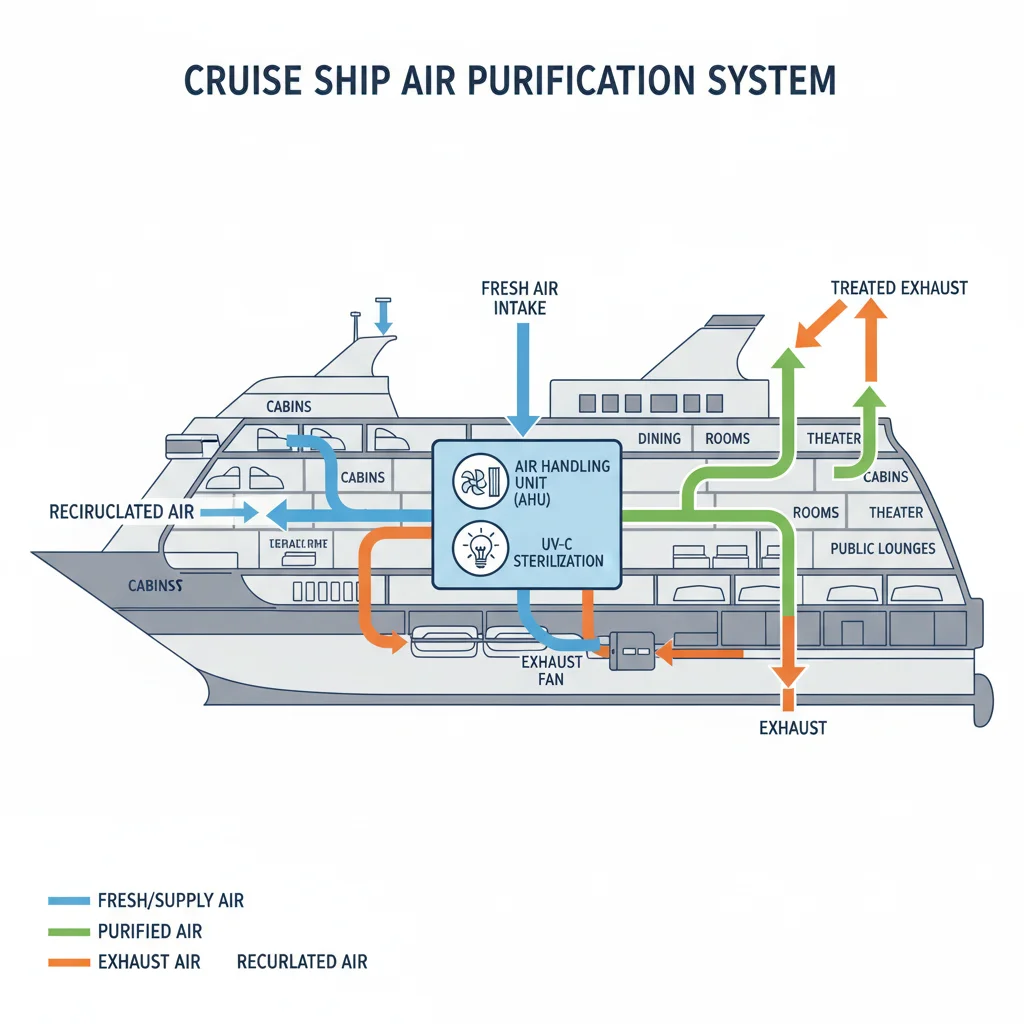
Perhaps one of the most overlooked yet impactful changes is the overhaul of onboard air systems. Many cruise lines are now implementing hospital-grade HEPA filters and UV-C light sterilization in their HVAC systems, particularly in communal areas and cabins. This dramatically reduces the circulation of airborne pathogens. Think of it as constantly refreshing the air with purified air, significantly lowering the risk of transmission. This technological advancement is a silent guardian, working 24/7 to keep the air you breathe safer. This is a critical detail that 90% of passengers might not even consider, yet it forms a cornerstone of the new health strategy.
Strategic Sanitation and Hygiene Protocols
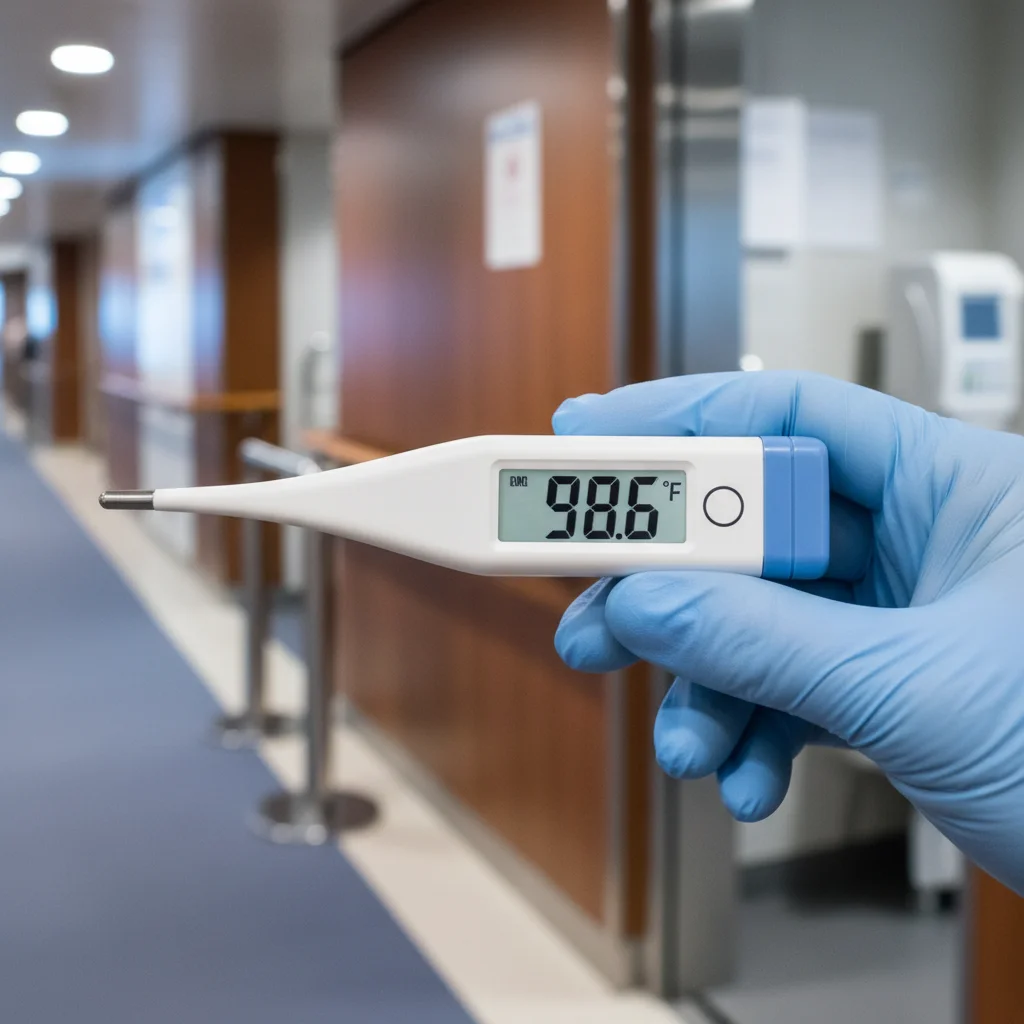
While visible hand sanitizer stations have become commonplace, the US Cruise Health 2026 protocols go much deeper. Expect enhanced cleaning schedules for high-touch surfaces using advanced disinfectants. Public areas, dining venues, and even cabins will undergo more frequent and thorough sanitization. Beyond surface cleaning, many cruise lines are investing in electrostatic sprayers and other innovative technologies to ensure comprehensive disinfection. Crew members are also undergoing continuous training on best hygiene practices, reinforcing a culture of cleanliness throughout the vessel. This meticulous approach to sanitation is a fundamental layer of protection for all guests.
Robust Outbreak Management and Response Plans
The new protocols include highly detailed plans for managing potential outbreaks. This involves clear communication channels with health authorities, rapid contact tracing capabilities, and designated isolation areas. Cruise lines are also developing flexible contingency plans for port calls and disembarkation in the event of a significant health incident. The goal is to contain and manage any health concern swiftly and effectively, minimizing disruption and ensuring the safety of all onboard. Understanding that these sophisticated plans are in place can alleviate anxieties about unforeseen health events during your voyage.
What 90% of Passengers Overlook: The Hidden Details of US Cruise Health 2026
While the broader strokes of the US Cruise Health 2026 protocols are often communicated, it’s the subtle, often unseen details that truly make a difference and are frequently missed by the majority of travelers. Being aware of these nuances can significantly enhance your safety and preparedness.
The Role of Wastewater Surveillance
This is a game-changer that most passengers are entirely unaware of. Many cruise lines are now implementing advanced wastewater surveillance systems. These systems can detect the presence of pathogens, like viruses, in the ship’s wastewater days before individuals might show symptoms. This early warning system allows for proactive measures, such as increased testing or targeted interventions, preventing potential outbreaks before they even begin. It’s an invisible layer of protection that operates continuously in the background.
Dynamic Staff Training and Certification
It’s not just about the equipment; it’s about the people. Cruise lines are investing heavily in continuous, specialized training for all crew members, not just medical staff. This includes training on symptom recognition, proper hygiene techniques, safe food handling, and emergency response. Many crew members are now certified in advanced health and safety protocols, ensuring a consistently high standard of care and adherence to guidelines across all departments. This ongoing education is a vital, yet often unacknowledged, component of the new health framework.
Personalized Health Guidance and Communication
Under the new protocols, expect more personalized health guidance. This might come in the form of updated pre-cruise communications, digital health portals, or even onboard health ambassadors. The aim is to empower passengers with accurate, timely information tailored to their specific voyage. This move away from generic advisories towards more customized guidance helps passengers make informed decisions about their health and travel behavior.
Insurance and Medical Evacuation Preparedness
While not strictly a protocol, cruise lines are increasingly emphasizing the importance of comprehensive travel insurance that includes medical evacuation coverage. The US Cruise Health 2026 environment, while safer, still acknowledges that medical emergencies can occur. Understanding your insurance coverage and the ship’s medical evacuation procedures is a critical, often overlooked, aspect of preparation. This ensures that in the rare event of a serious illness or injury, you are financially protected and can receive appropriate care.
The Impact on Shore Excursions and Port Protocols
The health protocols extend beyond the ship itself. Cruise lines are collaborating more closely with port authorities and tour operators to ensure that shore excursions adhere to similar high standards of health and safety. This might involve preferred vendors, enhanced transportation cleaning, and revised excursion group sizes. While this might subtly alter the shore experience, it significantly reduces the risk of pathogen reintroduction to the ship. Passengers should inquire about specific port health measures for their itinerary.
Preparing for Your 2026 Cruise: A Passenger Checklist for US Cruise Health 2026
Being prepared is your best defense against any potential health-related inconveniences. Here’s a comprehensive checklist to ensure you’re fully ready to embrace the US Cruise Health 2026 protocols and enjoy a worry-free vacation.
Before You Book: Research and Understand
- Review Cruise Line Specifics: While there are overarching US Cruise Health 2026 guidelines, each cruise line may have its own additional protocols. Thoroughly read your chosen cruise line’s health and safety page. These are regularly updated.
- Check Destination Requirements: Be aware of the health entry requirements for all countries your cruise will visit. These are separate from cruise line protocols and can change.
- Understand Cancellation Policies: Familiarize yourself with the cruise line’s cancellation and rebooking policies, especially those related to health issues. Knowing your options provides flexibility.
Pre-Cruise Preparations: Health and Documentation
- Complete Health Declarations Accurately: Fill out any required pre-cruise health questionnaires truthfully and completely. This is crucial for smooth embarkation.
- Pack a Health Kit: Include essentials like pain relievers, anti-diarrhea medication, motion sickness remedies, and any personal prescriptions. Consider packing a rapid antigen test kit for personal use if you feel unwell.
- Update Vaccinations (Recommended): While not always mandatory, staying up-to-date on routine vaccinations (e.g., flu, pneumonia) and any recommended travel-specific vaccines is always a good idea.
- Secure Comprehensive Travel Insurance: Ensure your policy covers medical emergencies, medical evacuation, and trip interruption due to health reasons. This is one of the most critical, yet often overlooked, aspects of preparation.
- Keep Digital and Physical Copies of Documents: Have easy access to your health declaration, travel insurance details, and any necessary health certificates.
Onboard Best Practices: Staying Healthy at Sea
- Practice Frequent Hand Hygiene: Utilize the abundant handwashing stations and hand sanitizers, especially before and after meals and after touching public surfaces.
- Monitor Your Health: Be aware of any symptoms you might develop. If you feel unwell, report it to the medical staff immediately. Early detection is key to preventing spread.
- Respect Personal Space: While not always mandated, maintaining a comfortable personal distance in crowded areas is a sensible precaution.
- Utilize Fresh Air: Spend time on open decks and consider opening balcony doors periodically (if applicable) to enjoy fresh air.
- Stay Hydrated and Eat Well: A strong immune system starts with good nutrition and hydration.
- Be Aware of Shore Excursion Protocols: Follow any specific health guidelines provided for port visits and shore excursions.
The Future of Cruise Travel: Beyond US Cruise Health 2026
The implementation of the US Cruise Health 2026 protocols is not an endpoint but rather a significant milestone in the ongoing evolution of cruise travel. The industry is committed to continuous improvement, leveraging advancements in technology, medicine, and public health understanding to create even safer and more enjoyable experiences for passengers.
Looking ahead, we can anticipate further integration of AI and data analytics in health monitoring, potentially leading to predictive models that can identify and address health risks even more proactively. Wearable technology might play a larger role, offering personalized health insights and alerts. Furthermore, the focus on sustainable health practices will likely expand to include mental well-being, with cruise lines offering more programs and resources aimed at holistic passenger health.
The collaboration between cruise lines, health organizations, and governments is expected to deepen, fostering a global standard for maritime health. This collaborative spirit ensures that health protocols remain dynamic, adapting to new challenges and scientific discoveries. Ultimately, the future of cruise travel is one where health and safety are seamlessly integrated into the luxury and adventure, providing passengers with unparalleled peace of mind.
For passengers, this means that while the specific details of future protocols may change, the underlying commitment to their well-being will only strengthen. Staying informed, as you are by reading this article, will continue to be the best way to prepare for and enjoy your cruise vacations for years to come. The industry is dedicated to innovating and adapting, ensuring that the magic of cruising remains accessible and safe for everyone.
Addressing Common Misconceptions About US Cruise Health 2026
With any new set of protocols, especially those concerning health, misconceptions can arise. It’s important to clarify these to ensure passengers have accurate expectations regarding US Cruise Health 2026. Dispelling these myths is part of being one of the informed 10%.
Misconception 1: “Health Protocols Mean Cruising Isn’t Fun Anymore.”
Reality: This couldn’t be further from the truth. The US Cruise Health 2026 protocols are designed to *enhance* your enjoyment by ensuring a safer environment. The goal is to minimize health-related disruptions, allowing you to focus on relaxation and adventure. Many of the changes, like improved air filtration, are invisible to the passenger but contribute significantly to well-being. The focus is on proactive measures that integrate seamlessly into the cruise experience, not detract from it.
Misconception 2: “These are Just Temporary Measures That Will Soon Disappear.”
Reality: While specific requirements (like mandatory masks) may fluctuate based on public health conditions, the core principles and infrastructure improvements of US Cruise Health 2026 are here to stay. The investments in medical facilities, air purification, and staff training are long-term commitments. The industry has learned valuable lessons, and these foundational changes are part of a permanent shift towards a more resilient and health-conscious operating model.
Misconception 3: “If I’m Vaccinated, I Don’t Need to Worry About Any Protocols.”
Reality: While vaccination significantly reduces risk, it doesn’t eliminate it entirely, nor does it exempt you from all protocols. US Cruise Health 2026 emphasizes a multi-layered approach to protection. This means even vaccinated individuals are expected to adhere to pre-boarding health declarations, practice good hygiene, and report any symptoms. The collective adherence to protocols by all passengers and crew is what creates the safest environment for everyone.
Misconception 4: “Cruise Ships Are Still High-Risk Environments for Illness.”
Reality: Modern cruise ships, especially under the stringent US Cruise Health 2026 protocols, are among the most scrutinized and regulated environments for health and safety. With advanced air filtration, enhanced sanitation, robust medical facilities, and proactive surveillance, many cruise ships now boast health and safety measures that surpass those found in many land-based resorts or public venues. The industry’s commitment to continuous improvement makes them increasingly safe travel options.
Misconception 5: “All Cruise Lines Have Identical Health Protocols.”
Reality: While all cruise lines operating in US waters must adhere to federal guidelines and comply with the core tenets of US Cruise Health 2026, individual cruise lines often implement additional measures or interpret guidelines in slightly different ways. It’s crucial to always check the specific health and safety policies of the cruise line you are booking with, as these can vary in details like testing requirements, isolation procedures, or specific amenities related to health.
Conclusion: Your Safest Voyage with US Cruise Health 2026
The new US Cruise Health 2026 protocols represent a significant leap forward in ensuring the well-being of passengers and crew. By moving beyond reactive measures to embrace a proactive, comprehensive, and technologically advanced approach, the cruise industry is setting a new standard for health and safety at sea. Understanding these protocols, particularly the nuanced details that 90% of passengers overlook, empowers you to embark on your next adventure with unparalleled confidence.
From enhanced pre-boarding screenings and state-of-the-art air purification systems to upgraded medical facilities and vigilant outbreak management plans, every aspect of your cruise experience is now designed with your health in mind. By taking the time to research, prepare, and adhere to these guidelines, you’re not just protecting yourself, but also contributing to the collective safety of everyone onboard.
So, as you dream of sun-drenched decks, exotic destinations, and unforgettable memories, remember that a truly worry-free cruise begins with being well-informed. Embrace the advancements in US Cruise Health 2026, pack smart, stay vigilant, and get ready to enjoy the safest and most exhilarating cruise experience yet. Your next adventure awaits, and with this knowledge, you’re now part of the informed few ready to fully embrace it.