2026 TSA PreCheck Updates: What Every U.S. Traveler Needs to Know for Faster Airport Security
The Latest 2026 TSA PreCheck Updates: What Every U.S. Traveler Needs to Know for Faster Airport Security
For millions of U.S. travelers, the thought of navigating airport security lines can be a source of significant stress. Long queues, the hassle of removing shoes and electronics, and the general unpredictability of the process often overshadow the excitement of an upcoming trip. This is precisely where TSA PreCheck steps in, offering a streamlined and expedited security experience. As we approach 2026, the Transportation Security Administration (TSA) continues to evolve its programs, and staying informed about the latest TSA PreCheck 2026 updates is crucial for any frequent flyer or occasional traveler looking to save time and reduce airport anxiety.
The landscape of air travel security is constantly shifting, driven by advancements in technology, evolving threat assessments, and the continuous effort to enhance both efficiency and safety. The 2026 updates to TSA PreCheck are no exception, bringing with them a series of changes designed to improve the traveler experience further, refine security protocols, and potentially expand the program’s reach. Understanding these developments isn’t just about avoiding surprises at the checkpoint; it’s about proactively optimizing your travel routine, ensuring you can glide through security with minimal fuss.
This comprehensive guide will delve into everything you need to know about the TSA PreCheck 2026 updates. We’ll cover anticipated policy changes, potential technological integrations, enrollment and renewal process adjustments, and practical tips to ensure you’re fully prepared. Whether you’re a long-time PreCheck member or considering enrollment for the first time, this article will equip you with the knowledge to make your future airport experiences as smooth and stress-free as possible.
Understanding TSA PreCheck: A Quick Refresher
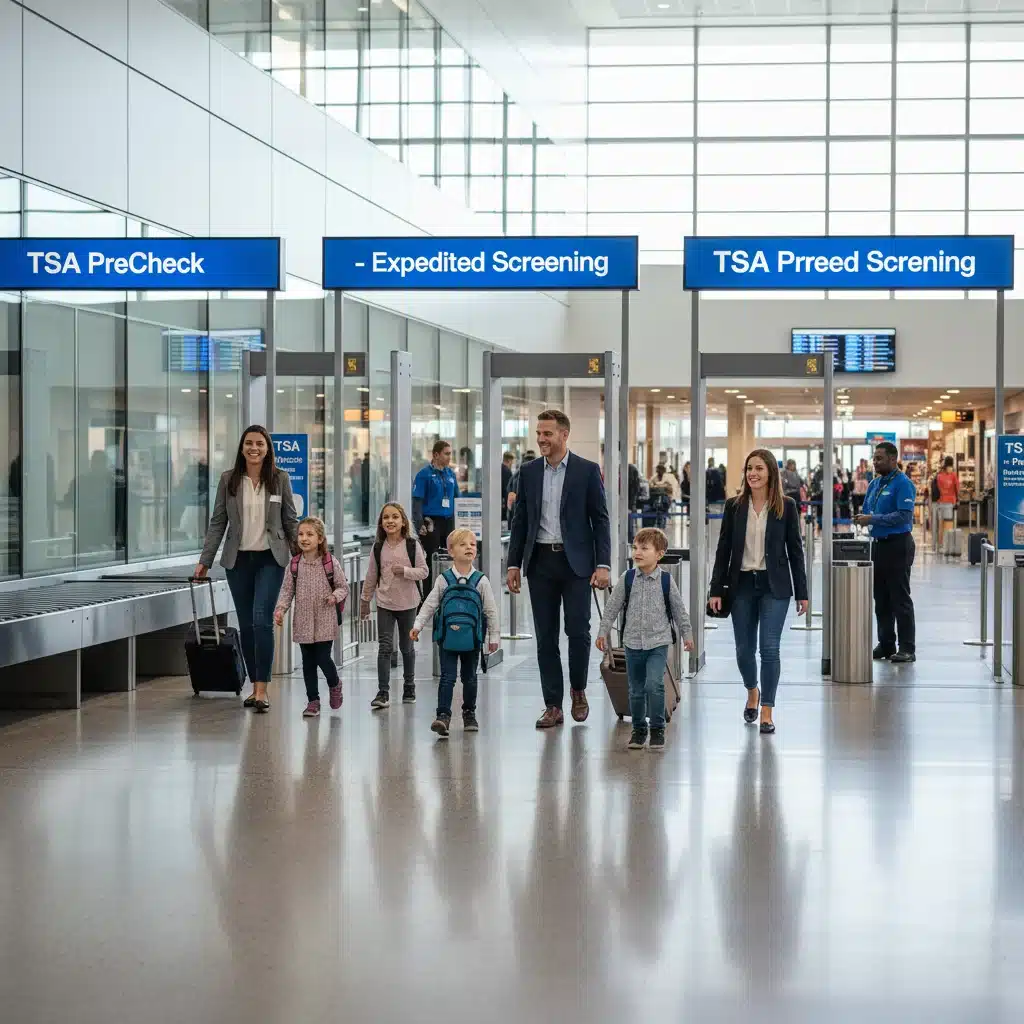
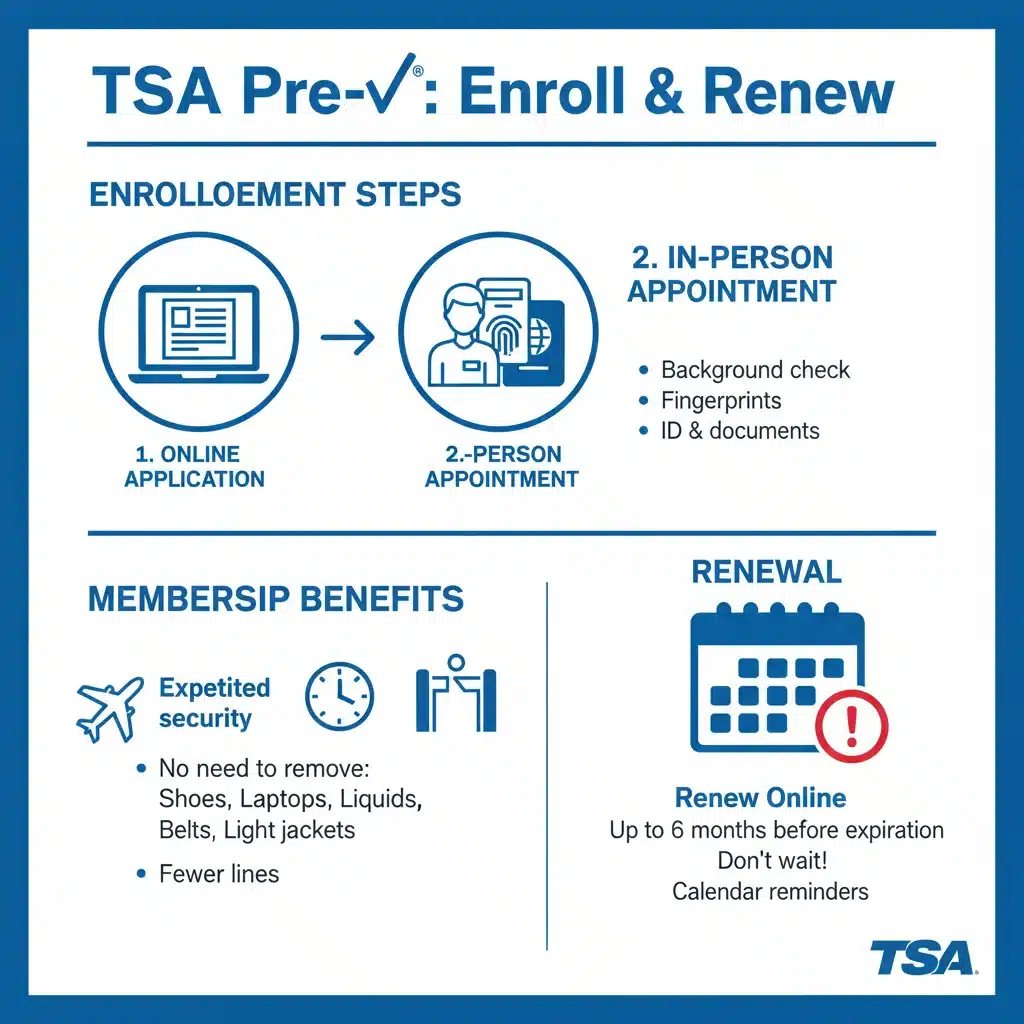
Before we dive into the specifics of the TSA PreCheck 2026 updates, let’s briefly recap what TSA PreCheck is and why it has become an indispensable tool for many travelers. Launched in 2011, TSA PreCheck is a U.S. government program that allows pre-approved, low-risk travelers to enjoy an expedited security screening process at over 200 U.S. airports and with 85+ participating airlines. Members typically benefit from shorter lines, and they don’t need to remove shoes, laptops, liquids, belts, or light jackets.
The enrollment process involves an online application, an in-person appointment for fingerprinting and a background check, and a one-time fee that covers five years of membership. Once approved, travelers receive a Known Traveler Number (KTN) that they add to their airline reservations. This KTN is the key to accessing the PreCheck lane, and ensuring it’s correctly entered on all bookings is paramount to enjoying the benefits.
The program’s success lies in its ability to balance robust security with traveler convenience. By pre-screening individuals, the TSA can focus its resources more effectively on unknown travelers, thereby enhancing overall airport security while simultaneously improving the travel experience for trusted passengers. This dual benefit makes staying updated on the latest TSA PreCheck 2026 updates even more critical, as changes can impact both aspects.
Key Anticipated 2026 TSA PreCheck Updates
While the TSA continuously refines its operations, 2026 is expected to bring several notable changes and enhancements to the PreCheck program. These updates are generally aimed at further improving efficiency, expanding eligibility, and integrating new technologies. Here’s a breakdown of what travelers can anticipate:
Enhanced Biometric Integration and Identity Verification
One of the most significant areas of development for TSA PreCheck 2026 updates is the increased implementation of biometric technology. The TSA has been trialing facial recognition and other biometric systems at various checkpoints, and 2026 is likely to see a wider rollout of these capabilities. The goal is to create a seamless, touchless identity verification process, reducing the need for physical ID checks and further speeding up the security line.
Travelers may find themselves simply looking into a camera that verifies their identity against their stored biometric data, potentially eliminating the need to present a physical ID or even a boarding pass. This not only enhances efficiency but also adds an extra layer of security and reduces human error. It’s important for travelers to understand how their biometric data is used and protected, and the TSA is committed to maintaining privacy while leveraging these advancements.
Expansion of Participating Airports and Airlines
The success of TSA PreCheck has led to its continuous expansion. While already available at most major U.S. airports and with a vast majority of airlines, the TSA PreCheck 2026 updates are expected to include further growth. This could mean more smaller regional airports gaining PreCheck lanes, and additional international airlines partnering with the program to offer benefits for connecting flights within the U.S.
For travelers residing near or frequently flying through smaller airports, this expansion could be a game-changer, bringing the convenience of expedited security closer to home. It’s always advisable to check the official TSA website for the most current list of participating locations and carriers, especially as 2026 approaches.
Refined Enrollment and Renewal Processes
The enrollment and renewal processes are always under review for optimization. While the core steps are likely to remain similar, the TSA PreCheck 2026 updates might introduce more user-friendly online interfaces, quicker background checks, or even expanded options for in-person enrollment appointments. For instance, there might be pilot programs for remote identity verification for renewals, reducing the need for an in-person visit every five years.
There could also be adjustments to the fee structure or new payment options to make the program more accessible. Staying informed about these potential changes will help you navigate your initial application or subsequent renewals with ease. Remember to renew your membership well in advance of its expiration date to avoid any lapse in benefits.
Integration with Other Trusted Traveler Programs
The TSA is continually working to harmonize its various trusted traveler programs, such as Global Entry, NEXUS, and SENTRI. While each serves a distinct purpose, there’s a growing push for greater interoperability. The TSA PreCheck 2026 updates might see enhanced integration, allowing for more seamless transitions between domestic expedited security and international customs and border crossing processes.
This could manifest as a more unified application portal or clearer guidance on which program best suits a traveler’s needs based on their travel patterns. For those who travel internationally frequently, understanding any changes in this area could simplify their entire travel ecosystem.
How to Prepare for 2026 TSA PreCheck Updates
Being prepared is key to maximizing the benefits of TSA PreCheck, especially with upcoming changes. Here’s a guide on how to ensure you’re ready for the TSA PreCheck 2026 updates:
Monitor Official TSA Channels
The most reliable source for information regarding TSA PreCheck will always be the official TSA website (tsa.gov) and their social media channels. Make it a habit to check these platforms periodically for official announcements, press releases, and FAQs related to program updates. Subscribing to their newsletters or alerts can also ensure you receive timely notifications.
Verify Your KTN and Personal Information
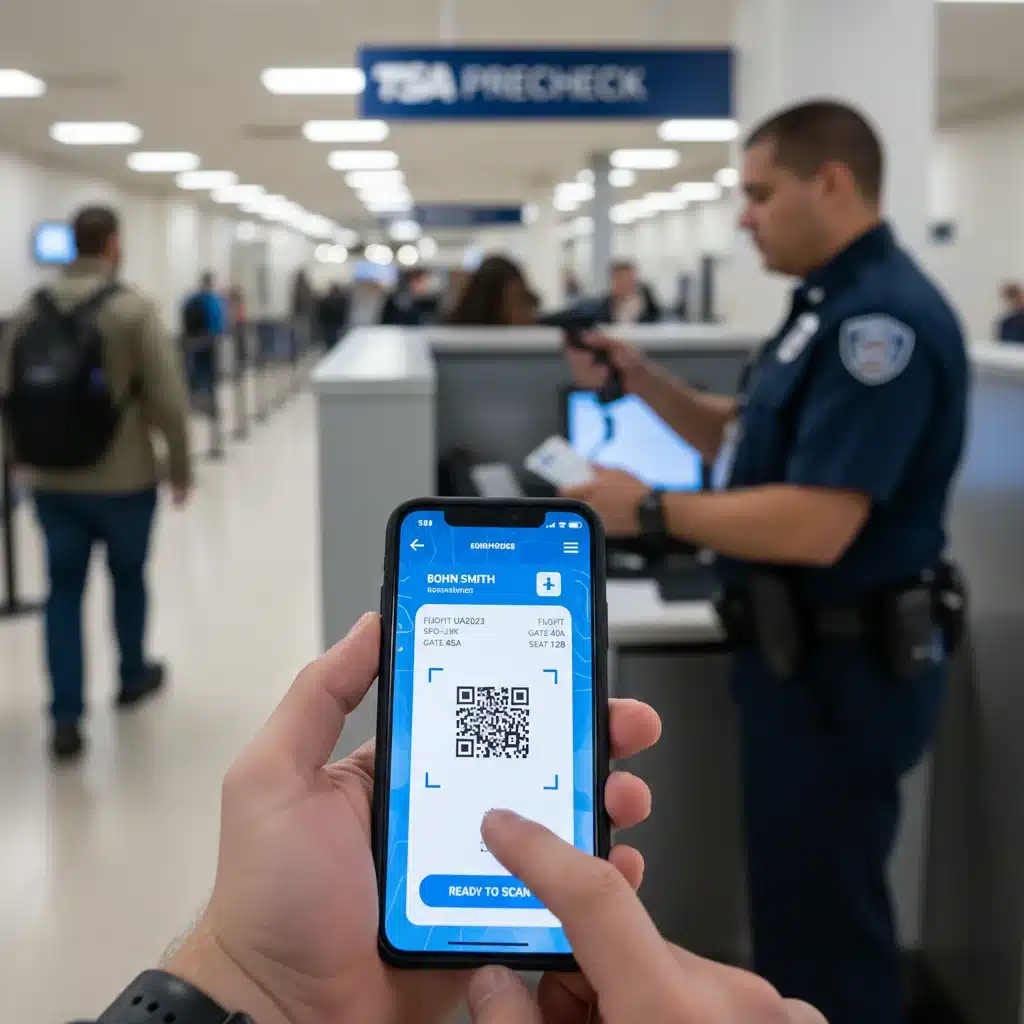
Ensure your Known Traveler Number (KTN) is correctly entered into all your airline reservations. A common reason for not receiving PreCheck on a boarding pass is a mismatch between the name on the reservation and the name associated with your KTN. Double-check that your name, date of birth, and gender on your airline tickets exactly match the information on your PreCheck application.
As part of the TSA PreCheck 2026 updates, with increased biometric integration, accuracy in your personal data will become even more critical. Any discrepancies could lead to delays at the checkpoint.
Understand Biometric Opt-Out Options (If Applicable)
While biometric screening aims to enhance efficiency, some travelers may have concerns about data privacy. If expanded biometric integration is a significant part of the TSA PreCheck 2026 updates, the TSA is likely to provide clear information on opt-out procedures, if any, and how facial recognition data is stored and protected. Familiarize yourself with these policies to make informed decisions about your travel experience.
Plan for Renewal Ahead of Time
TSA PreCheck membership is valid for five years. If your membership is due to expire around 2026, start the renewal process well in advance—ideally, six months before the expiration date. This proactive approach ensures continuous benefits and gives you ample time to navigate any changes in the renewal process introduced by the TSA PreCheck 2026 updates.
Renewing early prevents any lapse in your PreCheck status, meaning you won’t suddenly find yourself in the standard security line. The renewal process is typically simpler than the initial application, often requiring only an online submission and fee payment, but it’s good to be prepared for potential changes.
Stay Informed About Security Protocols
Even with PreCheck, it’s essential to remain aware of general airport security protocols. While you don’t need to remove certain items, there are still rules regarding prohibited items, liquid limits, and acceptable forms of identification. The TSA PreCheck 2026 updates will focus on efficiencies, but core security principles remain paramount. A quick review of TSA guidelines before each trip is always a good practice.
Benefits of Staying Current with TSA PreCheck Updates
Beyond simply avoiding delays, staying informed about the TSA PreCheck 2026 updates offers several tangible benefits:
- Maximized Efficiency: The primary benefit is always time savings. By understanding changes, you can ensure your enrollment is current and your travel documents are in order, guaranteeing the fastest possible journey through security.
- Reduced Stress: Knowledge is power, especially in the often-stressful environment of an airport. Knowing what to expect at the PreCheck lane, including any new biometric procedures, significantly reduces anxiety.
- Enhanced Security Awareness: Being informed about changes means you’re also more aware of how the TSA is adapting to new security challenges, fostering a sense of trust and confidence in the system.
- Optimal Travel Planning: For frequent travelers, every minute counts. Up-to-date information allows for better planning of airport arrival times and overall itinerary management.
Potential Challenges and Considerations
While the TSA PreCheck 2026 updates are largely aimed at improving the travel experience, there might be some challenges or considerations for travelers:
- Adaptation to New Technology: The increased use of biometrics might require a brief adjustment period for some travelers unfamiliar or uncomfortable with the technology. Clear instructions and staff assistance at checkpoints will be crucial.
- Data Privacy Concerns: With more personal data being used for identity verification, travelers might have questions about privacy and data security. The TSA will need to clearly communicate its policies and safeguards to maintain public trust.
- Enrollment Capacity: If enrollment processes are streamlined, there could be an initial surge in applications. Travelers should factor this into their plans, especially if applying for the first time or renewing close to their expiration date.
- Consistency Across Airports: While the goal is uniformity, the implementation of new updates can sometimes vary slightly from airport to airport in the initial phases. Patience and flexibility will be important.
TSA PreCheck vs. Other Trusted Traveler Programs
It’s important to differentiate TSA PreCheck from other trusted traveler programs, even as the TSA PreCheck 2026 updates aim for greater integration:
- Global Entry: This program is run by U.S. Customs and Border Protection (CBP) and provides expedited customs clearance for international arrivals into the U.S. A significant bonus is that Global Entry membership *includes* TSA PreCheck benefits. If you travel internationally, Global Entry is often the more comprehensive choice.
- NEXUS & SENTRI: These programs are also run by CBP and are designed for expedited processing at U.S.-Canada (NEXUS) and U.S.-Mexico (SENTRI) land borders, respectively. They also include TSA PreCheck benefits.
When considering which program is right for you, evaluate your primary travel needs. If you only fly domestically, TSA PreCheck is sufficient. If you frequently travel internationally, Global Entry offers the best value as it encompasses PreCheck benefits. The TSA PreCheck 2026 updates will primarily focus on the domestic airport security experience, though integration with these other programs might be enhanced.
The Future of Airport Security: Beyond 2026
The TSA PreCheck 2026 updates are just one step in the ongoing evolution of airport security. Looking further ahead, we can anticipate continued advancements in several key areas:
- Advanced Screening Technologies: Expect to see more sophisticated imaging technology that can detect a wider range of threats more efficiently, potentially reducing the need for manual bag checks.
- Artificial Intelligence and Machine Learning: AI will play an increasing role in analyzing security footage, identifying anomalies, and assisting security personnel in threat detection.
- Seamless Passenger Flow: The ultimate goal is a truly seamless airport experience, where identity verification and security screening are integrated into the overall passenger journey, from check-in to boarding, with minimal stops or interruptions.
- Personalized Security: Future systems might even adapt security protocols based on individual traveler risk assessments, leading to more tailored and efficient screening.
These future developments underscore the TSA’s commitment to innovation and its continuous effort to balance security imperatives with the demand for a more efficient and pleasant travel experience. Staying engaged with these advancements, starting with the TSA PreCheck 2026 updates, ensures you remain at the forefront of modern air travel.
Tips for a Smooth TSA PreCheck Experience (2026 and Beyond)
Even with the most advanced updates, a smooth PreCheck experience also relies on traveler preparedness. Here are some timeless tips:
- Always Use Your KTN: Double-check that your KTN is on every airline reservation. If it’s missing, contact your airline before arriving at the airport.
- Check Your Boarding Pass: Ensure your boarding pass clearly displays the "TSA PreCheck" indicator. If it doesn’t, and you’ve entered your KTN correctly, speak to an airline agent before security.
- Know What to Keep On/In: Remember, with PreCheck, you generally don’t need to remove shoes, laptops from bags, liquids (within 3-1-1 rule still applies), belts, or light jackets.
- Don’t Assume: While PreCheck is highly reliable, random screenings can still occur. Be prepared for the possibility of a standard screening, just in case.
- Be Courteous: Airport staff are working to keep everyone safe and on schedule. A positive attitude goes a long way.
Conclusion: Embracing the Future of Faster Travel
The TSA PreCheck 2026 updates represent a continuous commitment by the Transportation Security Administration to enhance the efficiency, security, and overall experience of air travel for millions of Americans. From advanced biometric integration to refined enrollment processes and potential program expansions, these changes are designed to make your journey through the airport smoother and less stressful than ever before.
By staying informed through official channels, diligently managing your KTN and personal information, and proactively planning for renewals, you can ensure you fully leverage the benefits of this invaluable program. The future of airport security is one of increasing speed, intelligence, and convenience, and TSA PreCheck is at the forefront of this evolution.
Don’t let the thought of airport security deter your travel plans. Embrace the upcoming TSA PreCheck 2026 updates, equip yourself with the knowledge provided in this guide, and look forward to a more efficient, predictable, and enjoyable travel experience for years to come. Happy travels!