
Understanding the 2026 TSA PreCheck and Global Entry Updates: A 5-Minute Guide
As we approach 2026, the landscape of airport security and international travel is continually evolving. For frequent flyers, staying informed about programs like TSA PreCheck and Global Entry isn’t just about convenience; it’s about optimizing your travel experience and navigating the ever-changing regulations with ease. This comprehensive guide will delve into the anticipated updates, renewal processes, and essential tips for maximizing your benefits from both TSA PreCheck and Global Entry in 2026.
The goal is to provide a clear, concise, and highly informative resource that addresses all your questions regarding TSA PreCheck 2026 and Global Entry, ensuring you’re well-prepared for your future journeys.
The Evolution of Expedited Travel: Why These Programs Matter
In an era where travel demand continues to surge, airport security lines can be a significant source of stress and delay. This is precisely where programs like TSA PreCheck and Global Entry prove invaluable. Designed to streamline the security and customs process, they offer a faster, more predictable experience for eligible travelers.
TSA PreCheck, managed by the Transportation Security Administration (TSA), allows pre-approved travelers to move through a dedicated security lane at U.S. airports. This means no removing shoes, laptops, liquids, belts, or light jackets, significantly reducing wait times and hassle. For domestic travel, TSA PreCheck has become a non-negotiable for many.
Global Entry, on the other hand, is a U.S. Customs and Border Protection (CBP) program that expedites clearance for pre-approved, low-risk travelers upon arrival in the United States. Members can bypass traditional customs lines and proceed directly to Global Entry kiosks. This program includes TSA PreCheck benefits, making it an even more comprehensive solution for international travelers.
Understanding the nuances of each program, especially in light of potential updates for TSA PreCheck 2026 and Global Entry, is crucial for maintaining seamless travel. As technology advances and security protocols adapt, these programs are also subject to changes aimed at enhancing efficiency and security.
Anticipated Updates for TSA PreCheck and Global Entry in 2026
While specific mandates for 2026 are still being finalized, we can anticipate several key areas of focus for both TSA PreCheck and Global Entry. These often revolve around technological advancements, enrollment expansion, and enhanced security measures.
Technological Integration and Biometrics
The trend towards biometric identification is undeniable. We’ve already seen increased use of facial recognition technology at airports for boarding and customs. It’s highly probable that TSA PreCheck 2026 and Global Entry will further integrate biometric data to speed up identity verification. This could mean even less need for physical documents at certain checkpoints, relying instead on facial scans or fingerprints.
For Global Entry, the use of facial recognition at kiosks is already prevalent. In 2026, we might see an expansion of this technology, potentially even allowing for mobile-based biometric submissions or verification before arriving at the airport, further reducing processing times upon landing.
Enrollment and Renewal Enhancements
Both programs continuously strive to make the enrollment and renewal processes more user-friendly. For TSA PreCheck 2026, we could see more remote enrollment options or expanded interview locations. The goal is always to reduce barriers to entry for eligible travelers.
Global Entry renewals, which typically require an updated interview if there are significant changes to your profile or if requested by CBP, might also see streamlined virtual interview options become more commonplace, especially for those whose circumstances haven’t changed drastically. Keeping your information current and renewing well in advance of expiration will remain paramount.
Expanded Program Reach and Partnerships
The benefits of expedited screening are clear, and there’s a continuous effort to expand these programs. This could involve more airports participating in TSA PreCheck or an increased number of airlines offering the service. For Global Entry, we might see additional international airports offering pre-clearance facilities, allowing travelers to complete U.S. customs formalities before even departing a foreign country.
Furthermore, collaborations with other trusted traveler programs globally could lead to more reciprocal benefits, making international travel even smoother for members of TSA PreCheck 2026 and Global Entry.
Your Guide to TSA PreCheck Renewal in 2026
Maintaining your TSA PreCheck status is straightforward, but it requires attention to detail and timing. The program is valid for five years, and it’s essential to renew before your current membership expires to avoid any lapse in benefits.
When to Renew Your TSA PreCheck
The TSA recommends renewing your PreCheck membership up to six months before its expiration date. This allows ample time for processing, especially if there are any unforeseen delays or if an in-person appointment is required (though this is rare for renewals). If you let your membership expire, you may have to go through the full enrollment process again, including an in-person interview and fingerprinting, which can be more time-consuming.
For those whose TSA PreCheck 2026 expiration date is approaching, mark your calendars now. You’ll typically receive reminders from the TSA, but it’s always best to be proactive.
The TSA PreCheck Renewal Process
- Online Application: Most renewals can be completed entirely online through the official TSA website. You’ll need to confirm your personal information, answer a few security questions, and pay the renewal fee.
- Fee: The renewal fee for TSA PreCheck is generally lower than the initial enrollment fee, often around $70-$85 for another five years. Many credit cards offer reimbursement for this fee as a travel benefit, so check with your card issuer.
- Processing Time: Renewal processing times can vary. While many are approved within days or weeks, it’s wise to allow for several months, especially during peak travel seasons.
- No Interview Required (Usually): For most renewals, an in-person interview is not necessary unless there have been significant changes to your background or if the TSA requires additional verification.
Ensuring your information is accurate and up-to-date during the renewal process is critical. Any discrepancies could lead to delays or a requirement for further verification, impacting your seamless TSA PreCheck 2026 experience.
Global Entry Renewal for 2026: What You Need to Know
Global Entry, like TSA PreCheck, is valid for five years. However, its renewal process can sometimes be a bit more involved due to its international scope and the involvement of Customs and Border Protection.
Timing Your Global Entry Renewal
CBP advises renewing your Global Entry membership at least 90 days before its expiration. However, given potential interview requirements and processing backlogs, many experts recommend starting the renewal process six months to a year in advance. The good news is that if you apply for renewal before your current membership expires, you will generally continue to receive benefits for up to 24 months after your membership expiration date while your renewal application is pending.
This grace period is a significant advantage, ensuring you don’t lose your benefits while awaiting approval for your TSA PreCheck 2026 (included with Global Entry) and international expedited customs.
The Global Entry Renewal Steps
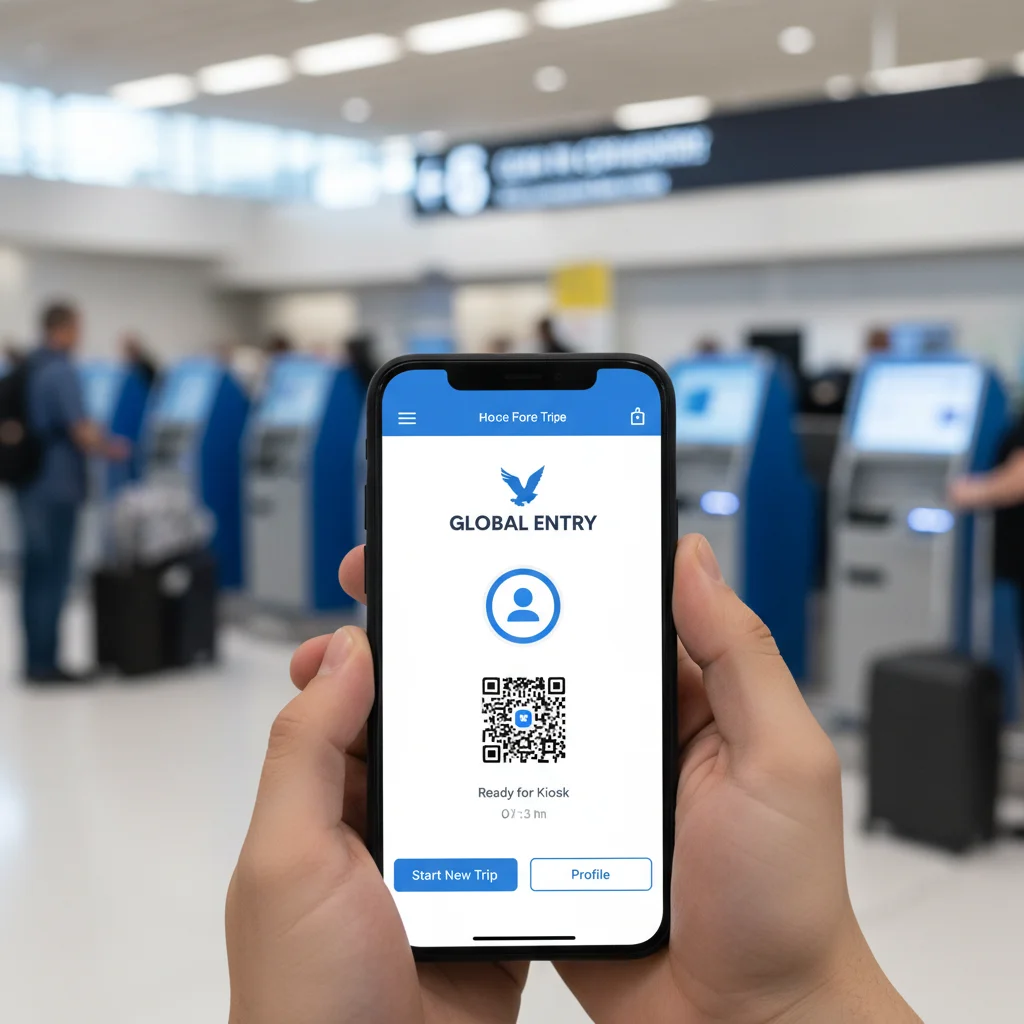
- Online Application: Renewals are processed through your Trusted Traveler Programs (TTP) account on the CBP website. You’ll log in, update any personal information (address, passport, employment, etc.), and answer new eligibility questions.
- Fee: The Global Entry renewal fee is typically $100. Again, many premium travel credit cards offer a statement credit for this fee.
- Conditional Approval: After submitting your application and fee, you’ll enter the ‘Conditional Approval’ stage. This means your background check has been reviewed, but an interview may still be required.
- Interview (Potentially): Unlike TSA PreCheck, a Global Entry renewal might require an interview, especially if your information has changed significantly or if CBP deems it necessary. However, many renewals are approved without an interview. If an interview is needed, you can schedule it at a Global Entry Enrollment Center.
- Interview on Arrival: A convenient option for those requiring an interview is ‘Enrollment on Arrival’ (EoA). If you’re returning to the U.S. from an international trip, you can complete your interview at participating airports upon your arrival, bypassing the need for a separate appointment. This is an excellent way to handle your TSA PreCheck 2026 and Global Entry renewal interview efficiently.
Pay close attention to any communications from CBP regarding your Global Entry renewal. Missing a notification for an interview could delay your approval.
Key Differences and Overlap: TSA PreCheck vs. Global Entry
While often discussed together, it’s important to reiterate the distinct benefits of each program:
- TSA PreCheck: Focuses solely on expedited security screening at U.S. airports for domestic and outbound international flights. It’s ideal for frequent domestic travelers.
- Global Entry: Offers expedited U.S. customs clearance upon international arrival and includes TSA PreCheck benefits. It’s the superior choice for international travelers.
If you travel internationally even occasionally, Global Entry is generally the better investment as it encompasses the benefits of TSA PreCheck 2026 while also streamlining your return to the U.S. Both programs are essential tools for modern travel, but your specific travel habits should dictate which one (or both) you prioritize.
Maximizing Your Benefits with TSA PreCheck and Global Entry in 2026
Having these memberships is only half the battle; knowing how to use them effectively is key to maximizing their value.
Always Use Your Known Traveler Number (KTN)
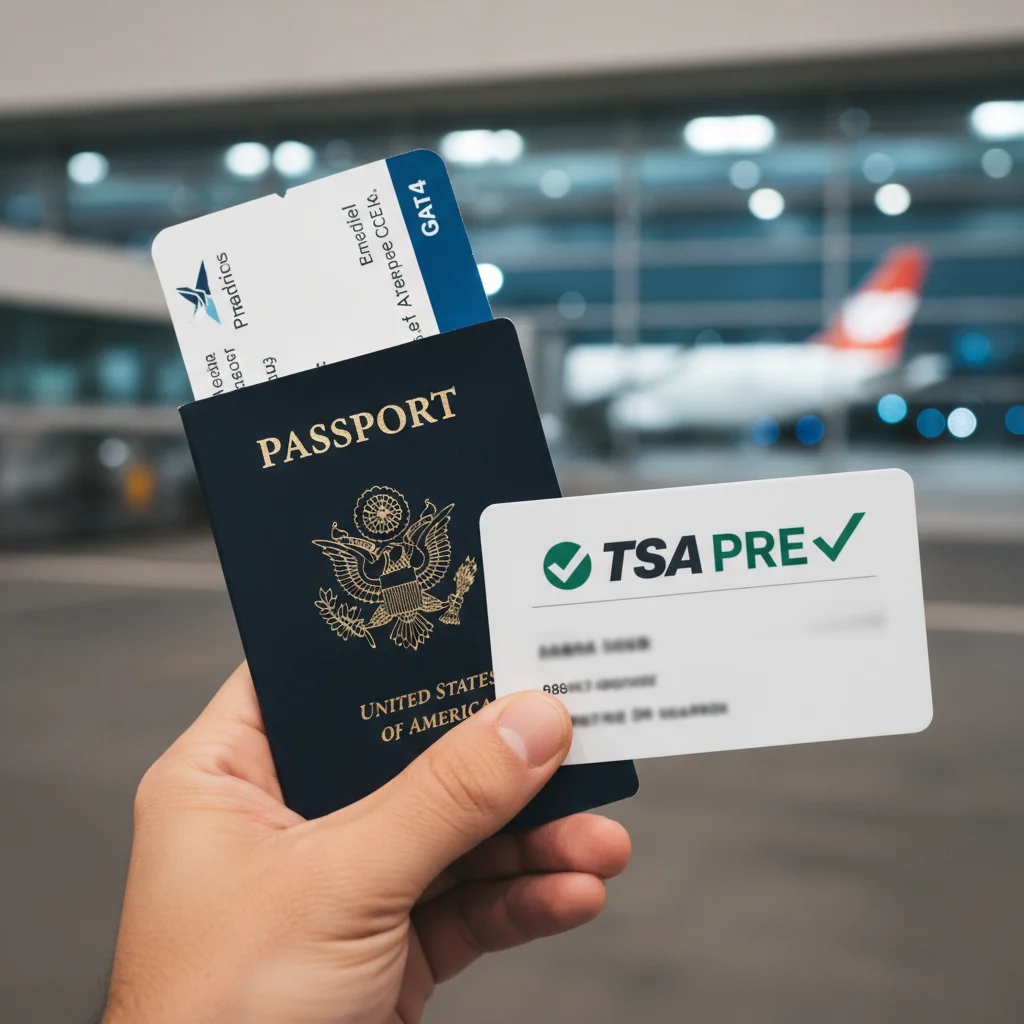
For both programs, your Known Traveler Number (KTN) or CBP PASSID is the golden ticket. Ensure this number is added to every airline reservation you make. If you book through a third-party site, double-check that your KTN is correctly entered into your frequent flyer profile or directly into the booking. Without it, you won’t receive the benefits of TSA PreCheck 2026 or Global Entry.
Check Your Boarding Pass
Before heading to security, always confirm that ‘TSA PreCheck’ or ‘TSA Pre’ is printed on your boarding pass. If it’s not, you might need to speak with an airline agent to have it added. Sometimes, technical glitches or mismatched names can prevent it from appearing.
Understand the Rules
While TSA PreCheck offers relaxed screening, it’s not a free pass. You still need to adhere to general security guidelines. Similarly, Global Entry kiosks are for eligible travelers; ensure you’re not carrying prohibited items or attempting to clear for individuals not part of the program.
Stay Informed About Changes
Travel regulations can change rapidly. Periodically check the official TSA and CBP websites for the latest updates, especially as we move closer to TSA PreCheck 2026. Subscribing to their newsletters or alerts can also keep you in the loop.
Common Questions and Troubleshooting for 2026 Travel
What if my KTN isn’t appearing on my boarding pass?
This is a common issue. First, verify that your KTN is correctly entered into your airline profile and on your specific booking. Ensure the name on your airline ticket exactly matches the name on your TSA PreCheck or Global Entry membership (including middle names or initials). If discrepancies exist, even minor ones, they can prevent your KTN from linking. If everything matches, contact the airline directly or speak to an agent at check-in.
Can I still use Global Entry if my passport expires soon?
Your Global Entry membership is tied to your passport. If your passport is expiring, you should renew it and then update your passport information in your TTP account as soon as you receive the new one. Failure to do so could result in issues at Global Entry kiosks. This is a critical step for maintaining your TSA PreCheck 2026 and Global Entry benefits.
What happens if I forget my Global Entry card?
While the Global Entry card is useful for land and sea crossings, it is not typically required for air travel. At the airport, your passport and biometrics (facial scan) are usually sufficient at the Global Entry kiosks. However, carrying it is always a good idea for identification purposes.
Are there any new restrictions for TSA PreCheck 2026?
While no explicit new restrictions have been announced for 2026, security protocols are always subject to change. It’s always best to check the TSA website prior to travel for the most current information regarding prohibited items or screening procedures. The core benefits of not removing shoes, liquids, and laptops are expected to remain consistent.
Can I enroll in both programs simultaneously?
You don’t need to enroll in both separately. If you enroll in Global Entry, you automatically receive TSA PreCheck benefits. Therefore, applying for Global Entry is the most efficient way to gain access to both expedited processes.
The Future of Travel Security and Convenience
The continuous evolution of programs like TSA PreCheck and Global Entry reflects a global commitment to balancing robust security with traveler convenience. As we look towards TSA PreCheck 2026 and beyond, we can expect further integration of technology, more personalized security experiences, and a continued focus on making air travel as smooth and stress-free as possible.
For travelers, this means a proactive approach to managing your memberships. Renewing on time, keeping your information updated, and understanding the subtle differences between the programs will ensure you’re always one step ahead. These programs aren’t just about saving time; they’re about enhancing the entire travel experience, allowing you to focus on your destination rather than the journey through the airport.
Staying informed about these updates will empower you to make the most of your travel opportunities. Whether it’s a domestic business trip or an international adventure, leveraging the benefits of TSA PreCheck 2026 and Global Entry will undoubtedly contribute to a more enjoyable and efficient journey.
Conclusion: Ready for Seamless Travel in 2026
In conclusion, as we approach 2026, both TSA PreCheck and Global Entry remain indispensable tools for efficient and stress-free travel. While specific updates are always on the horizon, the core benefits of expedited security and customs clearance are set to continue, potentially with enhanced technological integration and streamlined processes.
By understanding the renewal procedures, knowing the key differences between the programs, and actively managing your Known Traveler Number, you can ensure a seamless experience. Remember to keep your personal information updated, renew your memberships well in advance of their expiration dates, and always verify your KTN on your boarding passes.
The investment in time and money for TSA PreCheck 2026 or Global Entry is a small price to pay for the significant convenience and peace of mind they offer. Prepare now, stay informed, and enjoy a more relaxed journey through airports and international borders in the coming years. Happy travels!