Ethical Fashion US 2026: Top 4 Brands Driving Sustainable Change

The fashion industry, historically notorious for its environmental impact and ethical shortcomings, is undergoing a profound transformation. As we look towards 2026, the demand for transparency, sustainability, and social responsibility has never been stronger, particularly within the United States market. Consumers are increasingly discerning, seeking out brands that not only offer stylish products but also align with their values. This shift is giving rise to a new era of Ethical Fashion US, where pioneering companies are demonstrating that profit and purpose can coexist harmoniously.
This comprehensive article delves into the burgeoning landscape of Ethical Fashion US, examining the driving forces behind its growth and spotlighting four exemplary brands that are not just participating in this movement but actively leading it. These brands are setting benchmarks for sustainable practices, fair labor, innovative materials, and conscious consumer engagement, effectively reshaping the industry’s future. By exploring their unique approaches, we aim to provide insights into what makes a fashion brand truly ethical and how their influence is inspiring a more sustainable and equitable future for all.
The Rising Tide of Ethical Fashion US: A New Consumer Consciousness
The concept of Ethical Fashion US is no longer a niche concern for a small segment of the population; it’s a mainstream movement gaining significant traction. Several factors contribute to this escalating consumer awareness and demand:
Environmental Imperatives: Climate Change and Resource Depletion
The stark realities of climate change, rampant pollution, and dwindling natural resources have forced a reckoning within the fashion sector. Fast fashion’s model of rapid production, consumption, and disposal has been exposed as unsustainable. Consumers are now acutely aware of the environmental footprint of their clothing choices, from water usage in cotton farming to microplastic pollution from synthetic fabrics and the massive waste generated by discarded garments. Brands prioritizing organic materials, closed-loop systems, waste reduction, and energy efficiency are gaining a competitive edge.
Social Justice and Labor Rights: Beyond the Seams
The tragic events like the Rana Plaza collapse in Bangladesh brought to light the horrific working conditions often endured by garment factory workers. This, coupled with growing global awareness of human rights, has spurred consumers to demand fair wages, safe working environments, and transparent supply chains. Ethical Fashion US brands are distinguishing themselves by ensuring fair labor practices throughout their production processes, often engaging in direct trade relationships with artisans and factories, and providing living wages and benefits.
Transparency and Traceability: The Demand for Information
Modern consumers, empowered by technology, expect to know the story behind their products. They want to understand where their clothes come from, who made them, and what impact their creation had on the planet and its people. Brands that offer detailed information about their supply chains, material sourcing, and production processes are building trust and loyalty. Blockchain technology and advanced data analytics are increasingly being utilized to provide this level of transparency, making it easier for consumers to make informed choices within the Ethical Fashion US market.
Innovation in Materials and Production: The Future is Now
The drive for sustainability has fueled incredible innovation in textile science and manufacturing. From biodegradable fabrics made from natural fibers like hemp, organic cotton, and linen, to recycled materials derived from ocean plastics and textile waste, the options for eco-friendly clothing are expanding rapidly. Furthermore, advancements in production methods, such as waterless dyeing, 3D printing, and on-demand manufacturing, are minimizing environmental impact and waste. These technological leaps are making ethical fashion more accessible and appealing.
Defining Ethical Fashion: More Than Just ‘Green’
It’s crucial to understand that Ethical Fashion US encompasses a broader spectrum than simply being ‘green’ or eco-friendly. While environmental sustainability is a cornerstone, true ethical fashion also integrates:
- Social Responsibility: Ensuring fair wages, safe working conditions, gender equality, and community empowerment for all workers in the supply chain.
- Animal Welfare: Avoiding materials derived from animal cruelty, opting for vegan alternatives or responsibly sourced animal products.
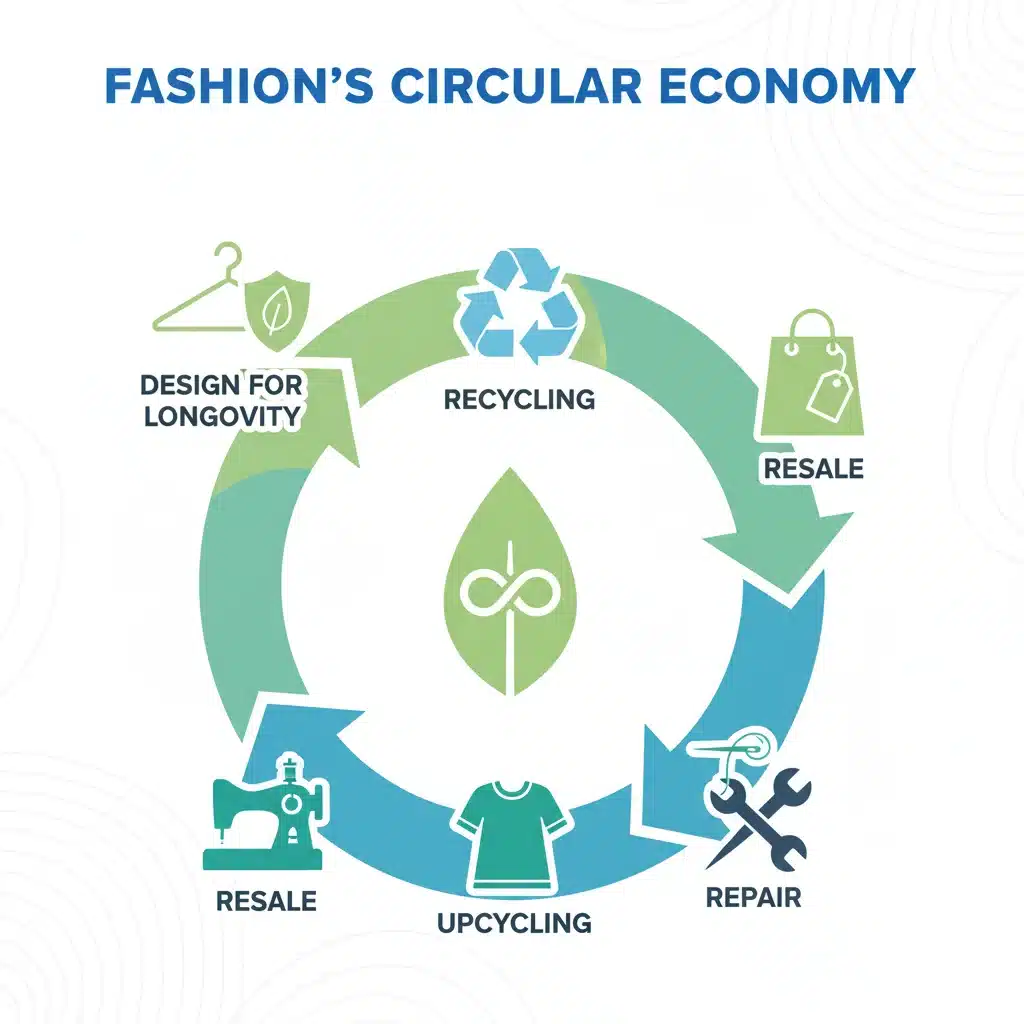
- Circular Economy Principles: Designing products for durability, repairability, recyclability, and biodegradability to minimize waste and maximize resource utilization.
- Transparency: Openly sharing information about sourcing, production, and environmental impact.
- Slow Fashion: Counteracting the fast fashion cycle by promoting quality over quantity, timeless designs, and longevity.
These principles form the bedrock of the brands we will explore, showcasing how they embody the multifaceted nature of ethical fashion.
Four Ethical Fashion US Brands Reshaping Consumer Choices in 2026
In the dynamic landscape of 2026, several brands stand out for their unwavering commitment to ethical practices. Here are four exemplary Ethical Fashion US brands that are not only producing exceptional garments but are also inspiring a fundamental shift in consumer behavior and industry standards.
Brand 1: Patagonia – The Enduring Icon of Environmental Activism
While not a new entrant, Patagonia continues to be a gold standard in Ethical Fashion US, constantly innovating and pushing the boundaries of what a responsible business can achieve. Founded in 1973 by Yvon Chouinard, Patagonia’s mission statement, "We’re in business to save our home planet," is deeply embedded in every aspect of its operations. In 2026, Patagonia remains a beacon for its:
- Radical Transparency: Patagonia’s Footprint Chronicles provide detailed information about its supply chain, factory conditions, and environmental impact. This level of openness builds unparalleled trust with consumers.
- Innovative Recycled Materials: A pioneer in using recycled polyester from plastic bottles, Patagonia continues to expand its use of recycled nylon, down, and wool, significantly reducing its reliance on virgin resources. Their "Worn Wear" program encourages customers to repair, reuse, and recycle their gear, embodying circularity.
- Fair Labor Practices: The brand is a leader in fair trade certification, ensuring that workers receive premiums for their labor, which are then invested in community projects. They also advocate for stronger labor laws and worker empowerment.
- Environmental Activism: Patagonia consistently donates 1% of its sales to environmental groups and actively engages in political advocacy for environmental protection. Their campaigns often challenge consumerism itself, encouraging mindful consumption.
- Longevity and Durability: Patagonia’s products are designed to last for decades, reducing the need for frequent replacements and minimizing waste. Their repair services further extend the lifespan of their garments.
Patagonia’s influence in 2026 extends beyond its direct sales, inspiring countless other brands to adopt similar responsible practices and demonstrating that deep commitment to ethics can lead to sustained business success.
Brand 2: Eileen Fisher – The Pioneer of Circularity and Timeless Design
Eileen Fisher has long been synonymous with sophisticated, timeless design and an unwavering commitment to sustainability. As of 2026, this brand continues to lead the charge in the Ethical Fashion US space, particularly in its pioneering efforts towards a circular economy. Key aspects of their ethical leadership include:
- Commitment to Organic and Sustainable Materials: Eileen Fisher extensively uses organic cotton, organic linen, Tencel™ Lyocell, and responsibly sourced wool. Their material choices prioritize low environmental impact, focusing on non-toxic dyes and sustainable farming practices.
- "Renew" Program: This groundbreaking initiative allows customers to return their worn Eileen Fisher garments, which are then cleaned, repaired, and resold. Garments beyond repair are reimagined into new designs through their "Remade" collection, closing the loop on textile waste. This program is a powerful example of circular fashion in action.
- Fair Labor and Supply Chain Transparency: The brand works diligently to ensure fair wages and safe working conditions throughout its supply chain. They are transparent about their factory list and continuously audit their partners to uphold high ethical standards.
- Timeless Design and Longevity: Eileen Fisher’s aesthetic emphasizes classic, versatile pieces that transcend fleeting trends. This design philosophy inherently promotes slower consumption, encouraging customers to invest in quality garments that will be cherished for years, directly combating fast fashion.
- Minimal Waste Production: The company actively works to reduce waste in its production processes, from pattern making to cutting, and seeks innovative ways to utilize fabric scraps.
Eileen Fisher’s dedication to circularity and design longevity positions it as a visionary leader in the Ethical Fashion US market, proving that high fashion and deep sustainability can be seamlessly integrated.
Brand 3: Outerknown – Surfer Culture Meets Sustainable Innovation
Founded by professional surfer Kelly Slater, Outerknown emerged with a clear mission: to create sustainable clothing without compromising style or performance. By 2026, Outerknown has solidified its position as a key player in Ethical Fashion US, particularly appealing to a demographic that values adventure, quality, and environmental stewardship. Their ethical contributions include:
- Commitment to Regenerative Agriculture: Outerknown is increasingly investing in and sourcing materials from regenerative agriculture practices, which focus on improving soil health, biodiversity, and carbon sequestration. This goes beyond organic, aiming to actively heal the planet.
- Extensive Use of Recycled and Organic Materials: The brand utilizes a high percentage of recycled fishing nets (ECONYL®), recycled cotton, organic cotton, hemp, and other innovative sustainable fibers across its collections. They are constantly exploring new material science breakthroughs.
- Fair Trade Certified Factories: Outerknown works exclusively with Fair Trade Certified™ factories, ensuring that workers receive fair wages and safe conditions, and that premium funds are directed back into their communities for development and empowerment.
- Durability and Repairability: Designed for an active lifestyle, Outerknown’s products are built to last. They offer resources and advice on how to care for garments to extend their lifespan, aligning with slow fashion principles.
- Transparency in Supply Chain: The brand provides clear information about its manufacturing partners and material sourcing, demonstrating a commitment to accountability and ethical production.
Outerknown’s blend of casual style, high performance, and deep environmental ethics resonates strongly with a growing segment of the Ethical Fashion US market, proving that sustainable choices can be both cool and conscious.
Brand 4: Amour Vert – Parisian Chic with a Californian Conscience
Amour Vert, meaning "Green Love" in French, embodies a blend of effortlessly chic design with a rigorous commitment to sustainability. As a prominent brand in Ethical Fashion US by 2026, Amour Vert stands out for its:
- "Buy a Tee, Plant a Tree" Initiative: For every t-shirt purchased, Amour Vert plants a tree in partnership with American Forests®. This direct reforestation effort has a tangible positive environmental impact and engages customers in their mission.
- Sustainable Fabric Innovation: The brand meticulously selects its fabrics, prioritizing Tencel™ Modal, organic cotton, ethical silk, and recycled materials. They focus on eco-friendly dyes and processes that minimize water usage and chemical waste.
- Made in USA Focus: A significant portion of Amour Vert’s production is done in the USA, particularly in California. This reduces transportation emissions, supports local economies, and allows for closer oversight of labor practices and quality control, making it a strong example within Ethical Fashion US.
- Zero-Waste Philosophy: Amour Vert employs a "zero-waste" design approach, utilizing innovative cutting techniques to minimize fabric scraps and repurposing any remnants. This commitment to waste reduction is central to their operations.
- Timeless and Versatile Designs: The brand’s aesthetic emphasizes classic, versatile pieces that can be easily mixed and matched and worn across seasons. This promotes mindful consumption and longevity, counteracting the fast-fashion cycle.
Amour Vert demonstrates that ethical fashion can be both stylish and impactful, appealing to consumers who seek sophisticated designs without compromising their environmental and social values within the Ethical Fashion US market.
The Broader Impact: How These Brands are Reshaping the Industry
The influence of these four and other similar Ethical Fashion US brands extends far beyond their individual sales figures. They are collectively contributing to a paradigm shift in the fashion industry in several critical ways:
Driving Supply Chain Innovation and Transparency
By demanding higher standards from their suppliers, these ethical brands are pushing manufacturers to adopt more sustainable and ethical practices. Their commitment to transparency encourages other brands to open up their supply chains, fostering greater accountability across the industry.
Educating and Empowering Consumers
Through their clear messaging, educational campaigns, and visible ethical practices, these brands are empowering consumers to make more informed and responsible purchasing decisions. They are demystifying complex issues like material sourcing and labor rights, making ethical choices more accessible.
Setting New Benchmarks for Corporate Responsibility
These companies demonstrate that it is possible to build successful businesses while prioritizing people and the planet. Their financial viability and growing market share serve as powerful proof points, encouraging larger, traditional fashion houses to re-evaluate their own practices and integrate more ethical considerations.
Fostering a Circular Economy
From designing for longevity and repair to implementing robust take-back and recycling programs, these brands are actively building the infrastructure for a circular fashion economy. Their efforts are laying the groundwork for a future where fashion is regenerative, not extractive.
Challenges and Opportunities for Ethical Fashion US in 2026
While the growth of Ethical Fashion US is undeniable, the path forward is not without its challenges. However, these challenges also present significant opportunities for further innovation and expansion.
Challenges:
- Cost Perception: Ethical and sustainable practices often involve higher production costs, which can translate to higher prices for consumers. Overcoming the perception that ethical fashion is only for the affluent remains a hurdle.
- Greenwashing: The rise of "greenwashing" – where brands make unsubstantiated or misleading claims about their environmental practices – confuses consumers and erodes trust. Stronger regulations and clearer certifications are needed.
- Scaling Production: Sourcing sustainable materials and maintaining ethical supply chains at a large scale can be complex and challenging for rapidly growing brands.
- Consumer Education Gap: Despite increased awareness, many consumers still lack a deep understanding of what truly constitutes ethical fashion and how to identify genuinely sustainable brands.
Opportunities:
- Technological Advancements: Further innovations in material science, AI for supply chain transparency, and automation in ethical manufacturing can reduce costs and improve efficiency.
- Policy and Regulation: Increasing government incentives for sustainable businesses and stricter regulations against unethical practices can level the playing field and accelerate the transition to ethical fashion.
- Collaborations and Partnerships: Ethical brands collaborating with each other, with non-profits, and even with larger conventional brands can amplify their impact and reach.
- Growing Investor Interest: Impact investors and venture capitalists are increasingly looking to fund sustainable businesses, providing crucial capital for ethical fashion brands to scale.
- Gen Z and Millennial Influence: These generations are driving the demand for ethical products, and as their purchasing power grows, so too will the market for responsible fashion.
The Future of Ethical Fashion US: A Collective Responsibility
The trajectory of Ethical Fashion US towards 2026 and beyond is one of continued growth and increasing influence. The brands highlighted here are not just selling clothes; they are selling a vision of a better future – one where commerce is a force for good, where human dignity is respected, and where our planet’s resources are cherished.
As consumers, our choices hold immense power. By consciously opting for brands that prioritize ethics and sustainability, we send a clear message to the industry: the future of fashion is responsible. As brands, the imperative is clear: embrace transparency, innovate sustainably, and commit to social justice. The journey is ongoing, but with the collective effort of brands, consumers, and policymakers, the dream of a truly ethical fashion industry in the US is well within reach.
The shift is more than a trend; it’s a fundamental redefinition of value. In 2026, the success of a fashion brand will increasingly be measured not just by its profits, but by its positive impact on the world. The featured brands are leading this charge, demonstrating that fashion can indeed be a powerful catalyst for positive change, proving that Ethical Fashion US is not just an aspiration, but an achievable reality.