Experiential Retail: Reshaping US Shopping by Mid-2026
Experiential Retail: How 2 Daily Trends Are Reshaping US Shopping Experiences by Mid-2026
The retail sector is in a constant state of flux, a dynamic environment where adaptation is not merely an advantage but a prerequisite for survival. As we approach mid-2026, the United States is witnessing a profound transformation in how consumers shop, driven by two pervasive daily trends. These trends are not just influencing purchasing decisions; they are fundamentally reshaping the entire shopping experience, giving rise to what is widely known as experiential retail trends. This shift marks a departure from transactional interactions to immersive, engaging, and memorable encounters that prioritize connection and value beyond the product itself.
For decades, retail operated on a relatively straightforward premise: display products, attract customers, and facilitate transactions. The advent of e-commerce introduced unparalleled convenience, challenging the traditional brick-and-mortar model. However, the current evolution goes beyond mere convenience or price competition. It delves into the psychological and social aspects of human behavior, leveraging daily habits and expectations to craft richer, more compelling retail environments. Understanding these two critical trends is paramount for any retailer aiming to thrive in the competitive landscape of the coming years.
The First Trend: The Pursuit of Authentic Connection and Community
In an increasingly digital and often isolating world, the yearning for authentic human connection and a sense of belonging has intensified. This isn’t just a philosophical observation; it’s a measurable trend impacting consumer behavior daily. People are actively seeking experiences that allow them to connect with others, learn new skills, or simply be part of something larger than themselves. This deep-seated desire is profoundly influencing experiential retail trends.
From Transactions to Interactions: The Socialization of Shopping
Gone are the days when a store was solely a place to acquire goods. Today, consumers, particularly younger generations but increasingly all demographics, view shopping as an opportunity for social interaction. They want to engage with brands and fellow shoppers in meaningful ways. Retailers are responding by transforming their spaces into community hubs, offering more than just products.
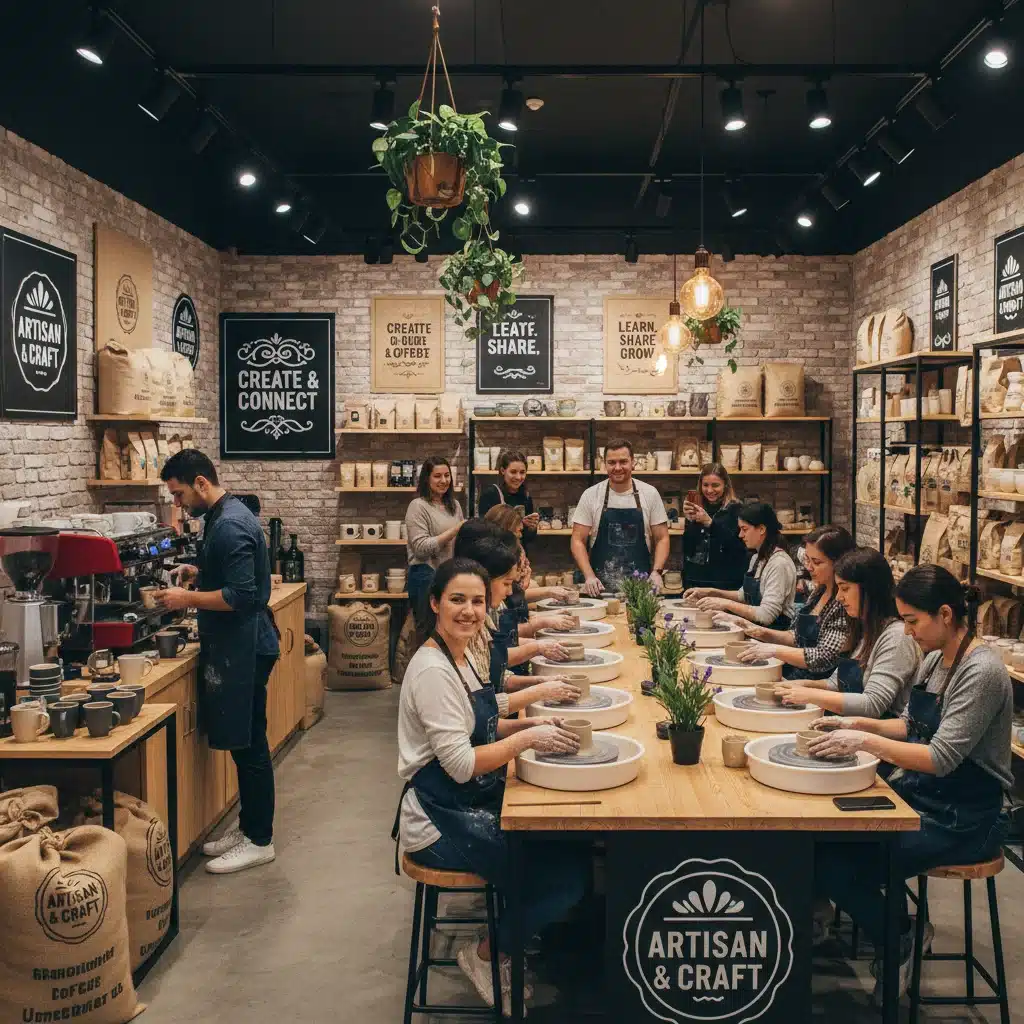
- Workshops and Classes: Imagine a kitchenware store hosting cooking classes, a bookstore organizing author readings and discussion groups, or a fashion boutique offering styling workshops. These activities provide value beyond the product, fostering a sense of community and allowing customers to develop new skills or pursue hobbies.
- Shared Experiences: Retailers are creating environments where customers can share experiences. This could be a gaming lounge within an electronics store, a climbing wall in an outdoor gear shop, or a café inside a clothing store where friends can gather. These shared moments build positive associations with the brand and encourage longer visits.
- Curated Events: Pop-up markets, live music performances, art installations, or local artisan showcases within retail spaces attract foot traffic and create a vibrant atmosphere. These events position the store as a cultural or social destination, not just a point of sale.
The Rise of Third Places in Retail
Sociologist Ray Oldenburg coined the term ‘third places’ to describe environments separate from home (first place) and work (second place) where people can gather, interact, and build community. Traditionally, these included cafes, pubs, parks, and community centers. Modern experiential retail trends are positioning stores as these vital third places. By offering comfortable seating, Wi-Fi, food and beverage options, and a calendar of engaging events, retailers are encouraging customers to linger, socialize, and view the store as an extension of their social lives.
This trend is powerful because it addresses a fundamental human need. When consumers feel connected to a brand and its community, their loyalty deepens, and their propensity to spend increases. They become advocates, sharing their positive experiences with others, which translates into invaluable organic marketing. The success of this approach hinges on authenticity; forced or superficial attempts at community building will likely fall flat. Retailers must genuinely invest in creating spaces and programs that resonate with their target audience’s values and interests.
The Second Trend: The Demand for Personalization and Seamless Digital Integration
The second major trend reshaping US shopping experiences by mid-2026 is the ubiquitous demand for personalization, seamlessly integrated with digital technologies. Consumers today expect tailored experiences, relevant recommendations, and frictionless interactions across all channels. This expectation, largely fueled by the sophistication of online platforms and mobile technology, is now permeating physical retail and driving innovative experiential retail trends.
From Generic to Hyper-Personalized: Knowing Your Customer
The days of one-size-fits-all retail are rapidly fading. Modern consumers, empowered by data and digital tools, expect brands to understand their preferences, anticipate their needs, and offer customized solutions. This goes beyond simple product recommendations; it extends to personalized service, unique product offerings, and even customized store navigation.
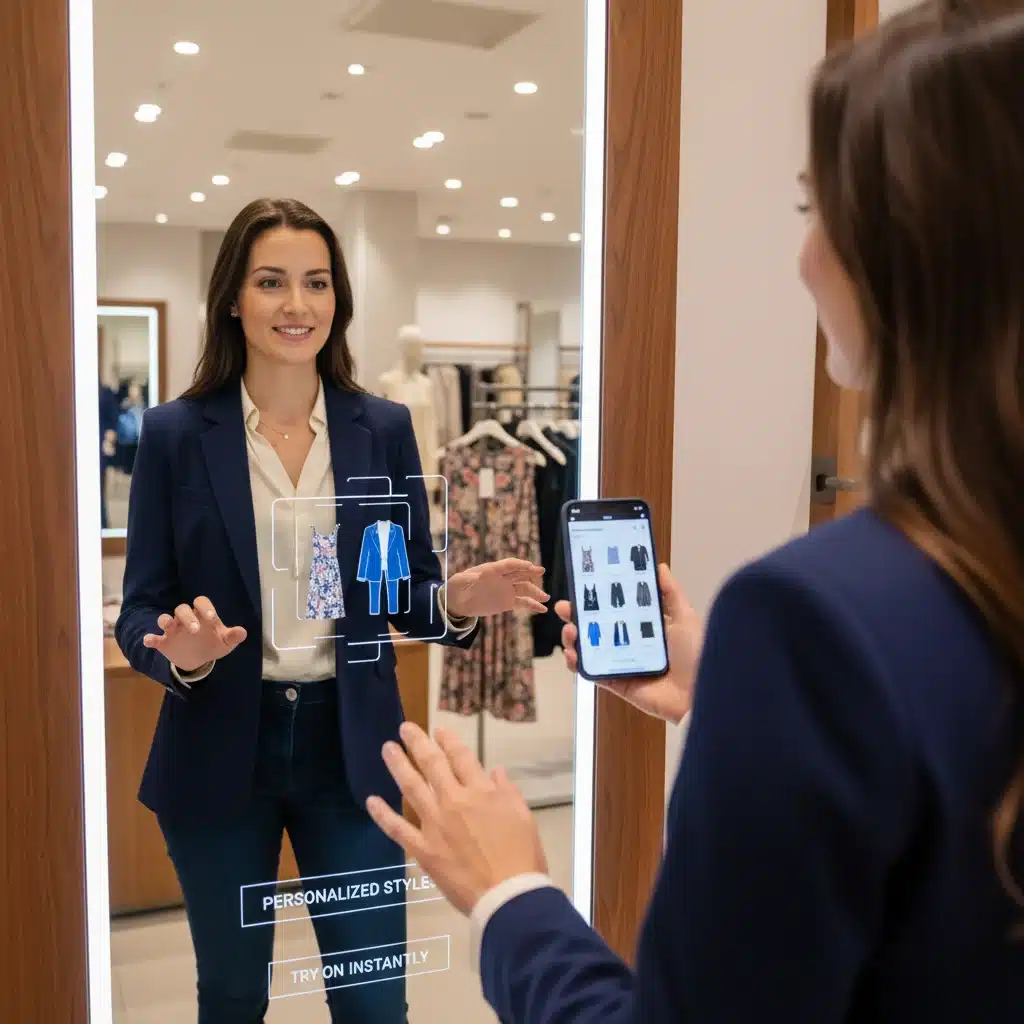
- AI-Powered Recommendations: In-store kiosks or mobile apps can leverage AI to provide personalized product suggestions based on past purchases, browsing history, or even real-time interactions within the store. This replicates the personalized experience of online shopping in a physical setting.
- Customization Stations: Allowing customers to personalize products, whether it’s engraving jewelry, custom-mixing cosmetics, or designing their own apparel, creates a unique and memorable experience. This not only adds value but also gives customers a sense of ownership and creativity.
- Personalized Service through Data: Sales associates equipped with tablets can access customer profiles, purchase history, and preferences, enabling them to offer highly personalized assistance and recommendations, elevating the human touch with data-driven insights.
Bridging the Online-Offline Divide: The Phygital Experience
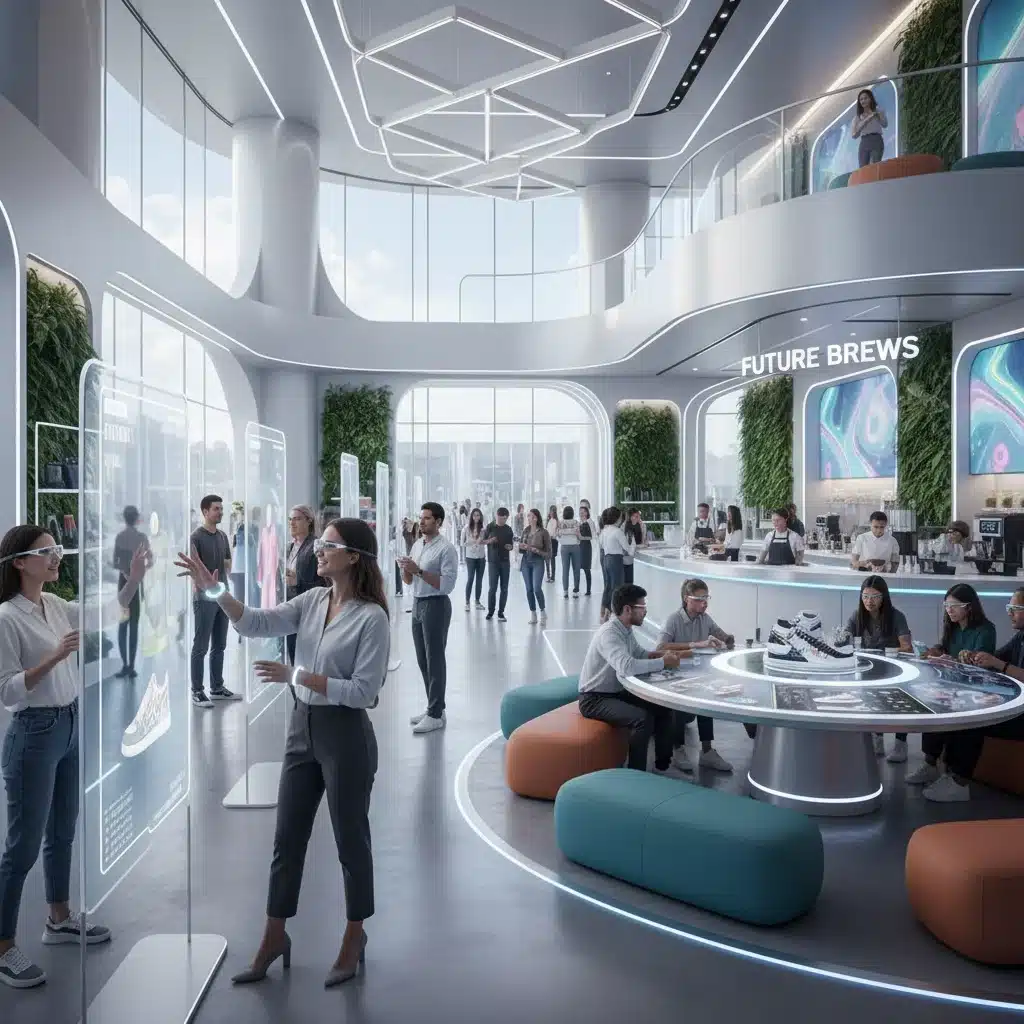
The concept of ‘phygital’ – the seamless integration of physical and digital experiences – is at the heart of this trend. Consumers no longer distinguish sharply between online and offline channels; they expect a cohesive and consistent brand experience regardless of the touchpoint. Retailers are leveraging technology to blur these lines, enhancing the physical store with digital capabilities and vice versa.
- Augmented Reality (AR) and Virtual Reality (VR): AR apps allow customers to visualize how furniture would look in their homes, try on clothes virtually, or see product information overlaid on physical items. VR can transport customers to virtual showrooms or provide immersive brand stories, adding a layer of novelty and engagement.
- Click-and-Collect/BOPIS: Buy Online, Pick Up In Store (BOPIS) and other click-and-collect services are now standard, offering the convenience of online shopping with the immediacy of physical pickup. Many retailers are enhancing this with dedicated pickup lockers or express counters, minimizing wait times.
- Smart Stores and IoT: Internet of Things (IoT) devices, such as smart shelves that track inventory, beacons that send personalized promotions to customers’ phones, or interactive displays, create a more dynamic and responsive shopping environment. These technologies gather valuable data while enhancing the customer experience.
The power of personalization combined with seamless digital integration lies in its ability to make each customer feel valued and understood. This fosters deeper engagement, increases conversion rates, and builds long-term loyalty. By embracing these technologies, retailers can create efficient, enjoyable, and uniquely tailored shopping journeys that stand out in a crowded market.
The Synergy of Trends: A New Paradigm for Experiential Retail
While the pursuit of authentic connection and the demand for personalization and digital integration are distinct trends, their true power emerges when they converge. The most successful experiential retail trends by mid-2026 will be those that master this synergy, creating environments where technology facilitates human connection and personalization enhances community experiences.
Crafting Multi-Sensory Brand Journeys
The future of retail is about engaging all the senses and creating a holistic brand journey. This means carefully curating the store’s ambiance, from lighting and music to scent and tactile product displays. When combined with personalized digital interactions and opportunities for social engagement, the store becomes a stage for an unforgettable experience.
- Immersive Storytelling: Retailers are using technology to tell their brand story in compelling ways. This could involve interactive exhibits detailing the product’s origin, video installations showcasing artisan craftsmanship, or VR experiences that transport customers to the brand’s world.
- Pop-Up and Concept Stores: These temporary or experimental retail spaces are perfect for testing new experiential concepts. They allow brands to create highly curated, themed environments that generate buzz, attract specific demographics, and offer unique, limited-time experiences.
- Gamification: Integrating game-like elements into the shopping journey, such as loyalty programs with tiered rewards, in-store scavenger hunts, or interactive challenges, can increase engagement and make shopping more fun and memorable.
Challenges and Opportunities for Retailers
Embracing these experiential retail trends is not without its challenges. It requires significant investment in technology, staff training, and a fundamental shift in mindset from transactional selling to experience curation. Retailers must also navigate the complexities of data privacy while ensuring personalization remains ethical and transparent.
However, the opportunities are immense. Retailers who successfully integrate these trends can expect:
- Increased Customer Loyalty: Memorable experiences foster deeper emotional connections, leading to repeat business and brand advocacy.
- Higher Average Transaction Value: Engaged customers are more likely to spend more, especially when they perceive added value beyond the product.
- Differentiated Brand Identity: Unique experiential offerings help brands stand out in a crowded market, creating a distinct and appealing identity.
- Valuable Data Insights: Digital integration provides a wealth of data on customer behavior, preferences, and engagement, enabling continuous optimization of retail strategies.
- Enhanced Foot Traffic: Stores become destinations, attracting visitors not just for purchases but for experiences, workshops, and social interaction.
Examples of Successful Experiential Retail
Several brands are already excelling in these areas. Apple Stores, for instance, have long been pioneers, offering Genius Bar support, workshops, and a minimalist design that encourages product exploration without sales pressure. Nike House of Innovation stores provide personalized styling sessions, immersive sports experiences, and customization labs. Sephora’s Beauty Hubs offer classes, personalized makeovers, and digital tools for shade matching. These examples demonstrate that successful experiential retail is about understanding the customer’s journey and injecting value and engagement at every touchpoint.
Another compelling example is REI, which masterfully blends community and experience. Their stores often feature climbing walls, bike repair shops, and host outdoor skill-building classes and community events. This approach not only sells gear but also fosters a lifestyle and a strong sense of belonging among outdoor enthusiasts, aligning perfectly with the pursuit of authentic connection.
Lush Cosmetics is another brand that has embraced the experiential model. Their stores are sensory playgrounds, with vibrant displays, strong scents, and knowledgeable staff who encourage customers to interact with products through demonstrations and personalized consultations. They also host workshops, emphasizing natural ingredients and ethical sourcing, which resonates with their community-focused customer base.
Even automotive brands are getting into the act. Mercedes-Benz, for example, has opened ‘Mercedes me’ stores in urban centers, which are less about direct sales and more about brand experience. They feature cafes, art installations, and host events, allowing potential customers to interact with the brand in a relaxed, non-pressured environment, building connection and familiarity before a purchase decision is even considered.
These diverse examples underscore the versatility of experiential retail trends across various sectors, proving that the core principles of connection, community, personalization, and digital integration can be applied creatively to almost any product or service.
Preparing for Mid-2026 and Beyond
For retailers to effectively navigate the evolving landscape towards mid-2026, a strategic approach is essential. It begins with a deep understanding of their target audience’s daily habits, desires, and pain points. What kind of connections are they seeking? What level of personalization do they expect? How can technology enhance, rather than detract from, the human element of shopping?
Key actions include:
- Investing in Staff Training: Employees are the frontline of experiential retail. They need to be more than salespeople; they must be brand ambassadors, experience facilitators, and community builders. Training should focus on customer engagement, product knowledge, and technological proficiency.
- Adopting Agile Store Design: Retail spaces need to be flexible and adaptable, capable of hosting diverse events, pop-ups, and interactive displays. Modular fixtures, digital screens, and versatile layouts will be crucial.
- Leveraging Data Analytics: Collecting and analyzing customer data is vital for delivering personalized experiences. Retailers must invest in robust CRM systems and analytics tools to understand preferences and optimize offerings.
- Fostering Partnerships: Collaborating with local artists, community organizations, or complementary businesses can enrich the experiential offering and expand the store’s reach.
- Embracing Experimentation: The retail landscape is still evolving. Retailers should be willing to experiment with new concepts, gather feedback, and iterate quickly to find what resonates best with their customers.
The future of US shopping is undoubtedly experiential. By mid-2026, the two daily trends of seeking authentic connection and demanding personalization with seamless digital integration will have fundamentally reshaped consumer expectations and retail operations. Brands that proactively embrace these shifts, transforming their stores into dynamic hubs of engagement, community, and tailored experiences, will not only survive but thrive, building lasting relationships with their customers in an increasingly competitive world. The era of transactional retail is giving way to an exciting new chapter where every shopping trip is an opportunity for discovery, learning, and human connection.
The long-term success of these experiential retail trends also hinges on sustainability and ethical practices. Consumers are increasingly conscious of a brand’s environmental and social impact. Integrating sustainable design, offering ethically sourced products, and participating in community outreach programs can further strengthen the authentic connection consumers seek. When a brand’s values align with those of its community, the experiential element becomes even more powerful and resonant, cementing loyalty and fostering a positive brand image.
Ultimately, the retailers who will lead the charge into mid-2026 and beyond are those who view their physical spaces not as mere points of sale, but as vibrant ecosystems designed to enrich the lives of their customers. This holistic approach, combining human connection with technological sophistication, is the blueprint for the next generation of retail success.