Eye Health in the Digital Age: 3 Essential Tips for US Screen Users in 2026 to Prevent Strain.
Eye Health in the Digital Age: 3 Essential Tips for US Screen Users in 2026 to Prevent Strain.
In an era where screens dominate our daily lives, from work to entertainment, the conversation around digital eye strain has never been more critical. As we navigate 2026, US screen users face unprecedented exposure to digital devices, leading to a rise in eye discomfort, fatigue, and potential long-term vision issues. This comprehensive guide will delve into three essential tips designed to safeguard your precious eyesight against the pervasive effects of digital eye strain.
The average American spends upwards of seven hours a day looking at screens, a figure that continues to climb with advancements in technology and the increasing integration of digital tools into every facet of our existence. This constant engagement, while offering unparalleled connectivity and productivity, comes at a cost to our ocular health. Symptoms of digital eye strain, also known as Computer Vision Syndrome (CVS), include dry eyes, blurred vision, headaches, neck pain, and difficulty focusing. Ignoring these signs can exacerbate the problem, making proactive measures not just advisable, but absolutely necessary.
Understanding the root causes of digital eye strain is the first step towards effective prevention. Factors such as prolonged screen time, improper viewing distances, poor lighting, glare, uncorrected vision problems, and a reduced blink rate all contribute to the syndrome. The blue light emitted from screens is often cited as a significant concern, though its long-term effects on eye health are still under extensive research. Regardless, taking preventative steps is paramount for anyone who spends a considerable amount of time in front of a screen.
This article aims to empower US screen users with actionable strategies that are easy to implement yet profoundly impactful. By adopting these three essential tips, you can significantly reduce your risk of developing digital eye strain and promote healthier vision for years to come. Let’s embark on a journey to protect your eyes in this increasingly digital world.
Tip 1: Embrace the 20-20-20 Rule for Reducing Digital Eye Strain
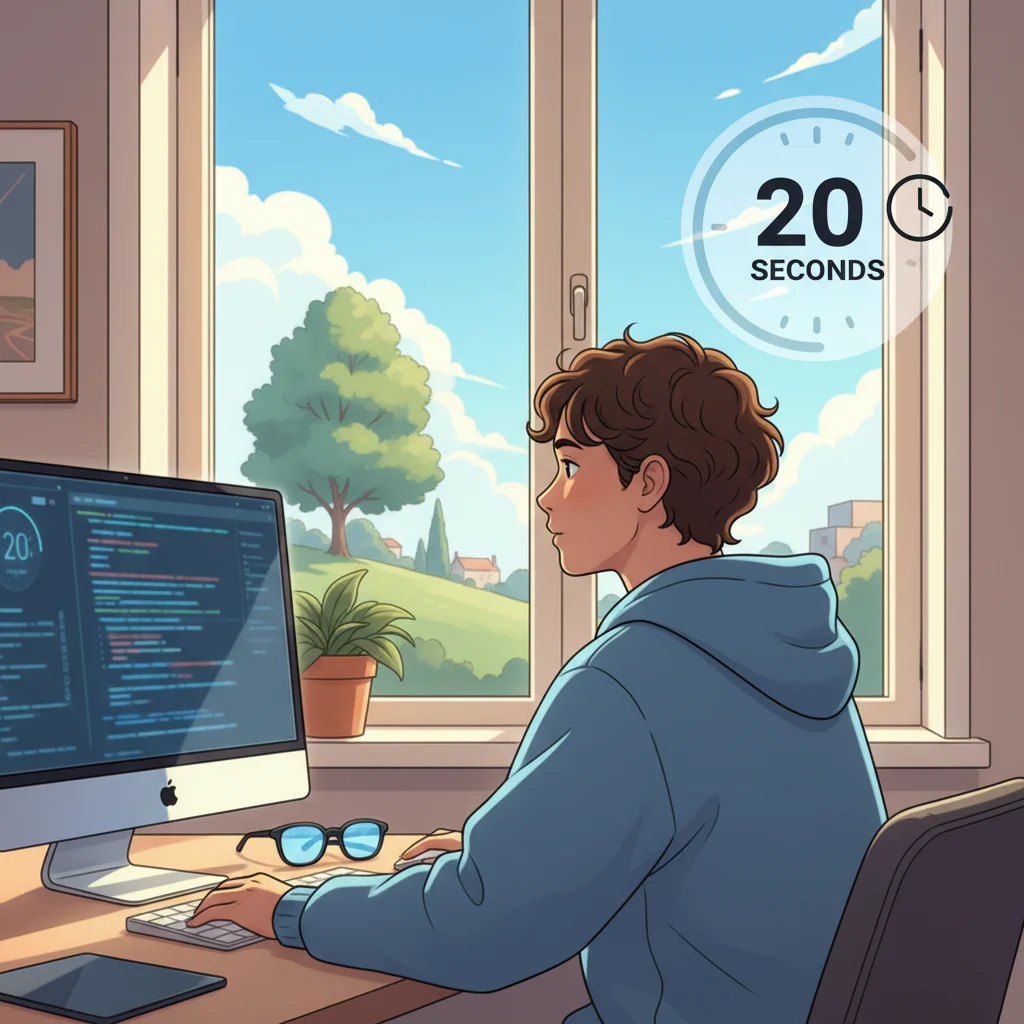
The 20-20-20 rule is perhaps the most widely recommended and simplest strategy for combating digital eye strain. Its effectiveness lies in its simplicity and its ability to encourage regular breaks, which are crucial for eye recovery. The rule states that for every 20 minutes spent looking at a screen, you should look away at an object 20 feet away for at least 20 seconds. This seemingly minor interruption in your screen time can yield significant benefits for your eye health.
Why the 20-20-20 Rule Works
When you focus on a screen, your eye muscles are constantly engaged in maintaining that focus. This sustained effort can lead to muscle fatigue, similar to how any other muscle in your body would tire from continuous exertion. Looking at a distant object allows these muscles to relax. The act of shifting focus from near to far also exercises your eye muscles, helping to maintain their flexibility and strength. Furthermore, staring at a screen often leads to a reduced blink rate, contributing to dry eyes. Taking a break, even a short one, tends to increase your blink rate naturally, helping to re-moisturize your eyes.
Implementing the 20-20-20 Rule Effectively
- Set a Timer: The easiest way to remember the 20-20-20 rule is to set a timer. Many apps are available for smartphones and computers that can remind you to take a break every 20 minutes. You can also use a simple kitchen timer or a built-in alarm on your device. Consistency is key.
- Find Your ’20 Feet’ Object: Before you start your work session, identify an object that is approximately 20 feet away. This could be a picture on the wall, a tree outside your window, or a distant building. Having a pre-determined object makes it easier to follow the rule without interrupting your flow too much.
- Look Beyond Just the Object: While focusing on an object 20 feet away is the core of the rule, try to allow your eyes to wander and observe different depths during your 20-second break. This engages various eye muscles and provides a more comprehensive relaxation.
- Combine with Other Breaks: Integrate the 20-20-20 rule with other types of breaks. For instance, during your 20-second break, you might also take a few deep breaths, stretch your neck, or simply close your eyes for a moment.
Adopting the 20-20-20 rule is a small habit with a monumental impact on preventing digital eye strain. It’s a simple, free, and highly effective method that every US screen user should incorporate into their daily routine in 2026.
Tip 2: Optimize Your Screen and Environment for Reduced Eye Strain
Beyond taking regular breaks, optimizing your screen settings and immediate environment plays a pivotal role in minimizing digital eye strain. A well-configured setup can significantly reduce the stress on your eyes, making your screen time more comfortable and less damaging. This tip encompasses several aspects, from screen brightness to ambient lighting and ergonomic considerations.
Screen Settings Adjustments
- Adjust Brightness: Your screen’s brightness should match the brightness of your surroundings. If your screen is too bright, it can cause glare and discomfort. If it’s too dim, your eyes have to work harder to see, leading to strain. Many modern devices offer automatic brightness adjustment, which can be helpful.
- Contrast and Text Size: Ensure there’s a good contrast between text and background. Black text on a white background is generally preferred. Also, increase the text size to a comfortable level. You shouldn’t have to squint to read anything on your screen.
- Reduce Blue Light Exposure: Blue light emitted from screens has been linked to eye fatigue and disrupted sleep patterns. Most operating systems and many applications now include a ‘night mode’ or ‘blue light filter’ that shifts the screen’s color temperature to warmer tones, especially beneficial in the evenings. Consider using these features.
- Anti-Glare Screens: If your screen is prone to glare from windows or overhead lighting, consider investing in an anti-glare screen protector. Even a matte finish on your screen can help significantly.
Environmental Optimization
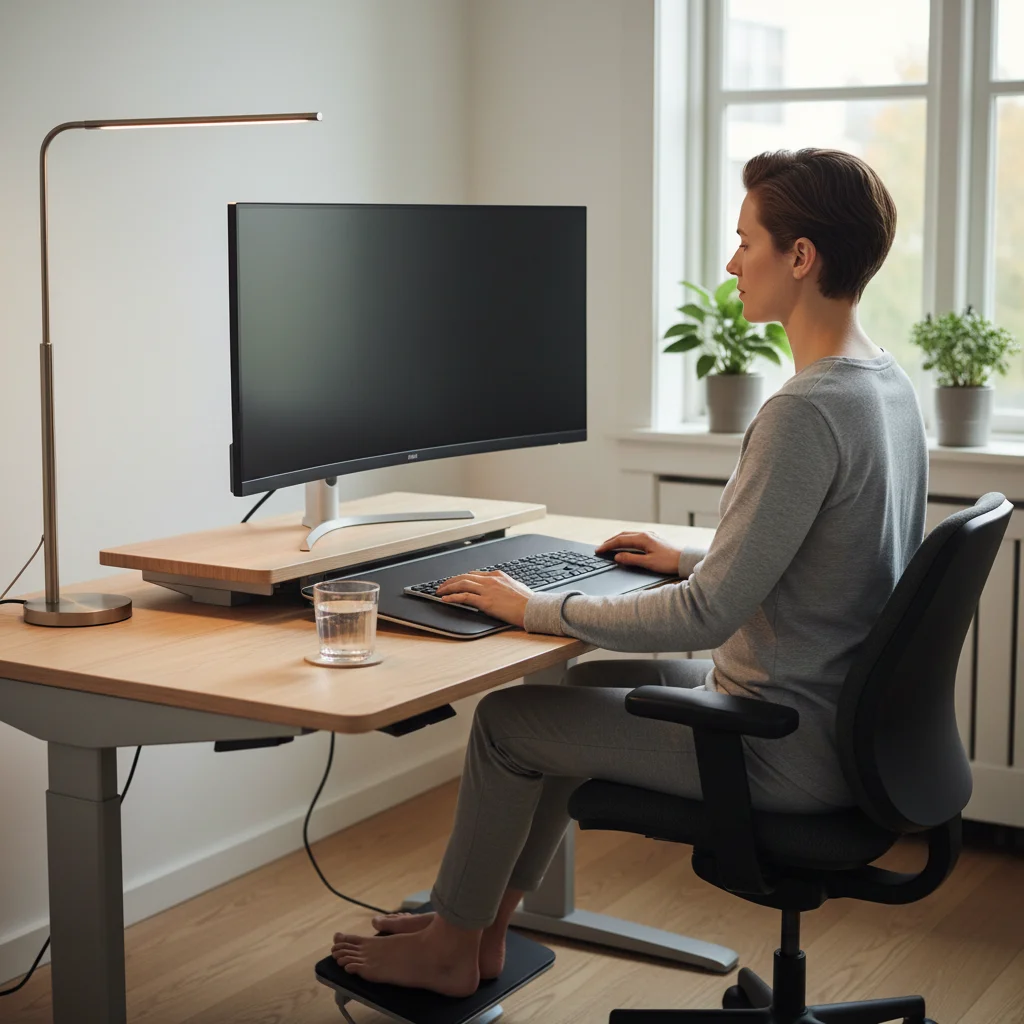
- Proper Lighting: The lighting in your workspace should be balanced. Avoid direct glare from overhead lights or windows. Position your screen so that windows are to the side rather than directly in front of or behind it. Use indirect or diffused lighting to create a comfortable ambiance.
- Maintain Optimal Viewing Distance: Your screen should be about an arm’s length (20-28 inches) away from your eyes. The top of your screen should be at or slightly below eye level. This positioning helps maintain a natural and comfortable head and neck posture.
- Ergonomics for Eye Health: Good posture isn’t just for your back; it affects your eyes too. Ensure your chair is supportive, and your feet are flat on the floor or a footrest. An ergonomically sound setup reduces overall physical strain, which can indirectly alleviate digital eye strain.
- Clean Your Screen: A dusty or smudged screen can reduce clarity and increase glare, forcing your eyes to work harder. Make it a habit to clean your screen regularly with a microfiber cloth.
By taking the time to adjust these settings and optimize your environment, you create a more eye-friendly digital workspace. These proactive steps are vital for managing and preventing digital eye strain in 2026 and beyond.
Tip 3: Prioritize Hydration and Nutrition for Sustained Eye Health
While external factors and screen habits are significant contributors to digital eye strain, the internal health of your body, particularly hydration and nutrition, plays a crucial, often overlooked, role. Your eyes, like every other organ, require adequate nourishment and moisture to function optimally. In 2026, understanding this connection is more important than ever for US screen users.
The Importance of Hydration for Your Eyes
Dehydration can have a direct impact on your eyes, leading to dryness, irritation, and discomfort, all common symptoms of digital eye strain. When you are dehydrated, your body produces fewer tears, which are essential for lubricating and cleaning the eyes. This can exacerbate the dry eye sensation often experienced during prolonged screen use, especially when combined with a reduced blink rate.
- Drink Plenty of Water: Aim for at least eight glasses of water (or approximately 2 liters) per day. This general guideline can vary based on activity level, climate, and individual needs, but it’s a good starting point. Keeping a water bottle at your desk can serve as a constant reminder.
- Humidify Your Environment: In dry indoor environments, especially with air conditioning or heating, the air can strip moisture from your eyes. Using a humidifier can help maintain a comfortable level of humidity, reducing eye dryness.
- Consider Hydrating Eye Drops: If you frequently experience dry eyes, over-the-counter lubricating eye drops (artificial tears) can provide immediate relief. Consult with an eye care professional to choose the best type for your specific needs.
Nutritional Support for Eye Health
A diet rich in specific vitamins, minerals, and antioxidants can significantly contribute to overall eye health and resilience against environmental stressors, including digital eye strain. While nutrition alone won’t cure severe eye conditions, it can certainly support optimal function and potentially mitigate some of the negative effects of prolonged screen use.
- Omega-3 Fatty Acids: Found in fatty fish (like salmon, mackerel, and sardines), flaxseeds, and walnuts, Omega-3s are vital for maintaining healthy tear film and reducing inflammation, which can alleviate dry eye symptoms.
- Vitamins A, C, and E: These powerful antioxidants protect your eyes from free radical damage. Vitamin A is crucial for good vision, especially in low light. Vitamin C is important for blood vessel health in the eyes, and Vitamin E helps protect eye cells from damage. Incorporate citrus fruits, leafy greens, carrots, and nuts into your diet.
- Lutein and Zeaxanthin: These carotenoids are found in high concentrations in the macula of the eye, where they act as natural sunblock, absorbing harmful blue light. Rich sources include leafy green vegetables (spinach, kale), corn, and eggs.
- Zinc: This mineral helps bring Vitamin A from the liver to the retina to produce melanin, a protective pigment in the eyes. Zinc-rich foods include beans, nuts, red meat, and poultry.
By consciously integrating these hydrating and nutrient-rich elements into your daily routine, you are providing your eyes with the internal support they need to combat the challenges posed by extensive screen use. This holistic approach to eye care is foundational for preventing digital eye strain and maintaining excellent vision in 2026.
Beyond the Three Tips: Holistic Approaches to Eye Health
While the three essential tips—the 20-20-20 rule, screen and environment optimization, and hydration/nutrition—form the cornerstone of preventing digital eye strain, a truly holistic approach to eye health involves several other practices. Integrating these additional considerations can further enhance your eye comfort and long-term vision protection.
Regular Eye Examinations
Even with the most diligent preventative measures, regular comprehensive eye examinations are indispensable. An eye care professional can detect underlying vision problems, assess for conditions like dry eye syndrome, and provide personalized advice. They can also recommend specific corrective lenses, such as those with anti-reflective coatings or blue light filters, which can further alleviate digital eye strain. For US screen users, especially those over 40, annual check-ups are highly recommended.
Understanding Blue Light and Its Impact
The discussion around blue light often leads to confusion. While excessive exposure, particularly in the evening, can disrupt sleep patterns, its direct long-term damage to the retina is still a subject of ongoing research. However, blue light filters (both software and physical glasses) can reduce glare and improve visual comfort for many users, thereby indirectly helping with digital eye strain symptoms. It’s about finding what works best for your eyes.
The Role of Blinking
When we focus intensely on a screen, our blink rate significantly decreases. This reduction leads to the evaporation of the tear film, causing dry, irritated eyes. Consciously reminding yourself to blink fully and frequently can be an effective, simple countermeasure. Try the ‘conscious blink’ exercise: every 20 minutes, blink slowly and deliberately 10-15 times to re-moisten your eyes.
Breaks from All Screens
While the 20-20-20 rule addresses short breaks, it’s equally important to take longer, more substantial breaks from all digital devices. Dedicate periods of your day, especially before bedtime, to screen-free activities. Read a physical book, go for a walk, engage in a hobby that doesn’t involve a screen. This not only rests your eyes but also promotes overall mental well-being, which is interconnected with physical health.
Workplace Ergonomics Beyond the Screen
A complete ergonomic setup extends beyond just your screen. Consider the placement of your keyboard and mouse, ensuring they are at a comfortable height to prevent wrist and arm strain. Your chair should provide adequate lumbar support. An overall comfortable and supportive workspace reduces physical stress, which can indirectly alleviate digital eye strain. This holistic ergonomic approach significantly contributes to preventing digital eye strain.
Mindfulness and Stress Reduction
Stress and anxiety can manifest in physical symptoms, including eye strain. Incorporating mindfulness practices, meditation, or simple relaxation techniques into your daily routine can help manage stress levels. A calm mind often translates to less tension in the body, including the muscles around your eyes, potentially easing digital eye strain.
The Future of Eye Care in a Digital World
As technology continues to advance at a rapid pace, so too will our understanding of its effects on human health, particularly eye health. In 2026, we are seeing a greater emphasis on integrated solutions that combine hardware, software, and behavioral changes to protect vision. Innovations in display technology aim to reduce blue light emissions and optimize visual comfort. AI-powered tools are emerging to monitor screen time and suggest personalized break schedules. Wearable technologies are also exploring ways to provide real-time feedback on eye health metrics.
However, regardless of technological advancements, the fundamental principles of eye care remain constant. Personal responsibility, informed choices, and consistent application of preventative measures will always be the most potent tools in our arsenal against digital eye strain. US screen users must stay informed and proactive in adopting best practices to ensure their vision remains sharp and comfortable throughout their increasingly digital lives.
Conclusion: Safeguarding Your Vision in 2026 and Beyond
The digital landscape of 2026 presents both immense opportunities and significant challenges for our eye health. Digital eye strain is a pervasive concern for millions of US screen users, but it is not an insurmountable one. By diligently applying the three essential tips outlined in this guide—embracing the 20-20-20 rule, optimizing your screen and environment, and prioritizing hydration and nutrition—you can significantly mitigate the risks and enjoy a more comfortable digital experience.
Remember, eye care is an ongoing commitment, not a one-time fix. Integrate these practices into your daily routine, make them second nature, and encourage those around you to do the same. Combine these core strategies with regular eye exams, conscious blinking, longer screen breaks, and a holistic approach to your overall well-being. Your eyes are invaluable, serving as your primary window to the world. Protecting them from the rigors of the digital age is an investment in your long-term health and quality of life. Let’s make 2026 the year we all commit to healthier screen habits and stronger, happier eyes.